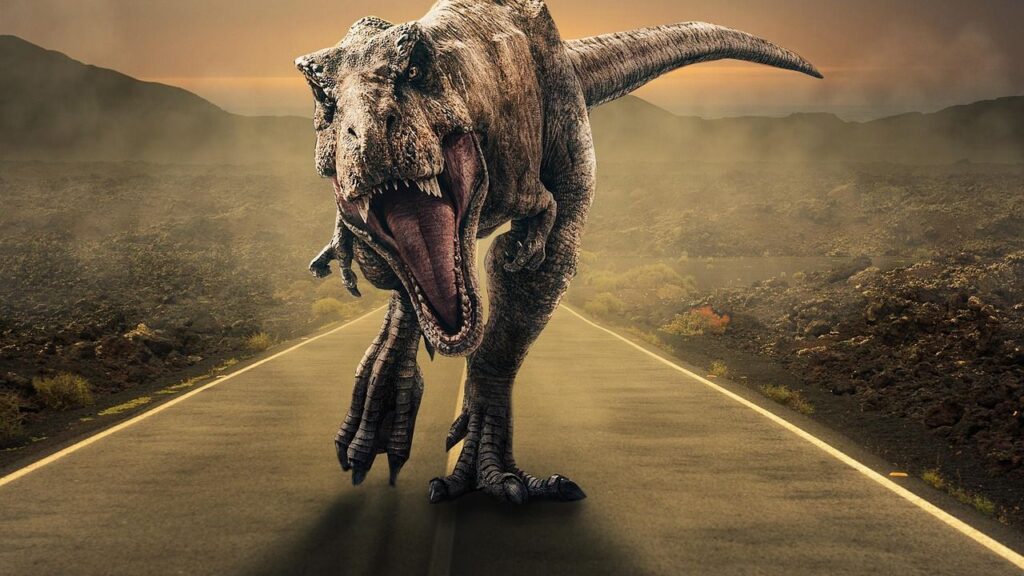
If you grew up picturing Tyrannosaurus rex as a scaly, lone-wolf super‑predator that could barely turn its own body, you’re in good company. That version of T. rex dominated books, museum displays, and blockbuster movies right through the 1990s. But over the last three decades, a wave of discoveries has quietly rewritten almost everything we thought we knew about the most famous dinosaur on Earth.
Today’s T. rex is faster, smarter, more social, more sensitive, and frankly weirder than the monster most of us met as kids. New fossils, digital modeling, and microscopic bone studies have turned the old cartoon into something more complicated and far more alive. Some of what paleontologists now accept as normal for T. rex would’ve sounded ridiculous – even career‑ending – if you’d said it out loud in a conference hall in 1996. Let’s dig into eight of the biggest shockers.
T. Rex Probably Grew Feathers (At Least When Young)
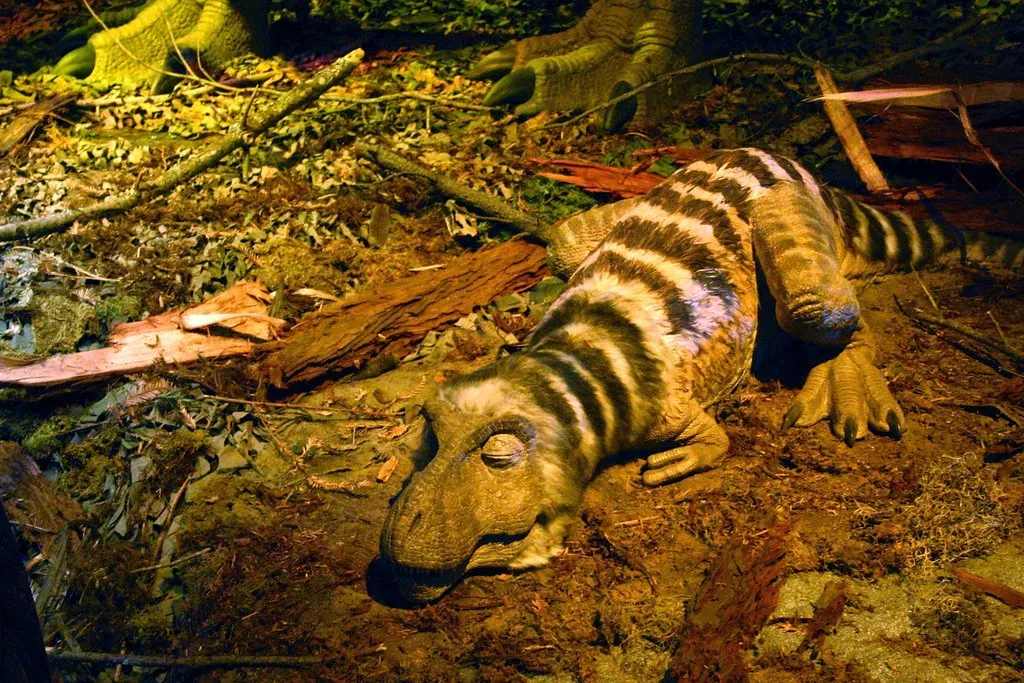
Ask a dinosaur expert in the early 1990s whether T. rex had feathers and you’d likely get an eye‑roll. Back then, big carnivorous dinosaurs were imagined as giant, naked reptiles from nose to tail. The game changed when small, feathered tyrannosaurs like Dilong and Yutyrannus were found in China, clearly showing that the tyrannosaur family tree had deep roots in fuzz and feathers. That alone would have floored experts who were used to drawing tyrannosaurs like oversized crocodiles on stilts.
To be fair, scientists still debate exactly how fluffy adult T. rex really were. Some fossil skin impressions show patches of scales, especially on the tail and hips, which suggests they weren’t covered in feathers like a bird from head to toe. But given that earlier, more primitive tyrannosaurs carried filamentous feathers, it’s now widely thought that young T. rex were at least partly fuzzy, probably for insulation and maybe display. The idea that the king of the dinosaurs may have started life as a giant, murder‑chick would have sounded almost insulting to researchers a few decades ago, and yet here we are.
Teenage T. Rex Was Practically a Different Dinosaur
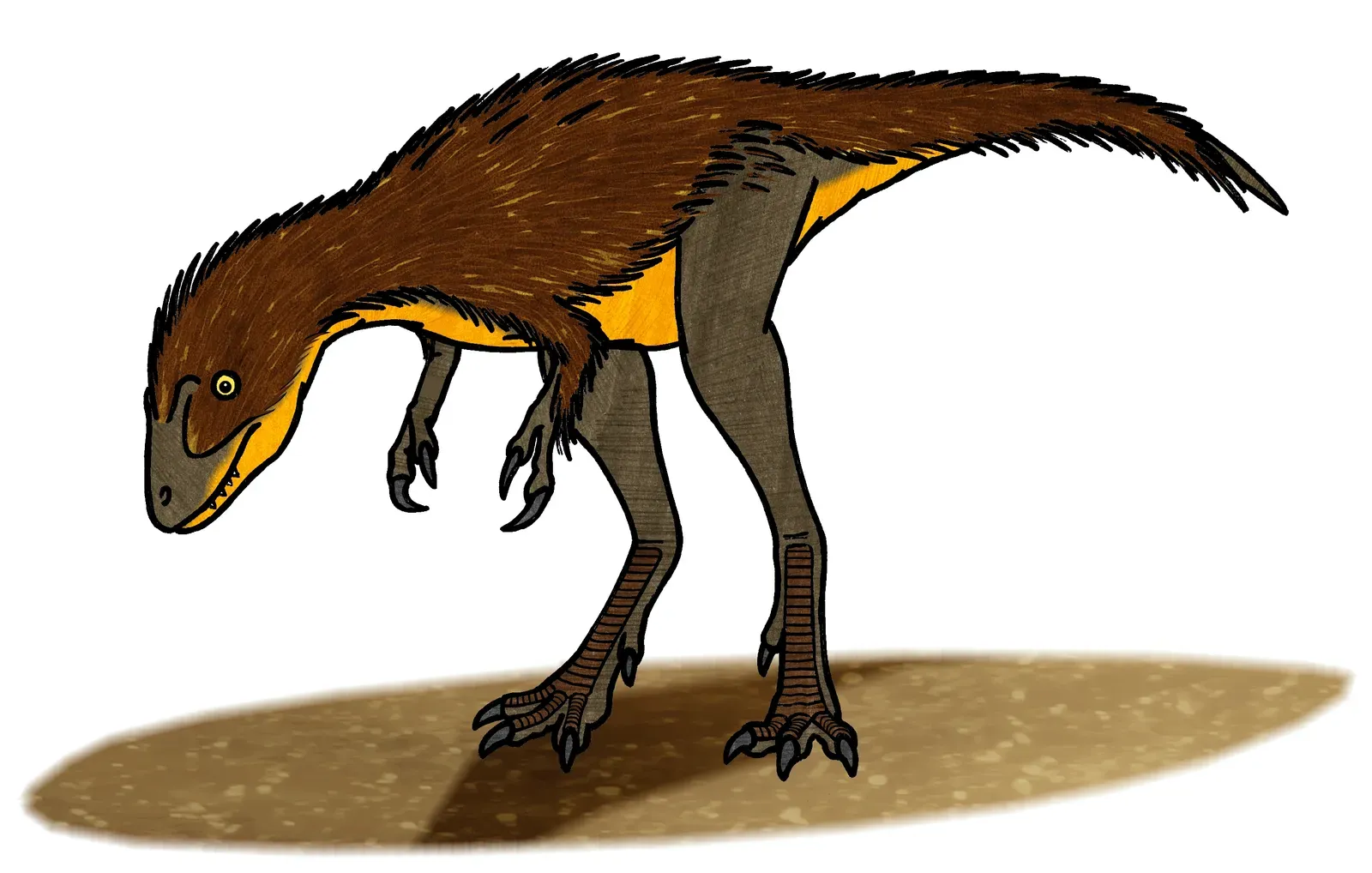
For most of the twentieth century, paleontologists thought they were dealing with multiple medium‑sized tyrannosaur species alongside the classic adult. Names like Gorgosaurus and “Nanotyrannus” floated around as supposedly separate kinds of predators. What really shocked people as more skeletons came in was the realization that many of these “different” animals were likely just teenagers or young adults of the same species in radically different growth stages.
Bone studies have revealed that T. rex went through a mind‑blowing growth spurt, packing on hundreds of kilograms in just a few years. A lanky teenage T. rex had long, slender legs, a narrower skull, and a much lighter build than the tank‑like adults, almost like a completely different model of predator. That means a single species of dinosaur effectively occupied multiple ecological roles during its life, shifting from fast, nimble hunter to slow but overwhelmingly powerful bruiser. Thirty years ago, the idea that we’d confused teenagers with whole new species would’ve embarrassed the entire field; today, it’s a key part of how we understand T. rex biology.
T. Rex Had a Crushing, Bone‑Splitting Bite Beyond Anything Imagined
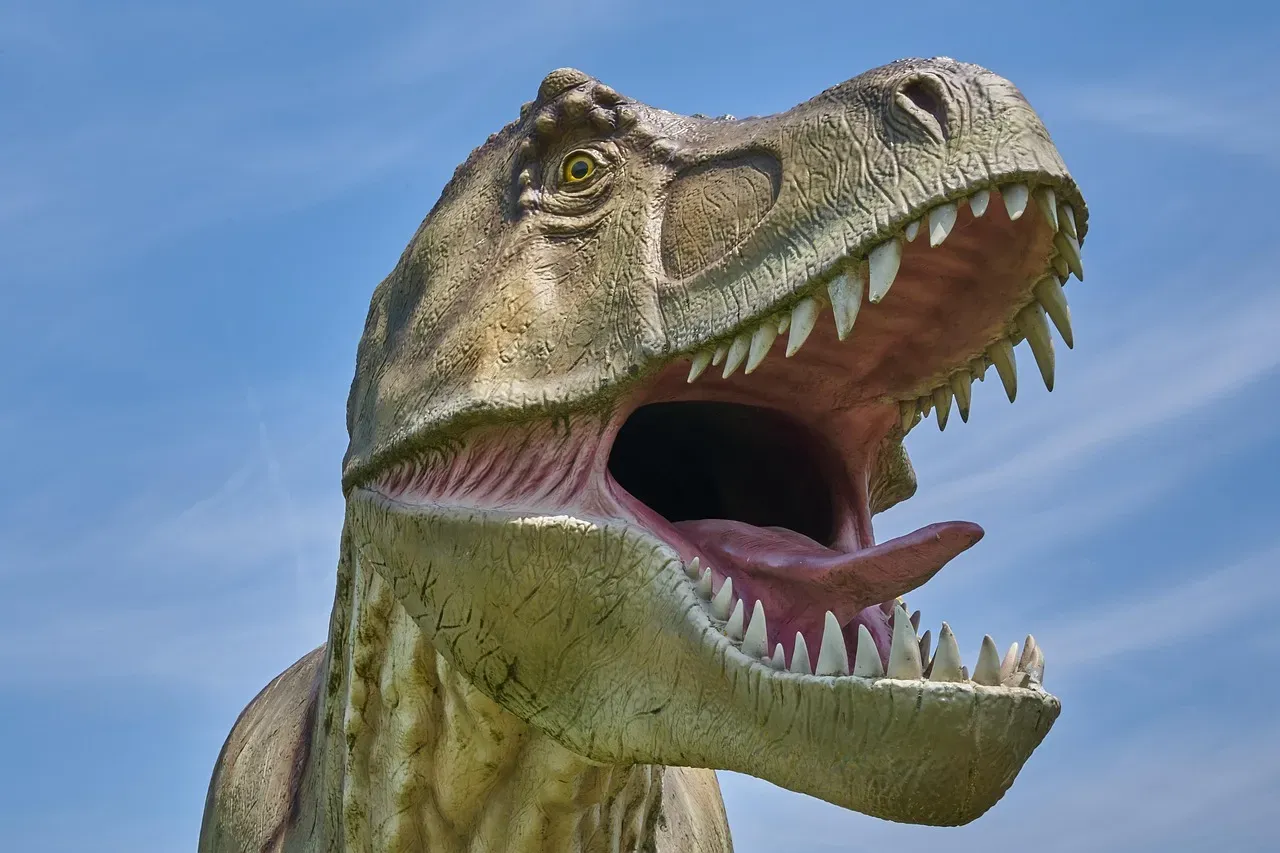
Paleontologists always knew T. rex had a strong bite, but the numbers now on the table would have sounded like science fiction in the 1990s. Advanced computer models, based on finely scanned skulls, suggest T. rex could exert many metric tons of force with a single bite – strong enough to pulverize bone like dry twigs. When people first started running those models, even experts questioned whether the outputs could possibly be right, because they blew past what most living animals can do by a huge margin.
The fossil record now backs this up at a gruesome level of detail. We find hadrosaur and ceratopsian bones chewed up and scarred from the inside, with bite marks that match T. rex teeth and show that it regularly crunched straight through skeletal tissue. In other words, this animal didn’t just nibble meat off the bone like a lion; it treated the entire carcass, including the skeleton, as food. That takes the old “powerful bite” cliché and cranks it into something almost cartoonish, and it forced researchers to rethink everything from T. rex feeding strategies to how its skull and neck were engineered to survive its own power.
Those Tiny Arms Were Surprisingly Strong and Possibly Useful
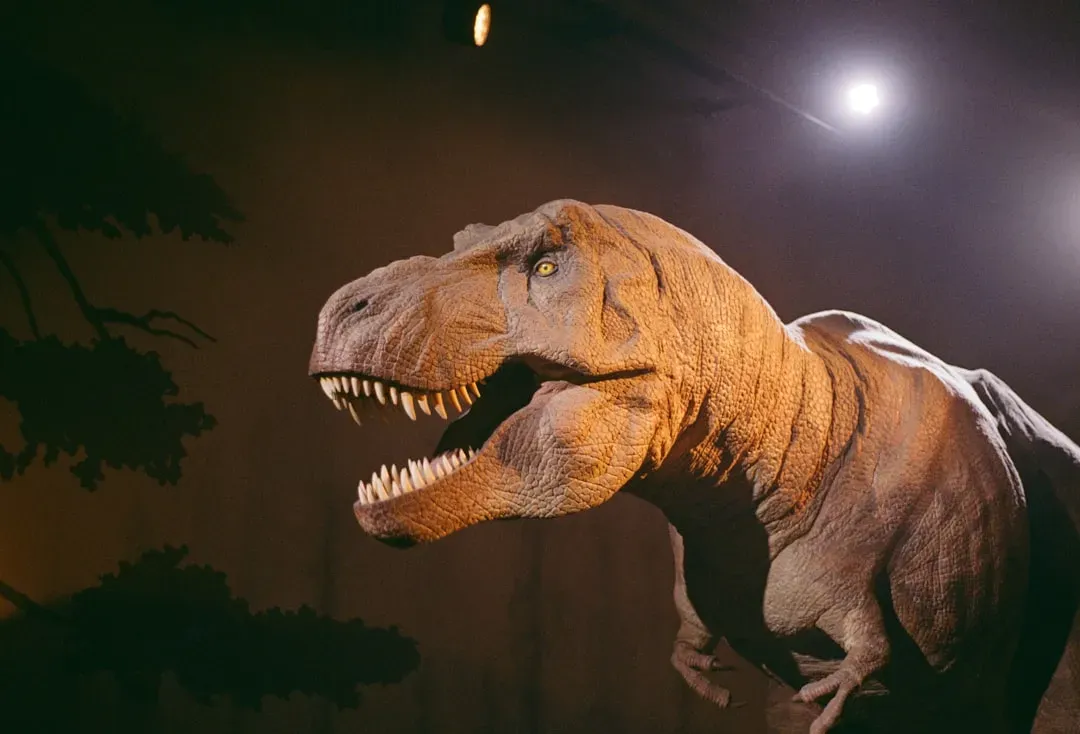
For decades, T. rex’s arms were the butt of jokes and basically treated as leftover design errors. Paleontologists used to describe them as vestigial – useless evolutionary baggage that happened to come along for the ride. Modern studies have taken a closer look at the bone structure and muscle attachment scars and turned that joke on its head. The arms may have been short, but they were incredibly robust and probably packed real pulling power at close range.
Some researchers now argue that T. rex could use those arms in ways that matter: to grip struggling prey, to help itself stand or reposition during feeding, or even in rough mating behavior like holding onto a partner. The hands had large, strongly curved claws and the joints show they were built to handle stress, not just dangle there. While nobody is claiming T. rex was hugging its victims like some horror movie villain, the modern view is that the arms were specialized tools, not evolutionary dead weight. Thirty years ago, suggesting that the tiny arms actually did something would have sounded like trying too hard to redeem a joke, but the anatomy just keeps nudging us in that direction.
T. Rex Might Have Been Social, Not a Pure Lone Wolf
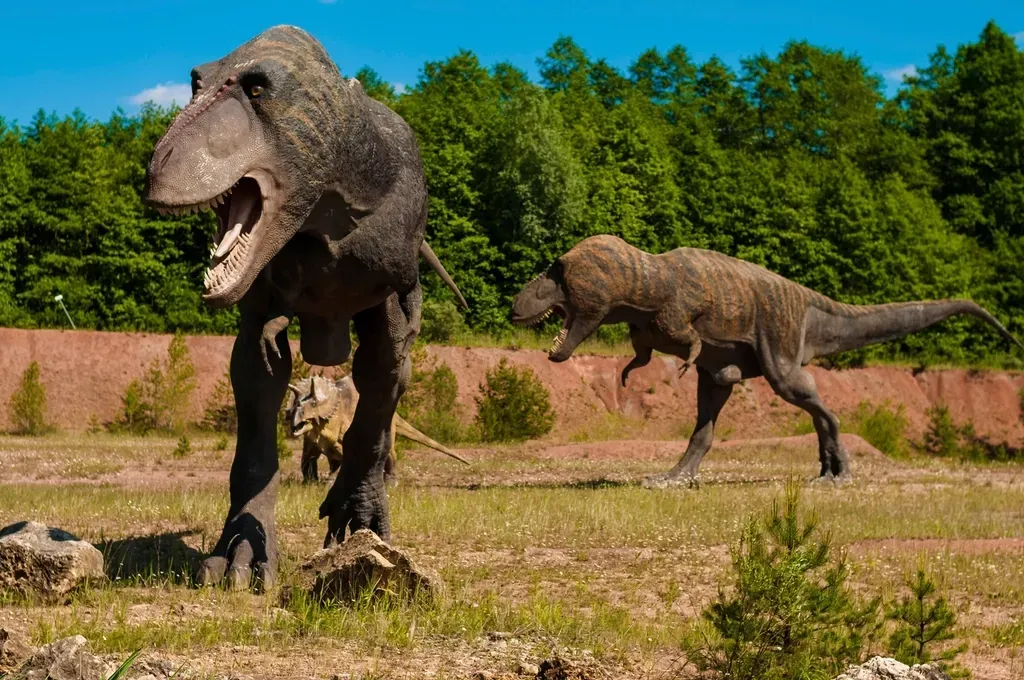
The old picture of T. rex was strictly solo: one predator, one territory, no tolerance for its own kind except maybe to mate and move on. What has shaken that view are fossil sites where multiple tyrannosaurs are found together, including bonebeds that suggest they died at the same time. A few decades back, most experts would dismiss group death as a coincidence – maybe a drought, maybe a flood – but accumulating examples have made that simple explanation harder to lean on.
Some paleontologists now think T. rex may have had at least occasional social behavior, perhaps family groups or loose hunting bands, especially among younger individuals. If teenage T. rex were slimmer and more agile, it makes sense to picture them moving together, testing prey, and learning how to take down large animals before graduating into solitary, heavyweight adulthood. Is this fully settled? Not even close, and plenty of scientists remain skeptical. But the fact that “T. rex might have been social” is even on the table would have stunned experts raised on the idea that big theropods were as solitary as modern tigers.
T. Rex Had Sharp Senses and a Surprisingly Capable Brain
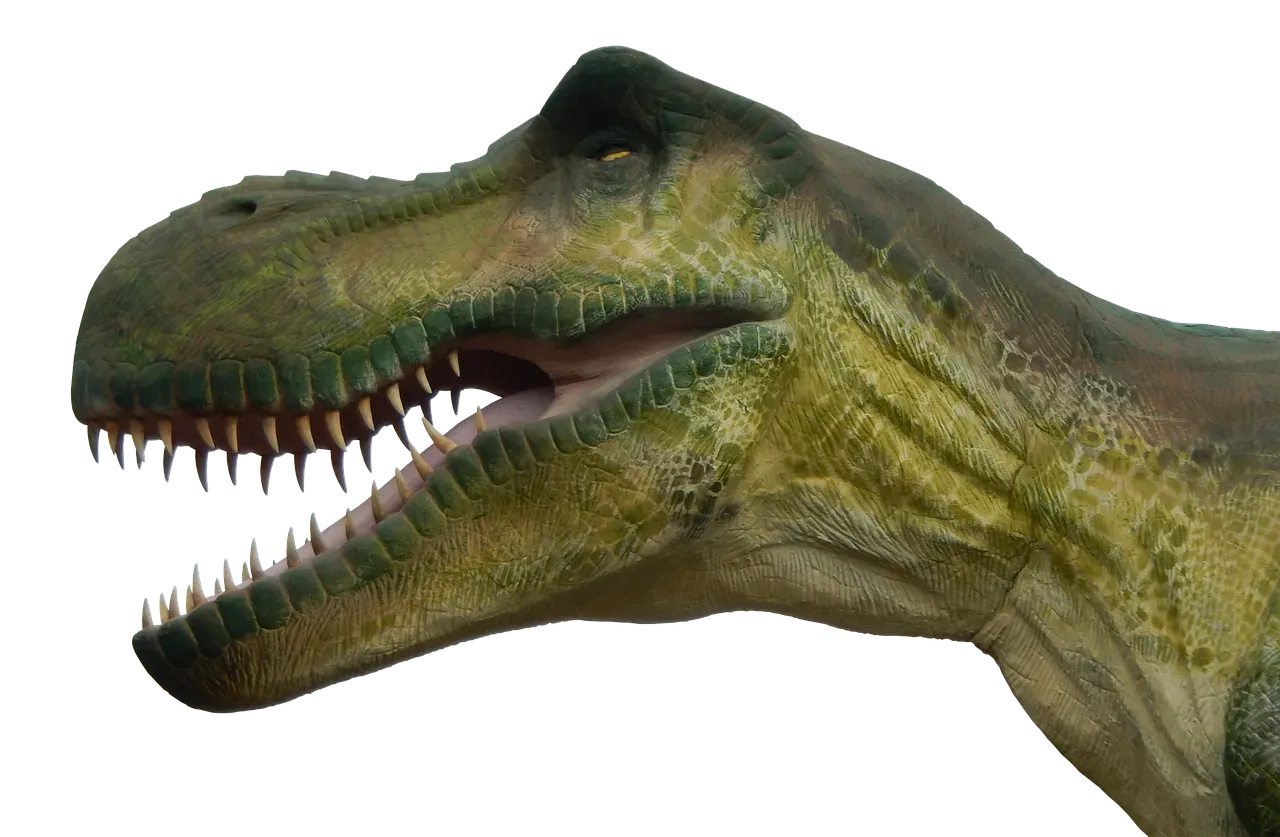
In older books, dinosaurs – T. rex included – were often described as powerful but dim, basically oversized reptiles running on brute instinct. That impression has crumbled as scientists have studied T. rex skulls and used CT scans to reconstruct its brain cavity and sensory organs. The results are hard to square with the “slow, stupid giant” stereotype. T. rex seems to have had an enlarged region associated with vision and balance, and the structure of its inner ear hints at strong coordination and head movements.
On top of that, its sense of smell appears to have been extremely keen, thanks to enlarged olfactory regions relative to skull size. The eyes were set forward enough to give it serious depth perception, which is exactly what you want for tracking moving prey across rough terrain. None of this means T. rex was plotting complex strategies like a human, but it was clearly an alert, highly tuned animal adapted to a demanding lifestyle. Thirty years ago, suggesting that it combined top‑tier senses with a brain that could truly use them would have sounded almost too generous; today, it is the cautious middle‑ground view.
T. Rex Was Probably Faster and More Agile Than the Old Movies Showed
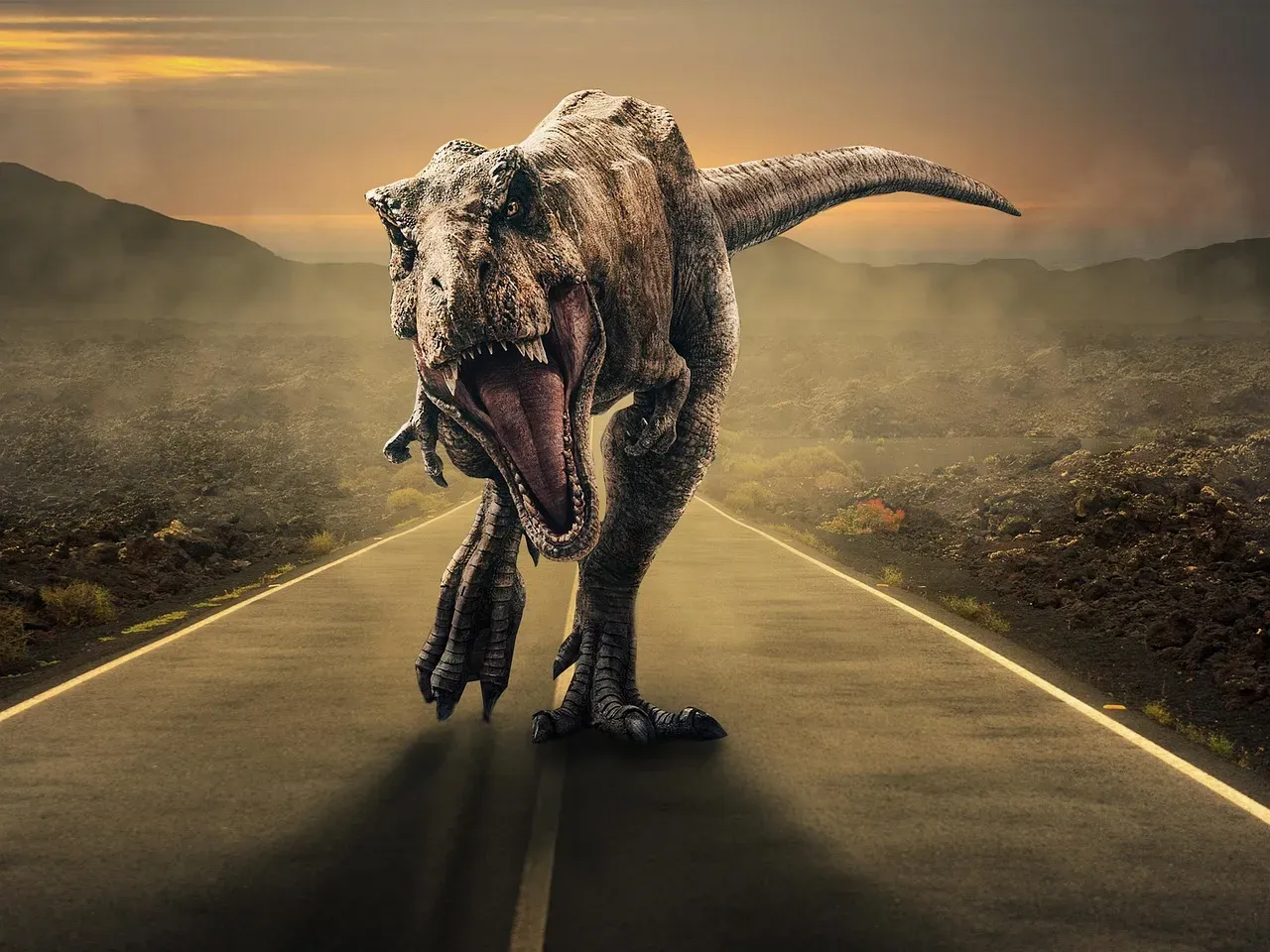
If you picture T. rex as a lumbering, tail‑dragging beast that could barely jog, you are picturing a dinosaur drawn with 1960s rules. Even by the 1990s, many experts still thought of large theropods as slow, awkward, and limited in how they could move. High‑tech models, digital reconstructions, and trackway studies have changed that, showing that T. rex held its body horizontally, used its tail as a counterbalance, and could pivot and move in a more athletic way than anyone expected.
There is still debate about how fast it could actually run, and the strict top speed numbers have been walked back as scientists factor in the risk of catastrophic falls for an animal that heavy. But even conservative models imply that T. rex could power‑walk or jog at speeds that would be terrifying if you were on foot, and its long legs gave it excellent stride length and efficiency over ground. The key shocker is not that it was a sprinter, but that it was not the clumsy, half‑upright lizard many textbooks once depicted. If you told a dinosaur specialist in 1994 that we’d be seriously modeling T. rex biomechanics on modern birds and big, agile mammals, they’d probably have raised an eyebrow and changed the subject.
There Were Many More T. Rex Than Anyone Dreamed
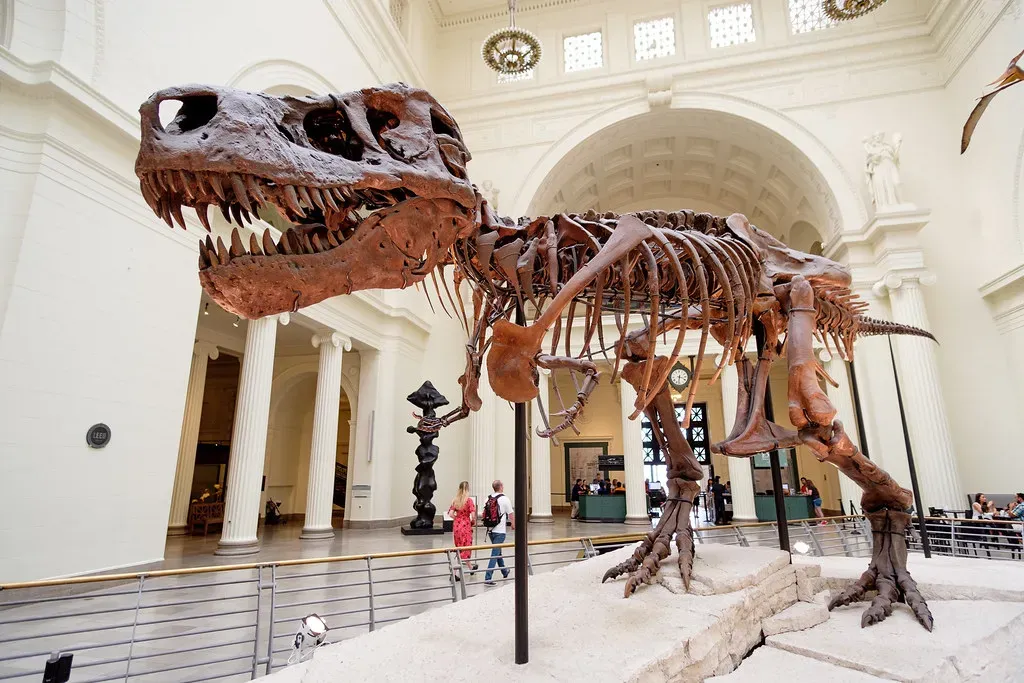
For a long time, T. rex felt rare and almost mythical: a handful of skeletons, most incomplete, scattered across a few museums. That scarcity fed the idea that it was an unusual, sparsely distributed predator. Recent work that combines fossil data with ecological modeling flipped that assumption on its head. When scientists started estimating population sizes and species duration based on modern animal comparisons, they ended up with staggering numbers for how many T. rex likely lived and died over their existence.
Instead of imagining a lonely king stomping across a mostly empty landscape, we now have to picture ecosystems where T. rex was a regular, if still terrifying, presence. Over the couple of million years it ruled western North America, the total number of individuals that ever lived probably reaches into the billions. That does not mean you would see one on every hilltop, but it does mean that our fossil record is just a pin‑prick sample of what was really out there. Thirty years ago, even suggesting that we might be undercounting T. rex by that kind of scale would have sounded wildly speculative; now it feels like the only way the math adds up.
We Now See T. Rex as Part of a Bird‑Like Dinosaur World, Not a Reptilian Sideshow
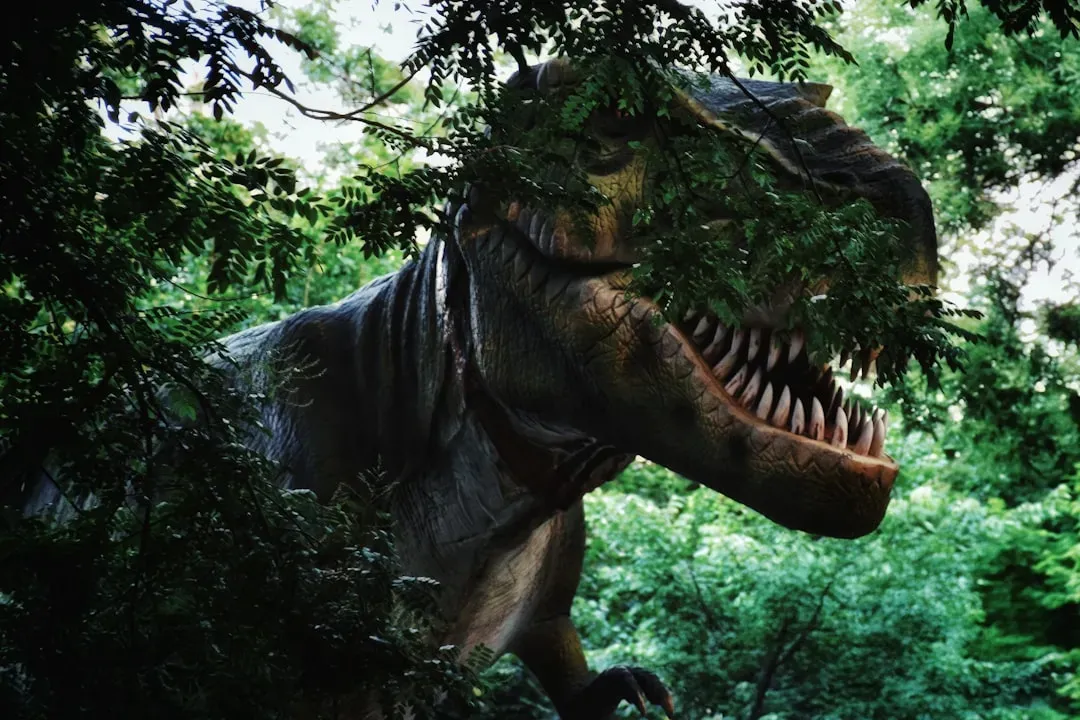
Perhaps the biggest conceptual shock is not any single detail, but the frame shift around what T. rex actually was. In the late twentieth century, most people – even many experts – still thought of dinosaurs as an extinct offshoot of reptiles, an evolutionary experiment that failed. The bird connection was known but often treated as a quirky side note. Today, the consensus is that birds are living dinosaurs, and T. rex sits firmly within that same broader group, which forces us to imagine it in a much more bird‑like context.
This change reframes everything from how we think it breathed, to how it grew, to how it might have displayed to rivals and mates. Air sacs in the skeleton, rapid growth rates, possible feathering, and bird‑style balance and posture all push us away from the old sluggish lizard image and toward something more like a monstrous, hyper‑predatory ground bird. Thirty years ago, insisting that the best mental comparison for T. rex was a rhinoceros‑sized terror bird rather than a crocodile on stilts would have sounded outrageous. Now, if you refuse to see T. rex through that bird‑infused lens, you are the one who seems outdated.
Conclusion: The King of Dinosaurs Keeps Losing Its Crown – and Getting More Interesting
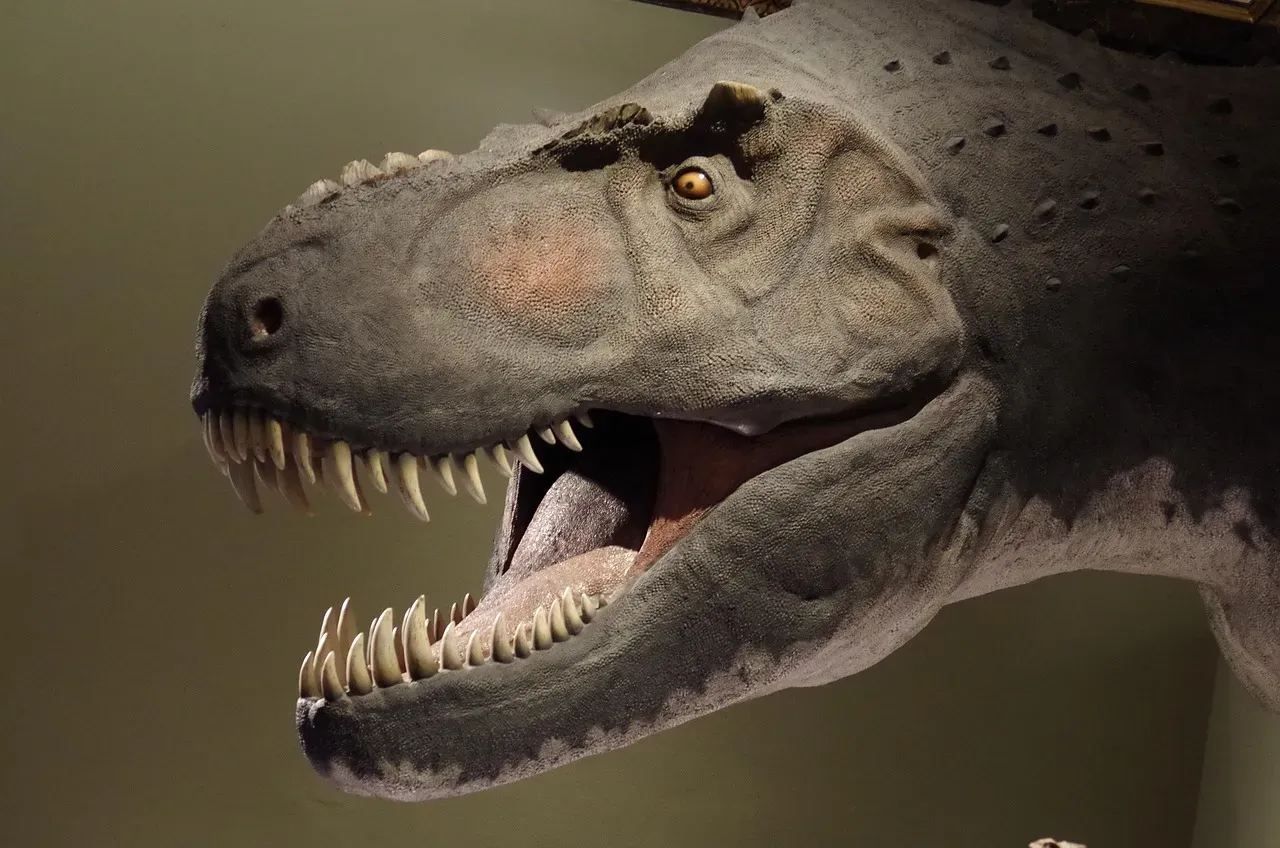
Looking at all this together, the most shocking thing is how wrong the old “textbook T. rex” really was. We stripped it of feathers it probably had, mocked arms that were probably useful, underestimated its senses, and flattened its life story into a single, hulking stereotype. The modern T. rex is a shape‑shifter: a fluffy youngster, a lanky teenager, a bone‑crushing adult; sometimes solitary, possibly social; reptile in some ways, bird‑like in others. In my view, that messy, nuanced picture makes it far more impressive than the simple movie monster that dominated the 1990s.
There’s a quiet lesson here about science itself. The planet’s most famous fossil predator has been under the microscope for more than a century, and yet we are still overturning “obvious” truths about its body, its behavior, and even how many of them once walked the Earth. If T. rex can be reinvented this radically in just thirty years, what else that we consider settled might be due for a shock?