Think back to the dinosaur books and cartoons you grew up with: lumbering brutes, tiny pea-sized brains, and not much going on behind the eyes. Now fast‑forward to what scientists know in 2026, and the picture is almost unrecognizable. Dinosaurs were alert, problem‑solving, socially complex animals, and in some cases their behavior looks uncomfortably close to the sharpest birds alive today. The old stereotype of the slow, stupid reptile has quietly gone extinct.
As more fossils are discovered and more powerful tools are used to study bone, braincase shape, growth rings, and even microscopic structures, a new story has emerged. Some dinosaurs raised their young, coordinated in groups, and may have used vocal calls and visual displays in sophisticated ways. Others had brain-to-body ratios and senses that hint at surprisingly advanced minds. Let’s walk through six big ways dinosaurs were far smarter than anyone told us when we were kids – and why that matters for how we see “intelligence” in animals today.
1. Many Dinosaurs Lived in Complex Social Groups
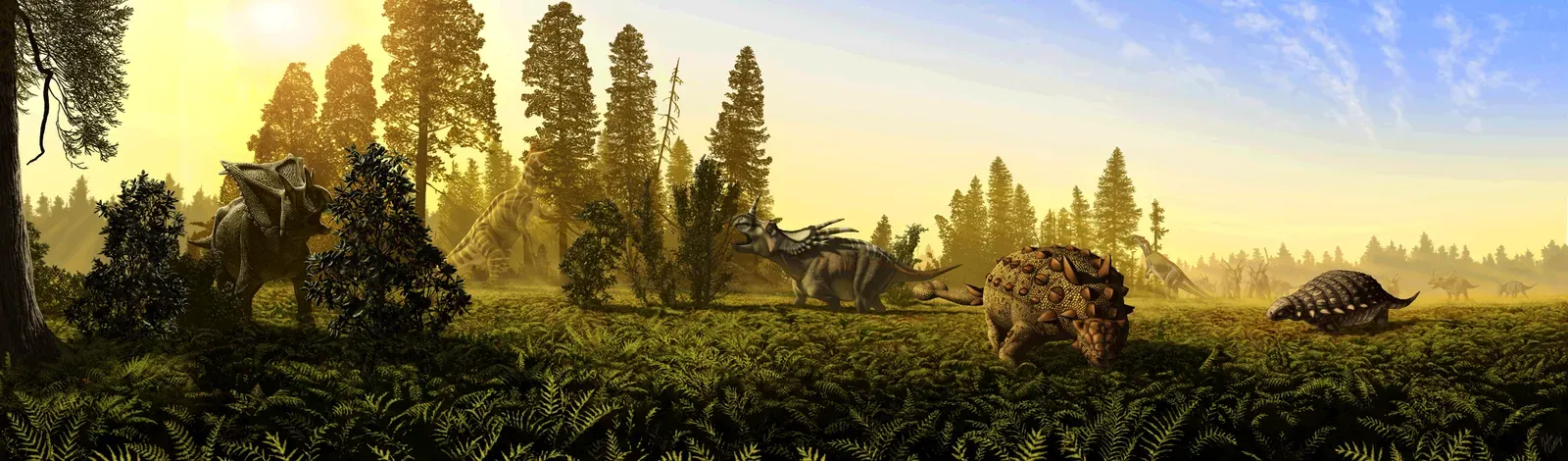
When we were younger, dinosaurs were often shown as loners, only coming together to fight or mate. But fossil evidence now points to social lives that look more like herds of modern mammals or flocks of birds than solitary reptiles. Paleontologists have found bonebeds with dozens or even hundreds of individuals of the same species preserved together, suggesting they moved in groups rather than wandering alone. Trackways – fossilized footprints – also show multiple individuals walking in the same direction at similar speeds, with adults and juveniles side by side.
Social living is not just a cute detail; it requires coordination, communication, and at least a basic understanding of your place in the group. Some large plant‑eating dinosaurs seem to have formed age‑segregated herds, with juveniles grouping together separately from adults, which hints at social rules and maybe even learning from peers. That kind of behavior takes more than a simple reflexive brain. It suggests dinosaurs managed relationships, recognized group members, and probably adjusted their behavior depending on who was nearby – a far cry from the brainless monsters we saw on plastic lunchboxes.
2. Parents Did Far More Than Just Lay Eggs and Leave
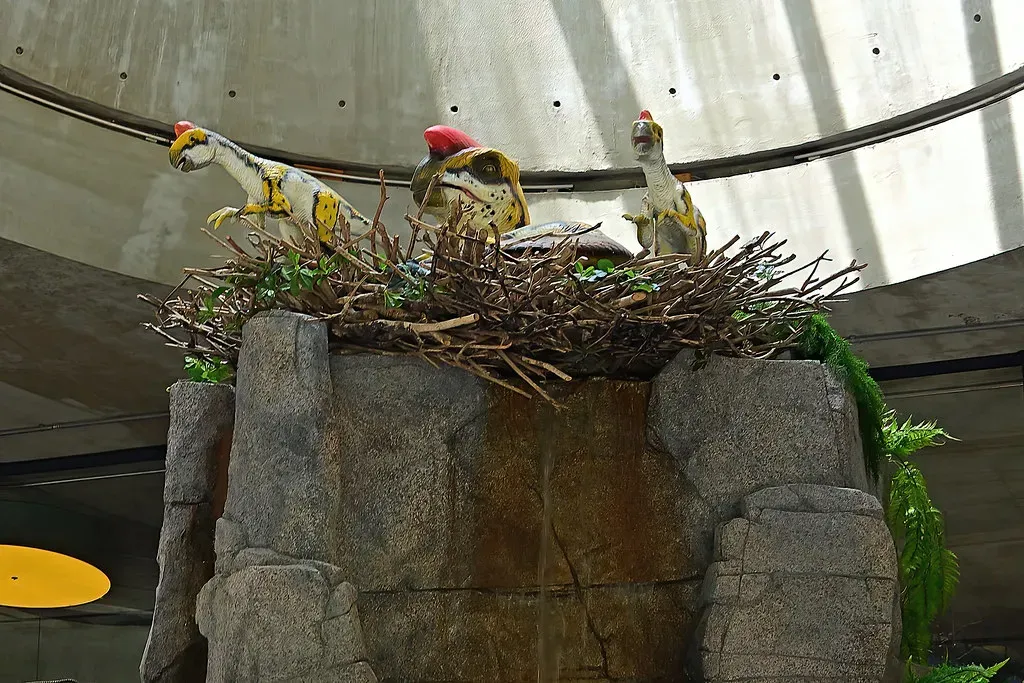
One of the most surprising shifts has been in how we think about dinosaur parenting. The old idea was simple: lay a bunch of eggs and hope a few survive. Now, nests discovered with carefully arranged eggs, layered materials, and even fossilized adult skeletons sitting directly over clutches suggest some species guarded or incubated their young. This kind of brooding behavior demands patience, awareness of danger, and a basic ability to regulate behavior over long stretches of time.
There is also evidence that some young dinosaurs stayed in or around the nest after hatching, implying that parents may have provided ongoing care such as protection or even food. That’s the sort of extended investment we see in birds and mammals, not in stereotypical “dumb reptiles.” Raising vulnerable offspring in a dangerous world requires planning, memory of safe spots, and flexible decision‑making when predators or environmental changes threaten. To me, it is very hard to square that level of caregiving with the idea of a creature running purely on instinct and zero awareness.
3. Their Brains and Senses Were Sharper Than the Old “Walnut Brain” Myth
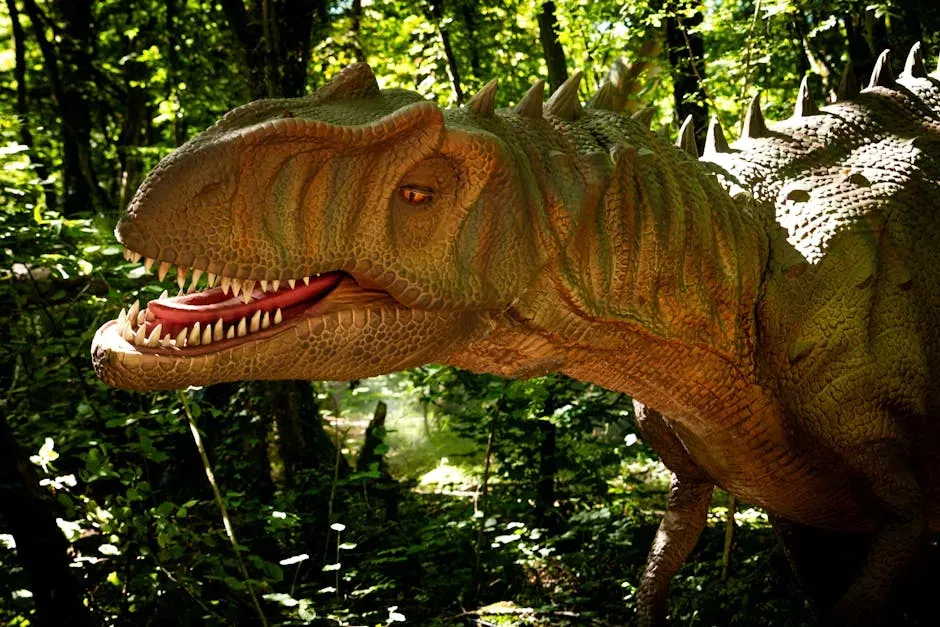
We grew up hearing jokes about dinosaurs having brains the size of walnuts, as if brain volume alone told the whole story. Modern studies use CT scans of dinosaur skulls to reconstruct the shape of the brain cavity, and what they reveal is much more nuanced. Some theropods – the group that includes the ancestors of birds – had relatively large brains for their body size, especially in regions linked to vision, balance, and coordination. In several cases, their brain-to-body ratios overlap with those of modern birds considered fairly clever.
On top of that, many dinosaurs had exquisitely tuned senses that demand heavy processing power. Forward‑facing eyes in some predators suggest depth perception suitable for tracking fast‑moving prey, and long inner ear canals point to agility and fine control of head movements. Olfactory regions in the skulls of certain species hint at powerful senses of smell and possibly complex scent‑based behavior. When you have a keen suite of senses feeding rich information into the brain, and anatomical signs of expanded neural areas, it becomes difficult to keep calling these animals “stupid” with a straight face.
4. Some Dinosaurs Likely Used Sophisticated Communication and Displays
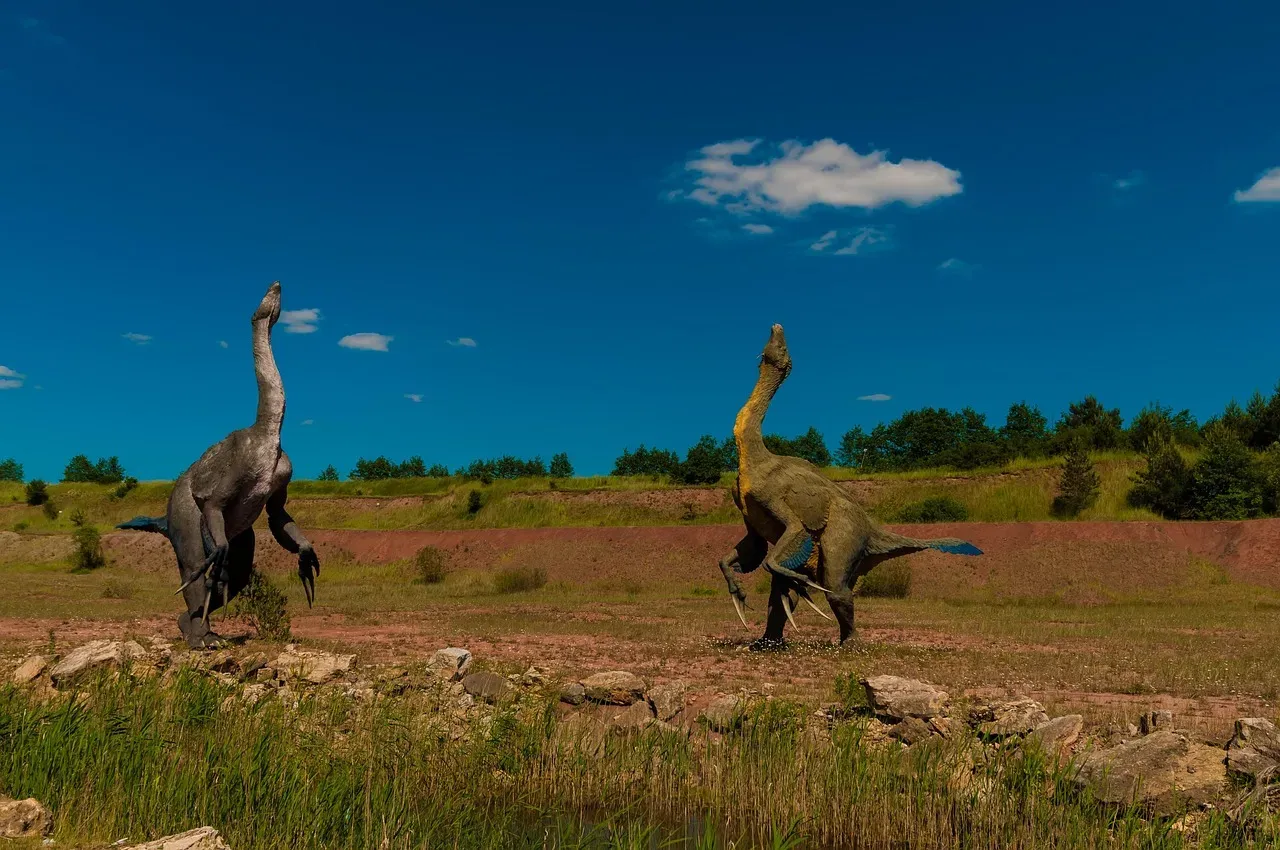
If you look at modern animals, complex communication is often tied to complex social lives – and dinosaurs clearly had the raw materials for both. Many species carried elaborate crests, frills, horns, or tail structures that go way beyond what is needed purely for defense. Those features likely played roles in visual signaling: attracting mates, intimidating rivals, or coordinating with group members. Color patterns, which we are only beginning to infer from microscopic pigment structures in some fossils, would have added another layer of meaning and nuance.
On top of visuals, the skulls of some dinosaurs include hollow crests and nasal passages shaped in ways that could have acted like resonating chambers. That means they may have produced low, booming calls or other distinctive sounds that carried over long distances. To use that kind of toolkit effectively, an animal needs to recognize specific calls, remember what they mean, and change its own behavior based on the situation. That is the mental territory of animals that negotiate social relationships and convey information, not creatures mindlessly roaring at anything that moves.
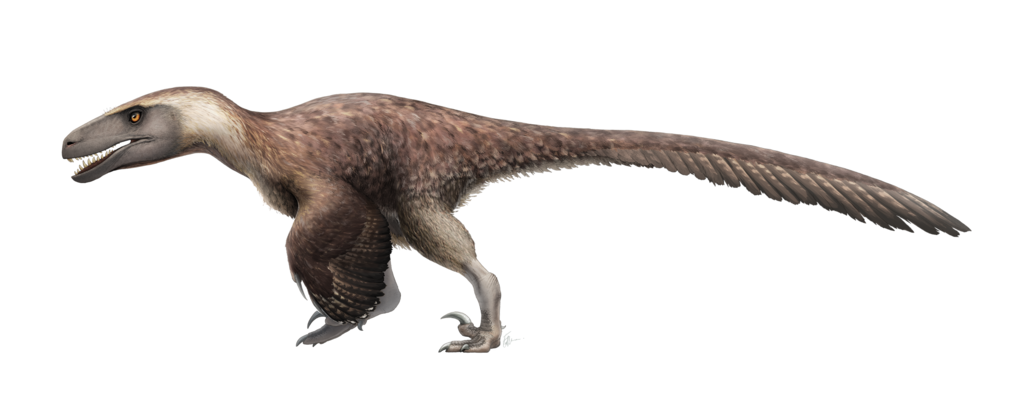
When the first fossils suggesting feathers on non‑bird dinosaurs appeared, a lot of people shrugged it off as a weird exception. Now we know feathers or feather‑like structures were widespread in the dinosaur family tree, especially among smaller, active species. Feathers do more than keep you warm or help you fly – they also create new possibilities for display and fine control of movement. Think about how modern birds use subtle feather fluffing, wing gestures, and body postures to send signals; similar behaviors were very likely in their dinosaur relatives.
Feathers, lightweight bones, and an active metabolism create the conditions for quick reactions and complex behaviors. Many of these feathered dinosaurs were probably agile, constantly moving, scanning, and adjusting to their environment. In my mind, once you accept that some dinosaurs behaved more like hyperalert birds than sluggish lizards, you naturally start to grant them more credit for problem‑solving and situational awareness. They were not just “showing off” bright plumage; they were navigating a social and physical world that rewarded fast thinking.
6. Bird Descendants Prove Their Dinosaur Ancestors Were No Dummies
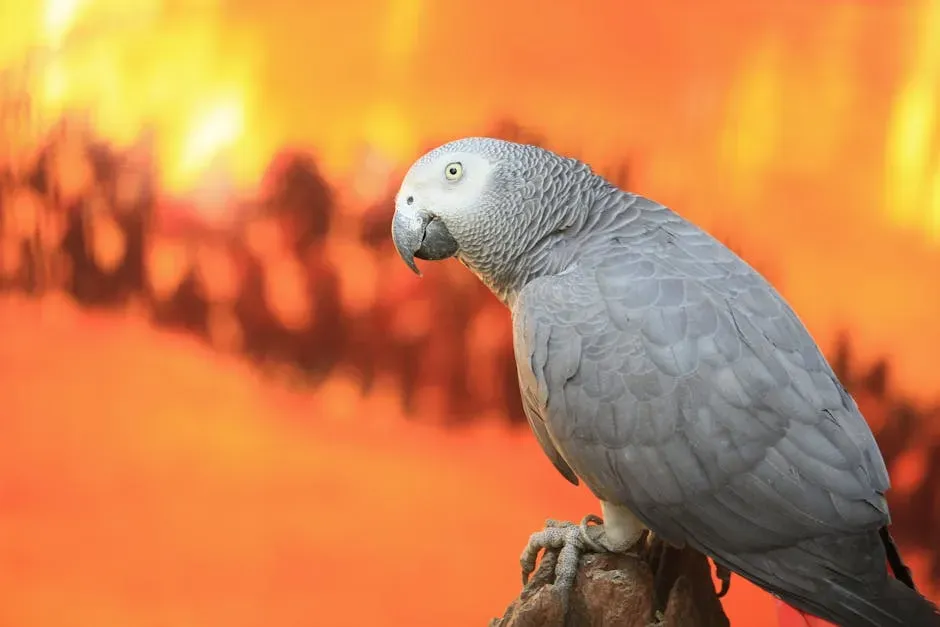
There is one argument for dinosaur intelligence that is hiding in plain sight every time a crow steals a chip or a parrot learns a new trick. Birds are living dinosaurs, and some birds are famously sharp. Corvids and parrots, for example, can solve multi‑step puzzles, remember individual humans, and even plan for future needs in controlled experiments. If we accept that birds evolved from theropod dinosaurs, it becomes very hard to imagine that all their ancestors were uniformly dim and that intelligence appeared from nowhere at the last minute.
Evolution usually works by modifying what is already there, not summoning completely new traits out of thin air. That means the neurological and behavioral foundations for bird‑level intelligence had to be present, at least in seed form, in some non‑bird dinosaurs. Maybe those ancestors used their smarts in different ways – navigating complex environments, tracking prey, or negotiating dominance hierarchies – rather than solving puzzles in a lab. But the point stands: if their descendants can rival primates in certain cognitive tests, the story of dinosaurs as mere slow‑witted brutes falls apart pretty quickly.
Conclusion: Dinosaurs Deserve More Respect Than the Cartoons Gave Them
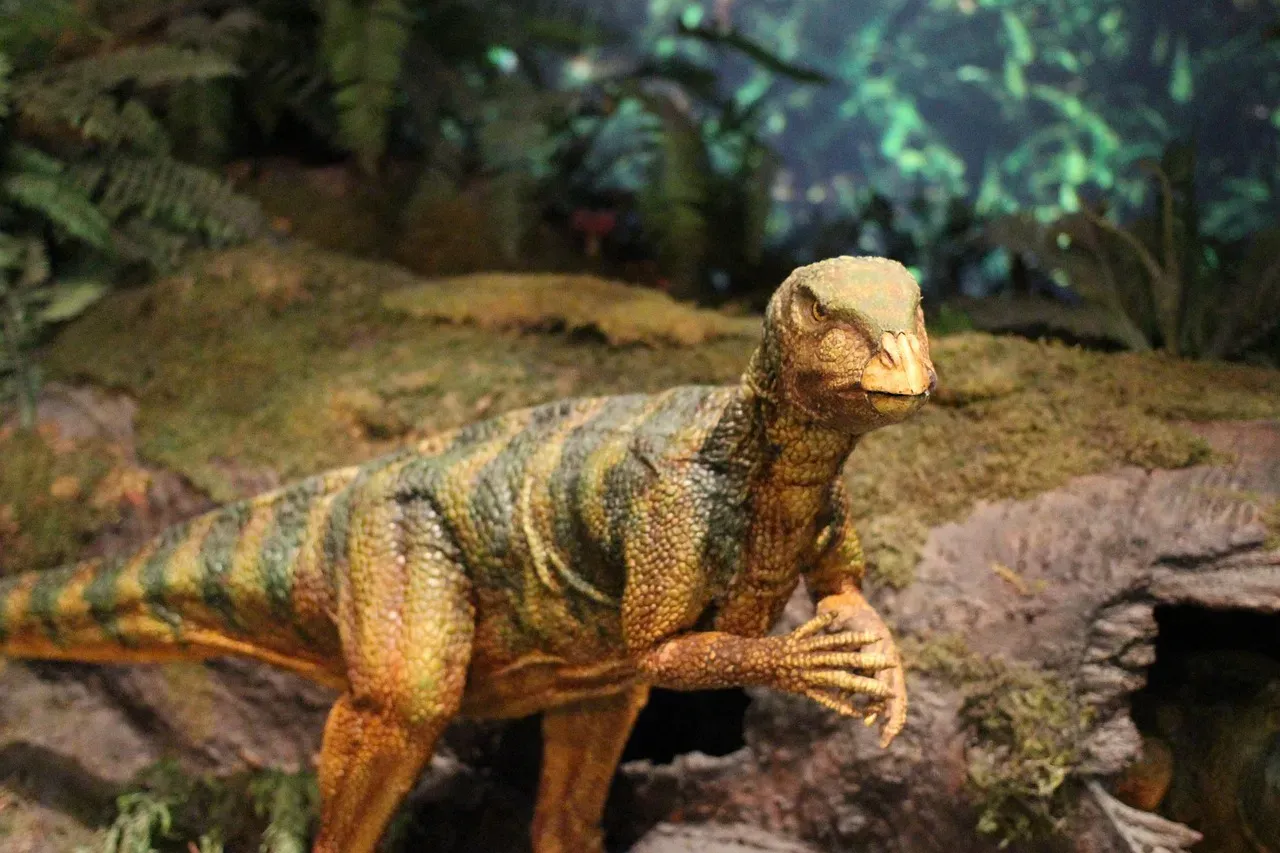
Looking at all this, I think the biggest mistake from our childhood dinosaur culture was not just getting the colors or feathers wrong – it was underestimating their minds. Evidence for social groups, parental care, advanced senses, communication, and the link to clever modern birds paints a picture of animals far more capable than the old “big body, tiny brain” cliché. No, they were not running around building tools or arguing about philosophy, but they were clearly navigating complex lives that demanded memory, learning, and flexible behavior.
For me, that realization actually makes dinosaurs more impressive, not less. They were not bizarre, stupid monsters doomed to fail; they were successful, adaptable creatures that dominated Earth for an almost unimaginable span of time. Seeing them as thinking, feeling animals – closer to birds and mammals in behavior than to cold, clumsy reptiles – connects their world to ours in a deeper way. It also forces us to admit that intelligence wears many faces, and ours is only one of them. The next time you watch a pigeon bob its head or hear a crow calling from a rooftop, will you picture the dinosaur brain quietly looking back at you from across millions of years?