If you grew up thinking Jurassic Park was a documentary with better lighting, you’re not alone. That movie rewired an entire generation’s brains about dinosaurs, from how they moved to how they sounded to just how interested they were in hunting humans for sport. I still remember walking out of the cinema as a kid convinced a Velociraptor could outsmart the entire local police department.
But three decades of fossil discoveries, high‑tech scans, and careful fieldwork have quietly pulled the rug out from under a lot of those iconic scenes. The result is a weird mix of admiration and frustration among palaeontologists: they love what the film did for public interest, and hate what it did to the facts. Let’s dig into five of the biggest offenders that make the experts wince every time someone says they “know” dinosaurs because they’ve seen the movie a dozen times.
1. Velociraptors Were Not Giant, Human‑Sized Super Ninjas
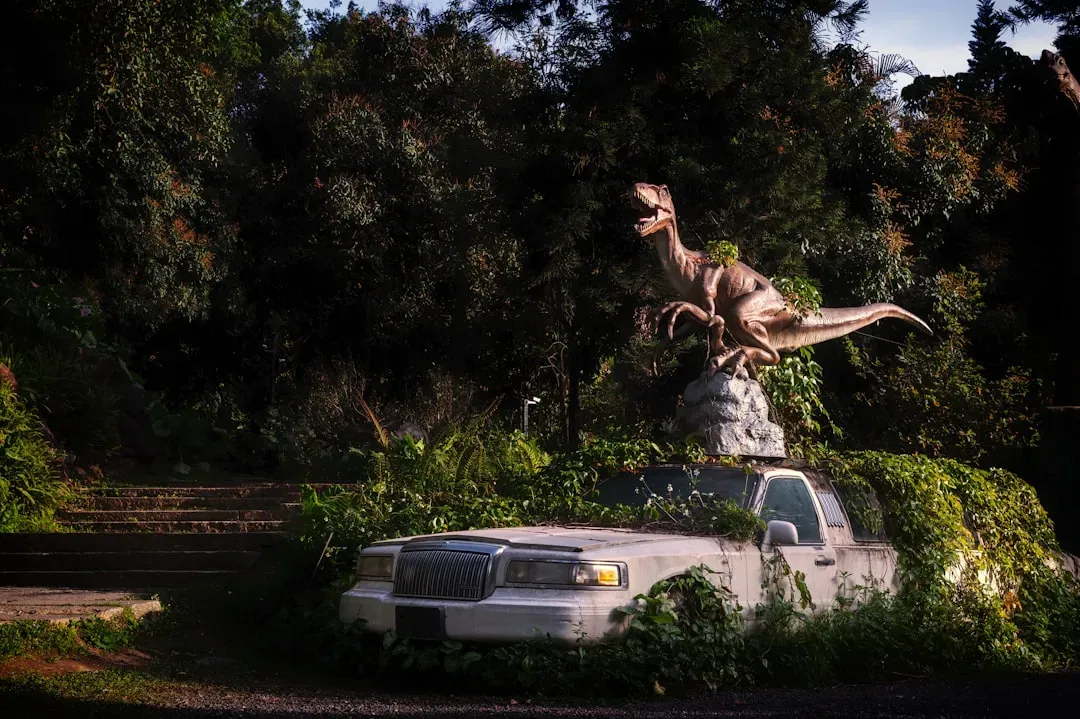
This is the big one: Jurassic Park’s Velociraptors are basically Hollywood monsters in dinosaur cosplay. The animals on screen are tall enough to stare you in the eye, open kitchen doors, and run like Olympic sprinters; in reality, the real Velociraptor was closer in size to a large turkey, around knee‑high to an adult human and far more lightly built. Their skulls and claws were real, based on fossil evidence, but the overall body scale was cranked way up to make them terrifying, and that scaling error has clung to public imagination ever since.
To make things messier, the movie raptors actually resemble another dinosaur entirely: Deinonychus, a larger North American dromaeosaur that fits the body proportions we see on screen much more closely. Early drafts of the film and book leaned on that research, then the name “Velociraptor” won because it simply sounded cooler. Palaeontologists now spend a surprising amount of time gently breaking it to people that their favorite six‑foot murder lizard never existed in that form, and that the real animal was deadly, yes, but nowhere near the prowling, door‑handle‑testing horror icon the franchise turned it into.
2. Naked, Scaly Raptors: Where Are All the Feathers?
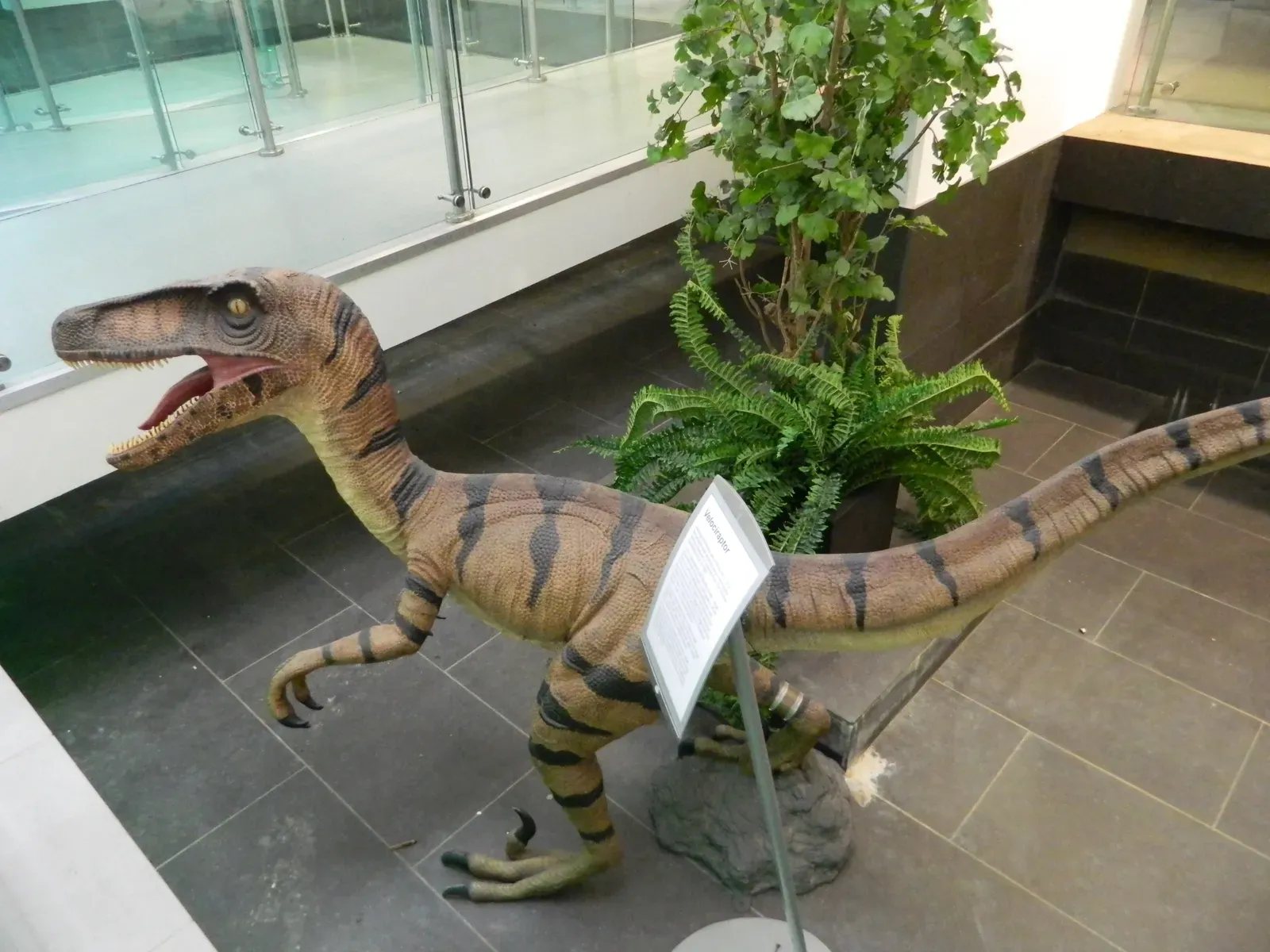
If you watch Jurassic Park today knowing what we now know, the raptors’ bare skin is almost as jarring as their size. Multiple dromaeosaur fossils from China and elsewhere show clear impressions of feathers, including complex, vaned feathers on arms and tails that look much more like a bird of prey than a scaly reptile. These animals were not just slightly fuzzy; many would have looked like dangerous, oversized killer birds, with sleek plumage for display, insulation, and maneuverability.
By the late 1990s and early 2000s, the evidence for feathered raptors was so overwhelming that most palaeontologists consider the debate closed, at least for this group. Yet the movies kept doubling down on smooth, lizard‑like skin, especially in the first film where the raptors look almost crocodilian. That artistic decision still shapes toy lines, theme parks, and even museum expectations, and you can almost hear the collective groan from researchers every time a child is disappointed that the “real” Velociraptor skeleton looks more like the ghost of a prehistoric bird than the monster from the kitchen scene.
3. T. rex Vision: No, Staying Still Would Not Save You
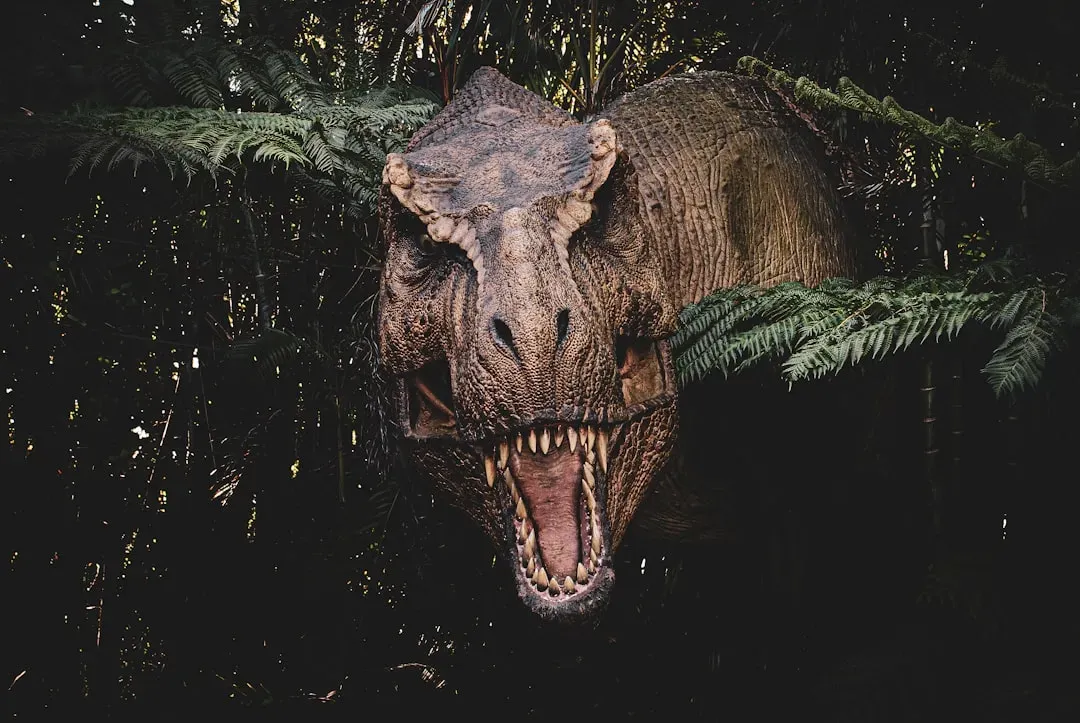
On top of that, vision is only one part of the sensory package. Evidence from the inner ear and nasal regions of tyrannosaur skulls indicates they had excellent hearing and an acute sense of smell, more than enough to notice a panicking primate trying very hard to impersonate a statue. The idea that a massive apex predator would evolve a vision system so flawed that a frozen snack could simply vanish from sensory reality strains credibility. Palaeontologists tend to see that famous rain‑soaked scene as a triumph of filmmaking and a disaster for basic science literacy.
4. Dinosaurs as Constant, Hyper‑Aggressive Human Hunters
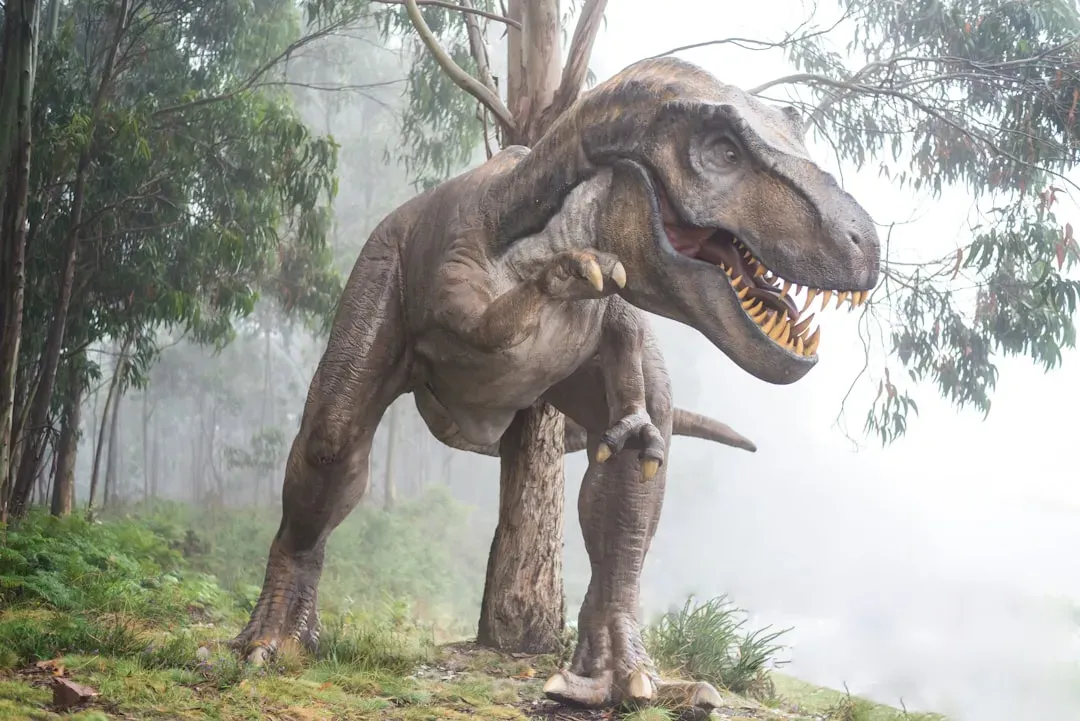
Jurassic Park works because the dinosaurs feel like deliberate villains: calculated, angry, and laser‑focused on chasing down every human in sight. Real animals simply do not behave like that most of the time. Apex predators, whether lions or sharks or large theropods, survive by balancing the energy they gain from hunting against the risk and effort it costs them. Charging vehicles, smashing through buildings, and relentlessly chasing tiny, unfamiliar primates would be a massive energy sink with very questionable payoff for a wild dinosaur.
The fossil record and modern ecology both point toward dinosaurs living in complex ecosystems, more concerned with finding food, avoiding injury, raising young, and dealing with rivals than starring in their own nonstop horror chase sequence. Yes, an encounter with a large theropod would absolutely be dangerous for a human, and we should not romanticize these animals into gentle giants. But the idea that every dinosaur on an island would immediately pivot to “hunt humans at any cost” mode is pure narrative convenience, and it drives palaeontologists nuts because it feeds the old, outdated notion of dinosaurs as brainless killing machines instead of diverse, adaptable animals.
5. The Franken‑Timeline: Jurassic Park’s Cast Is From Completely Different Eras
Hidden in plain sight is one of the film’s most basic scientific cheats: the “Jurassic” in Jurassic Park is, at best, a loose suggestion. Many of the dinosaurs that made the movie famous, like Tyrannosaurus rex and Triceratops, lived in the Late Cretaceous period, tens of millions of years after the Jurassic ended. Velociraptor, too, is a Cretaceous animal. In reality, a true Jurassic ecosystem would have featured a very different lineup, with animals like Allosaurus and Diplodocus filling some of the roles T. rex and company play on screen.
Mixing species from different time slices is a bit like making a movie about Ice Age mammals and casually dropping in a modern-day lion because it looks cool. The general public understandably walks away with the sense that all dinosaurs lived side by side in one giant prehistoric mash‑up, which is almost the opposite of how deep time actually works. Palaeontologists spend years teasing apart who lived when, where, and with whom, and seeing millions of years casually squeezed together for branding reasons is the kind of thing that makes their eyes twitch, even if they appreciate that “Cretaceous Park” just never had the same ring to it.
Conclusion: Brilliant Movie, Terrible Textbook
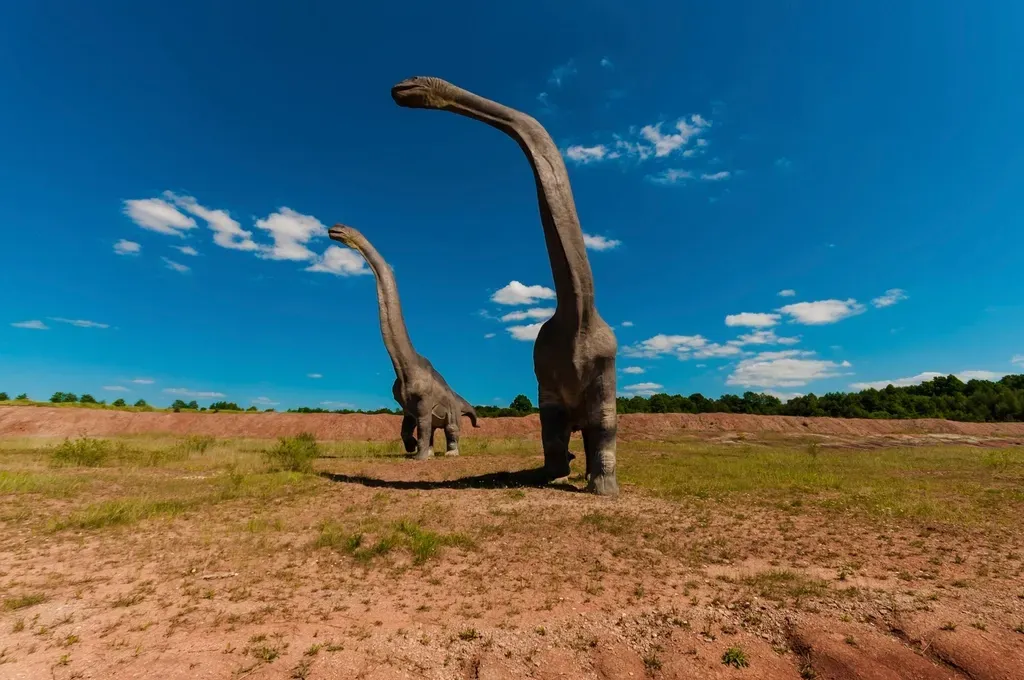
Here is the awkward truth: Jurassic Park is one of the greatest creature features ever made and, at the same time, a rough guide at best to what prehistoric life was actually like. It supercharged public interest in dinosaurs, inspired countless careers in science, and then saddled those same scientists with decades of patient myth‑busting about featherless raptors, invisible‑if‑you‑freeze tyrannosaurs, and a fantasy mash‑up of species that never shared a landscape. I still love the movie, but I also think we should be honest that it prioritized fear and spectacle over accuracy almost every time the two were in conflict.
In a way, that tension says a lot about how we tell stories about science: we crave drama, clear villains, and simple rules we can shout in a thunderstorm, while the fossil record quietly insists on nuance, uncertainty, and surprises that do not always fit the script. Maybe the next generation of dinosaur films will lean harder into what we have really learned, letting feathered predators and messy ecosystems be exciting in their own right instead of hiding behind old tropes. Until then, Jurassic Park will keep making palaeontologists cringe and cheer in equal measure, a reminder that pop culture can open the door to science even as it gets the details gloriously wrong. When you picture a dinosaur now, is it the animal from the rocks or the monster from the screen?