Stand in front of any T. rex skeleton today and you are not just looking at ancient bones; you are looking at a crime scene that has been re‑investigated over and over again. The extinction of the dinosaurs used to sound like a simple story: big rock falls, dinosaurs die, the end. But as scientists have peeled back more geological layers, fired more lasers at tiny crystals, and dug up more fossils in unlikely places, that neat narrative has been broken and rebuilt again and again.
What is wild is how many ideas that once felt rock‑solid have quietly crumbled under new evidence. Whole careers were built on explanations that later turned out to be incomplete or flat‑out wrong. As someone who grew up on the old textbook version of events, watching that story morph has been a bit like rewatching a favorite movie only to realize the supposed hero was never who you thought they were. Below are nine big shifts in scientific thinking about how the dinosaurs vanished – and what really happened on the worst day in Earth’s history.
1. From Slow Fade-Out to Sudden Catastrophe
For much of the twentieth century, the dominant idea was that dinosaurs were already on the way out long before the final blow. Textbooks painted a picture of a slow decline driven by competition with mammals, evolutionary stagnation, or long‑term climate changes. In that view, the extinction was more like the last dimming of a dying lightbulb than a violent switch being flipped off in an instant. It fit a tidy, gradualist mindset: nature changes slowly, step by step, not in sudden lurches.
Then geologists started dating rock layers more precisely, and a different story snapped into focus. The thin clay layer that marks the Cretaceous–Paleogene (K–Pg) boundary turned out to be razor‑sharp in time, not smeared out over millions of years. Fossil assemblages below it are dinosaur‑rich; immediately above, the non‑avian dinosaurs are gone. That pivot is so abrupt it is almost jarring. Instead of a long, gentle fade, the data point to a world that was biologically thriving right up until a catastrophic event slammed the door. The light did not dim; someone essentially smashed the breaker.
2. From Volcanic Doom to an Asteroid Strike
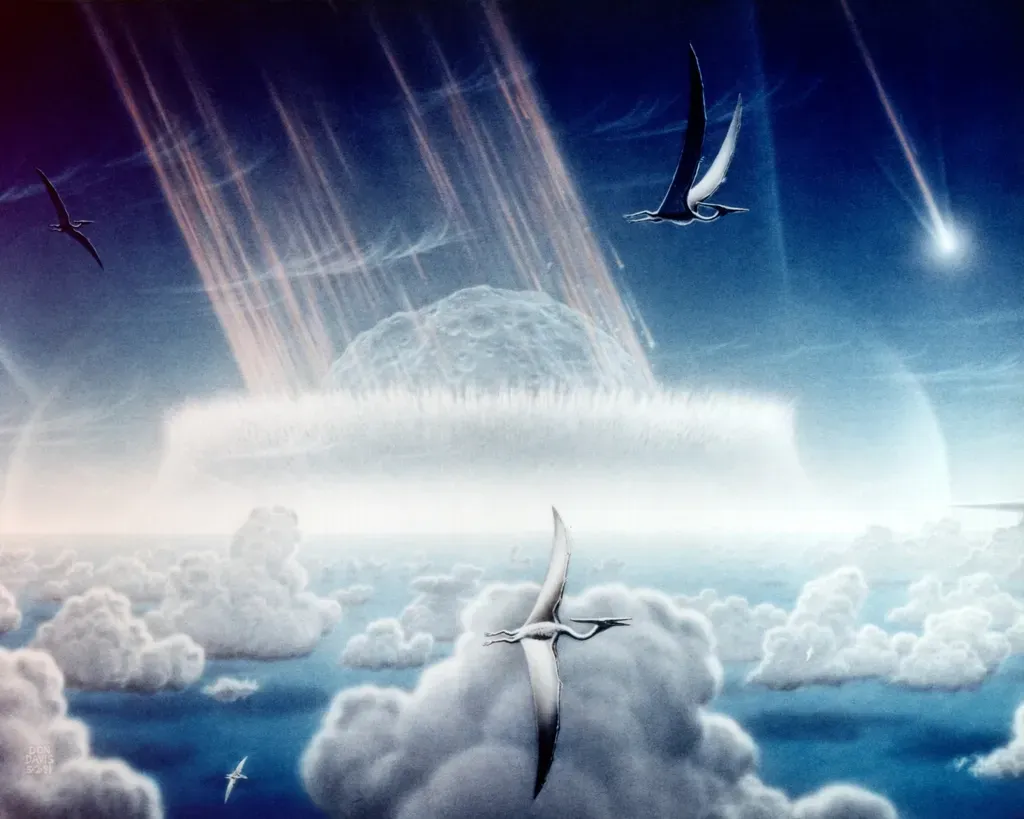
If you asked a paleontologist in the 1960s what killed the dinosaurs, a big volcanic episode would have been a very respectable answer. Earth’s history is full of enormous lava outpourings known as flood basalts, and one such region in India, the Deccan Traps, was already known to overlap in age with the dinosaur extinction. It made intuitive sense: massive volcanism could poison the atmosphere, change the climate, and chip away at ecosystems until they collapsed. No need for anything as dramatic as a space rock.
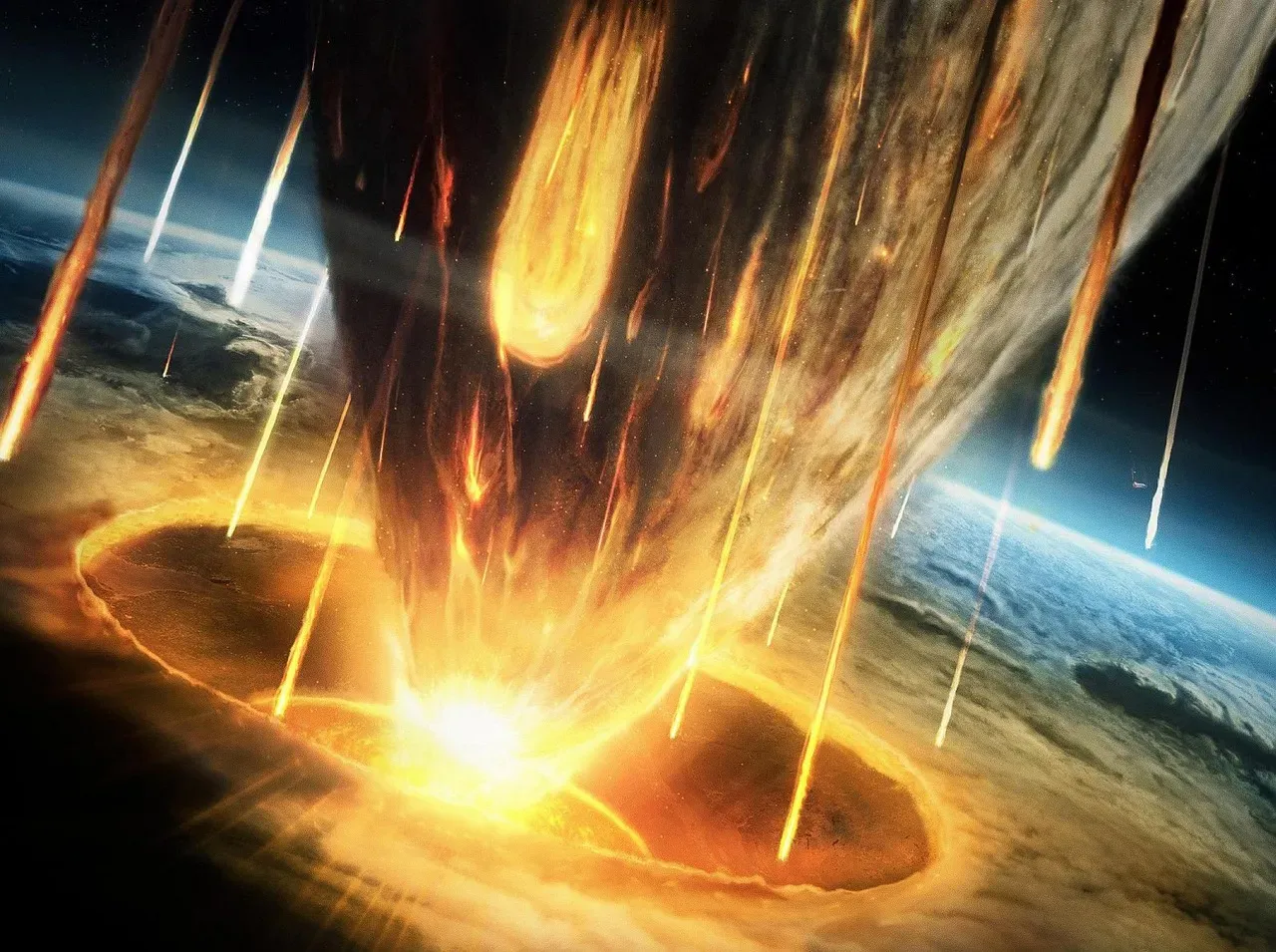
That picture flipped with the discovery of extraordinarily high iridium levels at the K–Pg boundary and, later, the identification of the Chicxulub impact crater buried under Mexico’s Yucatán Peninsula. Suddenly, volcanism went from starring role to supporting cast. The Chicxulub impact was so energetic it blasted material around the globe, triggered tsunamis, wildfires, and a brief but brutal “impact winter.” Many researchers now see volcanism as background stress that may have made ecosystems more fragile, but the asteroid is the main trigger that tipped them over. Scientists did not abandon volcanism entirely; they simply had to accept that, this time, the cosmos stole the spotlight.
3. From One Fatal Blow to a Complex Chain Reaction
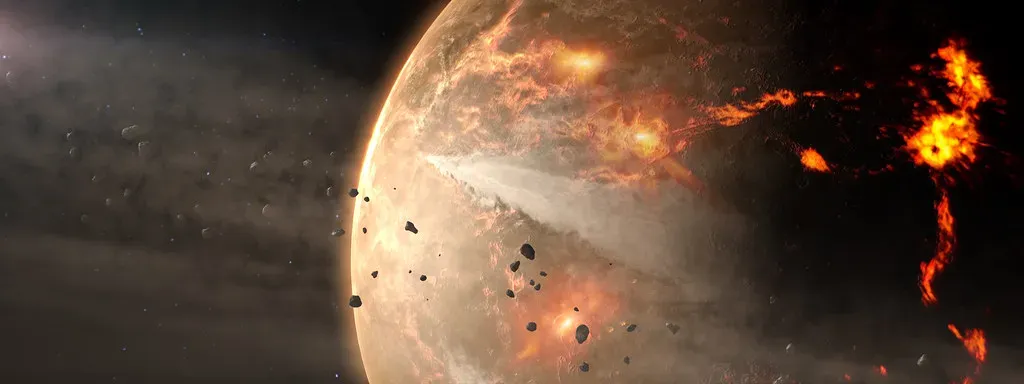
When the asteroid hypothesis first took off, it was easy to turn it into a kind of single‑cause myth: big rock hits Earth, dinosaurs die, roll credits. The impact was framed almost like a magic button that instantly erased most life. That simple story was appealing, especially as a corrective to older vague ideas about “dinosaur senility.” For a while, it felt like the mystery was solved, tied up with one dramatic explanation.
But as climate models improved and sediment cores were studied in more detail, scientists realized the extinction was less a single punch and more a brutal combination of hits. The impact seems to have set off global wildfires in some regions, put huge amounts of dust and sulfur into the atmosphere, shut down photosynthesis for months, and hammered ocean chemistry. At the same time, long‑running volcanic activity was likely releasing greenhouse gases, priming the climate system. So the thinking shifted from “one thing killed them” to a web of feedbacks: darkness, cooling, acidifying seas, food web collapse. It is still one catastrophe, but with many moving parts instead of a single lever.
4. From Total Dino Decline to a Mixed Evolutionary Picture
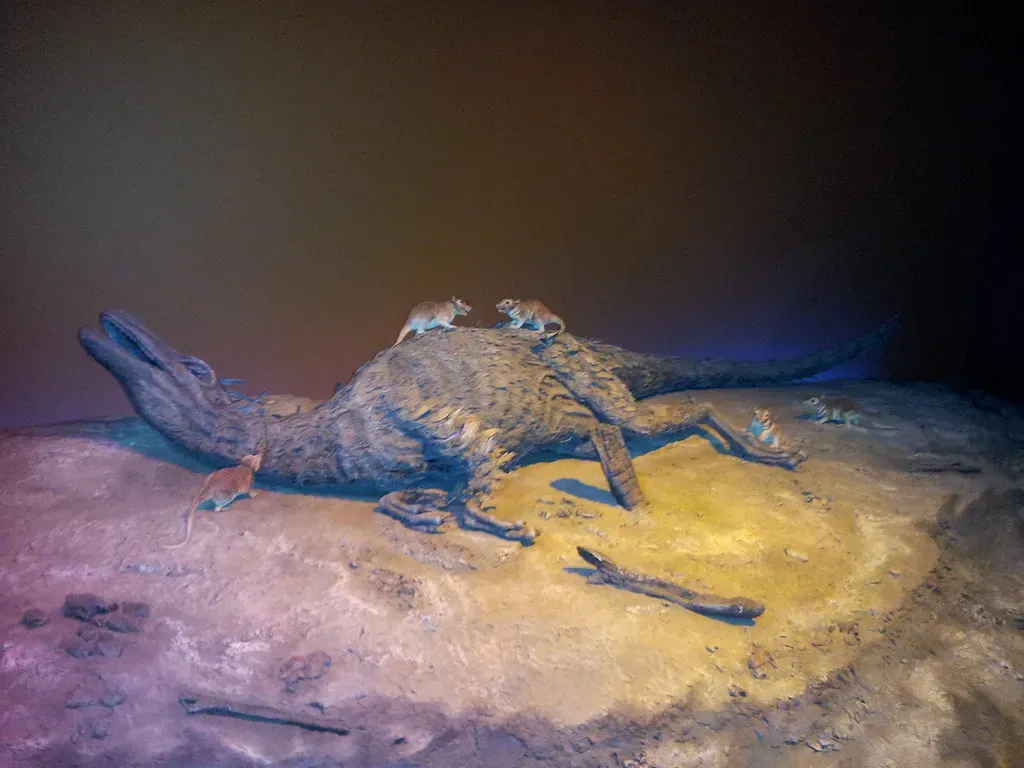
Earlier generations of paleontologists often described late Cretaceous dinosaurs as evolutionary dead weight, stuck in ruts and losing the evolutionary arms race to more nimble mammals. That view conveniently made their extinction feel almost inevitable, as if they were a failing business waiting for the market to finally shut them down. It also made humans feel subtly superior, as the clever mammals who ultimately “won.”
New fossil finds and better statistical analyses of diversity patterns have complicated that smug narrative. Some dinosaur groups were indeed declining in certain regions, but others, including many plant‑eaters and predators, still seemed ecologically robust right up to the end. Late Cretaceous ecosystems in places like North America were dynamic, with new species still appearing. The picture now looks less like a doomed, decaying dynasty and more like a vigorous empire abruptly cut short. In other words, the asteroid did not just sweep away dinosaurs that were clinging on; it yanked the rug from ecosystems that still had plenty of evolutionary fuel left.
5. From Dinosaurs All Dying to Birds as Survivors
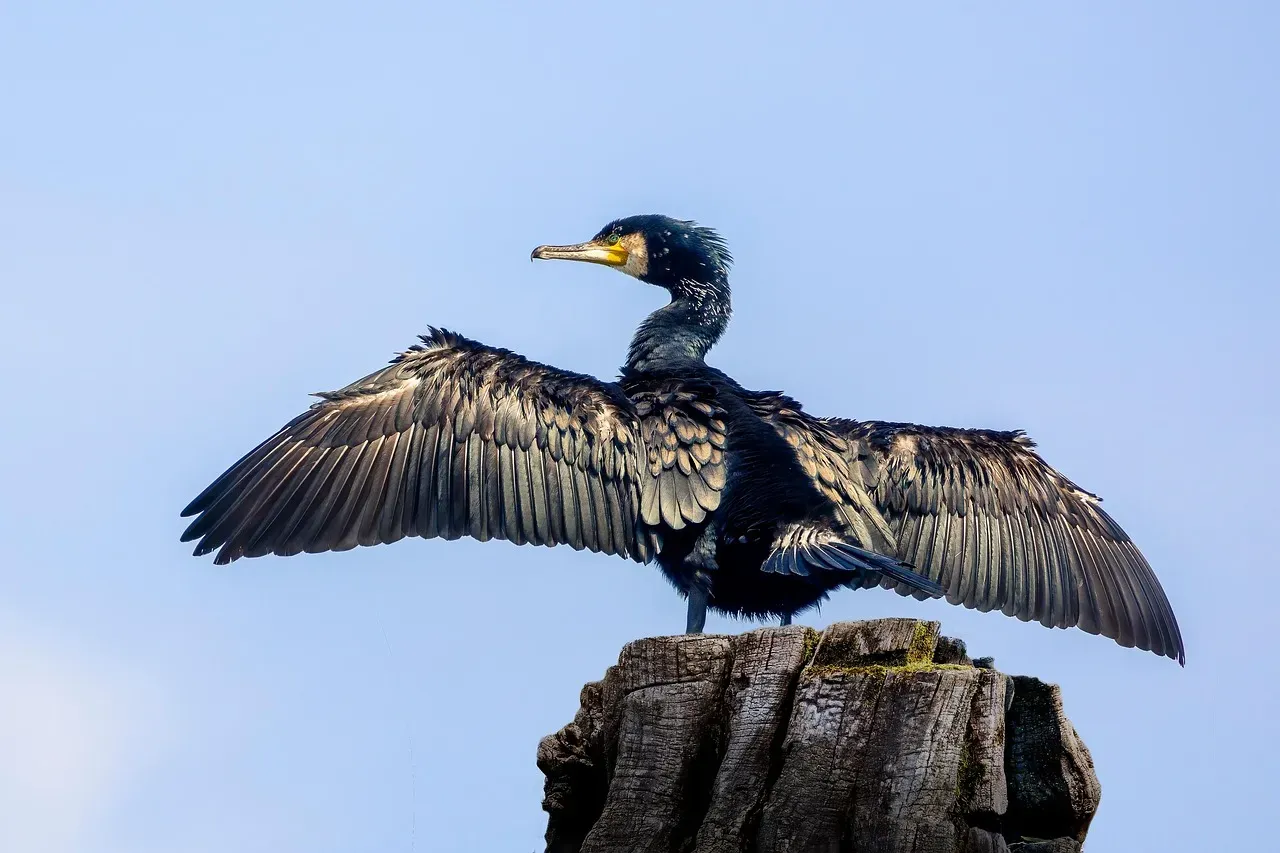
For a long time, it was completely normal to say that dinosaurs went extinct. Full stop. The idea that a robin or a hawk counted as a dinosaur would have sounded almost playful, like a metaphor rather than a serious claim. Non‑avian dinosaurs and early birds appeared as separate, if somewhat related, characters in the story, with the former exiting stage left and the latter quietly carrying on without much fanfare.
That changed as more feathered fossils were discovered and the evolutionary tree of theropod dinosaurs was redrawn. The consensus now is that birds are not just descendants of dinosaurs; they are dinosaurs, specifically one surviving lineage of small, feathered theropods. When scientists talk about the dinosaur extinction today, they are careful to say non‑avian dinosaurs. That sounds like hair‑splitting, but it totally rewrites the emotional arc of the story. It is no longer about the end of dinosaurs, but about a catastrophic pruning of their family tree, leaving one slender branch that still fills our skies and backyards. The extinction is both more tragic and more astonishing when you realize you hear dinosaurs singing every morning.
6. From Big Animals Only to a Whole‑Ecosystem Collapse
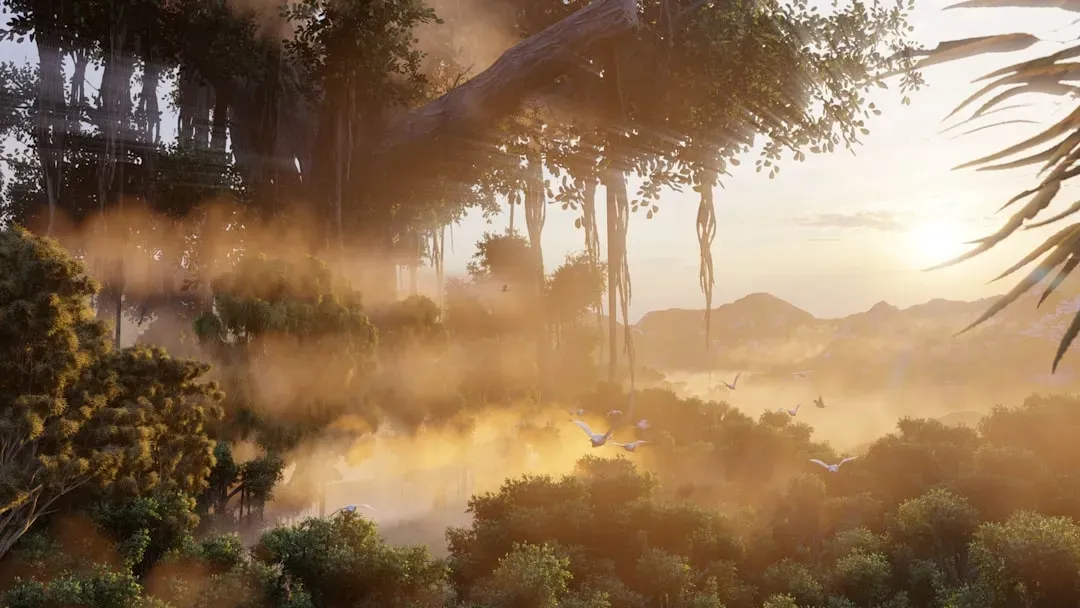
The iconic image of the K–Pg extinction used to be almost entirely about size: giant dinosaurs toppling over while small mammals scurry away to victory. That framing quietly encouraged the idea that the catastrophe selectively wiped out only the biggest creatures, as if size alone were a death sentence. In that cartoon version, plants, insects, plankton, and microbes played almost no visible role, despite being the backbone of every food web.
As more detailed fossil records emerged – from pollen grains to microscopic marine plankton – scientists had to shift their focus from charismatic giants to entire ecosystems. It became clear that many plants, especially forests, took a serious hit, and some key groups of marine plankton experienced dramatic losses. This matters because those organisms are the food base for countless other species. Rather than just a mass death of big, impressive dinosaurs, the extinction now looks like a systemic shock that rocked energy flow from the bottom up. Size mattered, but so did diet, habitat, and where you sat in the web of who eats whom.
7. From Instant Dying to Years of Aftermath and Recovery
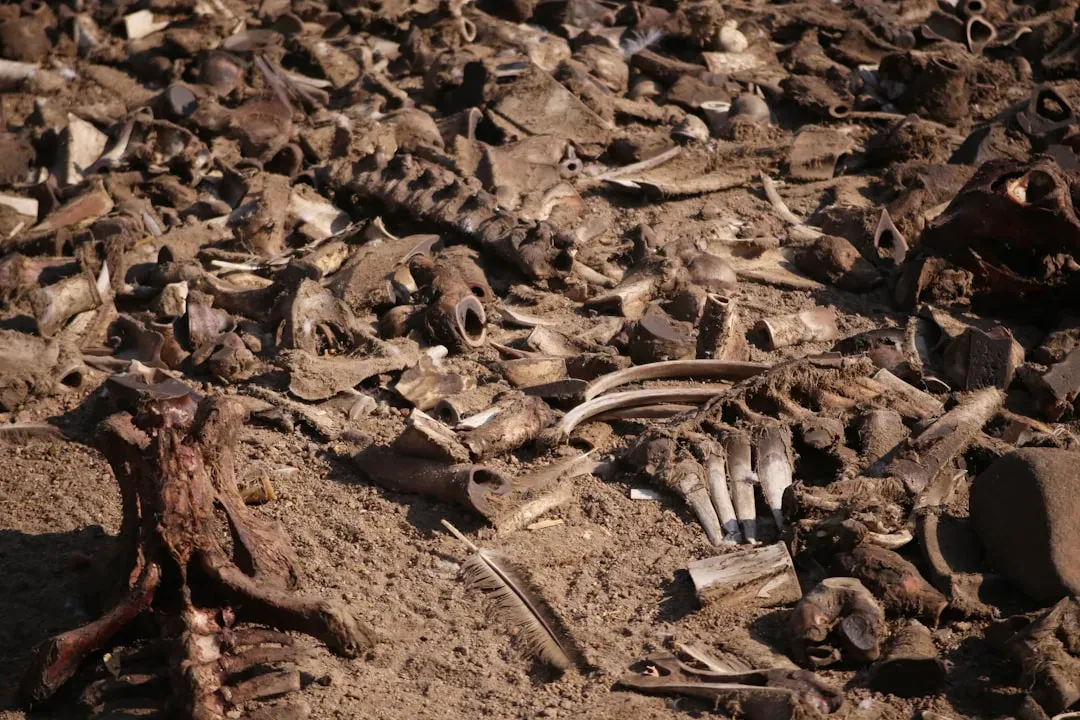
Popular imagination often compresses the dinosaur extinction into a single horrible day: asteroid streaks in, everything dies, blackout. That day was indeed unimaginably violent, but scientists have become more sensitive to the long tail of the disaster. Rock layers record not only the impact fallout but also years to centuries of climatic weirdness afterward. It is the difference between the explosion itself and living through the dust‑choked, altered world that followed.
Newer models and sediment studies suggest a prolonged “impact winter” where sunlight was drastically reduced, followed by a swing toward warming as greenhouse gases took over. Food webs did not collapse and reboot overnight; they unraveled and slowly reassembled, with some ecosystems recovering faster than others. In the oceans, for example, certain plankton groups rebounded sooner, while others remained depressed for a long time. On land, it took millions of years before large body sizes and complex forests were fully back. Scientists have had to trade the theatrical appeal of a single bad day for the sobering reality of a drawn‑out ecological hangover.
8. From Random Bad Luck to Particular Vulnerabilities
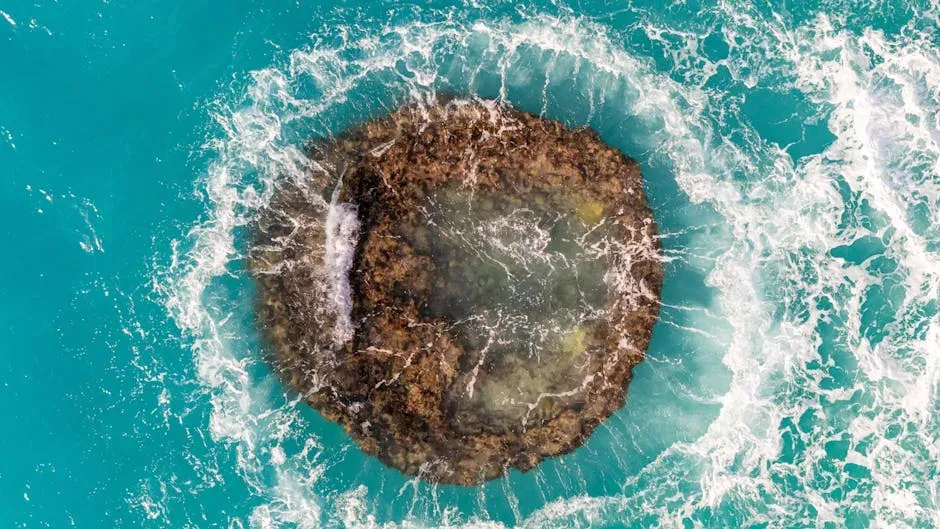
At first pass, the asteroid sometimes gets framed as pure bad luck: if it had hit a week earlier or later, the dinosaurs might have been fine. That perspective is comforting in a way, because it suggests the outcome was completely arbitrary. But as researchers have studied the impact site and the timing more closely, they have become more interested in specific vulnerabilities of that moment in Earth’s history. Not every impact, in every place, at every time, would have produced the same disaster.
Chicxulub happened to slam into a region rich in sulfur‑bearing rocks, which likely supercharged the injection of sunlight‑blocking aerosols into the stratosphere. The planet was also in a particular climatic and ecological state, with widespread shallow seas, distinct plant communities, and ongoing volcanism. On top of that, many non‑avian dinosaurs were large, warm‑blooded animals with high energy demands, making them especially sensitive to abrupt collapses in food supply. So the thinking has shifted from “it was just a cosmic coin flip” toward a more nuanced view: the impact was catastrophic partly because it intersected with a planet and biosphere primed to be broken in very specific ways.
9. From a Dinosaur Story to a Warning for Our Own Future
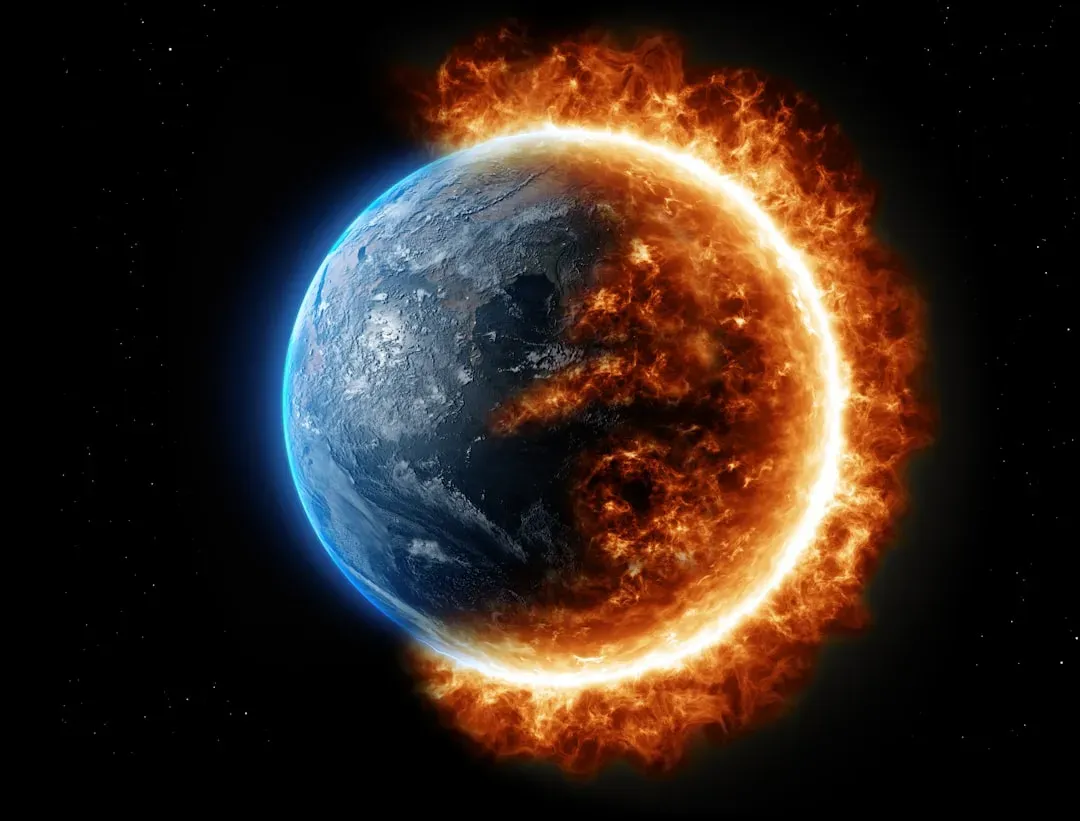
For a long time, the dinosaur extinction was treated as something safely sealed in the past, almost like myth: spectacular, but ultimately disconnected from our own world. It lived in kids’ books, museum halls, and dramatic nature documentaries. The moral, if there was one, was vague and distant: nature can be harsh; nothing lasts forever. That distance made it easy to enjoy the story without feeling personally implicated.
In the last few decades, as concerns about climate change and biodiversity loss have grown, scientists increasingly read the K–Pg event as a case study in how quickly a complex biosphere can be knocked sideways. The parallels are not perfect – our crisis is driven by us, not an asteroid – but the themes rhyme: rapid environmental shifts, disrupted food webs, winners and losers sorted not by merit but by luck and biology. Personally, I find it hard not to look at that thin clay layer in the rocks and wonder what trace our own moment will leave behind. If the dinosaurs were blindsided, we at least have the uncomfortable privilege of seeing our own asteroid coming in slow motion. The question is whether we learn from their fate or insist we are somehow exempt from the same rules.
In the end, what has really changed is not just a list of technical details – iridium spikes, crater diameters, or volcanic timelines – but our sense of humility. Every time scientists thought they had the extinction story neatly wrapped, new evidence forced them to tear up the script and write a tougher, more complicated version. To me, that is the most important lesson: our explanations are always provisional, always vulnerable to the next fossil, the next drill core, the next awkward data point. The dinosaurs did not get to rewrite their ending. We might still have that chance. The real question is whether we are willing to change our minds as radically as they no longer can.