
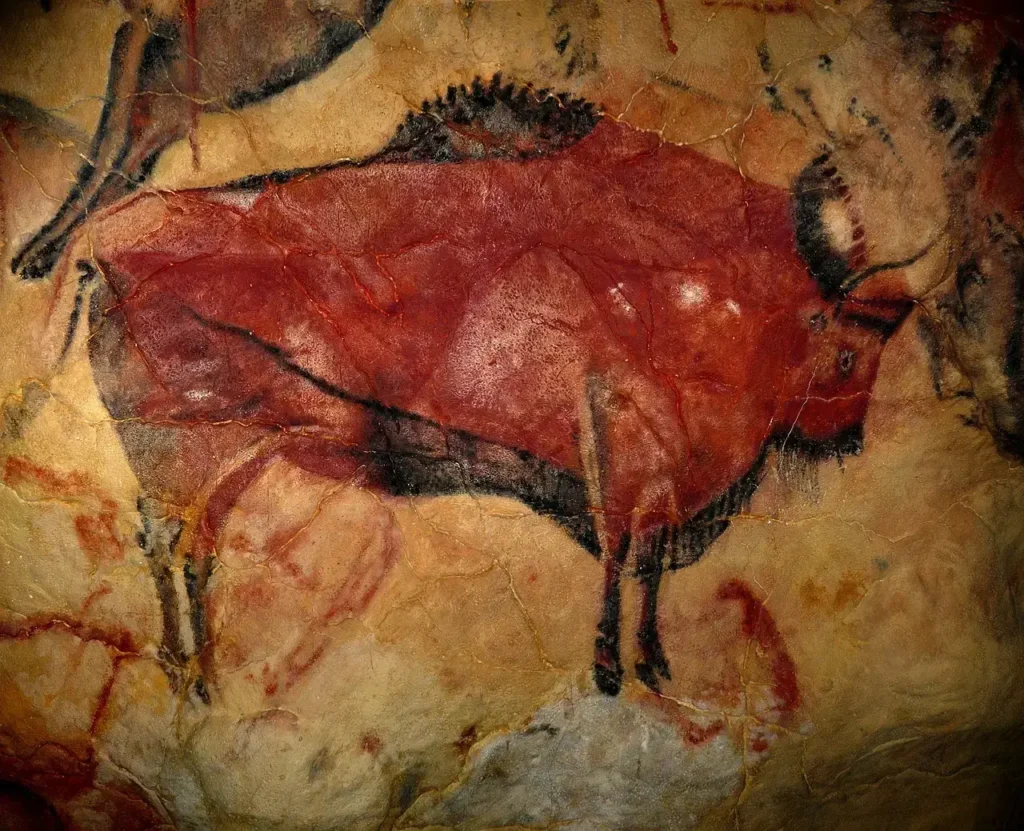
Every so often, archaeology delivers a story that feels almost too wild to be true: ancient people, painting strange animals on cave walls that modern science would not recognize for tens of thousands of years. Not as vague mythic beasts, but as creatures that match real species only identified by biologists in the last few decades. It sounds like the plot of a sci‑fi movie, yet this is where cave art, zoology, and genetics are starting to collide in really unexpected ways.
What fascinates me is how this flips the usual script. We tend to imagine prehistoric artists as guessing at nature, seeing the world in a hazy, mystical way. Instead, the more closely scientists study these paintings, the more they look like field notes by people who lived far closer to wild ecosystems than we ever will. In a few cases, our ancestors seem to have “documented” animals that science had not formally described until very recently. The caves were their notebooks long before we invented journals, databases, or Latin species names.
The “Unknown” Bison That Outsmarted Modern Science
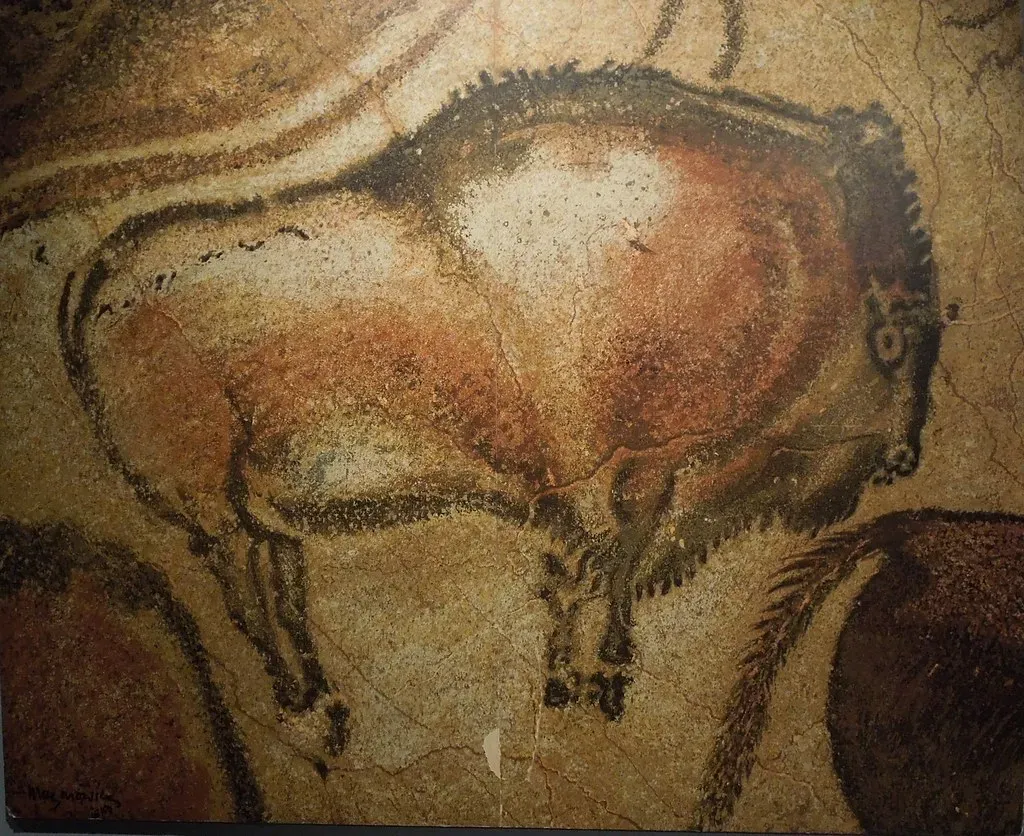
One of the clearest examples of ancient art beating modern biology comes from the bison painted in European caves like Chauvet and Lascaux. For a long time, archaeologists assumed all those hulking, horned animals were just versions of the steppe bison we already knew from bones and fossils. Then geneticists compared ancient DNA from bison bones with the animals painted on cave walls and realized something awkward: the art did not quite match the species they thought it did. The profiles, horn shapes, and body proportions in some paintings seemed off for the known bison species.
When researchers dug deeper into the genetics, they found evidence of a previously unrecognized hybrid lineage, now often called the “Higgs bison,” that emerged from interbreeding between ancient aurochs (wild cattle) and steppe bison. The kicker is that the way these unusual bison are painted seems to track exactly when that mixed lineage appears in the genetic record. In other words, Ice Age artists were visually recording a distinct kind of bison that scientists would only identify with DNA tens of thousands of years later. The cave paintings were not vague art; they were accurate biological documentation hiding in plain sight.
Stripe Patterns and the Mystery of Ancient Horses
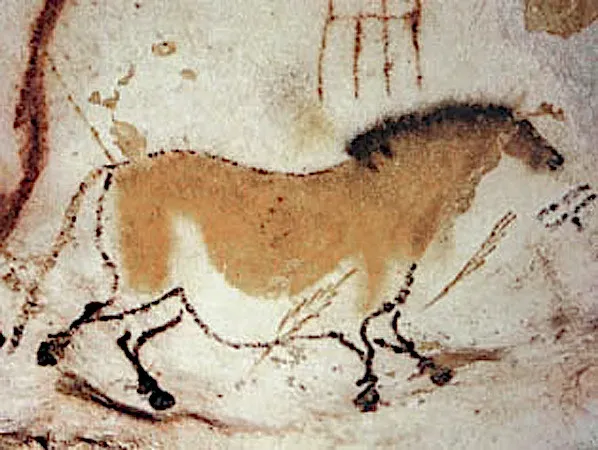
Something similar happened with prehistoric horses. For years, textbooks showed Ice Age horses as uniformly brown or dark, mostly because that felt like the sensible, no‑nonsense guess. But cave paintings in places like France and Spain show horses with odd coat patterns: spotted, patched, and sometimes striped in ways that looked almost too specific to be fantasy. Many researchers thought the artists were stylizing or symbolizing the animals, not literally painting what they saw. It was treated as “artistic imagination” rather than evidence.
Then ancient DNA from horse remains revealed genes for spotted and unusual coat colors, including patterns that line up uncannily with some of the cave paintings. Those strange-looking, mottled horses on the walls suddenly made sense as real animals, not dream creatures. Some paintings even show stripes or banding on bodies and legs that echo primitive coat patterns, suggesting ancestral forms we had not fully pieced together from bones alone. The people painting these horses were, in effect, logging genetic diversity on rock, while modern science spent years arguing over whether those markings meant anything at all.
When “Mythical” Megafauna Start Looking Uncomfortably Real
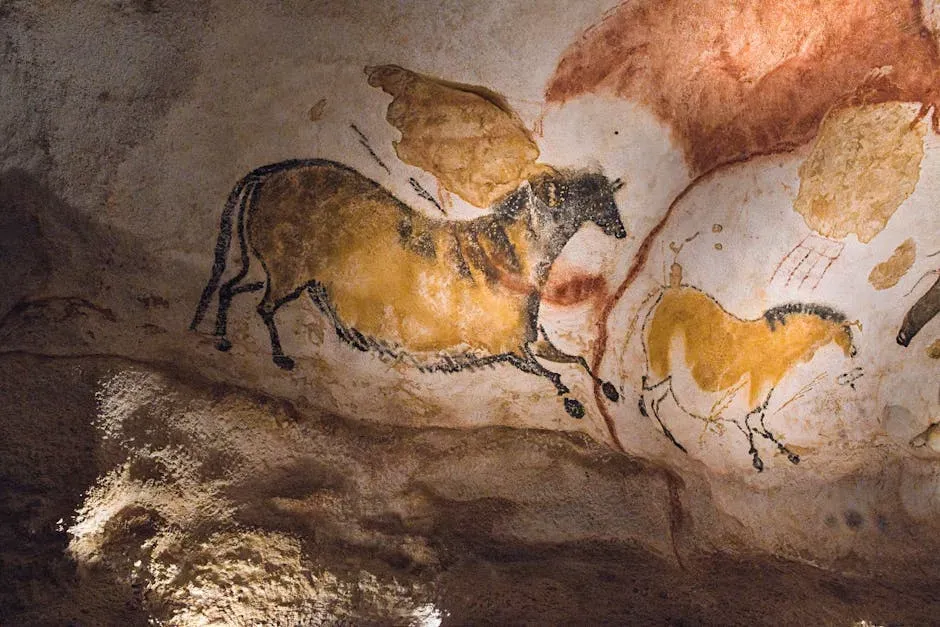
Not every mysterious animal in cave art has a clean match in the fossil record, and this is where things get genuinely mind‑bending. In several caves, there are images of large, unfamiliar mammals with combinations of traits that do not fit neatly into the catalog of known Ice Age species. Sometimes they look like mash‑ups of several animals: a body like one, horns like another, something about the head that refuses to line up with any skeleton in a museum. For decades, scholars shrugged and filed them under “mythical” or “shamanic visions.”
But as paleontology fills more gaps and genetics reveals more extinct lineages, those once “mythic” silhouettes feel less far‑fetched. Some researchers suspect a few of these odd creatures may represent now‑extinct local populations or subspecies that left little or no fossil trace, especially in regions with poor preservation. Imagine an artist painting a rare, shy forest animal that almost never died in exposed caves or open plains where bones are easier to find. In that case, the cave wall might be the only surviving record that such a creature even existed. It is a humbling thought: the art outlasts the animal and the evidence.
Hybrids, Oddballs, and One‑Off Encounters in the Ice Age Wild
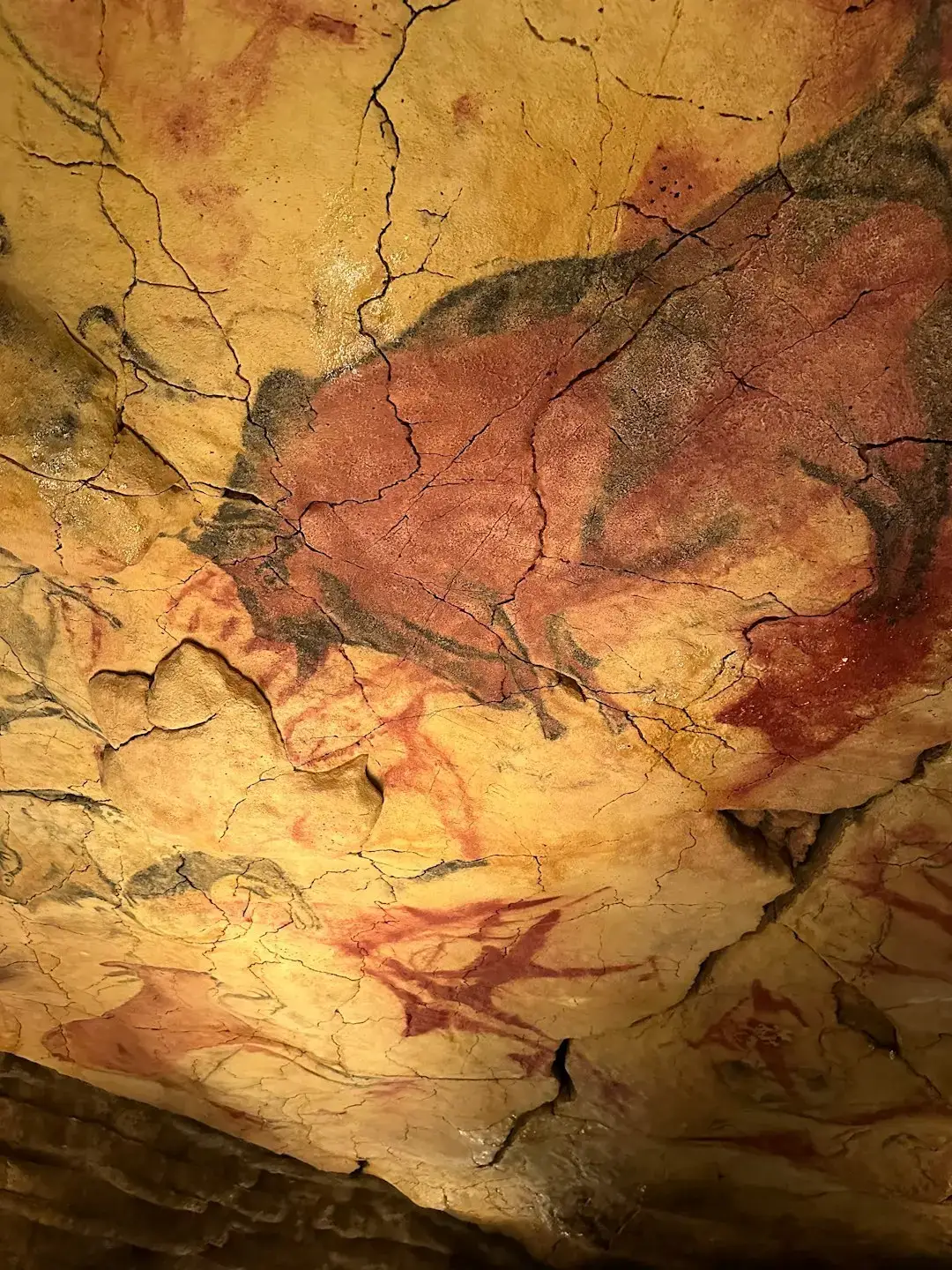
Some of the strangest painted animals may not be “new species” at all, but hybrids and odd individuals that prehistoric people noticed because they were unusual. Just as today people stop and stare at an albino deer or a strangely patterned bird, Ice Age hunters would have remembered any animal that broke the rules of what they normally saw. In a world where survival depended on reading the landscape like a book, pattern‑breakers stood out. The rarest animals might have made the biggest impression and earned a place on the cave wall.
Modern genetics shows that hybridization was far more common in the past than we once thought, not only among humans and our relatives but also in many animal groups. A bison‑like creature with unexpected horns or a horse with a bizarre coat might have been a one‑in‑a‑thousand genetic accident. Yet, if you only see such an animal once in your life, of course you carve or paint it. That one-off encounter becomes immortalized. In that sense, some cave paintings look a bit like social media snapshots in pigment: “You won’t believe what we saw today.” The difference is that their uploads lasted for tens of thousands of years.
Why Ancient Artists Noticed Details Scientists Almost Missed
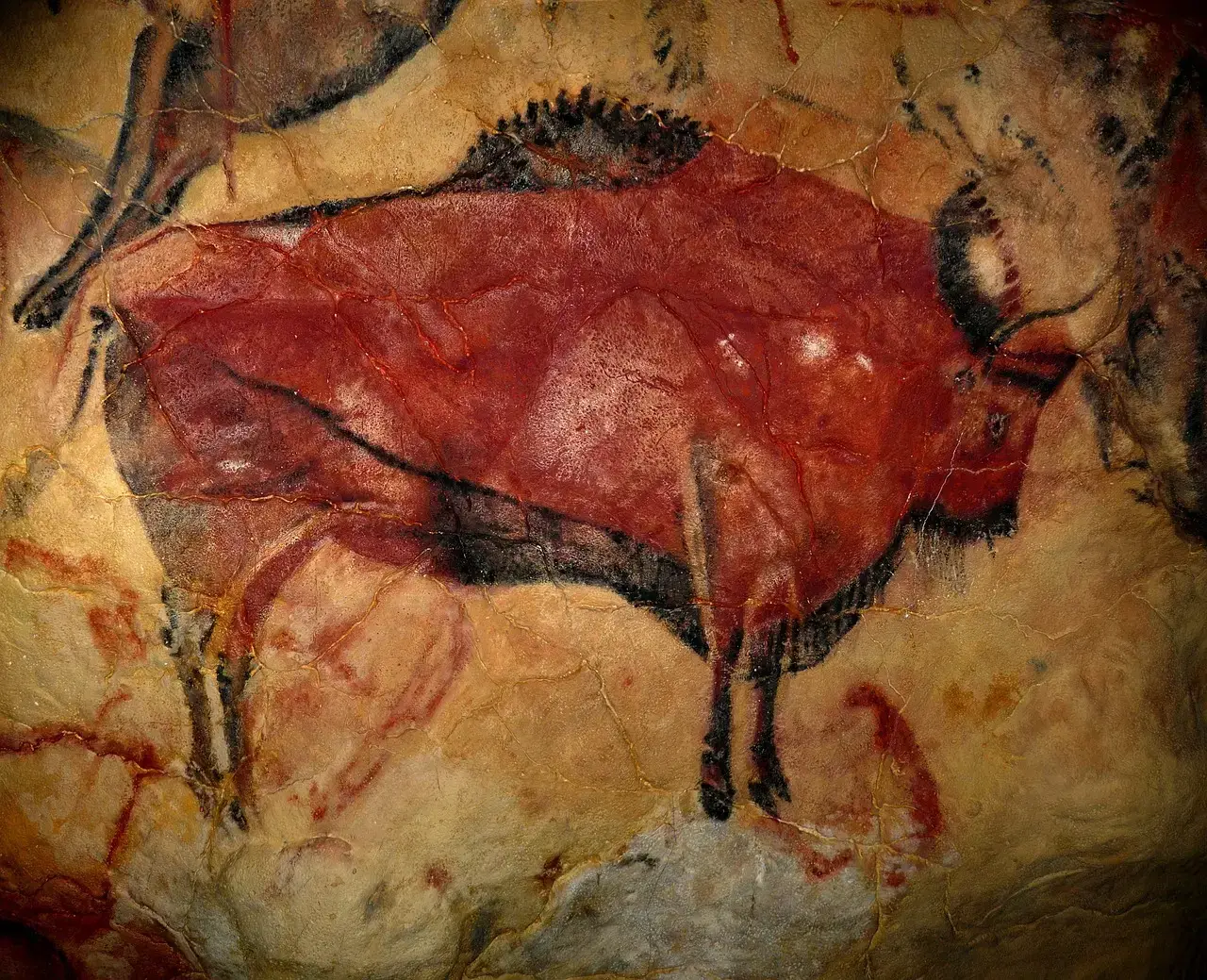
There is also a really practical reason these early artists captured details we almost missed: they lived face‑to‑face with these animals every day. When your food, clothing, tools, and even shelter depend on herds of bison, horses, or reindeer, you notice everything. You track migrations, seasonal changes, and subtle differences between one population and another. Modern scientists, by contrast, often work from fragmented bones, a scattering of fossils, or DNA sequences without ever seeing the living animal. It is like trying to reconstruct a song from a few broken notes on the floor.
That daily intimacy with the wild probably sharpened their visual memory to a level most of us do not have anymore. If you look closely at some cave animals, you see careful attention to muscle groups, horn curvature, hoof shape, even fur texture. These are not the casual doodles of bored hunters; they are the work of people who had memorized their environment in forensic detail. When that kind of eye notices a slightly different bison or a strangely marked horse, the difference gets recorded with surprising precision. In a way, their art functioned as the first wildlife field guide, centuries before anyone thought to put such things in a book.
Reading Cave Walls Like a Lost Scientific Archive
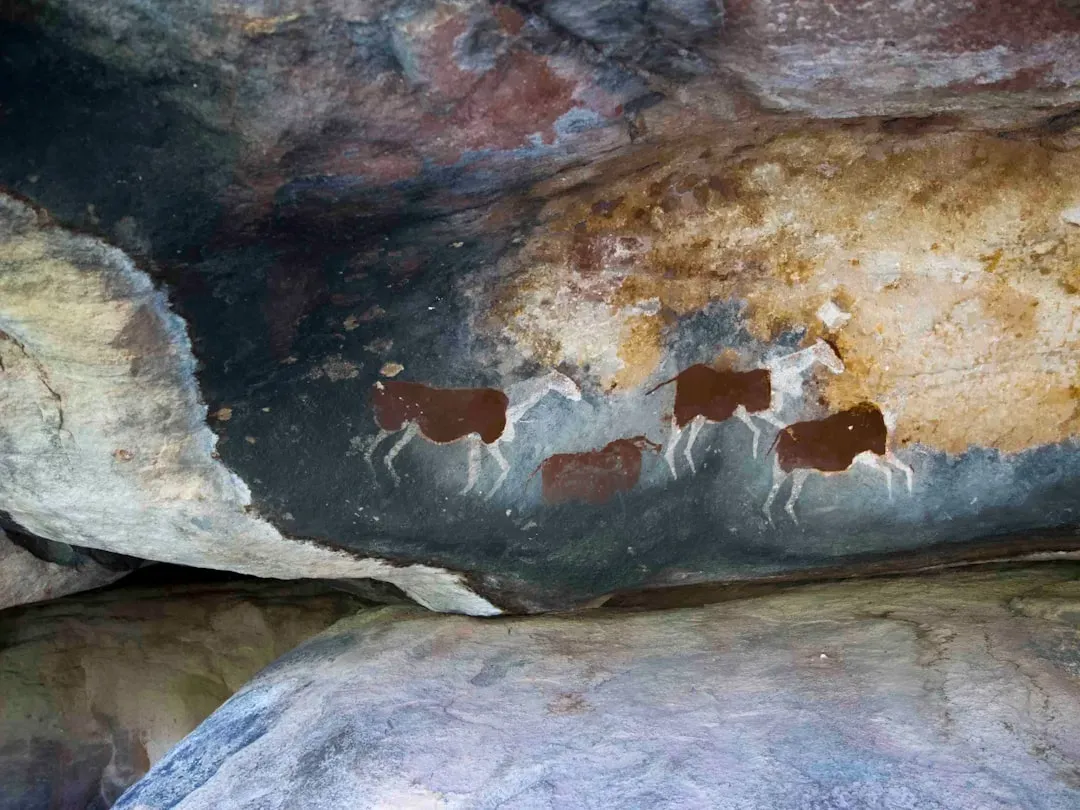
The more interdisciplinary the research becomes, the more cave paintings start to look like a data resource, not just decoration. Archaeologists, zoologists, geneticists, and even computer scientists are now comparing cave images with fossil distributions, climate records, and ancient DNA. They are asking questions like: do changes in painted animals line up with known environmental shifts? Do new animal forms appear at the same time as genetic turnovers in the fossil record? Often, the answer seems to be yes, and that is where it gets thrilling.
This does not mean every painted creature is a perfect portrait or that we can treat art like a photograph. People then, like people now, had stories, rituals, and symbolic traditions that shaped what they chose to paint. Still, when independent lines of evidence keep converging – when horn shapes in pigments line up with DNA lineages, or coat patterns on rock match genetic variants in bone – it becomes hard to dismiss the art as mere imagination. The caves start to feel less like mysterious shrines and more like frozen snapshots from a long‑vanished research project our species never knew it was running.
What These Paintings Really Tell Us About Human Curiosity
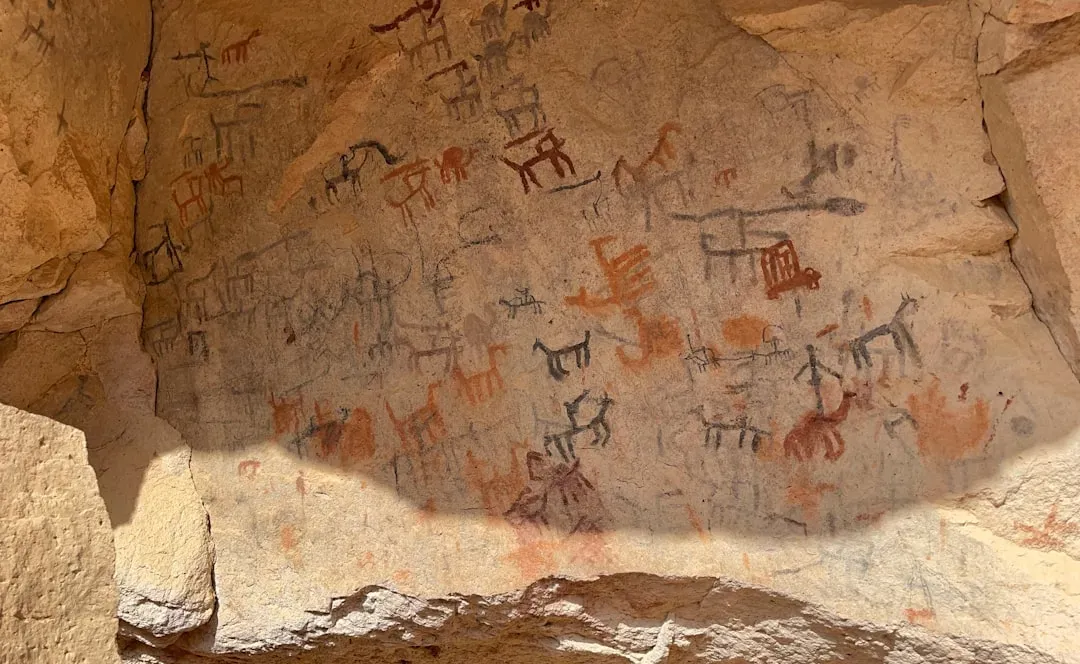
To me, the most striking thing about all this is not just that ancient people sometimes painted animals science had not yet recognized. It is that they paid enough attention to notice those differences in the first place. Long before microscopes or gene sequencers, our ancestors were already obsessed with variation, with the ways one animal could differ from another. That restless curiosity, the urge to say “this bison is not like the others,” is exactly the same engine that drives science today. The tools changed; the instinct did not.
So yes, cave paintings can hint at lost species, odd hybrids, and animal forms that only recently showed up in our genetic databases. But they also remind us that scientific observation is not some modern invention owned by labs and universities. It is an old human habit, as ancient as firelight on stone. Those painters were not just artists; they were field observers, archivists of the wild, scribbling their findings in mineral pigment instead of ink. In the end, the real shock is not that they documented animals we did not know existed. It is that we ever doubted they were capable of seeing the world that clearly. What else might be staring at us from those walls that we still have not learned how to read?