
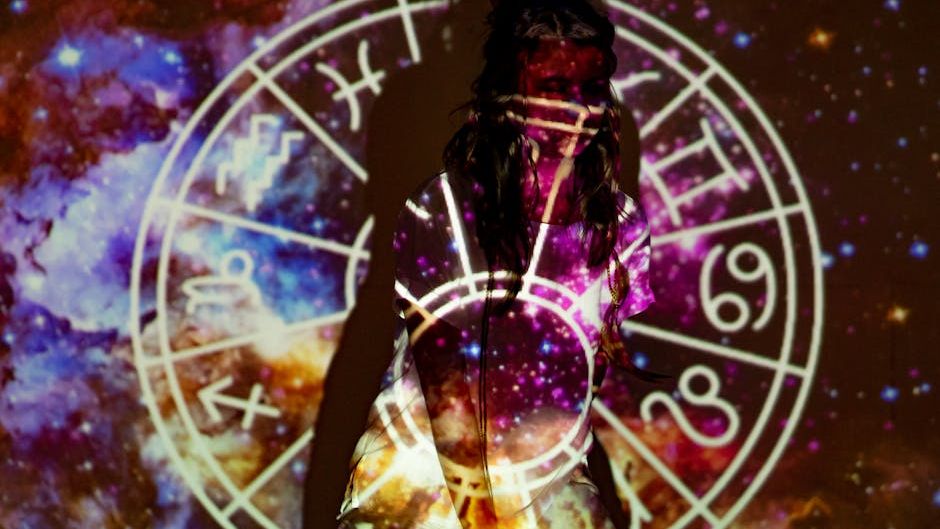
Imagine being dropped into a bustling ancient city, a nomadic camp under a sky full of stars, or a fortified hilltop village thousands of years ago. Who would you be if you had to survive and belong there: the hunter, the healer, the storyteller, the warrior, the priestess, the builder, the trader? Astrology has always been about patterns in human nature, and even if you treat it as playful psychology rather than fixed fate, it offers a surprisingly vivid lens for picturing the kind of role you might have gravitated toward in a very different world.
This guide pairs each zodiac sign with an archetypal ancient role that fits its temperament, strengths, and deeper motivations. It is not a literal career prediction or a historical claim that people were actually classified this way; think of it more like an imaginative personality test grounded in what we know about ancient societies and what modern astrology says about each sign. As you read through your sign and the others, notice which roles tug at you the most – because sometimes the one that hits you hardest is the one you did not expect.
Aries – The Frontline Warrior and Pathfinder
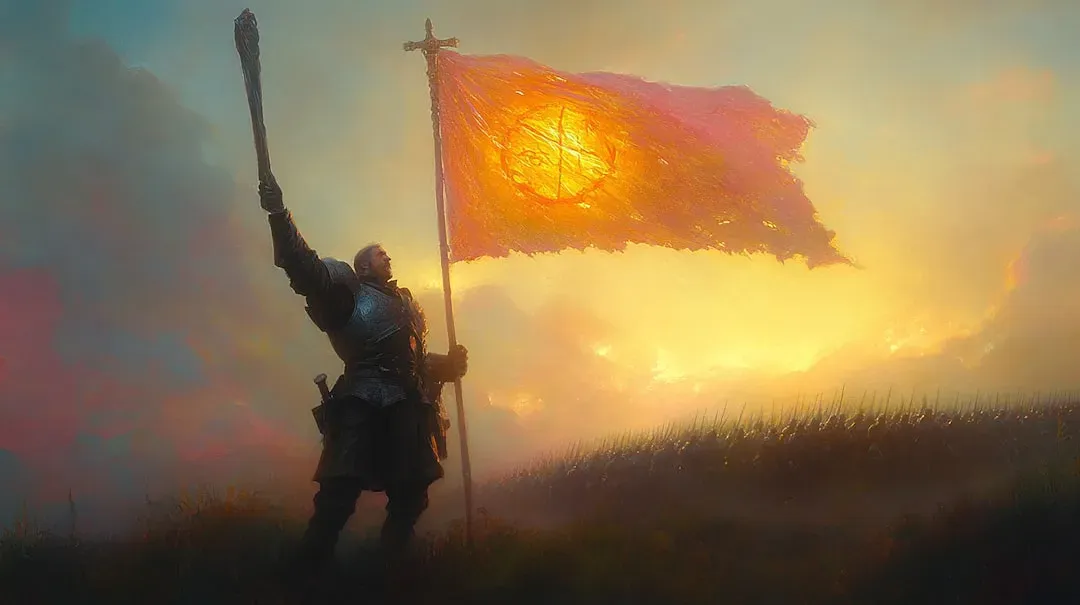
Aries energy is direct, bold, and impatient with hesitation, so in an ancient world, this sign naturally fits the role of the frontline warrior and pathfinder. Aries is often associated with initiative and courage, the kind of person who volunteers first when everyone else is still looking around. In small, vulnerable communities, that willingness to confront danger head-on would have been both risky and priceless, whether that meant defending the settlement or scouting unknown terrain. You can almost picture an Aries sharpening weapons at dawn, already wired for the day’s challenges while others are still waking up.
But the warrior here is not just swinging a sword; Aries also embodies the pathfinder who pushes into new hunting grounds, new trade routes, and new strategies. In group psychology, there is usually at least one person who says “I’ll go first” and creates a sense of momentum that others can rally behind. I’ve often seen Aries people do this in modern life – signing the lease no one else dares, starting the project everyone says is too risky – so it makes sense to imagine them in that vanguard role long before there were emails and project plans. In an ancient context, this same instinct would have carved real trails through forests and mountain passes.
Taurus – The Steward of Land and Herds
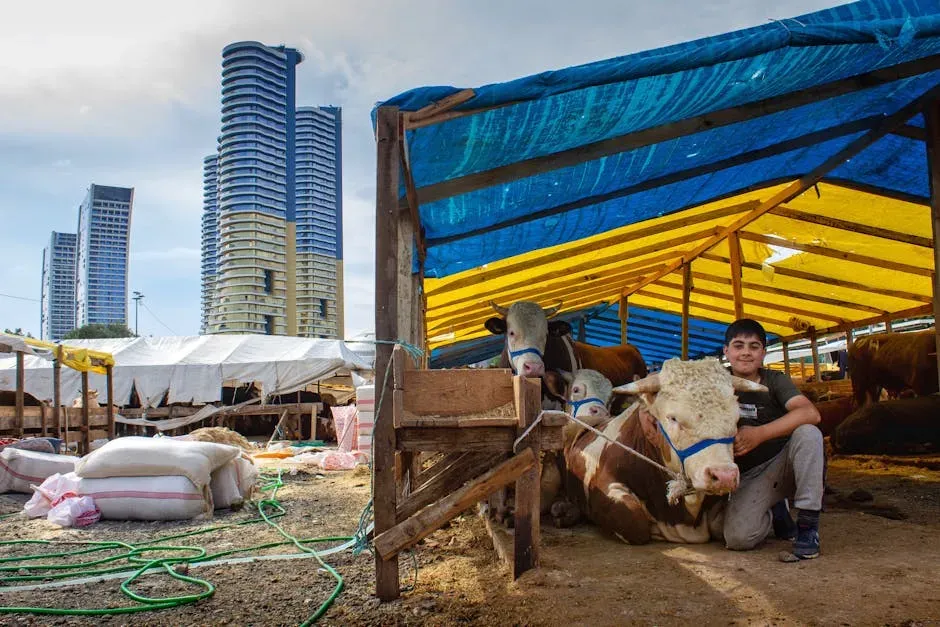
Taurus is grounded, sensory, and deeply tied to physical comfort and security, which lines up closely with the ancient role of land and herd steward. When societies shifted from pure hunting to farming and herding, the people who could patiently tend fields, track animal health, and store food responsibly kept everyone alive through harsh winters and lean years. Taurus has that slow-and-steady temperament that suits repetitive but essential work: planting, watering, grinding grain, watching the herds graze and making mental notes of their patterns.
There is also a strong aesthetic streak in Taurus that would have shaped how homes, tools, and sacred spaces felt and looked. Imagine a bull-ruled person carefully choosing where to place a cooking hearth or how to carve decorative patterns into storage jars – not because it is necessary, but because it makes daily life richer. In modern Taurus folks I know, this shows up as an almost uncanny ability to create calm, beautiful habitats and to guard material resources wisely. Translated back into ancient times, they become the quiet backbone of the village economy, building wealth literally from the soil up.
Gemini – The Messenger, Scout, and Story Carrier
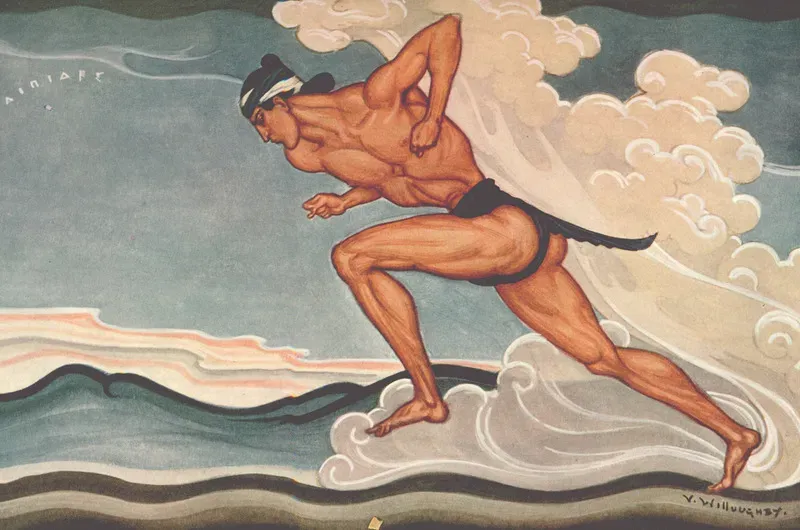
Gemini thrives on information, movement, and curiosity, which makes the ancient role of messenger and scout an almost perfect fit. In pre-digital societies, knowledge really did move at the speed of feet, hooves, and boats, so the quick thinkers and fast talkers were vital connectors. A Gemini temperament would be right at home darting between settlements, carrying news, negotiating exchanges, and picking up tidbits of gossip and strategy along the way. They are the ones who can remember who said what, where, and why – and adjust their message for different audiences.
Beyond literal messages, Gemini would also excel as a story carrier, preserving oral histories, jokes, and cautionary tales. A lot of anthropological work on oral cultures shows how stories mutated slightly with each telling, adapting to new circumstances, and that flexible, playful quality screams Gemini. In my own life, the Geminis I know seem to swap between roles and social groups as easily as changing outfits, and in ancient times this would have kept critical information flowing. Without people like this, isolated communities might have missed warnings, opportunities, or alliances that could change their fate.
Cancer – The Hearth Keeper and Clan Protector
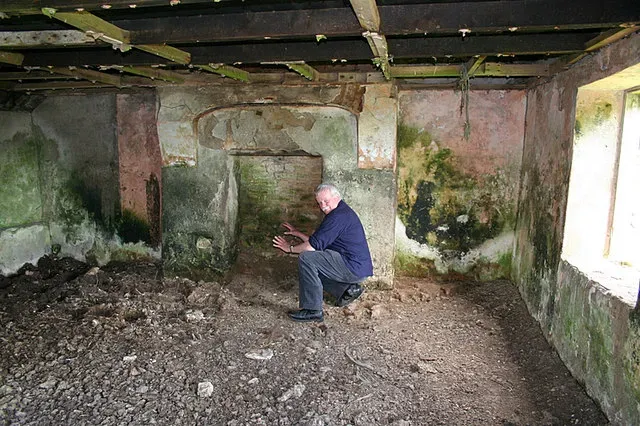
Cancer is often linked to home, emotional bonding, and protection, so its ancient analogue is the hearth keeper and clan protector. Long before governments and formal welfare systems, care happened in kitchens, sleeping areas, and small courtyards where food was shared and wounds were cleaned. A Cancer temperament would be drawn to cooking for others, tending children, comforting the anxious, and holding family rituals that make people feel like they belong. This is not soft work – it is the glue that keeps humans from fracturing under stress.
At the same time, Cancer has a fierce defensive streak that appears when loved ones are threatened. In a village raid or during a forced migration, the Cancer role would be the person counting heads, shielding the vulnerable, and insisting that no one gets left behind. I have seen modern Cancer individuals fight tooth and nail for family members, even if they often appear gentle and reserved day-to-day. Translated into ancient society, they become the emotional fortress: not always on the battlefield, but absolutely central to whether a community feels safe enough to thrive.
Leo – The Tribal Leader and Ritual Performer
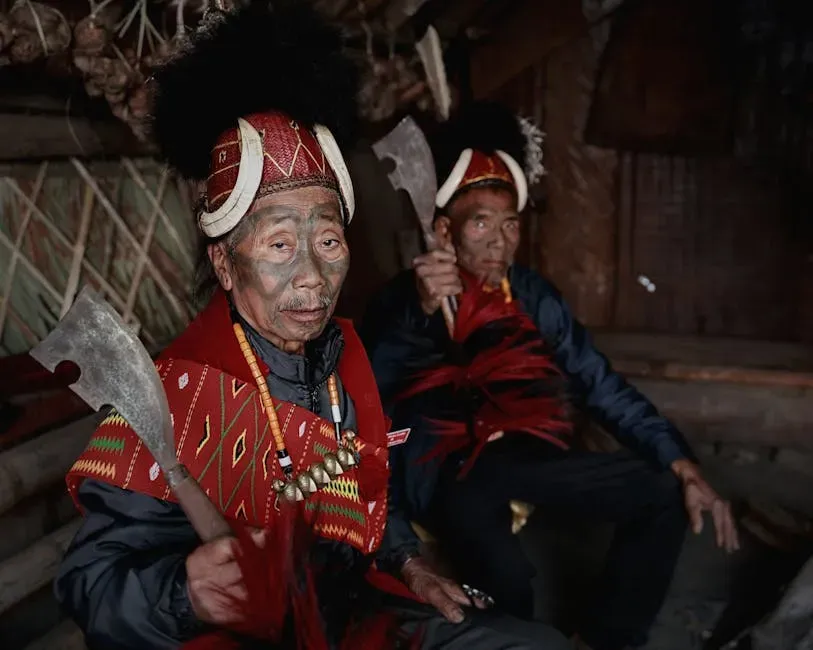
Leo shines in roles that involve visibility, drama, and heart-centered leadership, which maps closely to the ancient roles of tribal leader and ritual performer. In small-scale societies, leaders often had to stand before everyone, make decisions publicly, and embody confidence even when the future was uncertain. A Leo temperament would relish that stage, not purely for ego but because they genuinely want to inspire courage and pride. They might organize hunts, mediate disputes, or give stirring speeches before a dangerous journey.
Leo’s flair for performance also translates well into sacred and celebratory rituals: dances, songs, seasonal ceremonies, and rites of passage. Anthropologists have long noted that rituals help regulate group emotion and identity, and Leo is naturally wired to orchestrate that emotional voltage. Many Leos I’ve met light up when they are allowed to host, present, or entertain; in an ancient village, they might lead festivals with painted faces and dramatic costumes. Their role is to remind the group who they are at their best and to keep collective morale burning like a bonfire, especially during hard times.
Virgo – The Healer, Herbalist, and Craft Specialist
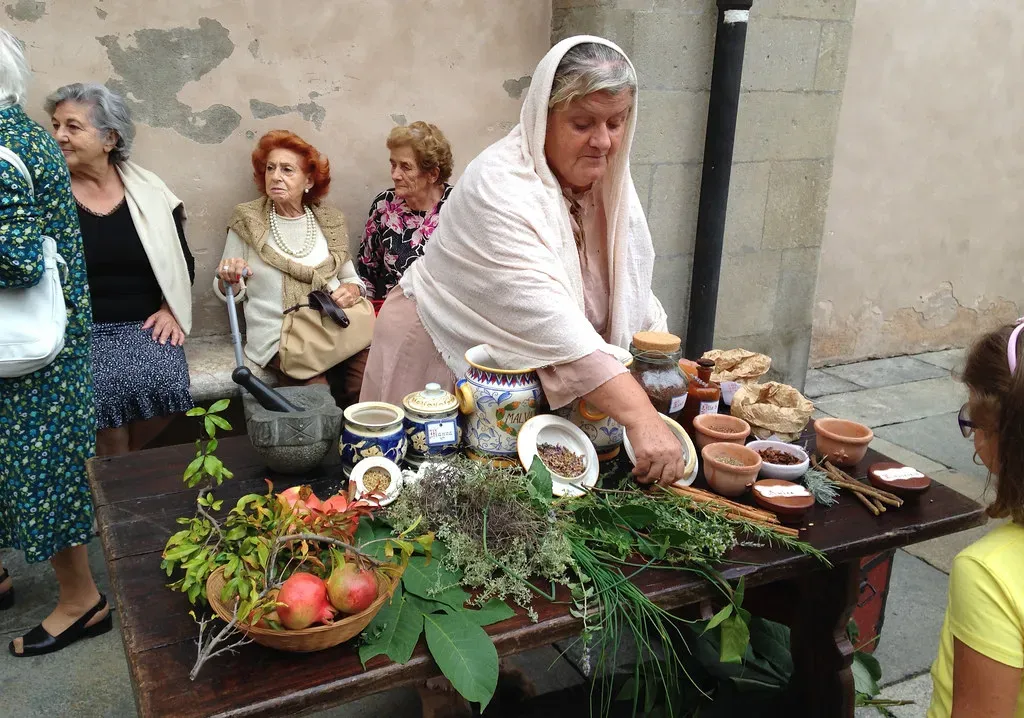
Virgo is meticulous, analytical, and service-oriented, echoing the ancient roles of healer, herbalist, and craft specialist. In a world without formal laboratories, people still experimented with plants, poultices, and procedures through careful observation and record-keeping – just kept in memory or markings instead of spreadsheets. Virgo’s love of detail and systems would shine here: noticing which herbs eased fever, which combinations made things worse, and which daily routines kept people healthier overall. They would be the ones quietly tracking patterns while others only saw coincidence.
Beyond healing, Virgo also aligns well with specialized crafts that require precision: weaving intricate textiles, shaping tools, or measuring out rations accurately. Archaeological finds often show astonishing workmanship in even basic household objects, hinting at people who clearly cared about getting every detail right. Modern Virgos can be perfectionistic, sometimes to a fault, but this same trait would have been life-saving when you need a bridge that does not collapse or a dose that does not poison. Their ancient role is part scientist, part caretaker, always asking how things can work better and more safely for everyone.
Libra – The Diplomat, Matchmaker, and Treaty Keeper

Libra is drawn to balance, fairness, and aesthetics, making the ancient role of diplomat and treaty keeper a strong match. When different clans or villages had to negotiate over water access, grazing rights, or marriage alliances, someone needed to understand both sides and speak in a way that defused tension. Libra energy naturally leans toward considering multiple perspectives, weighing costs and benefits, and choosing words that keep doors open instead of slamming them shut. In a fragile ecosystem or contested territory, this talent could literally prevent bloodshed.
Libra also fits the role of matchmaker, arranging unions not just for romance but for political and social stability. Anthropological studies show how marriages historically connected families and even entire regions, serving as long-term peace agreements. The Libra temperament, with its sensitivity to social dynamics and preference for harmony, could intuit which pairings would smooth conflicts and which might spark rivalries. In modern life, Libras often become unofficial counselors and go-betweens among friends; in ancient times, they would have been the architects of alliances, sketching out invisible but powerful social bridges.
Scorpio – The Shaman, Shadow Worker, and Strategist
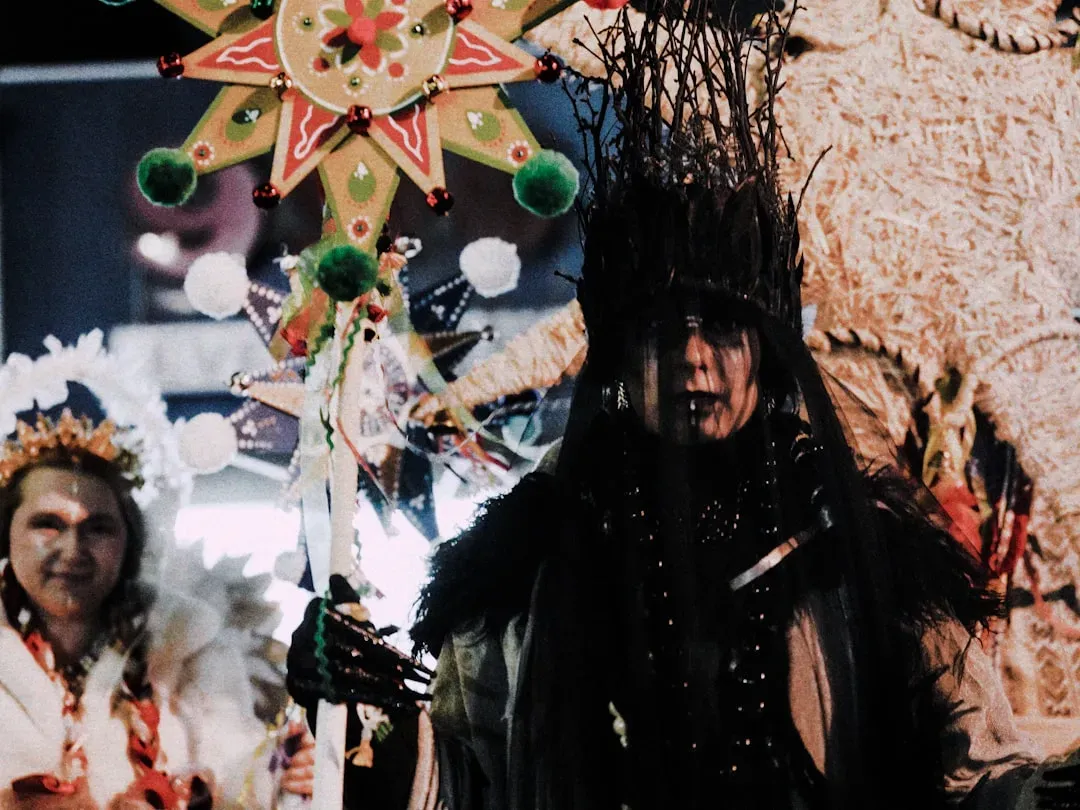
Scorpio is intense, probing, and comfortable with topics others avoid, which overlaps with the ancient roles of shaman, shadow worker, and strategist. Many early societies had specialists who dealt with death, illness, and the unseen – whether you interpret that as spiritual realms, psychological depths, or plain survival psychology. Scorpio’s focus and emotional stamina make it well suited for vigils in the dark, trance-like rituals, and guiding others through grief or fear. They would not shy away when things get messy; in fact, they often feel called to walk right into those spaces.
On a more concrete level, Scorpio’s gift for reading motives and hidden dynamics translates into strategic planning in conflicts and power struggles. They are the ones thinking three moves ahead, spotting betrayals before they happen, and setting up contingencies that others miss. In modern life, I have watched Scorpios quietly map out social hierarchies almost like a chessboard; in ancient societies, that same talent could shape war tactics, succession plans, or internal security. Their role is mysterious by design, but beneath the secrecy there is a fierce loyalty to those they choose as their own.
Sagittarius – The Explorer, Wanderer, and Wisdom Seeker

Sagittarius is restless, philosophical, and hungry for wide horizons, which lines up with the ancient roles of explorer and wanderer. In a world where new lands, trade routes, and cultural exchanges could change a community’s fortunes, people who were willing to leave home and keep going were invaluable. Sagittarius energy thrives on that sense of open road, uncertain outcomes, and big-picture questions about where the tribe fits in the larger world. They might travel with caravans, sail with early seafarers, or simply keep pushing beyond the next ridge to see what lies beyond.
Over time, these explorations also evolve into wisdom-seeking: learning new customs, gathering spiritual and practical teachings, and bringing back stories that expand the group’s horizons. Many traditional societies valued storytellers and sages who had actually been elsewhere, because firsthand experience could correct dangerous myths or inspire useful experiments. Modern Sagittarians are often drawn to travel, study, and big conversations about meaning, and in ancient times this would have made them a bridge between the known and the possible. Their role is to keep the culture from turning inward and stagnant by continually pointing toward the wider world.
Capricorn – The Builder, Lawgiver, and Long-Term Planner

Capricorn is disciplined, pragmatic, and focused on structure, making the ancient roles of builder, lawgiver, and long-term planner a strong fit. When small groups settled into more permanent communities, they needed durable houses, storage systems, defensive walls, and some basic rules about who could do what. Capricorn energy is naturally comfortable with hard work, delayed gratification, and managing resources carefully. Picture a Capricorn mind calculating how much grain needs to be stored to outlast a harsh winter or how to stagger labor so projects finish before the rainy season.
Beyond physical structures, Capricorn also aligns with creating and enforcing early laws or norms to keep chaos in check. Anthropologists and historians often note that even simple societies developed rules about property, inheritance, and conflict resolution, because without them, long-term cooperation collapses. In modern times, Capricorns often end up in management, law, or roles that require them to be the responsible adult in the room; in ancient times, they would have been the architects of stability itself. Their role might not be flashy, but without it, nothing else stands for long.
Aquarius – The Visionary Inventor and Social Reformer
Aquarius is innovative, contrarian, and oriented toward the collective, which aligns with the ancient role of visionary inventor and social reformer. Even in very old archaeological layers, we see sudden changes in tools, art styles, and social structures that suggest someone somewhere thought, “What if we did this differently?” Aquarius energy is exactly that: willing to break with custom if it promises a better outcome for the group. This might mean experimenting with new farming techniques, rethinking how decisions are made, or reshaping rituals to be more inclusive.
Socially, Aquarius often finds itself at the edges of the group, both belonging and observing from a slight distance, and that perspective makes it easier to spot what is unfair or inefficient. In ancient communities, these would be the people quietly questioning why certain families always hold power or why some members are excluded from resources. Modern Aquarians are frequently drawn to activism, technology, and alternative lifestyles, and it is not hard to imagine their ancestors advocating for radical changes around a fire. Their role is to plant seeds of the future in soil that everyone else assumes will never change.
Pisces – The Dreamer, Seer, and Spiritual Artist

Pisces is sensitive, imaginative, and loosely bound to everyday reality, echoing the ancient roles of dreamer, seer, and spiritual artist. Anthropological research on early cultures shows that dreams, visions, and altered states of consciousness often played a central role in decision-making and myth-making. A Piscean temperament might be especially attuned to symbolic language, subtle emotional currents, and the unspoken fears or hopes of the group. This could turn into roles like dream interpreter, ritual participant, or keeper of mythic stories that guide the community through loss and uncertainty.
Artistic expression also fits strongly here: music, painting, carving, and body decoration that transform ordinary moments into something sacred or transcendent. Many ancient sites are covered in images and patterns whose meanings we can only guess at now, but behind those markings were living humans trying to express inner worlds. The modern Pisces people I know often channel their sensitivity into art, caregiving, or spiritual exploration; in an ancient setting, they become the ones who turn raw experience into meaning. Their role is less about control and more about connection – to each other, to nature, and to something larger than both.
Conclusion – What Your Ancient Role Says About You Today
Thinking about your zodiac sign through the lens of ancient human roles is not about deciding who you were in some literal past life; it is about recognizing timeless patterns in how people contribute to a group. Whether you resonate most with warrior, healer, builder, diplomat, or dreamer, each archetype reflects a set of strengths that would matter in any era, including this one. I find it surprisingly grounding to imagine these roles stripped of modern job titles and social media, because it reveals what you might still bring to the table when everything flashy is taken away. It is like asking: if you were born with the same temperament but in a very different century, where would your gifts most naturally flow?
Of course, real humans are always more complicated than a single sign or a single role, and ancient societies were far more diverse and adaptive than any simplistic chart can capture. But if one of these descriptions made you feel oddly seen, or stirred a faint sense of recognition, that is worth paying attention to in your present life. Maybe it nudges you to take more initiative, to guard your energy for caretaking, to speak up for fairness, or to protect your space for creativity and reflection. In a way, the question is not just which ancient role fits your zodiac sign, but which one you are quietly playing right now – whether anyone around you calls it by that name or not. So if you had to pick, who would you have been in that firelit circle: and what does that say about the life you are choosing today?