If the sky suddenly turned orange with ash, the oceans pulled back, and the ground shook like it wanted to shake us off, who would actually make it? Imagining the twelve zodiac signs thrown into a prehistoric mass extinction is a wild mix of science, psychology, and a bit of playful astrology. Obviously, your star sign does not determine your literal survival odds in a real disaster, but it can be a fun lens to talk about traits that actually matter under extreme pressure: adaptability, emotional regulation, problem‑solving, cooperation, and grit.
Think of this as a thought experiment where we drop modern personalities into a world of volcanic winters, collapsing food chains, and giant predators. Some signs would instinctively organize, forage, and innovate. Others might panic, cling to routines that no longer work, or struggle with letting go of the world they knew. As someone who absolutely hoards snacks “just in case,” I have to admit my own sign would probably survive on pure paranoia and trail mix. Let’s walk through the zodiac, from the most likely to evolve through chaos to the one that would almost certainly refuse to adapt until it’s too late.
Scorpio: The Cold-Blooded Survivor of Any Apocalypse
Scorpio is the sign you’d find quietly thriving in a cave while everyone else is still arguing about whose fault the asteroid was. Psychologically, Scorpio energy is all about surviving the unspeakable, being willing to look directly at fear, loss, and death without flinching. In a prehistoric mass extinction, this sign’s instinct to accept uncomfortable truths quickly would be a major advantage: while others are in denial, Scorpio is already burying supplies, mapping escape routes, and learning to hunt in the dark. They’re strategic, emotionally intense, and not afraid to make ruthless decisions if that’s what the situation demands.
On top of that, Scorpios tend to have a strange relationship with transformation; they’re almost drawn to crisis as if some part of them only fully wakes up when the old world is burning. That mindset mirrors how real species survive mass extinctions: the ones that make it are not the soft, unchanging ones, but those that can radically shift behavior, niche, or environment. A Scorpio in a prehistoric wasteland might look like the human equivalent of a crocodile or a raven – patient, opportunistic, able to wait things out and then emerge when everyone else has burned out. They might not be the friendliest survivor, but they would be one of the last still standing.
Capricorn: The Relentless Builder of a New World
Capricorn would survive out of sheer refusal to quit. This sign is wired for long-term thinking, discipline, and structured problem‑solving – exactly the traits needed when your environment has collapsed and every resource has to be stretched. In a prehistoric winter, Capricorn is the one rationing food, building fortified shelters, tracking migration routes, and pushing the group through grueling routines even when morale is low. They think in terms of systems: if the old ecosystem is gone, they’ll try to engineer a new one at whatever scale they can manage.
Where Capricorn really excels is in endurance. Just as in real evolutionary history, where some species survive extended hardship by being tough, slow‑burn, and resource‑efficient, Capricorn energy naturally leans toward delayed gratification and sacrifice. They’re willing to be uncomfortable today if it increases the odds of survival months from now. That might look like strict rules, early nights, and no one wasting energy on pointless drama. Emotionally, they can be reserved, which, in a disaster scenario, might protect them from the paralyzing side of grief and panic. They will feel it, but they’ll still get up and chop wood before sunrise.
Virgo: The Hyper-Observant Adaptation Specialist
Virgo survives because they notice what everyone else misses. In a landscape where tiny environmental changes can mean the difference between life and death, a Virgo mind is like a high‑resolution sensor. They would be the first to observe that a certain plant only grows near fresh water, or that a particular type of cloud usually forms before deadly temperature drops. That attention to detail resembles how, in real life, species and communities adapt through small, incremental adjustments rather than grand, dramatic gestures.
This sign also tends to be practical, health‑conscious, and very focused on efficiency. In a prehistoric extinction event, Virgo would probably be managing food storage, reducing waste, and creating systems for cleanliness that prevent disease in tight quarters. They might be the ones experimenting with new food sources, testing which berries are safe, and cataloging everything in some makeshift mental database. Sure, their anxiety might spike with every new variable, but that same worry would keep the group alive. If there’s a way to make the new environment more workable, Virgo will quietly figure it out, tweak it, and optimize survival one small improvement at a time.
Aquarius: The Innovator Who Reinvents the Rules of Survival
Aquarius is the sign that would look at a shattered world and think, this is a terrible opportunity – but still an opportunity. Known for their originality and big‑picture thinking, Aquarians would be the tinkerers and inventors of the prehistoric apocalypse, experimenting with tools, traps, signaling systems, or even early forms of community governance. Instead of clinging to past norms, they’d scrap them fast and try something radically new. That mirrors how, after real mass extinctions, evolution often produces strange, experimental forms and novel ecological roles.
Socially, Aquarius brings a group‑minded approach, thinking in terms of networks, cooperation, and the survival of the tribe rather than the individual alone. They’d likely push for resource‑sharing, division of labor, and efficient use of everyone’s strengths. They might even be the ones to suggest migrating as a coordinated band instead of scattering in panic. Of course, their tendency to detach emotionally might make them seem aloof or stubborn when others want comfort more than ideas. Still, in a prehistoric wasteland where innovation and flexible social structures are keys to survival, Aquarius would be the weird genius that keeps the group one step ahead of extinction.
Aries: The First to Move When Standing Still Means Death
Aries might not have the most elaborate long‑term plan, but they have one trait that absolutely saves lives in fast‑moving catastrophes: they move. While others freeze, overthink, or wait for more information, Aries bolts out of the danger zone. In real disasters, quick reaction can matter more than perfect strategy, and Aries is wired for action under pressure. In a prehistoric mass extinction, when predators are shifting ranges or ash clouds are rolling in, the ability to react instinctively and immediately is a powerful survival asset.
Of course, their impulsiveness could also get them into trouble – charging into unknown territory without scouting, or taking unnecessary risks for the thrill of it. But in a world where the environment is changing too fast for anyone to fully understand it, the “act now, refine later” approach sometimes outpaces more cautious personalities. Aries would likely excel at hunting, defending the group, and pushing through fatigue with raw willpower. They might burn hot and fast, but they’d also be the spark that gets everyone else moving when staying put equals extinction.
Taurus: The Tough, Resource-Hoarding Traditionalist
Taurus is a surprising case: in a stable environment, this sign does extremely well, but in a collapsing one, their strengths and weaknesses collide. On the plus side, Taurus tends to be physically resilient, comfort‑oriented, and very good at storing and managing resources. They’d be experts at building sturdy shelters, locating reliable food sources, and preserving anything that brings a sense of safety. Like certain real species that survive because they conserve energy and dig in, Taurus knows how to endure hardship by creating pockets of stability.
The challenge is that Taurus can be deeply resistant to change. In a prehistoric mass extinction, where landscapes, seasons, and food chains are shifting beyond recognition, that attachment to the familiar could be dangerous. They might cling too long to a once‑fertile valley that is now dying, or refuse to migrate because the idea of leaving their established home is unbearable. If they can push past that inertia and accept that comfort must be redefined, they stand a strong chance of survival. If not, the very love of stability that usually protects them could become their undoing.
Gemini and Sagittarius: The Wandering Generalists That Might Just Make It
Gemini and Sagittarius occupy a similar survival niche: both are adaptable, curious, and inclined to move rather than stagnate. Gemini brings mental flexibility and fast learning; in a prehistoric crisis, they’d be quick to pick up new behaviors, read shifting social dynamics, and communicate crucial information. Sagittarius, meanwhile, brings a natural love of exploration and risk‑taking, which would push them to follow migrating herds, cross dangerous terrain, or search beyond the known horizon for safer ground. Real ecosystems reward generalists – species that can eat many things, live in multiple habitats, and shift behavior – and these two signs embody that generalist spirit.
The flip side is consistency. Gemini might struggle with long‑term, repetitive survival tasks like routine gathering or maintenance, getting bored and distracted when steady effort is required. Sagittarius might get restless, taking reckless paths or abandoning relatively safe zones in search of something more exciting or “meant to be.” If they can ground their restlessness – Gemini focusing their curiosity on practical skills, Sagittarius channeling their wanderlust into strategic scouting – they have good odds of riding out the extinction. If not, their love of novelty could accidentally walk them straight into the jaws of danger.
Leo: The Sign Most Likely to Never Adapt in Time

Leo is powerful, charismatic, and often inspiring in everyday life – but in a prehistoric mass extinction, this sign risks becoming the one that never truly adapts. Leo thrives on identity, recognition, and a sense of centrality; they want to feel like the main character. Mass extinction events, however, do not care who the main character thinks they are. The environment rewrites the script without asking. Leo’s attachment to their established role, status, or self‑image could make it hard for them to accept just how radically the rules have changed. They might keep behaving like it is still “their kingdom” long after the kingdom is gone.
To be clear, Leo is not weak – far from it. Their courage, generosity, and ability to rally others are real strengths. But adaptation requires a kind of ego flexibility, a willingness to downgrade, disappear, or quietly reinvent yourself in order to survive, much like small, unassuming species that made it through real extinctions while giant, majestic ones vanished. Leo might resist that shrink‑to‑survive path, holding onto pride, old patterns, or visible leadership even when stealth and humility would work better. Unless they can let go of the need to shine and instead focus on simply enduring, Leo is the sign most at risk of never fully adapting to an unforgiving new world.
Conclusion: Survival Favors the Flexible, Not the Flashy
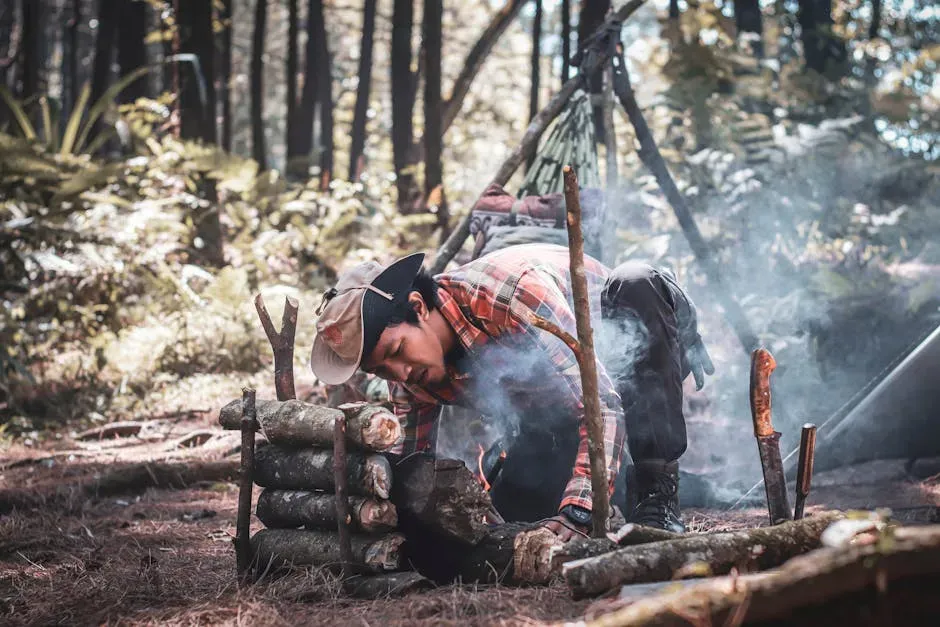
When you strip away the playful astrology angle, this whole thought experiment lands on a very grounded truth: in any extreme upheaval, the traits that matter most are adaptability, self‑honesty, emotional resilience, and the willingness to change fast, even when it hurts. Signs like Scorpio, Capricorn, Virgo, and Aquarius come out on top here because they embody some combination of strategic thinking, endurance, observation, and innovation – traits that echo how real species and real communities survive long, dark chapters in Earth’s history. Action‑first signs like Aries and flexible wanderers like Gemini and Sagittarius also have a decent shot, as long as they temper their impulses with a bit of caution.
On the other hand, the sign that struggles the most in this scenario, Leo, represents a very human trap: clinging to who we used to be and what used to work, even when the world has clearly moved on. In that sense, every sign has a bit of Leo’s challenge buried inside it. Whether you believe in astrology or just enjoy it as a storytelling tool, the deeper question is the same: when life stops playing by the old rules, are you willing to stop playing your old character? In your own world – far safer and less dramatic than a prehistoric cataclysm, hopefully – are you adapting like a survivor or holding on like a doomed dinosaur?