
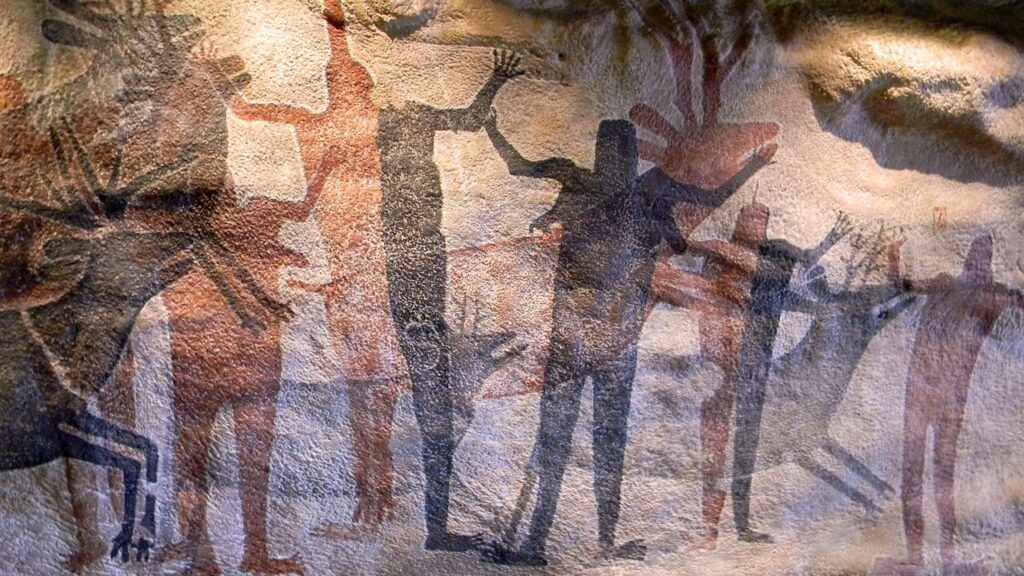
Imagine walking into a cave expecting crude stick figures and instead finding a swirling universe of color, motion, and symbolism that feels oddly modern. That has been the quiet shock of the last few decades in archaeology: the more we uncover, the more it looks like prehistoric people were not just surviving, but obsessively creating, experimenting, and expressing. The old cartoon of a hunched “caveman” grunting at the fire just does not survive contact with the evidence on actual cave walls, carved bones, and carefully arranged pigments.
What is even more surprising is how much of this art is subtle, layered, and technically sophisticated. These were not bored people doodling in the margins of their hunting grounds; they were deliberate designers working with perspective, light, acoustics, and even motion. As new methods like microscopic pigment analysis and 3D scanning come online, we keep learning that things we once dismissed as primitive scribbles are actually complex visual experiments. If anything, it looks like we have been the ones lacking imagination, not them.
Cave Paintings That Rival Modern Art
One of the biggest shocks has been the sheer quality of some Ice Age cave paintings. In places like Lascaux in France or Altamira in Spain, animals are not just drawn; they are modeled with shading, overlapping forms, and a sense of movement that would not look out of place in a modern art museum. The artists understood how to use the rock’s curves so that a bison’s flank bulges out or a horse’s neck seems to twist in mid-gallop when lit by a flickering flame. That is not accidental; it is a studied use of natural 3D surfaces as a canvas.
These paintings also show something that is easily underestimated: consistency. The same styles, motifs, and techniques appear across different walls and chambers, hinting at shared traditions or teaching. Think about how long it takes to get good at shading, layering colors, and visual storytelling, even today. The presence of such coherent visual languages across generations suggests that early humans invested time and energy into art the way we invest in music lessons or design schools now. This was not a one-off hobby; it was a cultural commitment.
Ancient Pigment Labs And Color Obsession
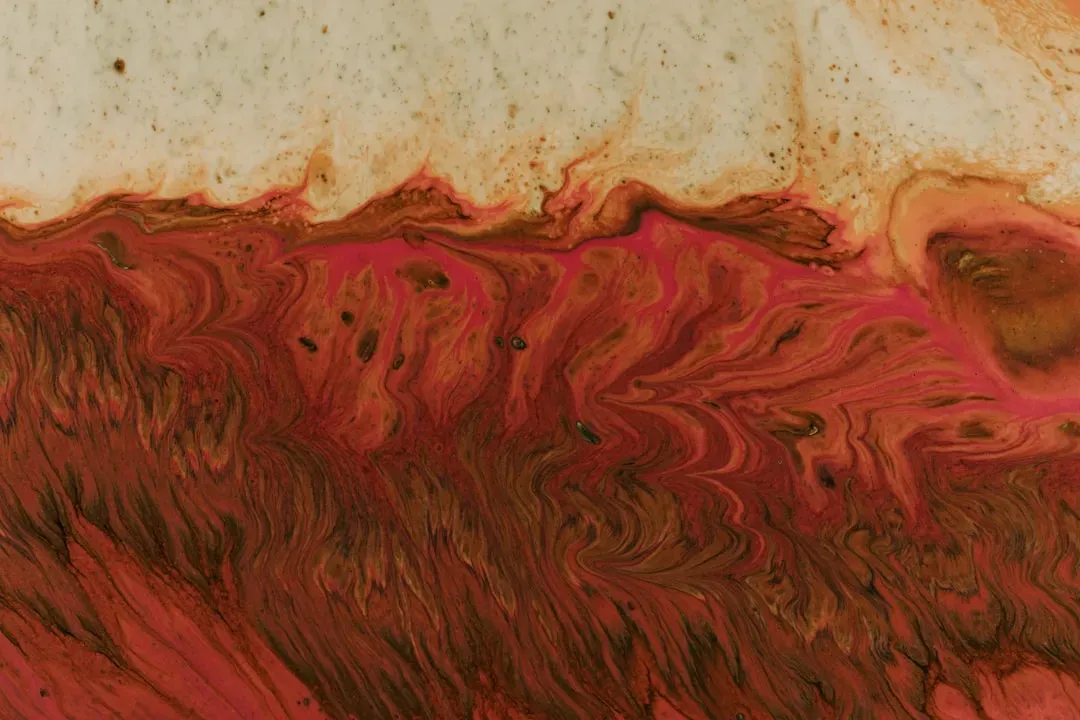
For a long time, people imagined prehistoric art as mostly charcoal scrawls, but archaeology has turned up something much more intense: literal pigment workshops. Excavations have uncovered grinding stones stained with red ochre, caches of mineral chunks, and shell or stone containers that once held mixed paints. In some sites, the variety of pigments is shockingly broad, with reds, yellows, browns, blacks, and even more unusual tones that required deliberate sourcing and processing. That level of color experimentation screams artistic curiosity.
Processing pigments is not trivial; it means grinding, binding, and sometimes heating minerals to change their properties. Some early artists clearly learned how to adjust textures and shades, just like a modern painter tinkering with oils and mediums. Pigments also turn up on bodies, ornaments, and tools, suggesting that color was woven into everyday life and identity, not just reserved for big cave murals. When you see how far they went to control hue and intensity, it feels less like “primitive decoration” and more like an early version of a professional art studio.
Tiny Sculptures With Big Ideas
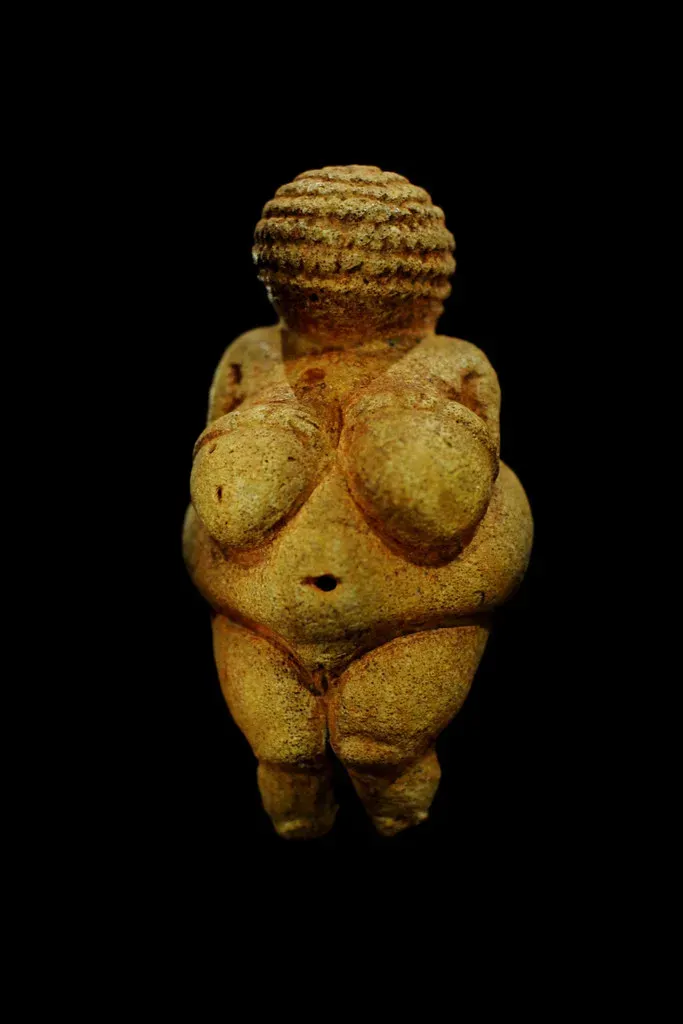
Not all prehistoric art is on the walls; some of it fits in the palm of your hand but carries huge symbolic weight. Small figurines carved from bone, ivory, stone, or baked clay show an astonishing level of detail, from subtle body curves to carefully etched hair or clothing patterns. Many of these so-called “Venus” figures or animal carvings were created with fine tools and an intuitive understanding of volume and proportion. It takes serious dexterity and patience to pull that off with no metal tools, no magnifying glass, and certainly no craft store down the street.
These sculptures also raise deep questions about what was going on in people’s minds. They are not just literal copies of what was around them; some are exaggerated, abstracted, or stylized in ways that look oddly contemporary. Think about how a modern comic or logo exaggerates certain features to convey a message quickly. The same kind of selective emphasis appears in prehistoric carvings, suggesting that early humans were already playing with symbolism, idealization, and narrative. That is not just art – it is visual philosophy in miniature.
Symbol Systems Beyond Simple Doodles
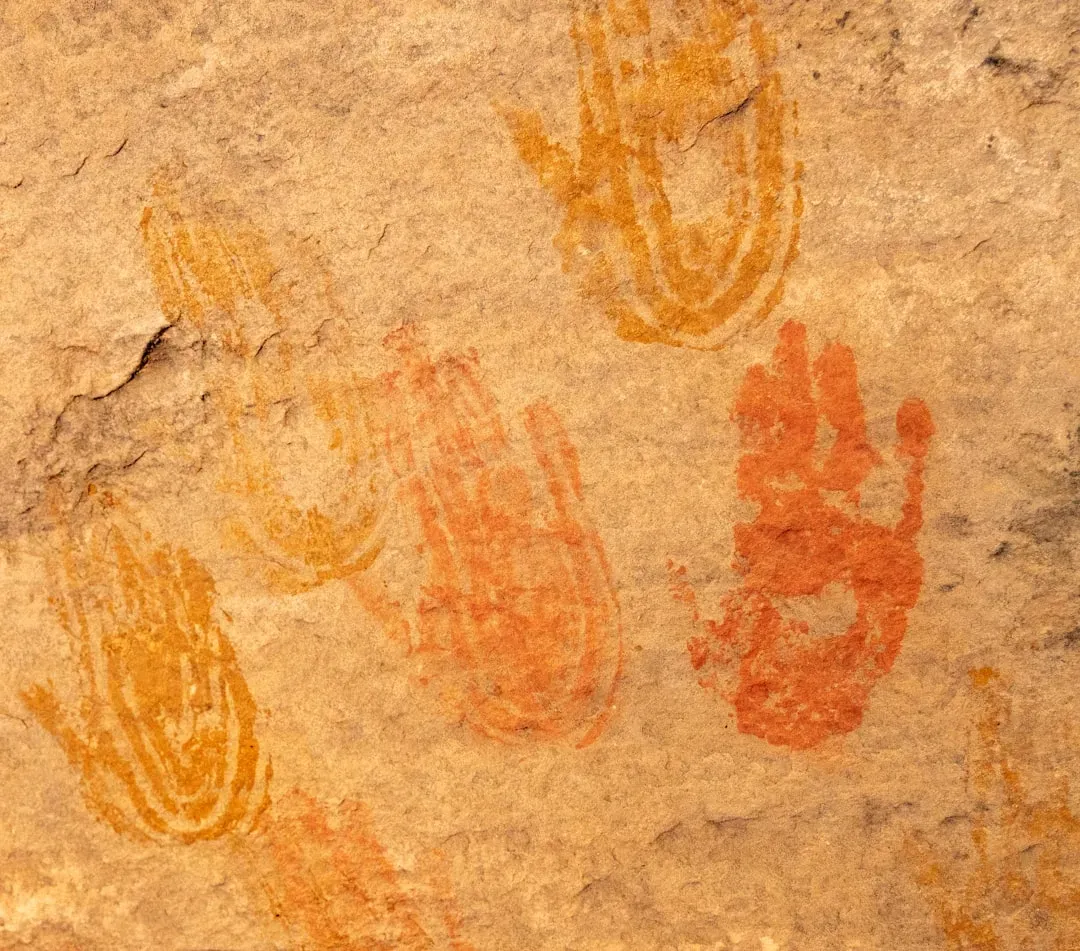
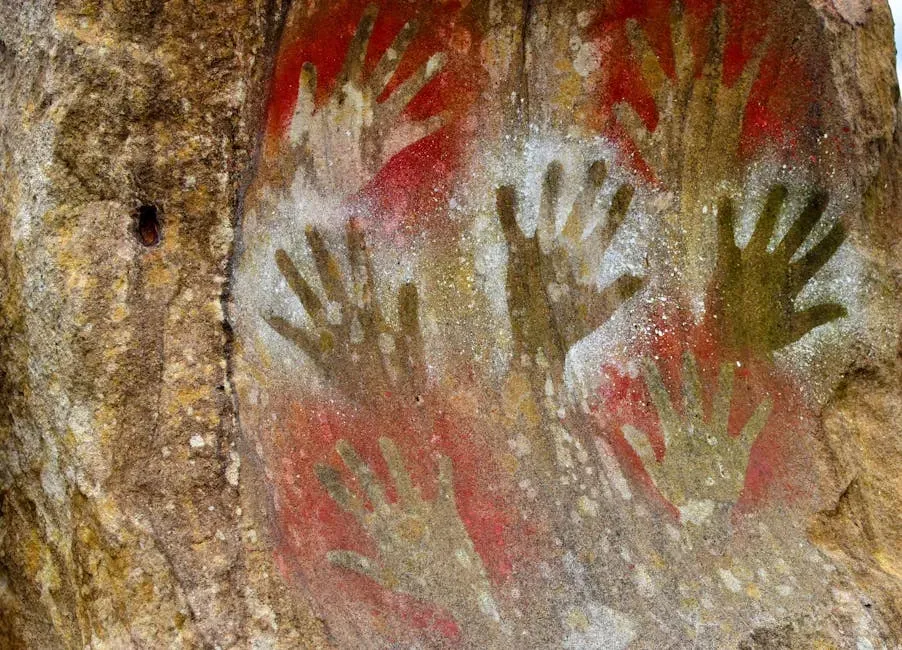
On closer inspection, many prehistoric markings turn out to be more than random scratches or idle graffiti. Researchers have identified recurring signs – dots, lines, hand stencils, geometric shapes – that appear across different caves and regions over long stretches of time. They sometimes cluster near certain animals or seem to follow patterned sequences. While no one has fully decoded them, the repetition alone suggests some kind of shared visual language, however simple or complex it might have been.
This is important because it pushes back against the idea that early art was purely literal: just pictures of horses for horse-loving hunters. Instead, it hints at people experimenting with notation or proto-writing, encoding something about seasons, rituals, or group identities. Modern humans are obsessed with symbols, from emojis to subway maps, and it looks like that drive to systematize visual signs has very deep roots. We might not yet understand what those old marks say, but we can tell that someone cared enough to use the same ones again and again, across generations.
Art In Motion: The First “Animation” Experiments
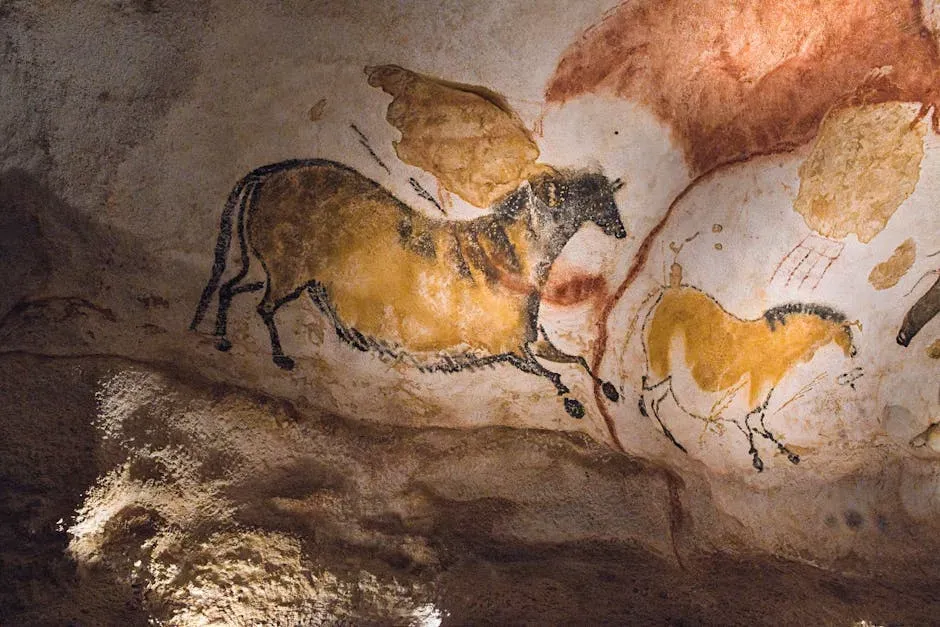
One of the most mind-bending discoveries is how some cave images seem designed to come alive in flickering firelight. Multiple legs on a single animal, staggered outlines, and repeated forms arranged along curves may have created a sense of motion as torches moved. When researchers recreate this with virtual models or real flames, the effect can be eerily dynamic, as if an ancient artist was trying to hack the brain’s tendency to see motion in sequential images – the same principle behind modern animation and cinema.
In addition to static images, some portable objects appear to encode simple sequences, like repeated stances of an animal or shifting patterns. It is not crazy to think that people who watched herds moving across a landscape would want to capture that movement in their art, not just frozen snapshots. To me, this feels incredibly human: the same impulse that gave us flipbooks, GIFs, and action photography might have been at work tens of thousands of years ago. The medium was bone, stone, and firelight instead of screens, but the underlying creative itch was strikingly similar.
Art As Social Glue And Identity
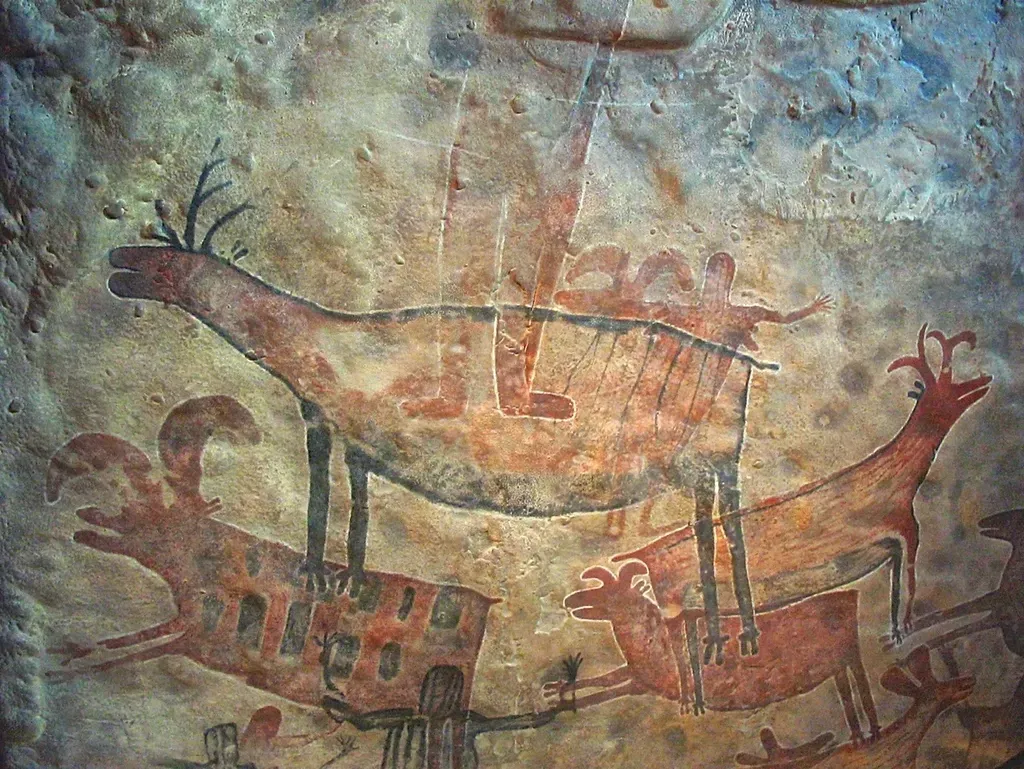
There is another layer to all this: prehistoric art looks less like solitary genius and more like community work. Many cave sites show evidence that different people, sometimes over generations, added to or modified the same panels. Some handprints are small, others large, suggesting that multiple age groups and possibly all genders participated. That pattern looks like a social practice: shared rituals, teaching moments, maybe even something like communal festivals centered around image-making and storytelling.
Art may also have helped groups signal who they were and what they valued. Distinctive styles or recurring animals in certain regions hint at local traditions, like early visual “dialects.” Today, we use clothing, music, memes, and design to show what crowd we belong to, and it would be naive to think prehistoric people did not do something similar. When you imagine these artworks as social tools – defining, binding, and differentiating communities – they suddenly feel far more sophisticated than lonely doodles in the dark.
Rethinking Intelligence: Not “Primitive,” Just Different
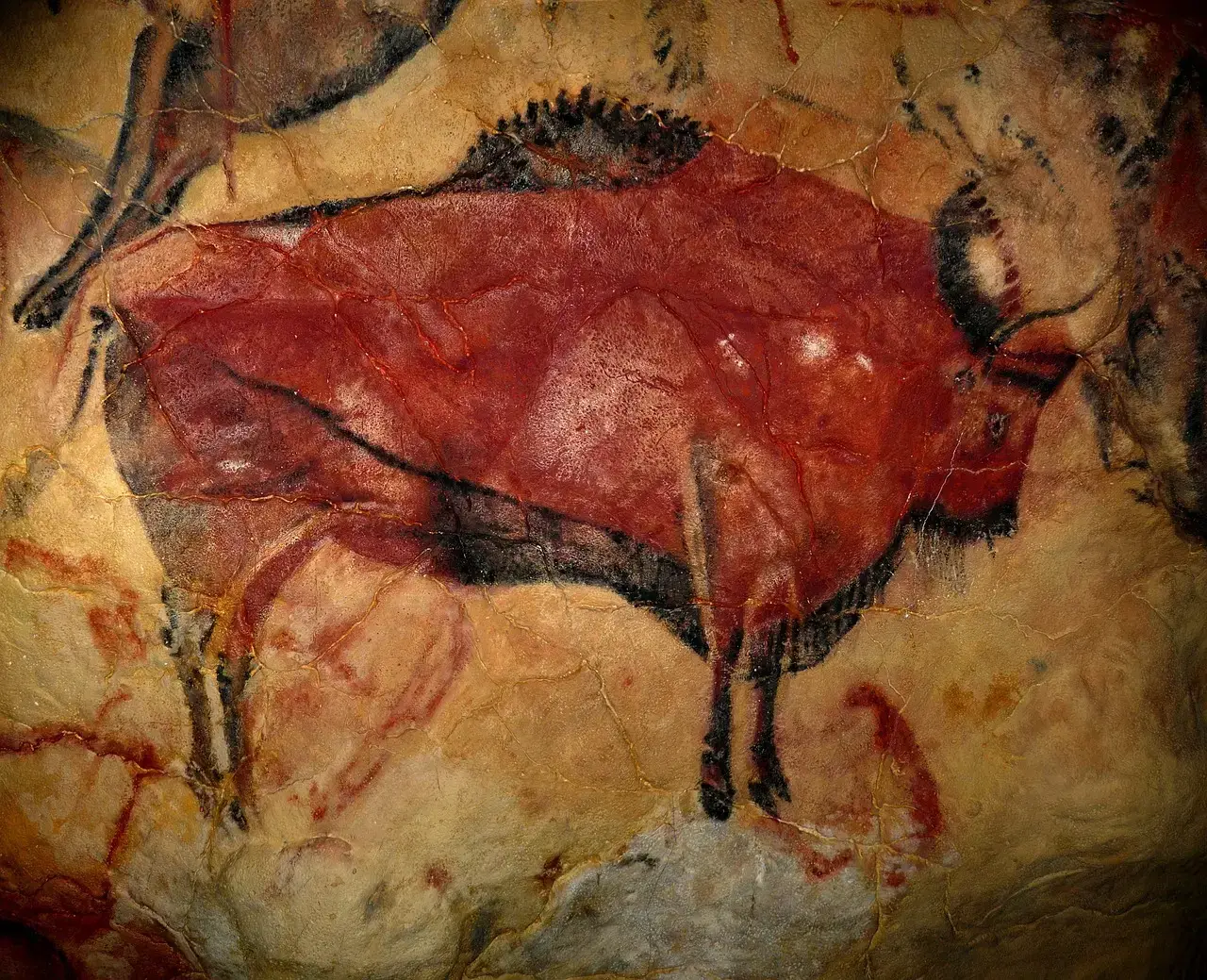
What all this art really does is force us to question our quiet arrogance about the past. For a long time, there was an assumption that cognitive sophistication marched in a straight line upward, with far-off ancestors sitting at the clueless bottom. But if people tens of thousands of years ago were blending perspective, symbolism, motion, color theory, and community rituals through art, then the line is not as simple as we thought. Their brains were not half-finished versions of ours; they were fully human brains working in different conditions and traditions.
This does not mean that every theory of “advanced prehistoric knowledge” is automatically true; we still need evidence, and some modern claims stretch things far past what the data supports. But it does mean that we should stop underestimating their creativity just because they did not leave behind metal cities or digital tools. In some ways, the ability to create lasting meaning on raw cave walls with nothing but pigments and stone tools is a deeper flex than anything we do with apps. They were not warm-up acts for us; they were artists in their own right.
Why It Matters How Artistic We Think They Were
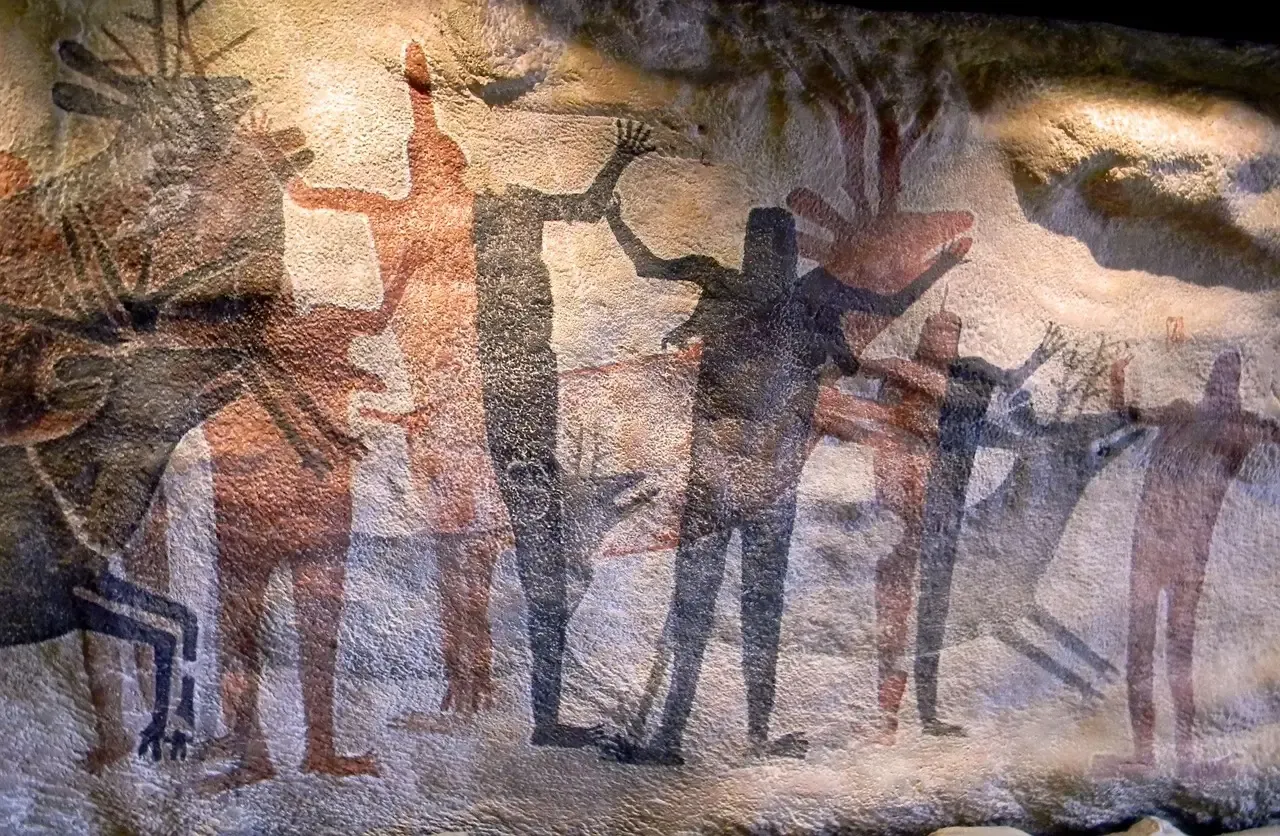
It might sound like a niche academic squabble, but how we see prehistoric art quietly shapes how we see ourselves. If we imagine early humans as crude, unimaginative brutes, it becomes easier to treat our own culture as the inevitable climax of intelligence and taste. Once you recognize that people living in tiny bands and facing brutal climates still carved delicate figurines and invented complex painting techniques, it becomes harder to believe that creativity depends on comfort, wealth, or modernity. Art appears instead as a basic human survival tool – a way to make sense of the world, bond with others, and carry stories forward.
Personally, I find this deeply humbling and a bit thrilling. It connects the teenager sketching in the margins of a notebook with the unknown person tracing a hand on stone thirty thousand years ago. It suggests that whenever we doodle, design a tattoo, or choose a color palette for our living room, we are tapping into an ancient, stubborn drive to shape reality with images. The more seriously we take prehistoric art, the more clearly we can see that being human has always meant more than hunting and shelter; it has always included an urge to create, decorate, and dream out loud in color.
Conclusion: Giving Ancient Artists The Credit They Deserve
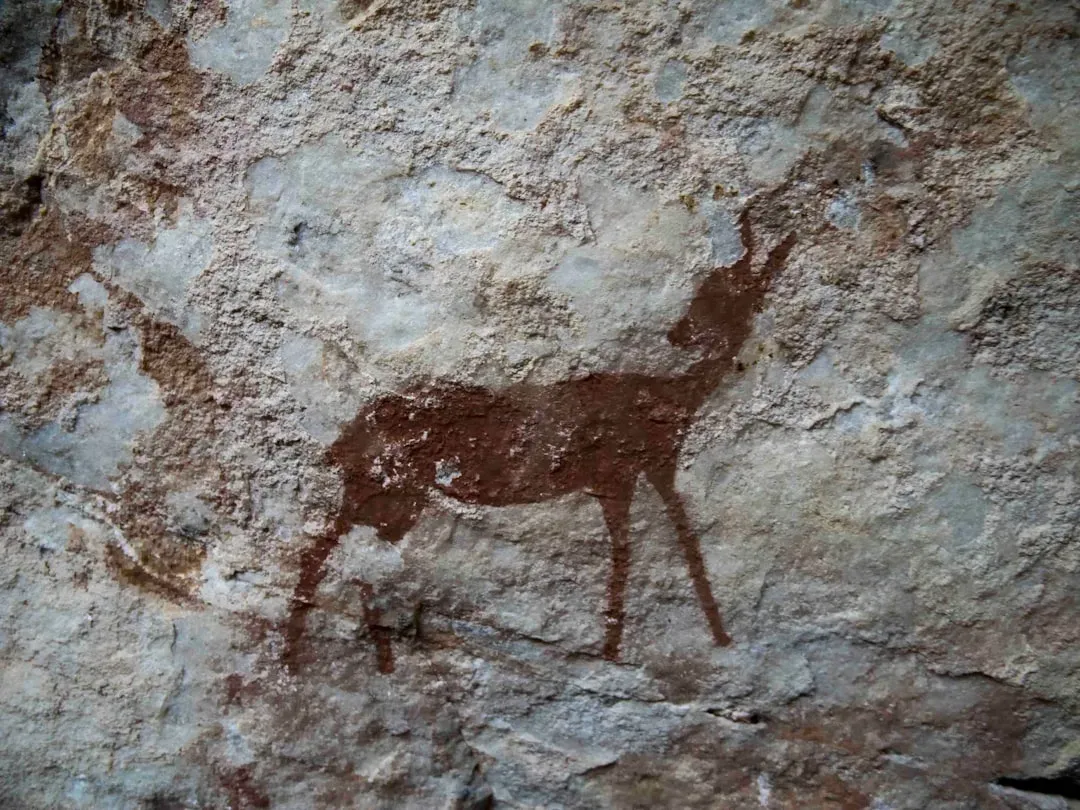
Looking at the evidence with fresh eyes, it is hard not to feel that prehistoric humans have been dramatically undersold as artists. They were not lazily scrawling animals because they lacked imagination; they were experimenting with pigments, perspective, symbolism, and motion in ways that were perfectly suited to their world. When I see how carefully they positioned images in echoing chambers, how they layered colors for depth, or how they carved tiny figures with such care, I cannot help but feel that we have been guilty of a kind of chronological snobbery. We assumed that without metal, writing, or skyscrapers, they must have been simpler, when in fact their art shows minds as tangled and ambitious as ours.
In my view, the honest conclusion is a bit uncomfortable for modern ego: prehistoric people were not less artistic than we are; they were just working with different constraints and goals. Their galleries were caves instead of galleries, their brushes were reeds and fingers instead of synthetics, but the creative fire looks remarkably familiar. Maybe the real surprise is not how advanced they were, but how quickly we were willing to dismiss them. Next time you see a photo of a bison on a cave wall, ask yourself: is that “primitive,” or is it the ancestor of every painting, mural, and digital artwork we admire today – and if you had to trade your tablet for a torch and a limestone ceiling, could you really do better?