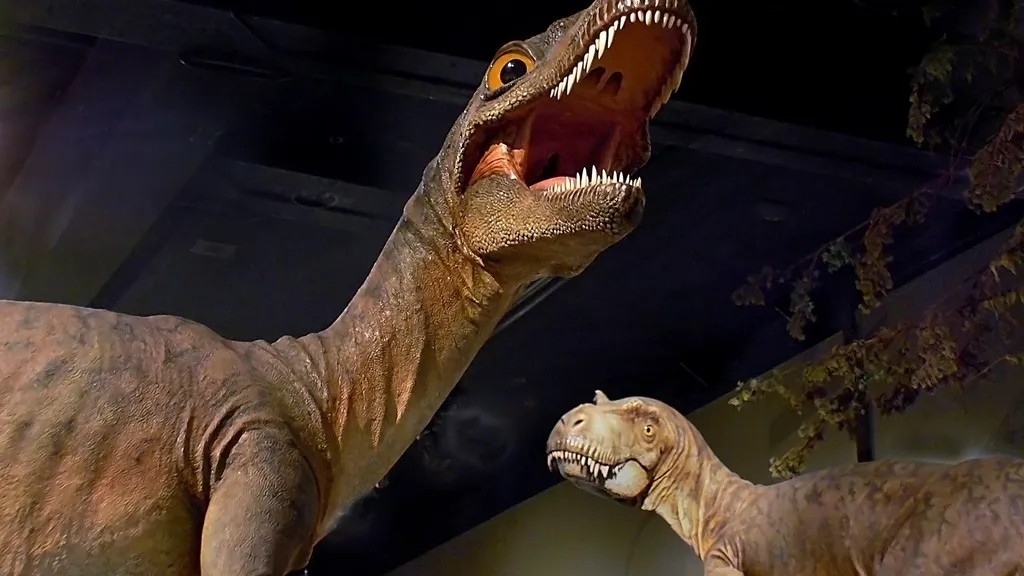
If you thought dinosaurs were a solved mystery, 2025 quietly proved you wrong. In just twelve months, paleontologists dug up new species, re‑dated old bones, rewrote family trees, and even found better ways to tell dinosaur time using fossilized eggshells. It was less like flipping a page in the history book and more like discovering that the book had hidden chapters all along.
What struck me most, following the year’s discoveries, is how often the biggest breakthroughs came from dusty museum drawers and re‑examined rocks rather than dramatic skeletons bursting out of fresh cliffs. In other words, the dinosaurs did not change – our questions did. Here are ten of the most eye‑opening things we learned about them in 2025, and why they quietly change the way we picture these animals in our heads.
1. Tyrannosaurs Got A New, Smaller Ancestor With Big Implications
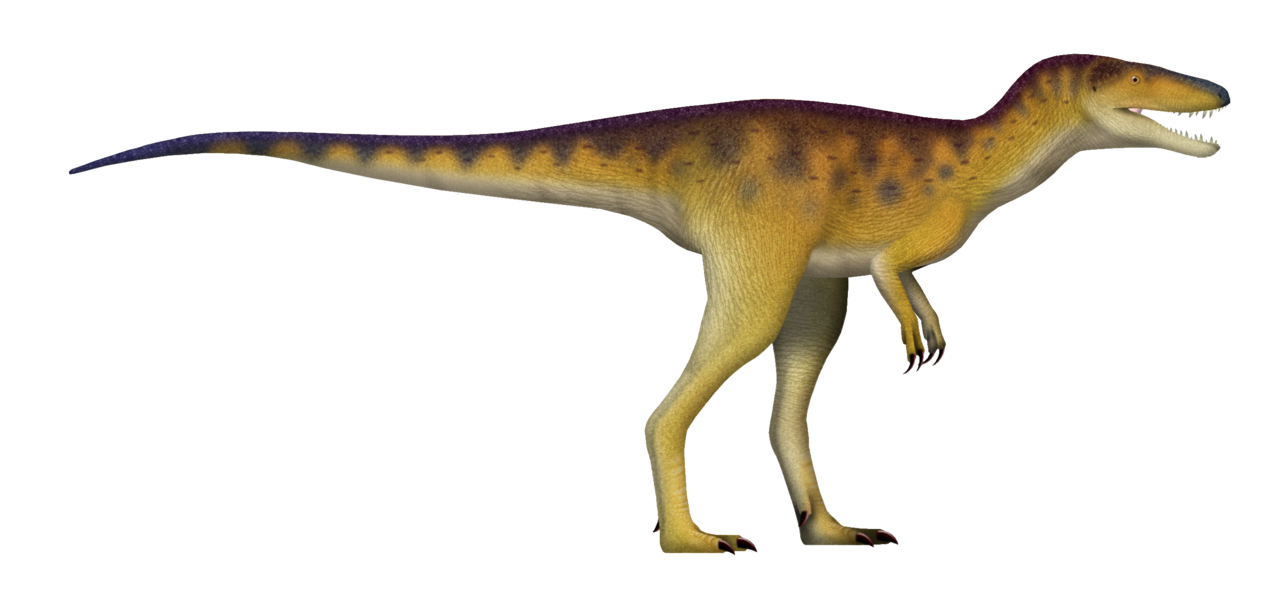
One of the headline stories from 2025 was the formal description of Khankhuuluu mongoliensis, a new species of tyrannosaur based on fossils that had been sitting, misidentified, in a Mongolian museum for roughly half a century. This animal lived around eighty‑six million years ago and was far smaller than the movie‑monster Tyrannosaurus rex, more comparable in mass to a very large horse than a bus‑sized predator. Yet its skull and body showed the early versions of features that would later be exaggerated in giant tyrannosaurs: powerful jaw muscles, a sturdy skull, and an increasingly specialized predatory build. ([phys.org](https://phys.org/news/2025-06-rex-ancestor-drawers-mongolian.html?utm_source=openai))
Why does this matter? Because it helps clean up a pretty messy tyrannosaur family tree. For years, paleontologists have debated how the early, smaller tyrannosaurs transitioned into the bone‑crushing giants of the Late Cretaceous. Khankhuuluu slots into that story as a mid‑sized, intermediate step, suggesting that key predator traits evolved before the dramatic size increase. Instead of a sudden jump from small hunters to apex giants, 2025’s work supported a more gradual, experimental evolution, with several mid‑tier tyrants testing different body plans before T. rex stole the spotlight.
2. A Long‑Necked Early Dinosaur Reminded Us How Experimental Evolution Really Was
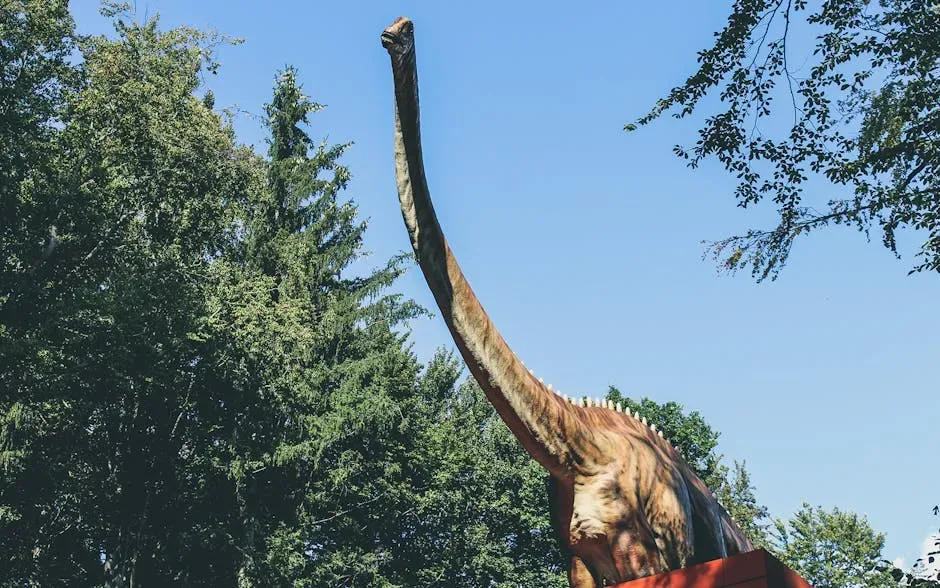
Another 2025 highlight came from high in the Andes, where researchers described a long‑necked early dinosaur from a newly recognized Upper Triassic basin. This species, published in a major journal late in the year, pushed back evidence for some sauropodomorph‑like body plans, hinting that the classic “long neck, small head, big gut” experiment started earlier and in more places than we used to think. The rocks that preserved it date to a time when dinosaurs were just starting to spread and diversify on Earth, sharing ecosystems with other reptile lineages that were still serious competitors. ([nature.com](https://www.nature.com/articles/s41586-025-09634-3?utm_source=openai))
What jumped out to me is how this find undercuts the old, neat story that dinosaurs simply “took over” after their rivals faded. Instead, it paints the Triassic as a chaotic test lab, with multiple dinosaur lineages trying out different body shapes at roughly the same time. The long‑necked Andean animal was not a mini‑Brachiosaurus, but an early experiment that helps bridge the gap between small, agile ancestors and the colossal sauropods that would later dominate. It is a reminder that evolution works more like a messy sketchbook than a clean blueprint.
3. A Giant Duck‑Billed “Cow Of The Cretaceous” Finally Got A Name
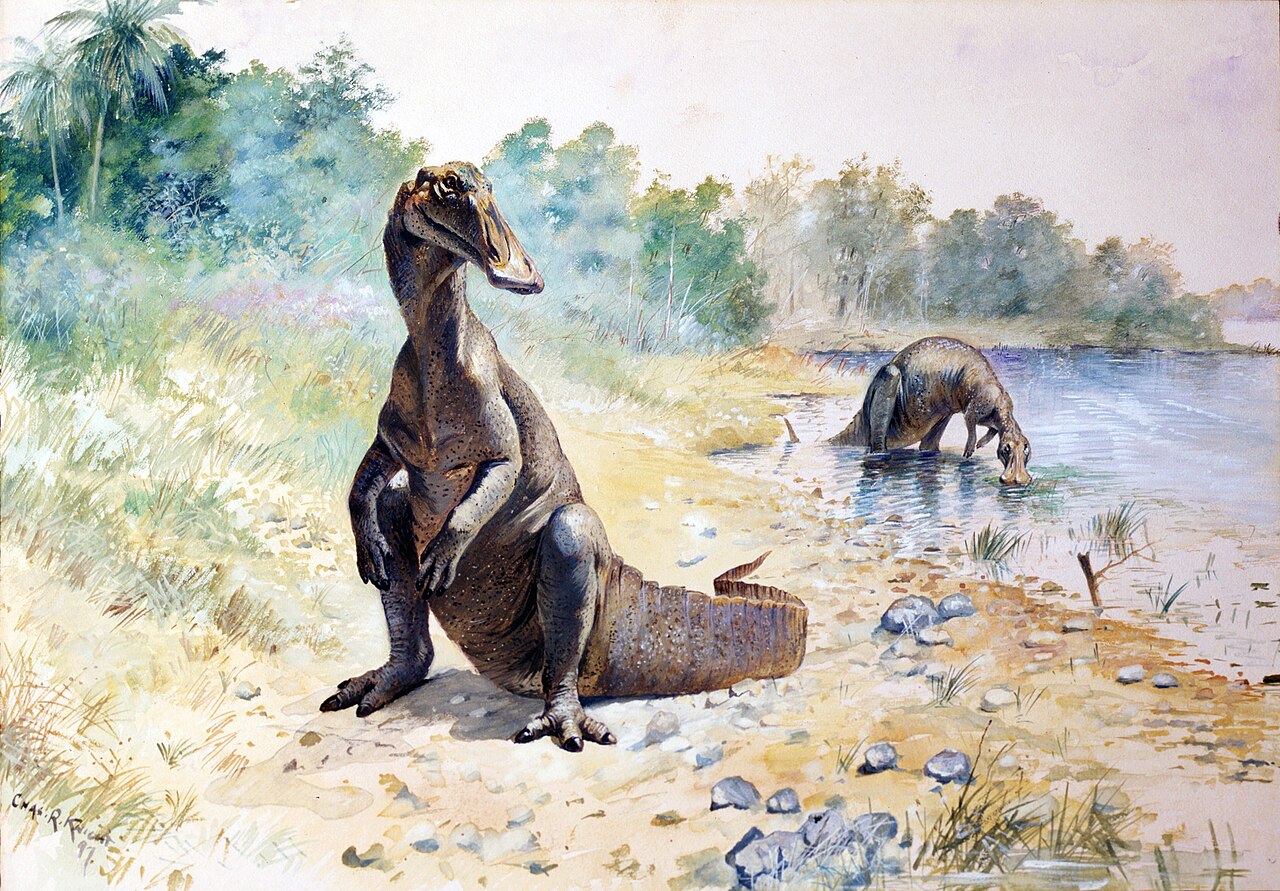
In 2025, paleontologists took another look at a nearly century‑old fossil from New Mexico and realized it was not just a familiar hadrosaur, but an enormous new species of duck‑billed dinosaur. Informally nicknamed a “cow of the Cretaceous” for its massive size and plant‑munching lifestyle, this hadrosaur showed that North America’s herbivorous dinosaurs were even more diverse than previously recognized, especially in the Late Cretaceous ecosystems of the southwest. Its skull and bones pointed to subtle differences in how it chewed and processed plants compared with its better‑known cousins. ([phys.org](https://phys.org/news/2025-12-massive-duck-billed-dinosaur-species.html?utm_source=openai))
For me, the striking part of this story is that the fossil had been around for decades. Only with modern tools and comparative studies did scientists see that it represented something genuinely new. This pattern popped up again and again in 2025: museum basements turned out to be as important as remote dig sites. Every time an old skeleton is reexamined and reclassified, our mental image of dinosaur communities shifts – in this case, toward herds of truly huge, slow‑moving plant‑eaters shaping whole landscapes the way bison or elephants do today.
4. Enigmatic Little Dinosaurs Stepped Out Of The Shadows
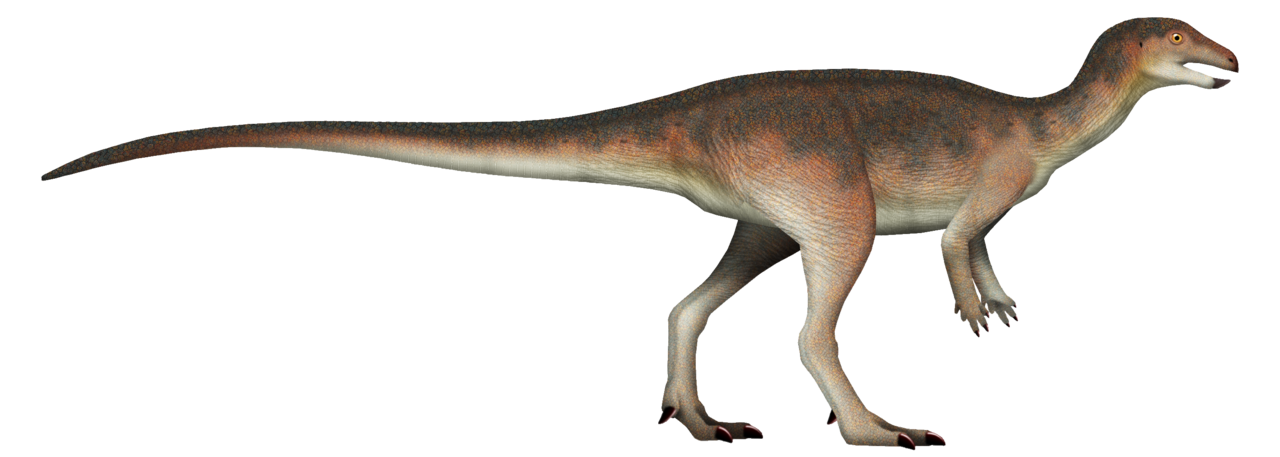
Not every star of 2025 was huge. A small Late Jurassic dinosaur, nicknamed a “mystery dinosaur” for years, finally received a proper scientific identity and name at London’s Natural History Museum. This animal, now known from fossils that once dashed along North American riverbanks, was part of the small‑bodied, lightly built crowd that often gets overshadowed by giant sauropods and ferocious carnivores. Careful study of its skeleton showed adaptations for quick, agile movement, likely weaving between larger animals and exploiting food sources they ignored. ([nhm.ac.uk](https://www.nhm.ac.uk/discover/news/2025/june/new-species-mystery-dinosaur-unveiled-natural-history-museum.html?utm_source=openai))
I love these kinds of discoveries because they remind us that dinosaur ecosystems were not just a cast of giants. The Late Jurassic, for example, would have pulsed with the energy of these small runners, insect‑eaters, and opportunistic omnivores zig‑zagging between bigger species. Giving an official name and description to such a creature is more than a formality; it fills in a missing role in the ancient food web. In 2025, the trend was clear: the “bit players” in dinosaur worlds are finally getting their close‑ups.
5. New Iguanodonts Showed Just How Crowded Some Ecosystems Were
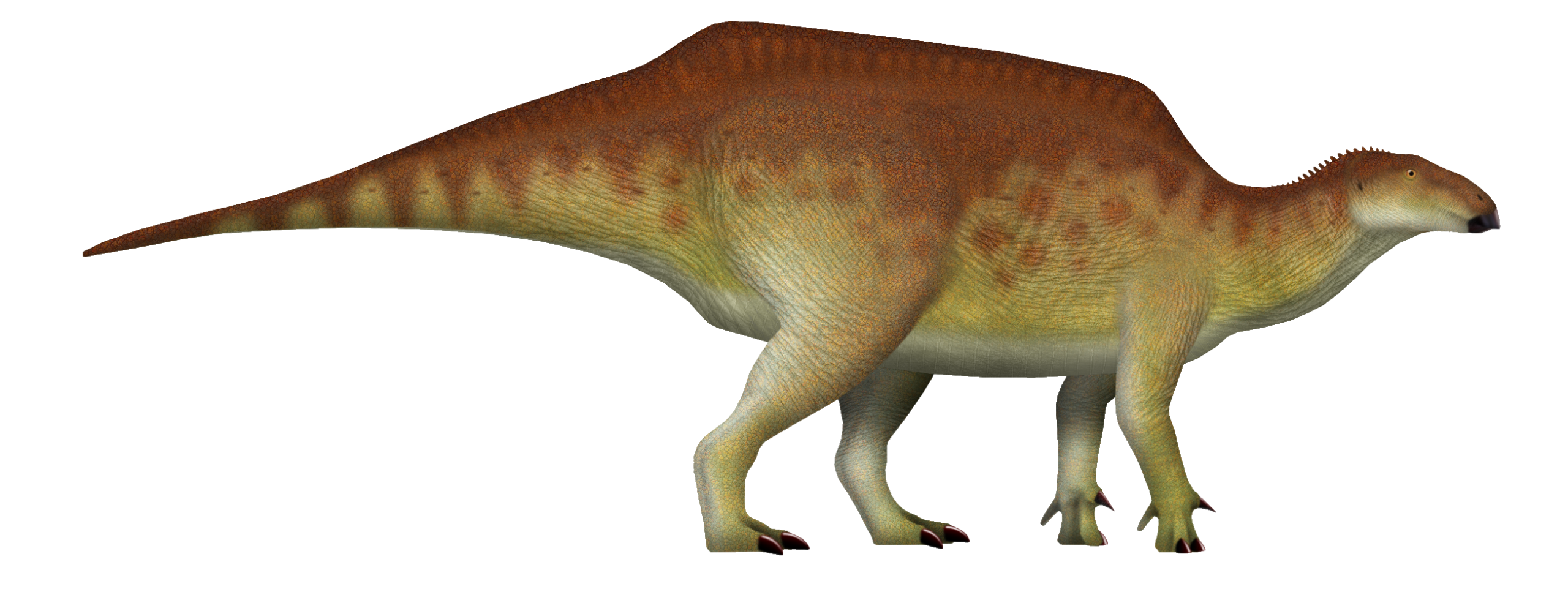
On the Isle of Wight off the coast of England, researchers described a new sail‑backed iguanodontian dinosaur in 2025, adding yet another medium‑sized plant‑eater to an already crowded Early Cretaceous roster. This animal carried a distinctive tall sail or crest along its back, supported by elongated neural spines, which may have played a role in display, thermoregulation, or both. Its discovery added weight to the idea that the region’s ancient floodplains were teeming with similar‑sized herbivores living side by side, partitioning resources in subtle ways. ([nhm.ac.uk](https://www.nhm.ac.uk/discover/news/2025/august/new-sail-backed-dinosaur-species-unearthed-isle-of-wight.html?utm_source=openai))
Across the water in mainland Europe, another 2025 study identified the first iguanodontian skull from the Portuguese Cretaceous, based on a specimen that allowed scientists to look at the inner ear and sensory anatomy using modern imaging. Those internal details are not just anatomical trivia; they can hint at how well an animal could hear, balance, and even regulate body temperature. Put together, these iguanodont discoveries frame them less as generic, interchangeable plant‑eaters and more as finely tuned specialists adapted to particular habitats. It is a bit like realizing that “antelope” covers a spectrum of very different animals on today’s savannas.
6. A New Sail‑Backed Predator And Other Oddballs Kept Surprising Us
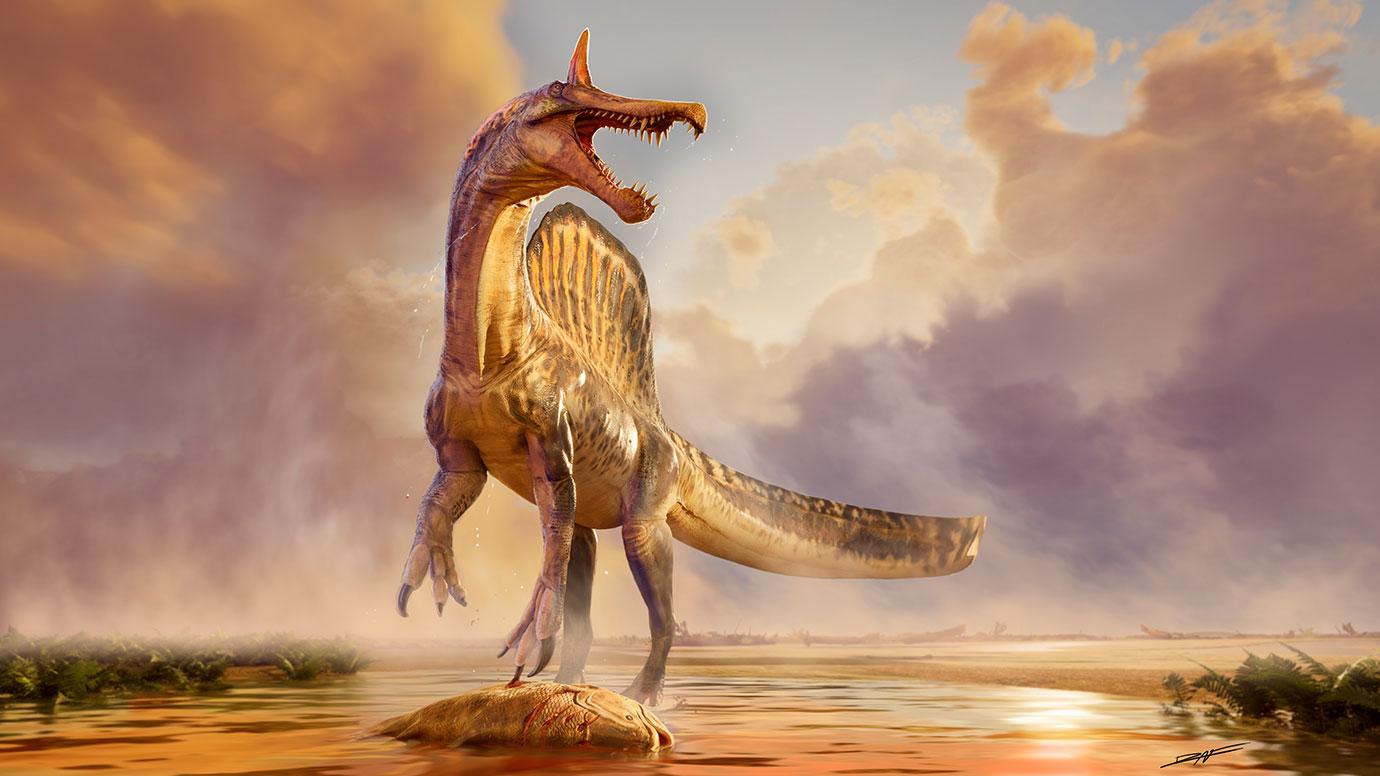
2025 was also rich in what I think of as “oddball factor” discoveries: dinosaurs that just look strange enough to unsettle our expectations. Alongside the sail‑backed iguanodont, other new finds from the year continued to flesh out a picture of Cretaceous ecosystems where tall spines, crests, and ornamental features were surprisingly common. Some of these structures likely served to impress mates or intimidate rivals, while others may have helped with heat exchange, functioning loosely like biological radiators. ([nhm.ac.uk](https://www.nhm.ac.uk/discover/news/2025/august/new-sail-backed-dinosaur-species-unearthed-isle-of-wight.html?utm_source=openai))
This matters because it pushes back against the old textbook stereotype of dinosaurs as purely functional, no‑frills animals. When you see repeated evolution of sails, frills, and crests across unrelated groups, it screams that display and social behavior were central parts of their lives. To me, these new sail‑backed and ornamented species from 2025 make dinosaur worlds feel more like a bird‑of‑paradise lek or a coral reef – visually busy, full of signals – rather than a drab, brown backdrop with the occasional T. rex stomping through.
7. Footprints In Bolivia And Brazil Turned Landscapes Into Living Scenes
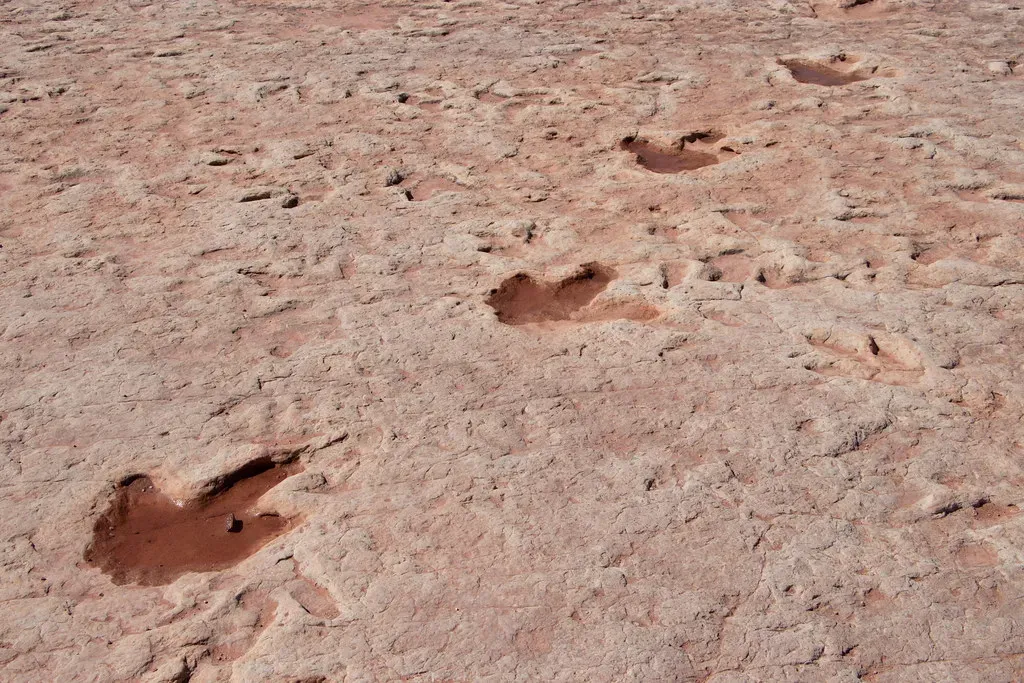
One of the most vivid stories of the year came from Bolivia’s Torotoro region, where researchers documented roughly eighteen thousand dinosaur tracks, swim marks, and tail drags along what was once a Cretaceous shoreline. This site set a new record for track density, capturing the movements of multiple dinosaur types over time: big sauropods trudging through mud, theropods stalking the shallows, and herds crossing the same paths again and again. It is less like finding a single photograph and more like discovering an entire time‑lapse sequence pressed into stone. ([fossilera.com](https://www.fossilera.com/pages/top-10-paleontology-fossil-stories-of-2025?utm_source=openai))
Elsewhere, in Brazil’s Guará Formation, 2025 work highlighted new dinosaur tracks including an especially well‑preserved theropod footprint and additional evidence for armored dinosaurs. These trackways do something bones alone cannot: they show behavior. You can see changes in speed, direction, even hints of social behavior in how prints are clustered. Every time I look at these studies, I picture a crowded beach at low tide – only the vacationers are long‑necked giants and spiky‑tailed herbivores, leaving us their muddy signatures across millions of years.
8. Eggshells Became Powerful Timekeepers For Dinosaur Evolution
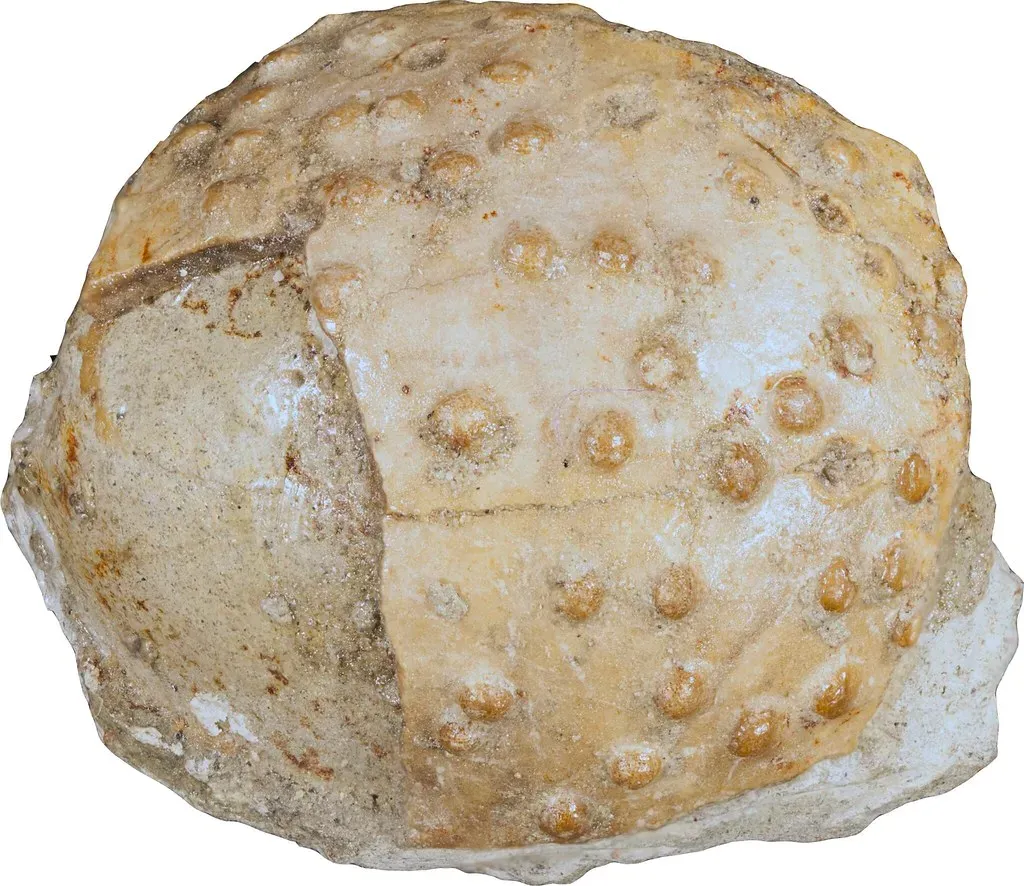
One deceptively technical but hugely important advance in 2025 was the refinement of methods to date dinosaur eggshells using uranium‑lead (U‑Pb) geochronology and elemental mapping. Researchers applied this approach to eggs from Utah and Mongolia, showing that the biocalcite in dinosaur eggshells can act as a surprisingly reliable clock for pinning down the ages of fossil layers on land. In practical terms, that means scientists can now tie dinosaur nesting sites to specific windows of geologic time with much better precision than before. ([en.wikipedia.org](https://en.wikipedia.org/wiki/2025_in_paleontology?utm_source=openai))
It may sound niche, but it is a game‑changer. Many of the biggest debates in dinosaur science – from how quickly certain groups evolved to how they responded to climate swings – boil down to better timelines. If you can anchor an egg site to a narrow slice of the Cretaceous and compare it with others around the world, you start to see global patterns in reproduction, climate, and extinction risk. To me, this shift toward using eggshells as timekeepers is like finally syncing all the clocks in a house that had been a few minutes off for decades.
9. New Species From China And India Filled Geographic Gaps
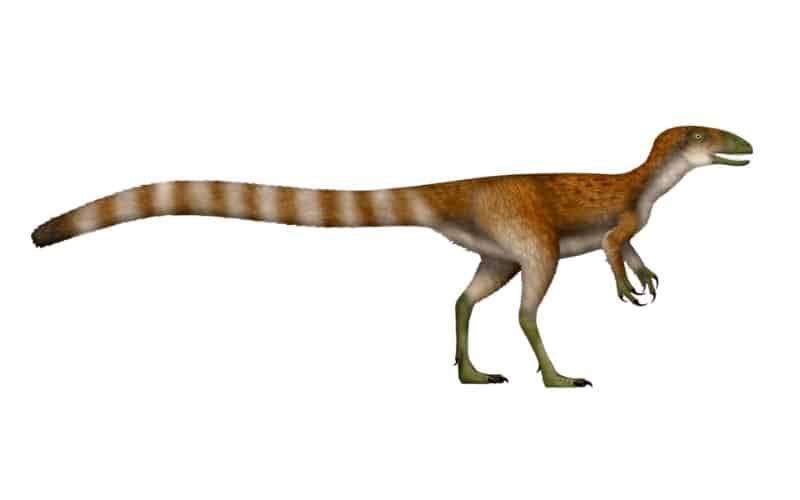
In 2025, paleontologists continued to chip away at regional blind spots in the dinosaur record. In China, a new feathered theropod called Huadanosaurus sinensis was formally described, belonging to the sinosauropterygids – a group famous for preserving early feathers. Its anatomy adds another data point to how feathers spread and diversified among small predatory dinosaurs, reinforcing that feather‑like coverings were not a rare or exotic trait, but something increasingly common in certain lineages. ([en.wikipedia.org](https://en.wikipedia.org/wiki/Huadanosaurus?utm_source=openai))
In India, a new herrerasaurian dinosaur, Maleriraptor, was described from the Upper Maleri Formation, shedding light on some of the earliest meat‑eating dinosaurs from the subcontinent. Herrerasaurians sit near the base of the dinosaur family tree, so every new specimen helps refine how and where dinosaurs first emerged and dispersed. These 2025 finds strengthen a picture of dinosaur evolution that is more globally interconnected than older, region‑focused narratives suggested. Instead of a few “cradles” of dinosaur diversity, we are increasingly looking at a patchwork of regions – including India and East Asia – that played active, early roles in the story.
10. Old Collections Proved They Still Hold Some Of The Biggest Surprises
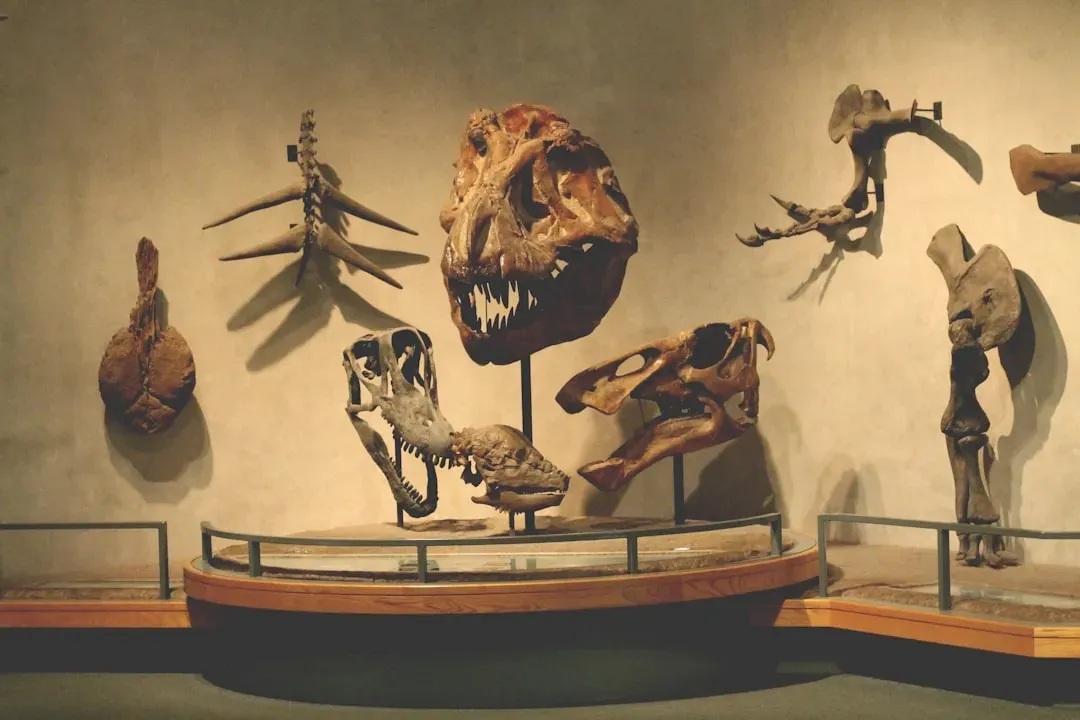
If there was a single overarching lesson from dinosaur science in 2025, it was this: never underestimate a museum drawer. Khankhuuluu, the new tyrannosaur, came from material that had been misidentified and stored for around fifty years. The giant New Mexico duck‑bill had been known for nearly a century before its true nature was recognized. Several other headline discoveries grew out of re‑evaluations of material collected long ago, re‑scanned with modern imaging or re‑interpreted in the light of new methods. ([phys.org](https://phys.org/news/2025-06-rex-ancestor-drawers-mongolian.html?utm_source=openai))
I find that quietly thrilling. It means that some of the most important dinosaur discoveries of the next decade may already exist, waiting in cabinets and archives rather than buried in remote cliffs. 2025 made it hard to argue that “all the good stuff has been found.” Instead, it suggested that we are still in the middle of the story, gradually learning to ask better questions of the fossils we already have. In a way, the real frontier is not just out in the field, but in how we look at bones, eggs, and tracks we thought we understood.
Conclusion: Dinosaurs Are Less Finished Than We Like To Pretend
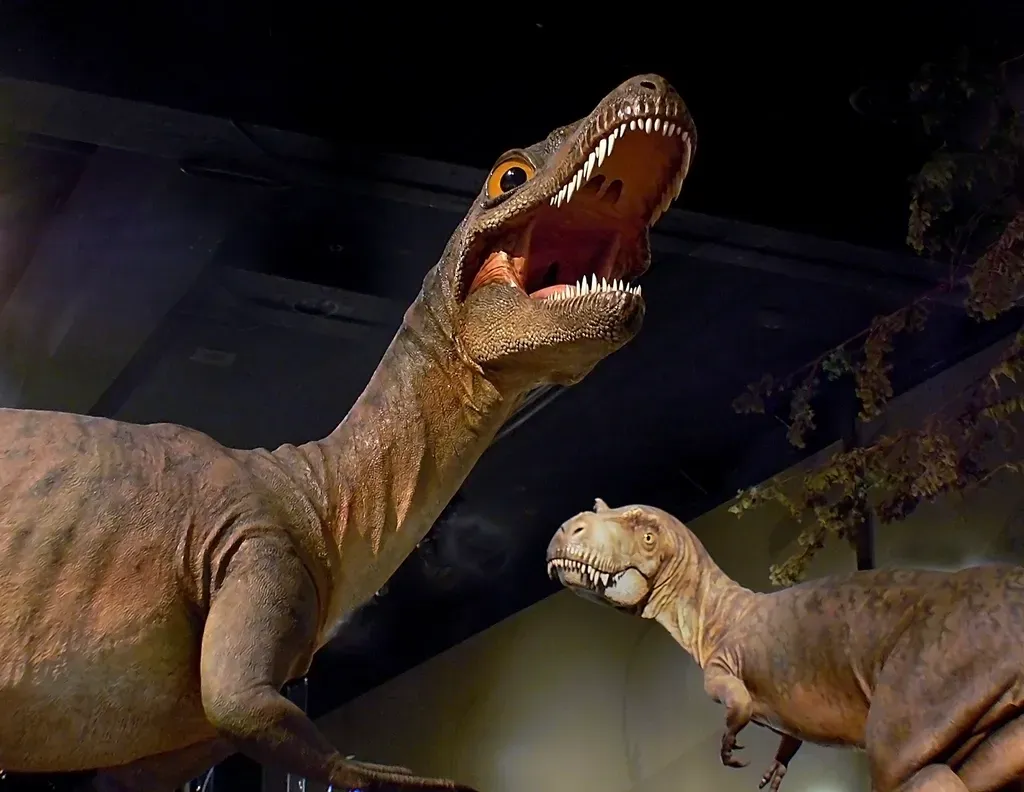
Looking back, 2025 did not give us one single, cinematic discovery that rewrote everything overnight; it did something more interesting. It chipped away at dozens of assumptions at once: tyrannosaurs were re‑plotted on their family tree, early long‑necked dinosaurs cropped up in new places, “background” herbivores turned out to be far more varied, and eggshells and footprints quietly upgraded our timelines and behavioral sketches. The combined effect is that dinosaurs feel less like static characters and more like moving targets – organisms in flux, spread across a complicated, dynamic planet.
My own opinion, after following these stories all year, is that we are finally letting dinosaurs be as weird and varied as they probably were. The more we find, the more they resemble today’s birds and mammals in one key way: their lives were full of experiment, failure, and flair, not just brute survival. If this is what one year of careful work in labs, museums, and field sites can reveal, it is hard not to wonder what else is hiding in plain sight – in a dusty drawer, a mislabelled box, or a rock we have walked past a hundred times already. What would you bet we are still getting most wrong about them?