There’s something almost unsettling about how much we, as a species, adore creatures that have been dead for tens of millions of years. Kids wear dinosaur pajamas, adults binge‑watch prehistoric documentaries, and entire museum wings are built around bones of animals no human has ever seen alive. It is not just casual interest; it is full‑on obsession. And when you look at it through a psychological lens, that obsession starts to look less like harmless fun and more like a mirror held up to our deepest fears about disappearing from the story of life.
I still remember standing under a towering T. rex skeleton as a kid, feeling tiny and both terrified and weirdly comforted. Here was proof that even the mightiest can vanish, but also that something of them can remain. That feeling never completely goes away. Dinosaurs let us flirt with ideas we usually avoid: extinction, irrelevance, being forgotten. The twist is that we often talk about dinosaurs as if we’re only fascinated by the past, when in reality, we’re quietly worrying about our own future.
Our Love of Dinosaurs Starts Exactly When We Discover We Can Disappear
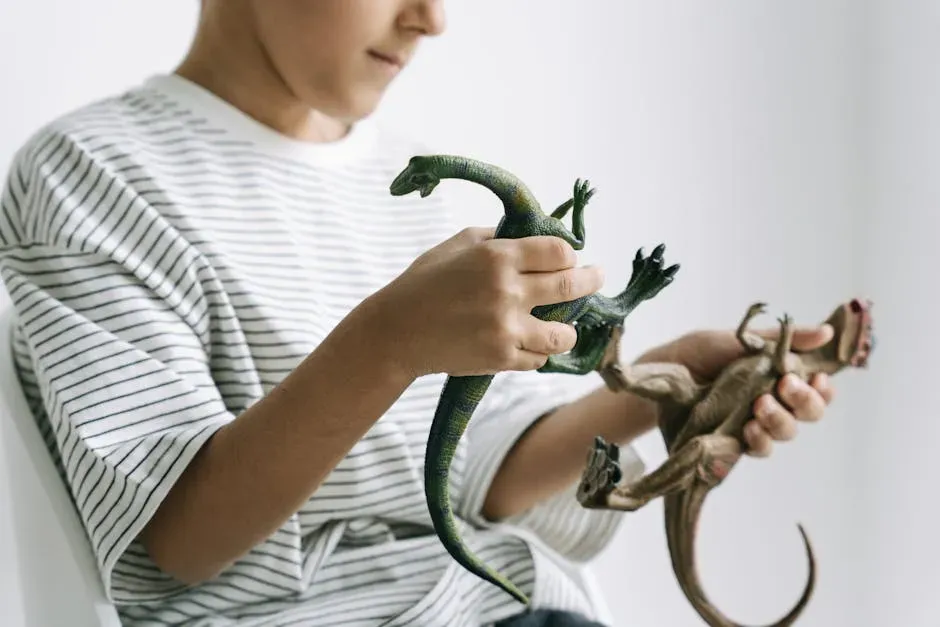
Psychologists have long noticed that many children hit a “dinosaur phase” right around the age when they first begin to grasp that living things die and do not come back. Suddenly, dinosaurs are everywhere: on lunchboxes, in picture books, flooding their conversations. It is not an accident. This timing lines up with a key stage in cognitive development, when kids are piecing together the idea of mortality and trying to make it feel less chaotic and frightening. Dinosaurs become a safe way to stare death in the face without having to talk about Grandma or the family dog.
By obsessively learning dinosaur names, memorizing timelines, and proudly correcting adults, children are doing something very sophisticated psychologically: they are turning helplessness into mastery. Extinction stops being a vague threat and becomes a knowable story with causes, sequences, and consequences. When you can say that a massive asteroid hit, that climate changed, that ecosystems collapsed, extinction feels less like a random cosmic jump scare and more like a narrative you can hold in your hands. It is a subtle form of emotional self‑defense disguised as trivia.
Dinosaurs Are a Giant Projection Screen for Our Fear of Being Forgotten
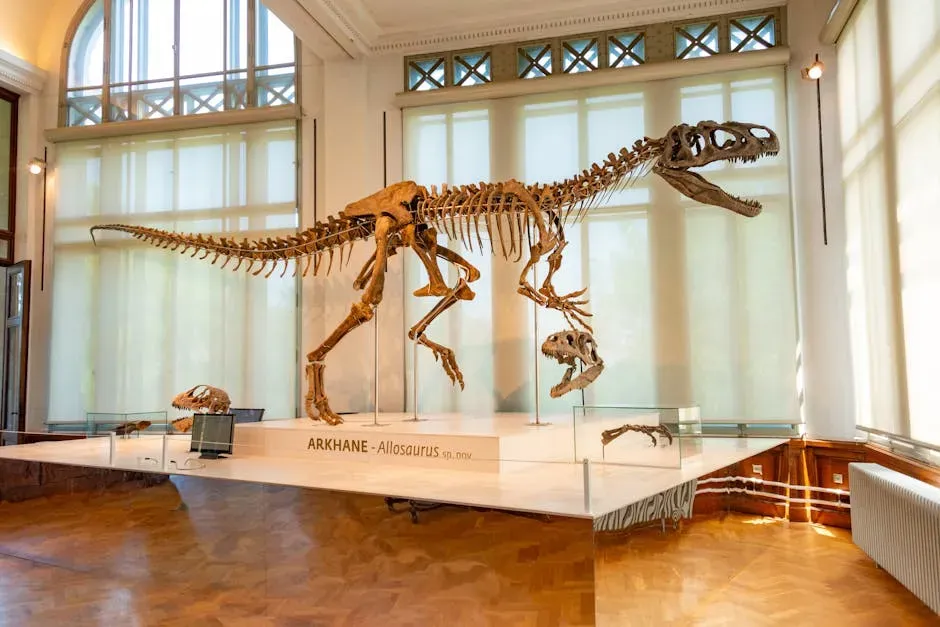
Underneath the science and spectacle, dinosaurs are really about memory. These creatures ruled the planet for an unimaginably long time, yet now they exist as bones in glass cases and illustrations in textbooks. That gap between their former power and their current silence hits uncomfortably close to our own anxiety about what will remain of us. When we stand in front of a fossil, we are not just thinking about the animal; we are quietly asking whether anyone will ever stand over our ruins and try to piece together who we were.
Human beings have a unique need to feel that our lives matter beyond the moment. Psychologists sometimes call this our search for symbolic immortality – the hope that something of us will endure in stories, achievements, children, culture, or history. Dinosaurs are a dramatic example of symbolic immortality done both well and badly: they are utterly gone, but also weirdly alive in our imagination. That tension speaks to a deep fear that our civilization, our ideas, and even our species could vanish and become nothing more than a puzzle for some future intelligence to decode – or worse, not be remembered at all.
Extinction Anxiety in an Age of Climate Change and AI Makes Dinosaurs Feel Personal
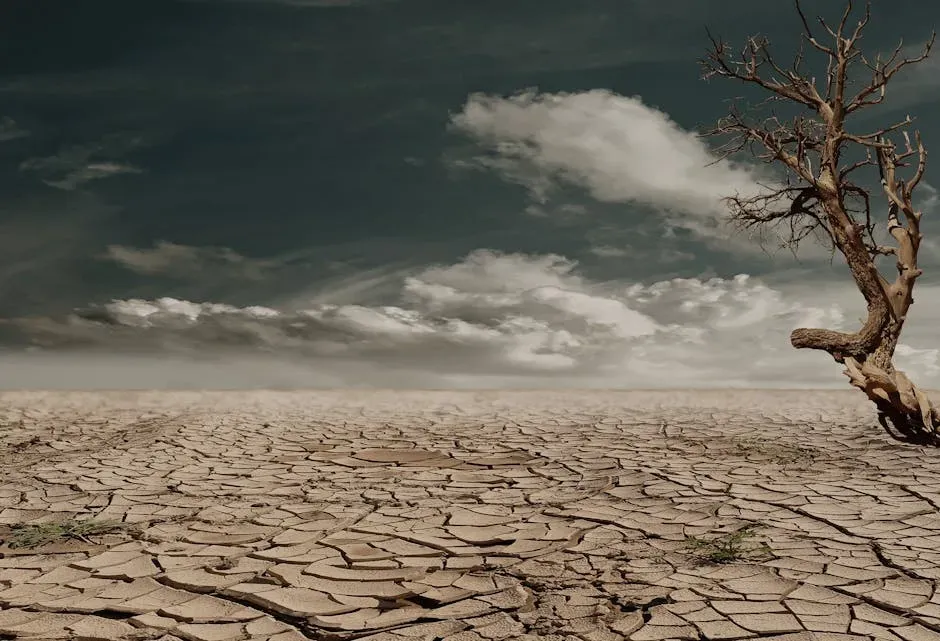
It is no coincidence that dinosaur culture exploded in the same centuries we became aware of mass extinction, climate change, nuclear risk, and now rapidly advancing artificial intelligence. As we watch news about disappearing species, rising global temperatures, and existential risks, dinosaurs are no longer just historical curiosities. They are cautionary tales. Their story compresses something we are just beginning to fear for ourselves: you can dominate the planet and still lose everything if conditions shift fast enough. That is a sobering message to hear while scrolling past headlines about melting ice sheets or unstoppable wildfires.
On top of that, technological change has given us a new kind of irrelevance to panic about. We are not only worried about going extinct physically; we are worried about becoming obsolete next to our own creations. When people joke that humans will be the “dinosaurs of the future,” it lands because it already feels a little true. Dinosaurs let us rehearse, at a safe emotional distance, what it would mean for a once‑dominant species to be sidelined by forces it did not control or fully understand. Their bones whisper that supremacy is not a safety net.
Why Dinosaurs Feel Powerful, Yet Comforting: A Safe Way to Touch Terror
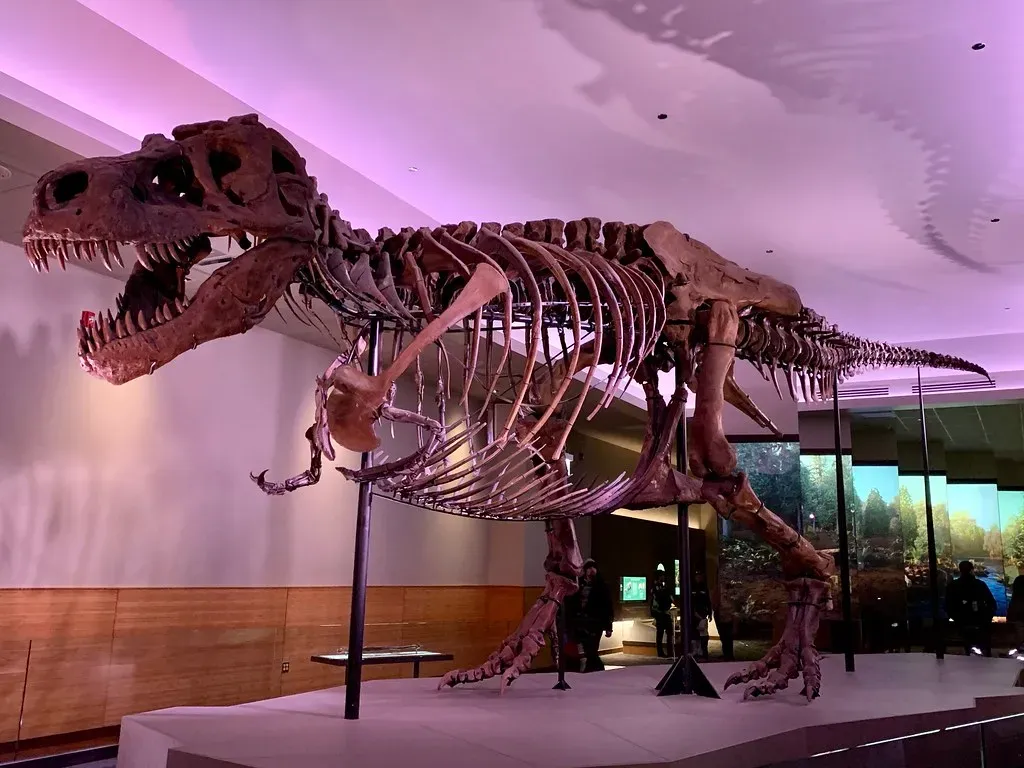
There is something strangely comforting about how utterly gone dinosaurs are. They are not lurking in the bushes or waiting to attack us on the street. The danger is purely conceptual, safely trapped in deep time and museum glass. That distance lets us approach terrifying ideas – planet‑wide catastrophe, the collapse of ecosystems, the end of an era – without the immediate threat that comes from thinking about current crises. It is like watching a horror movie you already know the ending to; you can be scared, but you are also safe in your seat.
At the same time, dinosaurs radiate raw power. Their teeth, claws, and size play into our fascination with predators and dominance, but the fact that they lost anyway sends a blunt, unsettling message. If even apex predators can be wiped out, what does that say about us with our fragile cities and complicated supply chains? Yet because dinosaurs belong to such a distant past, they allow us to explore that sobering thought with a bit of emotional padding. We can say we are interested in natural history while quietly negotiating our own fear of being no match for the forces shaping our world.
Collecting Facts About Dinosaurs Is a Way to Feel in Control of Chaos
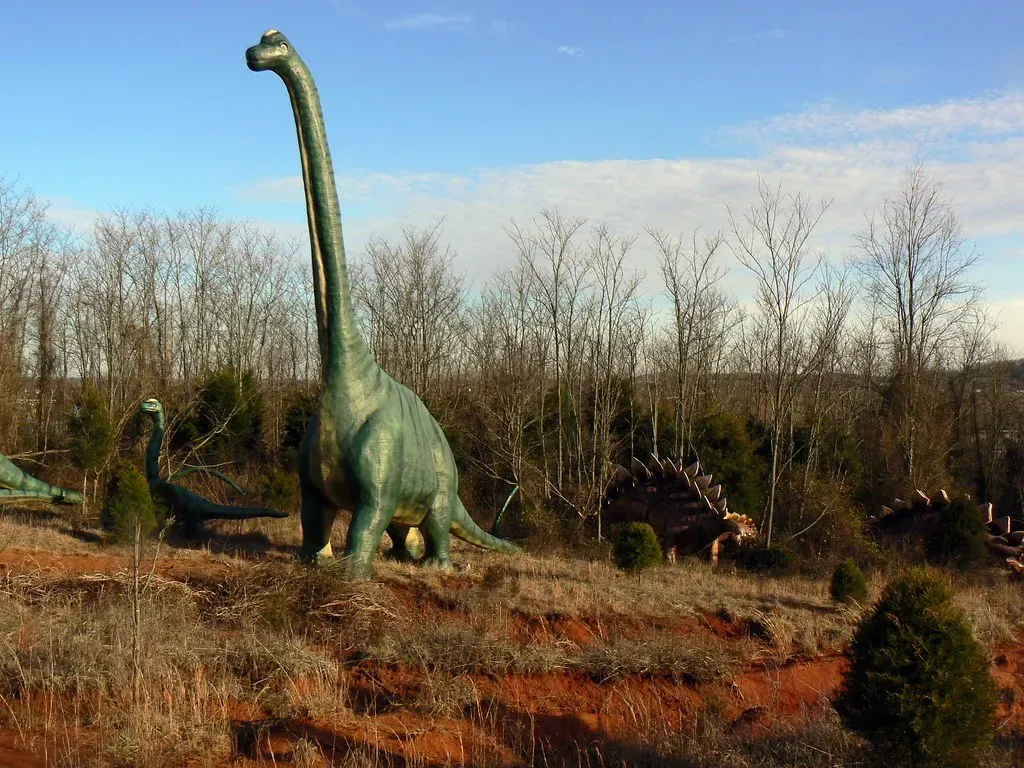
Look closely at dinosaur fandom and you will notice how much of it revolves around obsessive detail. People memorize ages, species, strata, and fossil sites; they debate timelines and classifications with the intensity others reserve for sports. This is not just nerdy enthusiasm. Psychologically, turning a chaotic, brutal event like mass extinction into clean charts and categories is a way of shrinking a terrifying universe down to something the human mind can handle. It transforms cosmic randomness into a system that can be mapped, labeled, and filed.
In a world where so much feels unstable – from politics to technology to the climate – knowing that you can at least understand the past offers a strange kind of anchor. Dinosaurs become a stable reference point, a set of facts that do not change every news cycle. When everything else feels uncertain, being able to say with confidence when the Late Cretaceous ended or how a particular species likely moved gives a small but real sense of control. It is like rearranging your room in a chaotic week: the outside may be messy, but this one space obeys your logic.
Pop Culture Turns Dinosaurs Into Mirrors of Human Hubris
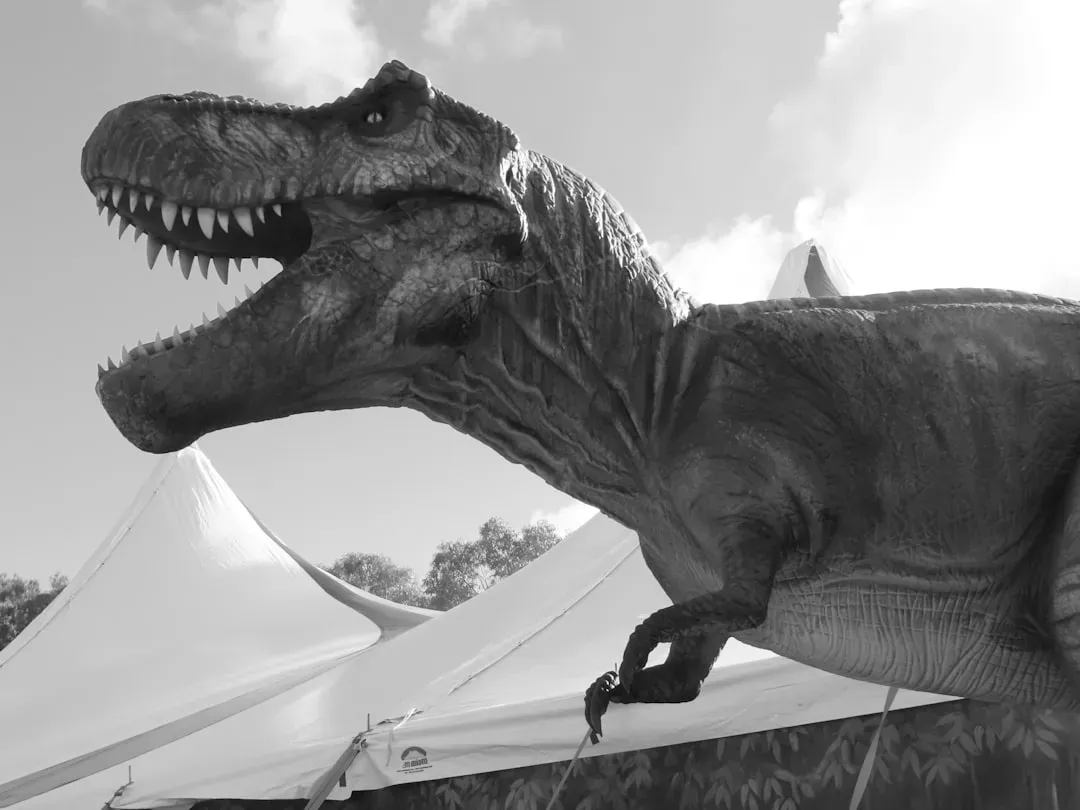
Modern movies, games, and series do not just show dinosaurs; they weaponize them as metaphors. Whether it is resurrecting them in theme parks, fighting them with futuristic weapons, or setting them loose in collapsing cities, the story is almost always the same: humans underestimate the scale of what they are messing with. These narratives are less about the animals themselves and more about our arrogance. We are fascinated by the idea that, like the dinosaurs, our reign could end not because we are weak, but because we are overconfident and blind to our own vulnerabilities.
What makes these stories powerful is that they wrap deep existential questions in adrenaline and spectacle. We leave the theater talking about the chase scenes but carry home something subtler: the uneasy sense that we might be engineering our own downfall, whether through reckless technology, environmental damage, or simple denial. Dinosaurs on screen become stand‑ins for forces we cannot reverse once unleashed. Watching fictional characters run from creatures that should not exist is a stylized way to imagine ourselves running from consequences we still refuse to fully face.
Dinosaurs Let Us Imagine Our Own Fossils – and Our Legacy

There is a quietly haunting thought behind every fossil display: one day, this could be us. Not necessarily in the literal sense of our bones lined up in museums, but in the broader sense of our highways, skyscrapers, satellites, and data centers being dug up by some future intelligence as mysterious relics. When we marvel at how much we can infer from a single bone or footprint, we are also testing the idea that someone could reconstruct us from what we leave behind. That both soothes and unsettles our fear of irrelevance.
On the one hand, the fact that we can resurrect entire worlds from fragments suggests that meaning can survive even when everything else is gone. On the other, it reminds us how distorted and incomplete those reconstructions can be. Maybe we are already misreading dinosaurs in fundamental ways and flattering ourselves with our interpretations. That possibility hits close to home, because it hints that whatever story is told about “the humans” millions of years from now will also be stripped of nuance. Dinosaurs invite us to wrestle with the idea that we do not control how we will be remembered – or whether we will be remembered at all.
Conclusion: Our Dinosaur Obsession Is Really About Us, Not Them
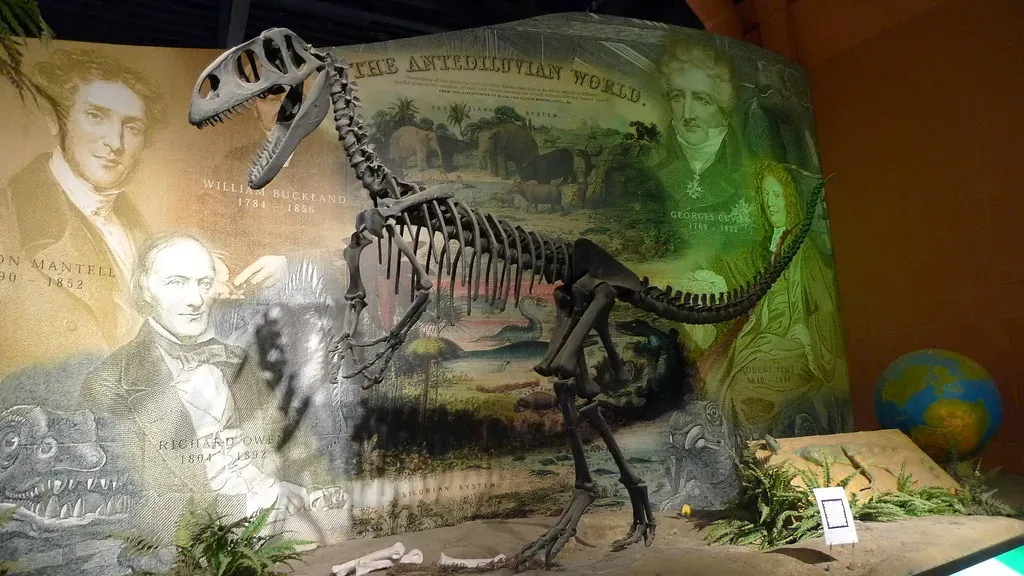
When you peel back the layers of science, nostalgia, and spectacle, our obsession with dinosaurs looks less like pure curiosity and more like a psychological pressure valve. These long‑dead creatures carry the weight of our fears about extinction, obsolescence, and being erased from the cosmic record. We use them to practice feeling small, to test‑drive the idea that even the mightiest fall, and to flirt with the possibility that our species is not exempt from the rules of nature. In a world that feels increasingly unstable, dinosaurs offer a strangely honest, if indirect, way to talk about what scares us most.
Personally, I do not think we are drawn to dinosaurs because they are exotic; I think we are drawn to them because they are familiar in a terrifying way. Their story is a preview of what could happen if we keep believing that power guarantees survival and that relevance is permanent. Maybe that is exactly why we should keep looking at those bones and letting them unsettle us a bit. After all, if the ghosts of Earth’s former rulers are not a wake‑up call, what is?