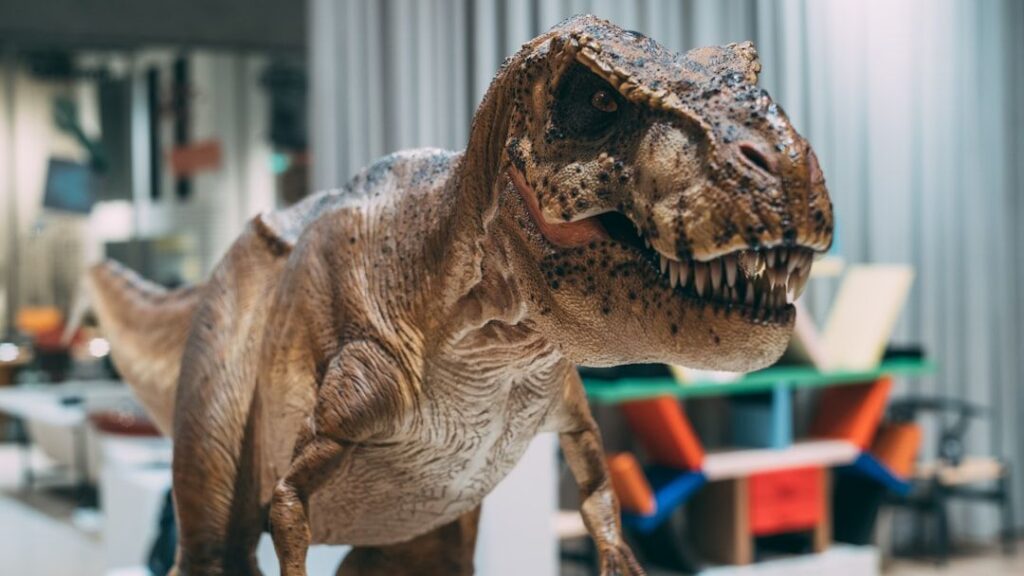
If you grew up picturing Tyrannosaurus rex as a roaring, swamp‑dwelling movie monster with tiny useless arms and a brain to match, you’re in good company. That version of T. rex ruled textbooks, toys, and Hollywood right up through the late twentieth century. But in the last few decades, this dinosaur has been quietly reinvented by a flood of new fossils, better tech, and a lot of very surprised paleontologists.
What we now know about T. rex would have sounded almost outrageous to experts in the mid‑1990s. We are talking about growth spurts like a teenager on turbo mode, shockingly delicate senses, possible feathers, and social lives that do not fit the old “lonely giant” stereotype at all. As someone who grew up on old dinosaur books and then watched them get overturned one by one, it honestly feels like following a long‑running TV show where the writers keep dropping plot twists. Let’s walk through eight of the biggest revelations that would have made a room of 1990s T. rex specialists raise their eyebrows – or rethink everything.
T. Rex Was Not A Slow, Sluggish Tail‑Dragger
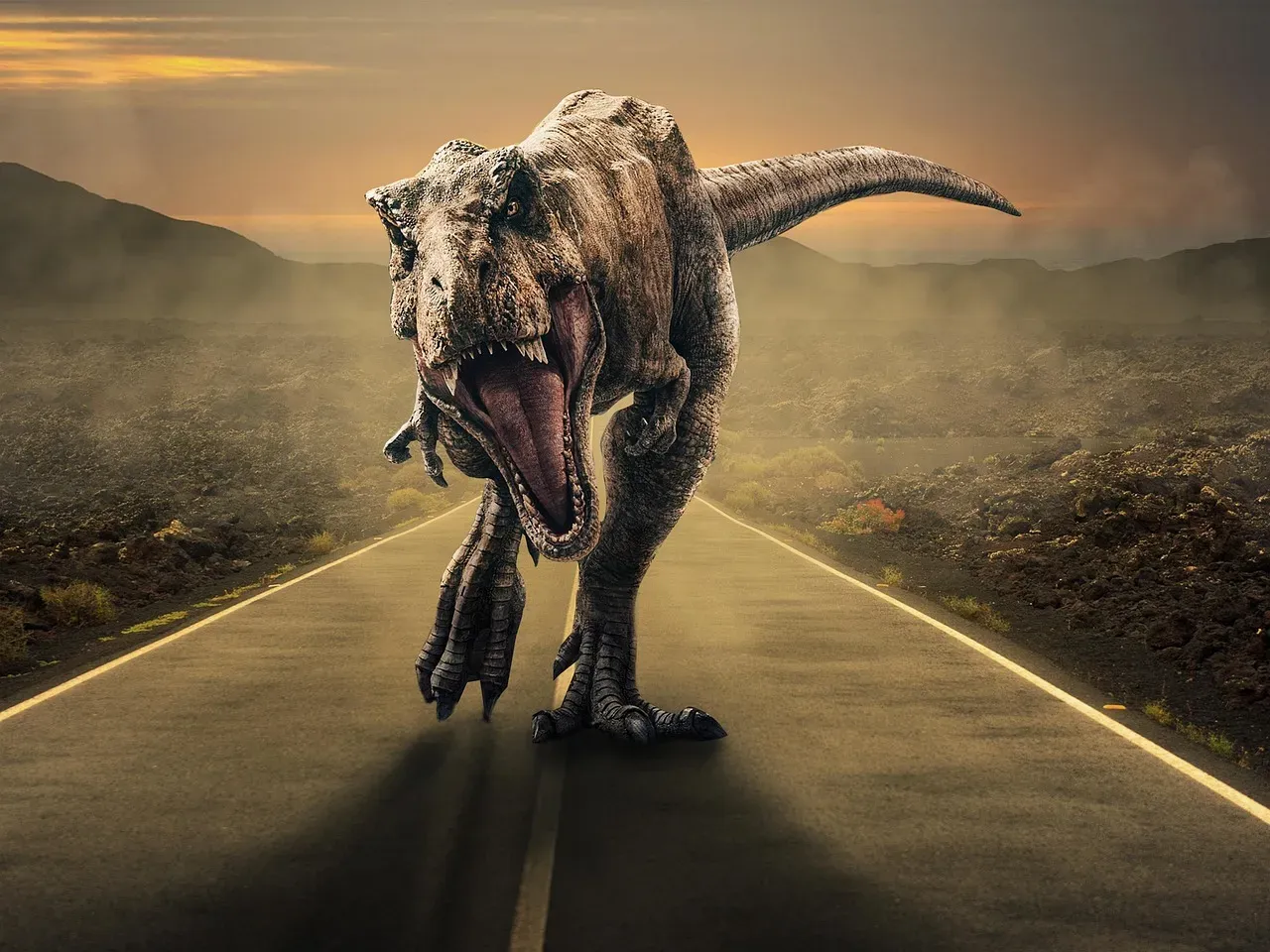
Just thirty years ago, a lot of artwork still showed T. rex with its tail dragging on the ground, body almost upright, lumbering forward like a reptilian Godzilla. The classic idea was that big dinosaurs were basically overgrown lizards: heavy, slow, and not especially athletic. New biomechanical studies and better reconstructions of the skeleton flipped that view completely. We now know T. rex held its body horizontally, with the tail acting as a counterbalance, and its whole frame built more like a deadly racing machine than a waddling beast.
Computer models using digital skeletons, muscle reconstructions, and physics simulations suggest T. rex was capable of walking and probably fast power walking or jogging over long distances, even if the outright top speed is still debated. What really shocked researchers was not that it might not have been a sprinter, but that it was so clearly not the swamp‑bound slug some earlier books implied. Its powerful hindlimbs, bird‑like hip structure, and balanced posture tell the story of an active predator that could cover ground efficiently, not a creature condemned to plod slowly from carcass to carcass.
It Grew Like A Teenager On An Energy Drink
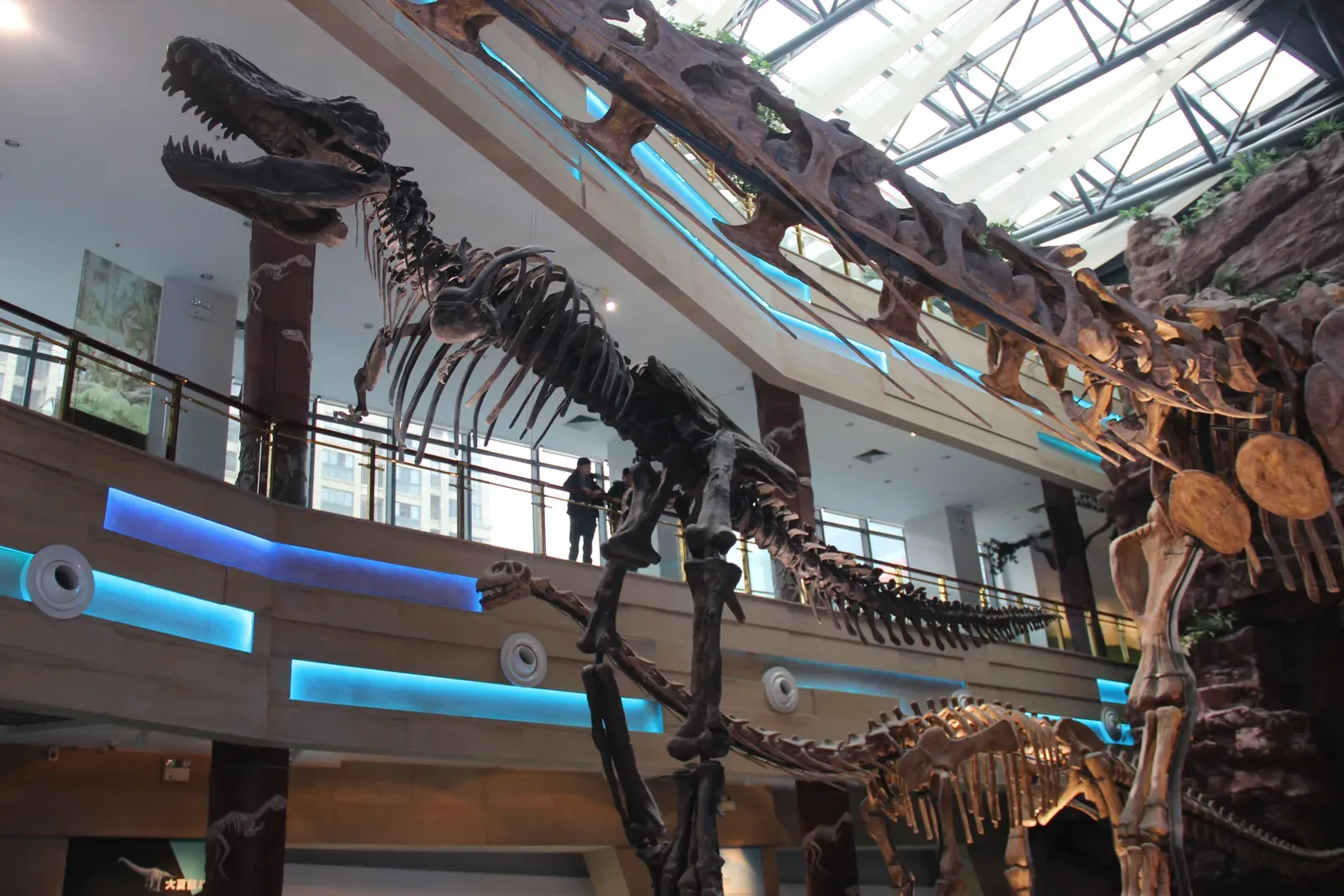
If you sliced through a T. rex bone and looked at it under a microscope, you’d see growth rings a bit like those in a tree. Thirty years ago, that technique – bone histology – was just starting to be used, and we did not yet have clear growth curves for T. rex. Today, those studies show something spectacular: T. rex went through a brutal teenage growth spurt, gaining hundreds of kilograms in just a few years. It did not simply inch its way up to giant size over a long lifetime; it rocketed there.
Analyses of multiple specimens at different ages show that juvenile tyrannosaurs were lankier, faster‑looking animals that suddenly morphed into bone‑crushing adults during a relatively short window of late adolescence. This implies massive energy demands, changing hunting strategies, and a life history pattern more like large mammals and birds than old‑school “reptile” stereotypes. If you had told a paleontologist in the mid‑1990s that T. rex could go from something vaguely horse‑sized to a multi‑ton super‑predator in about a decade, most would have demanded to see an awful lot of data first.
Its Bite Was One Of The Most Powerful In Earth’s History
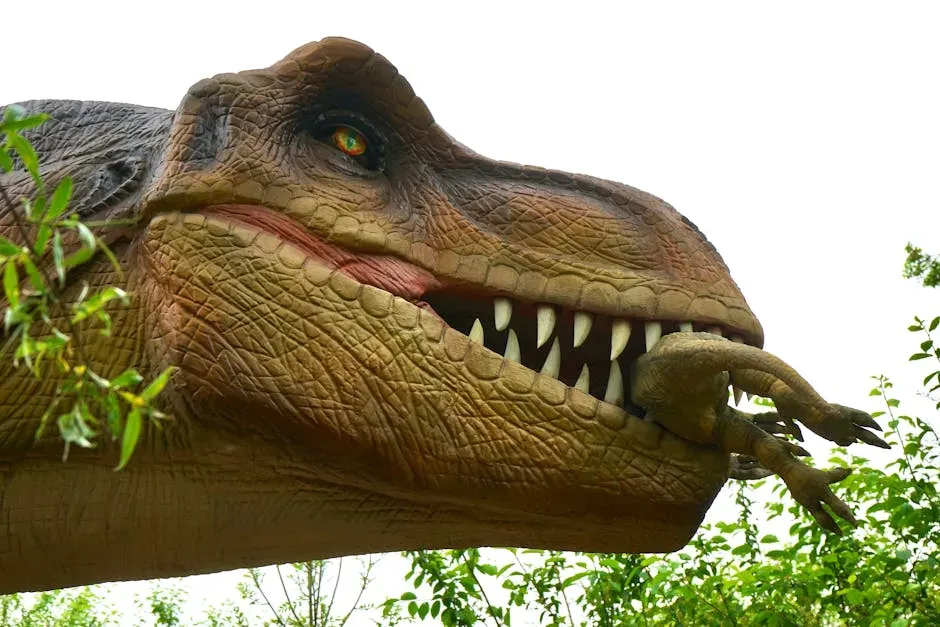
Every kid in the 1990s “knew” T. rex had a strong bite, but that idea used to be more vibe than measurement. Back then, we did not have detailed mechanical models of skulls, muscle reconstructions, or high‑powered computers to simulate forces across a jaw. Modern work completely changed that, suggesting T. rex delivered a bite force that ranks among the highest of any land animal ever known. We are talking about a bite capable of crushing bone the way you or I would crack a nut.
Evidence for this is not just theoretical. Many hadrosaur and ceratopsian fossils from the same rocks as T. rex show deep, healed bite marks that match tyrannosaur teeth and even patterns of tooth spacing. Some bones are literally punctured or smashed in ways that require enormous force. That means T. rex was not just nibbling soft tissue; it was routinely biting through bones to get at rich marrow, a feeding style more reminiscent of large carnivorous mammals like hyenas. Thirty years ago, that level of quantified power – and the idea of a dinosaur that treated bone like crunchy snacks – would have been a serious shock.
Those “Tiny” Arms Were Probably Not Useless At All
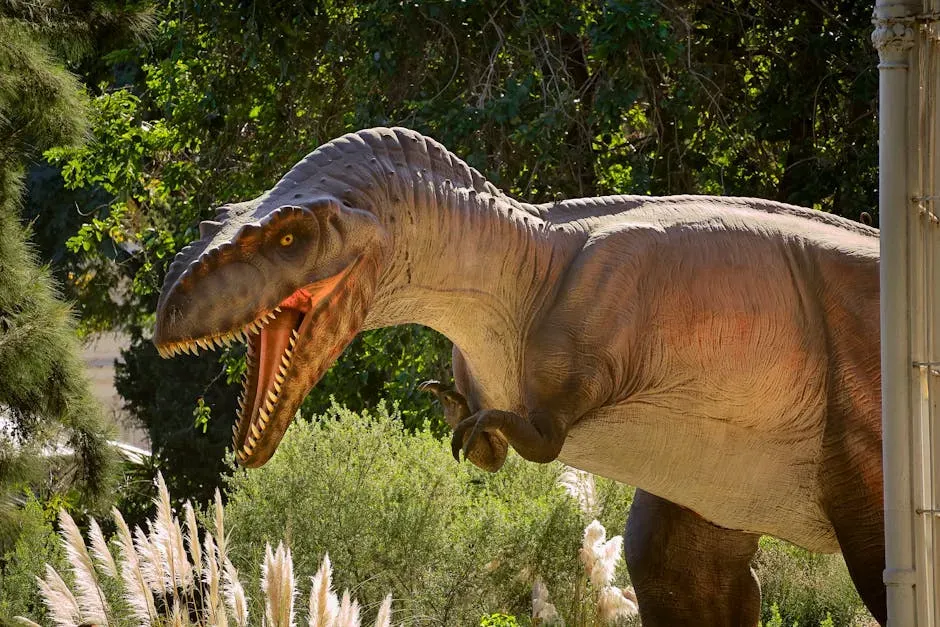
The running joke for decades was that T. rex’s arms were its most embarrassing feature. Cartoons mocked them, and even some scientists described them as nearly vestigial. But the closer researchers looked, the less that story made sense. The arms of T. rex are short, yes, but they are also extremely robust, with massive muscle attachment areas and large, strong claws. This is not what useless looks like in anatomy; this is what “built for power” looks like.
Newer thinking suggests the arms might have been used in very specific, close‑range roles: gripping struggling prey, helping the animal push itself up from a resting position, or bracing during feeding. They were probably not general‑purpose tools like a human arm, but that does not mean they did nothing. In a way, the arms have become a symbol of how our perspective has changed: where earlier science sometimes shrugged and said “we do not know, maybe they were pointless,” modern work is much more cautious about assuming any body part on a top predator comes with no function at all.
It Had Shockingly Good Senses – Especially Smell And Vision
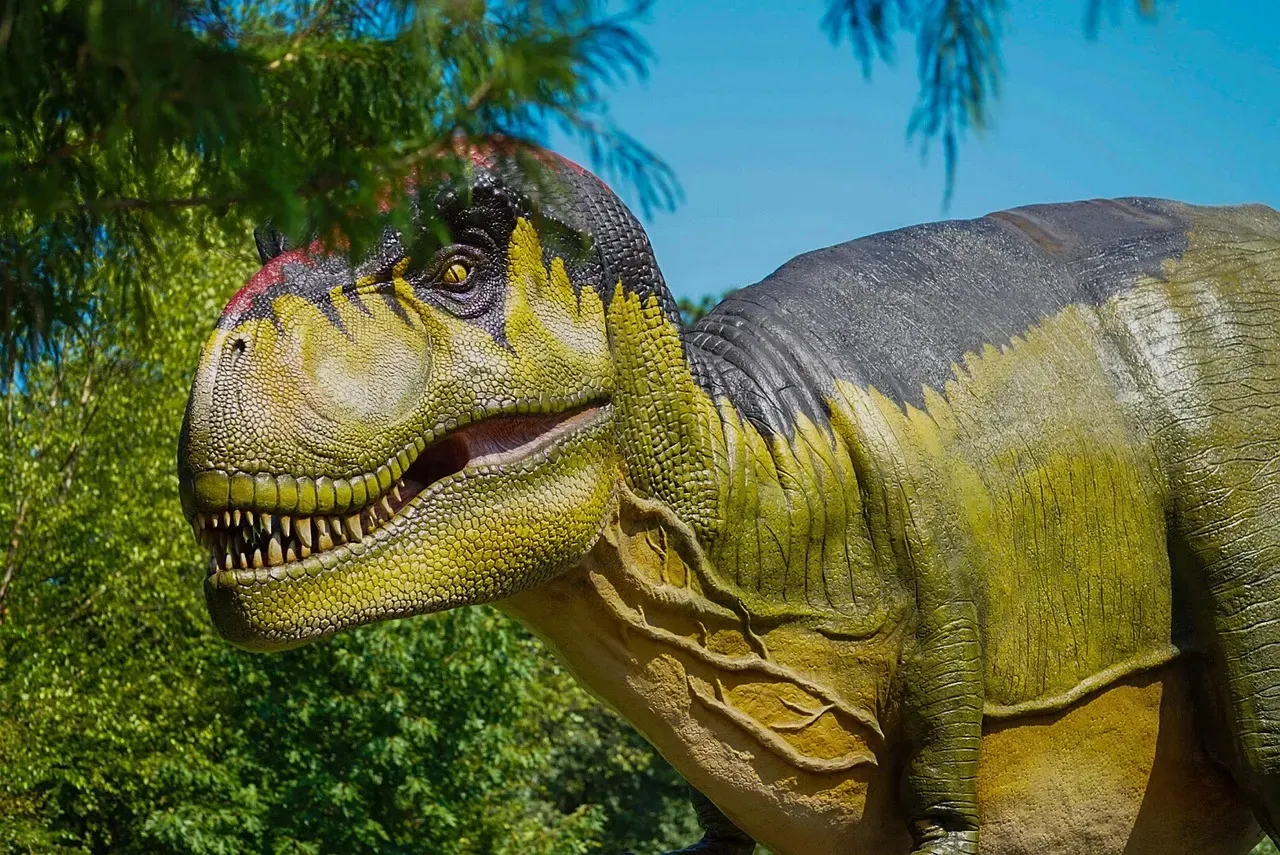
If you cracked open a T. rex skull and peered inside, you would find that the spaces for some brain regions and sensory organs are surprisingly large. Using CT scans, researchers have reconstructed the shape of its brain and inner ear, and the picture that emerges is not of a dull, plodding reptile. The parts of the brain associated with smell are especially well developed, suggesting a sense of smell that would put most modern animals to shame. That lines up with the huge, complex nasal passages seen in its skull.
On top of that, the eye sockets and the way the skull is built suggest T. rex had forward‑facing eyes and good depth perception, unlike many reptiles that see mostly to the sides. That kind of binocular vision is fantastic for judging distance, exactly what you would want if you were trying to track and strike large, moving prey. Thirty years ago, people were only starting to talk seriously about dinosaurs as animals with sharp senses and complex behavior. The idea that T. rex might have combined world‑class smell, powerful hearing, and keen vision would have sounded more like movie hype than the careful, sober conclusion it looks like today.
Feathers And Soft Tissues Changed How We Picture It
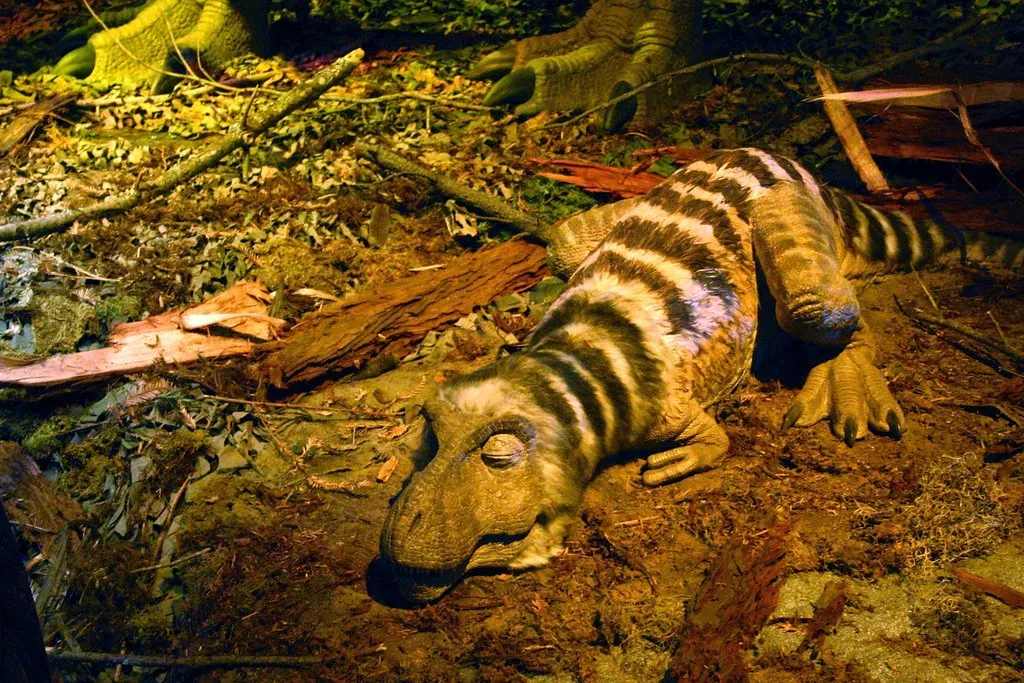
In the mid‑1990s, a feathery T. rex would have been dismissed by most experts as pure fantasy. At that point, safe consensus still treated dinosaurs as scaly, crocodile‑like reptiles, full stop. Then came a wave of discoveries of feathered relatives of T. rex, especially smaller tyrannosauroids from Asia that clearly show filamentous coverings. While direct, large‑scale feathers on adult T. rex remain unproven, the idea that at least young tyrannosaurs had some kind of fuzzy covering has gone from fringe to entirely reasonable.
Even more mind‑bending has been the discovery of soft tissues and preserved proteins inside some T. rex bones, suggesting that under very rare conditions, microscopic traces of ancient biology can survive tens of millions of years. No one is cloning dinosaurs from that, and responsible scientists are clear about the limits. But thirty years ago, if you had walked into a conference and said we would soon be discussing possible pigment hints and protein fragments in T. rex fossils, you would have been met with a lot of skepticism. Today, those finds are forcing us to think about T. rex as a living animal with textures and maybe colors, not just a gray skeleton on a museum mount.
T. Rex May Have Been Social – At Least Some Of The Time
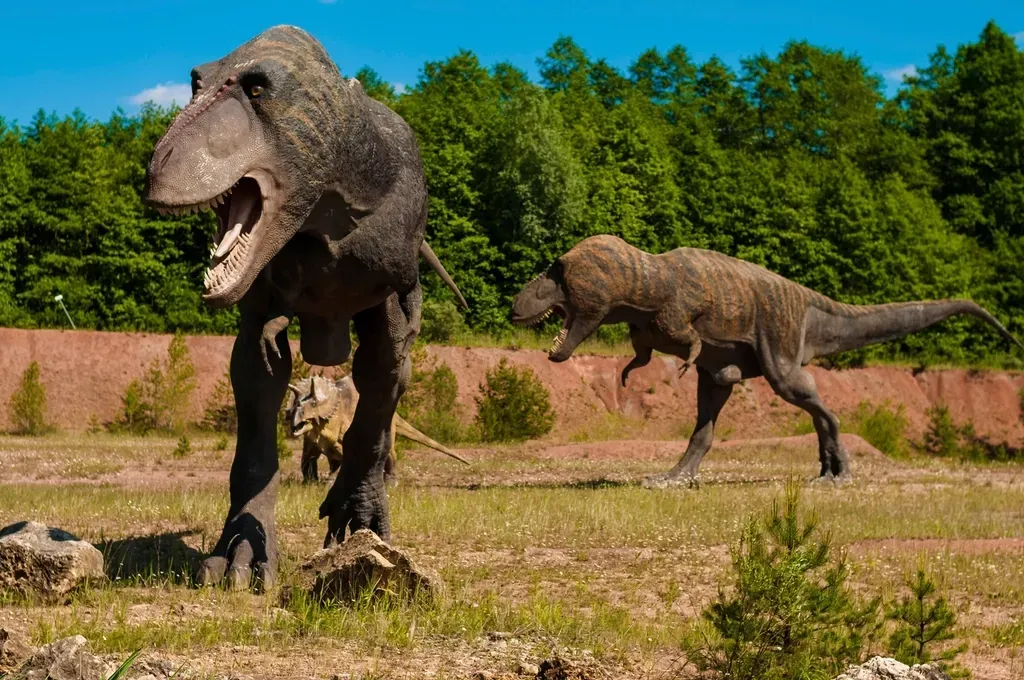
The old picture of T. rex is often a solitary hunter, stomping through the forest alone like a big cat with scales. Over the last few decades, several fossil sites have turned up multiple tyrannosaur individuals together, sometimes of different ages. These “bonebeds” have sparked a debate: were these animals living or hunting in groups, or did they just happen to die in the same place? While the question is far from settled, even the possibility of social behavior in such a large predator would have startled many experts thirty years ago.
Some researchers argue that mixed‑age groups could point to coordinated packs, where younger, faster animals and older, stronger ones played different roles in hunts. Others think looser associations, like crocodiles tolerating each other around feeding sites, might be more realistic. Either way, we’ve moved far beyond the old automatic assumption that large theropods were strictly antisocial loners. To me, this is one of the most exciting shifts, because it forces you to imagine not just one T. rex – but several, interacting, watching each other, reacting to each other, and changing the whole dynamic of the Late Cretaceous landscape.
It Was Just One Member Of A Whole Tyrannosaur Dynasty
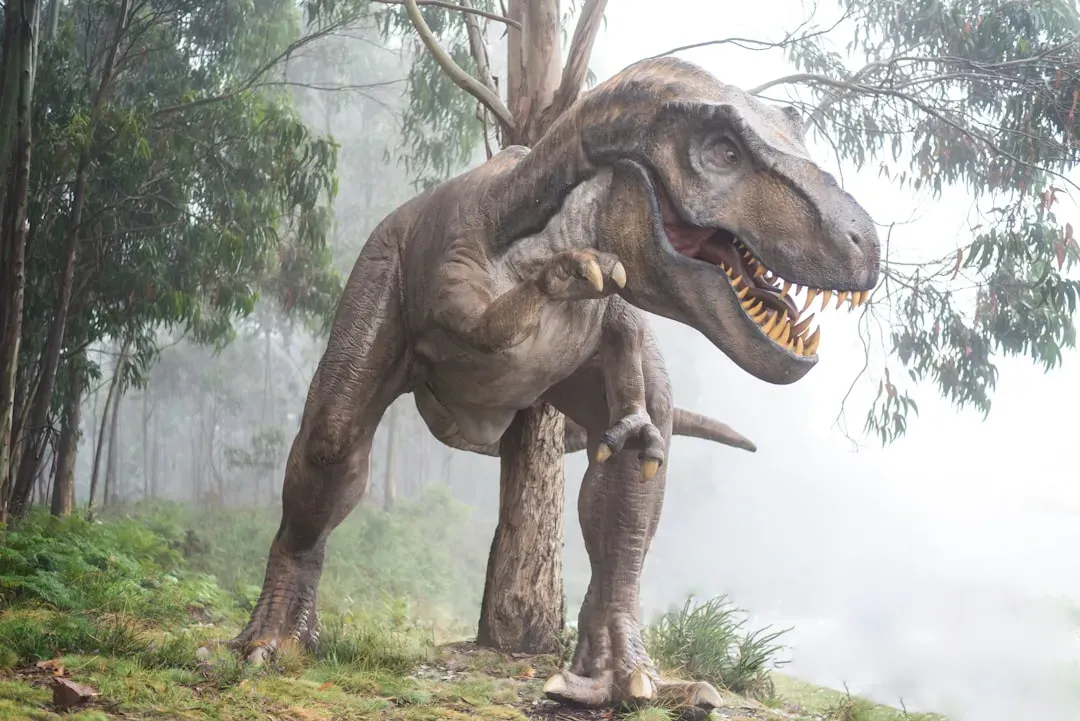
Back in the day, T. rex often felt like a bit of an oddball: the lone giant tyrannosaur we really cared about, looming at the end of the dinosaur age. But new fossil discoveries from North America and Asia have filled in its family tree, revealing a long series of tyrannosaur species that grew larger and more specialized over time. T. rex is now thought of as the final, oversized chapter in an evolutionary saga, not a one‑off monster that appears out of nowhere. That broader context changes how we understand its anatomy, its ecology, and even why it became so enormous.
We now know of earlier, smaller tyrannosaurs with longer arms, more lightly built bodies, and even clear feathers, showing how traits like huge skulls and bone‑crushing jaws evolved gradually. This evolutionary perspective would have shocked some experts thirty years ago, when fewer close relatives were known and T. rex seemed more like a singular freak. Today, it looks more like the top rung on a ladder that was being climbed step by step for tens of millions of years – a terrifying animal, yes, but also a perfectly logical product of its lineage and environment.
Possible Multiple Species And More Variation Than Expected
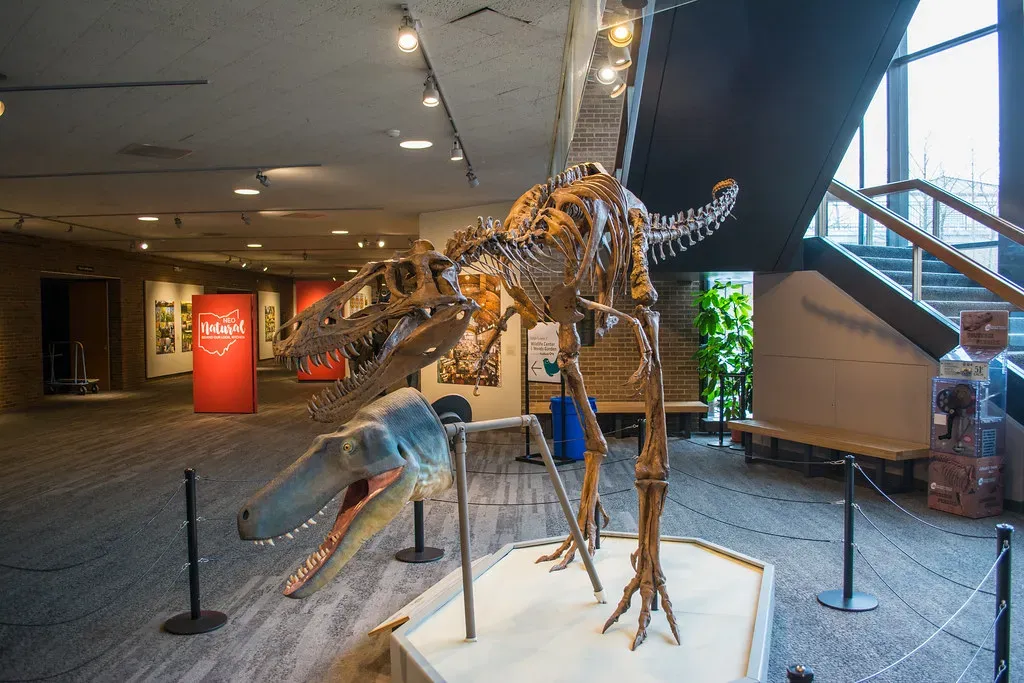
For a long time, T. rex was treated as a single, fairly uniform species across its North American range. Recently, paleontologists have started asking whether some of the differences in skull shape, tooth robustness, and body proportions might actually represent more than one closely related species or at least distinct regional variants. The debate is ongoing and sometimes heated, with some researchers arguing for splitting T. rex into multiple species and others pushing back hard. Just the fact that this conversation is happening in a serious way would have been surprising to many experts in the 1990s.
Even if the multiple‑species idea does not ultimately hold up, it has already forced a closer look at individual specimens, growth stages, and how much variation we should expect within a single dinosaur species. That alone is a big mental shift from an era when each famous skeleton was often treated as a kind of perfect, standard version of its kind. Now we are talking about robust and gracile individuals, local populations, and the messy reality that even celebrity dinosaurs came in a range of shapes. It makes T. rex feel less like a clone army of identical monsters and more like real animals with bodies that varied, aged, and adapted.
Conclusion: The King Keeps Getting Stranger, And That’s A Good Thing
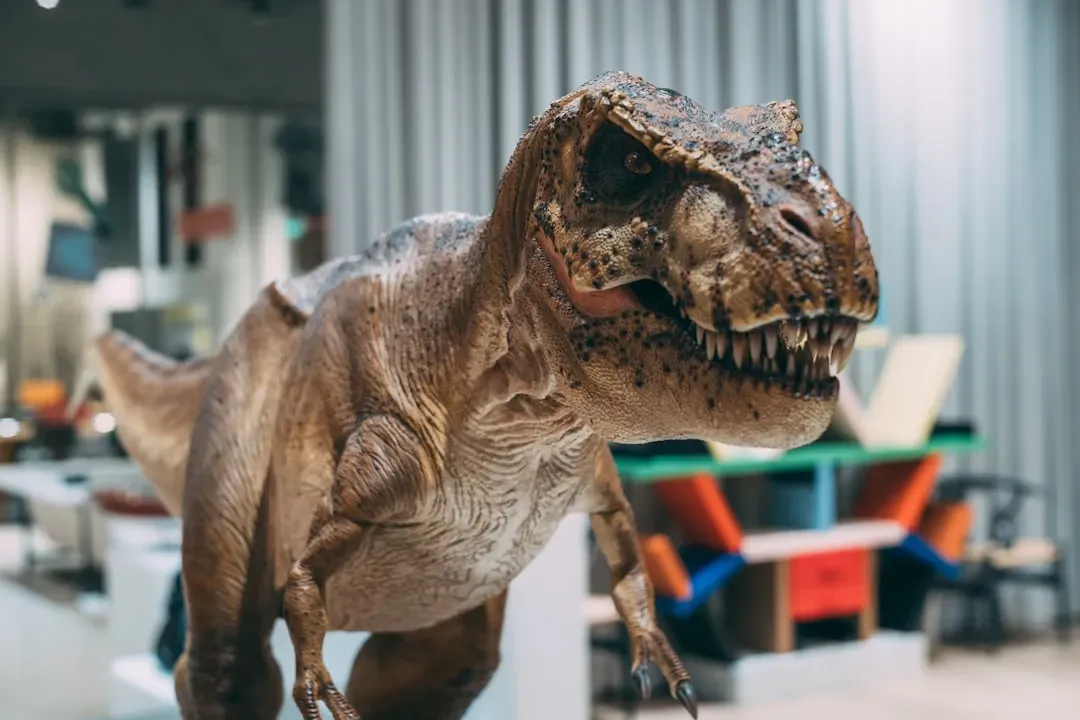
Looking back, what shocks me most is not any one discovery about T. rex, but how completely the overall portrait has changed. Thirty years ago, this dinosaur was a big, scaly, somewhat clumsy villain with a tiny brain and pointless arms. Now it looks more like an apex predator with finely tuned senses, complex growth, possible social behavior, and an evolutionary story that reaches far beyond a single species. In a way, T. rex has grown up right alongside dinosaur science itself, dragging our expectations forward whether we were ready or not.
My own opinion is that we should expect the picture to keep changing, and we should be suspicious of any version of T. rex that feels too final or too neat. Every time we think we finally understand this animal, some new fossil or new technique nudges it into a stranger, more interesting direction – and that is exactly how science is supposed to work. Maybe in another thirty years, people will look back at our 2026 idea of T. rex and chuckle at what we were still missing. Which of today’s “crazy” ideas about this dinosaur do you think will turn out to be tomorrow’s obvious fact?