

Walk into a crowded meeting room, feel your heart pounding, and you might assume it is because the agenda looks brutal. But under the surface, your brain is reacting as if you have just walked into a dangerous clearing where a rival tribe is waiting. Modern life looks sleek and digital on the outside, yet deep inside our nervous system, many of our fear responses are still wired for the Stone Age. That is why a work email can feel like a threat, a social media post can trigger panic, and a tough conversation can feel as if your survival is on the line.
This mismatch between ancient wiring and modern reality is not just a quirky psychological fact; it quietly shapes how we make decisions, handle stress, and treat each other. Once you start seeing these Stone Age fear patterns, it is hard to unsee them. They show up in office politics, dating apps, parenting, even in the way you scroll your phone at night. Understanding them is not about blaming biology, but about learning how to work with your own brain instead of constantly fighting it.
The Brain’s Alarm System Was Built for Sabertooths, Not Slack Messages
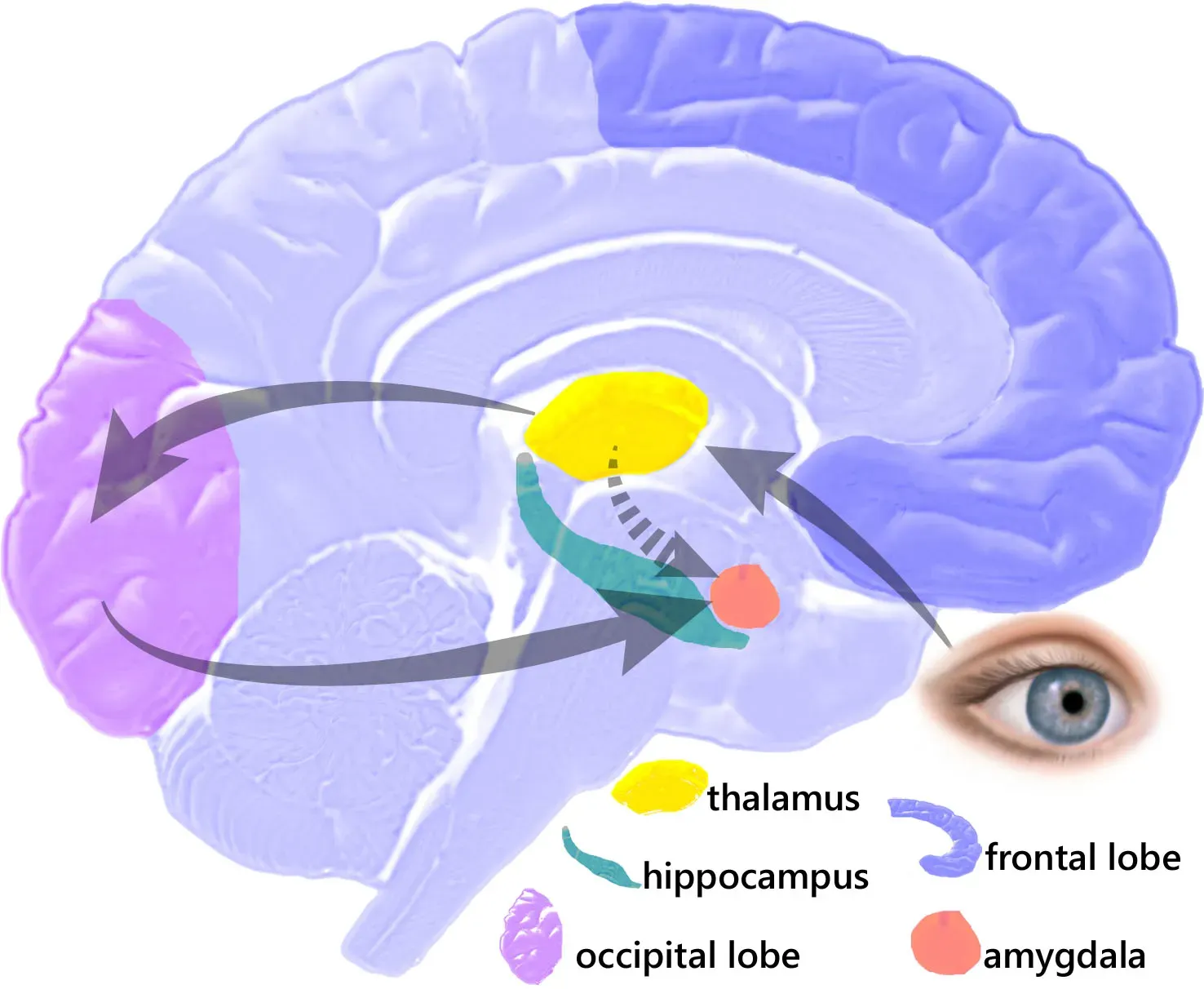
One of the most surprising things about fear is how fast it hits you, often before you have any idea why you feel tense. That speed comes from the amygdala, a small almond-shaped structure in the brain that acts like an ancient alarm system. It evolved to detect possible threats in a fraction of a second, long before the more rational parts of your brain can weigh in. In the Stone Age, that instant reaction made sense: if something rustled in the bushes, it was safer to overreact than to calmly analyze the situation and get eaten.
Today, that same hardware reacts to calendar notifications, unread messages, and a boss’s change in tone. Your heart races, your muscles tense, and your breathing gets shallow, even though the “predator” is just a digital ping. The rational part of your brain can eventually step in and say there is no real danger, but by then the body has already launched its stress response. This is why even minor conflicts can feel disproportionately intense: your brain is still running survival software designed for open plains, not open-plan offices.
Social Rejection Still Feels Like Literal Death to Your Nervous System

Imagine being publicly criticized in a meeting or ignored in a group chat; the sting can feel almost physical. That is not an overreaction or a personality flaw. For our Stone Age ancestors, being excluded from the group really was a potential death sentence. Survival depended on belonging to a tribe for protection, food, and shared childcare. As a result, the human brain learned to treat social rejection as a serious threat, not just a mild inconvenience.
Even now, social pain and physical pain share overlapping brain pathways, which is why a breakup or public embarrassment can feel gut-wrenchingly real. This ancient fear of exclusion shows up as dread before giving a presentation, anxiety about saying the wrong thing, or obsessing over how a text was interpreted. We talk about these moments as “embarrassing” or “awkward,” but on a deeper level, your nervous system is reacting as if your safety net might be ripped away. Recognizing that can soften the shame and make it easier to respond with self-compassion instead of self-attack.
Fight, Flight, Freeze: Stone Age Reflexes in Office Chairs and Car Seats

Most people have heard of the fight-or-flight response, but many forget that “freeze” belongs in that group too. These are not conscious choices; they are automatic survival strategies that kick in when your brain flags danger. In a prehistoric landscape, fight might have meant confronting a predator or rival, flight meant running, and freeze meant staying absolutely still to avoid detection. The body prepared accordingly: heart rate changed, blood flow shifted, and attention narrowed to the threat.
In modern life, you can see these same patterns play out in everyday situations where there is no real physical danger. Fight looks like snapping in a meeting or sending an aggressive email. Flight might appear as procrastinating, ghosting someone, or suddenly feeling the urge to “just leave” a tough conversation. Freeze shows up as mental blankness during an exam, forgetting what you were going to say on a video call, or sitting in your car unable to go inside a social event. The context changed, but the underlying reflexes stayed almost the same.
Why Uncertainty Freaks Us Out More Than Actual Bad News

Few things rattle people like not knowing what is going to happen. Waiting for medical results, a performance review, or a delayed message can feel worse than hearing clearly negative news. From an evolutionary perspective, uncertainty was dangerous because it meant you did not know where the threats were coming from. The brain evolved to treat uncertainty as a problem to solve immediately, often by imagining the worst possible outcomes to prepare for them in advance.
In today’s world, uncertainty is a basic feature of life rather than a rare emergency. Careers zigzag, relationships shift, and the future refuses to follow a neat script. Yet the brain still churns out fear-driven scenarios as if each unknown might be a hidden predator. That is why people sometimes refresh email like they are scanning the horizon or replay conversations over and over. It is an ancient vigilance loop running on modern data, and it leaves many feeling restless, sleepless, and unable to relax even when nothing bad is actually happening.
News Feeds as Digital Savannas: Why We Fixate on Bad News

If you have ever noticed that your eyes go straight to the disaster headline or disturbing image, you are seeing another Stone Age fear pattern in action. Our brains pay more attention to negative information than positive, a tendency psychologists call a negativity bias. In the past, ignoring bad news – signs of famine, illness, or conflict – could be fatal. Being drawn to potential threats was adaptive, because it gave you a chance to prepare or escape.
Now, that same bias gets hijacked by news cycles and social media, which constantly serve up stories of crisis, conflict, and catastrophe. Even if your personal life is stable, your ancient threat-detection system is being triggered by global events you can’t control. You keep scrolling, not because you are shallow or addicted by choice, but because a part of your brain genuinely believes that staying alert to bad news will keep you safer. Unfortunately, in the modern world, it often just leaves you more anxious and less able to think clearly.
Public Speaking Panic: The Tribe Is Watching
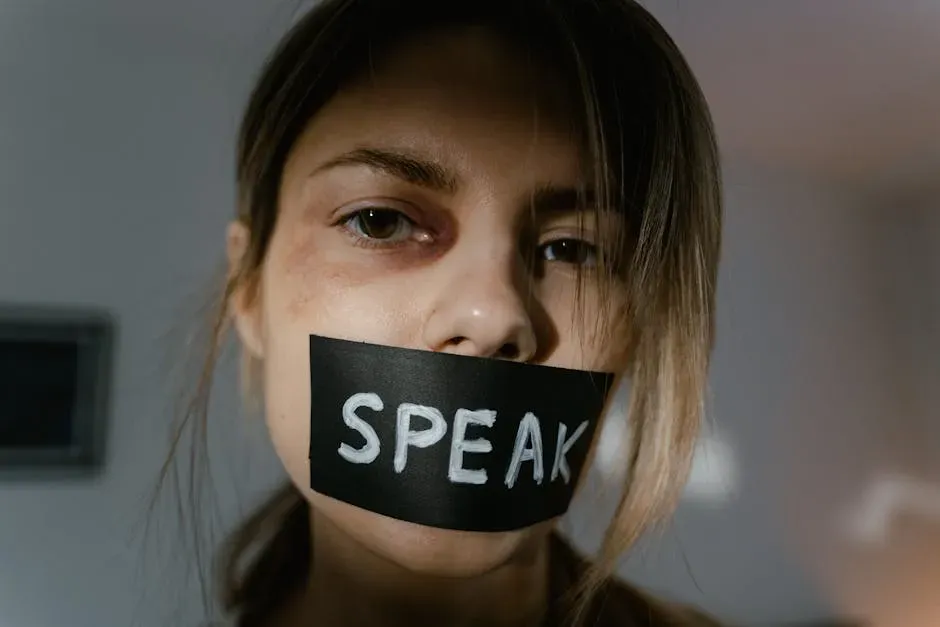
The sheer terror many people feel about public speaking is wildly out of proportion to the actual risk of standing in front of an audience. Yet the fear feels real enough to cause shaking hands, a racing heart, and a desperate desire to escape. In a tribal setting, being the center of attention could be a high-stakes moment: you might be defending yourself, negotiating status, or asking for resources. Failure could mean a loss of trust, protection, or standing in the group.
Today, a presentation is rarely a life-or-death event, but your nervous system reads “all eyes on me” as a possible threat scenario. It assumes that judgment from the group could translate into real danger, even though the worst likely outcome is some embarrassment or critical feedback. This is why all the logical self-talk in the world often fails to kill the fear: your Stone Age brain is not convinced by modern PowerPoint logic. The body still prepares for battle, even if the only thing you are fighting is a slideshow that will not advance.
Taming Your Inner Caveman: How to Work With Ancient Fear in a Modern World

Once you realize your fear system is ancient hardware running on a very different operating environment, the goal shifts from “eliminate fear” to “update how I respond to it.” You cannot uninstall the amygdala, and you would not want to; genuine danger still exists, and you need those rapid reactions in real emergencies. But you can train the rest of your brain to step in more quickly, to question the alarm, and to re-label many triggers as uncomfortable but not actually unsafe. That shift alone can reduce the intensity of panic in situations like conflict, public speaking, or social risk.
Practical steps can be surprisingly simple and still powerful. Slow, deliberate breathing tells your body that the threat has passed, even if your thoughts have not caught up yet. Naming what you are feeling – such as saying to yourself that your brain thinks exclusion or attack is coming – can activate more rational networks and dial down the alarm. Over time, exposing yourself gently to feared situations, instead of avoiding them completely, teaches your Stone Age wiring that these particular “predators” are mostly just emails, opinions, or awkward moments. Personally, I have found that reminding myself “my brain is trying to keep me alive, it is just misreading the context” can transform raw fear into something I can negotiate with rather than be ruled by.
Conclusion: Our Brains Are Ancient, Our Choices Do Not Have to Be
The uncomfortable truth is that we are all walking around with Stone Age fear circuits trying to navigate traffic jams, Zoom calls, and comment sections. That mismatch explains a lot of our overreactions, our spirals of worry, and the way small modern problems can feel like existential crises. But seeing this clearly is not an excuse to shrug and say “that is just how I am wired.” It is an invitation to recognize when your brain is confusing social discomfort with actual danger and when it is turning everyday uncertainty into a survival drama.
My own opinion is that the real mark of psychological maturity in our era is not a life without fear, but a life where we stop letting our most ancient instincts quietly run the show. When you catch your inner caveman panicking about an email, a meeting, or a risk that will not kill you, you get to decide whether to obey that fear or gently override it. We may not be able to completely rewrite millions of years of evolution, but we can learn to live with it more intelligently and more kindly. In a world our ancestors could never have imagined, that might be the bravest form of progress we have.