

Have you ever stood in front of a crumbling stone wall from thousands of years ago and felt strangely more at home than you do in a shiny glass skyscraper? If ancient ruins light up your imagination more than city skylines, that feeling is not random or weird. It might be your brain quietly saying it’s tired of noise, speed, and endless notifications, and is craving a slower, simpler story about what it means to be human.
I’ve had that experience more than once: suddenly feeling an emotional punch from a pile of old stones while feeling almost nothing in a high-tech mall. For a long time I thought this made me a bit out of step, maybe even nostalgic for a past I never lived. But the more you look at what psychology, neuroscience, and anthropology are finding, the more it makes sense. When ruins move you more than modern cities, it can be a sign that your mind is searching for depth over novelty, meaning over metrics, and connection over convenience.
Why Old Stones Can Feel More Alive Than Shiny Glass
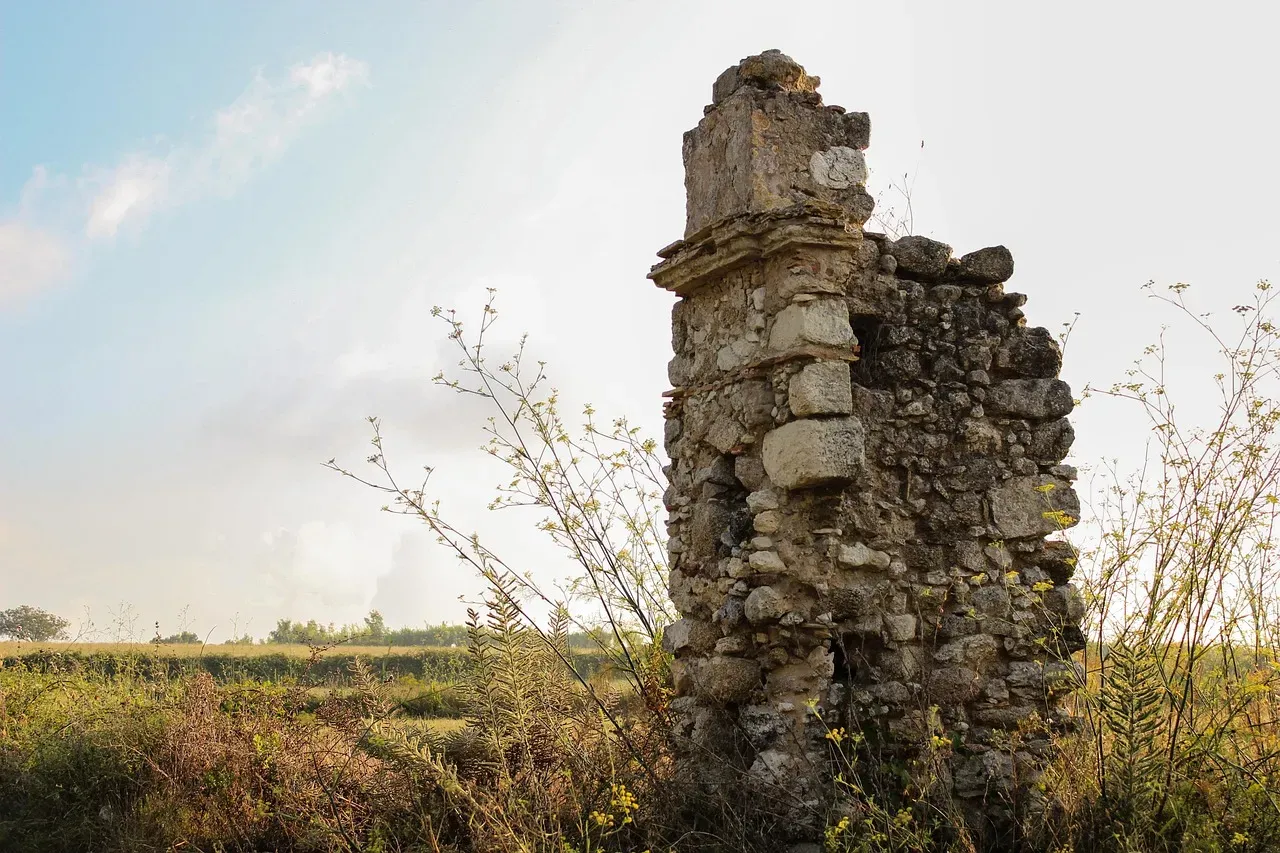
It sounds backwards at first: how can silent ruins feel more “alive” than a buzzing metropolis full of people, lights, and activity? One reason is that ruins naturally invite your imagination to fill in the gaps. Modern cities tend to overwhelm you with stimulation, while ancient sites strip things back to essentials: stone, sky, wind, and the faint outline of other lives. Your brain loves to complete incomplete stories, so when you see a broken column or a worn step, you instinctively start imagining who stood there, what they felt, what they hoped for.
In a hyper-digital age, that kind of open-ended imagining is rare. Modern environments bombard you with finished images, notifications, and immediate answers, leaving little room for wondering. Ruins, on the other hand, ask you to slow down and co-author the story. That collaborative feeling between your inner world and the outer landscape can feel surprisingly intimate and personal, almost like the place is talking back. If glass towers feel cold to you while ruins feel almost conversational, that’s your brain responding to how much space each one gives you to think and feel.
The Brain’s Deep Preference for Nature, Texture, and Time
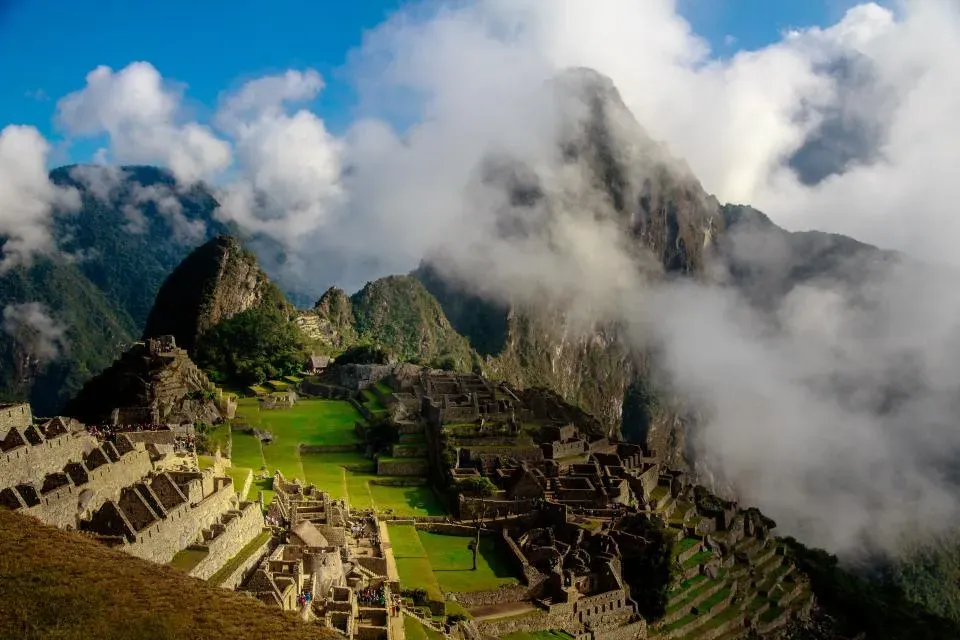
Ancient ruins usually sit in or near natural landscapes: hills, coastlines, forests, wide open plains. Modern cities, in contrast, are dominated by straight lines, sharp edges, uniform surfaces, and artificial light. Research on environmental psychology has shown again and again that humans tend to relax and focus better in settings that mimic nature’s patterns: uneven textures, soft curves, and gentle variation. Ruins, with their weathered stones, crumbling walls, and climbing plants, fit that pattern beautifully.
From a brain perspective, that kind of environment is less cognitively draining. Your attention does not have to fight constant noise, neon signs, and social expectations. Instead, it gently drifts from stone to tree to sky, in a rhythm that matches how our perceptual systems evolved over thousands of years. If you feel calmer, more creative, or more “yourself” in ancient places than in crowded city centers, it might be because your nervous system is finally moving at a speed it was designed to handle.
Storytelling Brains in a Data-Driven World
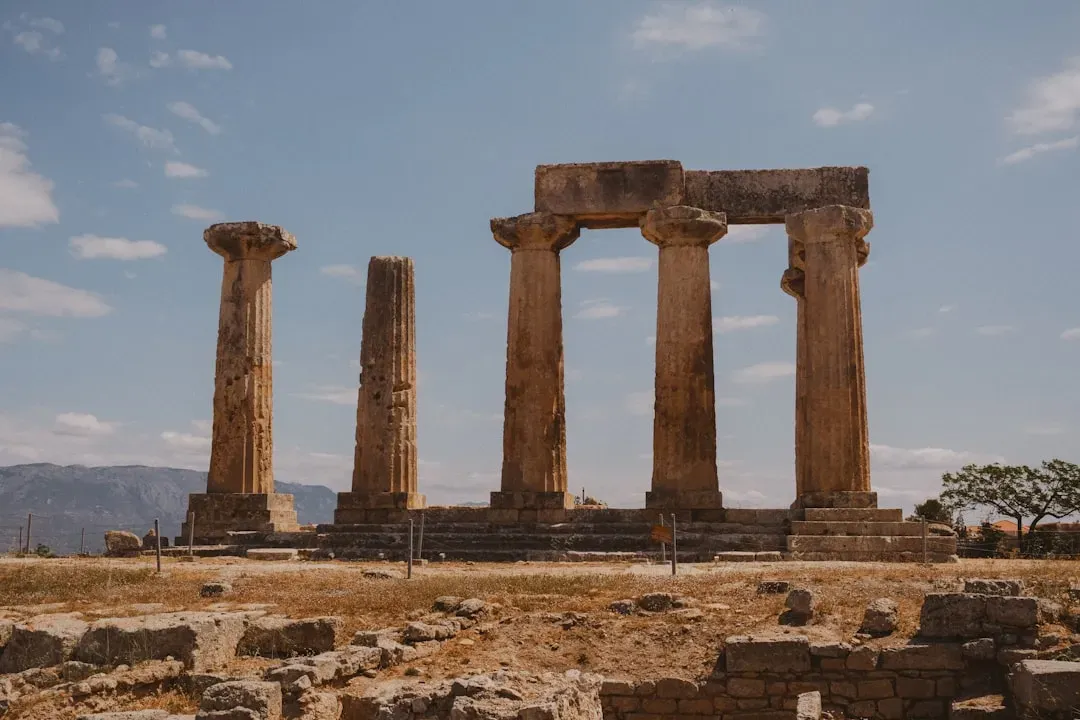
Humans are wired to think in stories, not spreadsheets. For most of our history, knowledge was passed down as tales about ancestors, heroes, mistakes, and lessons learned. Ancient ruins are physical remnants of those stories. Standing in a ruined temple or on a broken city wall, your brain instinctively starts piecing together narratives: who built this, what did they care about, what did they fear, how did it all fall apart. That narrative hunger is built into us; it is how we make sense of chaos.
Modern cities tend to push a different script: efficiency, productivity, speed, measurable outcomes. The stories are still there, of course, but they are often hidden behind brands, metrics, and fast-changing trends. When ruins captivate you more than a financial district or a tech campus, it can signal that you are hungry for stories that are longer, slower, and less transactional. Your brain may simply be choosing myth over marketing, legacy over likes, and multi-generational arcs over quarterly results.
Nostalgia for a Past You Never Lived
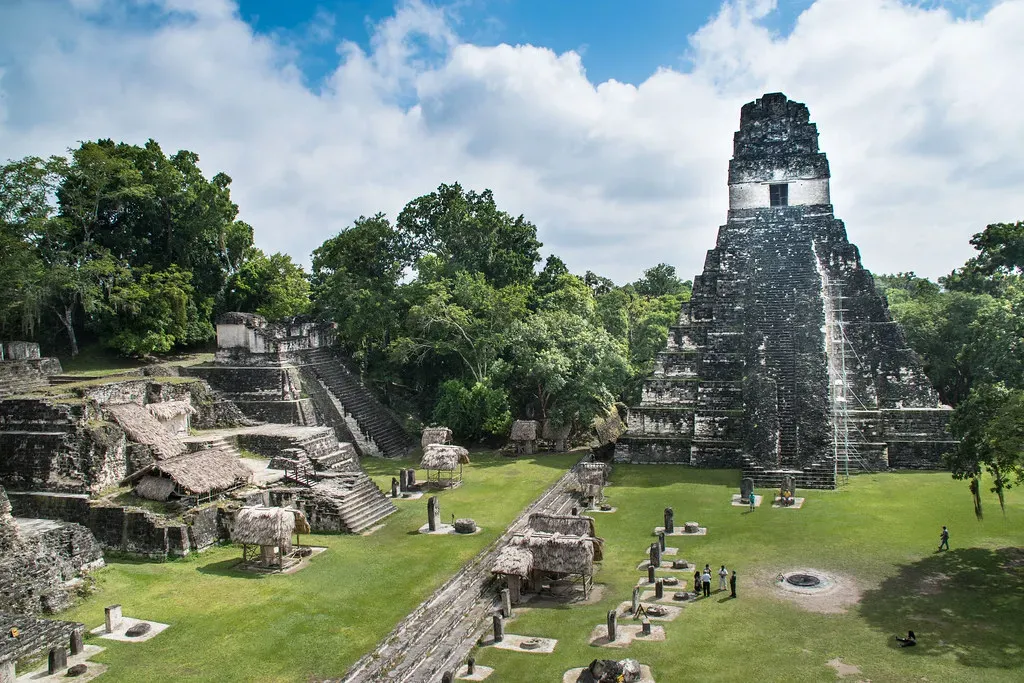
That tug you feel toward ancient places can look like nostalgia, even though you have never actually lived in those times. Psychologists sometimes call this kind of feeling “historical nostalgia” or “cultural nostalgia” – a longing for imagined eras you know only through books, ruins, and artifacts. It is not about wanting to give up modern medicine or electricity; it is more about yearning for a perceived simplicity in relationships, values, and daily rhythms.
When ruins speak to you more than modern streets, you might be responding to that imagined simplicity. The idea that people once lived without constant digital distraction, that they spent more time face-to-face, that their concerns were more tangible than virtual, can feel deeply comforting. Even if that past was not actually as peaceful as we like to imagine, the longing itself is meaningful. It tells you something about the kind of life and pace your brain finds emotionally satisfying, even if you still enjoy modern comforts.
The Overloaded Mind and the Appeal of Slower Worlds
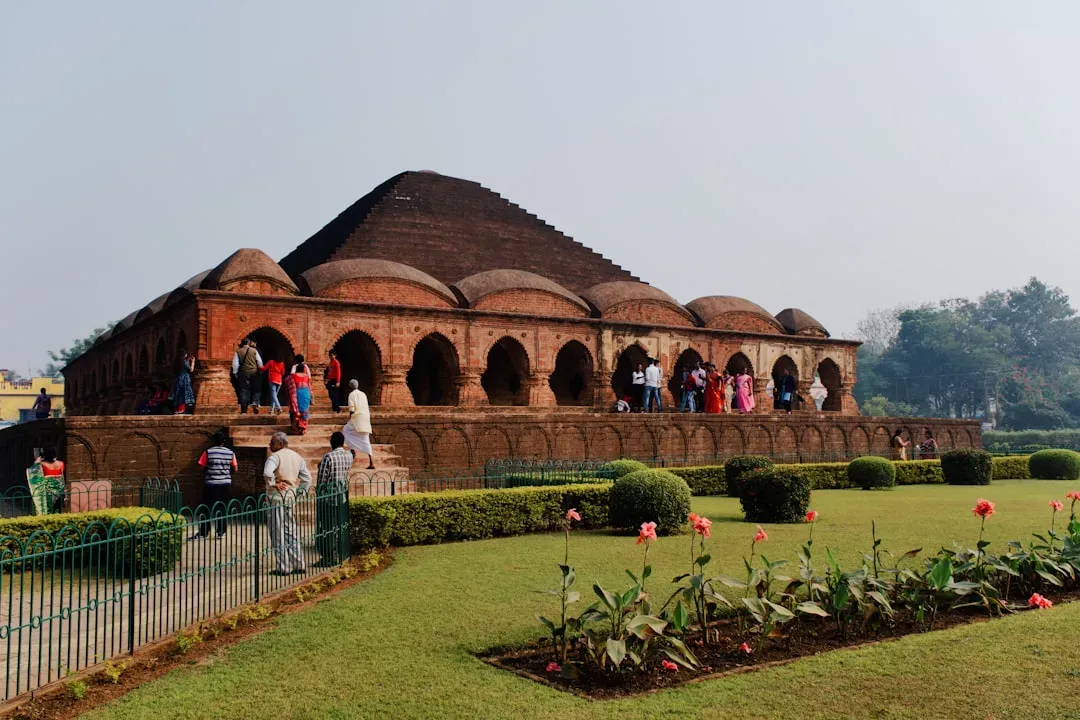
Many people today operate in a state of chronic information overload: endless emails, news, social feeds, and constant background anxiety about keeping up. Cognitive science shows that this sustained bombardment can drain attention, increase stress hormones, and reduce our ability to feel present. Ancient sites, in contrast, tend to be quieter, more spacious, and relatively free of commercial messages. They offer what some researchers describe as “soft fascination” – things that hold your attention gently without demanding it aggressively.
If ruins feel oddly restful to you, it may be because they represent a world where fewer things competed for human attention at once. You instinctively sense that life was organized around slower cycles: seasons, sun and moon, harvests, religious festivals, and hand-built work. Even if those lives were hard in many ways, the tempo itself appeals to a nervous system that is tired of sprinting. Your fascination is not just historical; it is physiological. Your mind is quietly saying: let me breathe, let me process, let me move at a human speed.
Belonging, Roots, and the Need to Feel Part of a Long Story
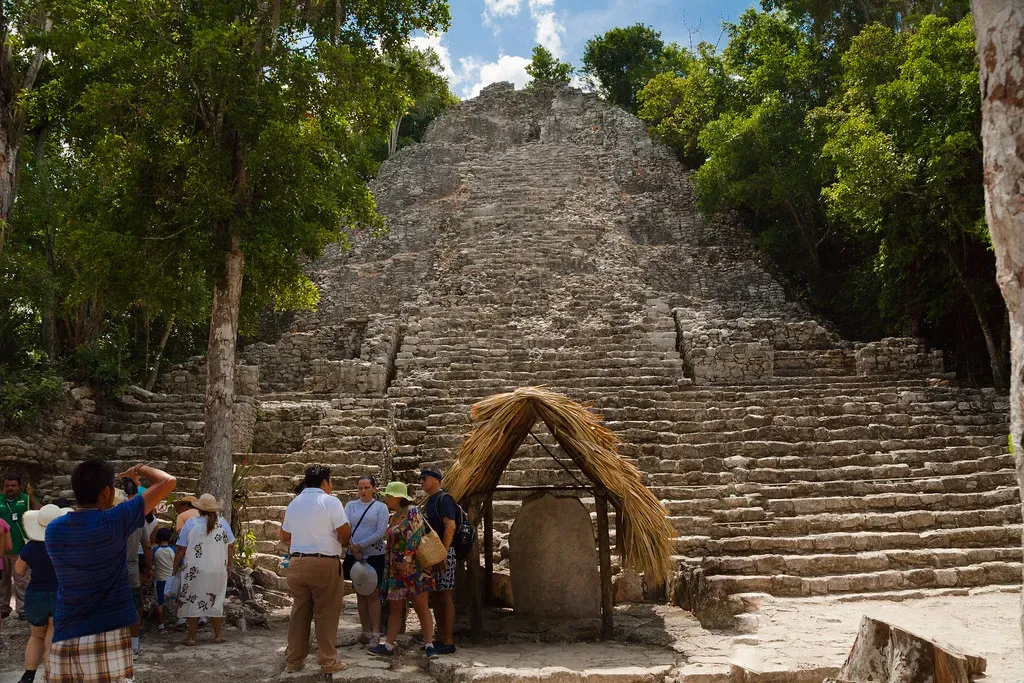
Modern life can feel strangely rootless. People move between cities, jobs, and online communities at a much faster pace than in the past. It is easy to feel like everything around you could be torn down, rebranded, or replaced in just a few years. Ruins are the opposite of that. They whisper that humans have been here, struggling and dreaming, for a very long time, and that you are part of that long unfolding story whether you notice it or not.
When you feel more at home wandering a centuries-old ruin than walking through a brand-new district, your brain might be seeking that sense of continuity. The physical weight of old stone, the deep grooves worn by countless feet, the layers of building and rebuilding across ages – all of this reassures some deep part of you that you are not starting life from zero. You are inheriting a thread that began long before you and will continue after you, and that can be a powerful antidote to the loneliness and fragmentation of modern culture.
Personality, Temperament, and Why Some People Feel This More Strongly
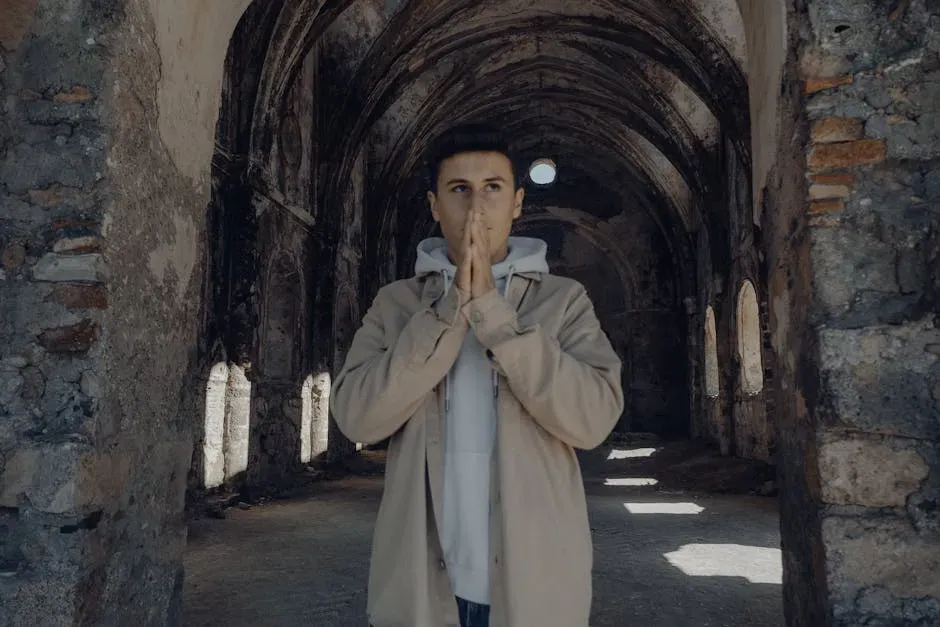
Not everyone feels strongly drawn to ancient sites; some people genuinely thrive on neon lights and crowded intersections. Personality research suggests that traits like high openness to experience, introversion, and a reflective or imaginative temperament can make someone more sensitive to the pull of historical or contemplative places. If old ruins move you deeply while others seem bored, that does not mean anything is wrong with either of you. It simply points to different ways brains are tuned to find meaning and stimulation.
People who enjoy slower, more introspective environments often describe ruins as giving them “mental space” they cannot find elsewhere. They may be more interested in depth than breadth, preferring a few profound impressions over many shallow ones. These tendencies can clash with modern work cultures that reward constant activity and visible busyness. So if you sometimes feel out of step, remember that your fascination with ancient places might be a sign of a temperament that is better suited to reflection, craftsmanship, and long-term thinking than to perpetual hustle.
Honoring the Longing Without Romanticizing the Past

There is a risk, of course, in turning ruins into pure fantasy. The past contained war, disease, inequality, and harsh living conditions that no thoughtful person would want to fully resurrect. The key is to honor what your brain is longing for – slowness, meaning, continuity, embodied community – without pretending that ancient life was some perfect golden age. You can let ruins inspire you without using them as an excuse to reject everything modern.
That might look like making different choices in your present life: protecting quiet time, valuing relationships over constant productivity, appreciating manual skills and tangible work, or fighting for neighborhoods that feel walkable and human-scaled instead of purely optimized for cars and commerce. In other words, you can translate your emotional response to ruins into practical changes, bringing a bit of that simpler human story into your own current reality rather than just dreaming about another era.
Conclusion: Your Ancient Fascination Is a Clue, Not a Flaw
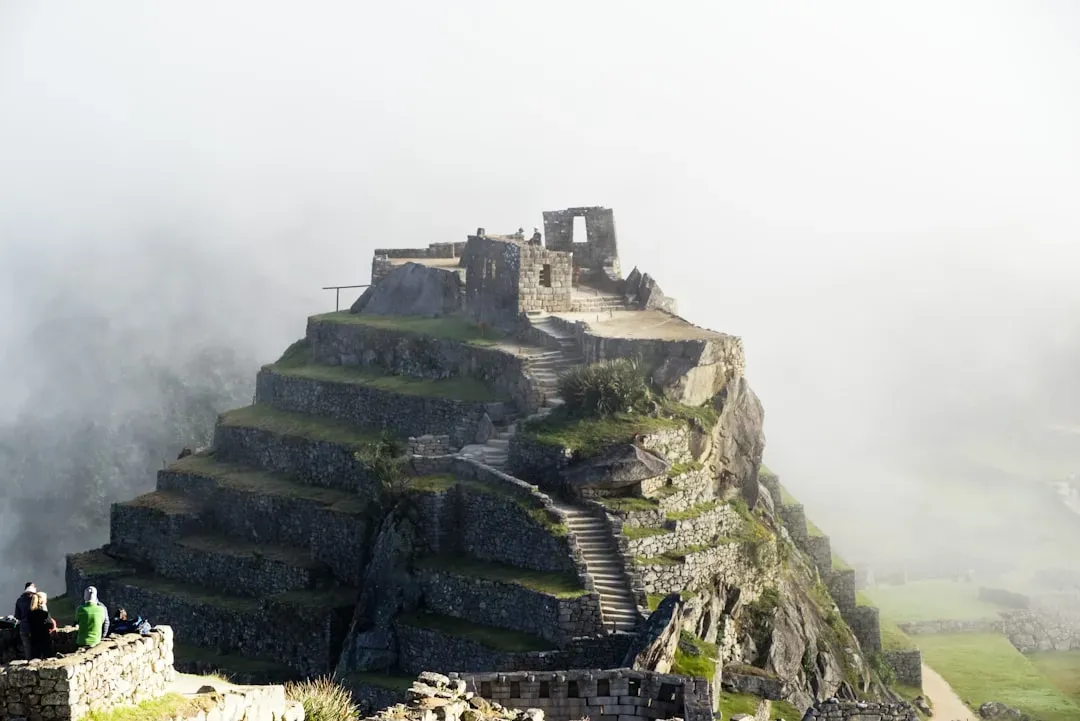
If ancient ruins fascinate you more than modern cities, you are not broken, antisocial, or stuck in the past. You are reading important signals from your own mind and body. That pull toward old stones and long-gone lives is a clue that you value depth over flash, continuity over constant change, and stories that stretch across centuries more than short bursts of novelty. In a culture that often worships speed and surface, that preference is not only understandable, it is quietly radical.
My own opinion is that we should treat this kind of fascination as guidance rather than guilt. Instead of forcing yourself to love the noise, maybe listen to what ruins awaken in you: the wish for slowness, rootedness, and richer human stories. Let that shape how you design your days, where you spend your attention, and what kind of future you want to help build. After all, the modern world will eventually become ruins too – the question is what kind of story those future stones will tell about how we chose to live now. Does your heart already know the answer?