

Imagine you wake up, grab your phone, and your heart sinks because of a single unread message from your boss. Nothing terrible has actually happened yet, but your chest tightens as if a wild animal just stepped into your cave. That gap between your modern life and your ancient reaction is where this story really lives. A growing body of psychology and neuroscience suggests that many of our emotional habits, fears, and knee‑jerk reactions are leftovers from a world of spears and saber‑toothed cats, not emails and traffic jams.
What makes this so fascinating is that most of us walk around thinking we’re rational, civilized, and fully in control. Yet under the surface, our brains are still running survival software written tens of thousands of years ago. You see it when people spiral over social rejection, when they overreact to criticism, or when they cling to routines that no longer serve them. Once you start spotting these prehistoric echoes, it becomes hard to unsee them – and surprisingly empowering to understand them.
The Emotional Brain That Evolved For Sabertooths, Not Smartphones

Here’s the surprising part: your emotional brain is much older than your logical brain, and it still calls a lot of the shots. Deep structures like the amygdala evolved to scan for threats long before humans invented language or laws, and they operate fast, often triggering reactions before your conscious mind can weigh in. That hair‑trigger system was incredibly useful when a rustling in the bushes might mean a deadly predator and hesitation could get you killed. Today, the same circuitry can light up because someone left you on read.
Think of it like running a prehistoric operating system on the latest smartphone hardware. You can install all the productivity apps you want, but if the core system is programmed to treat uncertainty as danger, your body will still flood with stress hormones when life feels unpredictable. That’s why modern threats – like losing a job, being publicly embarrassed, or going through a breakup – can feel physically overwhelming, even when you intellectually know you’re not in literal danger. Your brain is not broken; it’s just old and very loyal to its original mission: keep you alive at all costs.
Why Rejection Hurts So Much: Social Exile Once Meant Death

Have you ever wondered why a cold look or a harsh comment can sting for days, even when you tell yourself to shake it off? From an evolutionary perspective, being accepted by your group was once a matter of life and death. In small prehistoric bands, losing your place in the tribe could mean losing access to protection, food, and help when you were sick or injured. Psychologists and neuroscientists have found that social pain activates many of the same brain regions involved in physical pain, which helps explain why rejection can feel so viscerally awful.
In modern life, that ancient wiring shows up in surprisingly small moments: obsessing over whether your friends are hanging out without you, replaying a clumsy comment you made at work, or panicking when you get fewer likes than usual. The reaction is old; the triggers are new. I still remember agonizing for days over being left out of a group chat, only to realize later that my brain was acting as if I had been kicked out of a village. Understanding that my mind was treating mild social friction like potential exile helped me take it less personally and more as a reflex I could gently question.
Fight, Flight, Freeze, Fawn: Ancient Survival Modes In Modern Conflicts
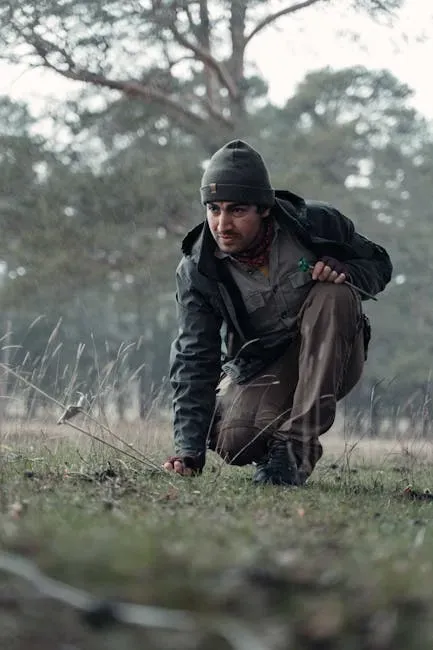
When something feels threatening, most people know about fight or flight, but there are two more patterns that often fly under the radar: freeze and fawn. These are all survival modes rooted in prehistoric situations where reacting quickly could be the difference between life and death. Fighting might have helped you fend off an attacker, fleeing might have saved you from a dangerous animal, freezing could make you less noticeable, and fawning – placating or appeasing – might calm a more powerful, angry individual. These responses are largely automatic, kicking in before conscious choice.
Today, most of our “threats” are emotional or social, yet those same modes still appear. You might snap in anger during a tense argument (fight), storm out of a room or ghost someone (flight), go blank and say nothing in a meeting when put on the spot (freeze), or over‑apologize and people‑please to avoid conflict (fawn). None of this means you are weak or dramatic; it usually means your nervous system is doing what it was built to do. The challenge now is that while those strategies once maximized your odds of surviving a dangerous world, they can quietly sabotage your relationships, careers, and mental health in a world where conversation, not combat, is often the better option.
Hypervigilance And Anxiety: When Threat Detection Never Clocks Out

Imagine your ancestors sleeping in a dark forest where a single lapse in attention could mean a predator slipping into camp. In that environment, an overactive threat detector was a feature, not a bug. Being jumpy, scanning for danger, and interpreting rustles and shadows as possible threats would’ve helped keep the group alive. In psychology terms, this constant scanning for potential harm is often called hypervigilance, and it remains deeply wired into our stress systems.
In the modern world, hypervigilance can morph into chronic anxiety, insomnia, and a constant sense that something is about to go wrong. Instead of listening for branches snapping in the night, you’re mentally checking for mistakes in an email, wondering if your partner is mad at you, or worrying about bills at three in the morning. Your brain is still trying to predict and prevent danger, but it now applies that same energy to social, financial, or performance‑based concerns. The result can feel like having a smoke alarm that goes off not only for real fires but also for burnt toast, scented candles, and sometimes for no obvious reason at all.
Scarcity Mindset: Hoarding, Overeating, And The Fear Of “Not Enough”

For most of human history, food was not guaranteed, and famine was a real threat. Bodies that stored energy efficiently and brains that were highly motivated to seek out and overconsume calorie‑dense foods when available had a survival advantage. Many of us are still running on that biology, even while surrounded by grocery stores and delivery apps. That helps explain why so many people feel almost magnetically drawn to sugary or fatty foods when stressed, tired, or sad.
This ancient scarcity wiring also shows up beyond food. You might feel a compulsive urge to hoard money, clothes, or even digital items in games because part of you fears future deprivation. The idea of “not enough” – not enough time, not enough love, not enough opportunity – can drive people to overwork, overbuy, or cling tightly to possessions and relationships. It is as if the mind still expects a long winter or a failed hunt and is trying desperately to stock the emotional pantry. Understanding this makes it easier to see some of our “bad habits” not as moral failures but as overprotective survival patterns that need updating.
Tribalism, In‑Groups, And The Deep Need To Belong

Our ancestors did not survive alone; they survived in tight‑knit groups that shared resources, protected each other, and raised children together. This made belonging to a tribe essential, and favoring your own group over outsiders was a practical way to reduce risk. Evolutionary psychologists often point to this as one root of modern in‑group and out‑group behavior. The human brain seems naturally inclined to sort people into categories, trust “us” more than “them,” and sometimes react with suspicion or hostility toward outsiders.
Today, this ancient tribal instinct shows up in fandoms, political identities, workplace cliques, and even online comment sections. People can become fiercely loyal to their “side,” sometimes to the point of ignoring facts or dehumanizing others, because the emotional brain equates group loyalty with safety. On a smaller scale, the deep need to belong can make us laugh at jokes we do not find funny, hide parts of ourselves to fit in, or stay in communities that no longer reflect our values. Recognizing that this pull toward tribal belonging is powerful – and very old – can help us question when it’s serving connection and when it’s just re‑enacting ancient us‑versus‑them scripts.
Habits, Superstitions, And The Brain’s Love Of Control Illusions
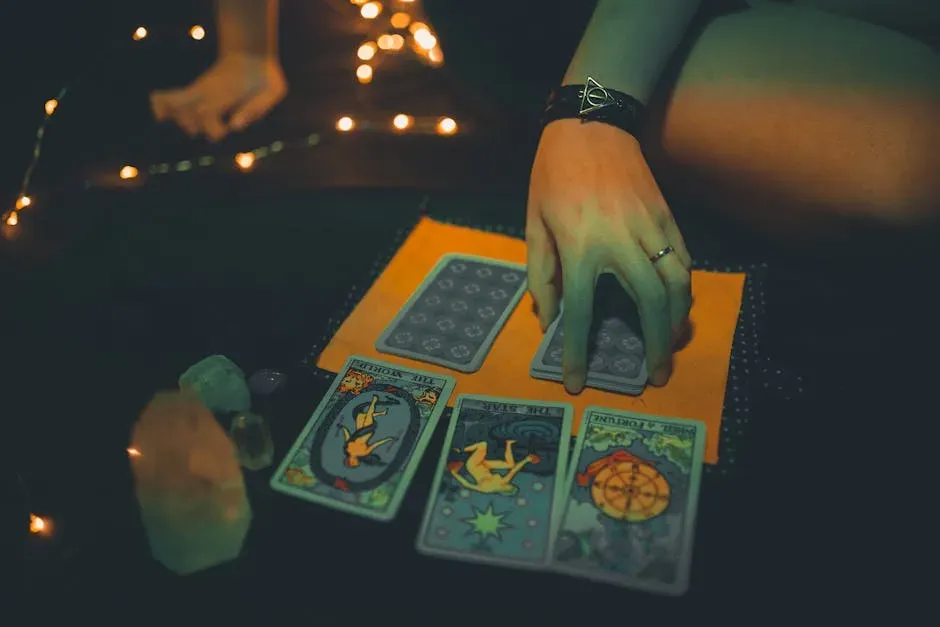
In a harsh and unpredictable environment, feeling like you had some control over outcomes could be psychologically protective, even if that control was partly imagined. If performing a certain ritual before a hunt seemed to coincide with success, your ancestors were more likely to repeat it. The human brain is a pattern‑detecting machine, and from an evolutionary standpoint, it is often safer to see a pattern that is not really there than to miss a pattern that could save your life. That tendency lives on in modern habits and superstitions.
Today, you see this when athletes insist on wearing lucky socks, when students feel calmer using a particular pen for exams, or when you find yourself knocking on wood before saying something hopeful. Even everyday routines – making the bed just so, needing your desk organized in a specific way – can be subtle attempts to impose order on an uncertain world. Personally, I used to reread messages several times before sending them, as if the extra checking would magically guarantee a good outcome. These behaviors are not always irrational; they often lower anxiety. The key is noticing when old survival logic is driving rituals that limit rather than support your life.
Attachment Styles As Echoes Of Early Survival Learning

Early relationships act like blueprints for how we expect connection, care, and safety to work, and that has deep survival roots. For a prehistoric child, being attuned to a caregiver’s mood and availability was essential. Babies and young children who could adapt their behavior – by clinging, protesting loudly, or becoming extra self‑reliant – might have had better odds of staying close enough to receive protection and food. Modern attachment theory describes patterns like secure, anxious, avoidant, and disorganized, which can be understood partly as survival strategies learned in early life.
As adults, these patterns can quietly shape how we love, fight, and cope. Anxious attachment can show up as constant worry that others will leave, leading to clinginess or over‑texting, while avoidant attachment might involve pulling back whenever someone gets emotionally close, as a way of staying safe. These responses made sense when depending on the wrong person could mean real danger. In today’s world, they can keep people stuck in painful relationship cycles that feel mysterious until you view them as very old strategies trying to protect a very young version of you. Seeing attachment through this survival lens often makes self‑compassion easier and change more possible.
Learning To Update Ancient Code: What We Do With This Knowledge

To me, the most important point is not that we are prisoners of prehistoric wiring, but that understanding it gives us a chance to consciously update it. Once you realize your brain sometimes reacts as if you are still in a dangerous savannah instead of a crowded coffee shop, moments of panic or overreaction feel less like personal defects and more like outdated safety protocols. Practices like therapy, mindfulness, body‑based trauma work, and honest conversations can all help the nervous system relearn what is actually dangerous and what is merely uncomfortable. In a way, you become both the user and the programmer of your emotional life.
At the same time, I think we should resist the trendy temptation to explain every feeling solely with evolution. Not every fear, quirk, or preference is a direct fossil from the Stone Age, and overusing evolutionary stories can oversimplify complex social and cultural realities. The most grounded view holds both truths: we are shaped by ancient survival pressures, and we are also shaped by families, societies, and choices right now. The real power lies in noticing when your reactions feel bigger than the situation, getting curious about the old survival logic beneath them, and then deciding – deliberately – whether that logic still deserves to run the show. If your emotions are echoes of long‑gone dangers, what new story do you want them to help you survive today?