Picture the classic movie scene: a T. rex roars in slow motion, rain pouring down, dramatic music swelling, everyone just sort of… staring. It looks epic on screen, but if you dropped that same animal into the real world, following real physics and real biology, the whole thing would fall apart faster than a cardboard movie set in a storm. The gap between cinematic dinosaurs and scientifically plausible animals is honestly so wide that, if these movie creatures were real, many of them would be in serious trouble in the first few minutes.
Once you start pulling at the loose threads, it gets addictive. That raptor that sprints nonstop at highway speeds? It would cook itself from the inside. The T. rex that roars every ten seconds? It would be wasting precious energy and broadcasting its location to every rival and potential prey for miles. I still remember sitting in a theater thinking, this looks awesome, but also… that thing would absolutely break its own ankle doing that. Let’s walk through ten of the biggest reasons movie dinosaurs, as portrayed, would barely survive long enough to finish the scene.
1. Those Cinematic Sprinting Speeds Would Shatter Their Bones
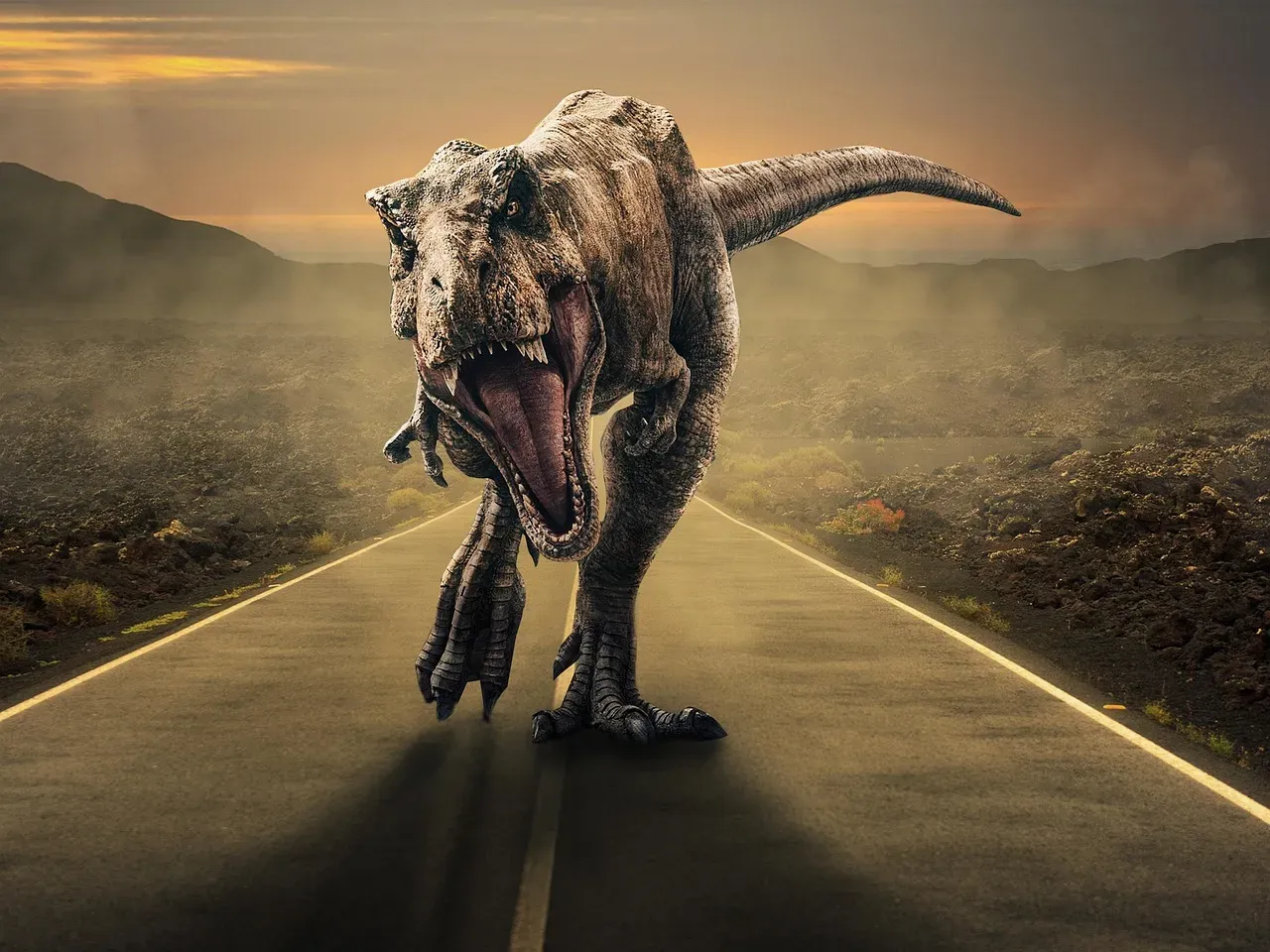
Movies love to show huge theropods like T. rex and Giganotosaurus charging after jeeps at highway speeds, shaking the ground like living freight trains. In reality, an animal that big is locked into some harsh mechanical limits: bones can only withstand so much stress, joints only bend so far, and muscles can only accelerate that much mass before something gives. Studies that model dinosaur limb bones, tendons, and body mass suggest that a full-speed, jeep-chasing T. rex would likely blow out its legs rather than gracefully keep up with vehicles over long distances.
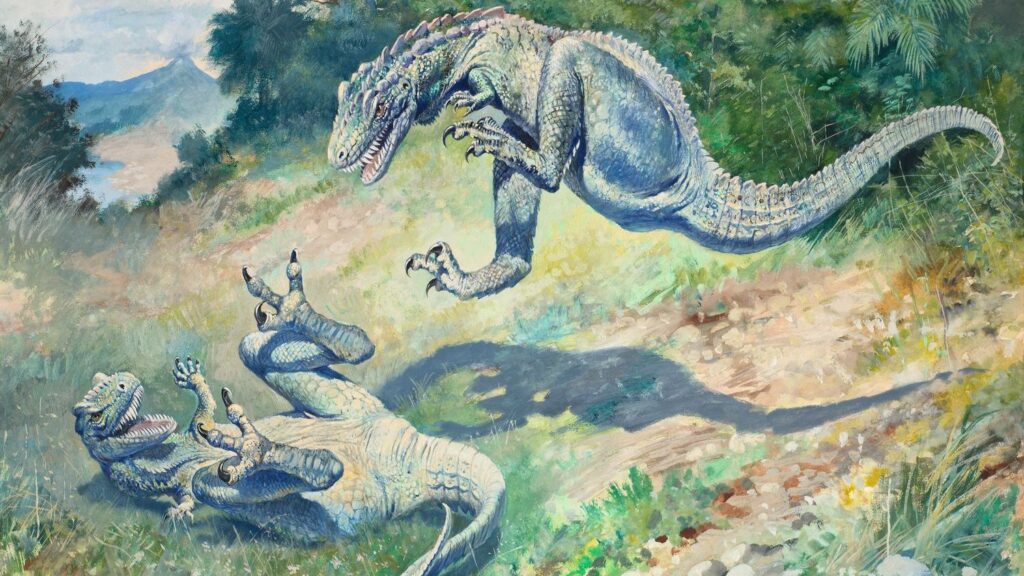
Think about how elephants move in real life: they can move quickly, but they never truly “gallop” the way a horse does, because their size locks them out of that higher-impact gait. A multi-ton predator doing those dramatic jumping turns and full-speed pivots we see on screen would likely strain ligaments, dislocate hips, or snap ankles in one bad step. In a real ecosystem, a single catastrophic leg injury is usually a death sentence for a large predator, which means the first over-the-top chase scene would also be its last.
2. Constant Roaring Would Be a Horrible Survival Strategy
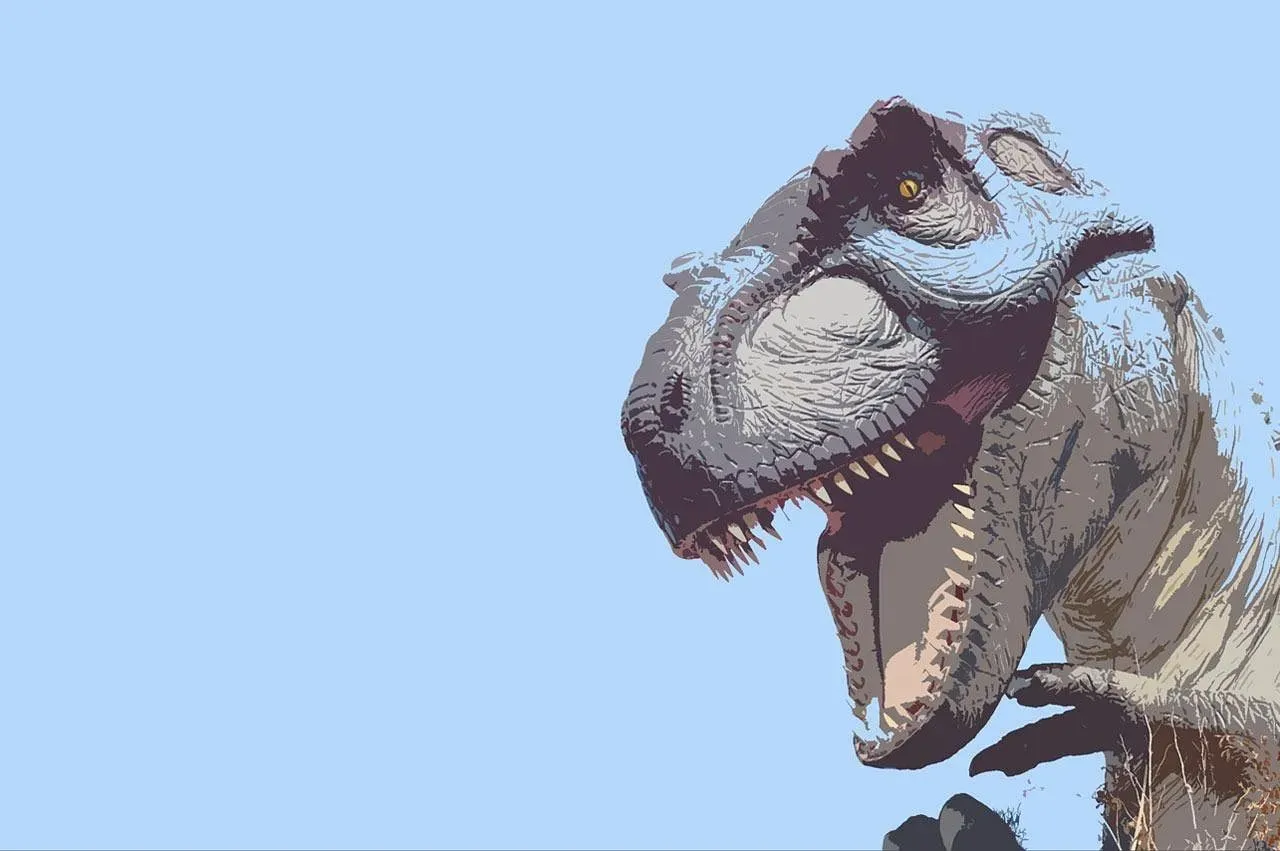
In dinosaur movies, almost every big moment is punctuated by a deafening roar that seems to go on forever. It looks powerful and intimidating, but in nature, calling loudly and constantly has a serious cost. Vocalizing at high volume burns energy and alerts everything nearby to your exact position, including potential competitors and animals you might want to sneak up on. Most large predators today are relatively quiet compared to how they are shown in fiction; they rely more on stealth, ambush, and short, purposeful sounds rather than theatrical, endless bellowing.
There is also the physical strain. Producing huge, low-frequency calls at movie volumes could be possible in principle, but doing it repeatedly in stressful situations would add unnecessary fatigue at the very moment an animal needs to be efficient. The cinematic “I’m going to roar for fifteen seconds while my prey watches in fear” pause would give real prey a chance to escape, regroup, or simply vanish into cover. In real ecosystems, the loudest animals tend to pay a price in predation risk or energy use, and any dinosaur that screamed like a monster every time it appeared on screen would quickly become a beacon for trouble.
3. Dragging Massive Tails Like Whips Would Destroy Their Spines
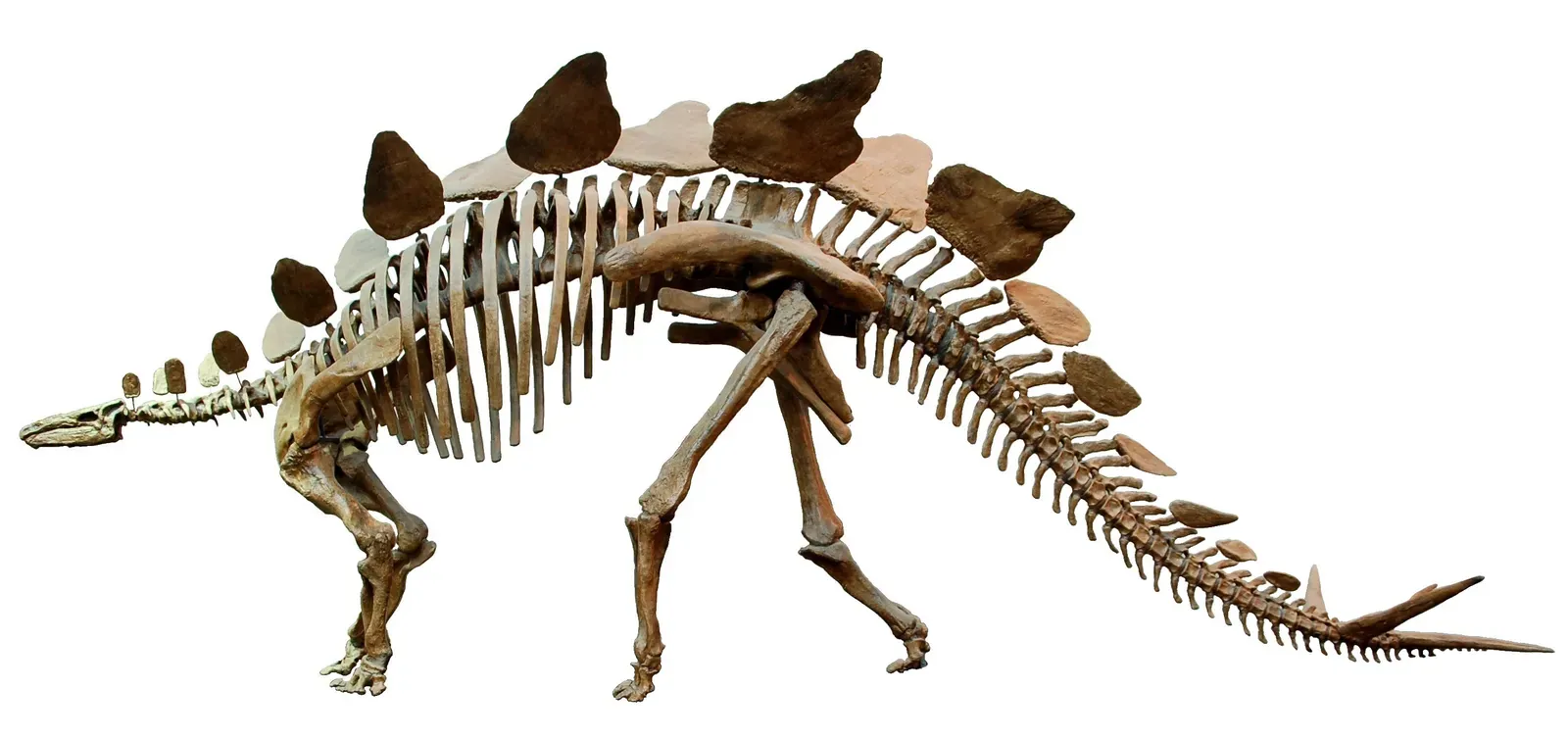
Movie dinosaurs often use their tails like giant clubs or whips, swinging them in huge arcs to smash vehicles, knock down trees, or send other animals flying. Real tails on large dinosaurs were heavy, complex structures full of vertebrae, ligaments, and muscles that had to balance the front of the body. Treating them like hyper-flexible battle maces would put insane forces on those vertebrae, especially at the base where tail meets hips, and could easily result in dislocations, fractures, or chronic damage.
In reality, many big dinosaurs likely used their tails more like counterbalances and stabilizers, not as wild weapons flailing in every direction. The extreme Hollywood moves where an animal spins on a dime, whips its tail sideways, and sends a truck flying would whip huge loads through its own spine at the same time. That kind of move, done repeatedly, is a recipe for herniated joints and compromised movement. Once a large animal loses the integrity of its spine or tail base, simple tasks like walking, hunting, or even breathing efficiently can become nearly impossible, and that is a quick route to an early death.
4. Overheating: Movie Dinosaurs Act Like They Are Immune to Physics
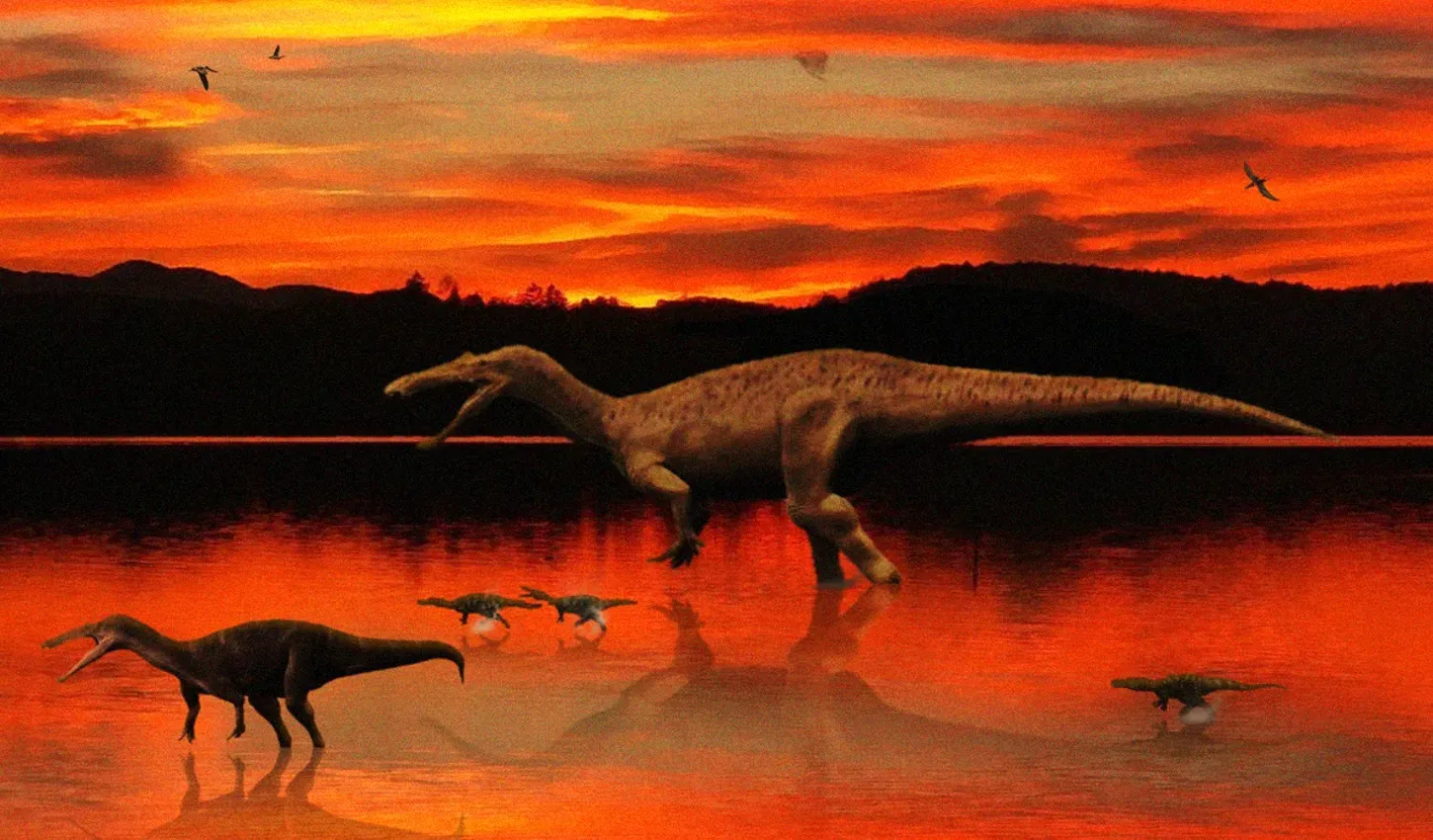
Cinematic predators sprint endlessly under blazing suns, fight multiple long battles in a row, and still look ready for a photoshoot afterward. Real large animals, however, are in a constant tug-of-war with heat. Big bodies generate a lot of internal warmth when muscles are working hard, and shedding that heat is surprisingly difficult, especially for creatures with thick skin, insulation, or limited evaporative cooling abilities. Today’s large animals, from rhinos to elephants, avoid prolonged high-speed chases because they overheat quickly.
Many theropod dinosaurs may have had some form of insulation like simple feathers or filamentous coverings, which could be great for controlling temperature at rest but risky during sustained exertion. The nonstop sprinting scenes would push their core temperatures to dangerous levels in minutes, especially if combined with stress and intense muscular effort. Without generous pauses, shade, water, or behavior geared around temperature management, those cinematic action sequences would realistically end in heatstroke long before they end in a dramatic slow-motion roar.
5. Impossible Leaps, Flips, and Impacts Would Pulverize Joints
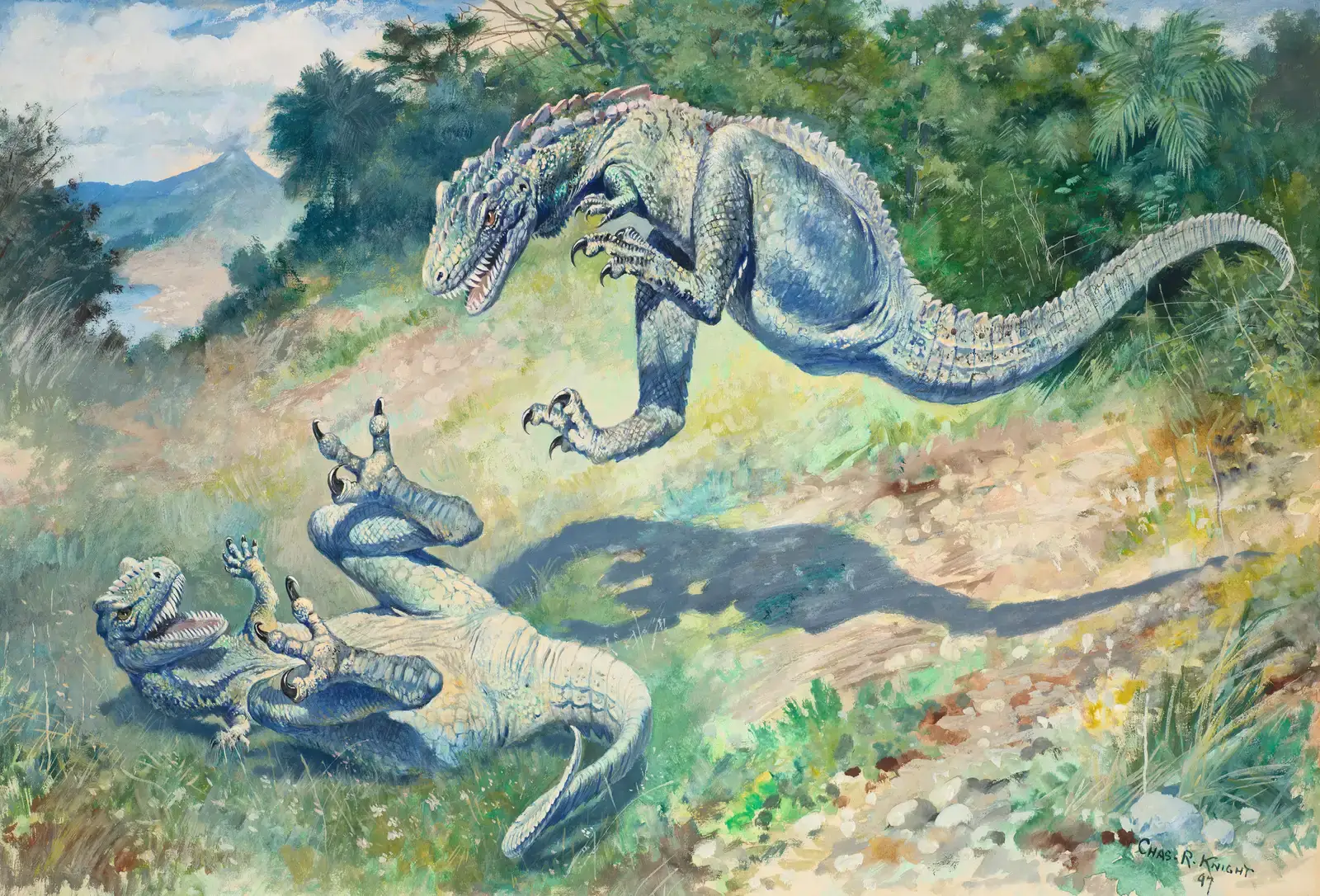
Modern blockbusters love turning dinosaurs into parkour athletes: leaping off rooftops, crashing through glass, falling from extreme heights, and popping up ready to fight again. But bones and cartilage have limits, especially at large body sizes. The force of landing from a big jump goes up drastically with mass, and large terrestrial animals today are built for relatively conservative movements. Even big cats, with their flexible spines and powerful limbs, rarely throw themselves from great heights onto hard surfaces without consequence.
When a multi-ton theropod in a movie drops from a building, slams into the ground, and then immediately sprints off, we are watching something that would probably result in shattered limb bones and crushed joints in the real world. Repeated high-impact movements would chew up cartilage, shorten lifespans, and create chronic injuries that would severely limit hunting success. In nature, a predator that ruins its ankles or knees during a flashy leap does not get a dramatic comeback scene; it gets slower, weaker, more desperate, and then it simply disappears from the ecosystem.
6. Ultra-Dense “Monster” Designs Would Struggle Just to Stand Up
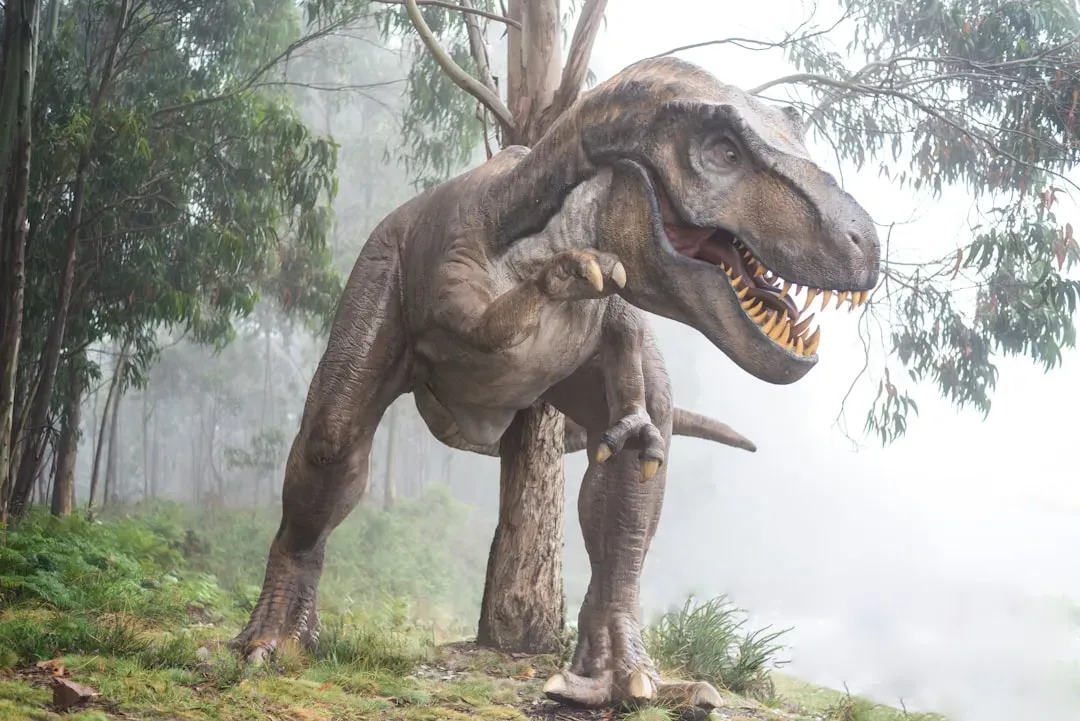
Over time, many movie dinosaurs drift away from what fossils suggest and toward exaggerated, bulked-up “monster” bodies: oversized heads, blocky necks, massively thick limbs, and torsos that look more like armored tanks than balanced animals. This looks intimidating, but biology tends to punish unnecessary mass, especially at the extremities. A skull that is far heavier than what the neck vertebrae and muscles evolved to support would lead to constant strain and higher injury risk just from everyday movement.
Real dinosaur skeletons show a surprising amount of lightness and engineering: air-filled spaces in bones, carefully balanced limb proportions, and shapes that distribute weight efficiently. Many movie versions ignore that and essentially create living statues. If you tried to run those heavy, stylized bodies under realistic physics, even standing up quickly could become a challenge, and a sudden turn or stumble might be disastrous. The result is that these overbuilt creatures might look terrifying on screen but would be clumsy, injury-prone, and short-lived in a real environment, failing long before they got to the third-act showdown.
7. Their Hyper-Aggression Would Burn More Calories Than They Could Replace
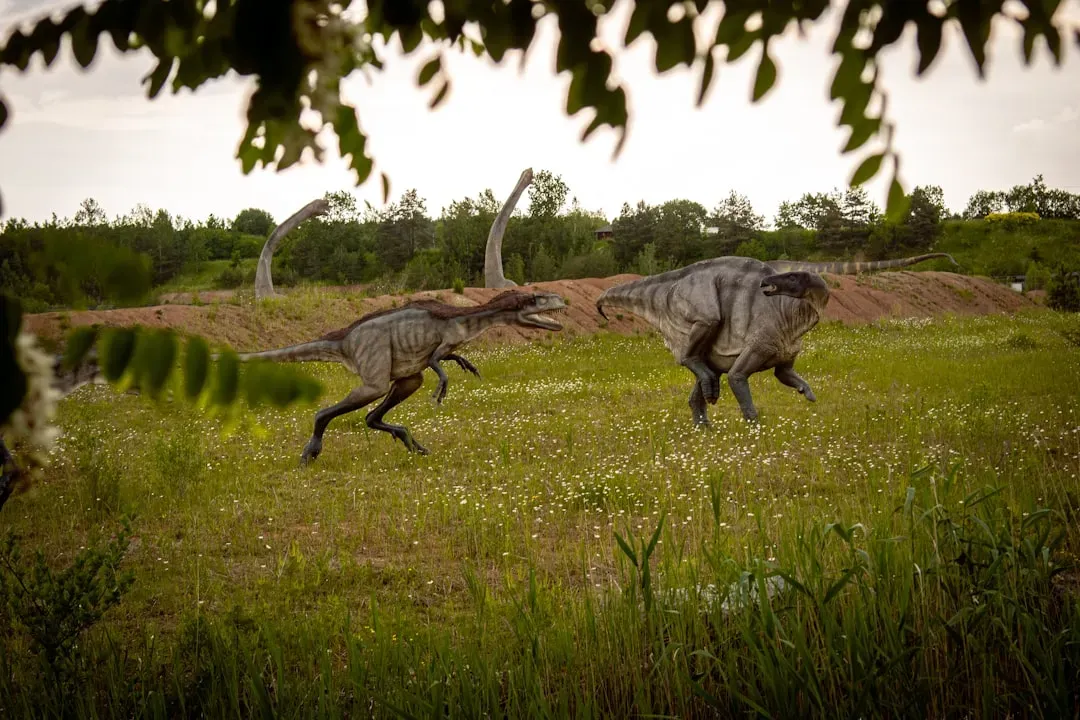
Movie dinosaurs seem to wake up angry, stay angry, and go to bed angrier. They attack everything that moves: vehicles, buildings, each other, and anything that happens to be in the wrong place at the wrong time. In actual ecosystems, that kind of constant, indiscriminate aggression is ruinously expensive. Every chase, every fight, every roar costs energy, and large predators live a razor-thin energy budget even when they are efficient and selective about when to act.
If a real theropod behaved like a cinematic monster, attacking non-prey objects and pursuing every possible conflict, it would burn through its energy reserves in no time. Modern predators conserve effort, resting most of the day and picking their battles carefully, because failed hunts are costly. A dinosaur that wastes precious calories smashing armored trucks or battling other predators for no clear gain would quickly start starving. Over time, natural selection would heavily favor calmer, more strategic individuals, leaving the endlessly raging movie version as an evolutionary dead end.
8. Ignoring Group Dynamics and Social Stress Would Be Fatal

Movies often throw together random assortments of huge predators and herbivores in cramped areas, all roaring and fighting non-stop like a chaotic gladiator arena. Real ecosystems are shaped by territory, social structure, and behavioral rules that reduce constant lethal conflict. Many predators avoid direct encounters with others of the same species unless it is for mating, territory defense, or very specific reasons, because serious fights risk devastating injuries on both sides. If real dinosaurs crammed into tight spaces fought as often and as wildly as they do on screen, whole populations could collapse from injuries and stress.
On top of that, large herd animals and pack-like groups rely on cooperation, hierarchy, and learned behavior to survive. Movies often depict them as mindless, panicked targets or as perfectly obedient background creatures. In reality, crowding multiple stressed, massive animals into unstable settings would lead to stampedes, trampling, and fights within the group, not just against predators. That social chaos would mean higher death rates from accidents, disease, and poor coordination, making it hard for any population to last long enough to reproduce effectively.
9. Movie-Style Genetic Mashups Would Be Biologically Fragile
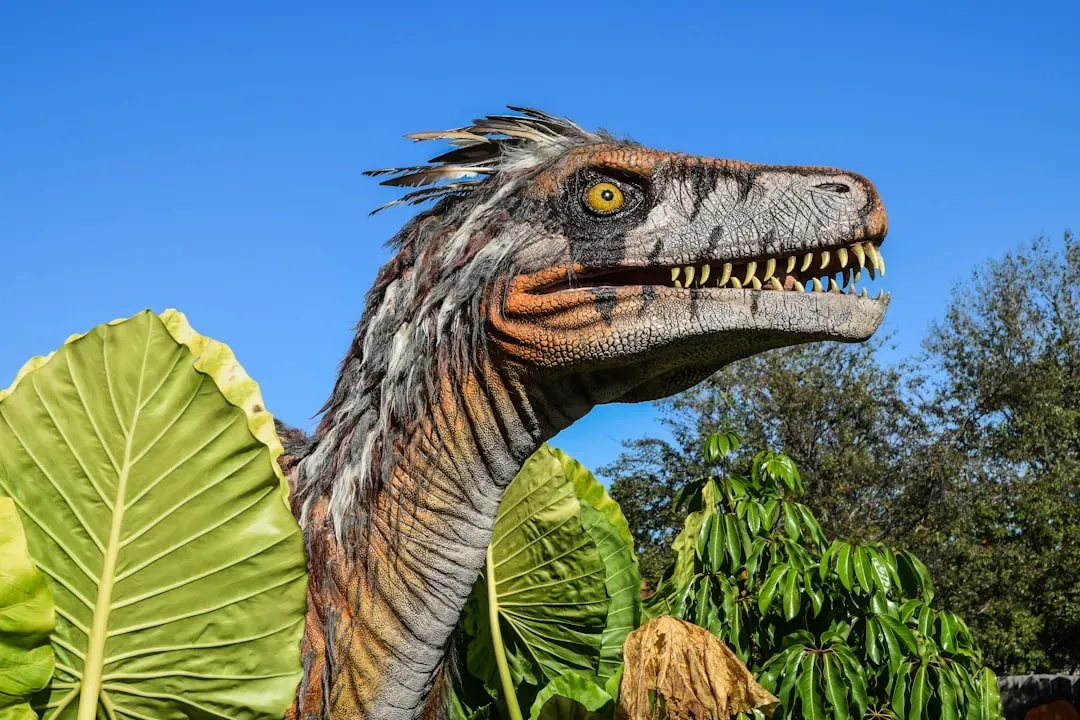
Some films go beyond ordinary dinosaurs and introduce genetically spliced “super-dinosaurs” with traits from multiple species: extra armor, extreme intelligence, chameleon skin, enhanced senses, and more. It sounds fun, but in biology, stacking random traits often comes with hidden trade-offs. Systems that evolved together in one lineage can break or misfire when jammed together with elements from another, especially when metabolism, immune function, or growth are altered. Many real-world genetic changes cause developmental problems or reduced fertility long before they produce anything that looks like a movie monster.
A creature engineered primarily for spectacle – bigger, meaner, stealthier, smarter – would likely have weak points science fiction rarely admits. It might suffer from chronic health issues, difficulty regulating its temperature, unstable behavior, or reproductive failure. There is also the problem of learning: a brand-new hybrid with no ecological history has no inherited playbook for how to hunt, avoid danger, or manage social interactions. Instead of becoming an unstoppable apex predator, it might behave more like a confused, maladapted animal thrown into an environment it does not understand, which is not a recipe for long-term survival.
10. Dropping Them Into Modern Ecosystems Would Be a Death Trap
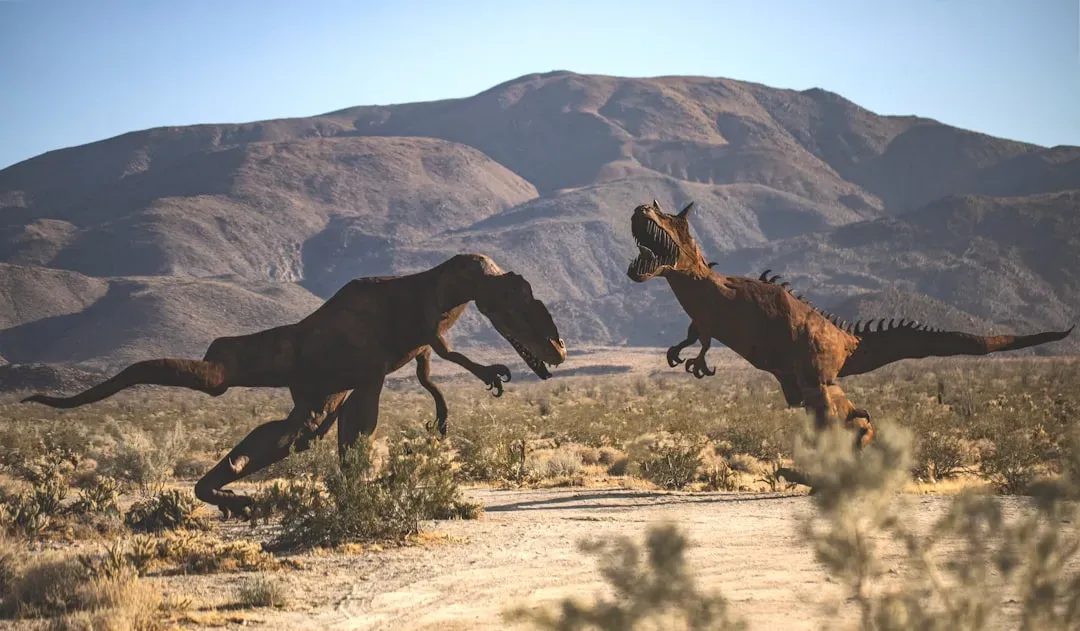
Even if you built a dinosaur that was biomechanically sound and behaviorally realistic, dropping it into the modern world would be brutally unfair. Today’s ecosystems are full of diseases, parasites, and competitors that dinosaurs never evolved to face. A newly created population would have no immunity to current pathogens, just like naive animal populations ravaged by introduced diseases throughout history. Everything from microbes in the soil to insect-borne illnesses could pose serious threats that no amount of teeth and claws can solve.
On top of that, the climate, vegetation, and food webs are different now than during the Mesozoic. Many of the plants they once ate no longer exist in the same form, and the balance of predators and prey has shifted drastically. Real animals are fine-tuned products of their specific time and place, not plug-and-play monsters you can drop into any era. The movie fantasy of a dinosaur striding effortlessly into a modern jungle or city and ruling it like a boss ignores the reality that, in just a few days or weeks, infection, malnutrition, or simple ecological mismatch could quietly finish the job that no hero ever needed to start.
Conclusion: The Real Dinosaurs Deserve More Respect Than Their Movie Versions
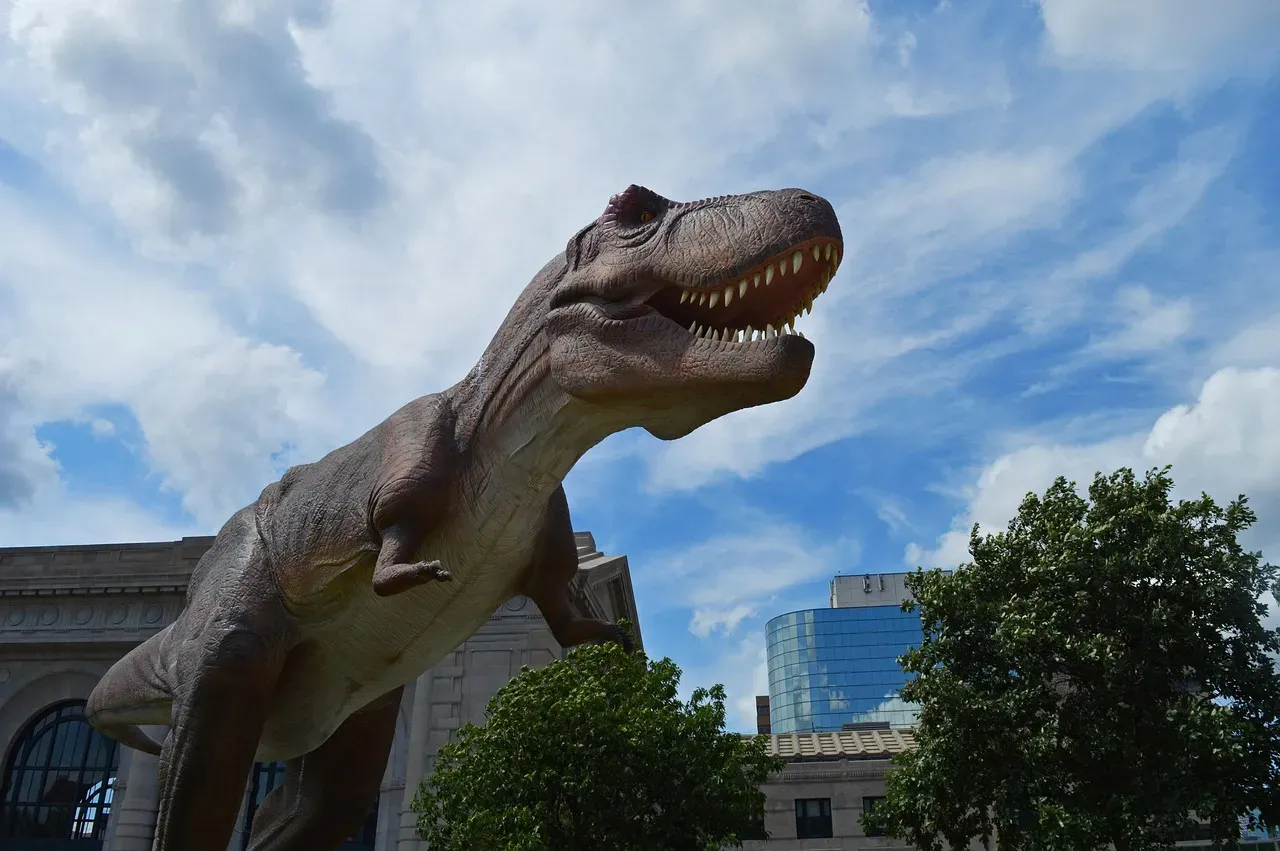
When you line it all up – the impossible sprinting, the endless roaring, the acrobatic impacts, the monster-level body designs, the chaotic social scenes, and the reckless genetic experiments – you start to see a pattern. Movie dinosaurs are built for drama, not survival. They violate basic rules of biomechanics, energy balance, thermoregulation, and ecology so often that, if they were somehow made real on those terms, many would be dead or crippled long before the credits rolled. From an evolutionary point of view, they are less apex predators and more short-lived special effects with a pulse.
What makes this even more interesting is that the real animals, as science understands them, were probably far more impressive in their own way: balanced, efficient, successful for tens of millions of years. They did not need to roar every ten seconds or jump off buildings to be extraordinary; they simply had to survive, reproduce, and adapt, over and over again. Personally, I find that quieter, evidence-based story far more awe-inspiring than any over-the-top chase scene. Maybe the real question is not whether movie dinosaurs could survive in real life, but whether our movie habits are ready to evolve – did you expect that the scientifically accurate version might actually be the more epic one?