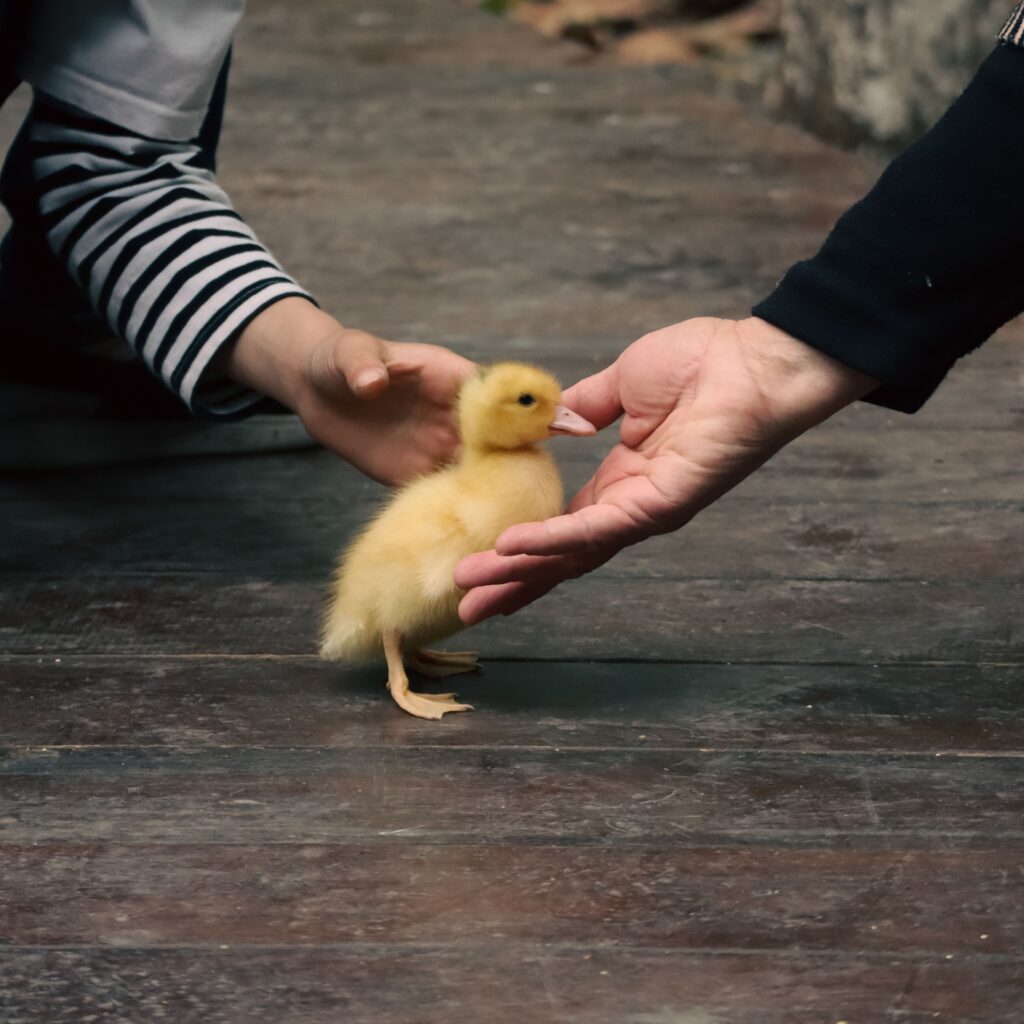
Think about the last time you saw a baby animal online. Maybe it was a fluffy puppy with oversized paws, a tiny duckling waddling behind its siblings, or a wide‑eyed baby owl looking permanently surprised. You probably felt a little rush of warmth, an almost physical urge to protect it or at least stare at it for a few extra seconds. That reaction is not random, and it is definitely not trivial. It’s your ancient wiring kicking in, doing exactly what evolution shaped it to do.
What’s wild is that this response does not stop at our own species. The same neural machinery that makes human parents fall in love with their newborns gets fired up when we see large eyes, round faces, and clumsy movements in animals that are not even remotely related to us. In a sense, evolution built a “cute detector” into our brains, and it is surprisingly easy to hack. Once you see how deep this goes – from brain chemistry to social media trends – you’ll never look at a baby panda video the same way again.
The science of cute: how baby features hijack our brains
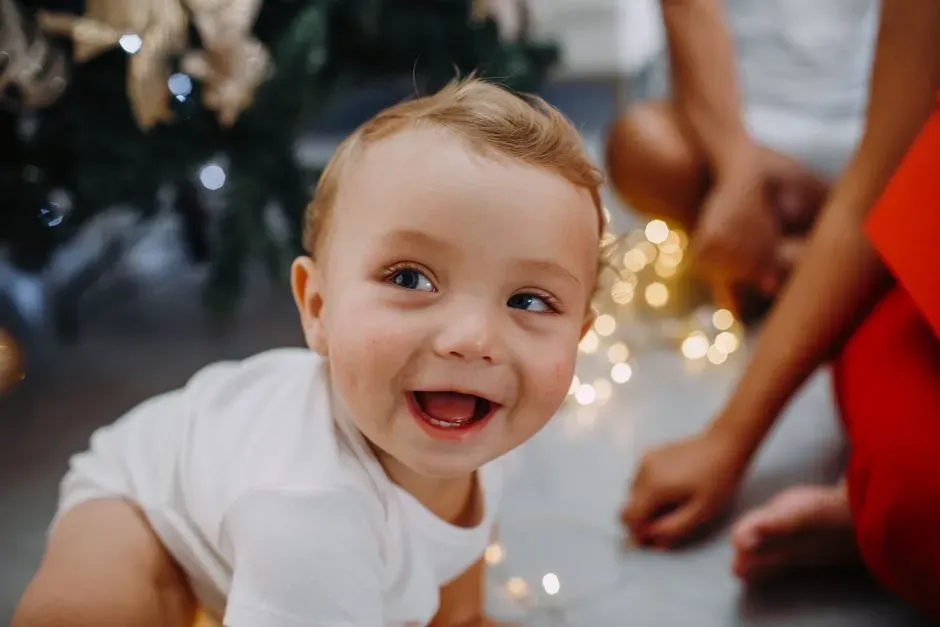
At the core of this story is a pattern scientists call the baby schema: a cluster of features like relatively large eyes, a big rounded forehead, soft contours, and a small nose and mouth. These traits show up in human infants, but they also appear in baby animals and even in many of the cartoon characters and mascots we grow up with. Our brains seem to treat these features as an urgent visual signal that basically says, “This is fragile, this is important, pay attention.” It is not a conscious choice; it’s a reflex baked in over countless generations.
When we look at these baby‑like features, parts of the brain involved in reward, attention, and caregiving flip on, almost like someone pressed a bright red button. Regions tied to motivation and emotional salience light up, nudging us toward gentle behavior, protection, and even a rush of affection. That warm “aww” feeling is not just emotional fluff; it is a neurobiological response that guided our ancestors to care for slow‑developing, vulnerable infants. Evolution rewarded the people whose brains lit up at the sight of baby faces by making them more likely to keep their offspring alive.
From survival strategy to emotional reflex: why evolution built this system
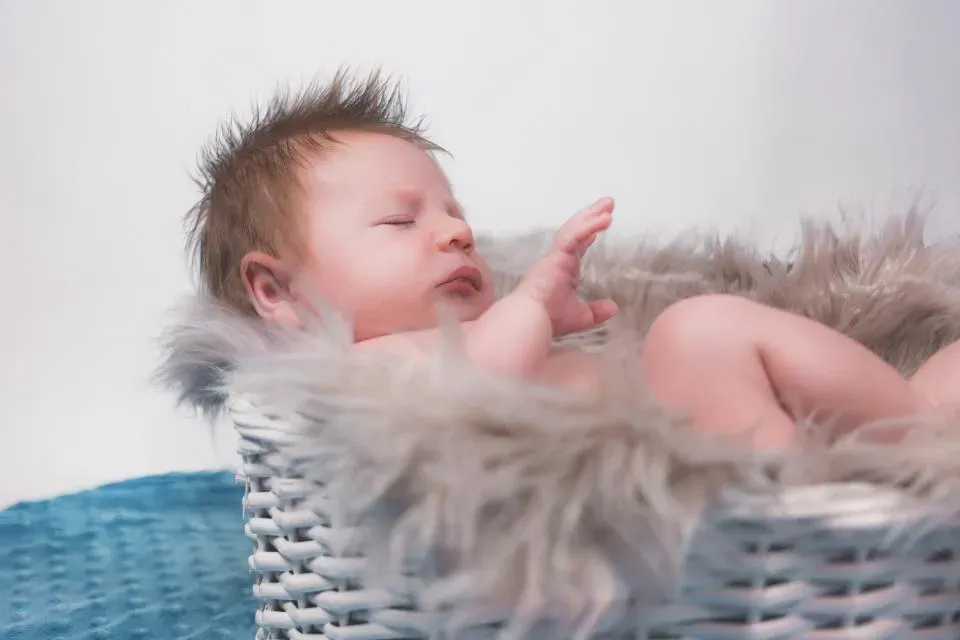
Human babies are born astonishingly helpless compared to most other mammals. They cannot walk, feed themselves, or escape danger for a long time, which means any hesitation or indifference from adults could easily be fatal. Over time, individuals whose brains strongly responded to infant cues – crying, soft skin, chubby cheeks, big eyes – were more likely to care, protect, and invest. That extra care meant their genes, and their infants’ genes, had a better shot at showing up in the next generation.
So what we now call “cuteness” started as a brutally practical survival mechanism. The emotional warmth, the urge to protect, even the softening of our behavior in the presence of a baby are all side effects of an evolutionary bargain: care intensely now, or risk your lineage disappearing. Those who felt that pull more strongly tended to be more successful at raising children. It is not that evolution “wanted” us to find things adorable; it is that individuals who did were more likely to have descendants sitting here analyzing why baby goats break the internet.
Same wiring, different species: why kittens, puppies, and pandas feel like family
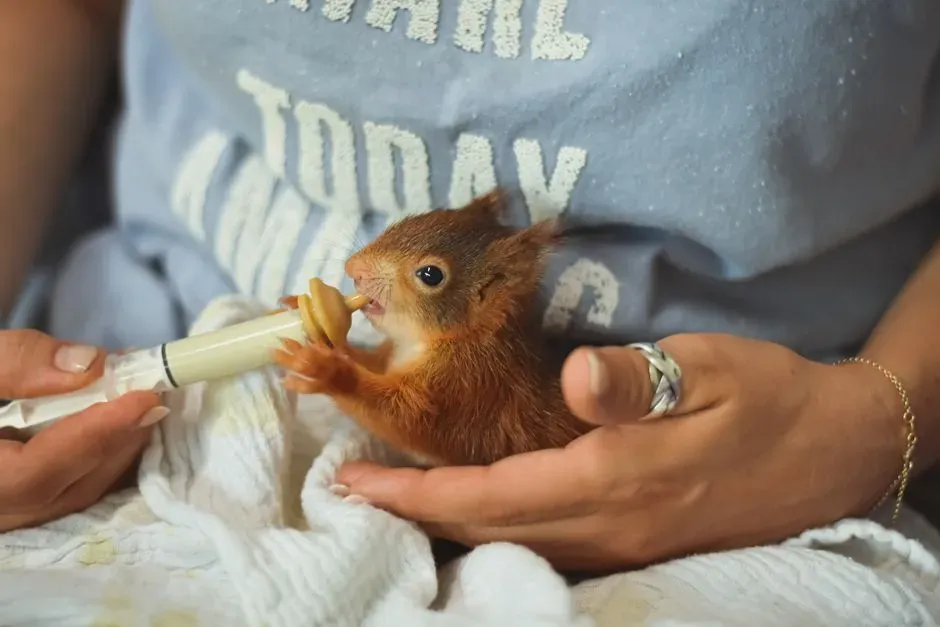
The fascinating twist is that our brain’s response is not surgically precise. It is tuned to patterns, not species membership. Kittens, puppies, lion cubs, and even baby owls exhibit many of the same infant traits we are wired to notice: big eyes relative to their head, rounded body shapes, clumsy movement, and soft, fuzzy textures. To the brain, those cues are close enough. It reacts with a similar wave of attention, affection, and protective instinct, even though we intellectually know this baby animal is not part of our family.
This “generalization” across species might look inefficient, but it is perfectly normal for a biological system. Our brain is a master of shortcuts: if something looks enough like an infant, it is better – evolutionarily speaking – to overreact with care than to underreact and miss a real baby in need. I’ve felt that myself holding a new puppy for the first time; the feeling is remarkably similar to cradling a human baby, even though a completely different species is involved. The fact that we can feel that bond so quickly is proof of how wide the net of this ancient caregiving circuitry is cast.
Inside the caregiving brain: hormones, reward, and the “aww” response
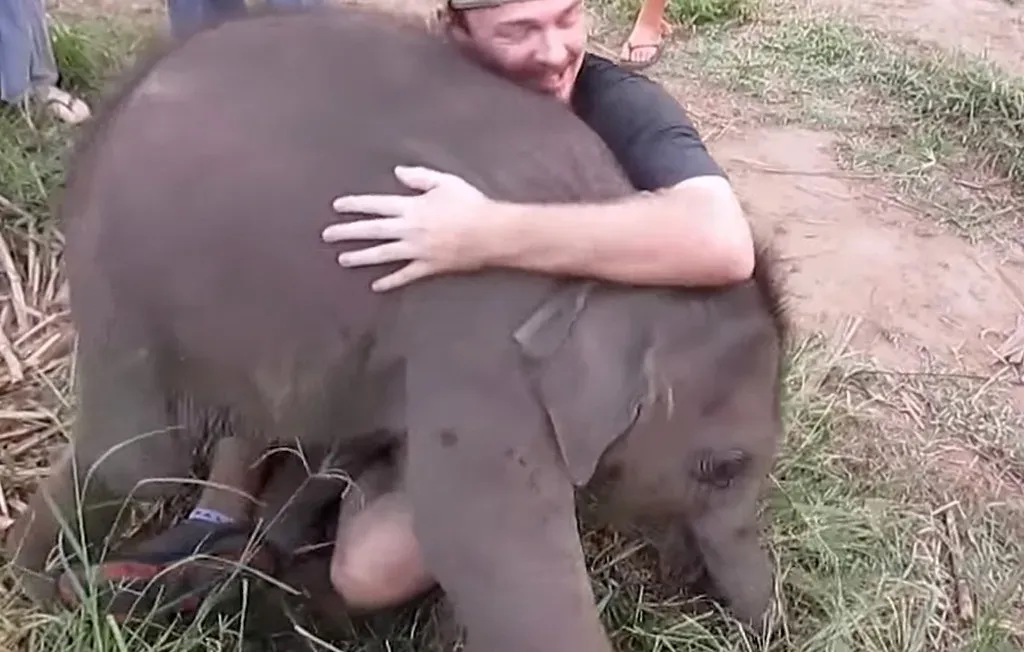
When we look at a baby face or watch a wobbly animal take its first steps, our emotional response is backed by concrete chemistry. Hormones associated with bonding and caregiving tend to rise in adults interacting with infants, whether through touch, eye contact, or even images. Brain regions related to reward and motivation fire up, reinforcing the behavior and making us more likely to keep engaging, soothing, or protecting. It is not just psychological; it is bodily, down to the level of neurochemicals and circulation.
Some researchers have found that even brief exposure to baby faces can sharpen attention and change reaction times in adults, as if the brain is temporarily re‑prioritizing anything associated with infant care. That heightened sensitivity is like an internal alarm system set to “gentle mode.” Instead of panic, it gives us tenderness and vigilance. This also explains why a simple video of a baby animal stumbling around can completely shift our mood; the same reward circuitry that responds to food or social approval gets activated by cuteness, giving us a small but noticeable hit of feel‑good energy.
How culture supercharges cuteness: media, marketing, and design
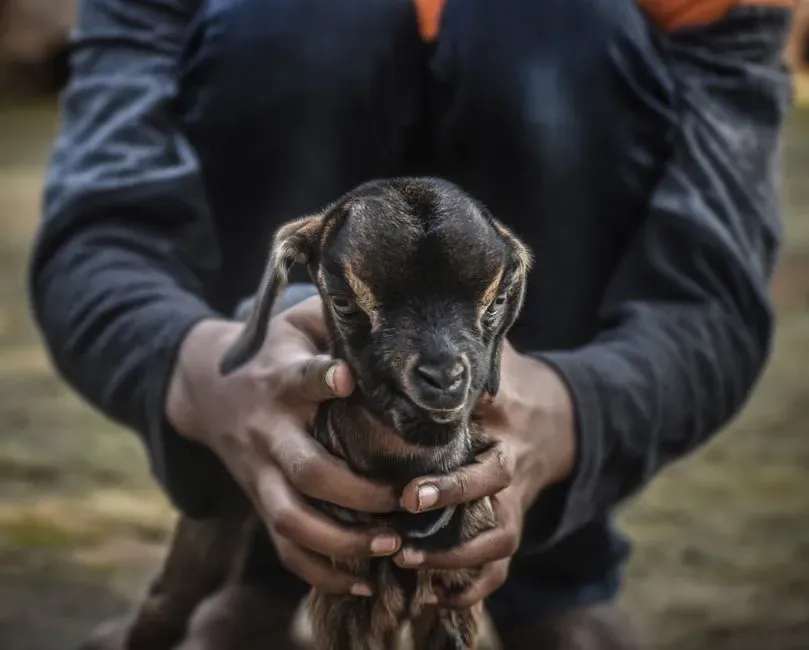
Once humans stumbled onto the fact that certain shapes and proportions trigger strong positive emotions, culture and commerce wasted no time building on it. Cartoon characters often have big round heads, huge eyes, and tiny mouths. Mascots are soft and rounded rather than sharp and angular. Even user interface icons and emojis lean toward simplified, baby‑like features that feel safe and disarming. We may not consciously think, “This button looks like a baby,” but our neural hardware recognizes the pattern and softens its response.
Brands and creators lean into this because it works. A soft‑featured animal on a package, a wide‑eyed character on a poster, or a babyish filter on social media taps into the same primal circuitry that bonds parents to infants. You see it with pet advertising, gaming avatars, and even some car designs that emphasize rounded headlights and a sort of “face.” Trends online amplify this: the more we share cute content, the more platforms learn that cute equals engagement, feeding us an endless loop of baby animals that we rarely get tired of. In a way, our shared evolutionary bias has quietly become a cultural algorithm.
Are we being manipulated by cute? The ethical gray zone
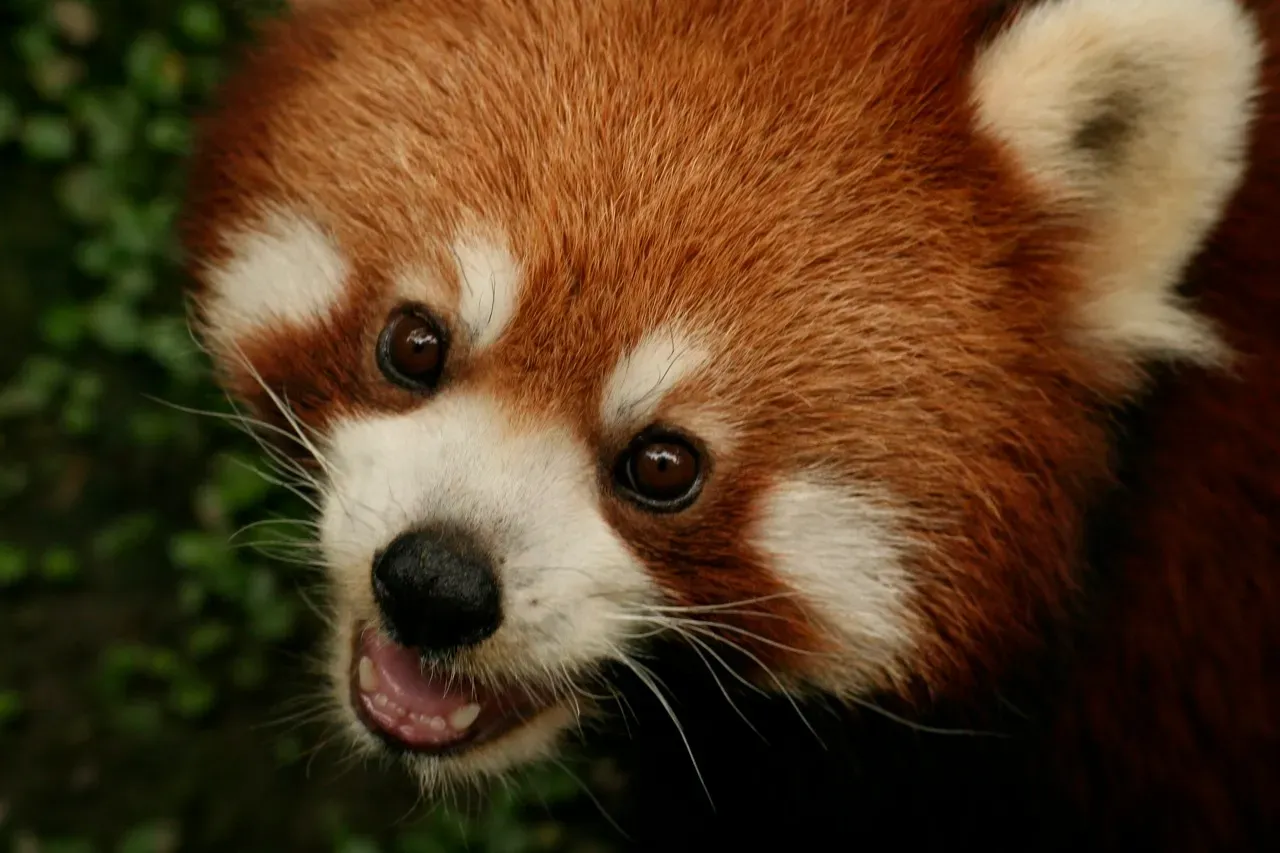
There is something slightly unsettling about realizing that our deepest caregiving instincts can be tugged on by marketers, algorithms, and even political campaigns. When cuteness is used to sell products, shift attention, or soften criticism, it walks a fine line between harmless fun and subtle manipulation. A baby animal mascot can make almost anything feel more trustworthy or harmless, even when the product or cause behind it deserves serious scrutiny. Our emotional guard drops faster than our rational analysis can catch up.
At the same time, blaming cuteness entirely misses the point. Our vulnerability to baby‑like features is part of what makes us capable of deep care and long‑term nurturing in the first place. Without that sensitivity, human societies would likely be much harsher and less protective of the vulnerable. The issue is not that this system exists, but that we often treat it as invisible, as if our reactions are purely free choices rather than partly automatic responses. In my view, the ethical move is not to reject cuteness, but to recognize it as a powerful lever and pay attention to who is pulling it – and why.
Cuteness and our changing relationship with animals
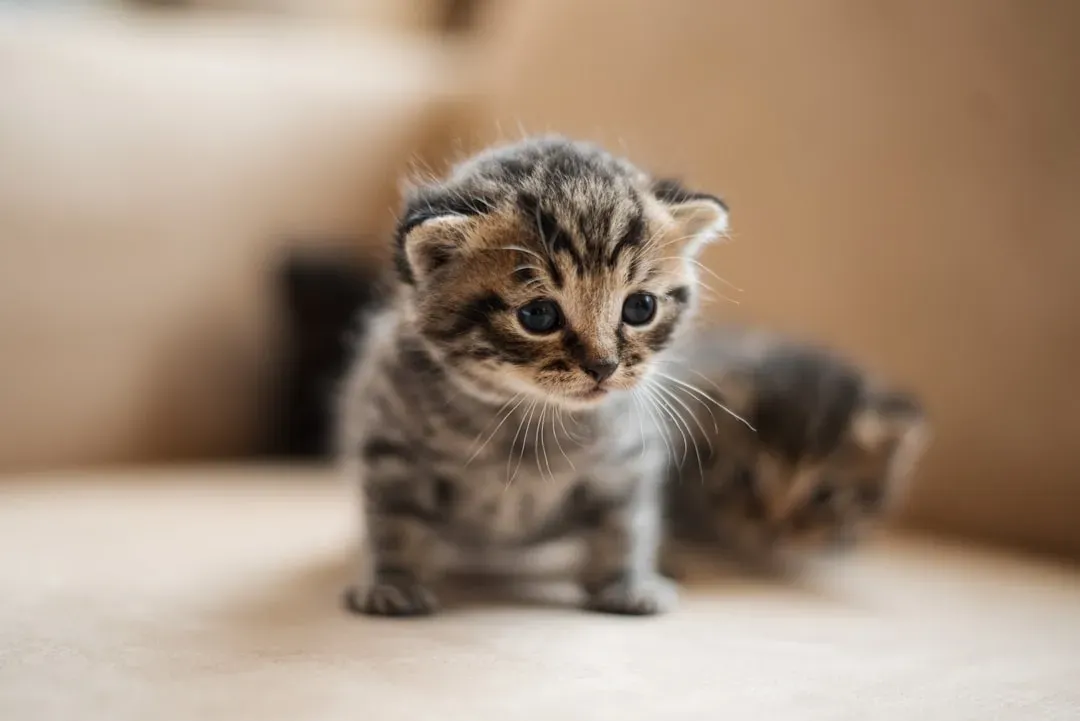
Our sensitivity to baby‑like animal features has reshaped how we relate to other species, especially in urban and digital life. Many people who have never seen a wild animal up close still feel deep emotional attachment to particular species because of how they are presented as adorable. Think of how widely people care about pandas, koalas, or sea otters compared to less “cute” creatures like certain insects or reptiles. This emotional bias can influence which animals attract donations, protective laws, and viral campaigns.
There is a bittersweet side to this. On one hand, finding baby animals irresistible can motivate rescue efforts, foster empathy, and push societies toward more compassionate treatment of other species. On the other hand, it can create a skewed conservation landscape where visually appealing animals receive a disproportionate share of attention, while ecologically crucial but less cute species are overlooked. Our neural wiring does not care about ecosystem dynamics; it just cares about big eyes and soft curves. If we are serious about environmental responsibility, we have to consciously push beyond what our instincts instantly reward.
When cute backfires: exotic pets, overbreeding, and unrealistic expectations
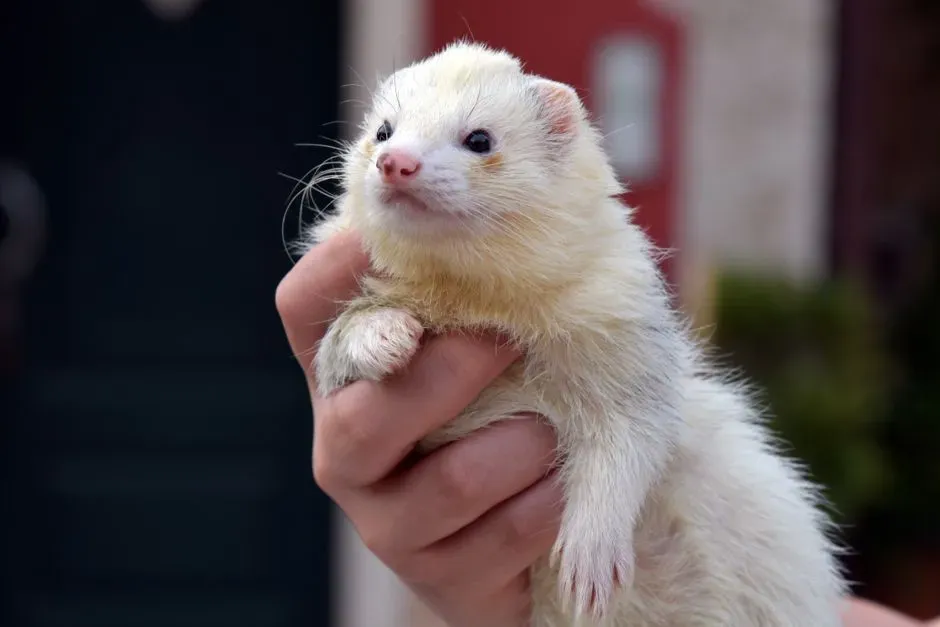
The same mechanisms that make us melt at a video of a baby tiger can push people toward questionable choices in the real world. Some individuals, swept up in the emotional surge of cuteness, seek out exotic pets or designer breeds without fully understanding their needs or long‑term health. Animals with exaggerated baby‑like traits – such as extremely flat faces or oversized heads – can suffer from chronic breathing, joint, or eye issues, even as their appearances continue to be marketed as adorable. Our preference for “more cute” can unintentionally translate into more suffering.
There is also the risk of treating living beings like props for our emotional gratification. When we only interact with animals through curated, cute snapshots, we can forget that they grow, age, have complex needs, and do not exist solely to trigger our dopamine. Real caregiving is messier and less photogenic than a fifteen‑second clip. In my opinion, the most responsible stance is to enjoy the warm rush that cuteness brings while being brutally honest about the consequences of our choices: Are we supporting practices that prioritize appearance over welfare, or are we letting our empathy guide us toward more sustainable, humane relationships with other species?
What our love of baby animals really says about us
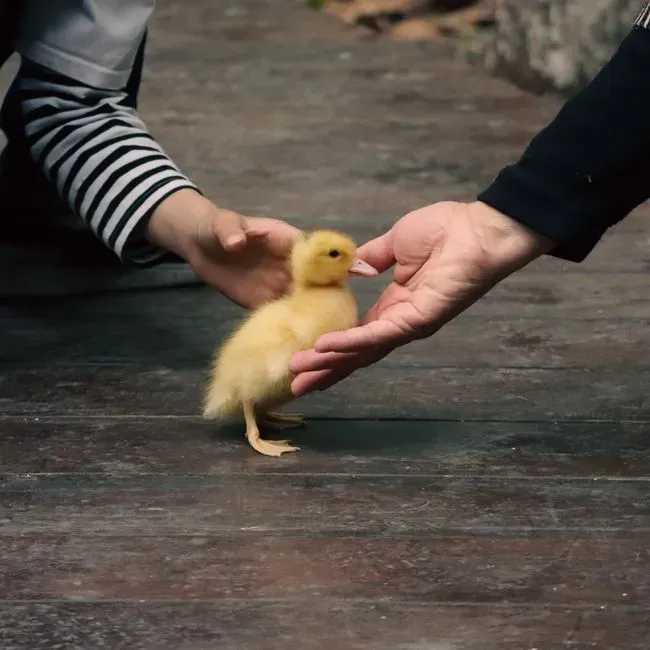
At the end of the day, our intense response to baby animals is not a shallow quirk; it is a mirror reflecting something profound about human nature. The fact that a completely different species can tap into the same neural response that bonds us to our own children shows just how expansive our capacity for care can be. Our brains do not check passports or family trees before flipping the caregiving switch; they respond to vulnerability, softness, and need. That is a surprisingly generous default for a species that often prides itself on being rational and tough‑minded.
Still, I think we should be honest: this instinct is both beautiful and biased. It can open our hearts to other creatures, but it can also distract us, mislead us, and be gamed by anyone who knows how to package big eyes and round faces. My own view is that we should not fight our love of cuteness; we should refine it. Let the baby animals pull you in, feel the warmth, and enjoy the ridiculous power of a tiny nose and oversized eyes. Then ask the harder question: How can we take that automatic, evolution‑built tenderness and extend it, deliberately, to beings and problems that are not instantly adorable? Did you expect something as simple as “aww” to be carrying that much evolutionary weight?