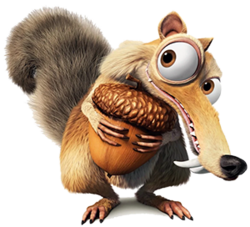
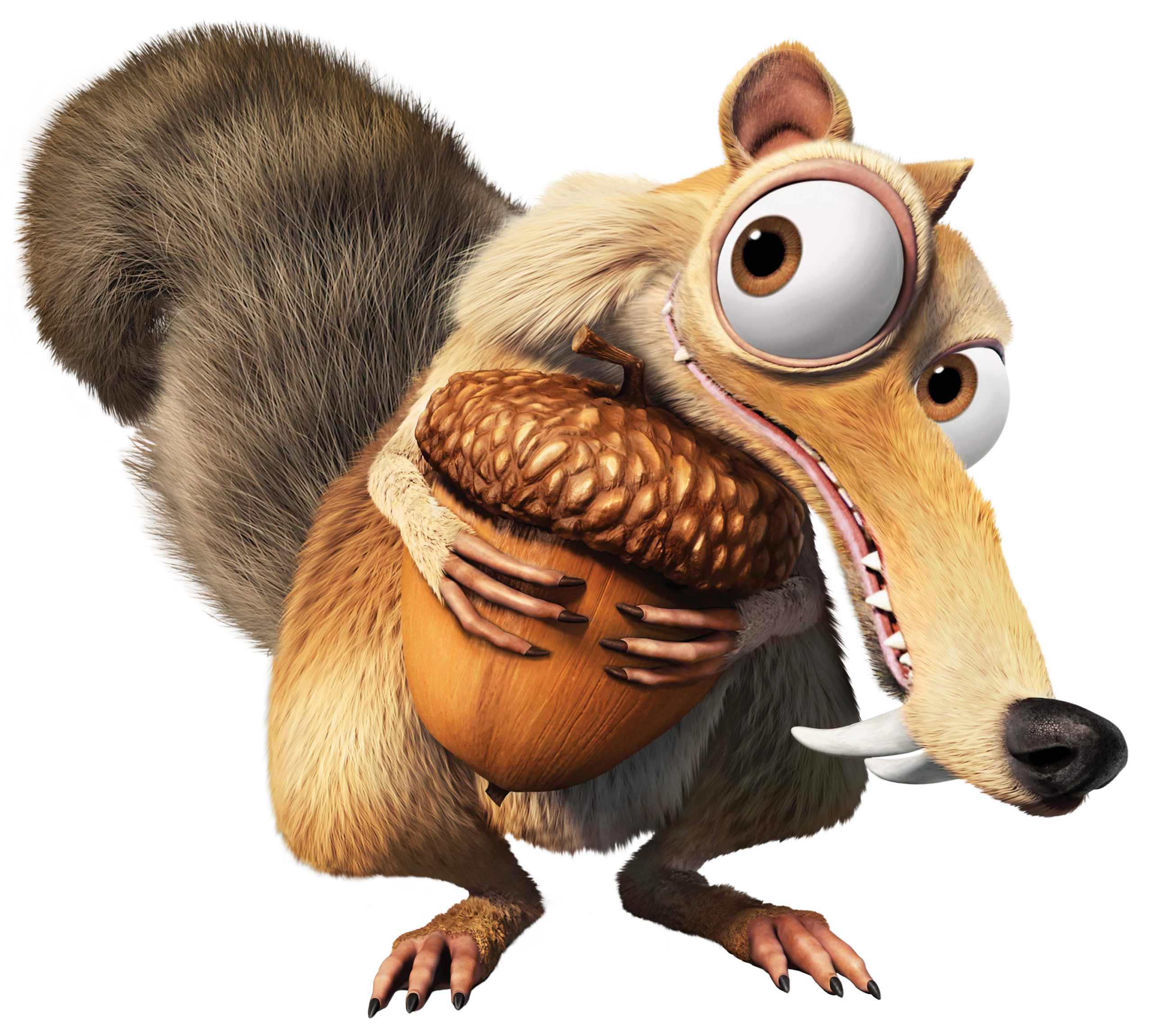
If you have ever watched Scrat from the Ice Age movies hurl himself off a cliff, crack a continent, or literally split the planet in half just to grab one stubborn acorn, you probably felt two things at once: hysterical laughter and a strange sense of secondhand exhaustion. There is something uncomfortably familiar about watching a small, frantic creature sacrifice everything for something that never quite works out. It is slapstick on the surface, but under that comedy sits a question that hits a little too close to home: how much of our own lives look like Scrat sprinting after that nut?
Here is where it gets funnier and more unsettling: psychologists and behavioral scientists have actually used Scrat and his acorn as a handy pop‑culture reference to explain obsession, sunk costs, and irrational persistence. Of course, nobody is publishing peer‑reviewed papers about a cartoon squirrel wrecking a glacier, but the logic behind his behavior is pulled straight from real research on how creatures – humans included – chase rewards long after it stops making sense. When you put Scrat side by side with some of history’s most famously pointless pursuits, from doomed engineering projects to unwinnable wars, his furry little catastrophe suddenly looks like a surprisingly accurate mirror.
The science of never letting go: obsession, reward, and Scrat’s brain
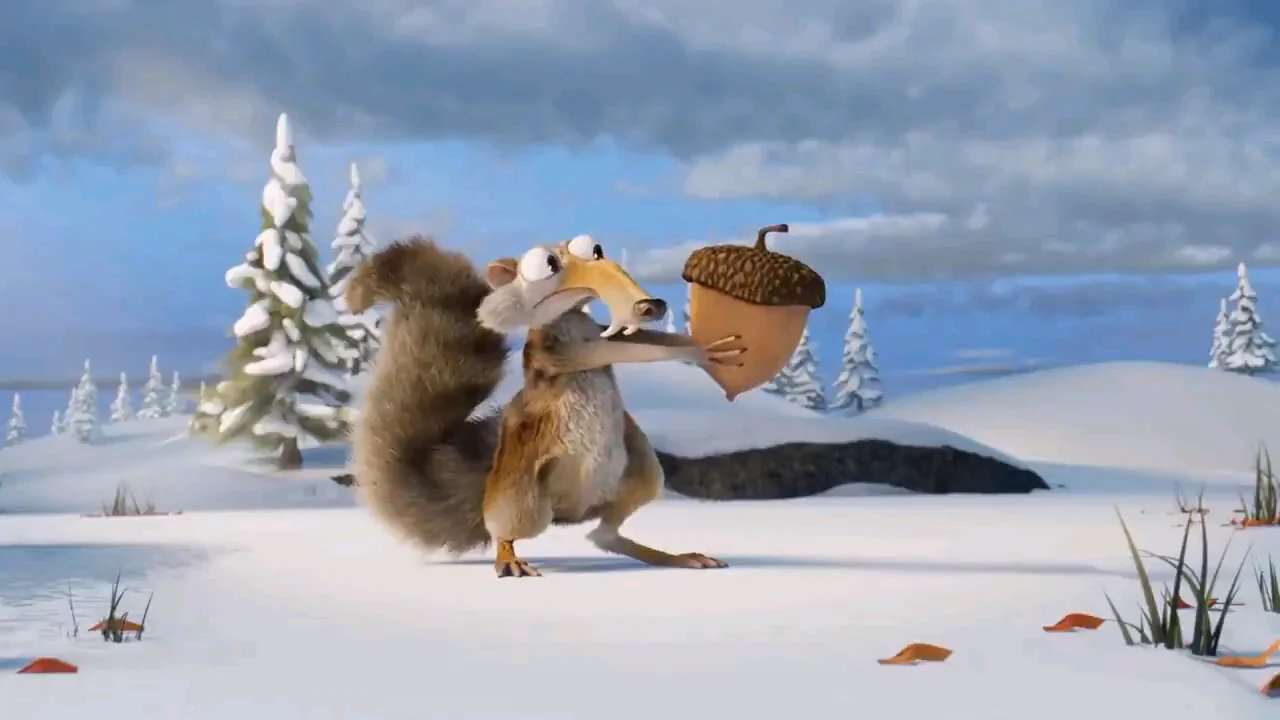
Imagine pausing an Ice Age scene, zooming in on Scrat’s brain, and overlaying a diagram from a neuroscience textbook. What looks like cartoon chaos can be described in very serious terms: reward circuitry, dopamine release, conditioned responding, and reinforcement schedules. In basic neuroscience, when a creature repeatedly gets a reward after a specific behavior, the brain wires itself to expect that payoff, and that anticipation becomes pleasurable in its own right. Even more strangely, intermittent or unpredictable rewards tend to drive the strongest, most persistent behavior, because the uncertainty keeps the brain hooked.
Scrat is practically a walking illustration of this: every so often he does get the acorn, even if only for a second before gravity, ice, or some improbable disaster rips it away again. That flicker of success is enough to keep his internal reward systems locked on the goal, strengthening the loop: chase acorn, almost get it, suffer mayhem, repeat. In psychology, this kind of persistence can be adaptive – think of humans training for years for a marathon or learning a difficult skill – but the same mechanism slides into obsession when the cost wildly outweighs the benefit. Scrat does not appear to eat the acorn, store it for winter, or gain any survival advantage; it is pure compulsion dressed up as a snack, which is precisely what makes scientists point to him as a strangely accurate exaggeration of our own irrational drives.
When pursuit becomes pointless: sunk cost fallacy in cartoon form
One of the most infamous mental traps studied in behavioral economics is the sunk cost fallacy: the tendency to keep investing in a failing project simply because you have already poured time, money, or effort into it. Logically, only future costs and benefits should matter, but emotionally, walking away feels like admitting defeat and wasting everything you have already paid. Governments have dragged out wars, companies have funded doomed technologies, and individuals have stayed in bad jobs or relationships because their past investment quietly distorts their judgment about the future.
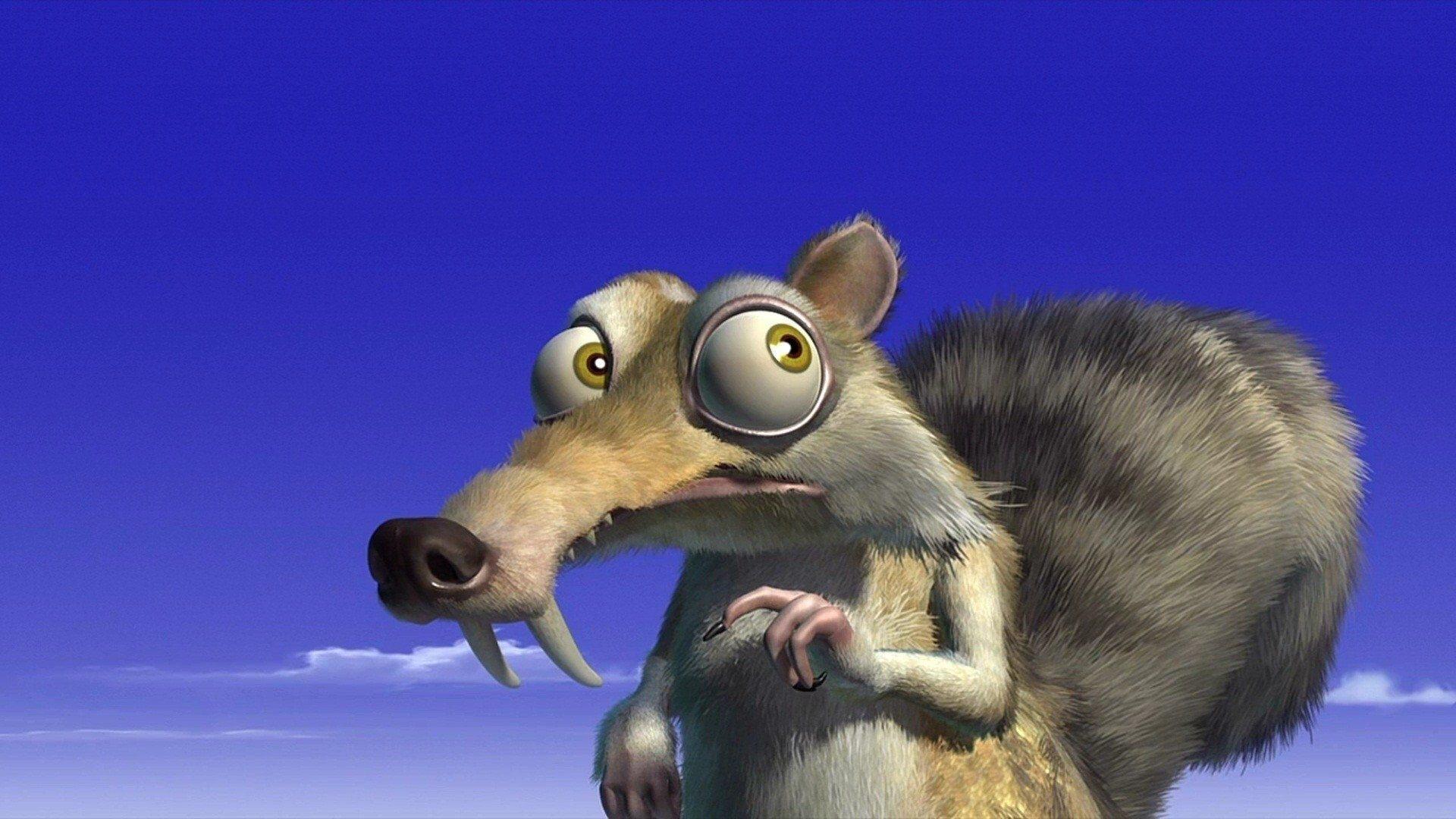
Scrat is the sunk cost fallacy with buck teeth and a twitchy eye. By any rational survival metric, he should have abandoned that acorn the first time it almost destroyed an entire glacier system. Instead, every disaster seems to double down his determination, as if the scale of the destruction somehow justifies going even further to make it all “worth it.” This is exactly how humans talk themselves into throwing yet more resources after bad ones: after years of work or billions already spent, pulling the plug feels unthinkable. Scientists and philosophers use exaggerated fictional examples like Scrat precisely because the absurdity makes the pattern easier to see, and once you see it in a cartoon, it becomes painfully visible in boardrooms, parliaments, and personal lives.
Futile by design: how evolution tolerates irrational behavior
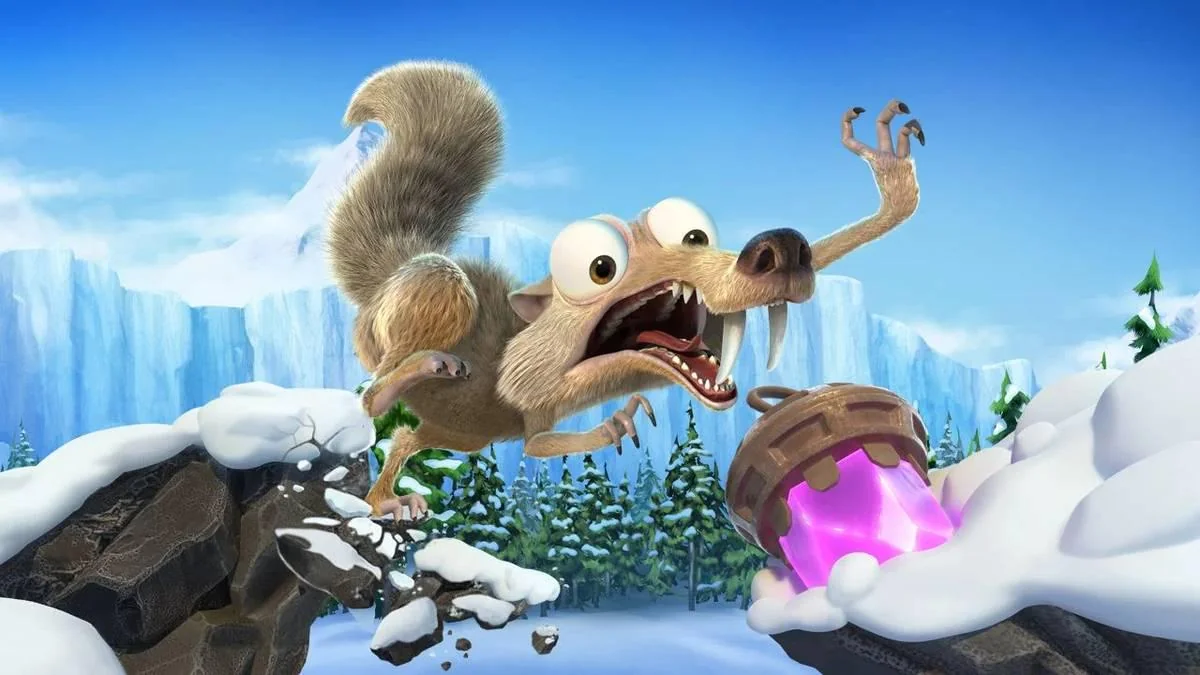
On the surface, Scrat’s saga looks like a failure of evolution – no real animal could afford to expend that much energy for so little payoff. In reality, biologists point out that evolution shapes systems that work well enough most of the time, not perfectly in every situation. Traits that are normally beneficial can misfire under unusual or exaggerated conditions. Persistence, strong focus on high‑value food, and willingness to take risks can all be advantageous in harsh environments, even if they occasionally lead to spectacularly bad calls.
Humans show a similar pattern: our brains evolved under conditions where food, security, and allies were scarce and unpredictable, so it made sense to cling to goals, remember rewards intensely, and overreact to potential gains or losses. In the modern world, those same tendencies are plugged into social media, gambling apps, financial markets, and long‑term political projects that can stretch for decades. Scrat’s world compresses that into slapstick seconds: a creature with survival instincts tuned for scarcity dropped into physics‑breaking chaos. Scientists who study evolutionary mismatches – where our old wiring clashes with new environments – often point to exaggerated fictional cases because they distill the core idea: you can have a brain that is “good enough” on average and still behaves in utterly futile ways in extreme situations.
History’s grand Scrat projects: wars, megaprojects, and doomed quests
If you zoom out from Scrat scrambling across ice and instead look at human history, you start seeing entire civilizations playing out similar storylines on a colossal scale. Ambitious wars launched with confident promises of quick victory have dragged on for years, sometimes for generations, long after the original goals became unachievable or even irrelevant. Economists and historians have examined campaigns where leaders continued sending people and resources into unwinnable conflicts largely because withdrawal felt like politically fatal admission of failure. The logic behind continuing often sounds eerily similar to Scrat’s wordless determination: we have already gone this far, so we cannot stop now.
Beyond warfare, history is filled with gigantic engineering projects and grand visions that consumed lifetimes and fortunes with little enduring payoff. Some canals were dug that never became major trade routes, some monumental buildings were started and never finished, and some national prestige projects were continued mainly to save face. When scientists and historians rank human endeavors by futility, they often focus less on whether the idea was bold and more on whether leaders were able to stop when reality clearly shifted. Against that backdrop, Scrat’s acorn chase does not just look like a private quirk; it reads like a miniature parody of emperors, corporations, and technocrats all sprinting after their own metaphorical nuts while everything cracks beneath their feet.
The psychology of tiny wins: why Scrat keeps us laughing instead of crying
There is a reason Scrat is funny rather than purely tragic, and that has a lot to do with how humans process failure and near‑misses. Psychologists studying gambling and video game design have found that “almost wins” can be more emotionally activating than either clear success or clear failure. Coming close to a goal can energize people to try again, giving them the sense that they are learning or improving, even when the odds are not actually changing in their favor. This effect is strong enough that entire industries quietly lean on it to keep people playing, watching, and spending.
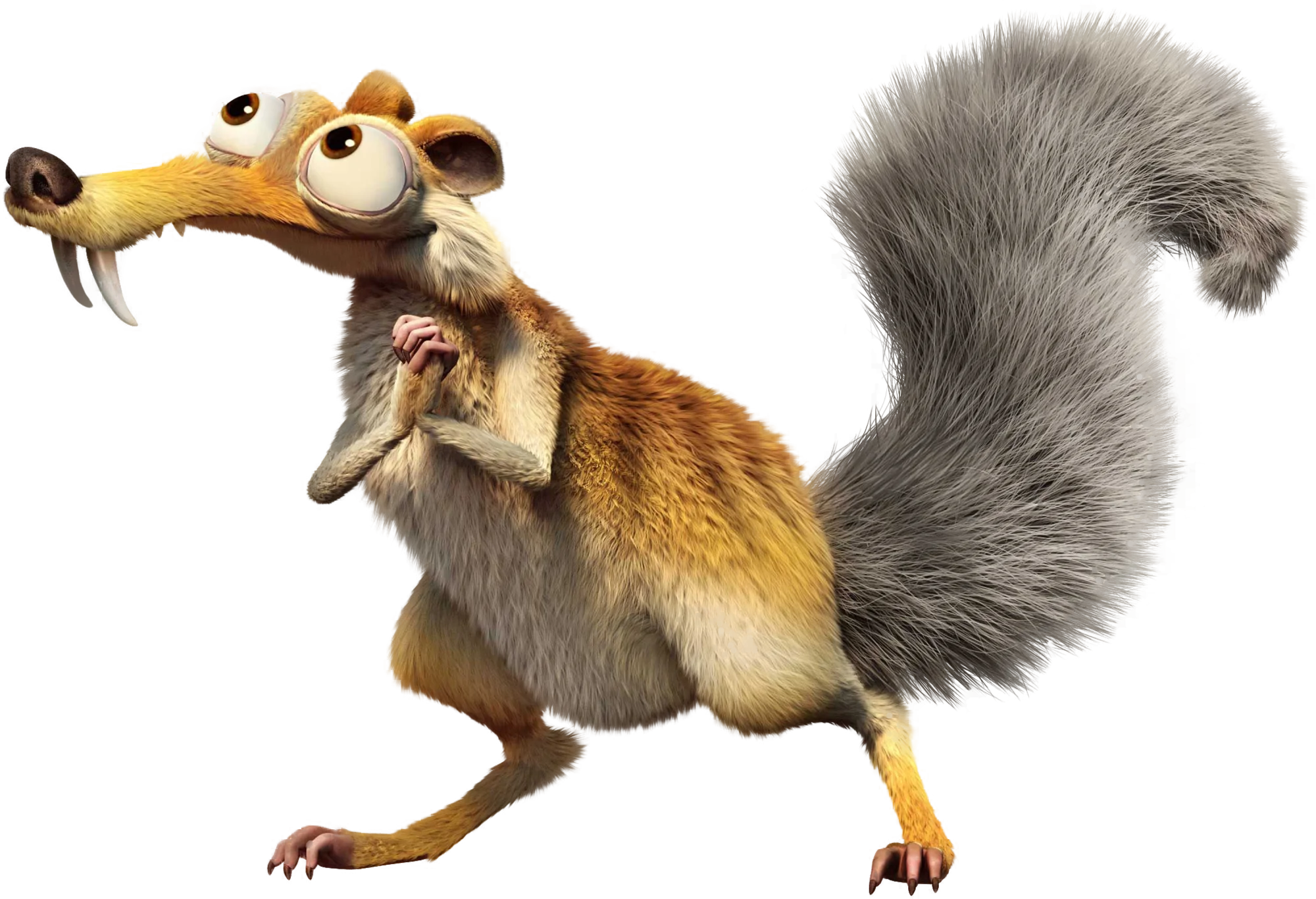
Scrat lives in a permanent near‑win state: his paws brush the acorn, his eyes light up, and for half a second he has everything he wants before the universe yanks it away again. We recognize that emotional whiplash in smaller ways when we miss a promotion, lose a game in overtime, or watch a risky investment almost pay off. Scientists interested in resilience and humor suggest that laughing at exaggerated versions of our own self‑defeating patterns can be a kind of emotional pressure valve. By turning relentless, futile effort into a running gag, Scrat lets us look at the darker side of our own persistence without sinking into despair, and that may be one of the reasons he has stayed culturally relevant far longer than anyone expected from a side character chasing a single nut.
So is Scrat truly among history’s most futile obsessives?
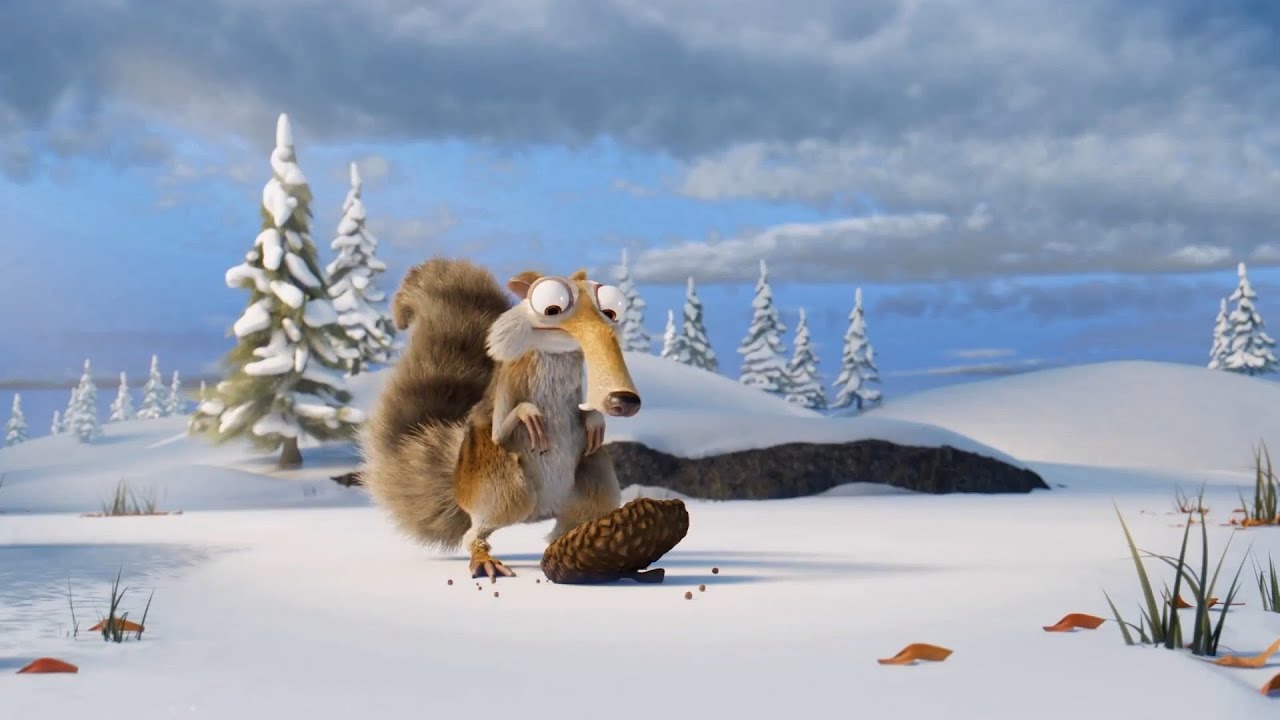
Measured in purely practical terms, Scrat’s acorn quest is an all‑time disaster: no shelter secured, no food stored, massive collateral damage inflicted on the planet, and no evidence he ever actually enjoys his prize. Yet that is exactly what makes his fictional obsession such a useful yardstick for ranking real‑world futility. When scientists and commentators casually compare certain policies, corporate gambles, or historical crusades to Scrat and his acorn, they are not being flippant for the sake of it; they are quietly making a sharp point about effort completely severed from outcome. If your project starts to look like Scrat’s chase when viewed from the outside, that is a red flag you should not ignore.
My own view is blunt: Scrat earns his place on the shortlist of history’s most futile endeavors precisely because he is so pure and uncorrected in his obsession. Real people and institutions usually have at least some feedback loops, advisors, or constraints that eventually force a change of course, however messy and late. Scrat has none of that, and the Ice Age universe itself bends so that his fixation never truly ends. The uncomfortable lesson is that futility is not measured only by failure, but by the refusal to update in the face of overwhelming evidence. The next time you find yourself clinging to a plan, a project, or a dream that repeatedly blows up your emotional landscape, it might be worth asking: am I chasing a meaningful future, or am I just another Scrat with a different acorn?