
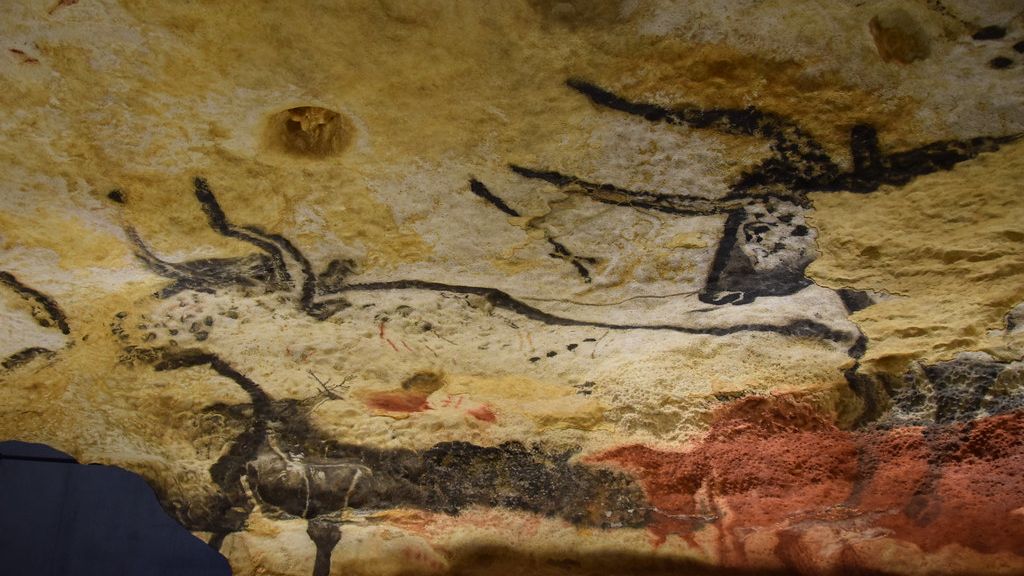
If you picture “caveman art” as wobbly stick figures and crude outlines, Lascaux will knock that idea flat. Hidden under a French hillside, the paintings in this cave are more than twenty thousand years old, yet they’re so confident, fluid, and visually clever that some modern artists quietly admit they would struggle to match them. Walking (or today, mostly imagining walking) through Lascaux feels less like visiting the distant past and more like stumbling into an underground cathedral of images that still hum with life.
What makes Lascaux genuinely unsettling is not just its age, but its sophistication. The people who painted these walls had no metal tools, no written language, no “art schools” and no museums. Still, they pulled off shading, perspective tricks, careful color choices, and large-scale compositions that hold together across twisting, irregular rock surfaces. That gap between what we assume about “primitive” humans and what the cave actually shows is exactly what keeps art historians slightly off balance and, frankly, fascinated.
A Cathedral of Animals Deep Underground
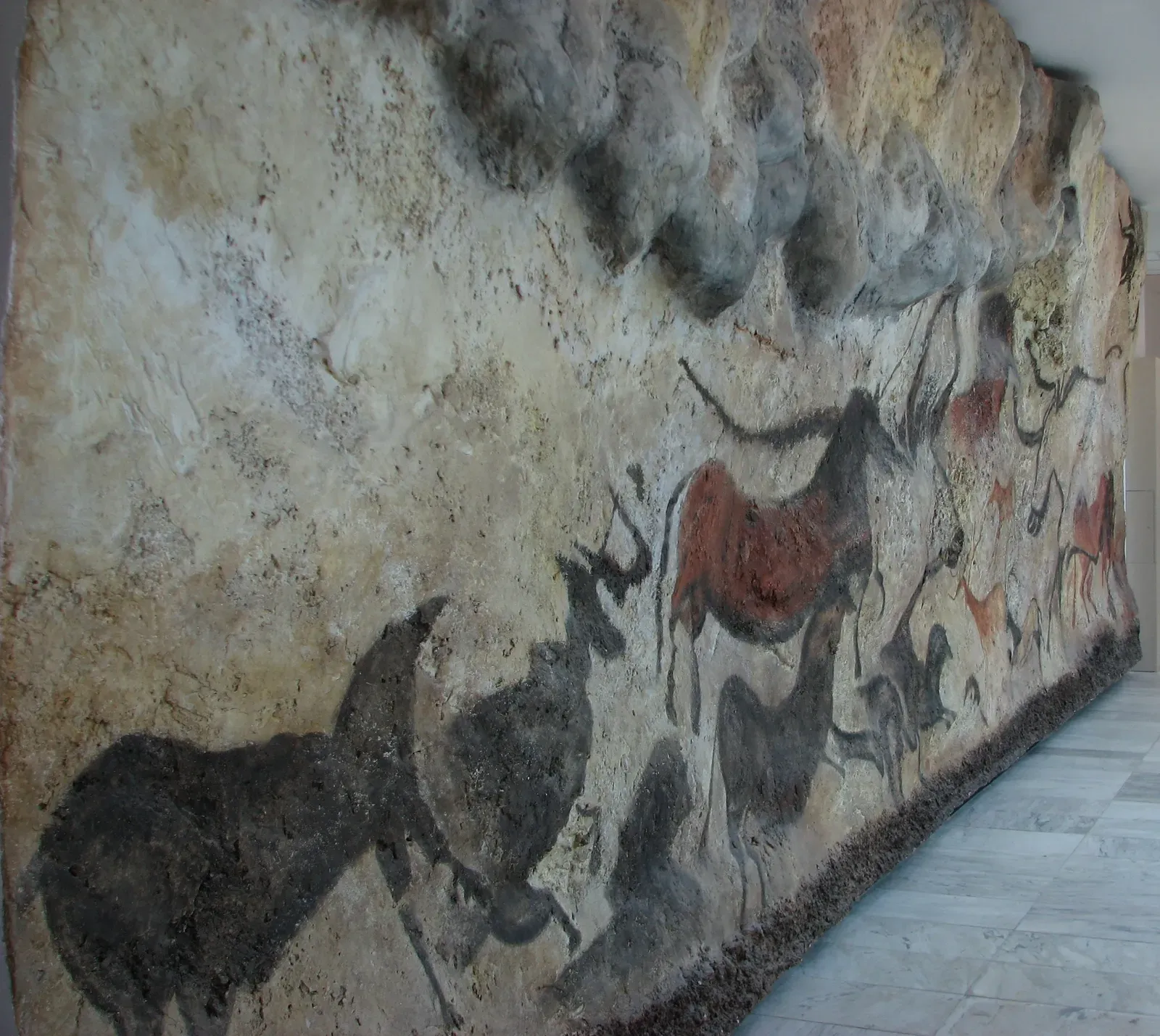
One of the first shocks about Lascaux is the scale. This is not a few doodles on a nice flat wall; it’s a sprawling complex with more than six hundred painted and drawn animals and roughly a thousand engraved figures spread through multiple chambers and galleries. Many scenes are huge: the famous Hall of the Bulls includes figures that stretch several meters long, bending across curved rock like they’re built into the stone. Even before you dig into the details, you can tell you’re in the presence of a serious, intentional visual program, not some casual pastime.
Then there’s the setting. The best paintings are not near the entrance where daylight reaches, but deep inside, where prehistoric people had to carry lamps, scaffolding, pigments, and tools, then work in cramped or awkward positions. This is effort on the scale of a modern mural project, except inside a dark, humid cave with smoke from fat lamps drifting around. That level of logistical commitment feels downright obsessive, and it strongly suggests that whatever they were doing down there mattered a lot more than just passing the time.
Dating a Masterpiece: Older, Younger, or Something in Between?
Here’s where things get messy, even for specialists: pinning down exactly when Lascaux’s paintings were made is still a live debate. The art is usually associated with the Upper Paleolithic, specifically the early Magdalenian period, and for decades the standard shorthand was that the paintings were around seventeen thousand years old. As radiocarbon methods improved and calibrations were updated, some researchers have argued that the activity around Lascaux stretches closer to around twenty thousand years ago. In other words, we’re looking at people who lived during the last Ice Age, long before agriculture or cities.
But unlike some other famous caves, Lascaux’s main pigments are mineral-based iron and manganese oxides, which do not contain carbon. That makes directly dating the paint itself extremely difficult, and specialists have to rely on associated charcoal, bone remains, and stylistic comparisons to other sites. Recent work has started to pick up more tiny traces of carbon and to refine the timeline for the wider region, but even now art historians hedge their language. The fact that this showpiece of prehistoric art still resists precise dating underlines how far it sits outside the neat categories we usually like to impose on art history.
Techniques That Feel Almost “Modern”
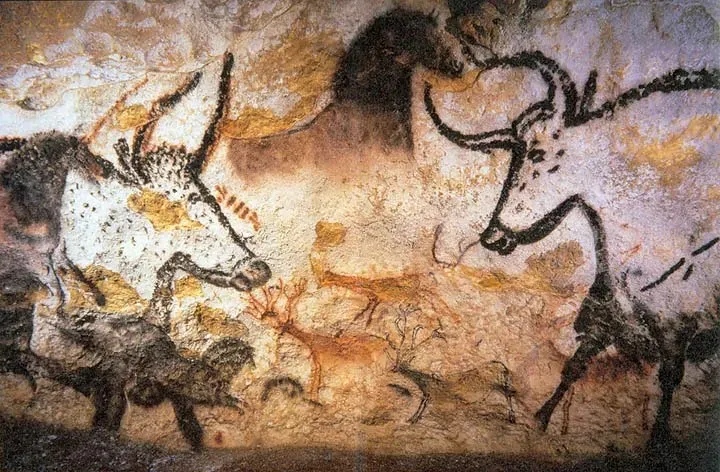
If you stripped Lascaux’s imagery off the rock and dropped it into a twentieth‑century art gallery, a lot of people would assume they were looking at bold, modern animal studies. The painters used an impressive tool kit: fingers, charcoal sticks, pads of moss or hair, and what amounts to prehistoric spray guns made from hollow bones. They crushed mineral pigments like ochres and manganese oxides, sometimes mixing them with water or animal fat into a kind of paint, and sometimes spraying dry powders onto the walls. The result is a range of blacks, reds, and yellows that, even today, still read as distinct tones under the cave lighting.
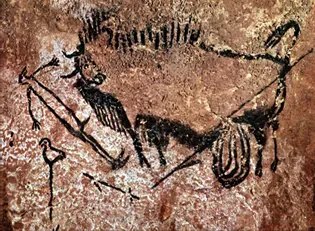
On top of that, they seem to have experimented with different application styles: flat areas of tone, blended shading, and energetic outlines, often within the same animal. There’s evidence that in some sections they carefully prepared the rock surface, smoothing or scraping it to get a more workable “canvas.” When you look closely at a panel like the crossed bison, you can see just how assured the lines are. The artists were not tentatively feeling their way toward an image; they were executing a practiced visual language with real confidence.
Perspective, Motion, and a Feel for the 3D Rock
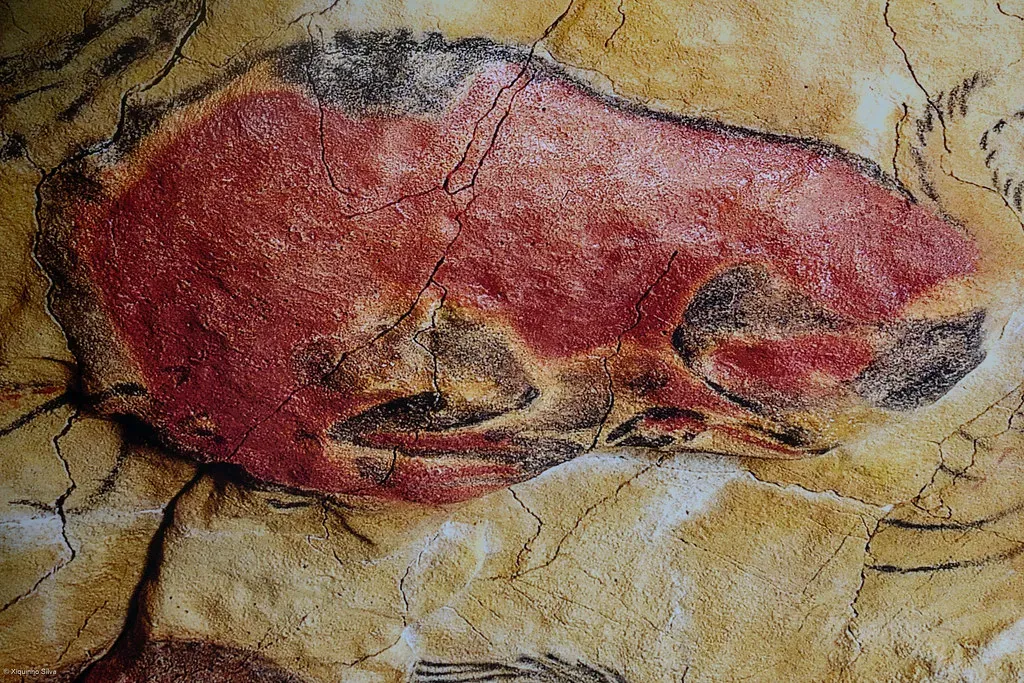
One of the details that makes specialists sit up is the way Lascaux’s artists used the natural bumps, hollows, and curves of the cave walls to give their animals a sense of volume. Instead of trying to ignore the irregular rock, they leaned into it: a bulge might become a horse’s shoulder; a concavity might define a flank or belly. In some panels, you get the impression that the animal is literally emerging from the stone, as if the artist “saw” it already there and just traced its outline. That kind of integration between support and image is something you normally associate with much later art traditions.
Then there’s the matter of proto-perspective. The crossed bison panel is often cited because one animal is deliberately overlapped by another in a way that suggests depth, and the legs and hooves are handled with a surprising sensitivity to foreshortening. Several horses and stags are drawn mid-stride, with legs bent or stretched in ways that convincingly suggest motion instead of a stiff profile. Are these scenes perfect by Renaissance standards? Of course not. But they show a clear, intentional grasp of how to make flat images feel like they occupy space, and that’s the sort of thing that rewrites our assumptions about “primitive” visual intelligence.
Pigments Sourced, Prepared, and Engineered to Last
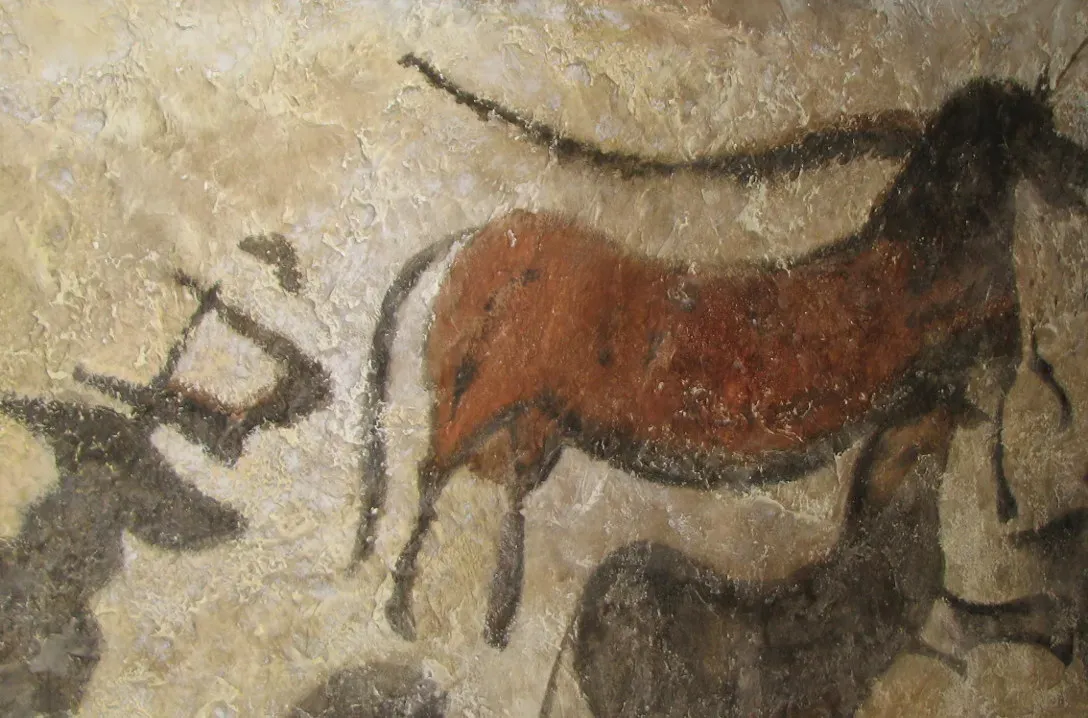
The colors at Lascaux have not survived by accident. Analyses of the pigments show a careful selection of mineral sources – iron oxides for reds and yellows, manganese compounds for deep blacks – some of which likely came from well beyond the immediate surroundings. In at least one case, the black pigment has been identified as a particular manganese mineral that suggests deliberate, repeated exploitation of specific deposits. That implies someone went out, identified promising rocks, extracted and transported them, then processed them in a way that produced consistent hues and textures.
Even more surprising is the evidence of mixing and particle-size control. Under microscopes, researchers can see that the pigment grains are sometimes crushed very finely and combined, possibly with other materials, to change how the paint adheres to the wall or how it reflects light. There’s also good evidence that prehistoric painters knew how to adjust their mediums – using water, cave seepage, or animal fat – to get paints that could be dabbed, swabbed, or sprayed depending on what the image required. To me, this looks less like a one-off burst of inspiration and more like the result of long, trial‑and‑error experimentation – basically a prehistoric materials lab run by people we’re used to calling “hunters and gatherers.”
Meaning, Ritual, and Theories That Refuse to Settle
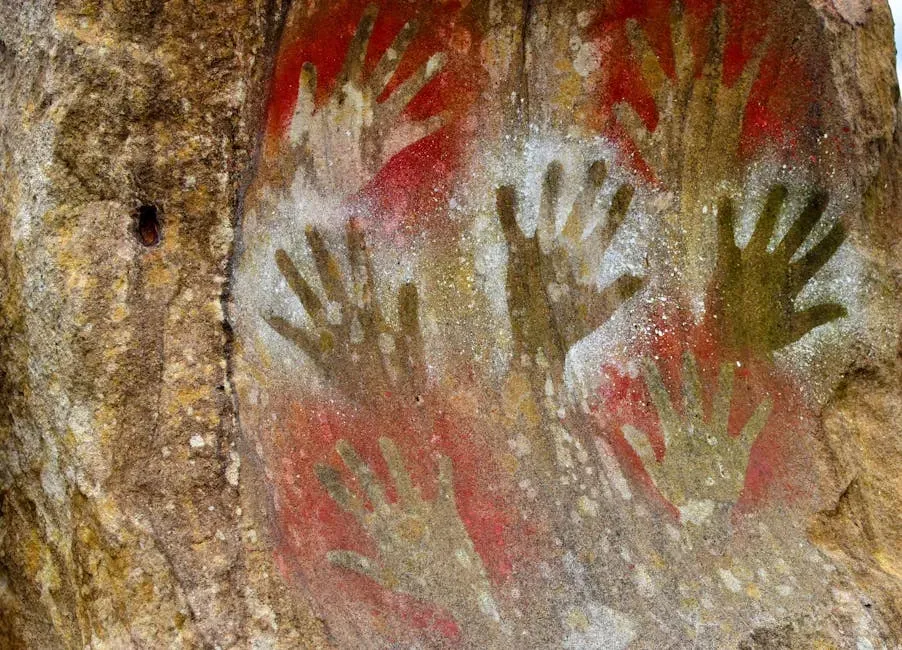
This is the part that really drives scholars a little crazy: for all our science, we still do not know exactly why these paintings were made. Early researchers liked to talk about “art for art’s sake,” as if the images were simply aesthetic decoration. Others argued for hunting magic, suggesting that depicting powerful animals might somehow help ensure success in the hunt or influence the herds. Later, structuralist approaches looked at patterns of animals and symbols, trying to see if they lined up with a deeper system of oppositions – male and female, wild and domestic, or different mythic categories that made sense to that culture.
More recently, some anthropologists and cognitive scientists have proposed that caves like Lascaux acted as special, perhaps restricted ritual spaces, where sound, darkness, and shifting torchlight transformed the painted animals into part of a performance or ceremony. There are even fringe‑but‑serious attempts to connect specific scenes to star patterns or astronomical events. Yet for every new theory, another scholar points out contradictions in the distribution of animals, the odd absence of certain species (like reindeer, which we know they ate), or the rarity of human figures. As someone who loves clean answers, I find this maddening – but also deeply healthy. The truth might be that Lascaux captures a way of thinking and symbolizing that we only partly share, and we have to respect the limits of what our twenty‑first‑century brains can reconstruct.
A Shock to Our Story of “Progress”
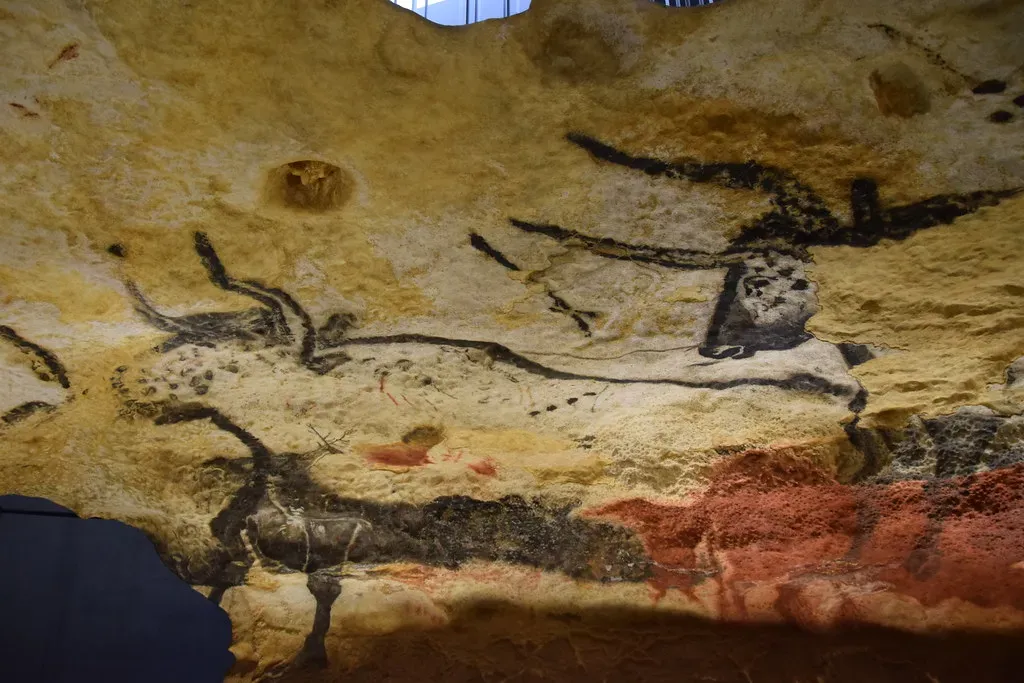
What I personally find most unsettling about Lascaux is how decisively it punctures the comforting story that human culture just steadily got “better” over time. We like to imagine a clear climb: from crude beginnings to refined classical art to the complex modern scene. But here, in the depths of prehistory, you get a visual language that is already confident, nuanced, and emotionally charged. That forces an uncomfortable question: if people could do this twenty thousand years ago in a cave, what other sophisticated things were they doing in wood, cloth, or body art that left no trace?
There is also a quiet arrogance baked into the way we sometimes talk about “primitive” societies, as if intelligence and creativity were modern inventions. Standing in front of a Lascaux reproduction years ago, I remember feeling almost embarrassed on behalf of my own assumptions. The artists who made these images were not failed versions of us; they were us, just living in a brutal Ice Age landscape instead of a climate‑controlled city. Their mental world was probably as layered, imaginative, and symbol‑rich as ours – just expressed through minerals on rock instead of pixels on a screen.
Why Lascaux Still Matters (And What It Says About Us)
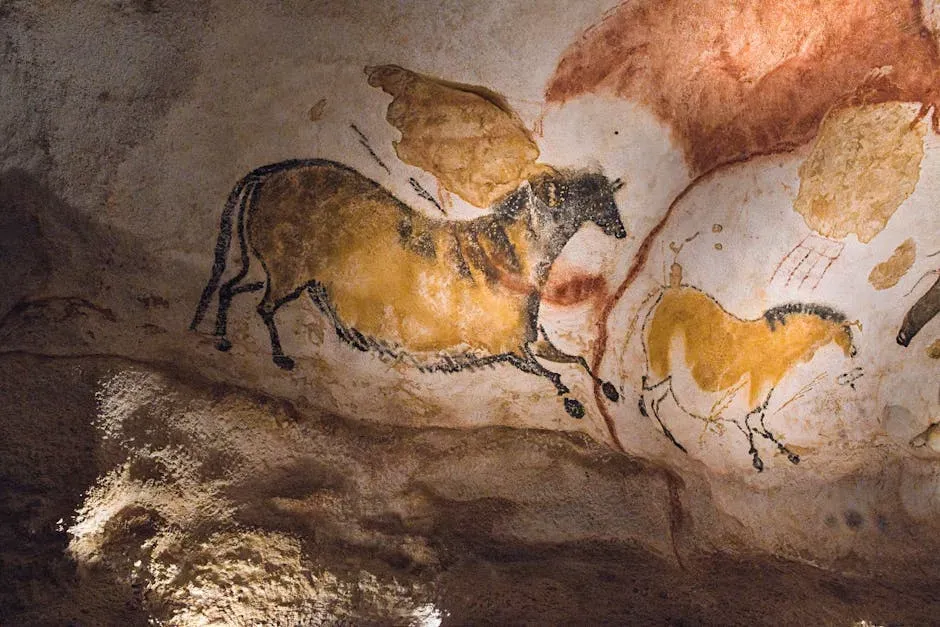
In a way, the most important thing about Lascaux is not that it is ancient, but that it still feels alive enough to surprise and humble experts in 2026. Despite decades of study, new analytical techniques keep pulling out fresh details: a previously overlooked layering of figures, a refined pigment mix, or hints that the timeline for painting phases might be more complex than we thought. At the same time, some of the biggest questions – exact dating, full meaning, inner social context – remain stubbornly out of reach. That tension between increasing technical knowledge and enduring mystery is what gives the cave its strange, magnetic pull.
My honest opinion is that we should stop treating Lascaux as a charming early step toward “real” art and start recognizing it as one of the great high points of human visual culture, period. It holds its own not just against other prehistoric sites, but against any moment where people pushed their tools and imaginations to the edge. If anything, the fact that it still baffles modern art historians is a sign that our categories and narratives need updating, not that the cave is somehow opaque or incomplete. Maybe the real question Lascaux throws back at us is this: are we finally ready to accept that some of humanity’s finest creative acts happened before history even began to write their names?