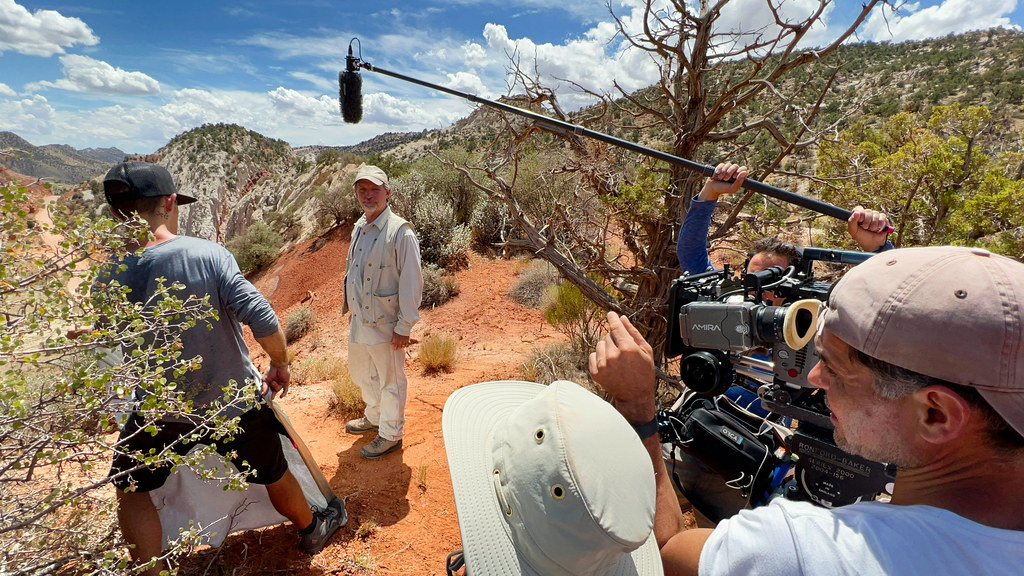
If you love dinosaurs, you’ve probably felt that weird mix of awe and eye-roll watching some modern dino documentaries. One minute you’re learning about feather impressions in a fossil bed, the next minute the soundtrack explodes like a superhero movie and a tyrannosaur appears in slow motion through a cloud of ash. It can be thrilling, sure, but it can also feel like the science has been shoved into the back seat so the drama can drive.
There’s nothing wrong with making prehistoric life exciting. The problem starts when shows crank up the tension so far that reality quietly leaves the room. Over the last couple of decades, a pattern has emerged: the same melodramatic tricks, the same overconfident claims, the same cinematic clichés dressed up as education. Let’s walk through the ten worst offenders, and what a more honest, still-fascinating version could look like instead.
1. Turning Every Day in the Mesozoic into an Apocalypse
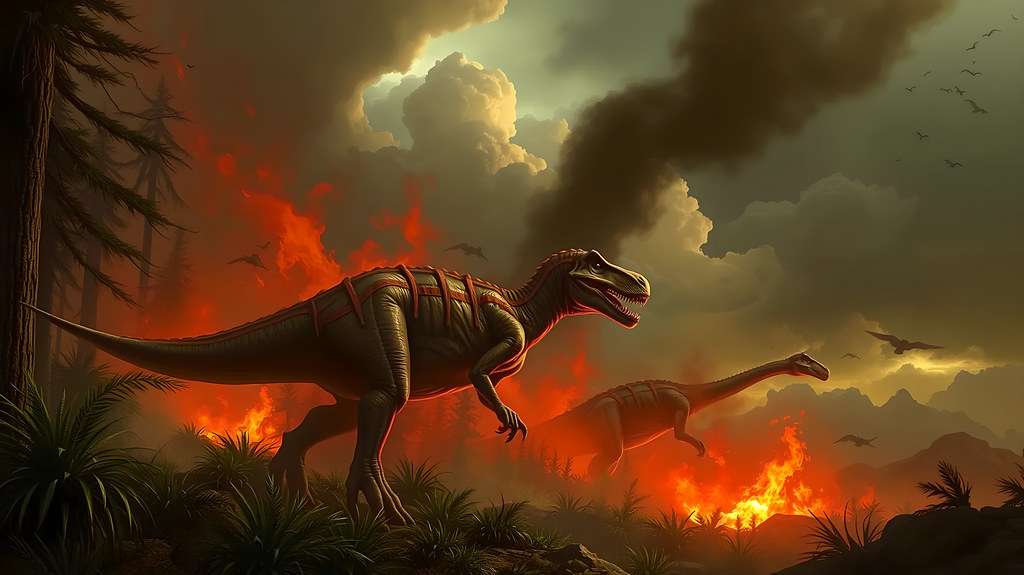
Have you noticed how dinosaur documentaries act like the Mesozoic was basically three hundred million years of non-stop catastrophe? Every episode seems to feature a volcanic eruption, asteroid near-miss, continent-ripping earthquake, or continent-wide wildfire. In reality, those spectacular disasters did happen, but they were separated by unimaginably long stretches of normal, even boring life: animals sleeping, grazing, scavenging, nesting, and just trying not to sprain an ankle.
By constantly framing the past as a rolling disaster movie, these shows give the impression that dinosaurs lived in a world that was fundamentally more violent and unstable than it really was. That undermines one of the most interesting truths: many dinosaur ecosystems were as structured and balanced as modern African savannas or coastal forests. The quiet moments of evolution and adaptation are where the real magic happens, but you almost never see a documentary lingering on a herd doing… well, nothing dramatic at all.
2. Overhyping “The Most Terrifying Predator of All Time” in Every Episode
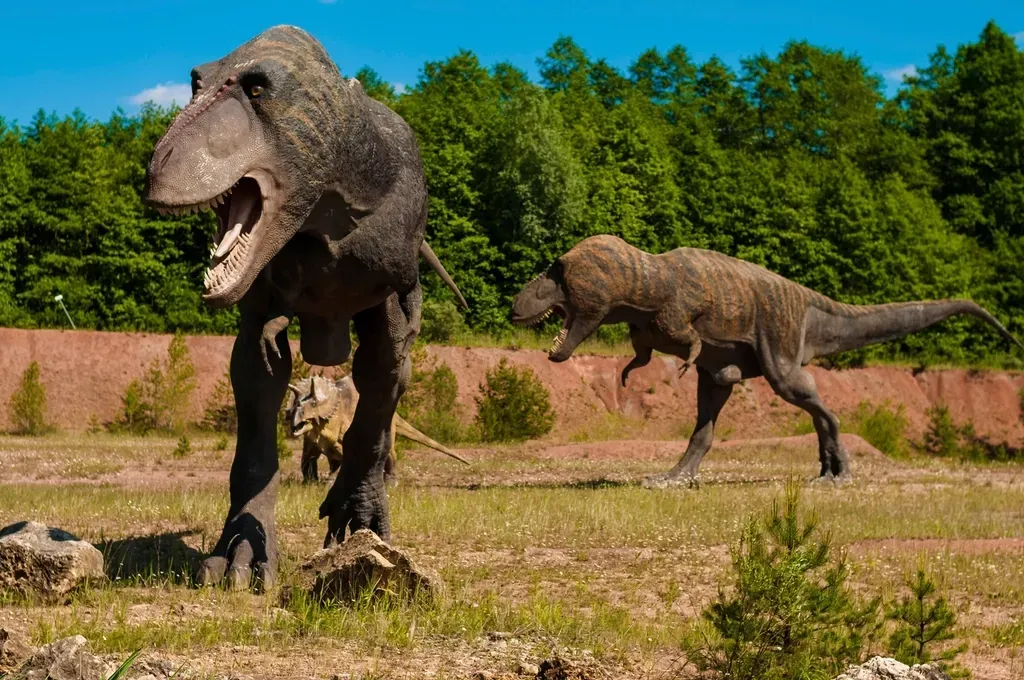
Another overused trick is the constant hunt for the next ultimate killer. One week, Tyrannosaurus rex is promoted as the pinnacle of evolution, the ultimate predator to end all predators. The next week, some marine reptile or giant crocodile is introduced with exactly the same breathless language, as if a marketing team demanded a new “scariest thing ever” every season. It stops being science and starts sounding like a contest for the coolest movie monster.
What gets lost here is nuance. Predators were adapted to particular environments and prey, not to some imaginary global scoreboard. A large allosaur, a giant mosasaur, or a massive crocodilian were deadly in very specific contexts, and sometimes not even the dominant hunters in their own ecosystems. By flattening everything into “apex ultra-killer,” documentaries misrepresent how complex food webs and niche partitioning actually worked, and they miss the chance to explain why, for example, a smaller, more agile predator could sometimes be more successful than a hulking giant.
3. Treating Every Hypothesis as a Dramatic Fact
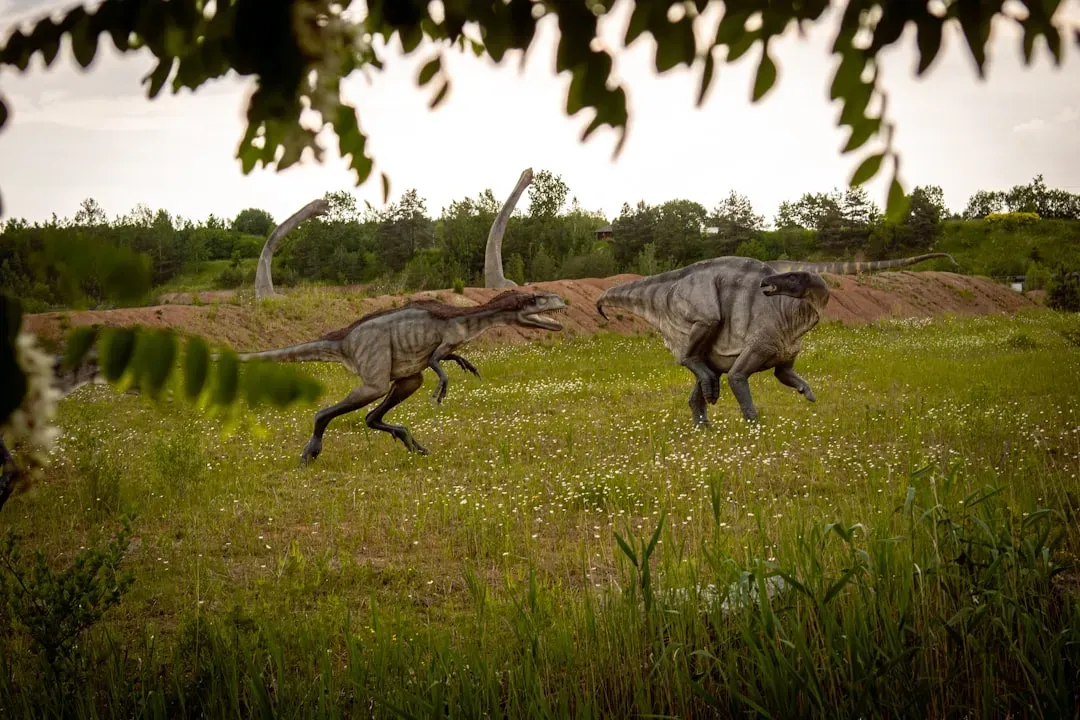
Because uncertainty can feel “boring” on TV, many dinosaur documentaries quietly skip it. A speculative idea about a behavior, color pattern, or social structure gets presented as if it’s firmly established fact. You hear confident narration describing specific hunting strategies or complex group hierarchies, even when scientists are still actively debating those ideas or only have a single fossil clue to work from. Viewers walk away thinking these reconstructions are settled science.
The irony is that the uncertainty is actually one of the coolest parts. For example, when researchers infer behavior from trackways, bone microstructure, or rare fossilized soft tissue, they are building careful, layered arguments with room for revision. That detective work is inherently dramatic, but documentaries often hide it behind a curtain because it complicates the storyline. A better approach would be to say what we know, what we suspect, and what is still guesswork, then show how new discoveries can completely rewrite those scenes just a few years later.
4. Overusing Slow Motion, Roars, and Hyper-Intense Sound Design
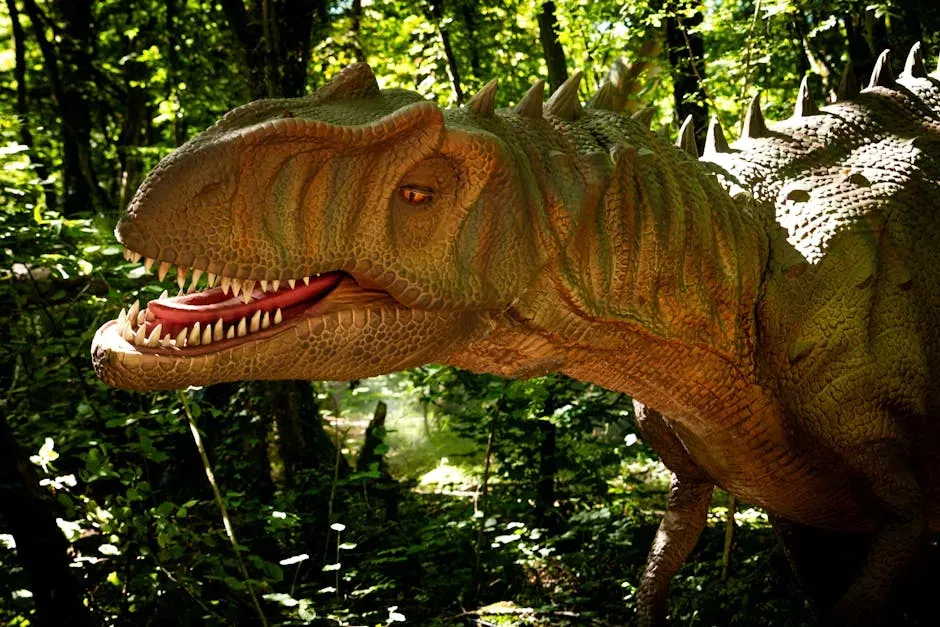
Dinosaur documentaries have borrowed so heavily from blockbuster cinema that it can sometimes be hard to tell them apart. Slow-motion shots of a theropod turning its head, over-amplified footsteps that shake the “camera,” and constant roaring fill almost every encounter. For animals that probably spent a lot of their time quietly moving, sniffing, and listening, the endless sound and fury feels more like a superhero fight scene than a wildlife documentary.
Worse, it subtly rewires how we imagine these creatures. In modern ecosystems, most large animals are silent or make only occasional calls; they do not spend their days bellowing like movie monsters. Dinosaurs would have communicated, of course, but also conserved energy and avoided drawing attention to themselves. A more realistic soundscape – wind, insects, distant calls, soft footsteps – would actually make those rare displays of noise far more powerful, and at the same time feel closer to real biology than a wall of dramatic roars.
5. Constantly Forcing Simple Good vs. Evil Storylines
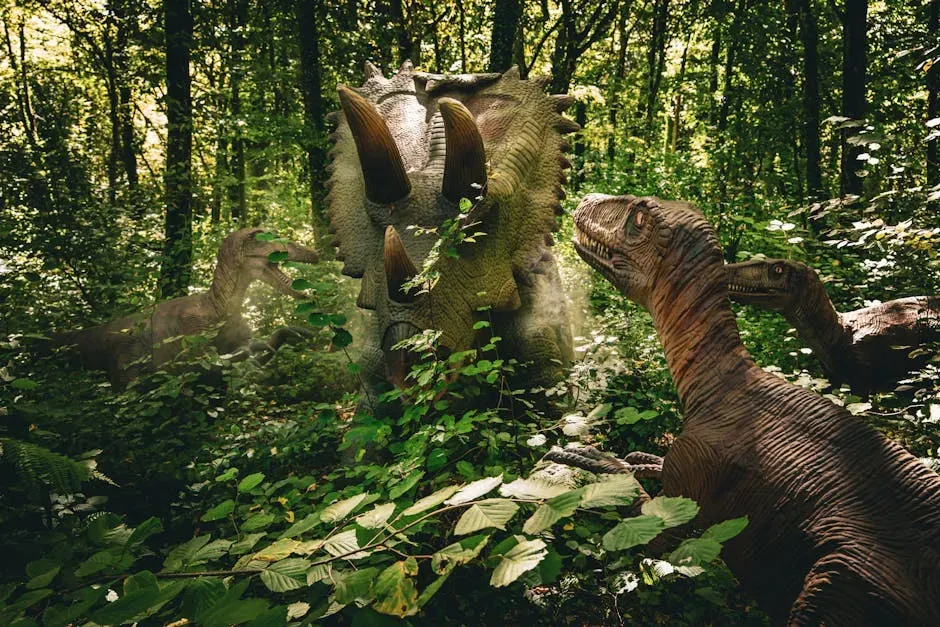
Documentaries love a villain, and big predatory dinosaurs are easy targets. They’re framed as ruthless killing machines while plant-eaters are presented as gentle, noble victims. The narrative begins to look like a prehistoric soap opera: heroic herbivores defending their young against an evil carnivore, as if the predator were morally wrong for trying to eat. This makes for easy emotional beats but badly misrepresents how ecosystems work.
In reality, predators and prey co-evolve, shaping each other over millions of years. A hunting dinosaur is not evil; it is doing what it must to survive and, in the process, playing a crucial role in keeping populations healthy and ecosystems balanced. By forcing these simplistic good-versus-bad storylines, shows miss the chance to talk about selection pressures, energy transfer through food webs, and how death and predation are integral parts of life, not moral failures.
6. Pretending We Know Exact Colors, Sounds, and Personalities
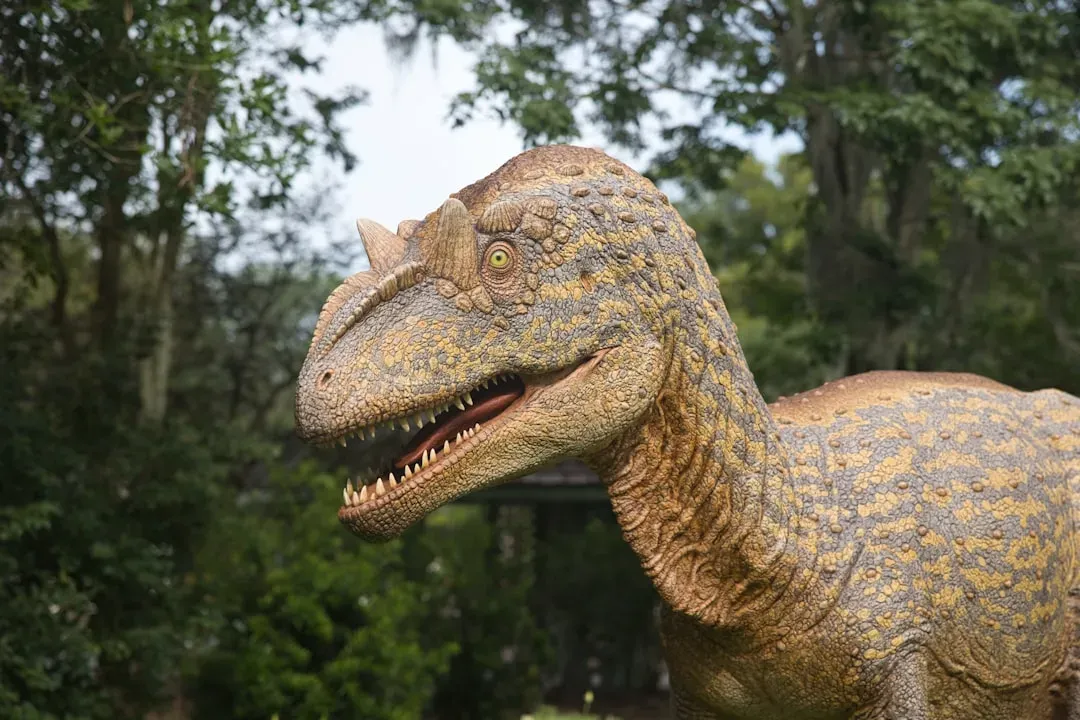
This might be the most quietly misleading habit: presenting speculative details with absolute confidence. We do have some stunning fossil evidence that reveals pigments or feather structures for a handful of species, which lets scientists infer likely colors and patterns in those cases. But that evidence is still limited, and for most dinosaurs, we simply do not know their exact color schemes. Yet many documentaries act as if they can paint every species with precise, modern-bird style plumage or tiger-like stripes as if it were proven.
The same goes for sounds and personalities. We can infer that some dinosaurs likely made low-frequency calls, drumming sounds, or visual displays, but we do not have voice recordings or behavioral videos. Giving an ankylosaur a grumpy temperament or turning a small theropod into a mischievous troublemaker makes them feel more like cartoon characters than real animals. It is fun, but it blurs the line between storytelling and science in a way most viewers are never told about.
7. Turning Every Interaction into a Fight to the Death
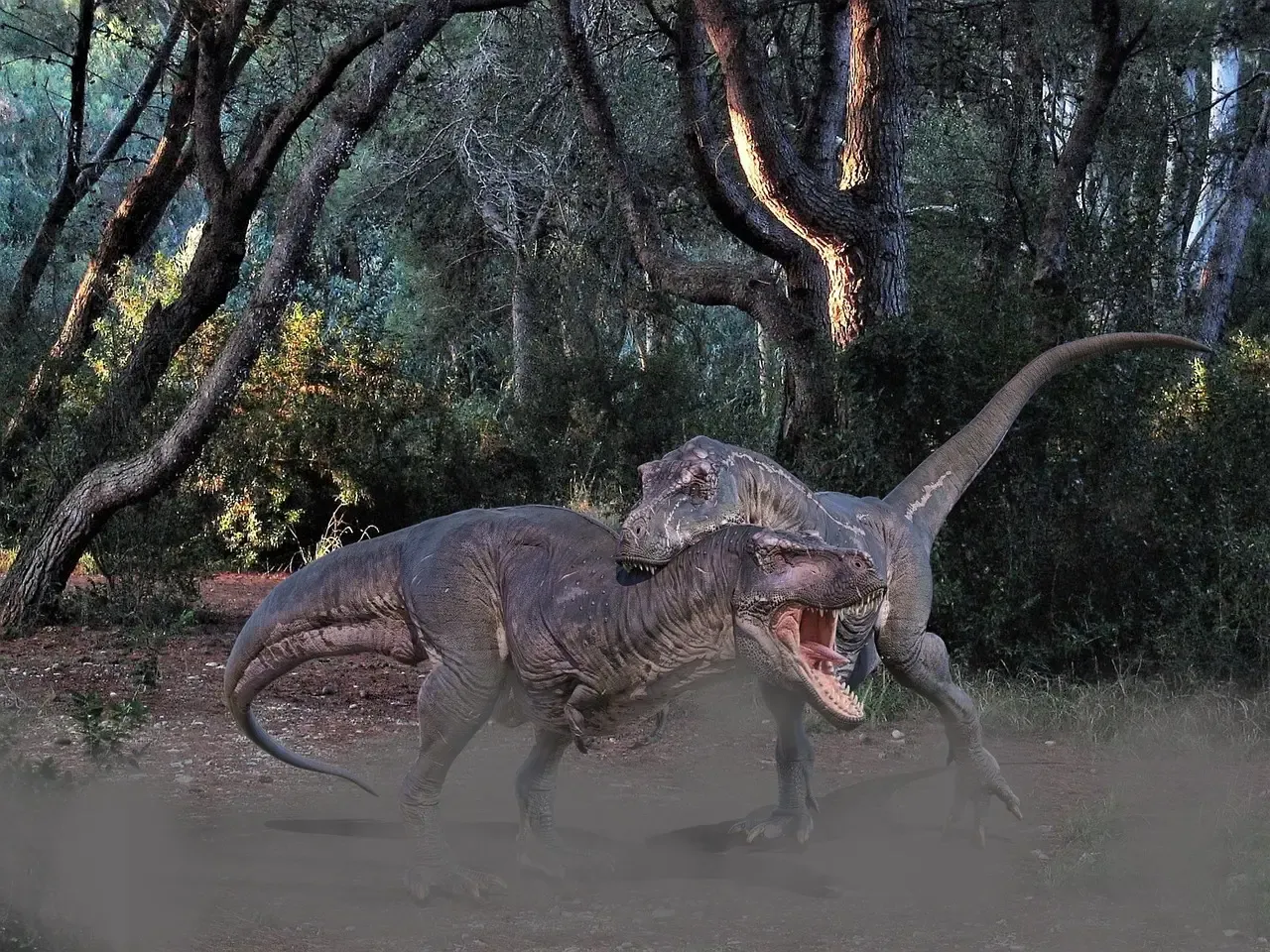
Watch enough dinosaur documentaries and you might believe that every time two large animals noticed each other, one of them had to die. Every encounter escalates immediately into a bloody battle, complete with slow-motion bites and dramatic orchestral stabs. But in modern ecosystems, most interactions between big animals are cautious, brief, and non-lethal. Predators give up if the risk is too high, herbivores posture instead of charging, and both sides frequently decide that not getting injured is more important than a potential meal.
By making every interaction a final showdown, documentaries dramatically overestimate how often animals would risk serious harm. One broken leg or deep wound could be fatal in the wild, so natural selection tends to favor strategies that avoid unnecessary fights. A predator shadowing a herd without attacking, or a standoff that ends with both sides backing away, might feel less explosive on screen, but it is far more realistic – and could be filmed in a way that still feels tense and riveting without the constant bloodshed.
8. Over-Simplifying Evolution into a Straight-Line Power-Up
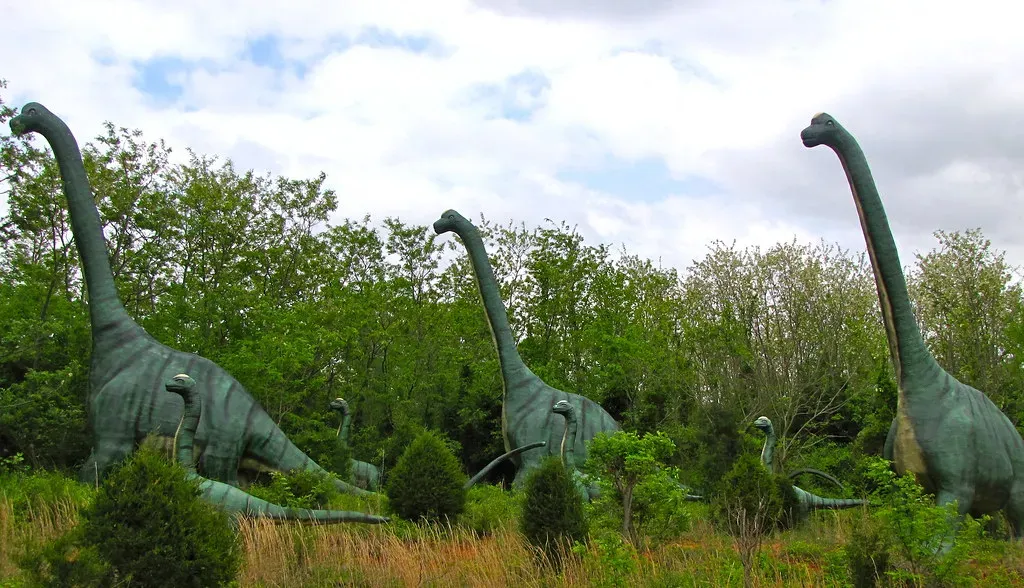
Another dramatic shortcut is the way evolution gets portrayed as a linear story of constant improvement, like a video game where each new dinosaur species is a leveled-up version of the last. Narration often implies that one line of predators “evolved into” a newer, superior model, as if nature were consciously striving for bigger teeth or more armor. This language feeds into the misconception that evolution has a goal or direction, which undermines one of the core truths of biology.
In reality, evolution is messy, branching, and full of dead ends. Many lineages become highly specialized to particular environments, and when those environments change, even the so-called “best” designs can vanish. Some dinosaurs got smaller over time, not bigger. Others lost armor or horns instead of adding them. By framing every change as an upgrade, shows miss the more interesting story: evolution is less a straight ladder and more a wildly tangled tree, with blind alleys, reversals, and side-branches that never make it to the modern day.
9. Acting as if We Can Reconstruct Whole Lives from a Single Fossil
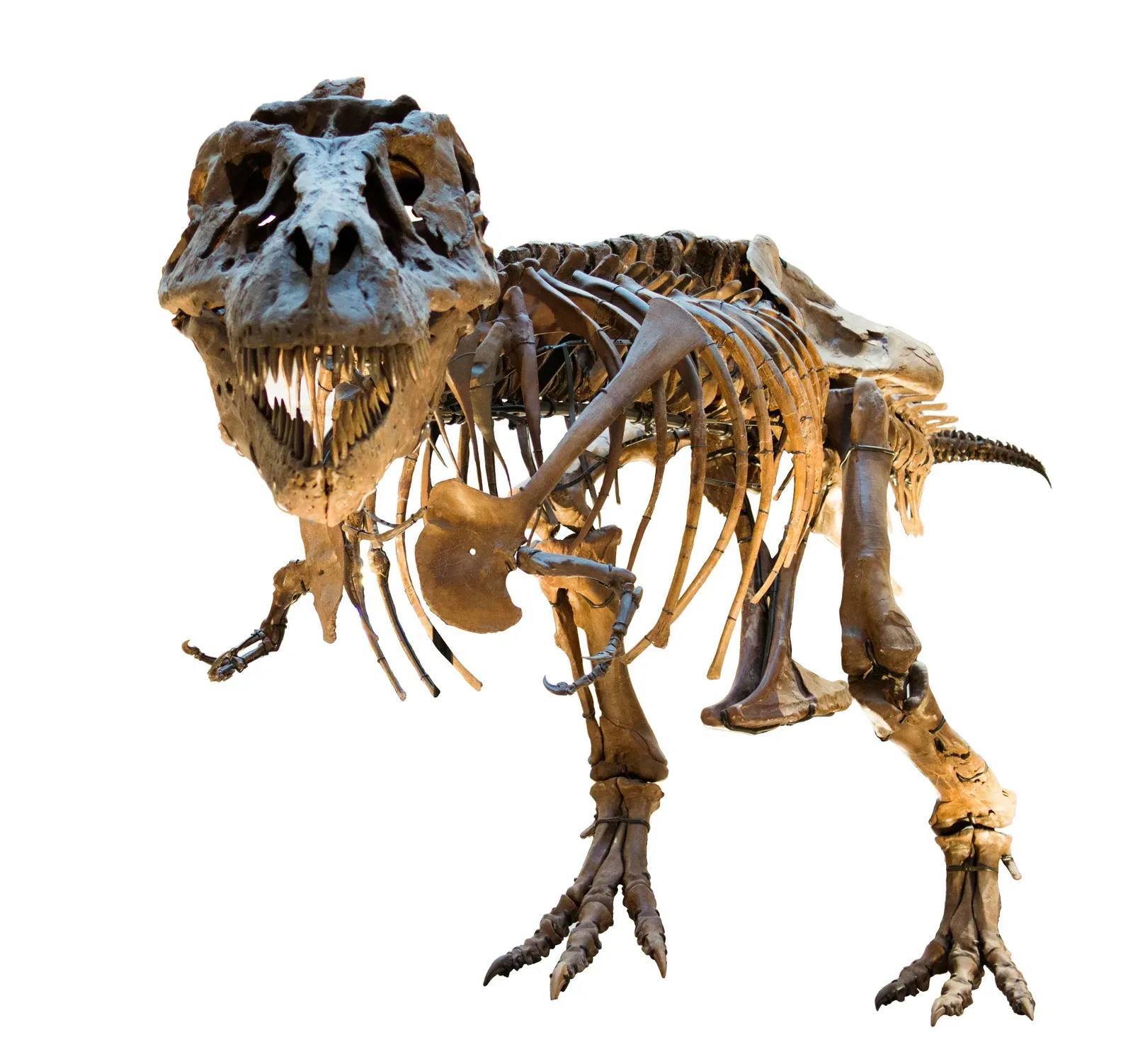
The fossil record is astonishing, but it is also incomplete and biased. Certain environments preserve bones better than others, and most organisms that ever lived left no trace we can see. Yet dinosaur documentaries often latch onto one spectacular skeleton and then confidently spin a full-life narrative from it: how it hunted, how it courted, how it died, sometimes even how it felt. That might make for a smooth story arc, but it leaves viewers with a false sense of how much we can really conclude from a single specimen.
Good science is cautious. Researchers compare fossils across many sites, examine bone histology, study wear patterns on teeth, analyze footprints, and cross-check with modern analogs to build plausible models of life histories. When a documentary jumps straight from “here is one fossil” to “we know the entire script of its life,” it skips the most important part: the process of testing ideas and weighing alternative explanations. The mystery is not a weakness; it is what makes paleontology a living, changing field rather than a fixed storybook.
10. Using Shock Value to Sell Extinction Instead of Exploring Resilience
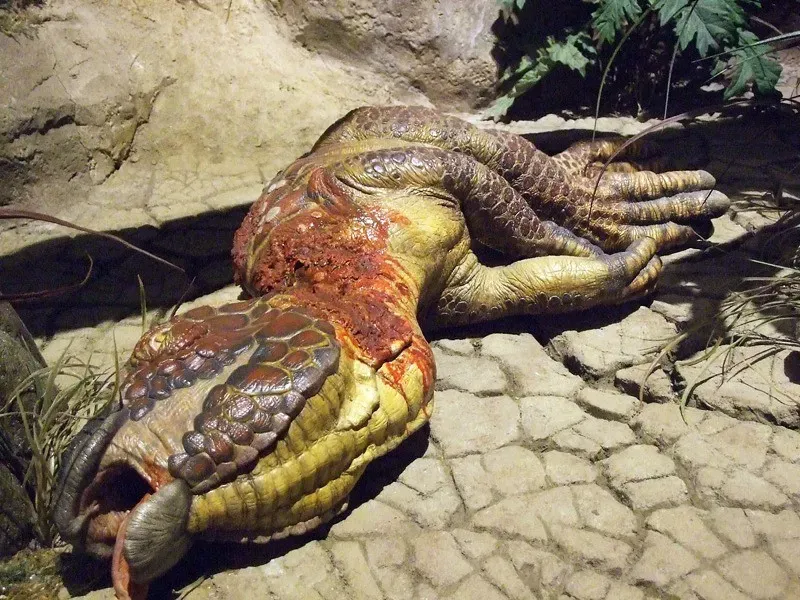
Extinction episodes are usually framed like the series finale of the planet: a sudden, explosive end where everything dies in slow motion while sad music plays. Yes, some extinction events were rapid and catastrophic on geological timescales, and the late Cretaceous impact was absolutely devastating. But even then, life did not “end”; it shifted. A surprising number of lineages survived, radiated, and reshaped ecosystems in ways that ultimately led to birds, mammals, and eventually us.
By fixating purely on the death and destruction, documentaries miss a powerful, relevant lesson: Earth’s history is a story of both loss and resilience. Some dinosaurs’ direct descendants are literally flying over our heads today as birds. Small, adaptable animals often fared better than the giants in times of crisis. That perspective not only gives viewers a more accurate picture of deep time, it also connects directly to our own moment, where human-driven extinctions are accelerating and understanding both vulnerability and resilience has real-world consequences.
Conclusion: Dinosaurs Deserve Better Than Cheap Drama
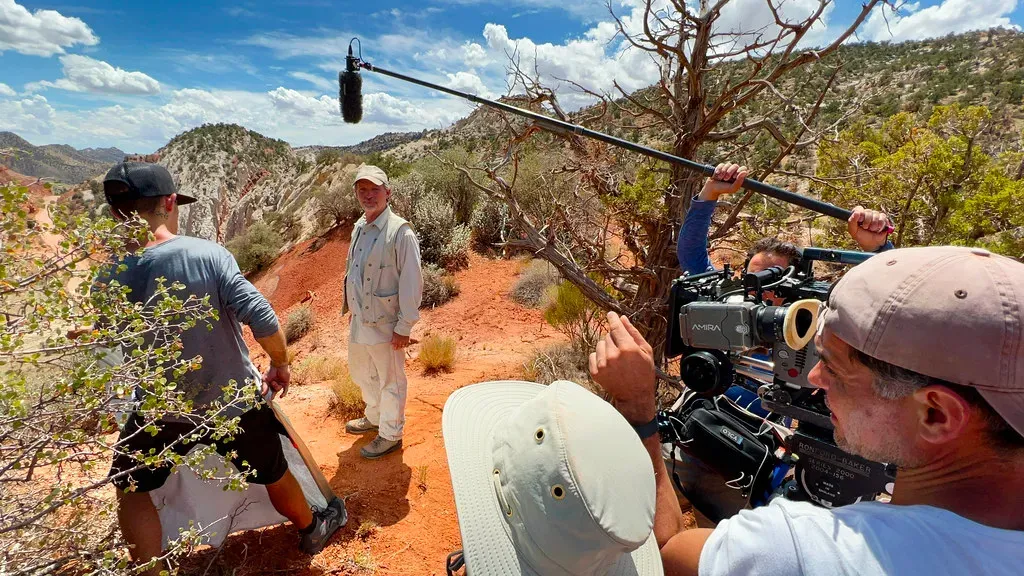
I get why dinosaur documentaries lean into spectacle; dinosaurs are already halfway to being movie monsters, and it is tempting to nudge them the rest of the way for ratings. But when every episode is cut like an action trailer, the science slowly gets hollowed out. We end up with beautifully rendered creatures acting out scripts that say more about our hunger for drama than about the ancient worlds they actually inhabited. For me, that feels like a missed opportunity on a massive scale.
The truth is, the real story is already wild enough. A planet reshaped over hundreds of millions of years, lineages rising and vanishing, strange experiments in body design, and a few feathered descendants outlasting the giants – it does not need constant exaggeration to be captivating. Maybe it is time for dinosaur documentaries to trust that viewers can handle a little uncertainty, a little quiet, and a lot more nuance. After all, isn’t the real past, messy and mysterious as it is, more astonishing than any overproduced imitation we can dream up?