If your mental image of prehistoric oceans comes mostly from blockbuster movies, you probably picture a few giant toothy reptiles lunging out of the water like oversized great white sharks. Fun, sure – but honestly, the real ancient seas were far stranger, more alien, and in many ways more terrifying than what we usually see on screen. The scariest part is not just the size of the predators, but how completely different the rules of life were below the surface.
When I first dug into the science of ancient oceans, I realized how much the Hollywood version has sanded off the weird edges. The real story includes seas that almost suffocated, ecosystems ruled by creatures with no modern equivalent, and predators that hunted in ways modern filmmakers rarely touch. Let’s wade into eight of the most unsettling truths about prehistoric oceans – and why they deserve way more attention than another jump-scare from a CGI mosasaur.
1. The Oceans Were Often Low-Oxygen Death Traps, Not Just Blue Playgrounds
Movies love to show clear blue water teeming with life, but for long stretches of Earth’s history, large parts of the ocean were more like slow-motion suffocation chambers. In several prehistoric periods, especially after mass extinction events, vast regions of the seas became low in oxygen or even completely depleted, creating what scientists call “anoxic” zones. In those waters, many complex animals simply could not survive, and the seafloor turned into a stinking graveyard of rotting organic matter and toxic chemistry.
This is scary on a different level than a jump-scare predator, because it means the entire environment itself became hostile to life. Imagine diving beneath the surface and, instead of vibrant reefs, finding a dark, murky world where anything that sinks simply decays in a poisonous stew. These low-oxygen oceans likely produced hydrogen sulfide and other nasty gases that could kill animals at the surface or along the coast, turning the boundary between land and sea into a deadly edge. That invisible, creeping kind of danger is far more unsettling than any single monster.
2. Many Top “Sea Monsters” Weren’t Dinosaurs And Rarely Hunted Like Sharks
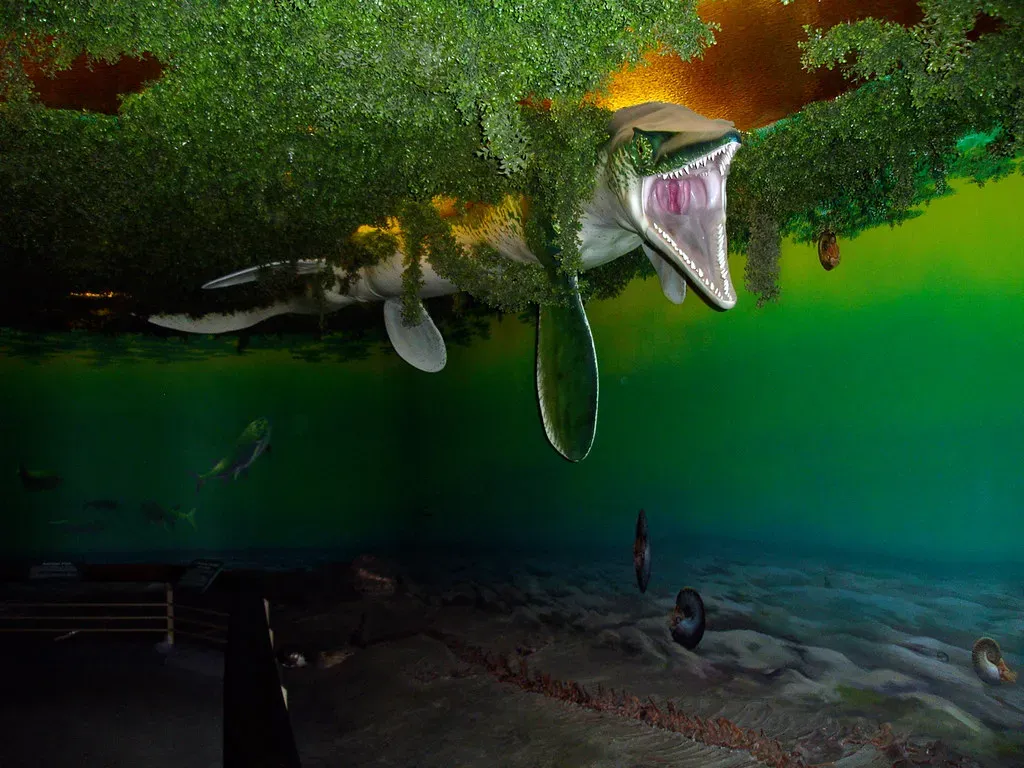
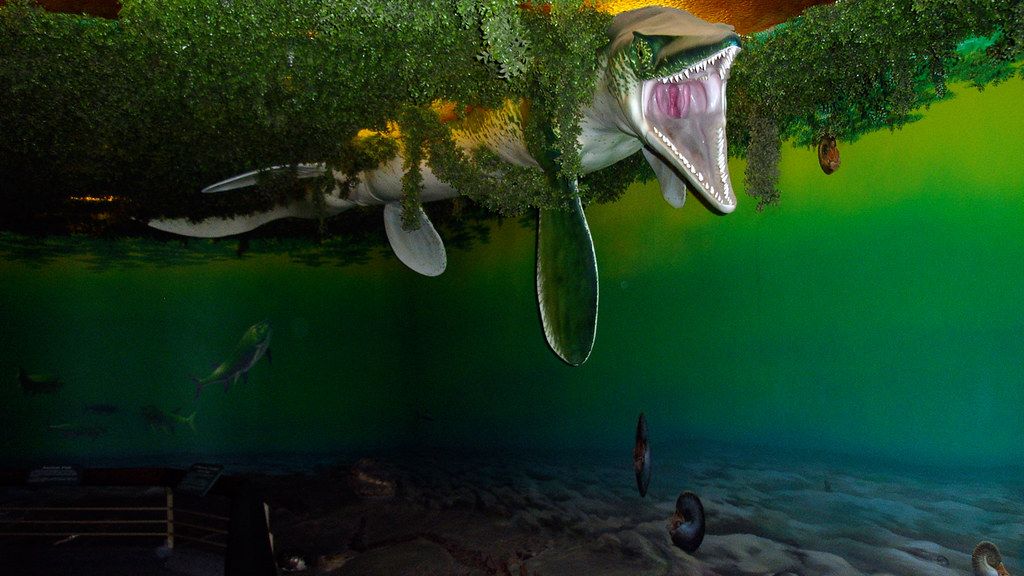
One of the biggest myths movies push is that everything huge and scary in the water was basically a dinosaur-shark hybrid. In reality, iconic marine predators like mosasaurs, plesiosaurs, and ichthyosaurs were not dinosaurs at all, but separate groups of reptiles that independently invaded the oceans. They had very different body plans, metabolisms, and hunting strategies from modern sharks, even if they shared the basic job description of “eat almost everything else.”
Fossils suggest many of these animals were more like stealthy ambush hunters or long-distance cruisers than nonstop, frenzied attack machines. Some had eyes adapted for seeing in low light, possibly hunting in deeper or murkier waters, while others had streamlined bodies built more for endurance than for sudden explosive bursts. Picture something closer to a reptilian orca or a crocodile that took to the open sea, not just a scaled-up great white. That difference matters, because it shifts the terror from simple jump scares to the idea of a quiet, patient predator tracking you through the gloom.
3. Prehistoric Seas Were Packed With Swarms, Not Just Lone Giants
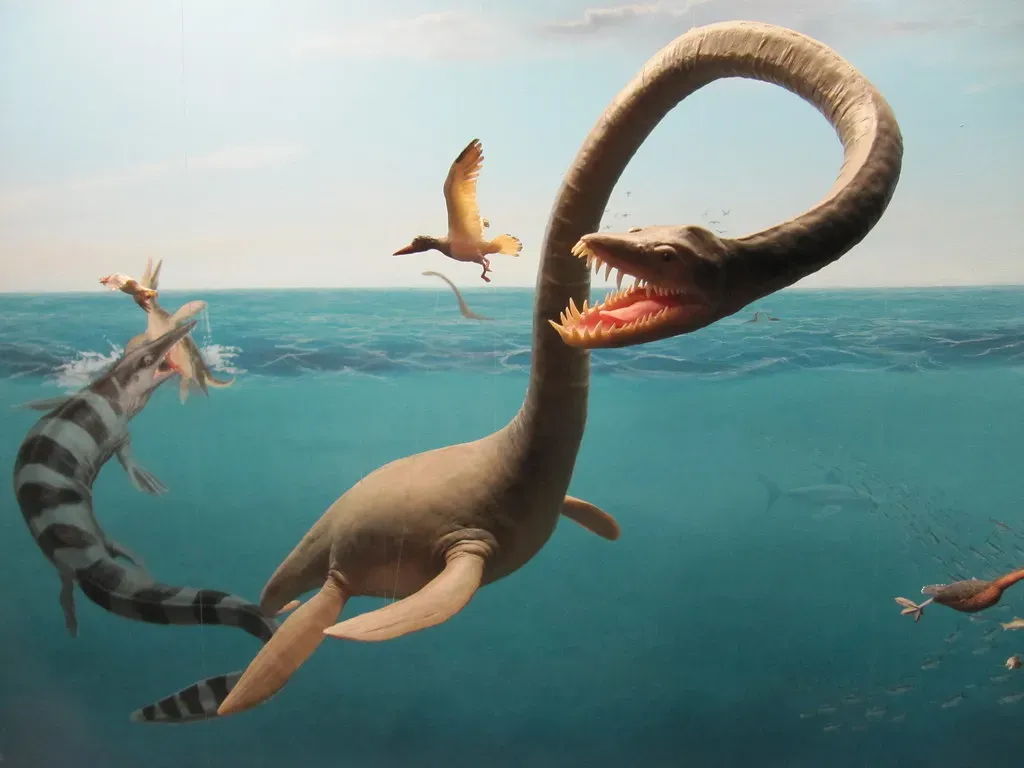
Movies usually give you one big creature at a time: the lone mosasaur, the single megalodon, the one enormous threat the heroes have to outsmart. The real prehistoric oceans, though, were terrifying in another way: sheer numbers. Many ancient marine animals likely moved in schools, shoals, or massive swarms, from armored fish in the Devonian to smaller marine reptiles and early whales. Being surrounded by hundreds or thousands of hungry mouths is a very different horror than facing one oversized boss monster.
And it wasn’t just predators. Trilobites, ammonites, and other invertebrates sometimes occurred in such huge numbers that their remains form thick fossil beds today. Imagine the seafloor carpeted with spiny, crawling, alien-looking arthropods, or the water column filled with spiral-shelled swimmers as thick as a blizzard of leaves. In that kind of world, escape routes shrink fast, and a wounded animal could be stripped of flesh not by one massive bite, but by a relentless, churning mass of smaller mouths working together like living sandpaper.
4. Armored Nightmares Ruled Long Before Sleek Reptiles And Sharks
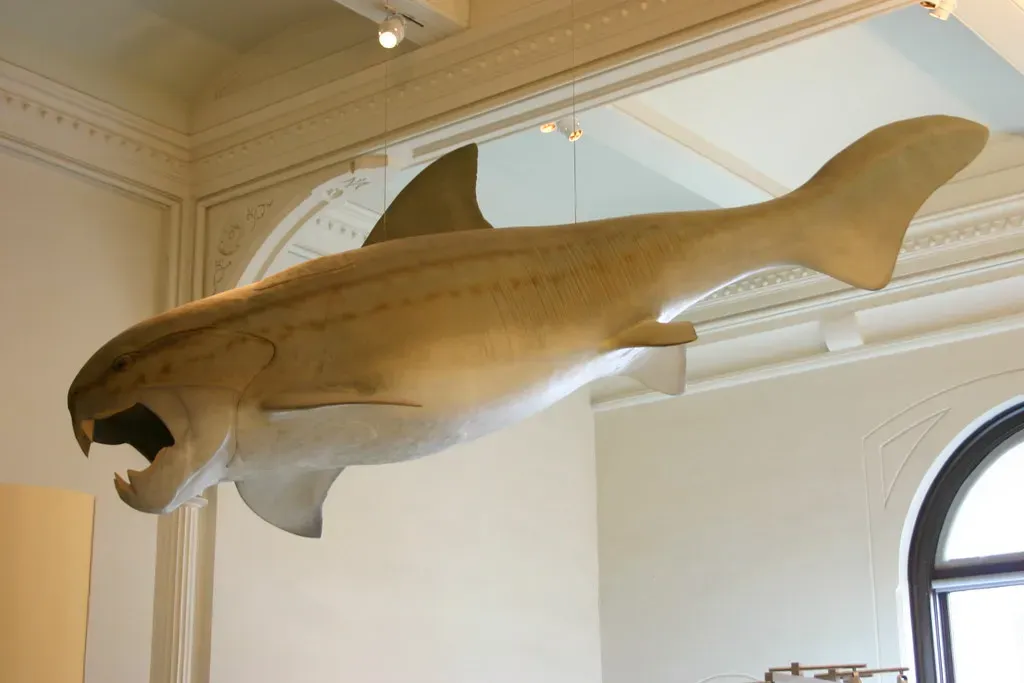
When people think “ancient sea monster,” they usually jump straight to mosasaurs or megalodon. But some of the earliest truly terrifying ocean predators were armored fish and jawed horrors from the Devonian period, long before those celebrities showed up. Creatures like Dunkleosteus – an enormous placoderm fish with bony plates instead of scales – had shearing skull-plates instead of teeth and bite forces that could crush almost anything they got hold of. These animals were not sleek; they were blunt, blocky battering rams of bone and muscle.
On top of that, many smaller fish were heavily armored too, turning early oceans into something closer to underwater tank battles than the sleek, flexible fish we see today. Picture a world where predators and prey alike clanked and scraped through the water in overlapping shells and plates, like a medieval battlefield that got flooded. There is something deeply unnerving about a predator that doesn’t need elegance or speed because it is simply built like a moving guillotine with fins.
5. Gigantic Invertebrates Were Often Scarier Than The Vertebrates
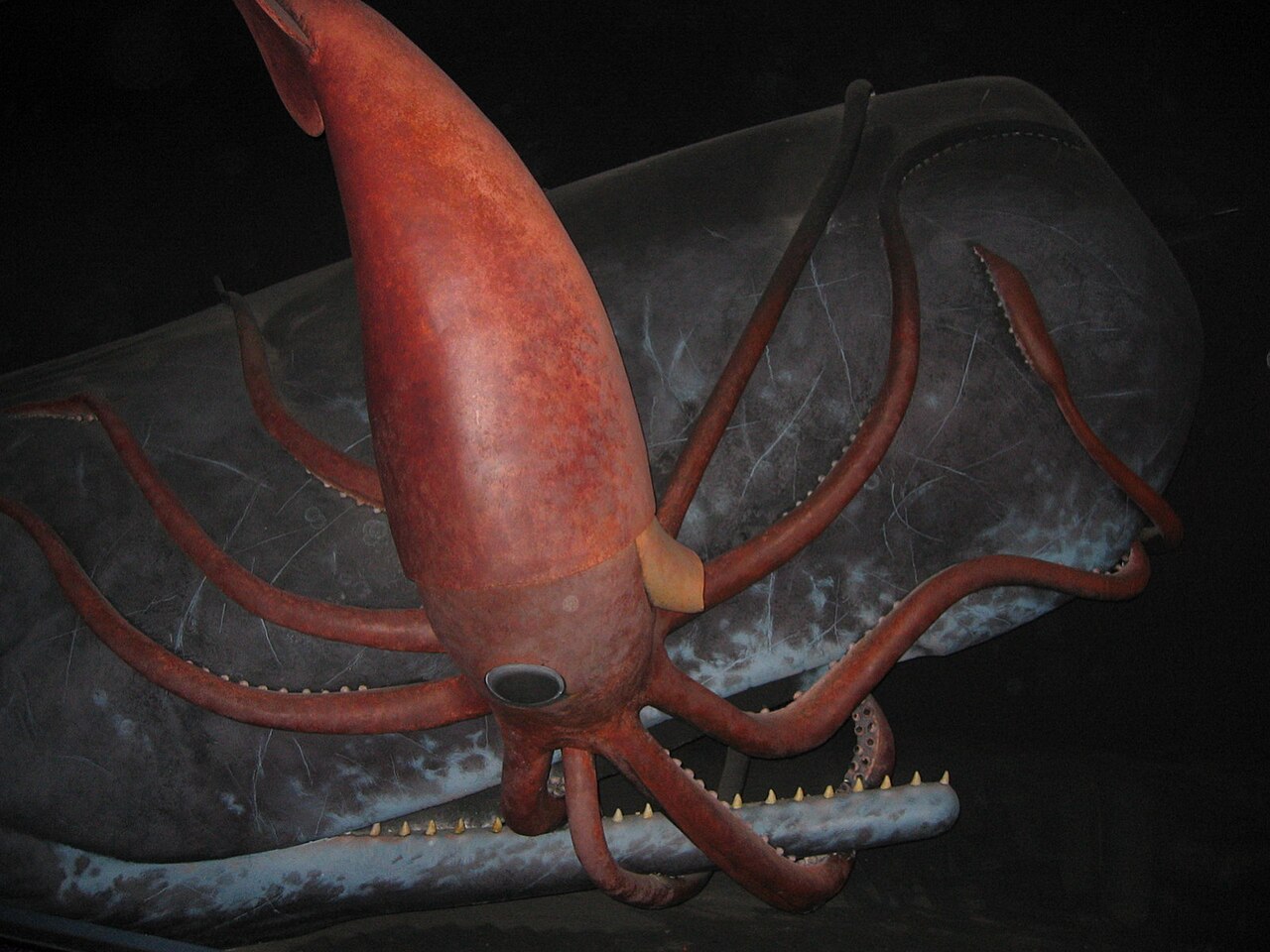
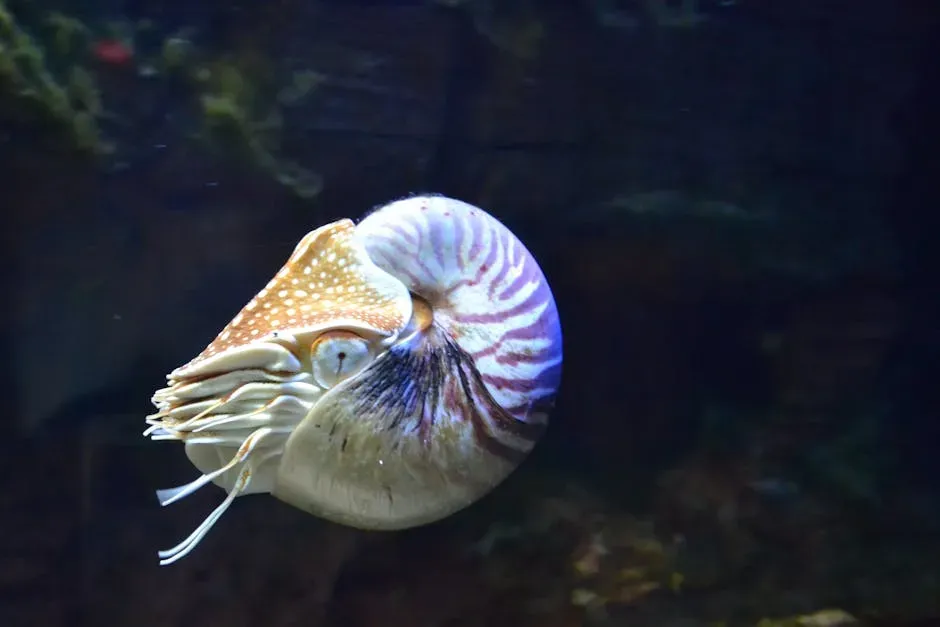
Movies almost always center on animals with backbones, but some of the nastiest prehistoric ocean creatures never had a skeleton at all. Giant cephalopods – relatives of modern squids and octopuses – once grew to sizes that would make today’s giant squid look almost modest. Some ancient forms probably dragged heavy, spiral or cone-shaped shells and used long, flexible arms to grab anything unlucky enough to come close. There is something especially eerie about a predator that can constrict, pull, and manipulate you with many independent limbs.
And it was not just cephalopods. In earlier Paleozoic seas, predatory arthropods and anomalous forms with grasping appendages and circular mouthparts roamed the water column. If you have ever thought modern deep-sea creatures look like science-fiction designs, their ancient relatives were often even weirder. To me, the idea of drifting in dark water and feeling dozens of soft, unseen arms or spiny legs brush past you is more chilling than one big reptile blasting by in a dramatic attack.
6. Some Oceans Were Stressed, Toxic, And On The Edge Of Collapse
We tend to imagine prehistoric oceans as stable, timeless worlds where giant creatures ruled for ages, but the fossil record tells a more fragile and unsettling story. Many periods were marked by repeated ecological crises: rapid climate swings, volcanic outbursts, shifts in sea level, and changes in ocean chemistry that pushed ecosystems to the brink. There were times when coral reefs almost vanished, when shell-forming animals struggled because the water became more acidic, and when entire food webs had to reassemble from whatever survivors were left.
This means that some of the scariest prehistoric seas were not only full of predators but also fundamentally unstable. Imagine being an animal in an ocean where your primary food source suddenly crashes, or where the temperature shifts beyond what your eggs can tolerate in a few thousands of years – a blink in geological time. It is a reminder that the terror of ancient oceans is not just about teeth and claws, but about how easily a seemingly endless blue world can falter when the underlying chemistry tilts even slightly out of balance.
7. Extremes Of Size Went Both Ways: Microscopic Killers And Truly Colossal Forms
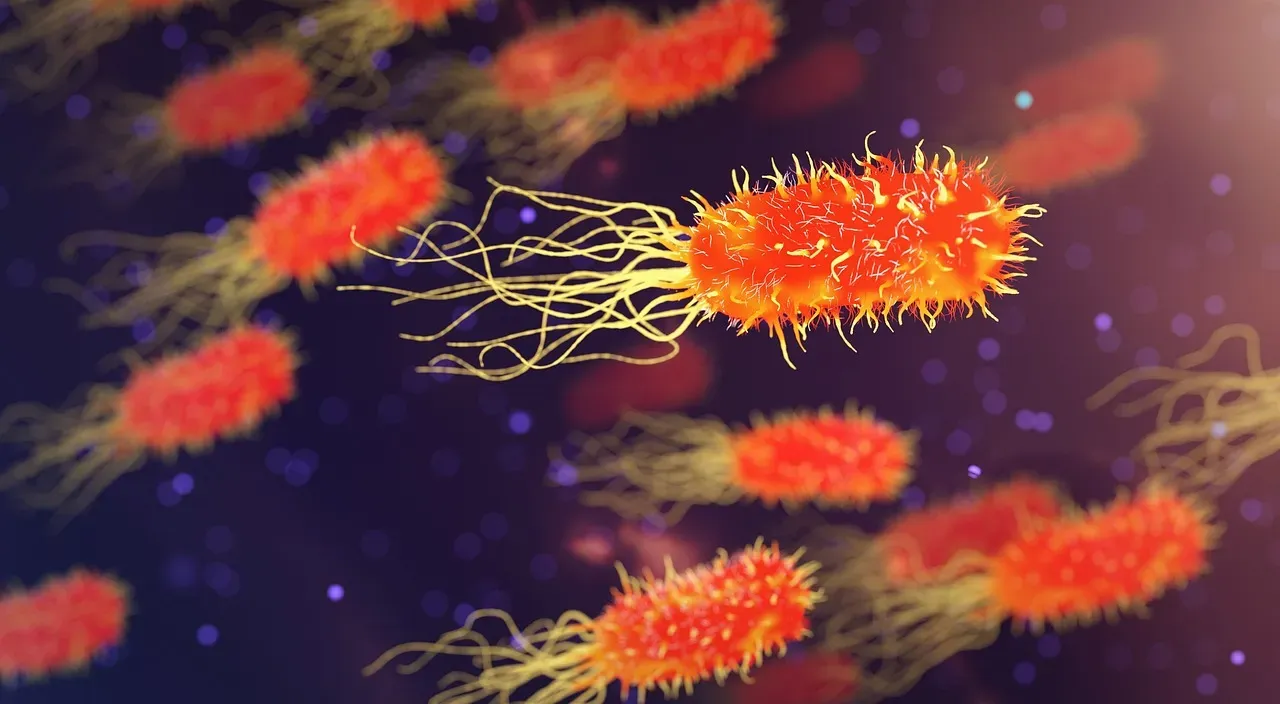
Movies love the very big, but they tend to ignore the fact that ancient seas held deadly players at microscopic and mid-sized scales too. Plankton blooms and microbial life could drive entire planetary shifts, contributing to oxygen crashes or toxic events that wiped out huge swaths of ocean life. A creature too small to see could indirectly pave the way for mass extinctions, which is a much more insidious kind of threat than a single visible monster chasing you across the screen.
At the other end of the spectrum, prehistoric oceans did eventually produce true giants, from enormous filter-feeding fish to early whales that rivaled or even surpassed modern ones in length. Some of these giants were gentle filter feeders, but others were active predators. The unsettling truth is that ancient oceans often combined both extremes at once: microscopic organisms shaping the fate of global ecosystems, while gigantic vertebrates cruised above them, all tied together in complex feedback loops. That layered danger – where everything from the tiniest cell to the largest whale-sized predator matters – is something movies almost never try to tackle.
8. Most Prehistoric Ocean Life Looked Deeply Alien To Human Eyes
Even when films try to get prehistoric sea creatures right, they almost always “smooth them out” to make them feel familiar – like big versions of animals we already know. In reality, for huge stretches of time, ocean life was dominated by body plans that have no close modern analogues. Trilobites with bizarre spines and eye-stalks, worm-like animals with paired flaps and rows of teeth, jelly-like swimmers with ringed mouths and trailing tentacles: these were not just slightly odd fish, they were completely different ways of being an animal.
To stand on a shoreline hundreds of millions of years ago and look down into clear water would have been like peering into another planet. Many creatures had sensory systems, limbs, and feeding strategies that do not map cleanly onto anything alive today. I sometimes think the real horror is that our brains try to find familiar categories – fish, crab, squid – and repeatedly fail. That cognitive dissonance, of seeing life that breaks our mental templates, is a type of unease that deserves far more attention than another shark-shaped reptile lunging in slow motion.
Conclusion: The Real Ancient Seas Were Stranger – and More Unsettling – Than Hollywood Dares To Show
The more you learn about prehistoric oceans, the more the movie versions start to feel a bit flat, like a theme-park ride compared to the real wilderness. Ancient seas were not just playgrounds for oversized reptiles; they were unstable, low-oxygen, chemically shifting worlds filled with swarming schools, armored juggernauts, alien invertebrates, and invisible microbial forces powerful enough to rewrite the entire script of life. Personally, I find that mix of environmental fragility and evolutionary experimentation far more haunting than any single jump-scare monster.
If anything, our modern obsession with a few celebrity predators undersells how wild Earth’s history really is. The true terror of prehistoric oceans lies in how easily whole ecosystems tipped into chaos, and how utterly unfamiliar much of that life would look if we saw it today. Maybe the next great ocean thriller will lean into that strangeness instead of just scaling up a shark and calling it a day. Knowing what you know now, would you still feel safe floating in those ancient waters, or would you rather keep them in the dark where movies have left them?