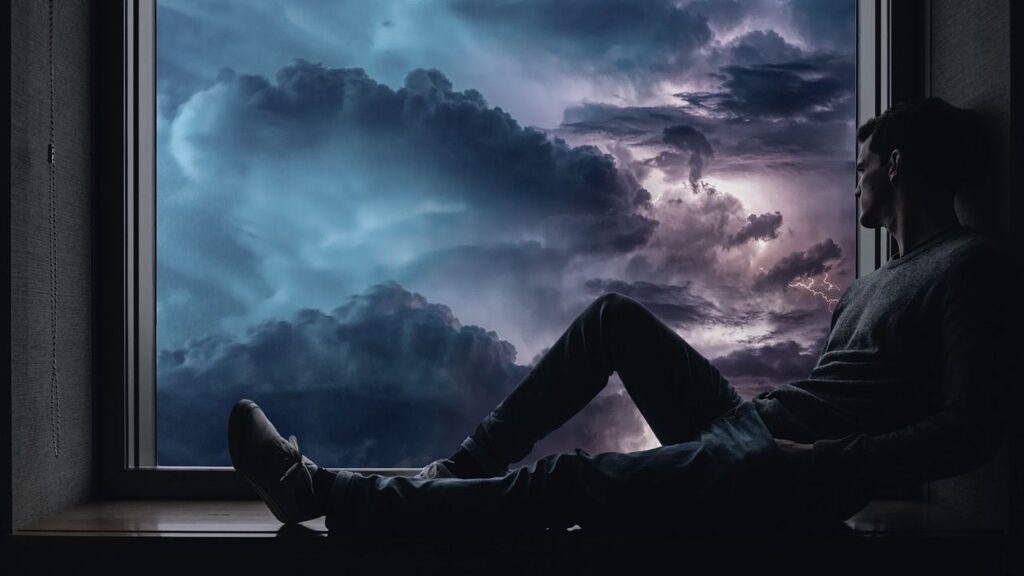
There’s something strangely soothing about the sound of rain hammering against the window while thunder rolls in the distance. For some people, storms are not just weather; they feel like a mirror of what’s happening inside. If you’ve ever felt oddly calm during heavy rain, or even secretly excited when a storm warning pops up, you’re not weird – you might just be wired to find comfort in intensity that matches your emotional world.
Psychology has a lot to say about why certain people are drawn to dramatic, moody environments. It touches on emotional regulation, personality traits, childhood experiences, and even how our brains process sensory input. Let’s dig into what might really be going on when you breathe a little easier the moment the sky turns dark and the storm rolls in.
When the Weather Finally Matches the Mood Inside
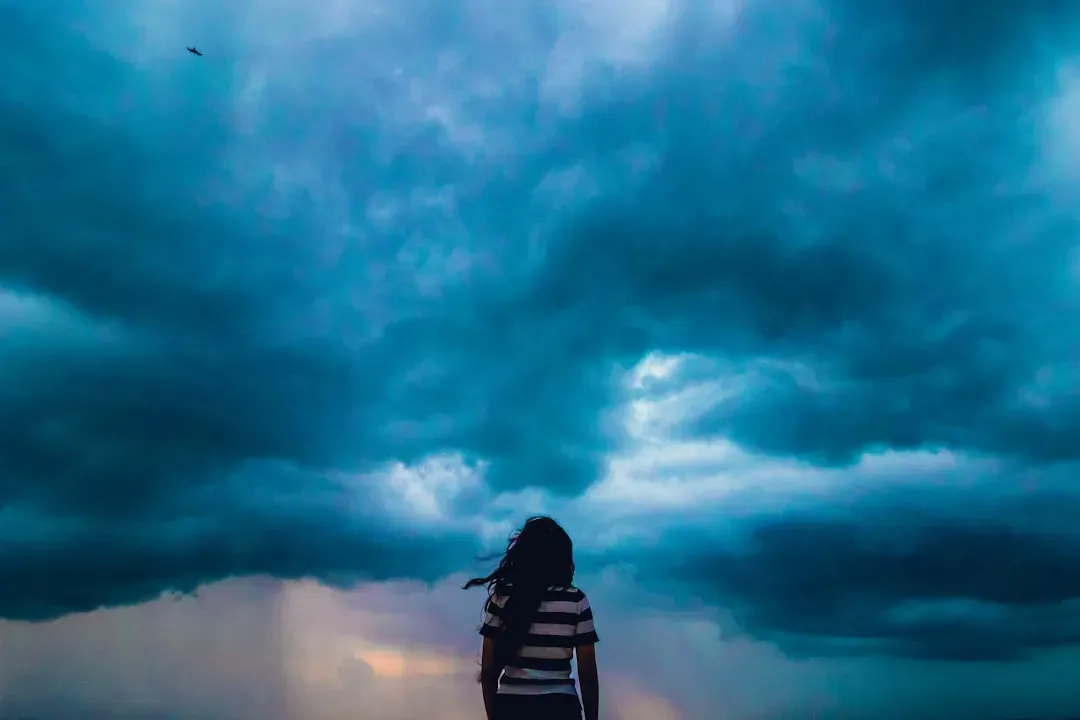
Have you ever had one of those days where your emotions feel huge, but the world outside looks annoyingly sunny and normal? For people who love storms and heavy rain, there’s often a powerful sense of relief when the weather finally looks as intense as they feel. It can feel like the sky is saying, in its own way, that it understands you. That alignment between inner chaos and outer chaos can be incredibly validating.
Psychologically, this is about emotional congruence – the feeling that your inner state lines up with your environment. When that happens, you don’t have to fight as hard to pretend you’re fine or “tone it down” for everyone else. The storm becomes a kind of emotional backdrop that says, without words, that big feelings are allowed right now. That emotional permission can be deeply comforting for people who often feel like they’re “too much” in everyday life.
Storms as a Safe Container for Intense Feelings
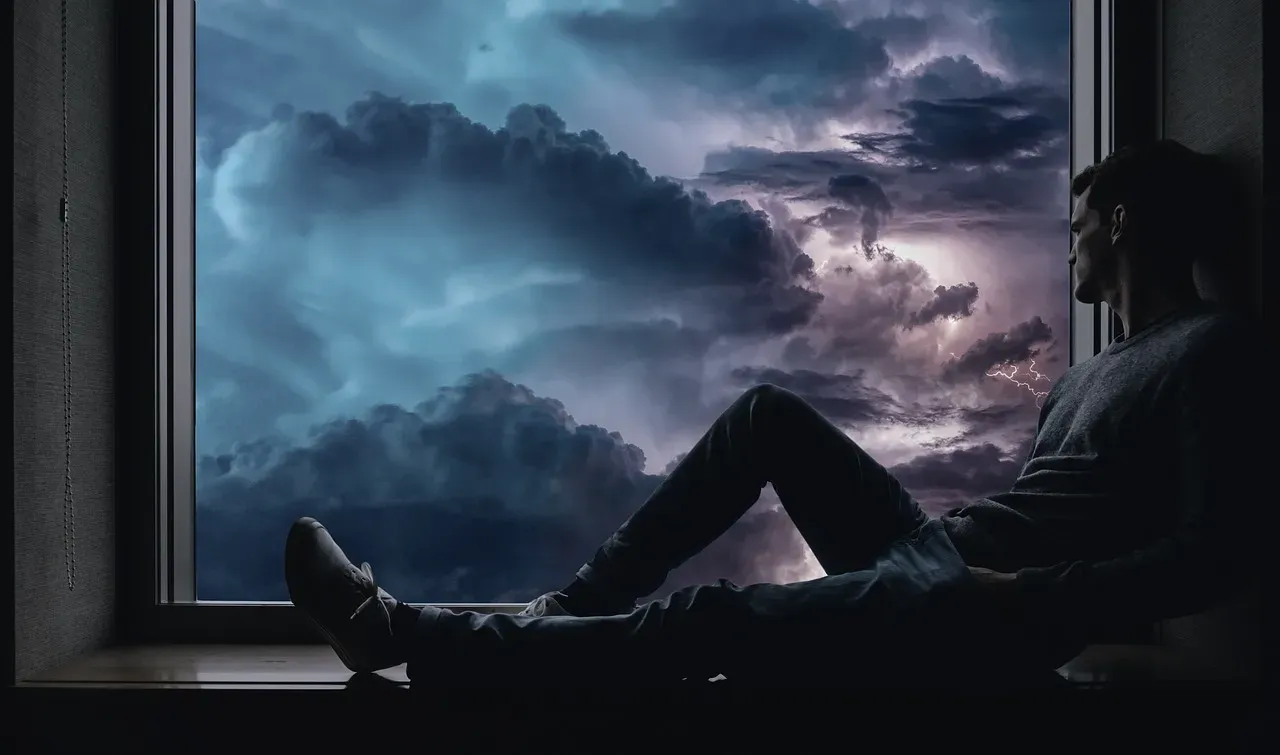
Oddly enough, a wild thunderstorm can make some people feel safer, not more afraid. The storm is intense, but it’s also outside, beyond the window, with you tucked away in bed, on the couch, or under a blanket. That creates a psychological container: all the drama is happening out there, while you watch from a place of relative safety. This inside–outside contrast is soothing because it allows you to feel intensity without being swallowed by it.
In therapy, people sometimes use metaphors like waves, fires, or storms to talk about overwhelming emotions. When real weather mirrors those metaphors, it can help the brain organize feelings that usually seem vague and unmanageable. The storm acts almost like a movie of your emotions playing in the sky, and simply observing it can be a form of emotional processing. It’s not that the storm fixes anything, but it can make emotional turbulence feel more understandable and less lonely.
The Quieting Effect of Heavy Rain on an Overstimulated Brain
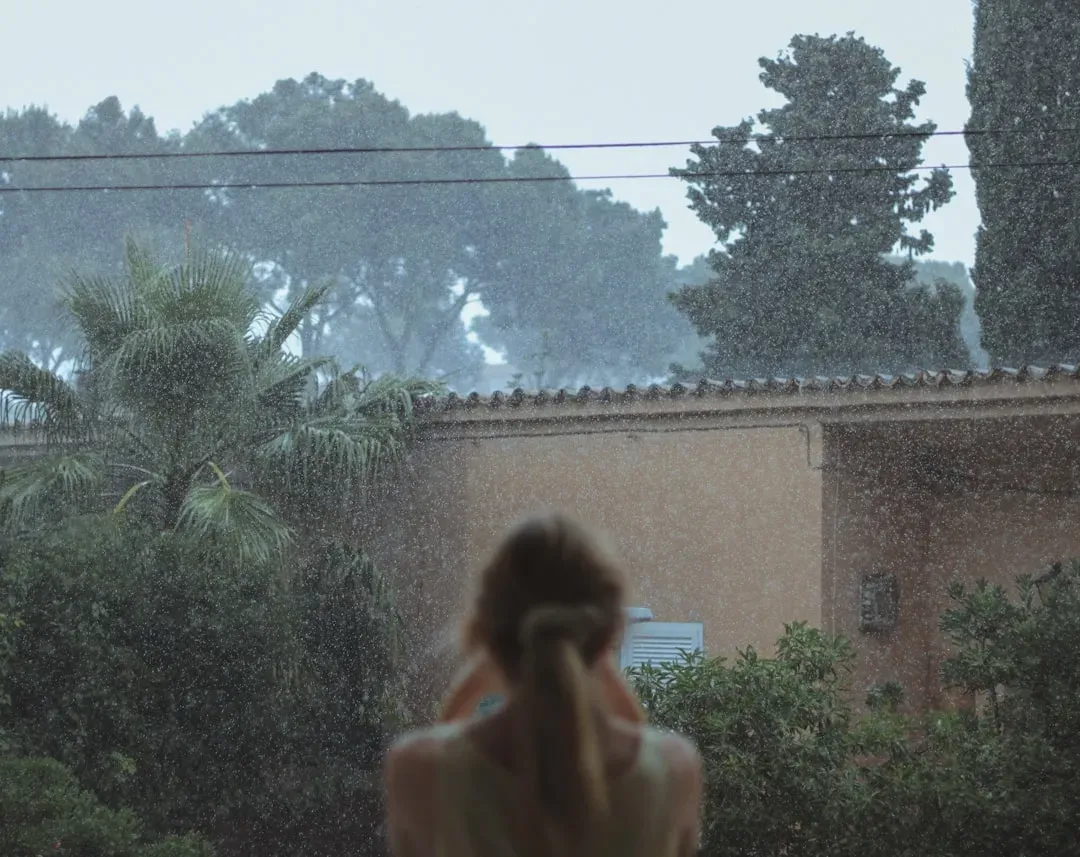
Many people who love heavy rain describe it as mentally calming, almost like the sound washes their thoughts clean. From a sensory perspective, the steady roar of rain and distant thunder can function like a natural white noise machine. That constant, predictable sound masks sudden, sharp noises and gives the nervous system something steady to lock onto. For people with busy minds or heightened sensitivity, this can be a massive relief.
There’s also something about the dim light and slower pace during a rainstorm that invites the body to downshift. When the environment gets darker and quieter, we are more likely to turn inward, slow down, and reflect. For an anxious, overthinking brain, the sensory blanket of a storm can feel like someone finally hitting the “low power mode” button. It is not magic, but it can be a very real form of nervous system comfort, especially for people who tend to live in a constant state of mental overdrive.
Emotional Intensity, Personality Traits, and the Love of Storms

People who are drawn to storms often share certain personality traits, even if they express them differently. Some tend to be highly sensitive, meaning their nervous system reacts more strongly to emotional and sensory input. Others lean more introverted and introspective, naturally pulled toward depth, intensity, and internal exploration rather than surface-level small talk and bright, busy environments. For them, a stormy day feels more “right” than a blindingly bright one.
There is also a link to what psychologists call openness to experience, the trait associated with creativity, imagination, and a love for unusual, complex, or intense situations. Storms are visually and emotionally dramatic, filled with contrast and unpredictability. If you’re the type of person who finds emotional and aesthetic depth rewarding rather than scary, a storm might feel less like a threat and more like a live performance from nature that hits every note of your inner soundtrack.
Melancholy, Mood, and Why Gloomy Weather Can Feel Like Home
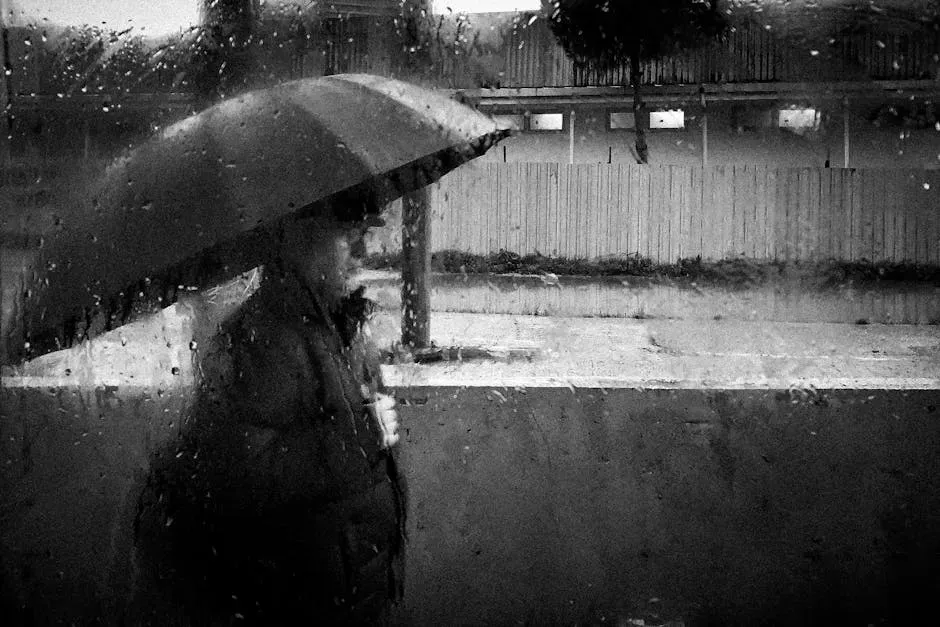
For some, loving storms goes hand in hand with a kind of gentle melancholy – a comfort with sadness, nostalgia, or reflective moods. Not everyone experiences sadness as something to escape at all costs. Some people actually find it grounding, honest, even beautiful in a bittersweet way. Stormy weather, with its gray skies and slow rhythm, creates a mood that supports this quieter side of emotional life.
This does not automatically mean someone is depressed or unwell just because they like rain. There is a difference between being pulled into a dark hole and simply feeling at ease in emotional shades that are not bright and cheerful. In fact, people who feel comfortable with melancholic moods are often better at sitting with their feelings instead of numbing them or running away. Storms give those emotions a backdrop where they feel neither wrong nor out of place, and that sense of belonging can be surprisingly healing.
Control, Predictability, and the Strange Comfort of Forecasted Chaos
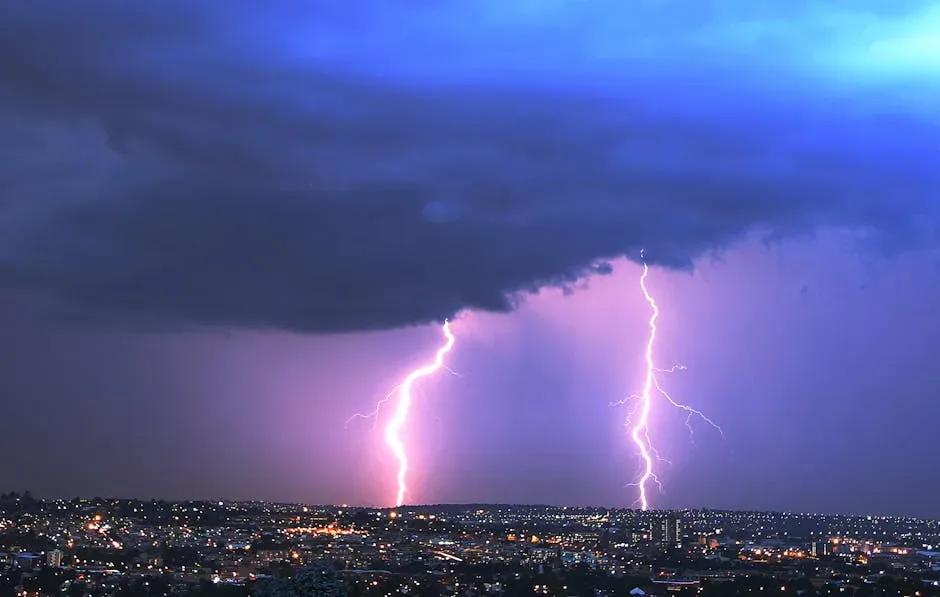
One underrated reason storms can feel oddly reassuring is that they are wild but somewhat predictable. You usually get a forecast, a radar map, a warning. You might not know exactly where the lightning will hit, but you know a storm is coming. For people whose internal life feels chaotic and hard to control, a storm is like chaos with a schedule. It is intense, but it follows rules, and that combination can feel emotionally stabilizing.
Inside the house, routines around storms can deepen that sense of control: lighting candles, making tea, putting on a playlist, or curling up with a book. These rituals turn the storm into an event you participate in, not just something that happens to you. When anxiety in daily life often comes from unpredictable emotional blows – conflict, rejection, disappointment – a storm that you can anticipate, watch, and move through becomes a kind of rehearsal for handling intensity without falling apart.
Storms as an Aesthetic and Identity: Romanticizing the Inner Weather
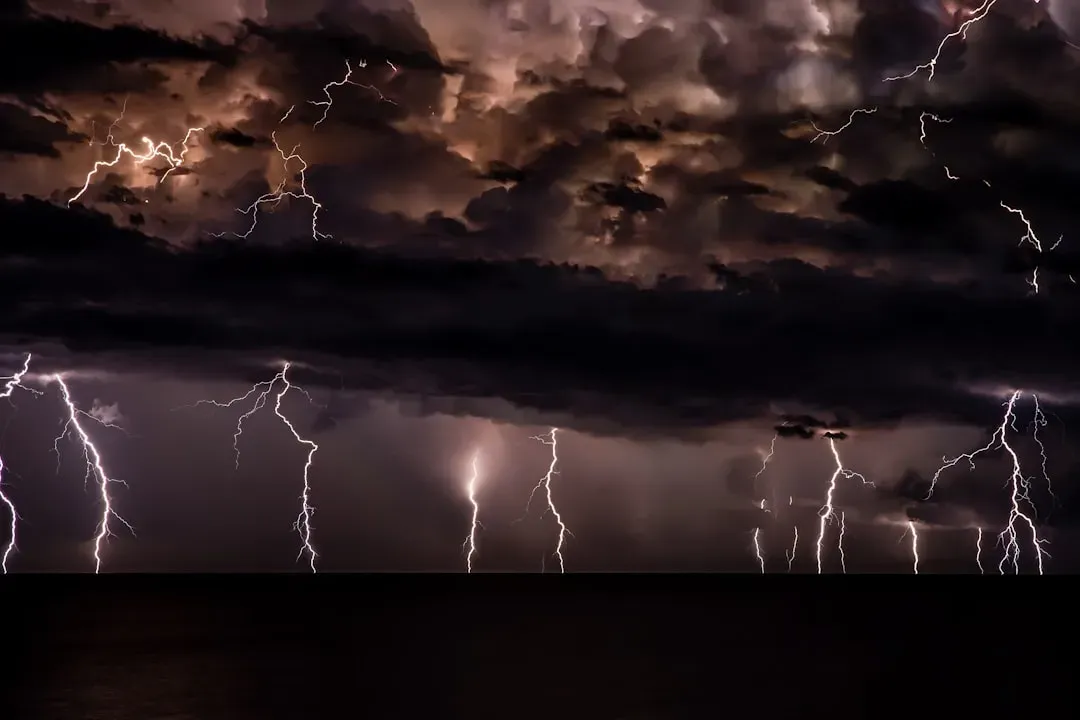
There is also a cultural, aesthetic side to storm-loving that psychology can’t ignore. Many people who love rain and thunder connect it with art, music, and identity. You see it in playlists with storm sounds, moody films, and photography of rain-soaked city streets lit by neon. When someone says they are a “rain person,” they are often telling you something about how they see themselves: reflective, deep, maybe a bit mysterious or intense.
This matters because the environments we prefer often reinforce the stories we tell about who we are. If you identify as someone who feels deeply, thinks a lot, and lives with emotional intensity, then a bright, cloudless beach day might feel like the wrong soundtrack. A stormy night, on the other hand, fits the personal myth you’ve built about your inner world. Psychology recognizes that we do not just respond to environments passively; we curate them to match how we want to feel and who we believe ourselves to be.
Past Experiences: When Storms Meant Safety, Connection, or Magic
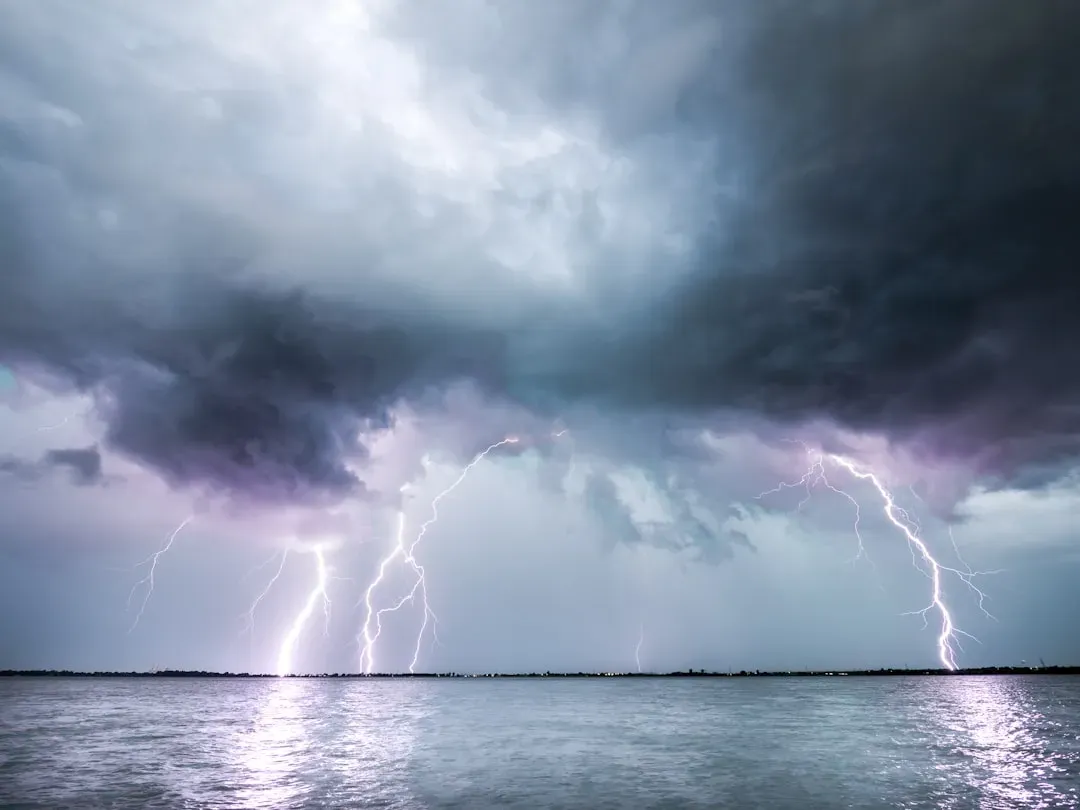
Our relationship with weather is also shaped by memory. Someone who grew up watching storms from a safe porch with a warm drink and a caregiver nearby might develop a deep sense of comfort around heavy rain. For them, thunder might be linked, at a subconscious level, with feeling cared for, cozy, and protected from the world. On the flip side, someone with traumatic experiences during storms may understandably react with fear rather than calm, which shows just how personal all of this really is.
Even neutral experiences can take on emotional weight over time. Maybe you did your deepest thinking as a teenager during late-night storms, scribbling in a journal by the window. Maybe the rain was your soundtrack during some huge life transition, a breakup, a new city, a hard decision. The brain is very good at pairing weather with emotion, and those associations often linger. Loving storms, in that sense, can be less about the lightning itself and more about everything your life has ever held under a dark, rainy sky.
Finding Balance: Comfort in Intensity Without Getting Lost in It

While it can be deeply comforting to love storms and find emotional resonance in heavy rain, there is a balance to hold. If you only feel truly yourself when everything is dramatic – inside or outside – you might end up unintentionally chasing emotional turbulence or staying stuck in it. Some people come to rely on external intensity to feel alive or validated, and that can make calm, ordinary days feel wrong or empty. Psychology would gently question whether you are using storms, literal or metaphorical, to avoid building comfort with quieter emotional states.
On the other hand, honoring your love of stormy, high-intensity environments can be a way of accepting your emotional nature rather than trying to flatten it to fit social expectations. The key is not to romanticize suffering itself, but to recognize that you might simply be someone who thrives in depth and richness, as long as you stay grounded. You can enjoy thunderstorms, dramatic playlists, and moody evenings while also learning to feel safe in stillness, light, and calm. Emotional maturity is not about choosing one over the other – it is about being able to handle both without losing yourself.
Conclusion: When the Sky Understands You
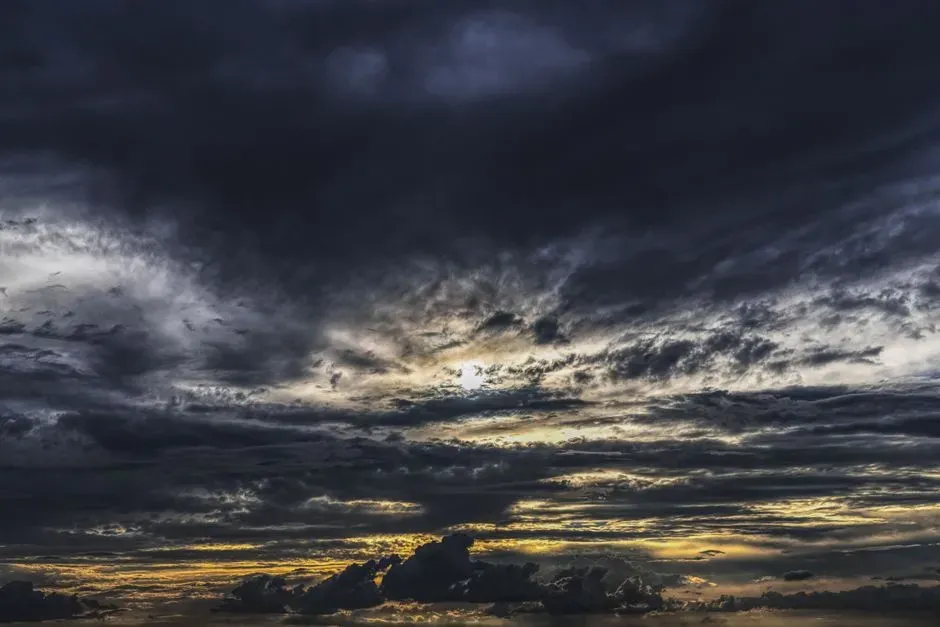
In my opinion, the love of storms and heavy rain is one of those quiet psychological clues that someone has a rich, complex inner life. It suggests a person who is not afraid of emotional depth, who finds beauty in intensity, and who feels strangely seen when the world outside looks as dramatic as it sometimes feels inside. That does not mean they are broken, overly dark, or destined for misery; it might mean they simply refuse to pretend that life is always bright and easy. They feel more at home when the sky admits that things can be wild, too.
At the same time, I think the healthiest relationship with storms – both real and emotional – is one where you let them pass through without needing them to define you. You can curl up with your favorite mug, listen to the thunder, feel the validation of a loud sky, and still know that you are more than your hardest feelings. Loving storms can be a sign of emotional courage rather than emotional damage, as long as you also learn to love the quiet after the rain. So when the next storm rolls in and your shoulders finally drop, maybe ask yourself: is it the weather calming you, or the feeling of finally being matched?