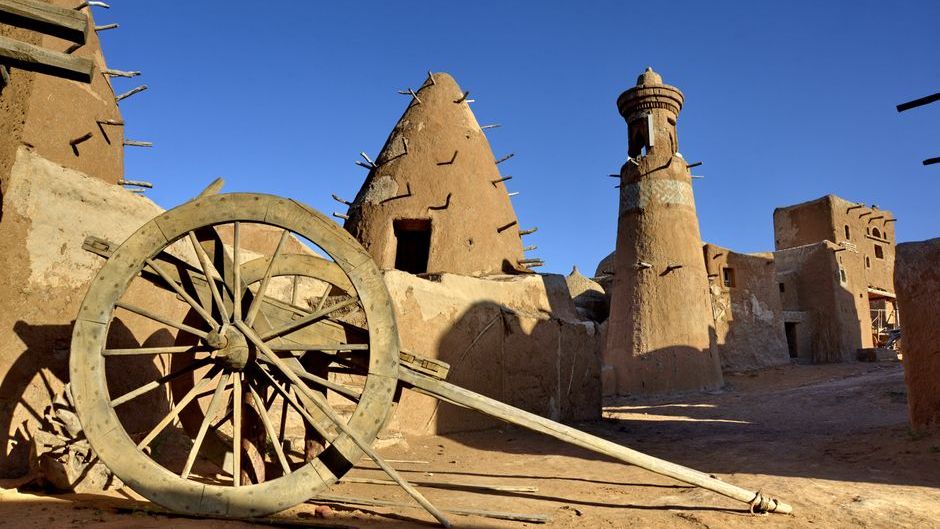
If you have ever caught yourself daydreaming about living in a quiet village centuries ago, far away from phones, emails, and endless notifications, you are not alone. Many people secretly imagine that life in ancient times was slower, deeper, and somehow more meaningful, even though it was also harsher and shorter. It is a strange paradox: the more comfortable our modern lives become, the more we seem to fantasize about eras when survival itself was a daily struggle. That tension between material comfort and emotional emptiness sits at the heart of a very human psychological habit: idealizing the past when the present feels hollow.
I have felt this pull myself on evenings when everything looks fine on paper, yet something feels missing under the surface. The thought creeps in that maybe people in ancient societies, without the constant noise and pressure, were simply more connected and fulfilled. Of course, when you stop and think, you know those times were full of disease, war, danger, and severe inequality. But the fantasy is not really about historical accuracy; it is about a craving that modern life is not satisfying. Psychology has a lot to say about why our minds work this way, and once you see the patterns, it becomes much easier to recognize when you are not really longing for the past, but for something much closer and more personal: a different way of feeling alive right now.
The Brain’s Nostalgia Filter: Why the Past Looks Softer Than It Was

When modern life starts to feel empty, our memory does something sneaky: it edits. Psychologists have long observed a tendency called rosy retrospection, where people remember past experiences as better than they really were. Our brains naturally mute the everyday boredom, stress, and discomfort of earlier eras and highlight the warm, meaningful, or dramatic parts. When we apply that same filter to history instead of our own lives, ancient times begin to look like a golden age of simplicity, community, and purpose, even though the reality was harsh and unforgiving for most people.
There is also a basic survival logic behind this habit. Remembering the past as meaningful and coherent helps us tolerate the uncertainty of the present. It gives us a storyline: things used to make sense, and maybe they can again. The problem is that this psychological filter can fool us into thinking that the answer is to escape into some imagined ancient world, instead of facing what actually hurts today. It is a bit like scrolling through your own social media from years ago and forgetting that behind every smiling photo there were also fights, worries, and sleepless nights. The nostalgia filter is comforting, but it is not honest.
When Life Feels Empty, the Mind Reaches for “Once Upon a Time”
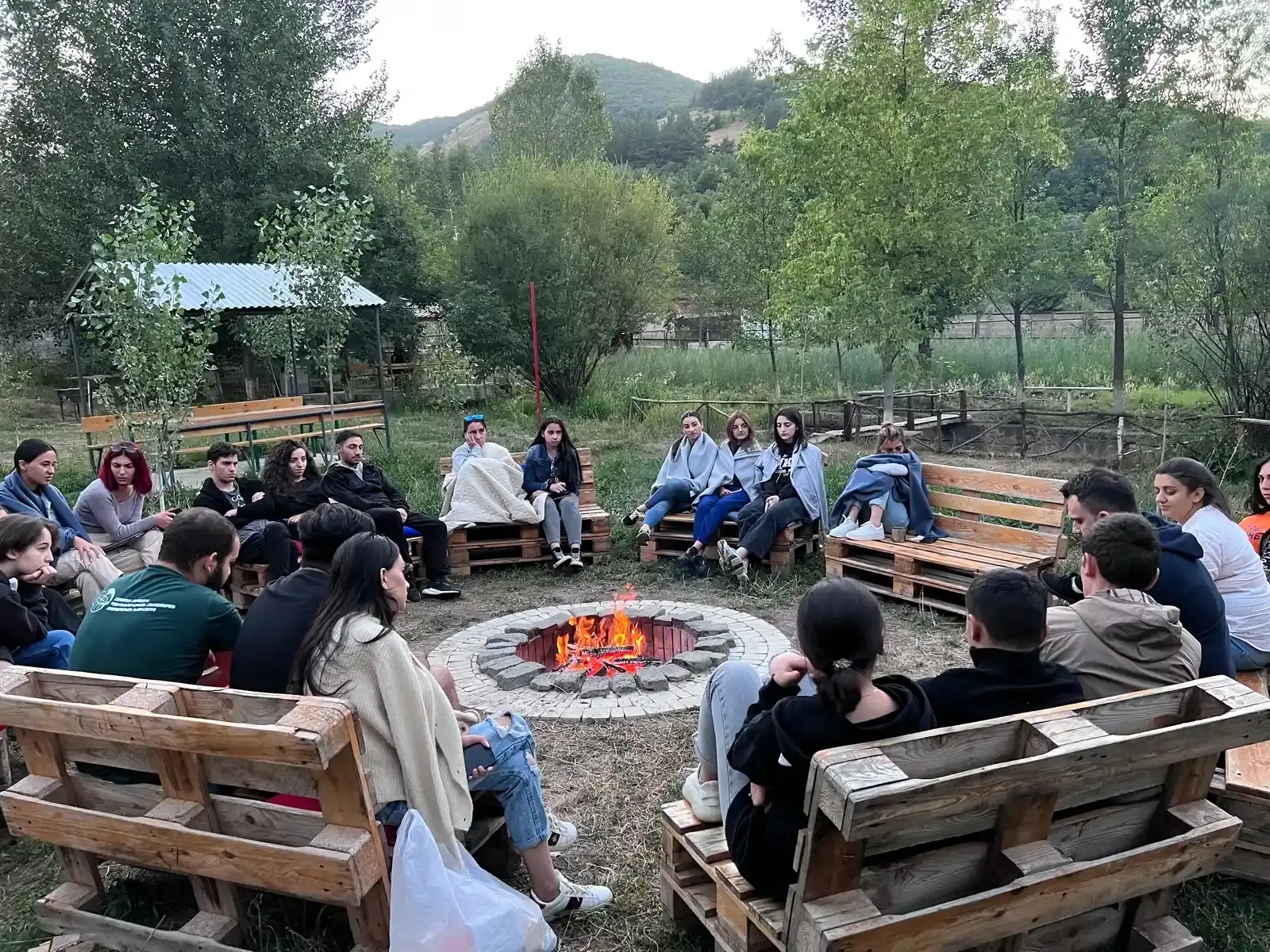
Emotional emptiness is not just feeling sad; it is feeling blank, disconnected, and strangely numb even when everything seems fine. In that vacuum, the mind often reaches for a story big enough to explain the ache. Ancient times become a kind of psychological canvas, a distant landscape where we imagine people living with strong rituals, shared beliefs, and clear roles. When your daily routine feels like an endless loop of tasks and screens, the idea of waking up to rituals around fire, storytelling, or communal work can feel spiritually intoxicating.
This is where psychology and imagination start to blend. We are not just curious about history; we are auditioning alternate lives that might soothe our own inner restlessness. The craving is rarely for specific historical facts; it is for qualities we project backward in time: depth, unity, purpose, sacredness. The more disconnected and overstimulated we feel, the more we lean into fantasies of a world where every act seemed to matter. In that sense, romanticizing ancient times is less about the past and more about a desperate attempt to patch a hole in the present.
The Allure of Simplicity: Ancient Life as an Antidote to Overload
Modern life often feels like having ten browser tabs open in your head at all times. Messages, updates, deadlines, content feeds, and constant comparisons can leave you mentally fried long before the day is over. Against that backdrop, the idea of an ancient day with only a few essential tasks – gather food, tend animals, repair tools, sit with family – starts to look deeply appealing. It seems straightforward, almost meditative, compared to the mental chaos of juggling dozens of digital and emotional inputs at once.
Psychologically, humans crave a sense of manageability. When life feels too fragmented and overloaded, we instinctively fantasize about fewer choices and clearer priorities. Ancient times become a symbol of constraint in the best sense: less noise, fewer distractions, and more direct contact with what keeps you alive. Of course, the reality would have been exhausting in very different ways, but the fantasy is not about realism. It is our way of saying that our nervous systems are tired of being permanently on high alert, and we are desperate for a simpler rhythm, whether it exists in the past or needs to be created now.
Community, Ritual, and Belonging: What We Think Ancient People Had
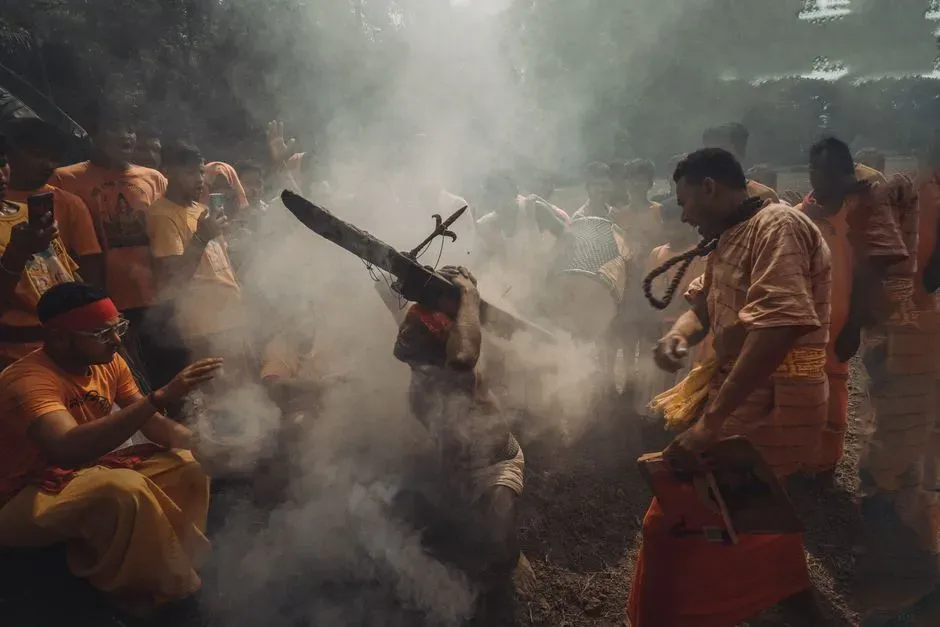
One of the most persistent beliefs about ancient times is that people were more connected to one another. We picture tightly knit villages, long shared meals, communal work, and rituals that marked every major life event. Modern psychology shows that humans are wired for belonging; feeling part of a stable, supportive group protects against loneliness, depression, and a sense of meaninglessness. So when our own lives feel emotionally empty, it is natural to project an idealized form of connection onto historical communities.
Rituals are another powerful part of that fantasy. Many traditional societies had daily, seasonal, and life-stage rituals that offered a sense of continuity and shared identity. Today, a lot of people move frequently, work remotely, and drift between online spaces with no stable anchor. That kind of fluid, fragmented lifestyle can leave you emotionally hungry for shared rhythms and symbols. So you start to imagine that in ancient times, every sunrise, harvest, and milestone had a sacred shape to it. Whether or not that is fully accurate, what you are really doing is mourning the loss of ritual and community in your own life, and using the ancient world as a mirror for what you wish you had.
Modern Disconnection, Ancient Fantasy: A Coping Mechanism in Disguise
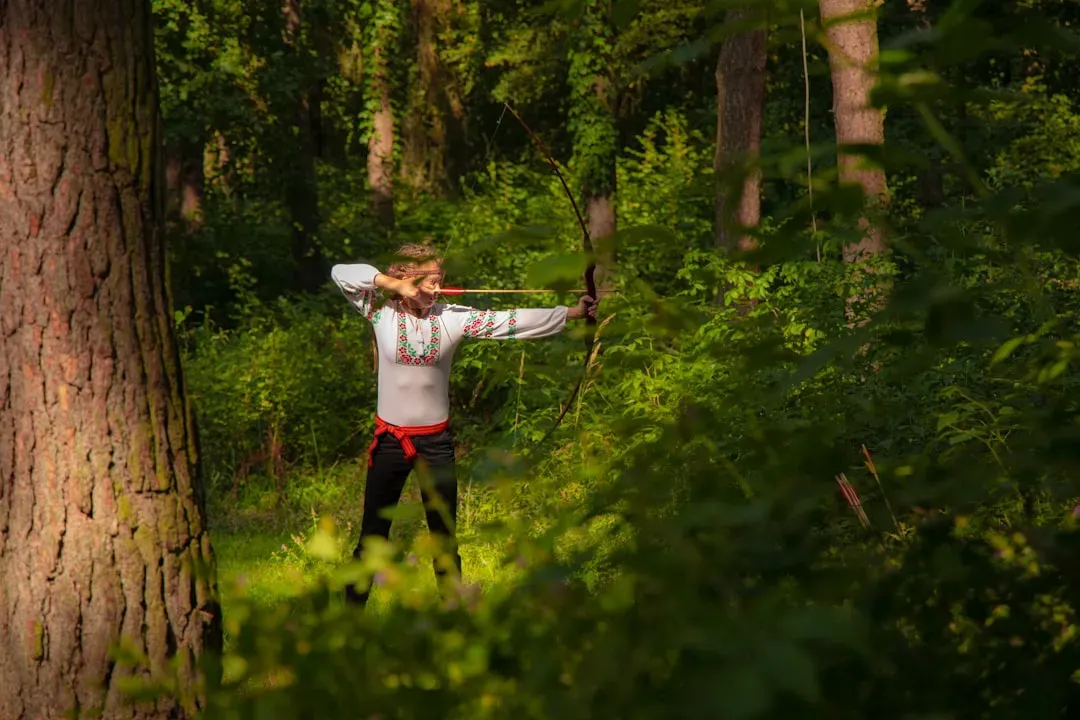
Idealizing ancient times can work like an emotional bandage. When you feel stuck in a job that drains you, a city that overwhelms you, or relationships that feel thin, dreaming of another era offers relief. You imagine trading endless emails for face-to-face conversations, fluorescent offices for open fields, and shallow small talk for deep storytelling under the stars. This mental escape creates a sense of distance from your current pain, much like imagining a better version of yourself in the future can make present struggles feel more bearable.
However, this coping strategy has a hidden cost. The more you romanticize another time, the more powerless you may feel to change your actual situation. If all the real meaning is imagined to exist “back then,” it is easy to become cynical about what is possible “right now.” The fantasy of ancient life can become a quiet way of giving up on modern life. Instead of asking how to build richer relationships, healthier routines, or deeper values today, you mentally relocate your best life to a time you can never touch. It feels soothing, but it keeps you stuck.
Why Our Stories, Myths, and Media Keep Feeding the Ancient Dream
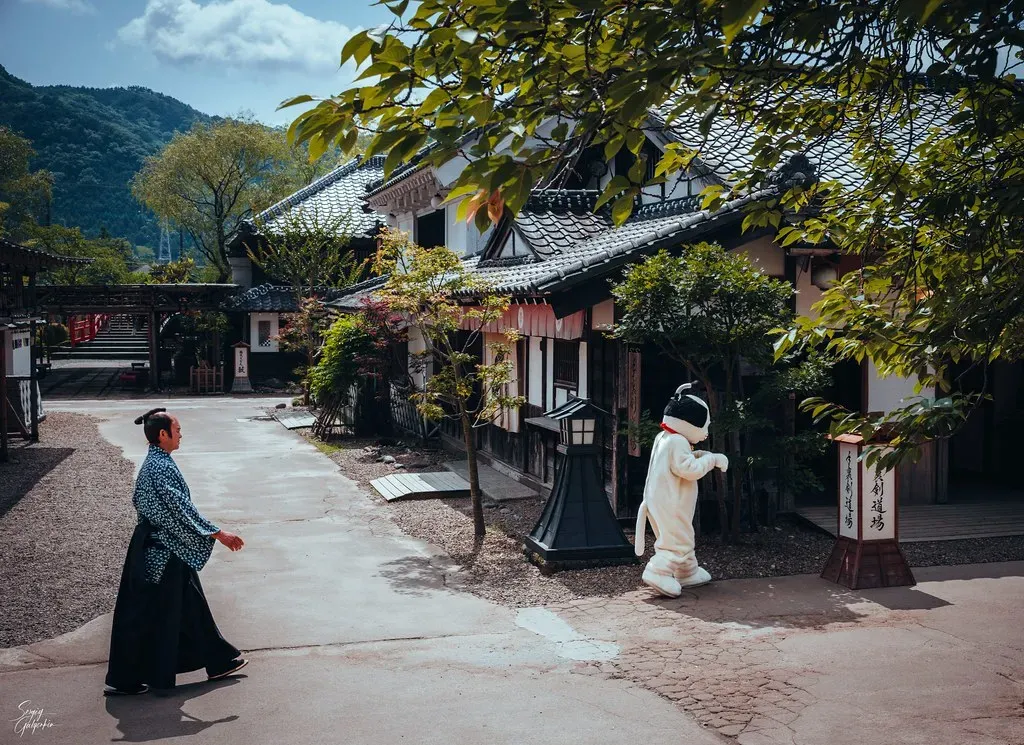
Culture does not just reflect our fantasies; it amplifies them. Films, series, novels, and games set in ancient or pseudo-ancient worlds often lean hard into themes of honor, destiny, tribe, and sacred duty. They rarely dwell on tooth infections, famine, or the fact that basic medicine did not exist. Instead, they give us worlds where conflicts are grand, loyalties are clear, and lives are lived on a visibly meaningful stage. For someone whose real life feels emotionally flat and repetitive, these stories can be intoxicating proof that a richer, more dramatic existence once existed.
Myths and historical narratives also tend to compress time and smooth out complexity. Whole centuries are distilled into a handful of heroes, battles, and turning points. Compared to the messy, unresolved sprawl of everyday modern life, that shaped, edited version of the past feels deeply satisfying. It is like comparing a highlight reel to raw, unedited footage. So when people say they wish they lived in ancient times, they are usually wishing to live inside that highlight reel, not the daily grind that actual humans of that era endured. Media and mythology give form to our vague discontent, offering a beautifully lit, emotionally charged version of the past that is hard to resist when the present feels gray.
From Romanticizing the Past to Rebuilding the Present

There is nothing wrong with loving history, feeling drawn to old stories, or admiring the courage and creativity of people who lived long before us. The trouble starts when we quietly decide that meaning, depth, and connection belong to them, not to us. In my view, the habit of romanticizing ancient times is a signal, not a solution. It is your psyche waving a flag and saying that your current way of living is not feeding your emotional needs. The answer is not to daydream yourself into a stone age village, but to ask which parts of that fantasy you can realistically weave into your present life.
Maybe what you are craving is not an ancient era at all, but more embodied days, stronger community, slower mornings, or clearer values. Those are things you can start to build now, in small stubborn ways, even inside a very modern world. Turning off your phone for a few hours, cooking with friends, creating personal rituals, spending time in nature, or committing to one local community can feel almost revolutionary. We do not need to move backward in time to live more deeply; we need to move more honestly into our own lives. The real question is not whether ancient times were better, but whether we are willing to stop treating meaning as a museum exhibit and start treating it as something we can re-create, right here, today. What piece of your own imagined “ancient life” are you brave enough to build in the present?