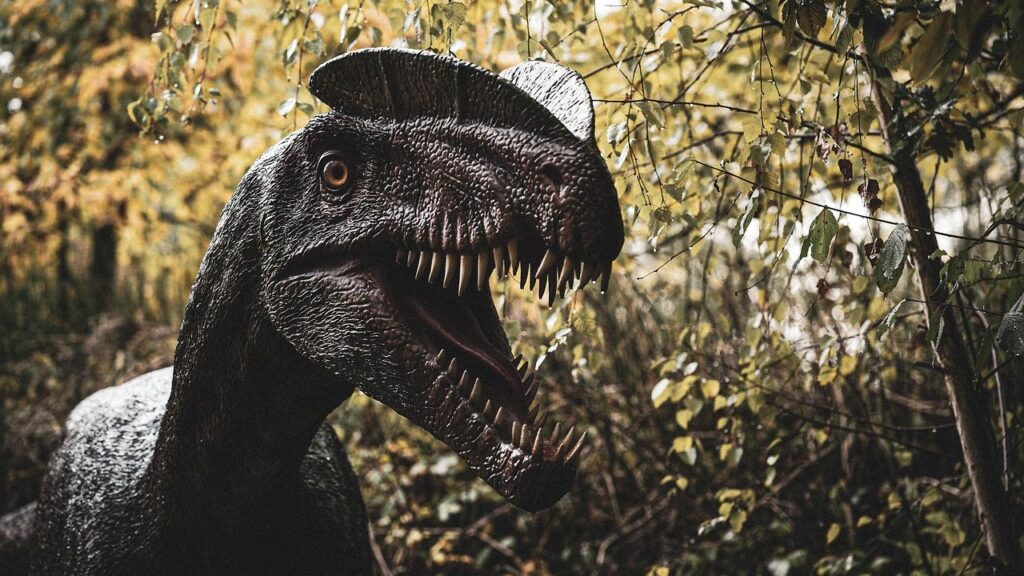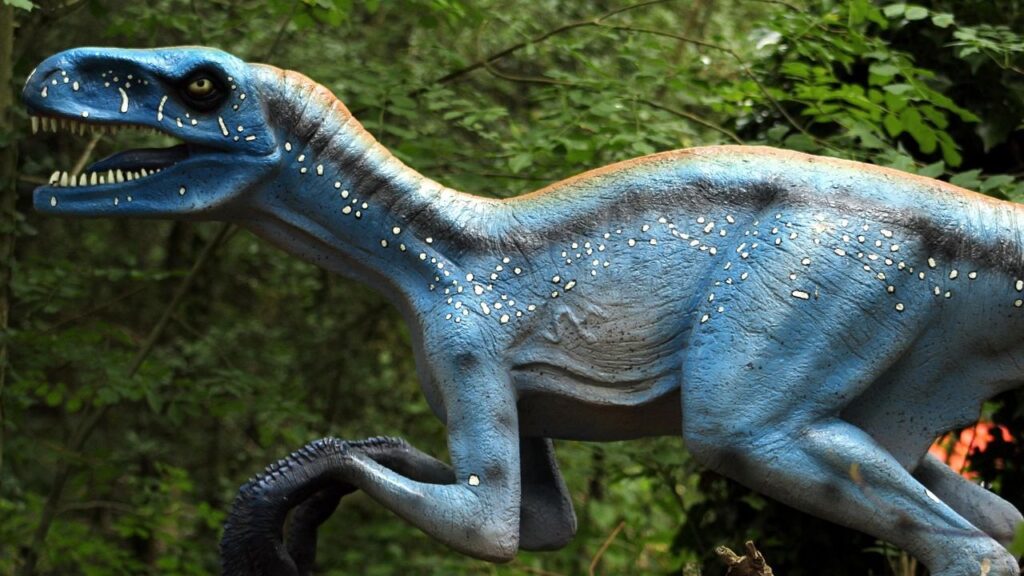
There’s something undeniably thrilling about a dinosaur documentary. Thunderous soundtracks, CGI teeth inches from the camera, and constant talk of “ultimate predators” all make it feel like you’re watching an action movie rather than a nature program. But somewhere between the roaring tyrannosaurs and the slo-mo raptor attacks, a lot of these shows quietly step over the line from science into spectacle. If you’ve ever felt that dino docs all started blending together, you’re not imagining it.
The funny part is that real dinosaur science is already wild and dramatic on its own. We have fossilized behavior, evidence of feathers, social lives, and even hints about colors and sounds. Yet many documentaries recycle the same overcooked tricks because they think you’ll only keep watching if you’re constantly on the edge of your seat. Let’s walk through the most overdramatic habits these shows can’t seem to quit – and what a more grounded, still-entertaining version could look like instead.
1. Turning Every Dinosaur Into a Mindless Killing Machine
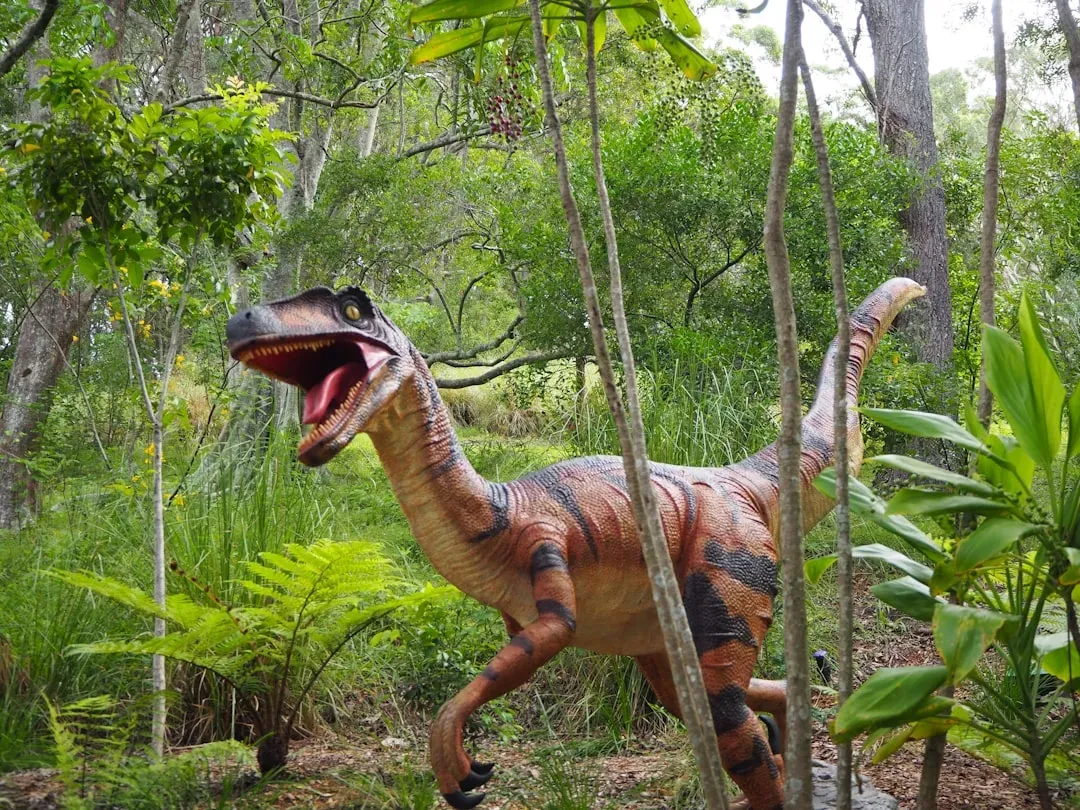
Some documentaries treat dinosaurs like horror-movie monsters: always hunting, always enraged, always drenched in someone else’s blood. The camera follows a theropod pacing through the forest and the narrator immediately frames it as a relentless stalker, as if it has no other purpose in life than chasing something down in dramatic slow motion. In reality, even the largest carnivores probably spent most of their time doing very un-television-friendly things like resting, digesting, and simply walking from place to place. Real ecosystems do not run on constant gladiator matches; they run on long stretches of calm, interrupted by short bursts of conflict.
We know from modern predators – big cats, crocodiles, wolves – that hunting is energetically expensive and risky. Many attempts fail, and even successful hunters are not charging around all day like video game villains. So when a documentary shows a tyrannosaur attacking three times in ten minutes, it is leaning into drama, not ecology. That does not mean these animals were gentle giants; it means they were animals, with complex behaviors that included hunting, feeding on carcasses, avoiding injury, and competing with others. Treating them like single-purpose death robots might look cool, but it quietly strips away the very natural history that makes them worth studying.
2. Overusing Slow-Motion Death Scenes Like It’s a Sports Replay
There is always that one scene: a panicked hadrosaur runs, a predator leaps, and then everything drops into syrupy slow motion. Dust swirls, claws flex, teeth glint, and the soundtrack swells as if we are watching the final seconds of a championship game. A bit of slow motion can help a viewer understand movement or anatomy, but many documentaries fall in love with the effect and use it over and over, as if the only way to show behavior is through drawn-out, hyper-dramatized kills. The result can feel less like a window into the past and more like a highlight reel from a prehistoric fight channel.
What gets lost is subtlety: the quick decision-making, the near misses, the failed hunts that probably made up the majority of attempts. There is also almost no interest in what happens after the kill – how scavengers arrive, how bones are broken down, how nutrients flow back into the ecosystem. That quiet aftermath is where a lot of paleontology actually lives, in the traces left by feeding and decay. But since a slow-motion chase is easier to sell than a realistically messy carcass scene filled with insects, many shows choose spectacle over science. It is a shame, because the real story is far richer than the endlessly replayed tackle at the end.
3. Cranking Up Roars and Sound Effects With Zero Evidence
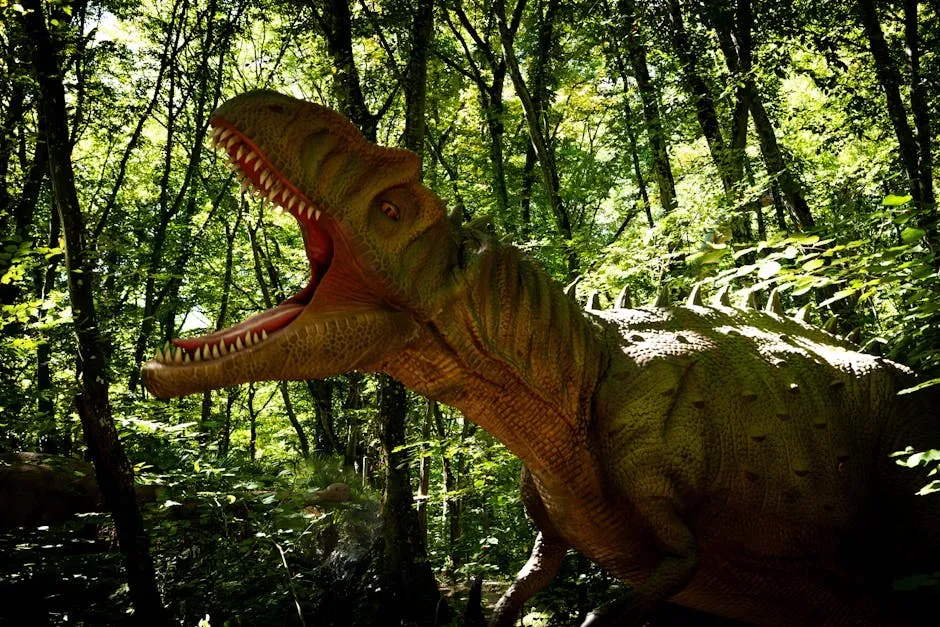
If you believed many dinosaur documentaries, the Mesozoic sounded like a nonstop monster convention. Every step is a thundering stomp, every tail swish is a whip crack, and every large dinosaur apparently roars at the sky for no reason. The truth is that for most species we simply do not know what they sounded like. A few lineages give us clues through comparisons with living relatives like birds and crocodilians, and certain fossil structures can hint at air sacs or resonating chambers. But nobody has a tape recorder from the Late Cretaceous, and a lot of the iconic roars are essentially guesswork spiced up in the editing booth.
There are interesting, science-based possibilities here that often get skipped in favor of generic monster noises. Many large animals today communicate with low-frequency sounds that travel long distances, some of which may even fall below human hearing. Some dinosaurs might have relied more on low rumbles, body posture, and visual displays rather than dramatic lion-like bellows. Yet a deep, subtle call is harder to dramatize than a screen-shaking roar that rattles your speakers. So the sound designers dial everything up to eleven, and the impression viewers get is less ancient ecosystem and more theme-park ride.
4. Treating Every Scientific Hypothesis Like Proven Fact
One of the most misleading habits in dinosaur documentaries is how they present new ideas. A single study suggests a possible behavior or feature, and suddenly the narrator delivers it with absolute certainty, framed by glossy CGI. You rarely hear phrases like “one interpretation is” or “some paleontologists think.” Instead, the voice-over declares that this species definitely hunted in packs, or absolutely had a particular color pattern, or always nested in a certain way, even when the actual evidence is thin or open to debate. For viewers trying to learn, that blurs the line between data and speculation in a pretty unhelpful way.
Real science lives in uncertainty, revisions, and competing explanations. When a new fossil is discovered with interesting features, paleontologists gradually test ideas about what those features meant through comparison, modeling, and more discoveries. But that slow, cautious process can feel too quiet for television, so producers sometimes prefer a tidy, overstated answer. The irony is that the real back-and-forth of scientific debate can be incredibly compelling. It is often more interesting to admit that we are not sure yet, share the competing possibilities, and show how future finds might change the story than to pretend that a complex question has already been settled forever.
5. Overhyping “Super-Predators” and “Ultimate Killers”
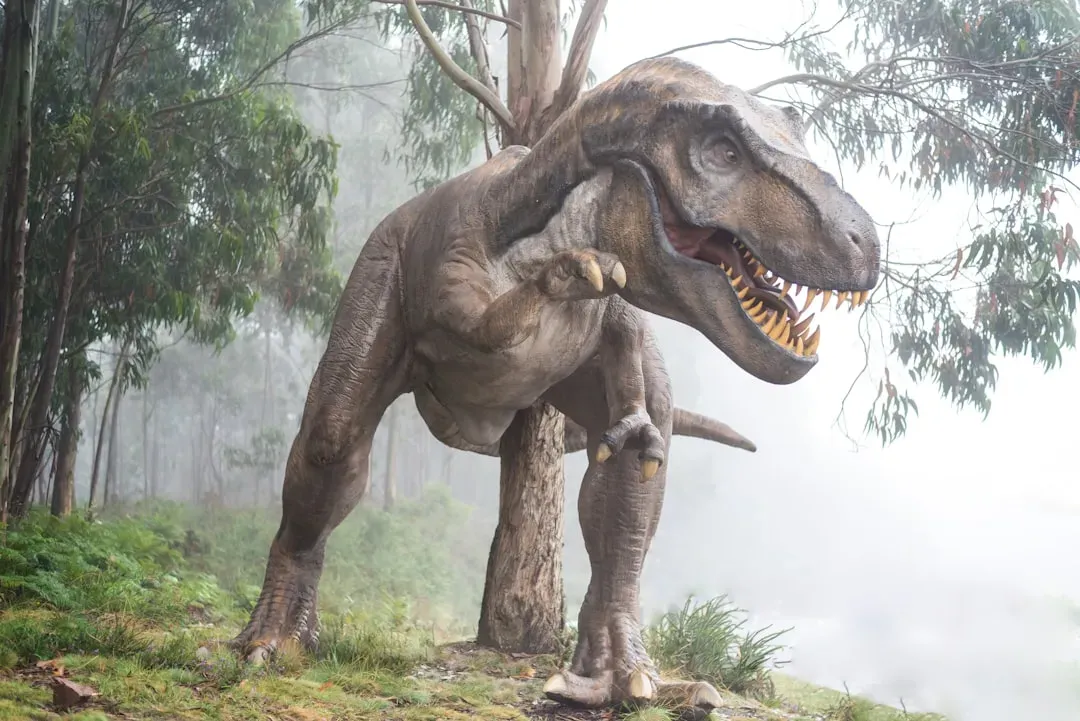
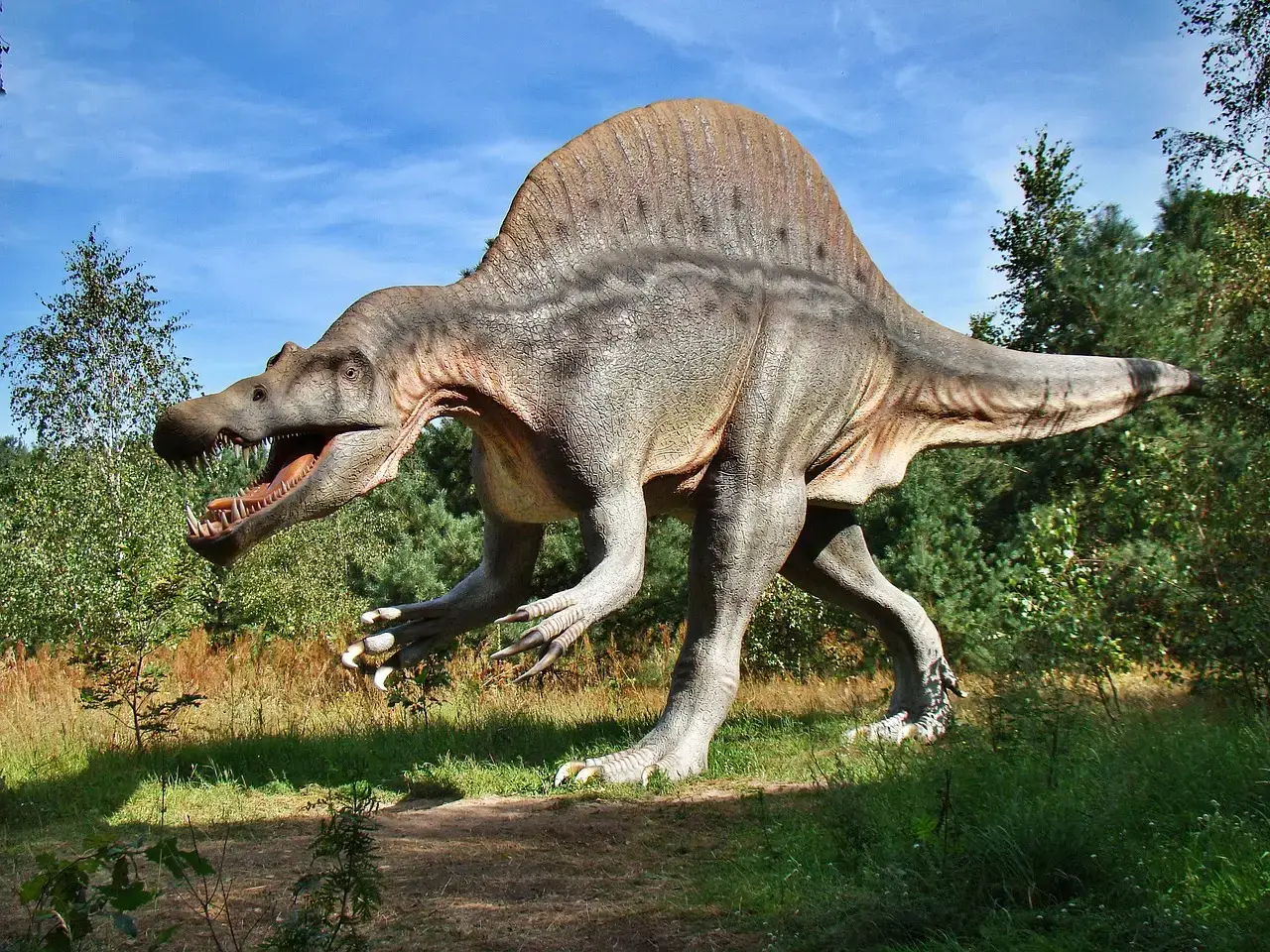
You can almost hear the familiar script: here comes the largest, most terrifying, most perfectly evolved killing machine of all time. Whether it is a giant theropod like Spinosaurus or Tyrannosaurus, the language ramps up to almost cartoonish extremes. Every documentary seems determined to crown a new “top predator” as if prehistoric life was a never-ending competition for a dramatic title card. The problem is that this ignores how evolution actually works and how ecosystems are balanced. Predators are not built to be unstoppable; they are built to survive within the constraints of their environment, which includes prey availability, injuries, disease, and competition.
When you flatten a dinosaur into a trophy of deadliness, you smooth over all the trade-offs that make its anatomy and behavior fascinating. For example, adaptations that improved bite strength could come with costs in speed or endurance. A massive, heavily built predator might dominate in some situations but be outmatched in others or vulnerable when young. Modern ecosystems are full of top predators that coexist with other species rather than permanently dominating everything in sight. Presenting every large carnivore as the final word in killing is less educational than it looks; it is basically turning natural history into a ranking game.
6. Staging Soap-Opera Narratives Around Individual Dinosaurs
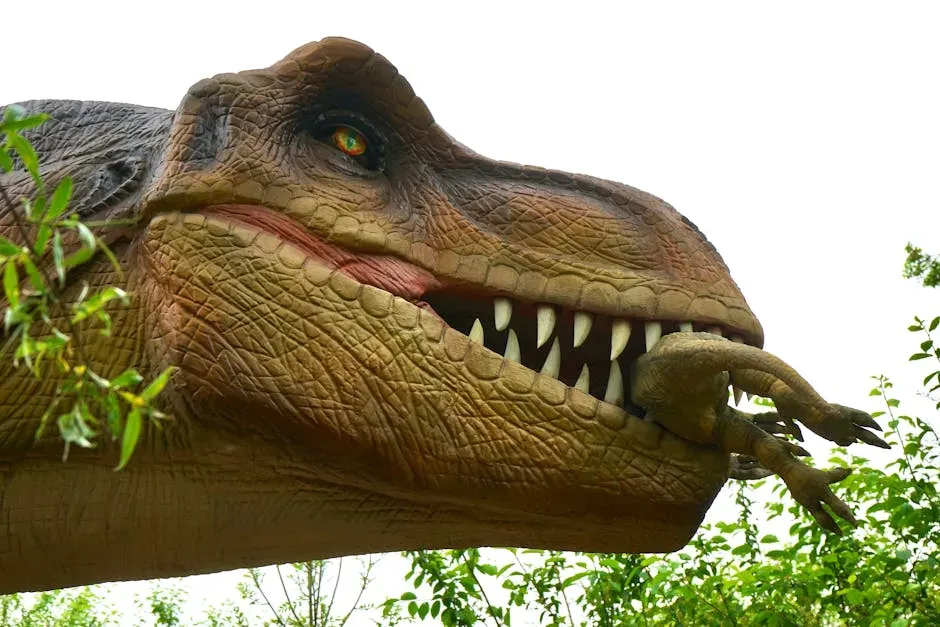
Another overdramatic favorite is following a single “hero” dinosaur through a made-up personal storyline. A lone mother struggles, a bold young male challenges a rival, a brave juvenile finds its courage after some invented setback. These arcs are copy-pasted from wildlife dramas and sometimes from human TV shows, then dropped onto creatures we only know from bones, trace fossils, and a few rare soft-tissue impressions. While there is nothing wrong with making things emotionally engaging, these tales can quietly cross a line from reasonable inference into pure fiction wrapped in a scientific costume.
The reality is that for many dinosaur species, we are still piecing together basic aspects of their life history: how fast they grew, how long they lived, how they cared for their young, and how they moved in groups, if at all. There are some excellent fossils that point to nesting behavior, herd movement, or group death events, but those only paint broad strokes. When a documentary starts naming individuals and assigning them inner monologues through the narrator, you are essentially watching a prehistoric drama series rather than a documentary. It can be fun to watch, but it makes it harder for viewers to tell where real evidence ends and emotional storytelling begins.
7. Ignoring Feathers and Modern Research to Keep Dinosaurs “Scarier”
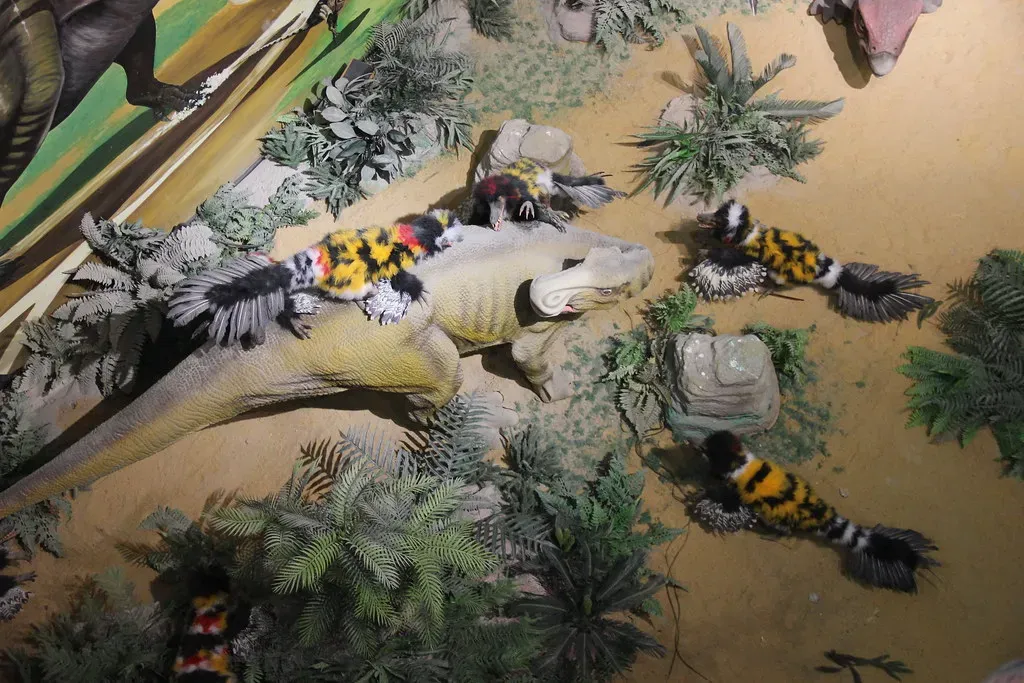
Despite years of discoveries showing that many theropod dinosaurs had feathers or feather-like coverings, some documentaries still cling to outdated, scaly, reptilian designs because they look more traditionally intimidating. Feathers supposedly make them “too birdlike” or “less scary,” so the creatures on screen end up decades behind the science, especially in lower-budget or more sensational productions. That choice flattens one of the most exciting stories in paleontology: how much closer many of these animals were to modern birds than to the lizard-like movie monsters people grew up with.
Fully embracing feathers does more than just change the visuals; it forces us to think differently about behavior, thermoregulation, and even social displays. A feathered predator with color patterns and display structures can be every bit as dramatic as a scaly brute, just in a different way. Instead of another dull gray monster roaring at the sky, we might see complex interactions like courtship dances, territorial displays, or group signaling. Holding onto old designs because they seem more “hardcore” is like insisting that all space shows use 1950s rocket models because they look cooler. It might feel nostalgic, but it cheats viewers out of current science.
8. Pretending We Know Exact Colors, Patterns, and Daily Routines
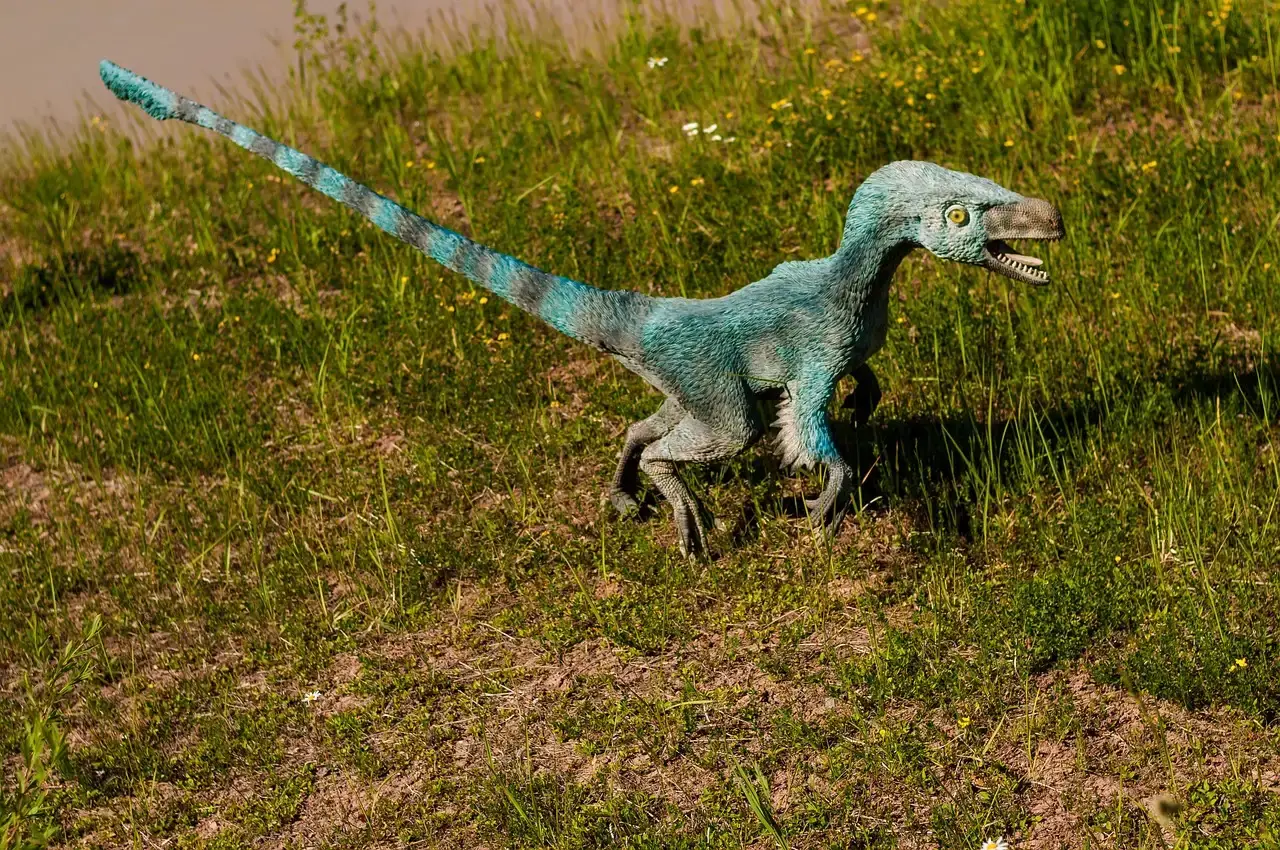
There has been genuinely incredible progress in the last couple of decades on reconstructing certain aspects of dinosaur coloration, especially in smaller, well-preserved specimens where pigment-containing structures can be detected. Some fossils offer clues to dark-light contrasts or iridescent sheens on feathers. But many documentaries take that small, careful body of research and stretch it into full-color confidence for nearly every animal on screen. Suddenly, every giant sauropod has exact stripes and spots, and every predator has a perfectly mapped-out camouflage pattern described as if someone photographed it.
The same exaggeration creeps into how daily behavior is portrayed. We sometimes see fixed routines described in detail: this species always hunts at dawn, that one always comes to this river at noon, another always migrates a specific route. In truth, while we can sometimes infer things like seasonal movement or habitat preference from geology and fossils, the idea that we know the precise daily schedule of a dinosaur is pure speculation. It would be far more honest – and still visually rich – to say that these patterns are artistic interpretations or plausible scenarios built on modern animal analogies, rather than presenting them as literal reconstructions of a long-vanished day.
9. Editing Every Scene Like an Action Trailer
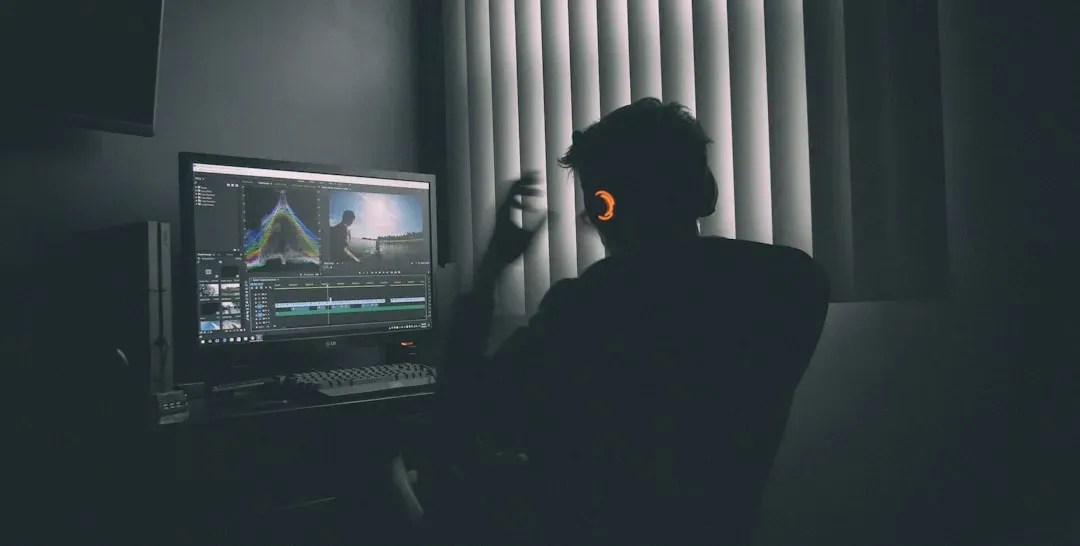
Fast cuts, pounding music, constant jump scares from bushes – it can start to feel like dinosaurs only existed to fuel dramatic editing reels. Many documentaries now borrow heavily from action movies and game trailers: quick zooms, shaky-cam chases, and heavy bass stingers that hit every time something appears. Used sparingly, those techniques can heighten tension or draw attention to an important moment. Used constantly, they erase any sense of watching a real, breathing ecosystem and replace it with a hyperactive montage. It is almost as if producers are worried you will change the channel if more than a few seconds pass without some kind of jolt.
The irony is that real nature, including prehistoric nature, has its own rhythm – and that rhythm is often slow, deliberate, and quietly suspenseful. A single shot held for a bit longer can show how a herd spreads out, how vegetation moves, how the background fills with life. Allowing silence or subtle ambient sound can make a sudden event far more powerful when it finally arrives. By constantly cranking up the pace, editors risk numbing the viewer. Everything becomes loud and intense all the time, and nothing feels truly special. A more balanced approach could make the dramatic moments land harder while also giving a truer sense of how these environments might have felt.
10. Ending With Apocalyptic Melodrama Instead of Nuanced Extinction Stories
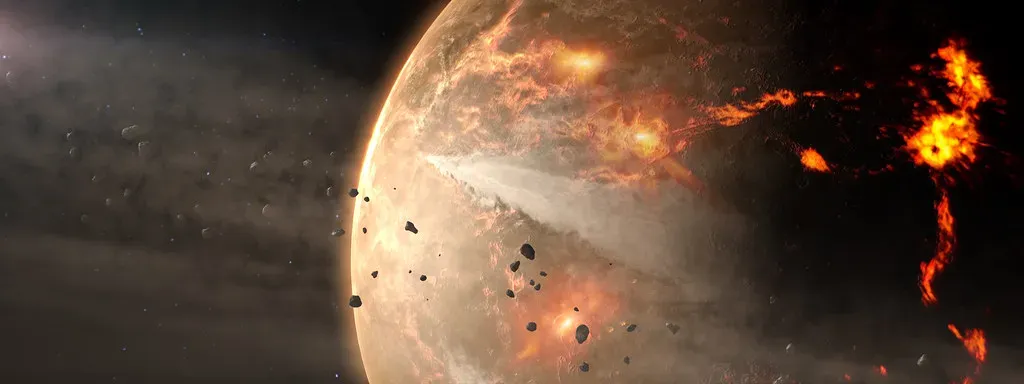
Finally, many dinosaur documentaries cannot resist closing with an end-of-the-world sequence that looks like a disaster movie teaser. Fire raining from the sky, continents splitting in half, animals screaming as shockwaves race across the land – sometimes all packed into one extended, slow-motion catastrophe. The asteroid impact that contributed to the end of the non-avian dinosaurs was indeed a dramatic, world-changing event, and there is solid evidence for massive environmental upheaval. But boiling it down to a single explosive moment, repeated for the big finale, often oversimplifies a complex extinction that played out over time, with different groups affected in different ways.
Missed in the melodrama is one of the most profound points: not everything died. Birds, which are living dinosaurs, survived and diversified; other groups weathered the crisis too. The story is not only about annihilation but also about resilience, adaptation, and how life reshapes itself after massive shocks. When a documentary ends on a pan across a barren wasteland with a sorrowful soundtrack and nothing more, it misses the chance to connect the deep past to present biodiversity. It might feel emotionally satisfying in a dark, cinematic way, but it leaves out the most hopeful and scientifically rich part of the narrative.
Conclusion: Do Dinosaurs Really Need the Extra Drama?
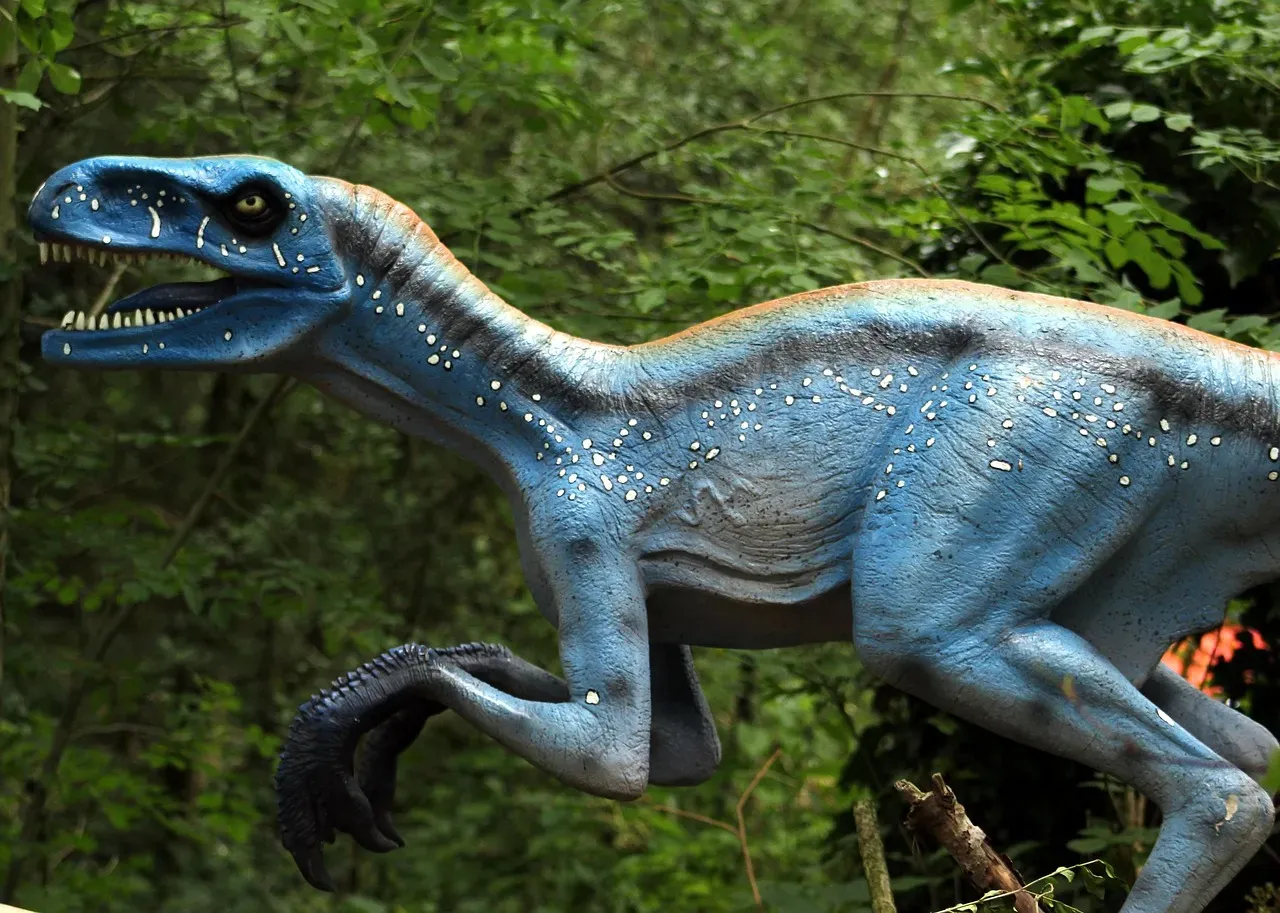
After watching enough over-the-top dinosaur documentaries, you start to notice how often the same buttons get pushed: louder roars, bloodier hunts, simpler villains and victims, and tidy “ultimate predator” crowns handed out like trophies. Speaking personally, I find that the more a show leans into those tricks, the less I trust what it is telling me, no matter how slick the graphics look. Real paleontology is messy, uncertain, and constantly changing, and that is exactly what makes it so satisfying. When a documentary owns that complexity instead of covering it with roaring and slow motion, it treats the audience like curious adults rather than easily distracted kids.
The encouraging thing is that some newer productions are starting to push back against the old habits, embracing feathers, nuance, and open questions without losing the sense of wonder. As viewers, we have more power than we think: if we reward shows that respect the science and still tell a gripping story, more of them will be made. Dinosaurs do not need to be turned into exaggerated movie monsters to hold our attention; their real history is more than dramatic enough. The question is not whether producers can tone down the theatrics, but whether we are ready to demand something better and more honest. When you think about the next dinosaur documentary you watch, what kind of story are you really hoping to see?