
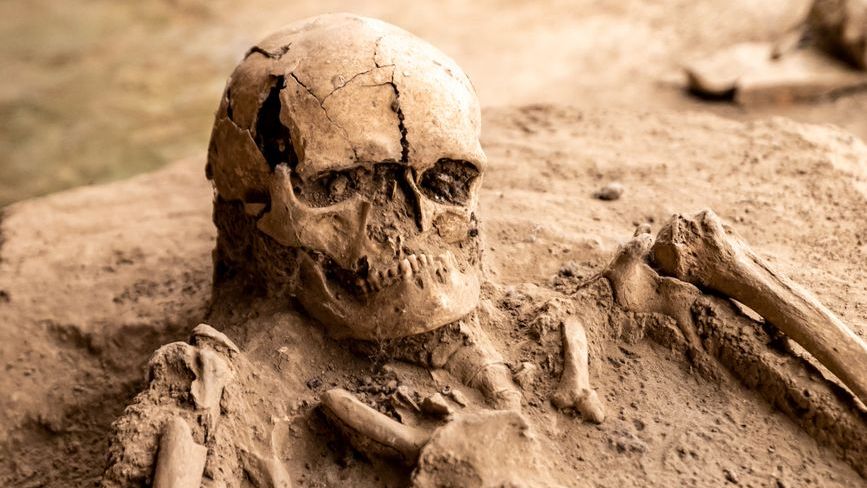
Every so often, a single fossil turns up that forces scientists to basically rip up their favorite diagrams, grab a fresh marker, and start the story of our species all over again. It is even more dramatic when that fossil is not the massive skull of some fearsome ancestor, but the fragile remains of a child who died millions of years ago. There’s something almost haunting about that: a life that ended early, yet still reaches across deep time to rewrite what we think we know about who we are and where we come from.
Over the past few decades, several ancient children have done exactly that. From tiny skeletons preserved in South African caves to fragments of jawbones in the highlands of Tibet, young individuals have revealed unexpected mixtures of traits, surprising migration routes, and a far more tangled family tree than the old straight-line “march of progress” poster ever showed. In this article, we’ll walk through how one small body can overturn big ideas, why scientists obsess over juvenile remains, and how all of this is changing the way we imagine human evolution today.
The Day an Ancient Child Walked Out of the Ground
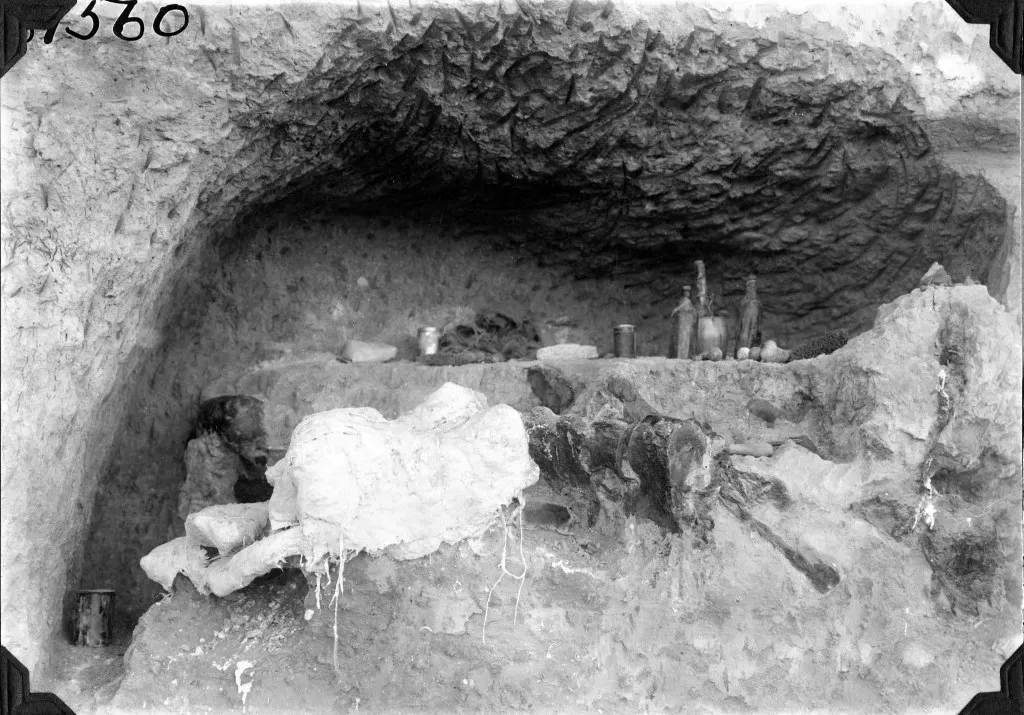
Imagine spending days under a brutal sun, covered in dust, eyes burning from staring at the same patch of rock, convinced you’re wasting your time. Then, suddenly, a tiny curve of bone appears under your brush, and you realize it is not from an antelope or a hyena, but from a hominin child. For fossil hunters, moments like this are electric, because juvenile fossils are extremely rare. Children’s bones are smaller, more fragile, and far less likely to survive the crushing, twisting, and eroding forces of millions of years. When they do appear, it almost feels like winning the evolutionary lottery.
These discoveries can arrive in surprisingly ordinary ways. Sometimes it is an experienced researcher who spots something unusual in a rock face; other times a young student or even a local villager literally trips over history while walking a familiar path. But once an ancient child is found, everything slows down. Teams spend months or years painstakingly freeing each bone from rock, recording every fragment, because they know this is not just another specimen. A child’s skeleton can lock in a unique snapshot: what a growing body looked like at a specific moment in evolutionary time, before adult traits blurred the details. That single snapshot can be enough to challenge entire theories.
Why Juvenile Fossils Hit Scientists Like a Plot Twist
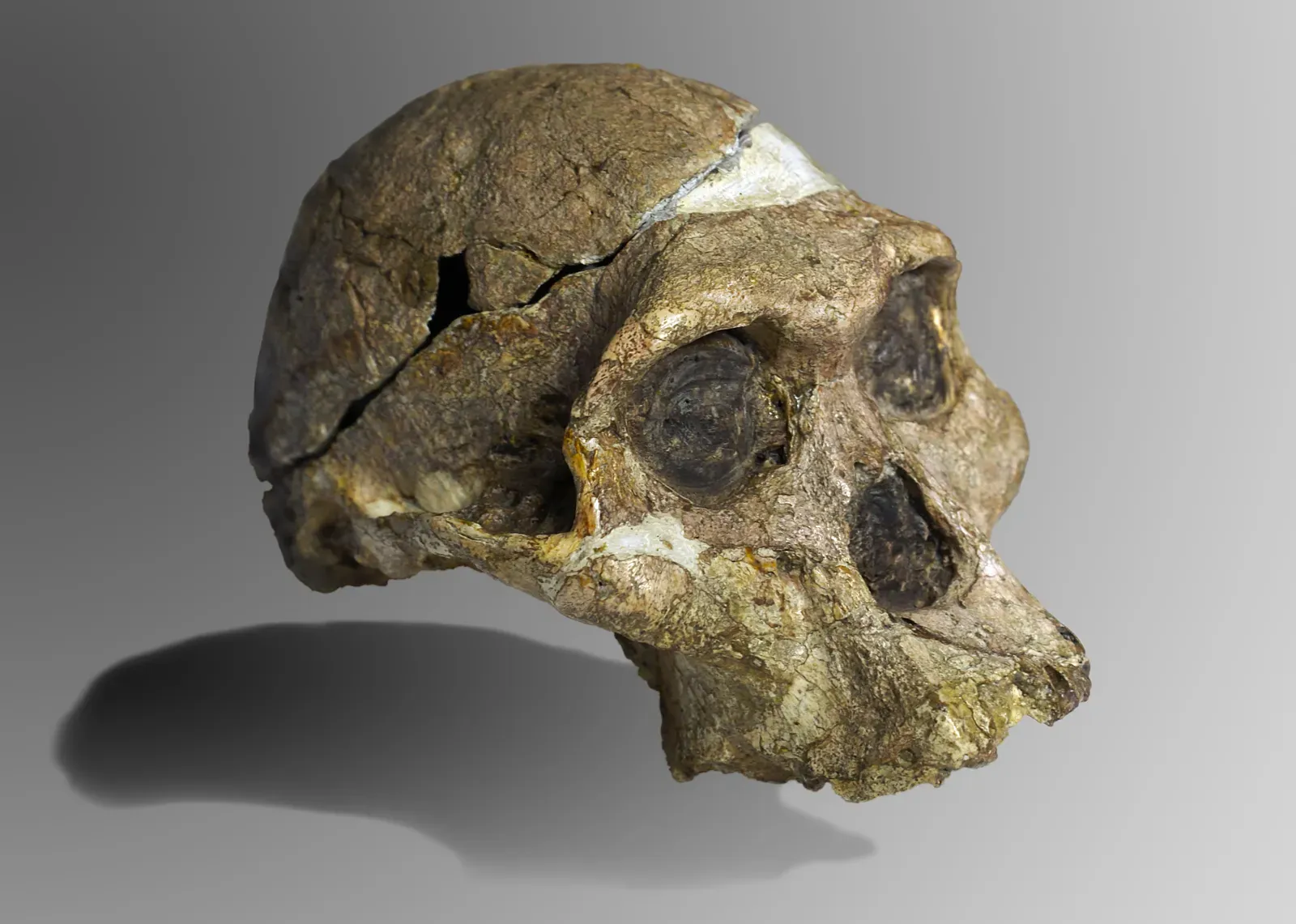
Most of what we thought we knew about human evolution came from adult skeletons and isolated skulls and jaws. Those bones gave us a rough outline: our ancestors walked upright, brains got bigger, faces got flatter over time. But adults hide secrets. By the time an individual has grown up, bones have fused, teeth have finished erupting, and a lot of growth patterns have been erased. Juvenile fossils, especially complete or partial skeletons, let scientists see how those adult forms were actually assembled during growth, and that is where the plot twists usually appear.
When researchers examine the bones of an ancient child, they can ask questions that are impossible to answer from adults alone. How fast did this species grow compared to modern humans? Did its brain keep expanding slowly like ours, or race to adult size more like apes? Were the shoulders built for climbing, even while the legs were already optimized for walking? Again and again, the answers have turned out to be: it is not as simple as we thought. Species that once looked straightforward on paper turn out to grow in mosaic fashion, with some parts of the body behaving more “modern,” others hanging onto older, more ape-like patterns. Every time a child fossil reveals a new combination, scientists have to redraw the evolutionary family drama.
Rewriting the Timeline: What One Small Skeleton Can Reveal
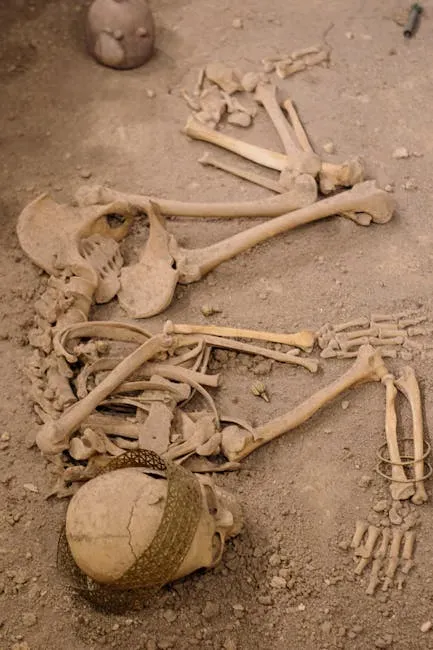
One of the biggest shocks from ancient children is how they mess with our timelines. For a long time, textbooks tended to present human evolution as a clean sequence: first bipedal walking, then tools, then larger brains, then long childhoods and complex social lives. When a well-preserved child appears, it gives researchers a chance to test exactly when some of those features emerged, and whether they arrived in neat order or all jumbled together. Over and over, fossils have hinted that reality is the jumbled version.
For example, some ancient children show evidence of walking upright with surprisingly efficient, human-like legs, yet still have torsos and shoulders that suggest strong climbing abilities. Others reveal brains that were not especially large overall, but may have been developing in a slow, extended way more like modern humans than earlier apes. These combinations push scientists to move certain milestones backward or forward on the timeline. Maybe long childhoods evolved earlier than we thought; maybe powerful climbing lingered much later. Each change might sound like a small adjustment on a chart, but together they shift how we imagine daily life for our ancestors: how they moved, how they cared for offspring, and how they survived in harsh environments.
The Hidden Story in Growing Bones and Baby Teeth
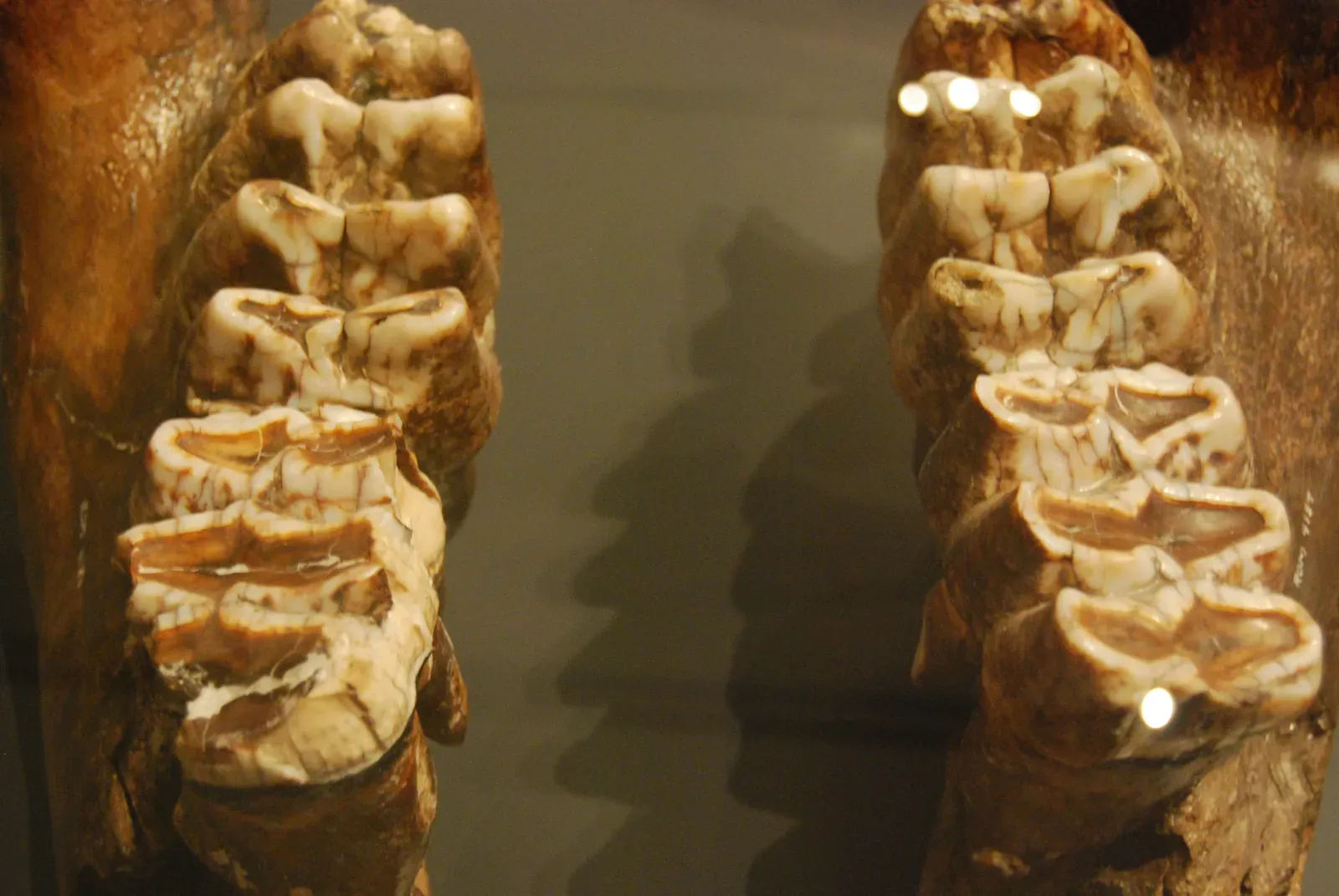
If you want to see scientists behave like kids in a candy store, watch them when they get hold of an ancient child’s teeth. Teeth, especially in youngsters, are like black boxes full of developmental data. Enamel and dentin grow in microscopic layers, almost like tree rings, and those layers can reveal how fast a child grew, when illnesses struck, and how long it took for different teeth to erupt. When researchers cut and scan these teeth in fossil children, they can compare growth rhythms to modern humans and other primates, revealing whether a species had a rapid, ape-like childhood or a drawn-out, human-like one.
Bones tell their own version of the story. The shapes of long bones in the legs and arms can show how a child moved: whether they were mostly walking on open ground, climbing trees, or doing a bit of both. Growth plates near the ends of bones hint at how much growing remained, offering clues about the total adult size. Even the shape of the inner ear can tell scientists about balance and movement. When all those details are pieced together, the picture that emerges is deeply personal: not just what the species was like, but what this specific child’s life might have looked like. That intimacy is part of why these finds hit so hard emotionally as well as scientifically.
Emotions in the Lab: The Human Side of Studying an Ancient Child
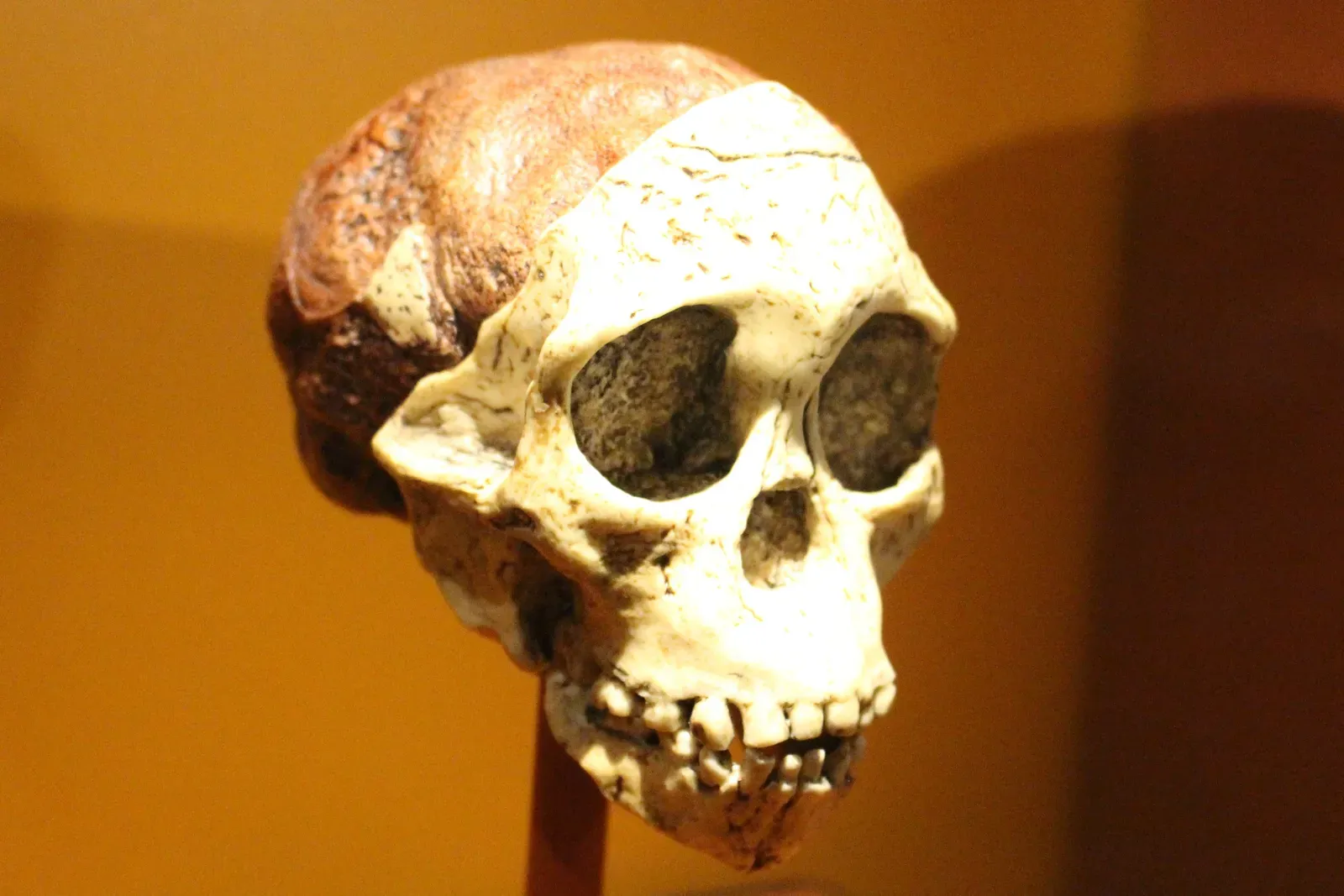
It is easy to imagine fossils as cold, clinical objects, but an ancient child in the lab is something very different. Many researchers talk about how unsettling it is to handle the tiny ribs, vertebrae, or finger bones of someone who died so young, especially when those remains show signs of injury, disease, or a difficult death. Even if scientists avoid dramatizing the story, the reality is hard to ignore: this was once a living, breathing child, loved and protected by adults who will never be known by name. Studying these remains forces a strange double vision, where you hold both the human tragedy and the scientific treasure in mind at the same time.
At the same time, that emotional weight can sharpen the work rather than weaken it. Knowing that they are reconstructing a real life pushes scientists to be more careful, more honest about uncertainties, and more thoughtful about how they present their conclusions to the public. The conversations in labs and conferences are not just about bone measurements and evolutionary models; they are also about respect, ethics, and how to treat these individuals as more than just data points. As a reader, it is worth remembering that behind every line in a study about an ancient child are long hours, hard choices, and often a quiet sense of responsibility to a person who never expected to become famous millions of years later.
How One Child Can Change Everything We Think We Know
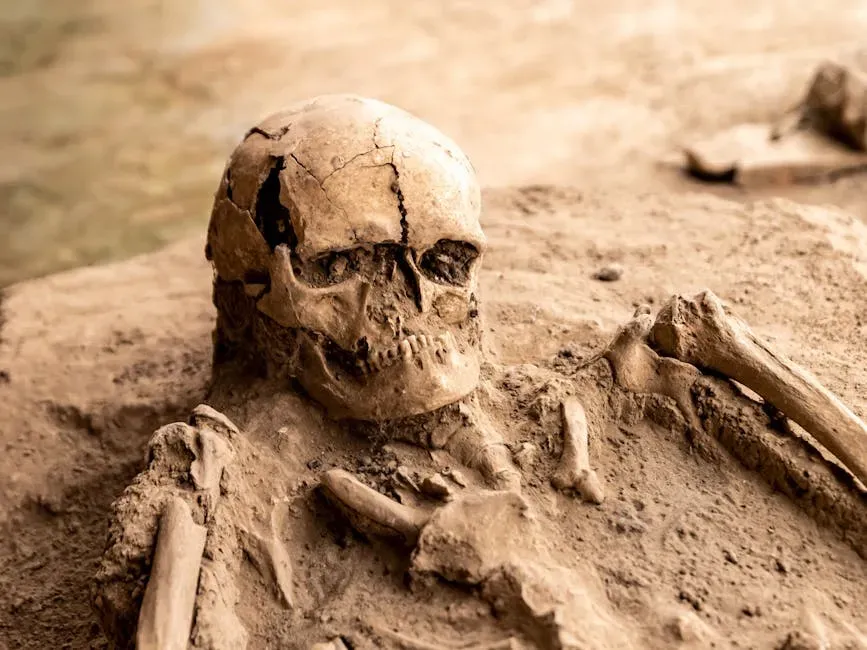
If it sounds dramatic to say a single child can change everything, that is because fossil history keeps proving it can. Each time a remarkably complete juvenile skeleton is unearthed, it tends to blow holes in comfortable stories, revealing that our family tree has more branches, dead ends, and unexpected side paths than anyone wanted to admit. A child with a mix of primitive and modern traits can show that two supposedly separate species might be more closely related than thought, or that features like long childhoods and complex social care evolved in parallel in different lineages. Suddenly, what looked like a simple ladder of progress turns back into a thicket of experiments in being human.
Personally, I think that is the best thing that can happen to a scientific field. When an ancient child forces experts to throw out old charts and redraw the big picture, it is a healthy reminder that evolution is not tidy, and our understanding is always provisional. Instead of some grand, inevitable march toward modern humans, the fossil record starts to look more like a series of brave, messy attempts to survive in changing worlds, with many stories that never got to continue. The next time you see a headline about a new child fossil shaking up human origins, it is worth pausing to appreciate that tension: one small life, ending early, still powerful enough to rewrite how an entire species sees itself. Did you expect a single child from the deep past to have that kind of impact?