If someone told you that you are, in a very real sense, the result of a cosmic accident that happened billions of years ago, would you believe them? It sounds like the start of a sci‑fi movie, but when you dig into the science of human evolution, it begins to look like our entire story is built on the aftermath of ancient catastrophes in space. Our planet, our climate, even the exact mix of elements in your blood all carry fingerprints of violent events that took place long before a single human ever walked the Earth.
What makes this even wilder is that scientists are increasingly able to connect specific space events to major turning points in Earth’s history, including the conditions that let complex life – and eventually humans – appear. Some of the ideas are solidly backed by evidence, some are still debated, and a few remain highly speculative. But together they paint a picture that’s both humbling and oddly personal: without ancient explosions, collisions, and cosmic radiation, you and I probably wouldn’t be here at all.
The Supernova Legacy Written in Your Body
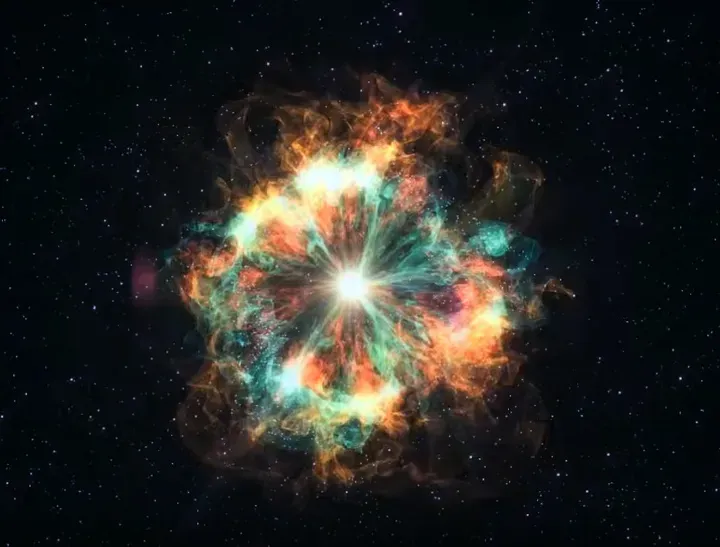
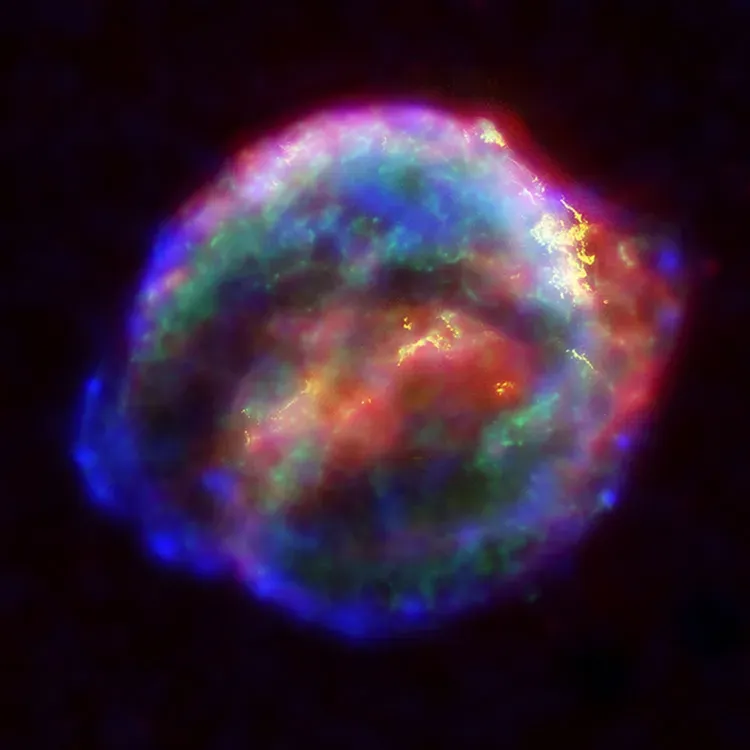
Here’s a thought that’s hard to shake once it lands: the iron in your blood and the calcium in your bones were forged in dying stars. Long before Earth existed, massive stars burned through their fuel, collapsed, and exploded as supernovae, blasting newly created heavy elements out into space. Those elements eventually mixed into the giant cloud of gas and dust that would form our Sun and its planets, including the one that became our home. In other words, the building blocks of humans were assembled in the wreckage of stellar deaths.
From a scientific point of view, this is not poetic fluff – it’s basic astrophysics and chemistry. The early universe was mostly hydrogen and helium; elements like carbon, oxygen, phosphorus, and iron were made later inside stars and scattered by supernova explosions. Without that enrichment, Earth would have been a barren rock or never formed at all, and DNA, proteins, and complex brains would’ve been impossible. So if we’re hunting for the “ancient space event” , we could honestly point to waves of supernovae as the first, essential chapter: the cosmic factories that supplied the raw materials for life and, eventually, for us.
The Giant Impact That Gave Us the Moon
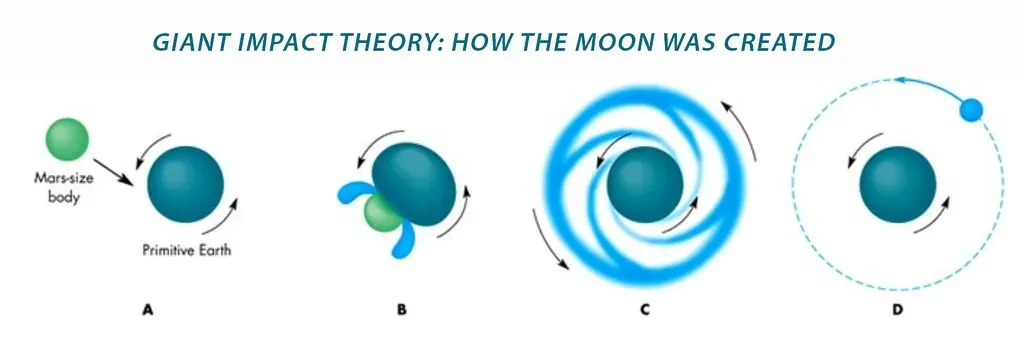
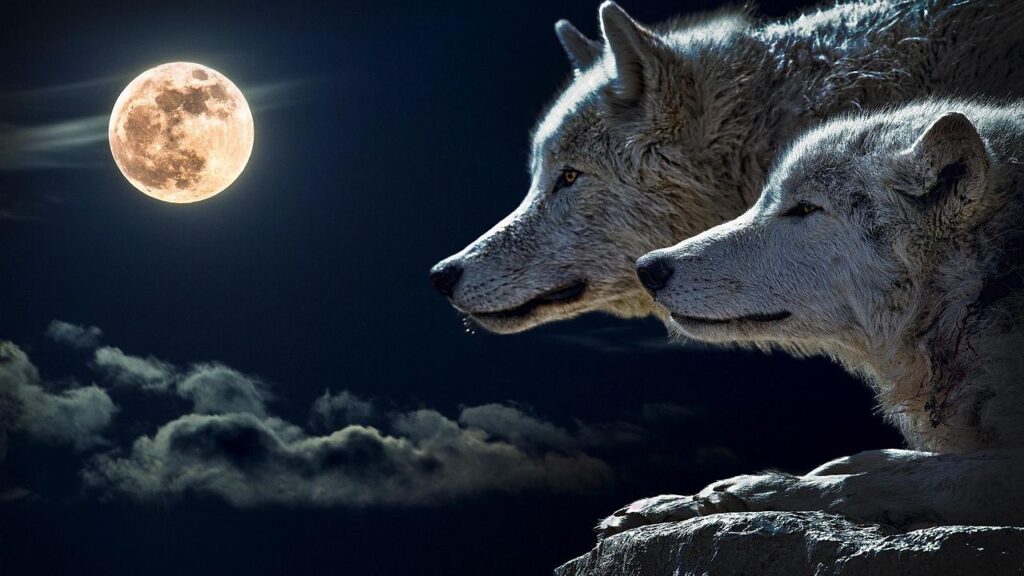
Fast‑forward from star explosions to one specific, brutal collision much closer to home. The leading theory for the Moon’s origin, called the giant impact hypothesis, says that an object roughly the size of Mars slammed into the early Earth about four and a half billion years ago. That impact blasted huge amounts of molten rock into orbit, which later clumped together and cooled into the Moon we see today. It’s an almost impossibly violent scene to imagine, but it may have been one of the best things that ever happened to life on this planet.
Why? Because the Moon is not just pretty scenery; it acts like a giant stabilizer for Earth’s spin. By locking in the tilt of our axis, the Moon helps keep our climate relatively stable over long stretches of time. Without it, Earth’s tilt might wobble dramatically, leading to extreme, unpredictable climate swings that could make the slow, delicate process of evolution much harder. The Moon also drives tides, which likely helped early life move from shallow seas onto land. So that ancient smash‑up was more than a random disaster. It shaped the length of our days, our seasons, our oceans – and quietly set the stage for the environments where human ancestors would eventually evolve.
Solar Calm and Fury: How the Sun Shaped Our Path
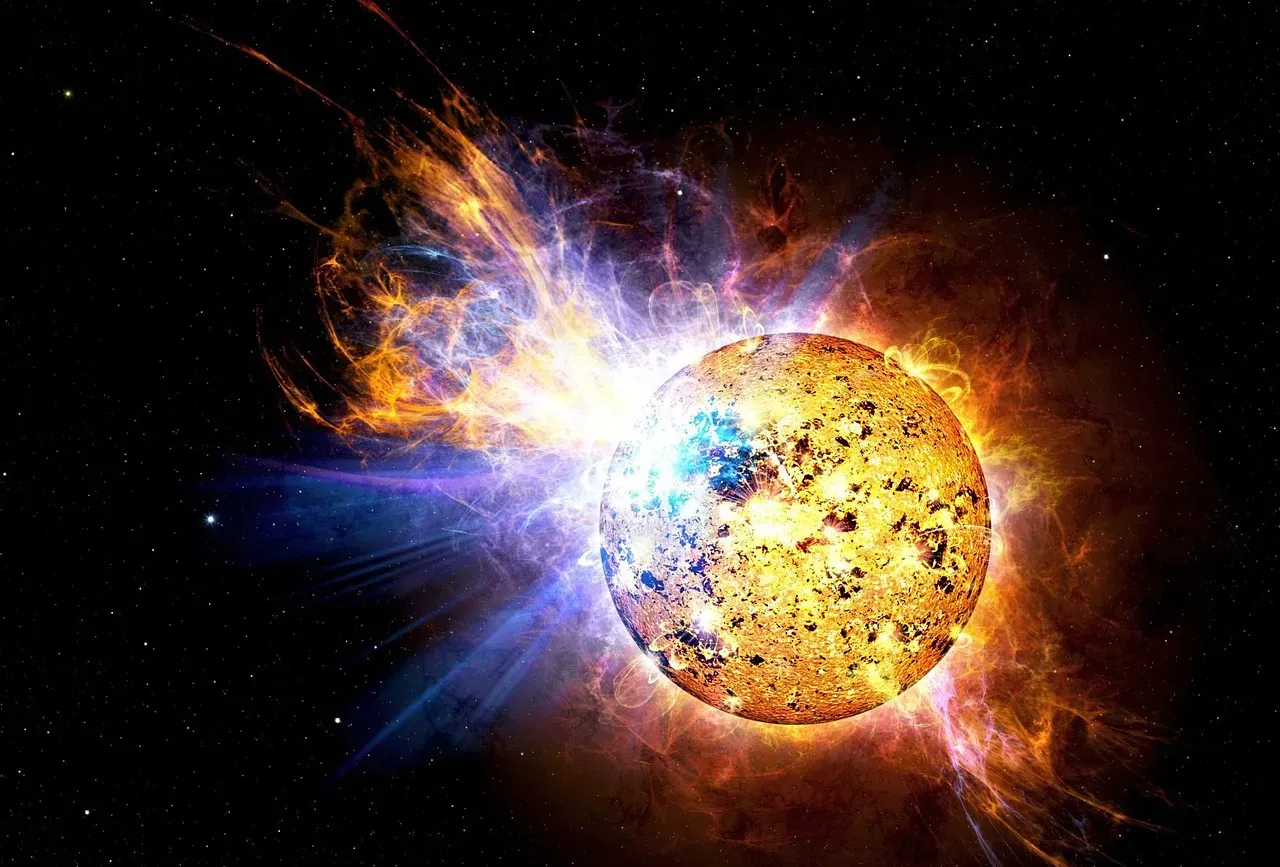
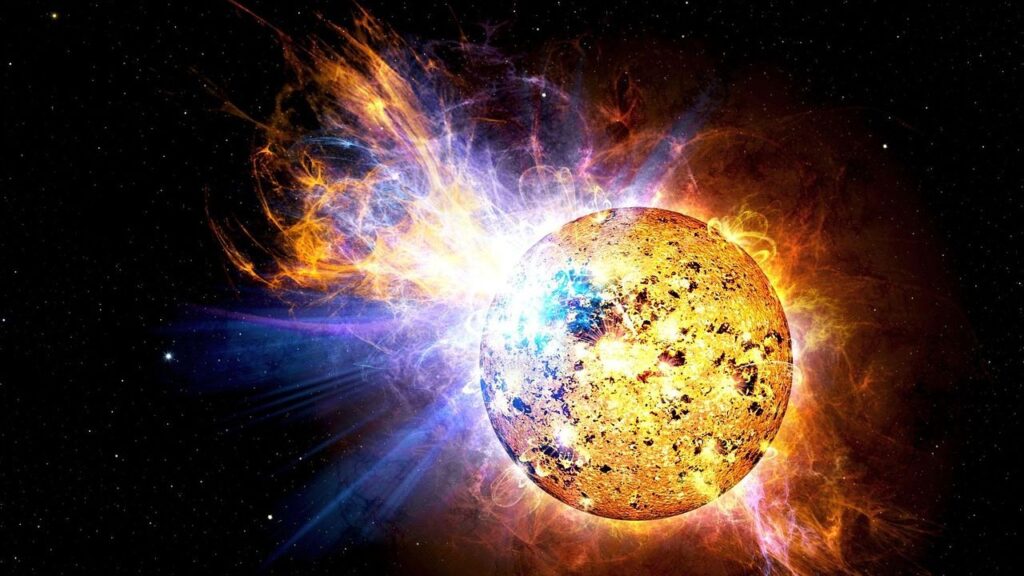
Our Sun looks calm from Earth, but in cosmic terms it’s a variable, sometimes cranky neighbor. Early in its life the Sun was more active, blasting the young Earth with intense radiation and high‑energy particles. Over time it has settled into a relatively steady, middle‑aged phase that has lasted for billions of years. That long stretch of stability has been crucial, because evolution needs time and reasonably consistent conditions to produce complex organisms, especially something as fragile and metabolically demanding as a human brain.
At the same time, the Sun’s variability – solar flares, long‑term cycles, and subtle changes in output – has likely nudged Earth’s climate back and forth. Those shifts can alter ecosystems, trigger migrations, and put new pressures on living things. When you look at our evolutionary story, from early primates to Homo sapiens, it’s full of bottlenecks and branching points that often align with environmental change. The Sun has been both a life‑giver and a quiet sculptor, turning its occasional outbursts and long cycles into the background rhythm that pushed our ancestors to adapt, move, and evolve.
Asteroid Catastrophes and Evolutionary Reset Buttons
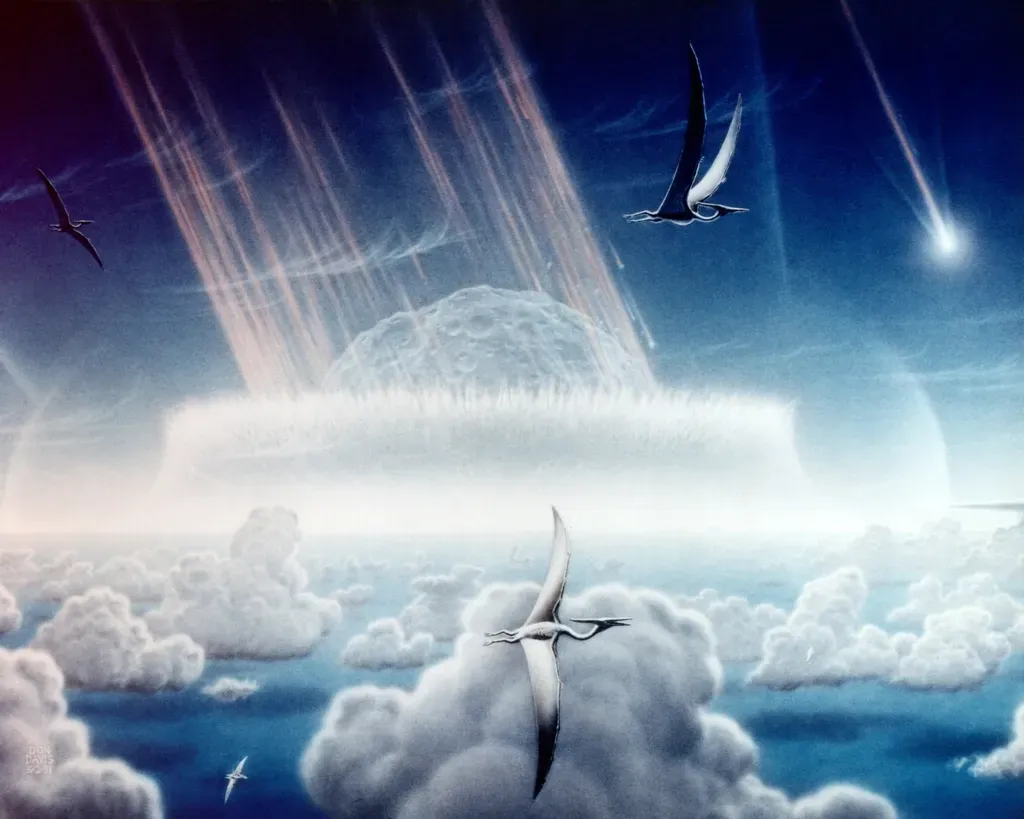
If the Moon‑forming impact was our origin story, later collisions acted like brutal editors, rewriting chapters of life’s history. The most famous example is the asteroid impact about sixty‑six million years ago that wiped out roughly about three quarters of species on Earth, including the non‑avian dinosaurs. That event blasted dust and debris into the atmosphere, darkened the sky, and rapidly altered the climate. It was an extinction‑level catastrophe – and yet, from a human‑centric perspective, it was also an opening.
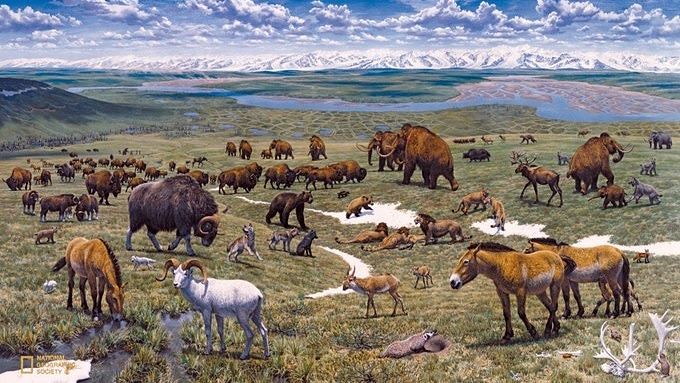
With the dominant dinosaurs gone, ecological niches opened up for other animals, especially mammals, to diversify and expand. Over millions of years, some of those mammals developed larger brains, more complex social behavior, and new ways of living on land and in trees. Our own lineage of primates took shape in this post‑impact world. It’s unsettling but honest to say that without that asteroid, the world might still be run by giant reptiles, and the idea of humans inventing smartphones or arguing about streaming shows would be nothing more than an alternate‑universe fantasy.
Supernova Showers and The Cosmic Ray Mutation Hypothesis
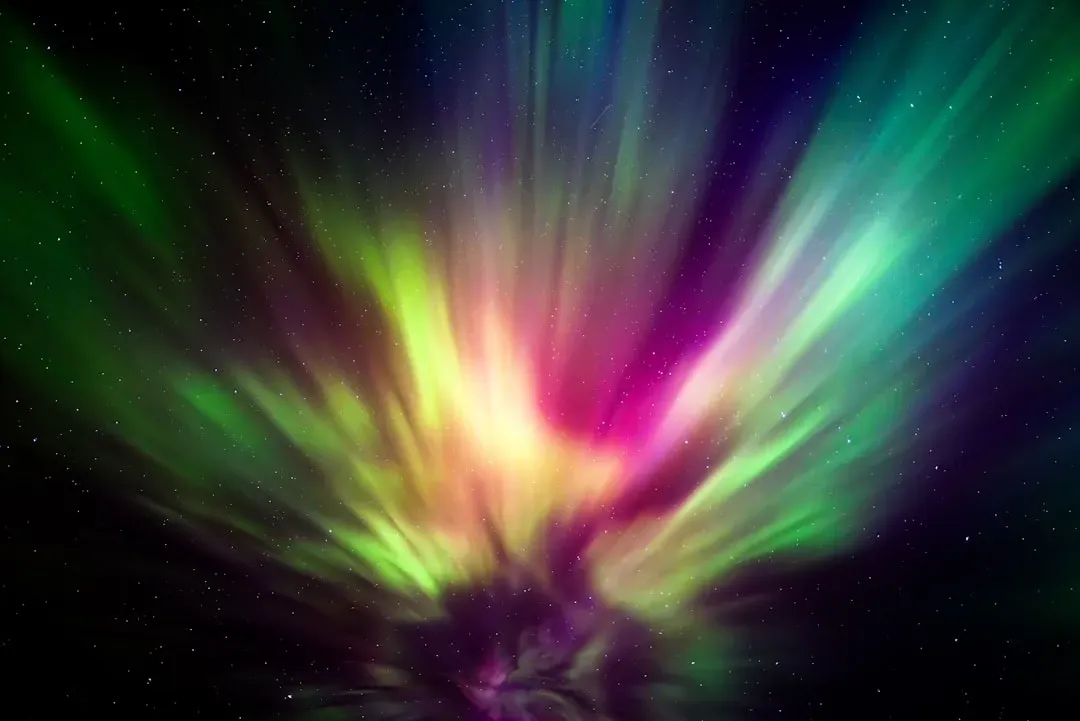
Beyond giant rocks hitting Earth, scientists have also wondered whether distant stellar explosions could have fine‑tuned evolution in quieter but persistent ways. When a nearby star goes supernova, it can flood space with high‑energy particles called cosmic rays. Some research suggests that, over millions of years, waves of increased cosmic rays reaching Earth could subtly change the atmosphere and maybe even slightly boost mutation rates in living organisms by damaging DNA. Mutations are risky, but they’re also the raw material of evolution; without them, species would stagnate.
This idea – that supernovae or other cosmic events might periodically tweak the pace of evolution – is still being explored and debated. The evidence so far is suggestive rather than slam‑dunk conclusive. But it’s an intriguing thought: that somewhere in your family tree, a tiny genetic change that helped your ancestors survive, think differently, or adapt to a new environment might have been nudged along by particles from an exploding star light‑years away. Even if the effect is modest, it turns evolution into a story not just of life adapting to Earth, but of life subtly responding to ripples from deep space.
Cosmic Coincidences: Why Earth’s Habitable Window Mattered
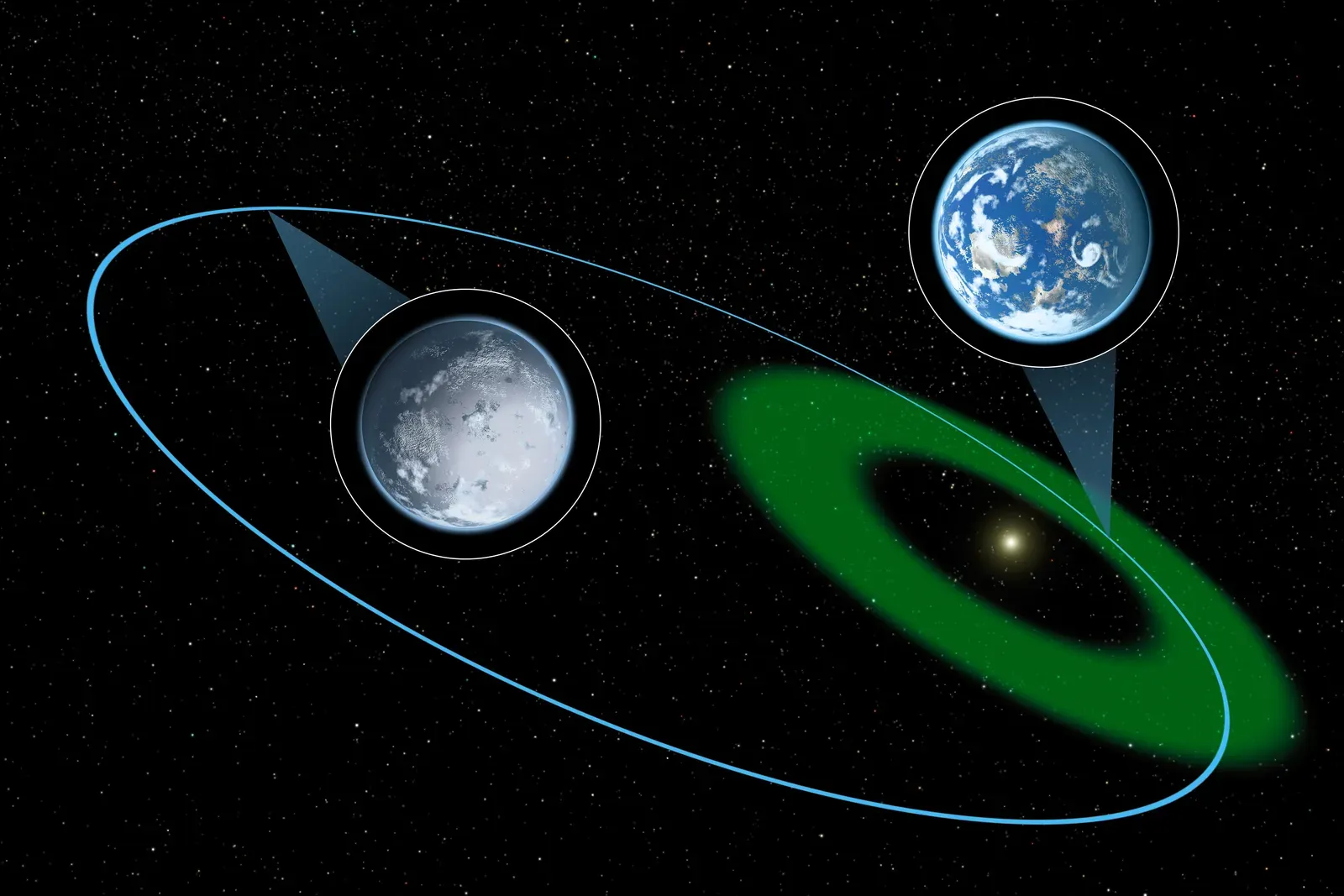
When astronomers talk about the “habitable zone” around a star, they usually mean the distance where liquid water can exist on a planet’s surface. But for humans to evolve, we needed more than just the right distance. We needed a long, stable window in which Earth stayed not too hot, not too cold, with just enough geological and chemical activity to recycle nutrients without wiping life out. That window was shaped by a chain of cosmic coincidences: our orbit, the Sun’s mass and age, the presence of the Moon, and even the structure of our galaxy, which shielded us from some of the worst radiation and comet showers.
From one angle, it feels like we won a cosmic lottery. From another, it might simply be that we’re here to notice because the conditions happened to work out in our particular corner of space‑time. Either way, the fact remains: human evolution unfolded during a remarkably stable stretch of Earth’s history, framed by earlier cosmic upheavals and protected from some of the chaos that still rages elsewhere in the universe. Our species’ story is balanced on that narrow slice of time when everything lined up just enough for big brains and culture to emerge.
From Ancient Space Chaos to Human Consciousness
When I first really sat with the idea that human evolution depended on events like supernovae, planet‑sized impacts, and asteroid strikes, I honestly felt a mix of awe and discomfort. On one hand, it’s empowering to realize we are part of a grand, continuous chain of cosmic processes. On the other, it’s a bit unsettling to see how much of our existence rests on accidents and blind physics. There was no cosmic meeting where someone decided humans should happen; we are what you get when stars explode, rocks collide, and chemistry has enough time to get weird and complicated.
My own opinion is that calling a single event the one “ancient space event” misses the point. It was never just one thing. It was supernovae seeding the ingredients of life, a giant impact giving us the Moon and stable seasons, an asteroid clearing the way for mammals, and countless smaller cosmic nudges along the way. Together, they form a chain of improbabilities that led to something even more improbable: a species capable of reflecting on its own origins and telling this story. The next time you look up at the night sky, it might be worth asking yourself: given everything that had to happen, is it more shocking that we’re here at all, or that we so often take it for granted?