

If you stripped away the smartphones, the streaming platforms, and the endless notifications, your friend group would probably still look surprisingly familiar to a Stone Age hunter-gatherer. The names and clothes would change, but the deeper patterns of loyalty, jealousy, trust, and quiet score-keeping would feel right at home around a prehistoric campfire. For all our talk about being modern and rational, a lot of what we call “vibes” or “chemistry” in friendship is really ancient survival software running in the background.
I remember realizing this during a rough patch in my twenties. A stressful job had me working late most nights, and when I thought about who I’d actually call in a crisis, the list was tiny – maybe three people. It hit me that, despite hundreds of social media “friends,” my real circle looked exactly like something an early human might have relied on to stay alive: a few trusted allies, a couple of looser partners, and lots of acquaintances at the edges. Once you see that pattern, it’s hard to unsee it. Let’s dig into how that Stone Age logic still shapes who we choose today.
The Ancient Brain Behind Modern Friend Lists

Imagine your brain as an old operating system with a shiny modern interface slapped on top. Underneath the apps, notifications, and online profiles, the core code was written for a world of small bands, scarce resources, and constant physical danger. In that environment, choosing the wrong ally could literally get you killed, while choosing the right one could mean food, protection, and a chance for your genes to survive. Our brains evolved to care deeply about who is in our inner circle, even if, on the surface, it looks like we’re just picking people we “get along with.”
Psychological and anthropological research on small-scale societies suggests humans are wired for relatively small, tightly knit groups, not massive anonymous networks. There’s a rough upper limit to how many people we can keep track of emotionally and socially in any meaningful way, and that limit hasn’t expanded just because we invented Wi‑Fi and group chats. So, even in a giant city or an online community with thousands of members, your brain quietly sorts people into roles that would have made sense around a Stone Age campfire: inner-circle allies, useful partners, rivals, threats, and background extras.
Why You Only Have a Handful of “Ride-or-Die” Friends

Most people can name a lot of acquaintances, but when you ask who they would call at 3 a.m. from a hospital or in a personal crisis, the number shrinks fast. That tiny handful is your modern version of a Stone Age survival team. Our cognitive and emotional limits make it incredibly hard to maintain intense, high-trust bonds with more than a small group. You can be friendly with many, but deeply allied with only a few. That is not a personal failure; it is an ancient design feature.
Think about how much time, energy, and emotional bandwidth a single truly close friendship takes: listening to their problems, remembering their history, showing up for important moments, forgiving mistakes, managing conflicts. In a harsh ancestral environment, those investments had to pay off in real, tangible support – someone to share food, care for you when sick, or back you up in a dispute. Your brain still treats deep friendships as high-stakes partnerships, not casual connections, which is why your inner circle is tiny no matter how social or extroverted you seem.
Trust as a Primitive Survival Signal
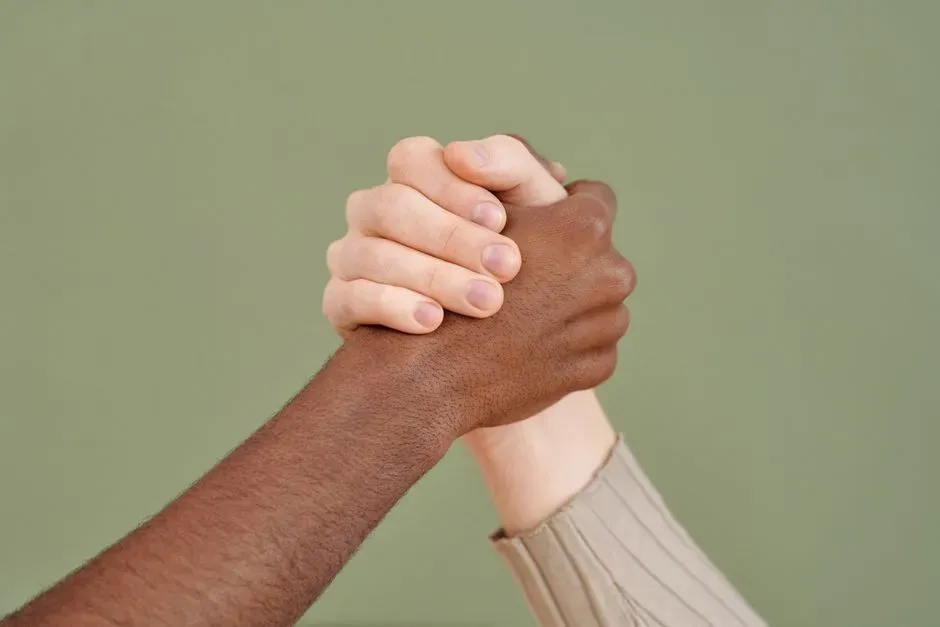
When you say you “just trust” a friend, that feeling comes from a primitive part of your brain constantly scanning for danger. Trust is not some fluffy modern luxury; it evolved as a survival signal. In early human groups, trusting the wrong person could mean stolen resources, betrayal in conflict, or abandonment when you were vulnerable. So our minds pay obsessive attention to who keeps promises, who gossips, who shares, who vanishes when things get hard, and who sticks around.
That is why tiny moments in friendship feel disproportionately big. A friend remembering a detail you mentioned in passing, checking on you when you’re quiet, or defending you when you are not there to defend yourself all register as powerful trust signals, far beyond simple politeness. On the flip side, repeated flakiness, broken confidences, or subtle disrespect can trigger instinctive alarm bells, even if you try to rationalize it away. Underneath the rationalizations, your ancient brain is asking a blunt question: is this person safe to keep in my tribe?
Why We Gravitate Toward “Our Kind”
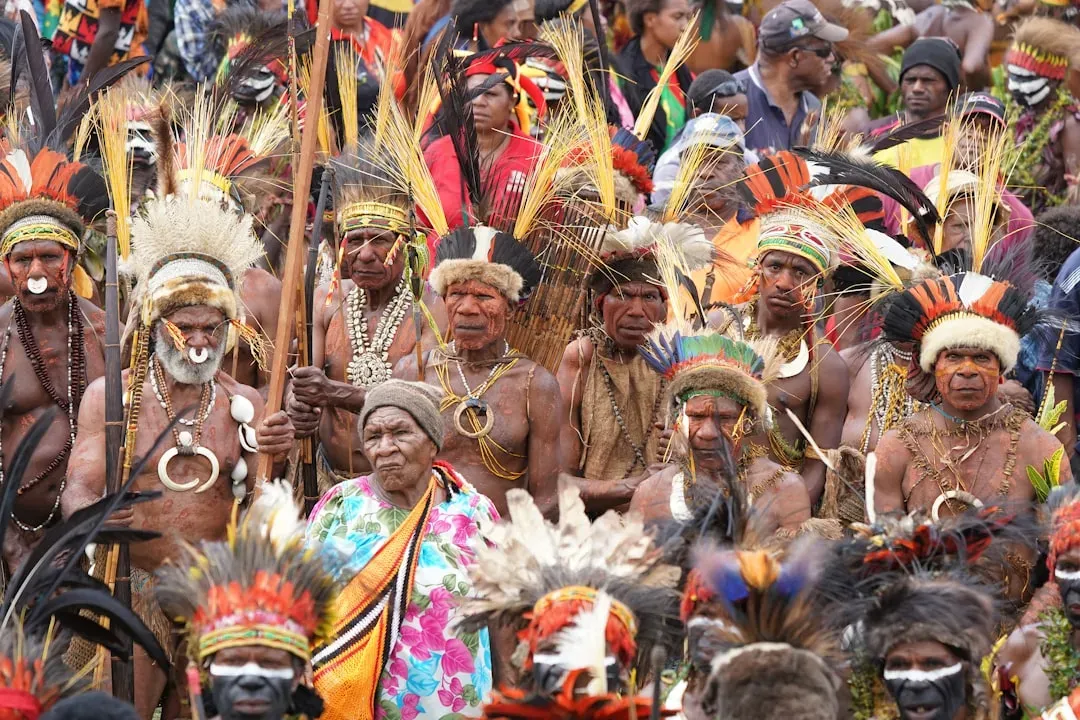
People like to believe they’re completely open-minded and free from bias, but friendship patterns tell a less flattering story. We instinctively gravitate toward those who feel familiar in some way – similar values, humor, background, or worldview. In ancestral times, similarity often meant shared norms, shared enemies, and a predictable sense of how someone would behave under pressure. Choosing “our kind” could reduce conflict, smooth cooperation, and make group decisions easier, all of which boosted survival odds.
Even today, you probably feel a special kind of ease with people who share your core assumptions about life, whether that’s politics, culture, religion, or even niche interests. It is not that we can’t be friends with very different people; we absolutely can, and those friendships can be incredibly rich. But the default pull toward familiar traits is still there, like gravity. That pull can be comforting, but it can also reinforce echo chambers and invisible walls, especially in diverse cities and online spaces where the “tribe” is no longer just whoever lives nearby.
Subtle Score-Keeping: The Hidden Ledger in Every Friendship

We usually hate admitting it, but most friendships run on quiet emotional economics. You notice who pays attention, who makes time, who sends the first text, who shows up in a crisis, and who disappears when they are not getting something out of you. In ancestral bands, freeloaders and chronic takers were dangerous. One consistently selfish person could drain scarce resources or destabilize group cohesion, which is why humans developed a strong sense of fairness and a sharp eye for who contributes and who does not.
In modern life, this plays out in subtle ways. Maybe you feel oddly resentful that you are always the one planning get-togethers, even if your friend is fun to hang out with. Maybe you keep a mental note of how many times you listened to their drama without them really asking how you are. You might not consciously tally these things like a spreadsheet, but your emotions do the math. When the ledger feels too unbalanced, you start to distance yourself, even if you cannot neatly explain why. That quiet accounting is your Stone Age fairness detector doing its job.
Gossip as a Social Radar, Not Just Drama

Gossip has a terrible reputation, but from an evolutionary perspective, it is one of the main tools humans developed to figure out who could be trusted. In a small ancestral group, you often had to rely on others’ stories to know who cheated, who lied, who hoarded resources, or who was brave and generous when it counted. Talking about other people’s behavior might sound petty, but it helped communities enforce norms and punish those who threatened group stability.
Today, gossip still acts like a social radar. When your friends gently warn you that someone is manipulative, unreliable, or kind, they are giving you information that your brain treats as crucial for deciding who to ally with. The danger, of course, is that gossip can be distorted or malicious, especially in digital spaces where rumors spread faster than ever. But the reason it is so hard to resist is simple: for most of human history, missing a key piece of social information could be more dangerous than missing the weather report.
Jealousy, Exclusion, and the Fear of Being Left Out

The ugly side of Stone Age friendship logic shows up in jealousy and exclusion. If you have ever felt a sting when two of your close friends hang out without you, that reaction can feel childish, but it is rooted in ancient fears. In small bands, being pushed out of key alliances meant fewer resources, less protection, and a higher risk of being literally left behind. Your brain still treats social exclusion as a serious threat, which is why being left out can hurt almost physically.
Similarly, when a close friend gets closer to someone new, part of you might panic, even if nothing rational is “wrong.” Deep down, your ancient brain is running simulations: if my ally’s loyalties shift, will I have enough support when things go bad? Will I become replaceable? These reactions can make us possessive or passive-aggressive, even when we do not want to be. The challenge of modern friendship is learning to see those primitive fears clearly without letting them control our behavior or damage the very bonds we care about.
Why Shared Struggles Bond Us More Than Shared Fun

Looking back on your closest friendships, the strongest memories probably are not just parties and vacations but the hard seasons: breakups, illnesses, job losses, family crises. In an ancestral world filled with physical danger and uncertainty, allies who stuck around during hardship were priceless. Helping each other through struggle was not just emotionally moving; it was a survival strategy. Our brains still treat shared adversity as a powerful test of loyalty, more meaningful than any amount of casual good times.
This is why friendships often deepen dramatically after going through something difficult together, like a demanding project, a stressful move, or a scary health scare. It is also why some surface-level friendships never quite feel “safe,” even if they are entertaining. Somewhere inside, you know you have not seen how that person behaves when life gets messy. Until you have been through at least one storm side by side, the relationship has not really been through the same kind of trial your Stone Age mind is quietly waiting for.
Digital Friends, Ancient Wiring

Modern technology lets us “know” more people than any human in history could have imagined. You might be in group chats, online communities, and social feeds with hundreds or thousands of names and faces. But your underlying wiring has not updated for this scale. It still expects a tribe-sized world. So it does something very human: it treats a small subset of those people as real allies and mentally pushes the rest to the edges, no matter how often you see their posts.
This mismatch explains why online interaction can feel both overwhelming and weirdly lonely. Your brain is flooded with signals that many people exist and are active, but only a narrow band of those connections ever pass into the deeper “ally” category. You can chat with dozens of people a week and still feel like you have almost no one you truly trust. That dissonance is not proof that something is wrong with you; it is proof that your hardware was built for campfires, not comment sections.
Choosing Friends More Consciously in a Stone Age Brain

Once you see how ancient instincts drive your choices, you get a rare kind of leverage. You can still follow your gut, but you can question it too. If you notice yourself clinging only to people who feel familiar, you can deliberately reach out to someone different and see if your idea of “our kind” is narrower than it needs to be. If you feel jealous or left out, you can acknowledge that this reaction comes from a very old fear and respond with an honest conversation instead of silent resentment or drama.
On the practical side, it helps to accept that your inner-circle slots are limited and valuable. You do not have to stretch yourself thin trying to be everything to everyone. You can invest deeply in a few trustworthy people who have proven themselves in more than just fun times, and let looser connections stay where they belong – friendly, warm, but not life-or-death. In a way, the most modern thing you can do is treat your time and loyalty with the same seriousness your ancestors did, just with more self-awareness and compassion.
Conclusion: Ancient Instincts, Modern Choices

Under the surface of your group chats and coffee plans, you are still doing something very old: building a small coalition of allies you believe will stand beside you when things get hard. That is not sentimental; it is strategic. I think we underestimate just how much of our so‑called personality is really this ancient alliance software deciding who feels safe, who feels risky, and who is not worth the effort. In a world that constantly tells you to collect more connections, to network endlessly, to see relationships as social capital, it is a quietly radical act to say, “No, I am going to choose a few people and show up for them like my life depends on it.”
At the same time, we are not prisoners of our Stone Age wiring. We can recognize when our jealousy, bias, or fear of exclusion is overreacting and choose differently. We can widen our idea of who deserves to be in our tribe, even while respecting that our deepest loyalty has limits. In my view, the healthiest friendships today are the ones that honor our ancient need for real allies while refusing to let that need turn into paranoia, possessiveness, or narrow-mindedness. Your brain may still think in terms of campfires and clans, but you get to decide what kind of tribe you build – so who makes it into your circle, and who do you keep at the edge of the firelight?