
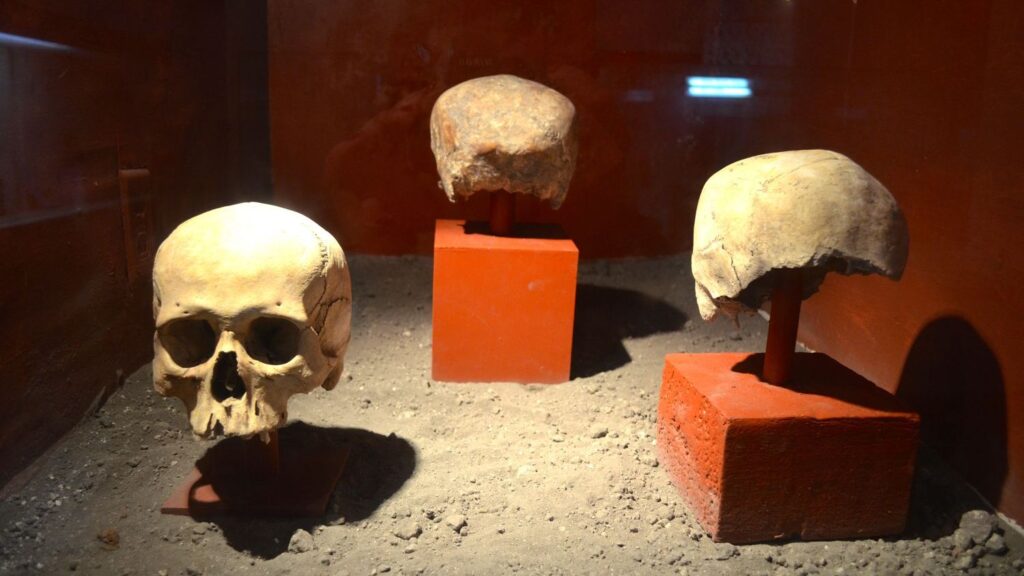
Picture this: a small, upright-walking ape-like woman, nicknamed Lucy, lying buried for over three million years in what is now Ethiopia. For a long time, she was treated almost like the opening chapter and main character of the human story. But as new fossils and ancient DNA started coming in, Lucy began to look less like a lonely pioneer and more like a member of a very crowded cast. Our family tree, it turns out, was less a neat ladder and more a wild, tangled bush.
What makes this so gripping is that every new discovery forces us to rewrite what we thought we knew about being human. Species we had never imagined appear out of nowhere, some tiny, some massive, some strangely modern-looking, others unexpectedly primitive. They challenge assumptions about intelligence, culture, and even what counts as “human.” If you’ve ever been taught a simple story of evolution marching smoothly from ape to us, you are in for a surprise.
The Real Story Behind Lucy: A Celebrity Fossil in a Crowded World
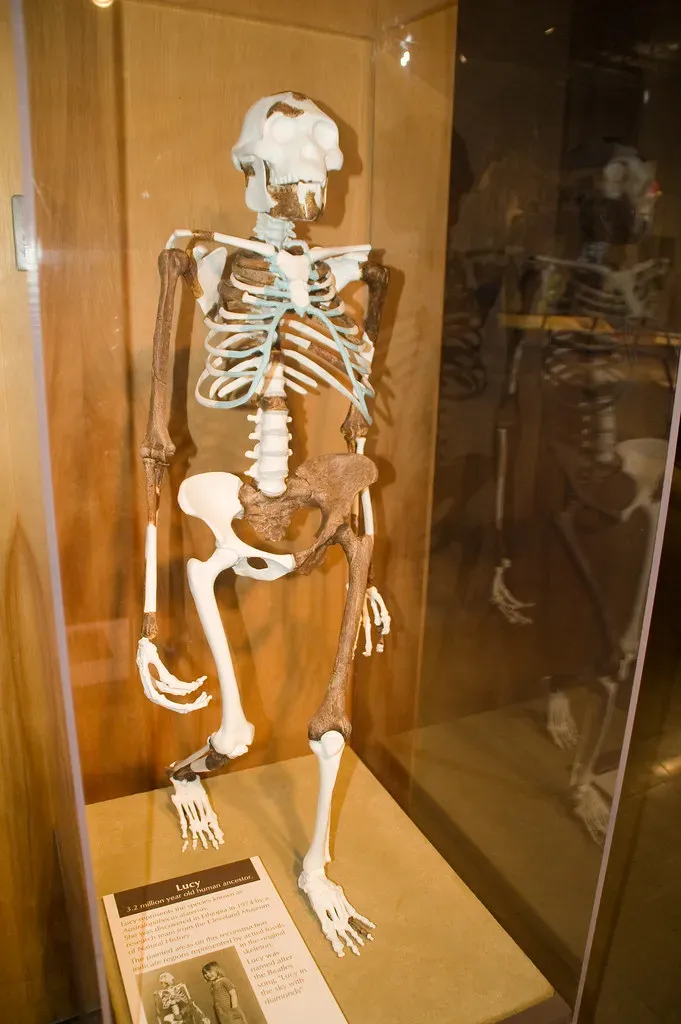
Lucy, discovered in 1974 in Ethiopia and dated to about three million years ago, belongs to the species Australopithecus afarensis. She walked upright, had a relatively small brain, and still climbed trees, combining ape-like and human-like traits in a way that turned textbooks upside down. For many people, Lucy became the symbol of the “missing link,” even though that term is outdated and oversimplifies the messy reality of evolution. Still, her skeleton, roughly forty percent complete, gave scientists an astonishingly detailed look at early bipedalism.
But here’s the twist that often gets lost: Lucy was not alone in her time. Other australopithecine species overlapped in Africa, and later, as our genus Homo emerged, multiple lineages coexisted for long stretches. Instead of a single straight line marching from Lucy to us, you have branching paths, dead ends, and side experiments in what it means to be hominin. So Lucy is still a superstar, but she is one star in a crowded prehistoric sky, not the only light in the dark.
Homo habilis: The “Handy Man” Who May Not Deserve the Credit
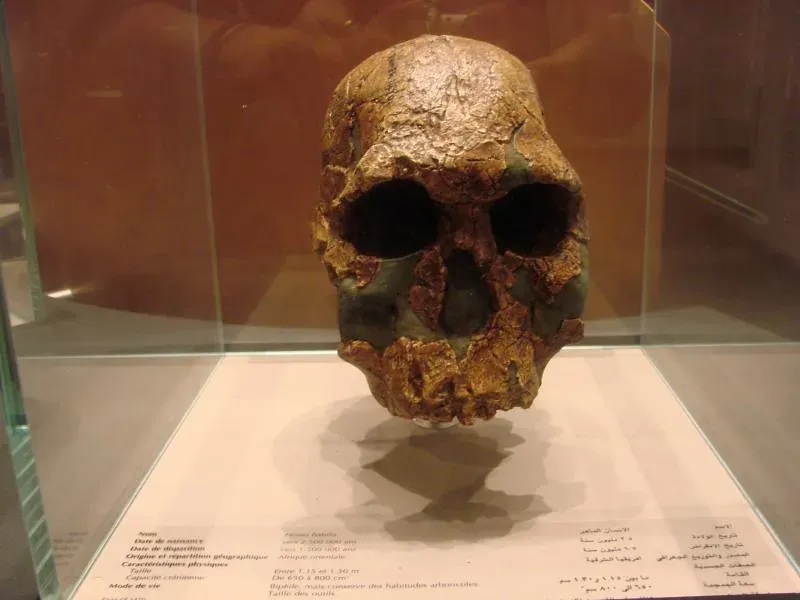
Homo habilis has long been introduced as the first real “human,” appearing around two and a half million years ago in East Africa, supposedly bringing with it the earliest known stone tools. The nickname “handy man” comes from this assumed connection to tool use, which made H. habilis feel like a clean break from the more ape-like australopithecines. Skull fragments and jaw bones suggest a somewhat larger brain than earlier species, along with teeth more similar to our own, hinting at diet changes and possibly new behaviors.
Yet as more fossils and tools have been discovered, that neat story has started to crumble. Some of the earliest stone tools predate Homo habilis and may have been made by australopithecines, blurring the line between “tool-using humans” and “primitive ancestors.” On top of that, the H. habilis fossils themselves are surprisingly varied, making some researchers suspect that what we call Homo habilis might actually be a mix of different species. To me, that messiness is not a problem to fix, but a reminder that evolution is untidy and that our labels are often rough guesses, not final truths.
Homo erectus: The First Great Traveler and Fire‑Master
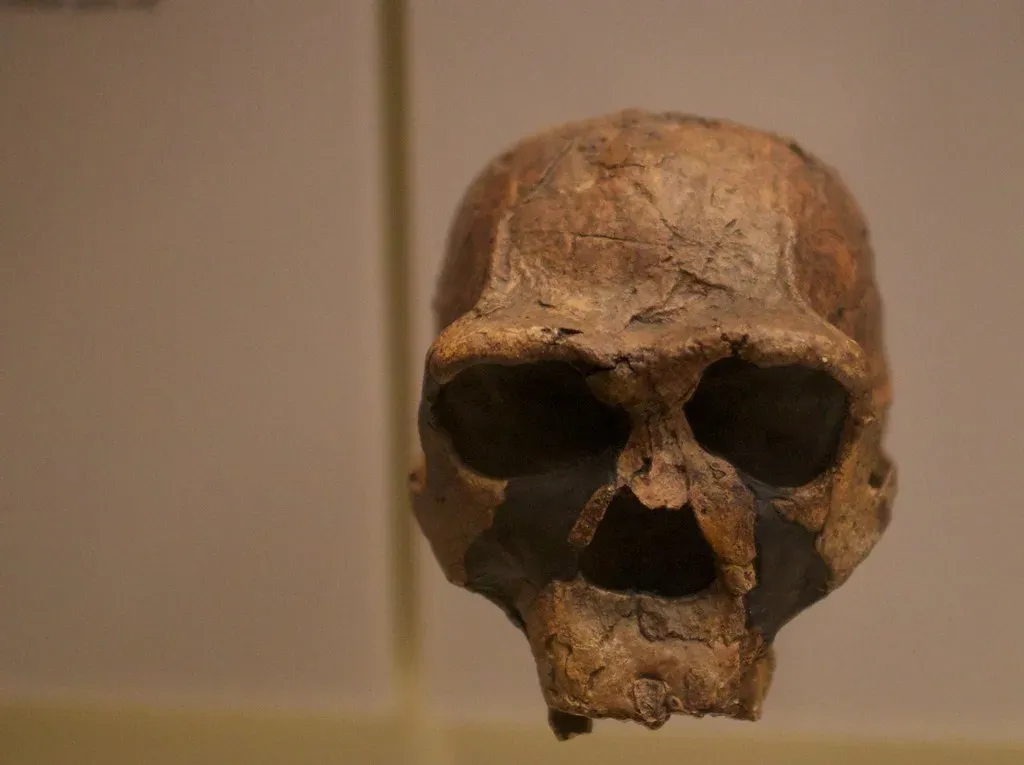
Homo erectus is like the fearless older cousin in our family, the one who left home early and never stopped moving. Emerging roughly about two million years ago, H. erectus spread out of Africa into Asia and possibly parts of Europe, surviving for a staggering length of time compared with many other hominins. With a larger brain, a taller, more human-like body, and legs built for long-distance walking, this species looks less like an experiment and more like a robust, successful design. If you saw one in modern clothes on a busy street, you might just walk past.
There is also evidence that some populations of Homo erectus used fire and more advanced stone tools, perhaps even engaging in forms of social cooperation around cooking or protection. Imagine a group gathered around a campfire, sharing roasted food and stories in gestures and sounds rather than language as we know it. That scene is speculative, of course, but grounded in what we know about their bodies and environments. I find it humbling that a species so ancient could have been so capable, and slightly unsettling that we once shared the world with such resilient relatives and then watched them disappear while we survived.
Neanderthals: From Caveman Stereotype to Complex Cousin
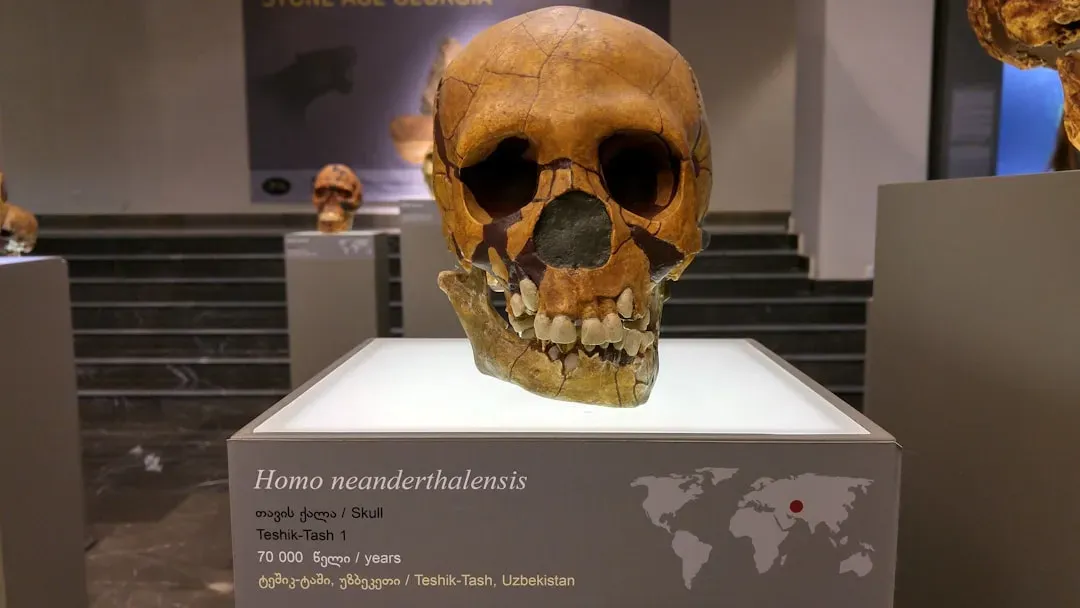
Neanderthals are probably the most famous of our extinct relatives, and for decades they were painted as brutish, slow, and dim compared with supposedly superior modern humans. Fossils and tools found across Europe and western Asia show that Neanderthals were physically powerful, adapted to cold climates, with stocky bodies and large noses that likely helped warm the air they breathed. But as the evidence piled up, the caricature of a club-wielding caveman began to crumble under its own weight. Their brains were at least as large as ours on average, and their toolkits were sophisticated and varied.
Even more striking, there are hints of symbolic behavior: possible burials, use of pigments, adornments, and perhaps shared care for the sick and injured. And then came the game-changer: ancient DNA studies showing that nearly half of people outside Africa carry a small fraction of Neanderthal DNA. That means our ancestors did not just meet Neanderthals; they had children together. To me, that single fact transforms them from “them” to “us.” They are not a failed side branch; they are part of our direct biological and cultural story.
Denisovans: A Whole Human Group Found in a Finger Bone
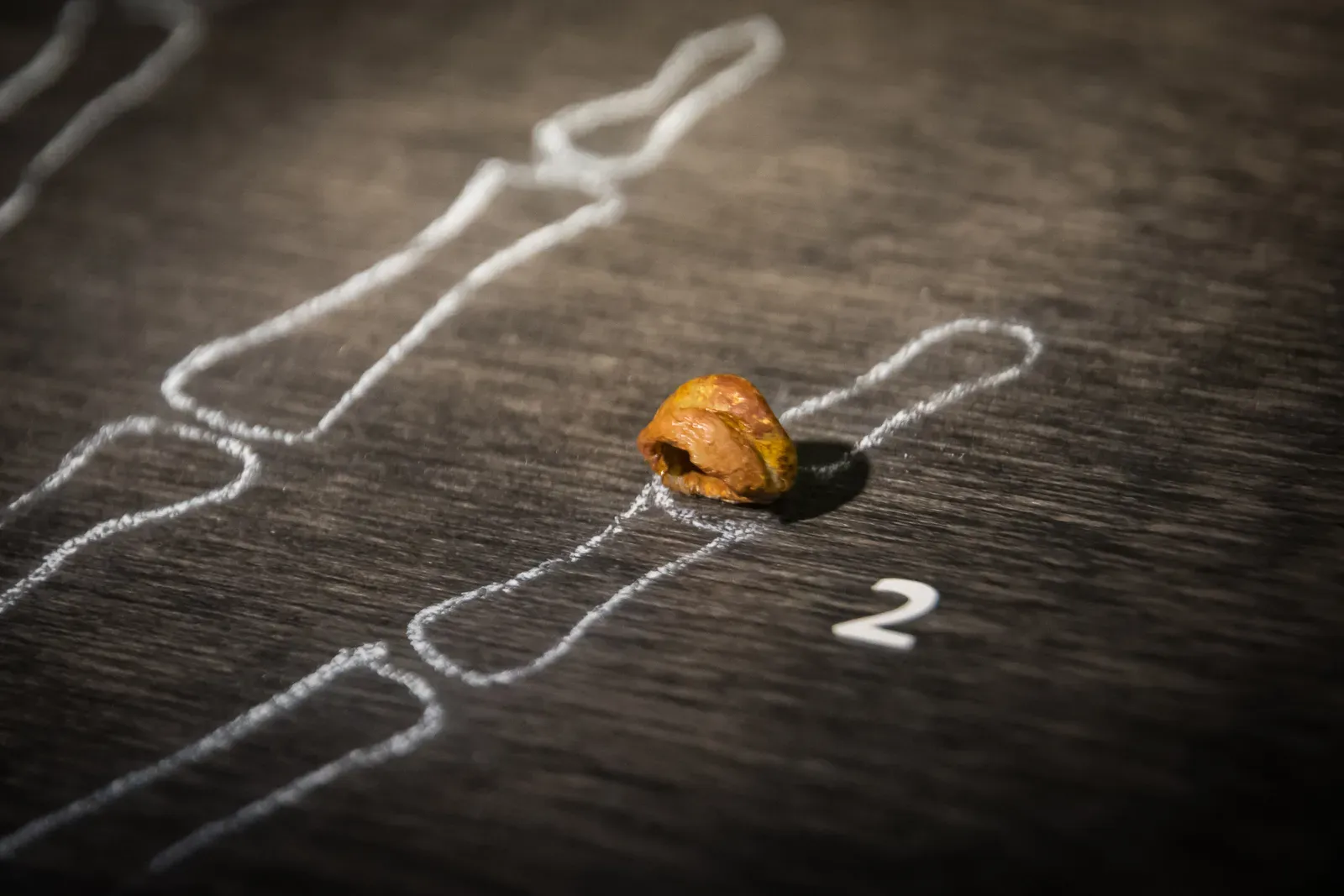
The Denisovans are almost like a plot twist from a science fiction series: a mysterious human group identified first not by clear fossils but by DNA extracted from a finger bone and a few teeth in a Siberian cave. Morphologically, we still know very little about what they looked like, and only a handful of skeletal fragments have been securely linked to them. Yet their genetic footprint is surprisingly widespread, especially in parts of Asia and Oceania, where some populations carry a noticeable share of Denisovan ancestry. In some cases, specific Denisovan genes appear to help with adaptation to high altitudes and certain environments.
This is where anthropology suddenly feels very modern, almost like detective work with a genomic magnifying glass. Instead of waiting for a complete skull, researchers can now pull stories out of tiny fragments of bone and even cave sediments. That shift has turned the Denisovans from total unknowns into major players in our deep history. Personally, I find it thrilling and slightly eerie that an entire group of humans could leave such a strong genetic echo while remaining almost invisible in the fossil record, as if they were a ghostly chorus backing the main melody of human evolution.
Homo floresiensis and Homo luzonensis: The Island “Hobbits” That Broke the Rules
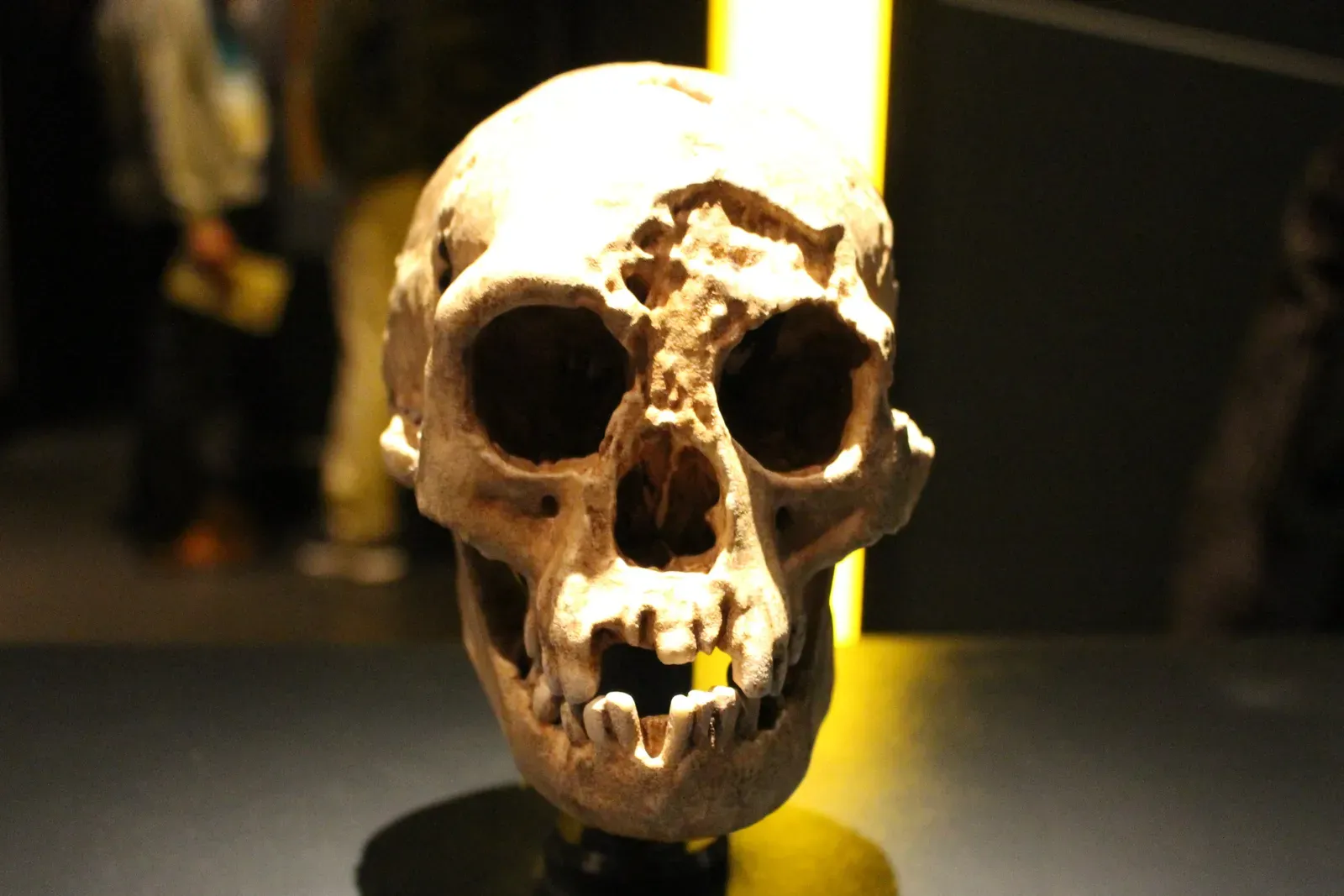
On the Indonesian island of Flores, scientists uncovered fossils of a tiny hominin later named Homo floresiensis, who stood roughly about one meter tall and had a surprisingly small brain. Despite that, they used tools and hunted animals, sharing their island with giant storks, pygmy elephants, and giant lizards. Farther north, in the Philippines, another small-bodied species called Homo luzonensis was discovered, adding yet another odd branch to the human family bush. These island species seem almost like evolution’s quirky experiments, shaped by isolation and limited resources.
What really shakes things up is how recent some of these tiny humans may have lived, potentially overlapping with early modern humans in the region. Their existence challenges the old assumption that small brains automatically mean crude behavior or low intelligence. I remember reading about them for the first time and realizing how biased my own mental image of “advanced” humans had been. These island dwellers remind us that there is no single, straight line from simple to complex and that nature is perfectly comfortable with weird, mixed designs that still work beautifully in their own niches.
Homo naledi: Ancient Bodies in a Deep, Dark Cave
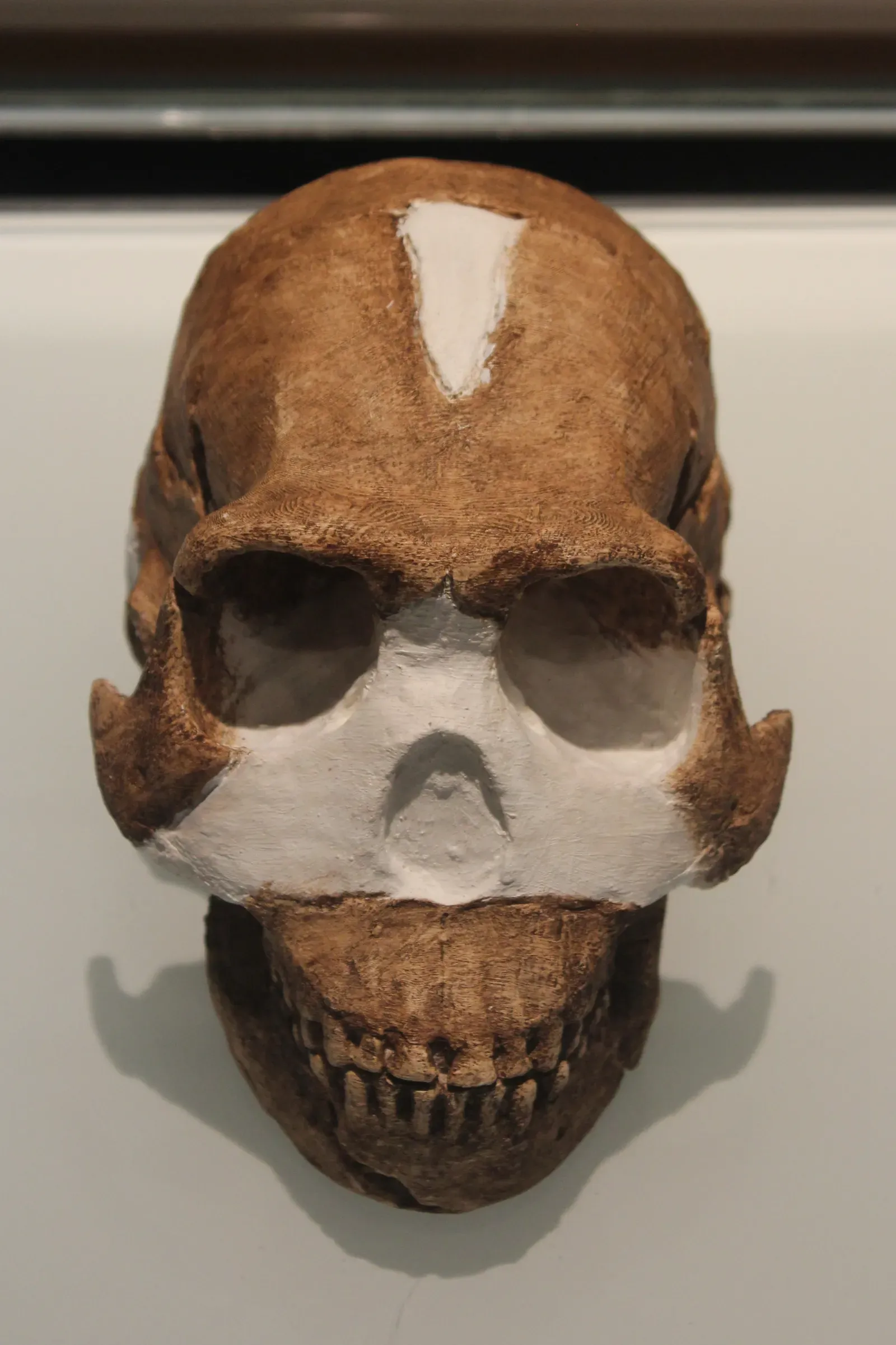
Homo naledi burst into public view with a spectacular find in South Africa’s Rising Star cave system: chamber after chamber filled with the remains of many individuals. Their anatomy is a strange mix of modern and primitive traits, with small brains but hands, feet, and legs well suited for walking and climbing. Radiometric dating later suggested they lived far more recently than expected for such a mosaic species, roughly in the same broad time frame as early Homo sapiens and Neanderthals. That timing alone was enough to make researchers rethink what kinds of hominins could coexist.
One of the most controversial and intriguing suggestions is that Homo naledi might have deliberately placed their dead deep inside the cave, a behavior that borders on ritual or at least on a form of complex social practice. Not everyone agrees, and the debate can get heated, but the evidence has forced serious consideration of the idea. If a small-brained species engaged in something like funerary behavior, it suggests that symbolic or emotional depth might not be tied neatly to brain size. To me, H. naledi is a direct challenge to our tendency to equate “more like us” with “more worthy,” and that challenge is uncomfortable in the best possible way.
Ghost Populations and Ancient DNA: The Invisible Humans in Our Genes
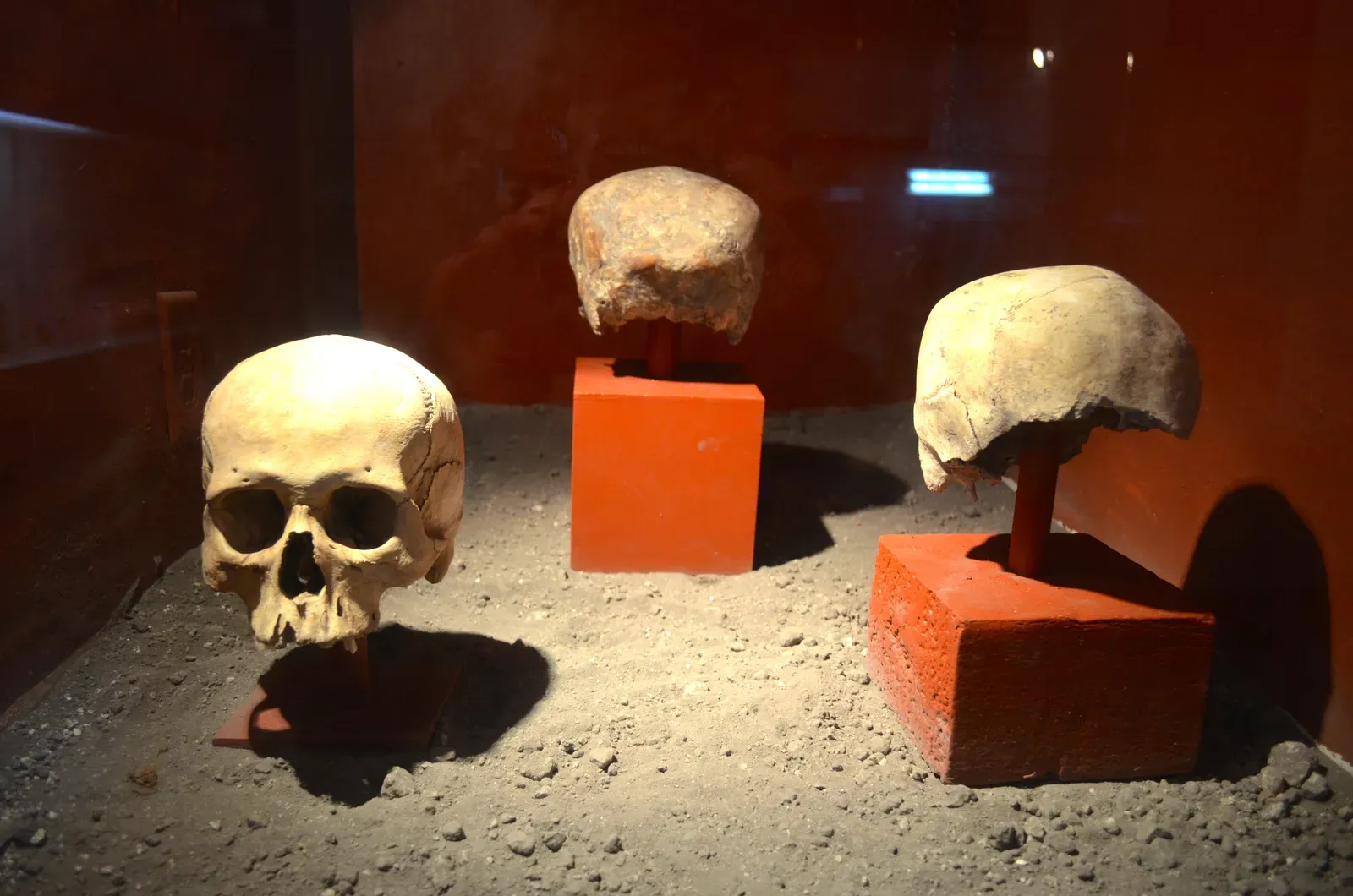
Beyond the hominins we can name and picture, genetic research keeps hinting at “ghost” populations: ancient humans who left traces in our DNA but have not yet been clearly identified in the fossil record. When scientists model patterns of genetic variation in present-day and ancient genomes, they sometimes find signals that do not match Neanderthals, Denisovans, or modern humans. These signals suggest additional groups that interbred with our ancestors and then vanished physically, leaving only molecular fingerprints behind. It is a bit like finding footprints with no owner anywhere in sight.
For anthropology, this is both exhilarating and frustrating. The excitement comes from realizing that the story is even richer and messier than we thought, with more characters waiting offstage. The frustration lies in knowing that until we find corresponding fossils, these ghost populations will remain shadows and hints. Personally, I think this is the clearest sign that our traditional way of drawing tidy species boxes may never fully capture reality. The truth might be a constantly shifting network of populations, mixing and separating over hundreds of thousands of years, far more fluid than any simple diagram in a textbook.
What All These Other Humans Really Tell Us About Ourselves
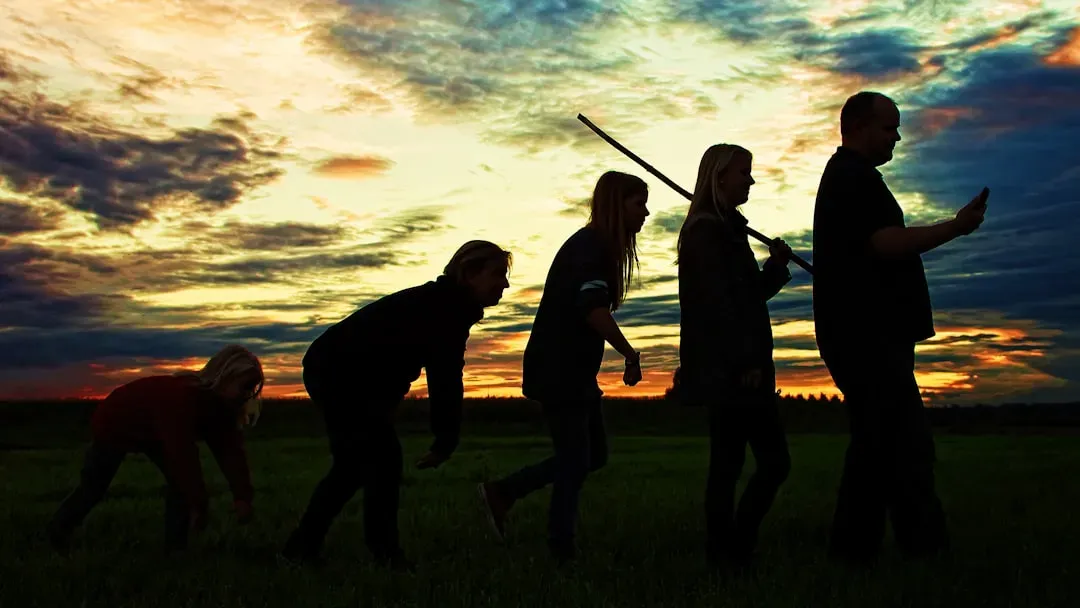
When you put Lucy, Homo erectus, Neanderthals, Denisovans, “hobbits,” and all the rest side by side, a pattern emerges that I find both comforting and unsettling. We are not the inevitable end point of some grand plan; we are one surviving branch among many, lucky enough to still be here. The other branches were not just failures or rough drafts, but fully realized ways of being human in their own times and places. I think we underestimate how radically that perspective should change our sense of importance and humility.
In my view, the most honest conclusion is that there was never a single moment when humanity arrived; instead, there were many kinds of humans, overlapping, mingling, and sometimes merging. Modern Homo sapiens did not replace a world of beasts; we lived alongside cousins who thought, felt, loved, and struggled in their own ways. To me, that makes our survival feel less like a trophy and more like a responsibility. If our family history is this rich and fragile, the real question is not how special we are, but what we choose to do with the fact that, out of all those ancient humans, we are the ones still telling the story. What would you have guessed our family tree really looked like before you knew any of this?