
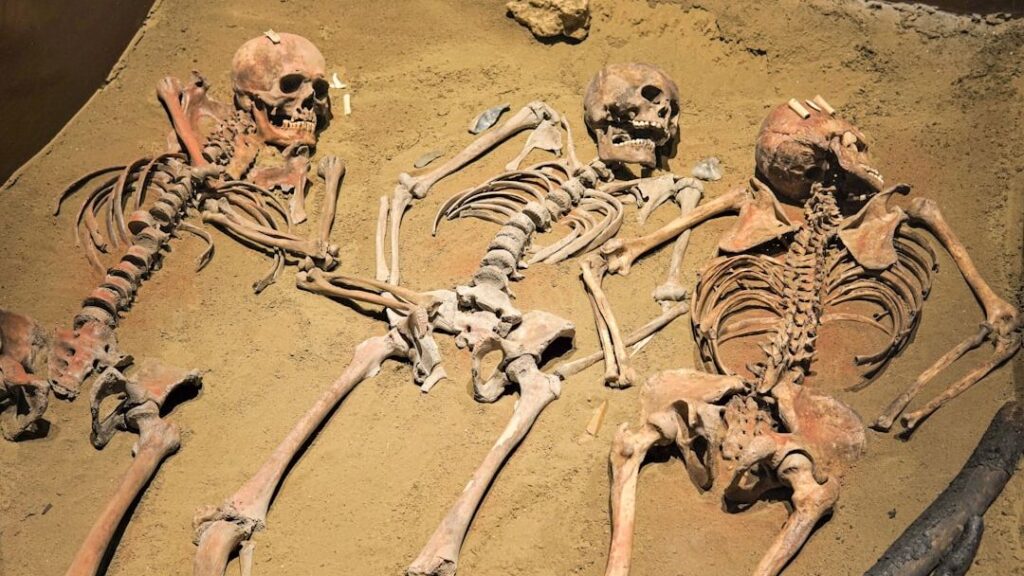
Every once in a while, archaeologists pull a skeleton out of the ground and the textbooks quietly become obsolete. Timelines shift, migration routes twist in unexpected directions, and comfortable stories about “how humans came to be” suddenly feel a lot less certain. It’s like realizing the map you’ve trusted for years is missing entire continents.
What fascinates me most is how fragile our big, confident narratives really are. A single jawbone in an Israeli cave or a tiny skeleton on an Indonesian island can force scientists to rethink when humans left Africa, who we met along the way, and even what counts as “human” in the first place. Let’s walk through eight skeletons that did exactly that – because once you know these stories, you’ll never look at human history as finished business again.
1. Lucy: The Small Skeleton That Made Us Stand Up
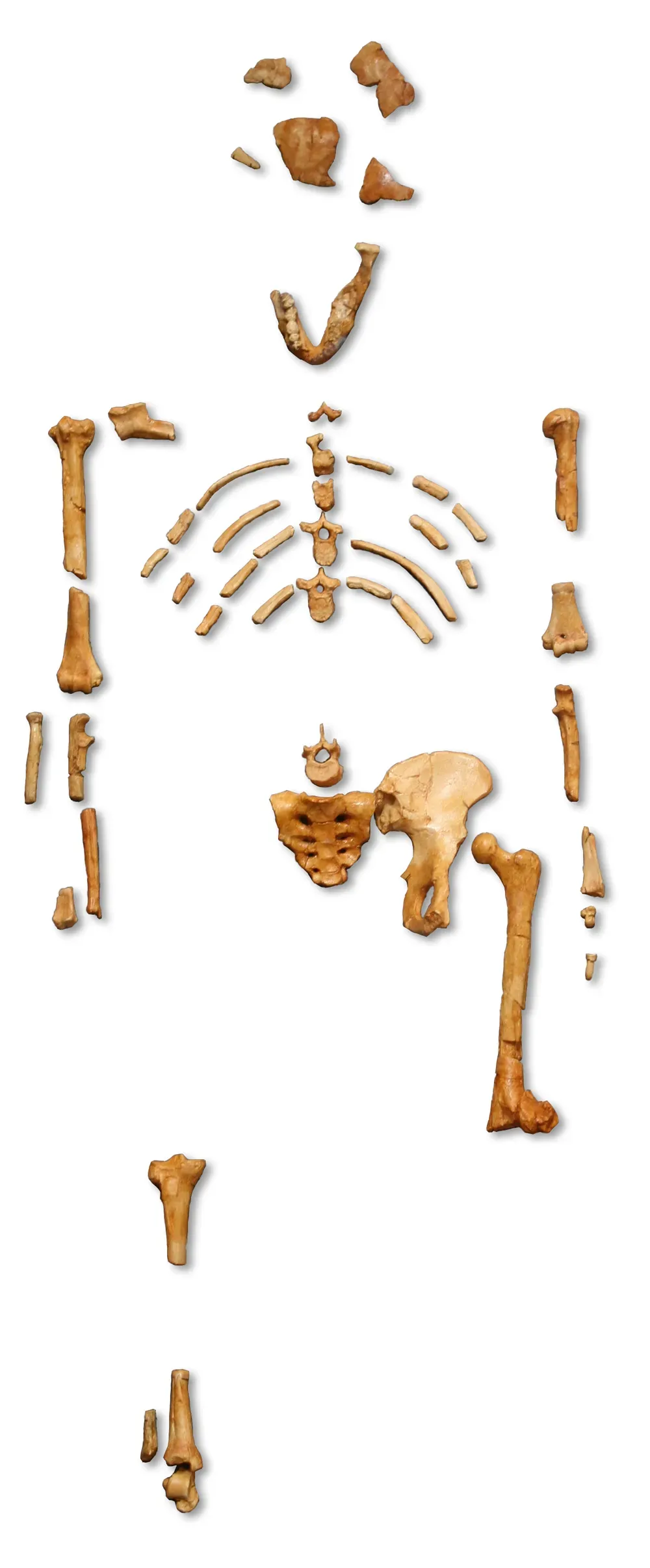
Imagine hiking through dusty Ethiopian badlands in the 1970s and stumbling on bones that quietly tell you humans have been walking upright for millions of years longer than anyone thought. That is essentially what Lucy represented: a roughly three-million-year-old Australopithecus afarensis whose partial skeleton suddenly made bipedal walking the headline act in human evolution. Before Lucy, many experts pictured our ancestors as more ape-like, knuckle-walking creatures who only stood upright late in the story.
Lucy’s pelvis, leg bones, and spine showed a body built to walk on two feet even though she still had a small brain and long arms. That combination shattered the old assumption that big brains came first and upright walking followed. Instead, Lucy helped flip the script: walking upright appears to have been a foundational shift that came long before the brain expansion we like to brag about today. To me, Lucy’s real legacy is humbling – she reminds us that our clever minds were latecomers, riding on a body design that had already changed the game.
2. Ardi: The Ancestor That Broke the “Chimp Model”
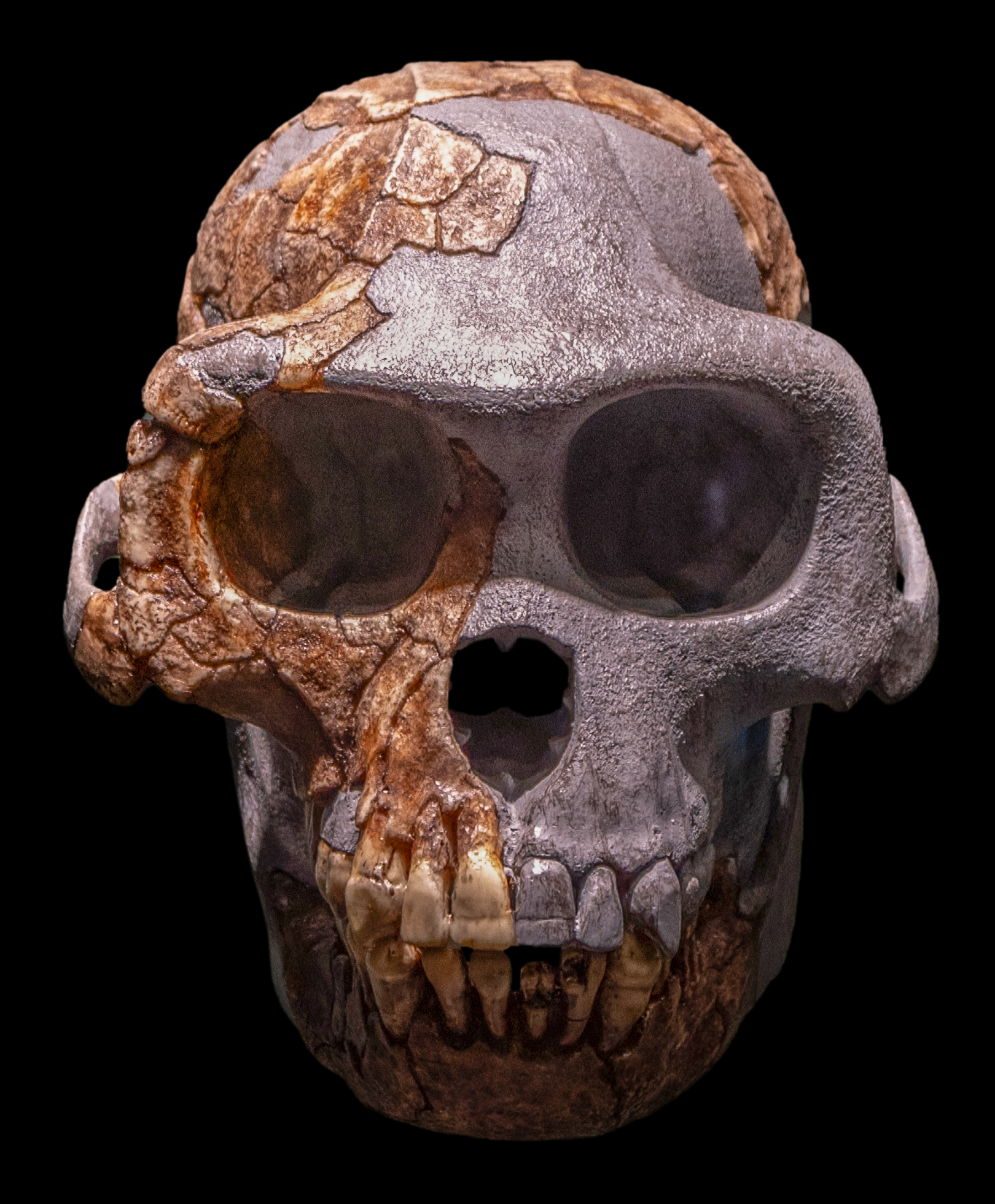
When the skeleton nicknamed Ardi, short for Ardipithecus ramidus, was unveiled in the 2000s, it felt like someone had quietly pulled the rug out from under a century of evolutionary assumptions. For decades, scientists relied on chimpanzees as stand-ins for what our early ancestors must have looked and behaved like. Ardi, more than four million years old from Ethiopia, did not fit that script at all. Her anatomy suggested a creature that both walked upright in the trees and moved on the ground in a way unlike either humans or chimps.
Her feet had a grasping big toe, but the rest of her skeleton did not match a knuckle-walking ape. That forced a bold conclusion: the last common ancestor of humans and chimpanzees was probably not chimp-like in the way people had imagined. In other words, chimps have been evolving along their own path just as dramatically as we have. Ardi pushed scientists to stop using modern apes as a simple template for our past and to accept a messier, more branching story. Personally, I think that makes the tale far more interesting – and far more honest.
3. The Red Lady of Paviland: A Misunderstood Burial That Re-aged Europe
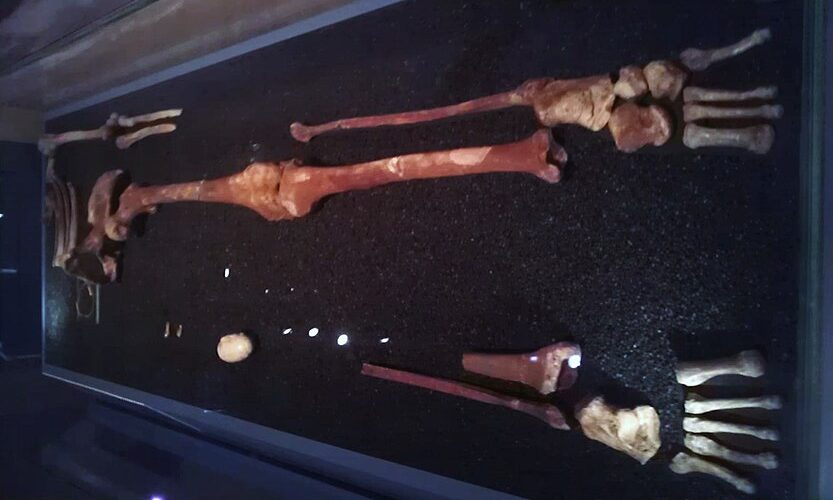
On a windswept Welsh coastline in the early nineteenth century, a skeleton stained with red ochre was pulled from a cave and confidently labeled as a Roman-era woman of ill repute. The nickname stuck: the Red Lady of Paviland. Later research blew every part of that early interpretation apart. The skeleton turned out not to be a woman at all, but a young man buried with ornaments during the Ice Age, tens of thousands of years earlier than first thought.
This one misjudged burial ended up reshaping views of early Europe. The revised dating placed him among the oldest known ceremonial burials in Europe, showing that symbolic behavior and complex mortuary rituals were present much earlier than many had assumed. The red pigment, decorative objects, and care taken with the body painted a picture of social and spiritual life that felt surprisingly modern. To me, the Red Lady is a cautionary tale: our cultural biases can be louder than the bones themselves if we are not careful.
4. Kennewick Man: A Skeleton at the Center of a Cultural Storm
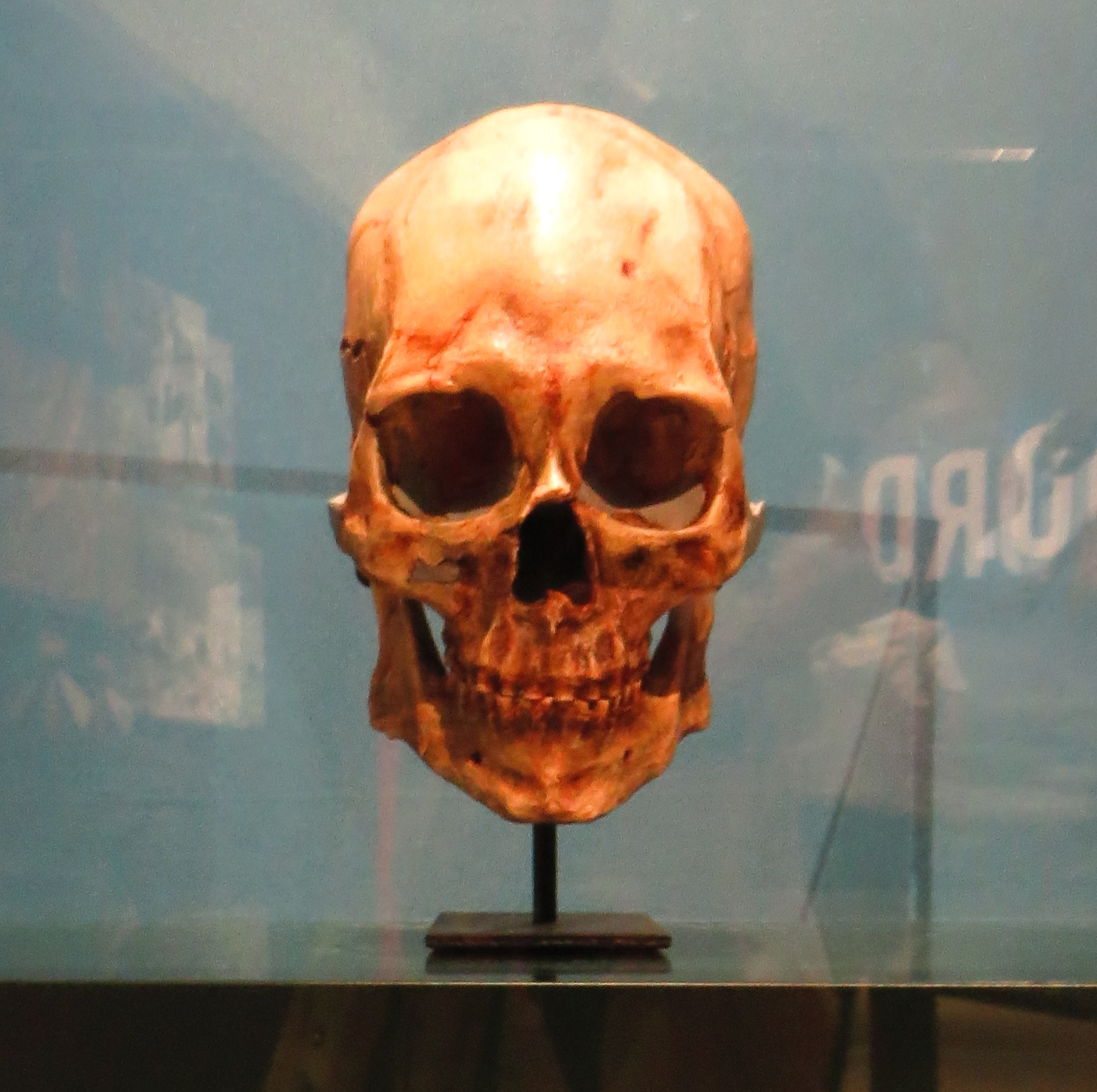
When two men found a skull along the Columbia River in Washington State in the 1990s, they probably had no idea they were kicking off one of the most contentious debates in American archaeology. The nearly complete skeleton that emerged, later known as Kennewick Man or the Ancient One, was about nine thousand years old. Early analyses of the skull shape were interpreted by some researchers as suggesting he might not be closely related to modern Native Americans, a claim that ignited fierce controversy.
Native communities argued from the start that the remains were of an ancestor and should be reburied, while some scientists insisted on extended study in the name of research. Years of legal battles and political tension followed. Eventually, genetic testing showed that Kennewick Man was indeed closely related to contemporary Native American populations, aligning with Indigenous oral histories. This case did not just nudge the timeline of the peopling of the Americas; it forced a reckoning about who gets to tell that story in the first place. In my view, that social lesson is every bit as important as the scientific one.
5. Homo floresiensis: The Hobbit Humans of Flores
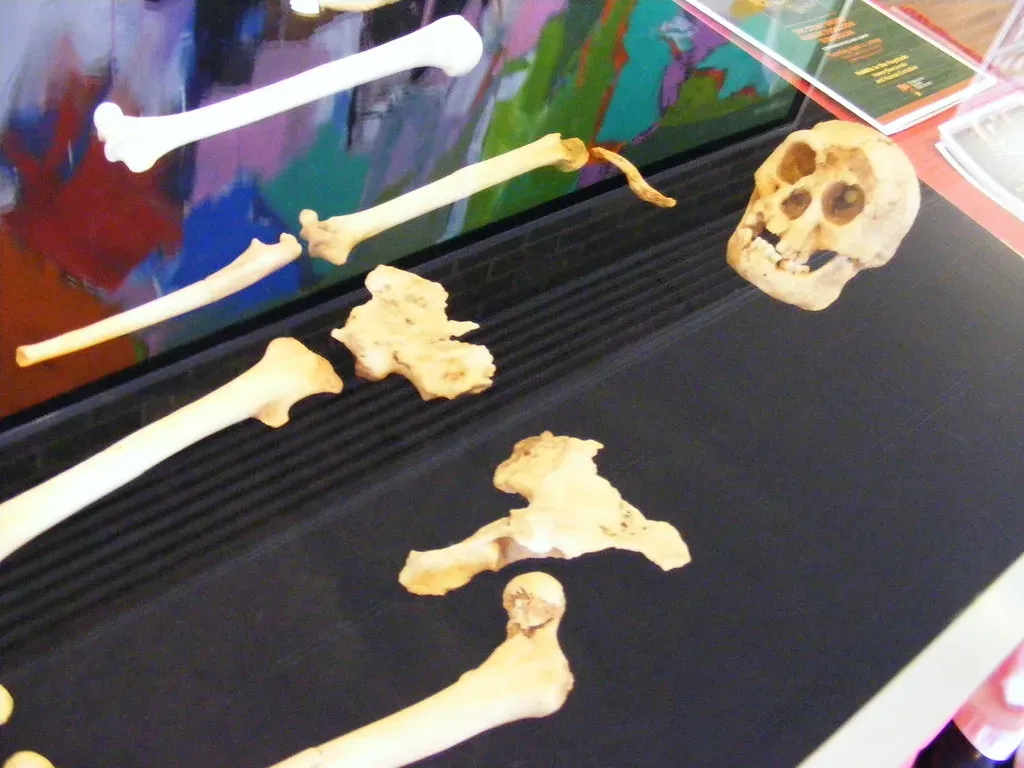
In 2003, excavators in a cave on the Indonesian island of Flores uncovered a tiny, nearly complete skeleton of an adult who stood roughly as tall as a six-year-old child. At first, some thought it had to be a diseased modern human. But as more bones were analyzed, the team realized they were dealing with something far stranger: a separate species later named Homo floresiensis. With its small brain and combination of primitive and modern traits, it seemed to have stepped straight out of a fantasy novel.
The shock came from the age. These “hobbit” humans lived until around fifty thousand years ago, meaning they overlapped in time with modern Homo sapiens. That raised unsettling possibilities: multiple human species sharing the planet, perhaps even interacting, at a time when we often imagine only ourselves roaming the globe. The existence of a small-bodied, island-dwelling human cousin forced scientists to confront just how experimental human evolution really was. For me, Homo floresiensis feels like a reminder that nature loves weird side projects, and we may just be one of many that happened to last.
6. Homo naledi: A Dark Cave Full of Puzzles
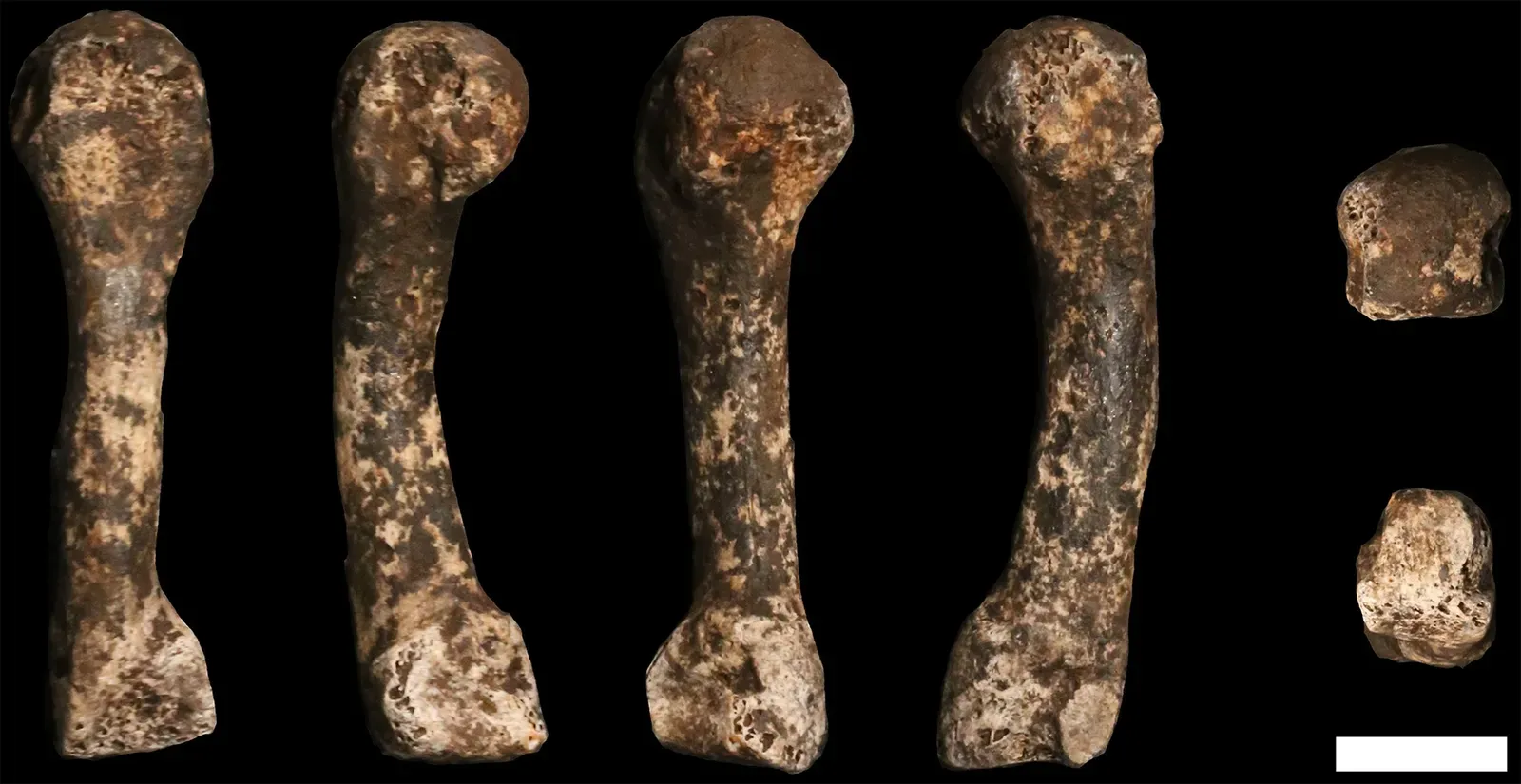
Deep in a South African cave system so narrow that only very small cavers could access it, researchers uncovered one of the largest collections of hominin fossils ever found in Africa. The species, named Homo naledi, blended features that seemed almost modern with others that looked surprisingly ancient. Hands and feet showed adaptations for walking and tool use, yet the brains were small, more like earlier human relatives. That anatomical mashup alone challenged the tidy ladder-like view of human evolution.
What really stirred debate, though, was the apparent behavior. The bones of many individuals were found in a remote chamber with no obvious sign of predator activity or mass death from a single event. Some scientists argued that this pattern suggested deliberate body disposal, maybe even a form of ritual behavior, carried out by a species with relatively small brains. Others pushed back, proposing alternative explanations. Even today, there is no full agreement. To me, the very fact that we have to consider sophisticated behavior from such a mosaic species is a sign that intelligence and culture may not track brain size as neatly as we once believed.
7. Misliya-1 and the Early Steps Out of Africa
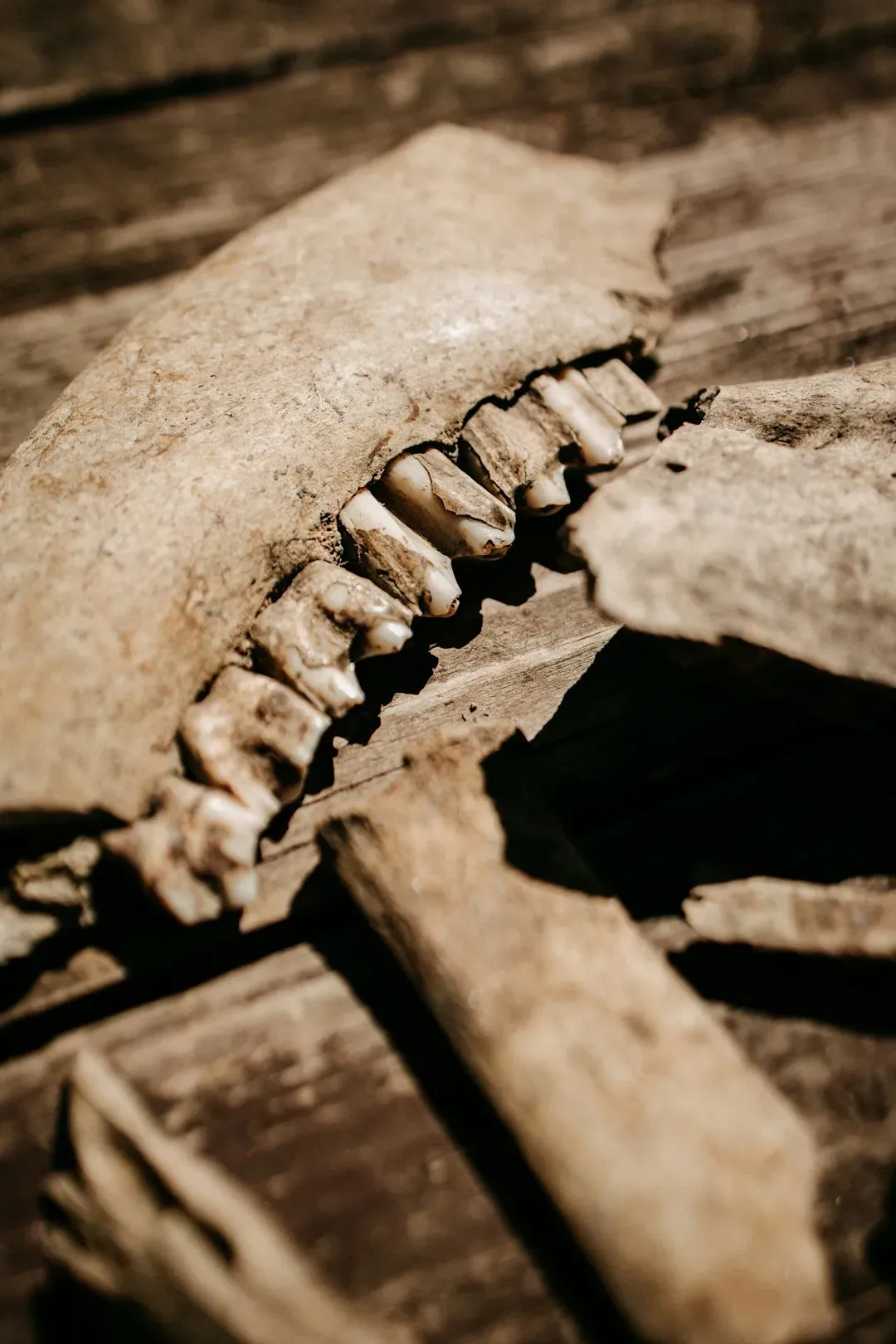
For years, textbooks taught a relatively simple story: modern humans evolved in Africa around two to three hundred thousand years ago and only left in a big wave roughly sixty thousand years ago. Then a fossilized upper jaw, labeled Misliya-1, from a cave on Mount Carmel in Israel, disrupted that timeline. Careful dating placed it around one hundred and eighty thousand years old, far earlier than the classic “out of Africa” date. The jaw’s features matched early Homo sapiens, signaling that our species had ventured into the Levant much sooner than expected.
Misliya-1 did not stand alone – other finds in the region and in southern Europe hinted at earlier human forays out of Africa that may have failed or been replaced by later waves. Still, this one jawbone became a powerful symbol of a more complex, back-and-forth pattern of migration rather than a single, neat exodus. In my opinion, Misliya-1 helped bury the idea of a simple human origin story. Instead, it supports a picture of our species testing frontiers repeatedly, sometimes succeeding, sometimes retreating, always moving.
8. Cheddar Man and the Surprising Face of Ancient Britain
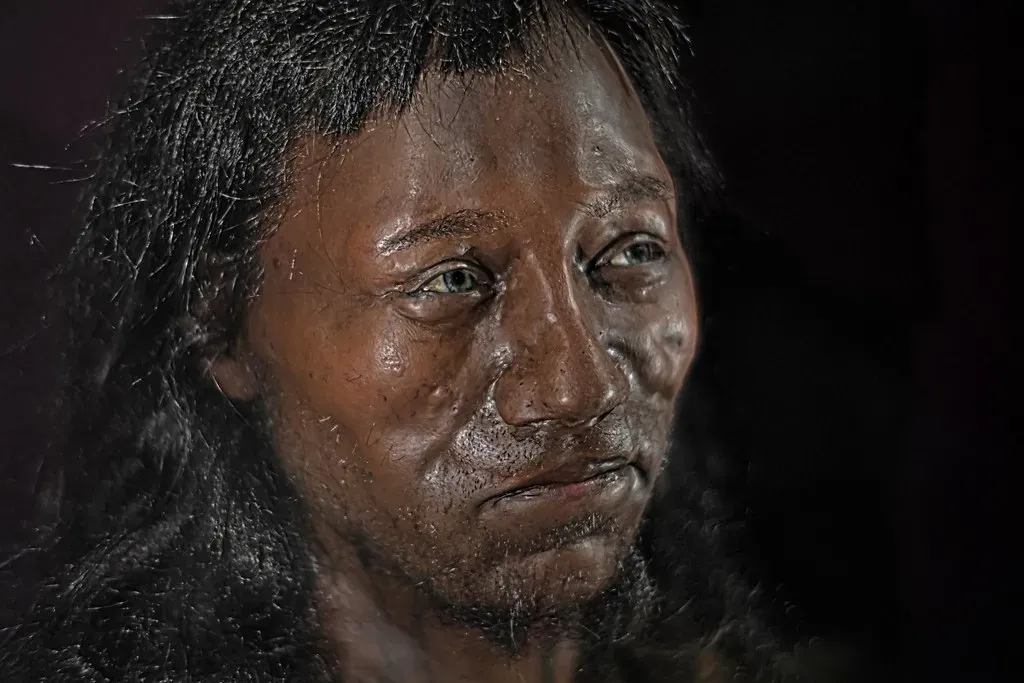
In a limestone cave in southwestern England, a skeleton known as Cheddar Man was uncovered in the early twentieth century and later dated to nearly ten thousand years ago, making him one of the oldest near-complete human skeletons from Britain. For a long time, he was mainly a curiosity used to talk about Mesolithic hunter-gatherers in general terms. That changed when researchers extracted ancient DNA and realized his genetic profile did not match modern expectations of what a “native Briton” should look like.
Genetic analysis suggested traits such as dark skin combined with light-colored eyes, a combination that jarred with popular images of pale, early northern Europeans. The findings sparked intense public debate and uncomfortable conversations about race, identity, and who gets claimed as “original” in a place. While reconstructions are always probabilistic and not every detail is beyond dispute, the broader message is clear: our visual stereotypes of the past are often projections, not facts. For me, Cheddar Man’s real power lies in confronting those assumptions head-on and forcing a more honest conversation about how fluid human appearance and ancestry have always been.
Conclusion: Bones That Refuse to Behave
Looking across these eight skeletons, a pattern jumps out: the most important fossils are rarely the ones that fit neatly into our expectations. Lucy overturned the brain-first myth, Ardi shattered the chimp-based ancestor model, and Misliya-1 pulled our species out of Africa far earlier than the comfortable story allowed. Kennewick Man and Cheddar Man, in different ways, exposed how much our modern politics, identities, and biases color what we think the past should look like. Even the hobbits of Flores and the puzzling Homo naledi forced us to accept that many different kinds of “human” once shared this planet.
My opinion is that we should stop treating any version of human history as final. Every new skeleton is a potential plot twist, not a footnote. The more we dig, the more our tidy ladders turn into tangled, overlapping branches, and frankly, that messy, experimental tree looks far more like real life than any simple march of progress. So the next time you hear that archaeologists have found “just a few bones” somewhere, maybe lean in a little closer – those bones might be about to argue with everything you thought you knew. Which part of the story would you be least surprised to see rewritten next?