
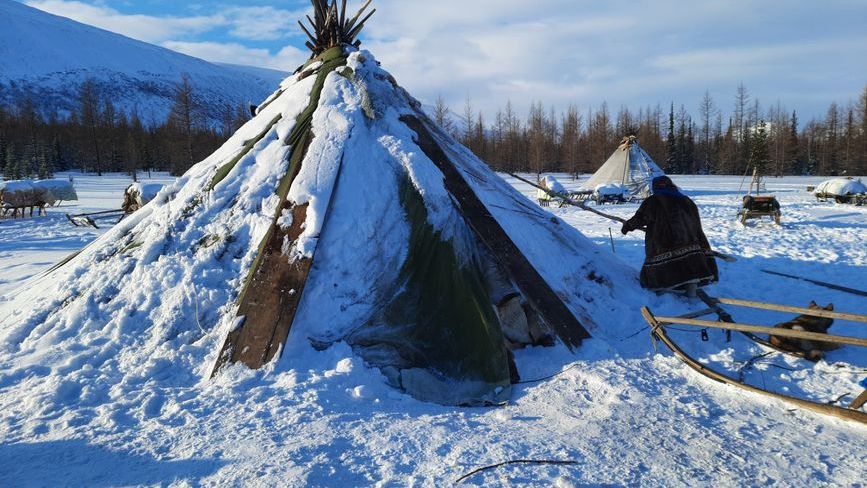
Imagine waking up on a morning so cold that the air itself seems to bite, when there’s no jacket, no heating, no insulated home, no hot shower waiting for you. For prehistoric humans during the Ice Ages, this wasn’t a rare bad day; it was the background noise of life for thousands of years. And somehow, against what feels like impossible odds, they not only endured those harsh conditions but spread across continents, raised children, created art, and laid the foundations for everything we take for granted today.
When I first really thought about this, it honestly made my modern problems feel tiny. We panic if the Wi‑Fi goes out for an hour; they faced megafauna, brutal winters, and unforgiving landscapes with nothing but stone tools, fire, and their own wits. The more you look at how they did it, the more it feels less like a survival story and more like a quiet, long-running miracle of human adaptability. Let’s walk through what truly kept them alive when the world turned to ice.
Reading the Land Like We Read Our Phones
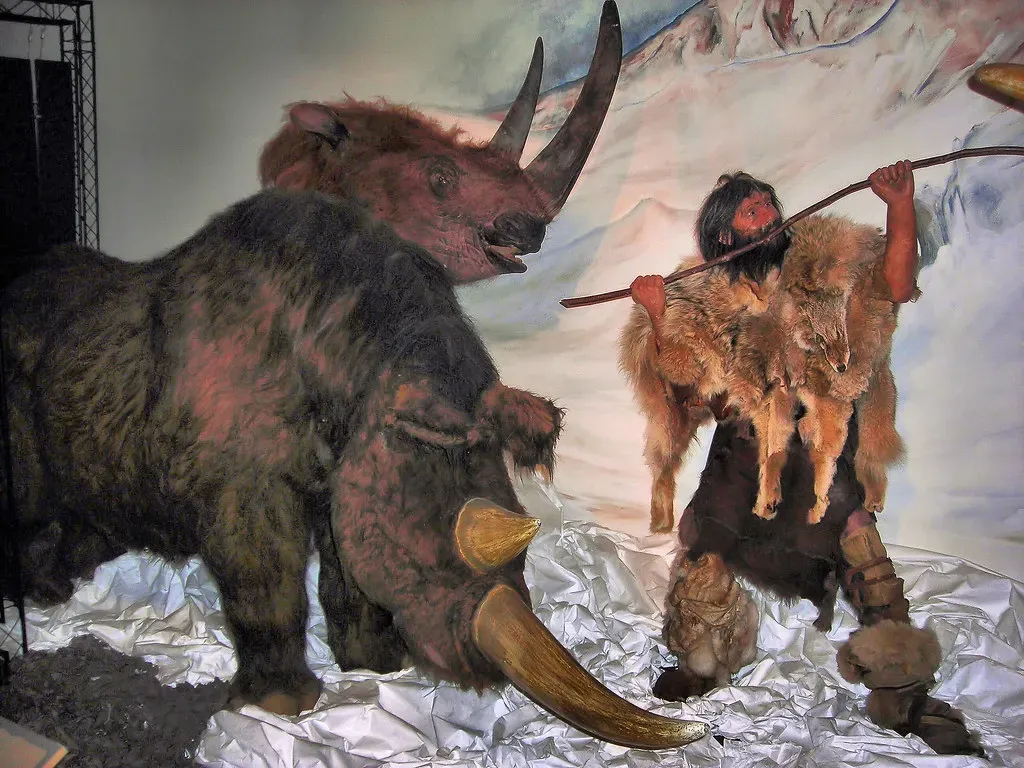
One of the most surprising things about Ice Age humans is how deeply they understood their environments, in a way that makes modern map apps look almost shallow. They could read the land like a living library: the bend of a river telling them where fish would be trapped, the shape of a valley hinting at where wind would be blocked, the tracks in snow revealing migrating herds and predators. This wasn’t casual knowledge; their lives literally depended on catching subtle seasonal shifts long before any crisis hit.
Think of it as having a mental weather app, GPS, and wildlife tracker all running in your head, built from years of observation and stories passed down. Children would have grown up hearing where the reindeer tend to cross after the first big snow, or which side of a hill held onto sunlight longest in late winter. Instead of asking a search engine, they asked the landscape and listened to elders who remembered past famines, storms, and successful routes. That kind of slow, cumulative intelligence was their real high-tech tool.
Shelters That Turned Frozen Worlds into Habitable Pockets
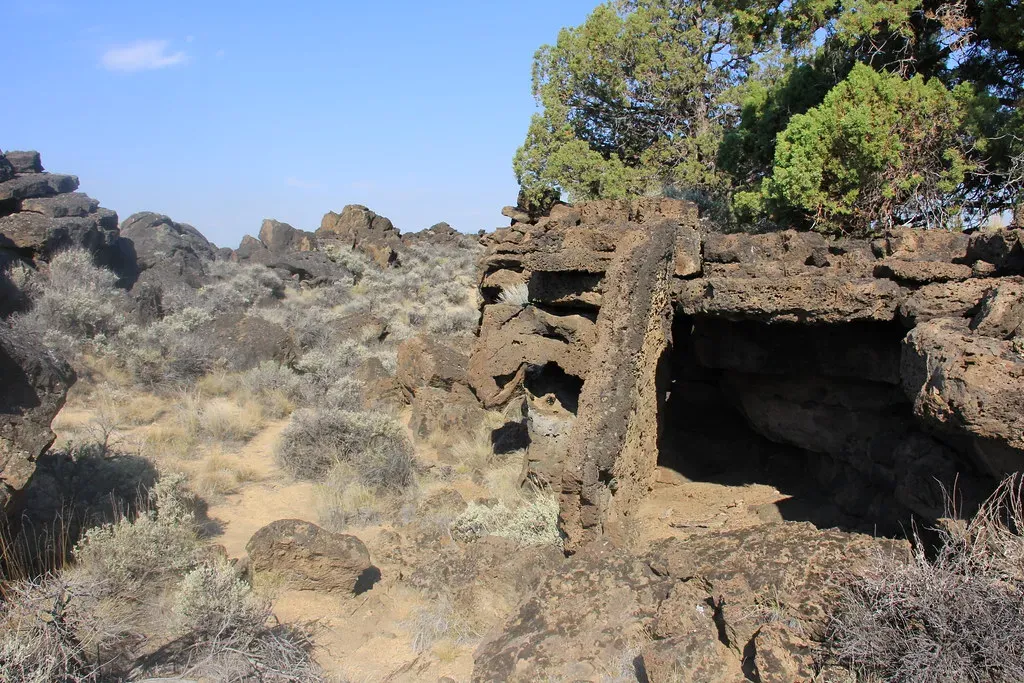
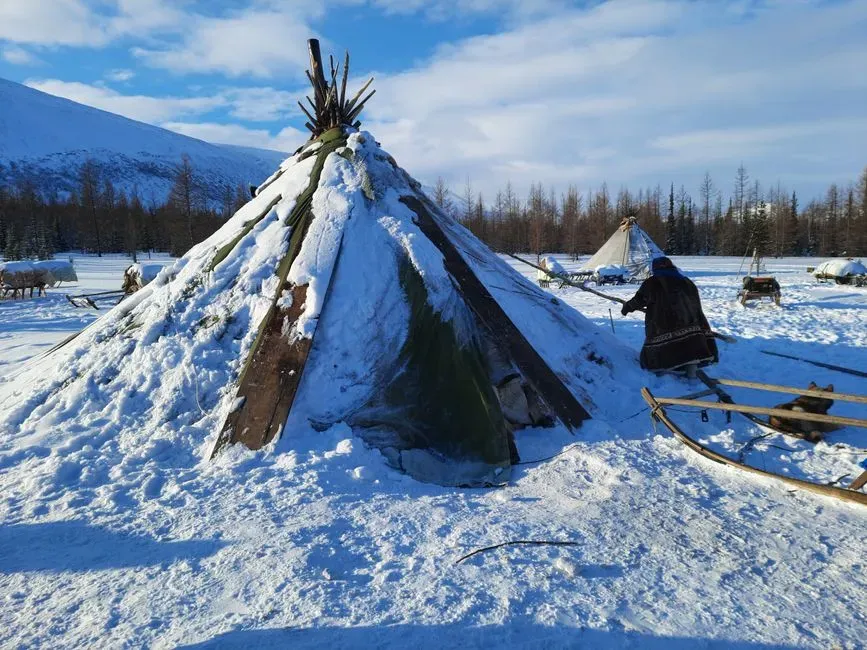
Without central heating or insulated windows, survival meant turning hostile terrain into tiny islands of warmth and safety. Archaeological evidence shows that Ice Age humans used whatever was available: caves, rock overhangs, huts made from mammoth bones and hides, dome-like shelters of branches and turf. Some structures had carefully placed hearths, windbreaks, and even what look like designated sleeping areas, as if they were reverse-engineering comfort from almost nothing. In a frozen landscape, a few degrees of extra warmth and a barrier against wind could be the difference between life and death.
Think about a modern camping trip, then remove the synthetic sleeping bags, tents, and portable stoves; that’s still softer living than what they had to manage. Yet they turned animal skins into insulating walls, used snow itself as a protective barrier against wind, and chose spots with natural thermal advantages like south-facing slopes or sheltered valleys. Their shelters were not just places to crash; they were finely tuned survival machines, constantly adjusted by trial, error, and shared memory of what had worked in previous winters.
Clothing, Fire, and the Art of Holding Onto Heat
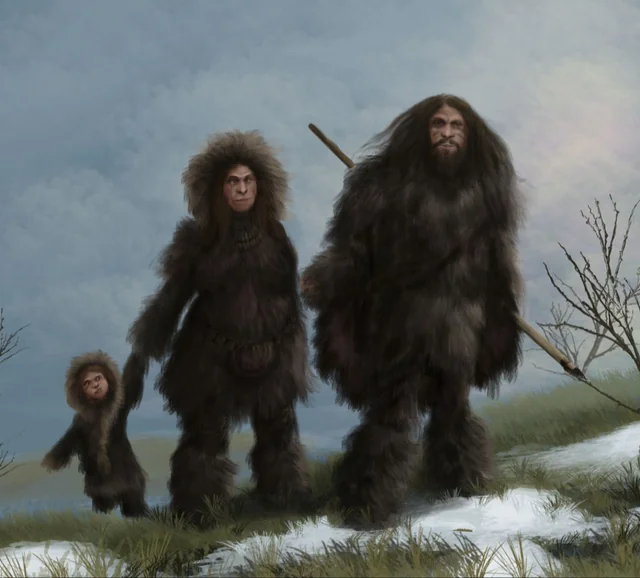
If you have ever stepped outside in winter without gloves, you know how quickly cold attacks bare skin; now picture trying to survive an Ice Age. Prehistoric humans solved this by becoming experts in animal-based technology: layered furs, tailored hides, boots, hoods, mittens, and possibly even underlayers from softer skins. Evidence from preserved needles and wear patterns suggests they were not just draping skins over themselves, but sewing surprisingly well-fitted clothing designed to trap body heat and keep out moisture and wind.
Fire was the second half of this equation, acting as the original multi-tool of survival. Fire gave warmth, light, cooked food, protection from predators, and even psychological comfort in the dark of long winters. But what we often forget is that starting and maintaining fire in cold, damp conditions is incredibly hard without matches or lighters. They learned to carry embers, store tinder carefully, and choose fuels that burned hot and long. In a sense, the entire group revolved around not just making fire, but never losing it.
High-Calorie Diets Built on Animals, Fat, and Seasonal Ingenuity
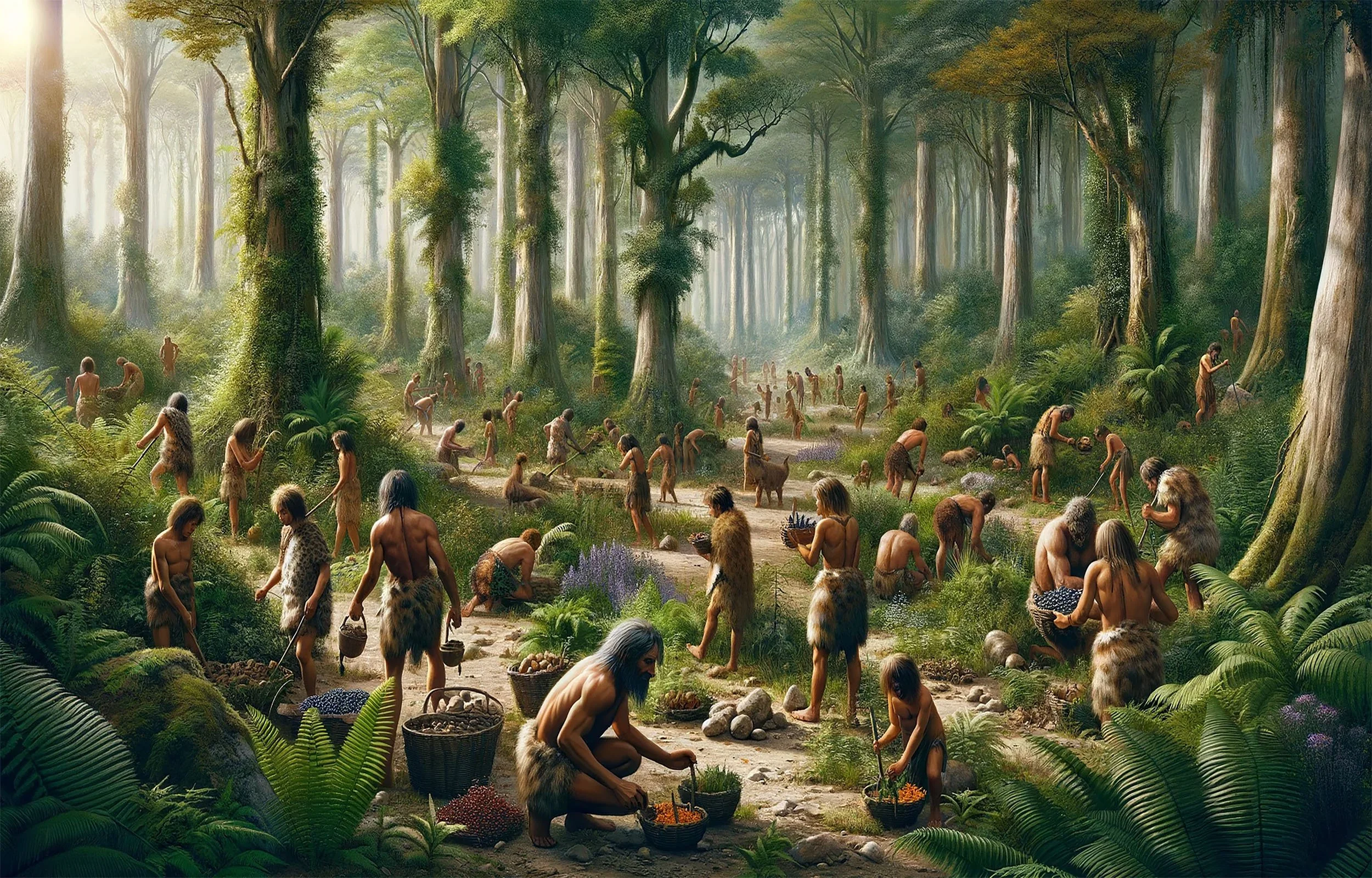
The colder the climate, the more energy your body uses just to keep you alive, which means Ice Age humans needed dense, reliable calories. Plant foods were limited for much of the year in glacial environments, so large animals became moving pantries: mammoths, bison, reindeer, horses, and other megafauna. These animals were not just meat; they were fat, marrow, organs, and sometimes even blood, all rich in calories and nutrients. Hunters developed strategies to track migrations and exploit seasonal bottlenecks, like narrow passes or river crossings where herds could be ambushed more safely and efficiently.
Nothing went to waste. Fat was rendered, marrow cracked from bones, hides turned into shelter and clothing, sinew into cords and thread. Some groups likely dried or smoked meat to store it, turning a single big kill into weeks or months of security. It is easy today to underestimate how much sheer planning went into feeding a group through an entire winter. They did not have calorie labels, but they certainly understood which foods kept you full and strong, and they fought hard to secure those resources before snow and ice locked everything down.
Cooperation, Care, and the Power of Sticking Together
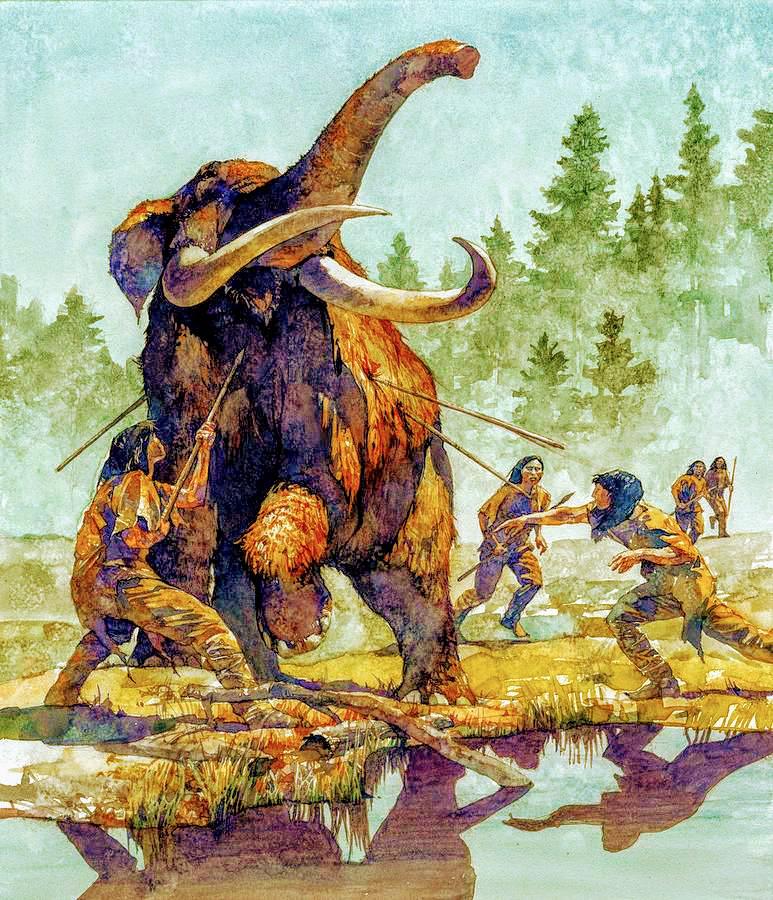
When we picture prehistory, we often default to lone, stoic hunters, but the real survival story is far more social. Small bands of people – families, allied groups, sometimes loosely connected networks – shared food, labor, knowledge, and risk. Wounded hunters could recover because others brought them food; children and elders could survive because the group collectively buffered their vulnerability. There is evidence that people with injuries or disabilities lived far longer than they would have alone, which strongly suggests sustained care and social responsibility.
In a harsh Ice Age winter, being truly alone was almost a death sentence, so cooperation was not a nice moral bonus; it was the main survival strategy. Imagine coordinating a mammoth hunt, processing the meat, managing the fire, tending children, and maintaining clothing and tools – all at once. No single person could juggle that load for long. I sometimes think of it like a small startup under constant pressure, except failure here did not mean closing shop; it meant freezing or starving. Trust, reciprocity, and shared effort were their real safety net, long before governments or insurance ever existed.
Tools, Ingenuity, and Mental Flexibility in a Frozen World
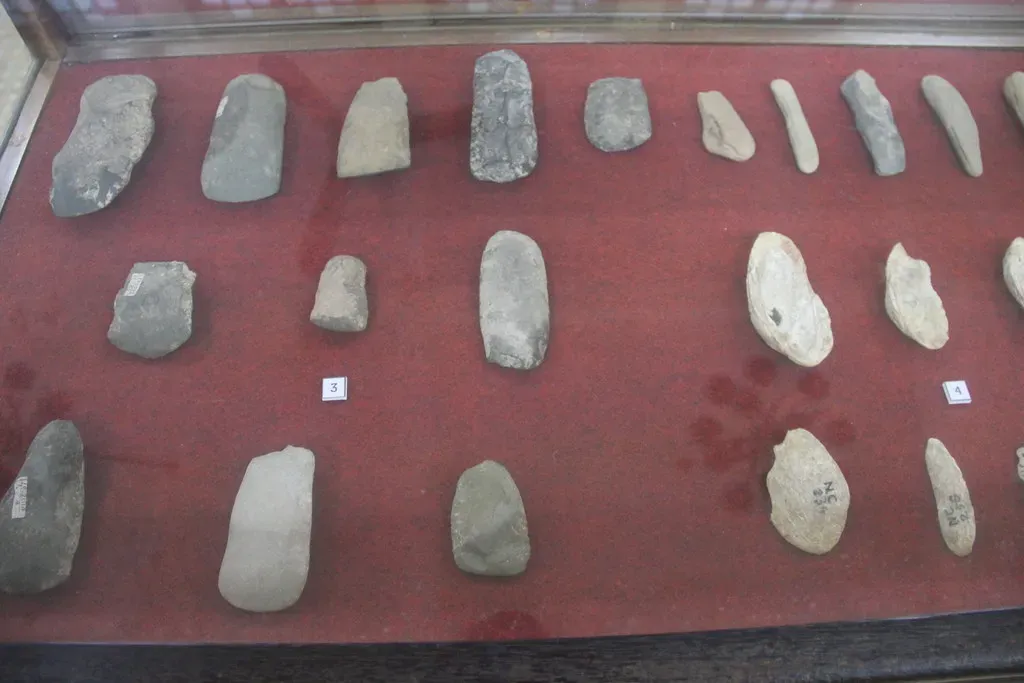
Stone tools can look crude at first glance, but in Ice Age hands they were the cutting edge of innovation, literally and figuratively. Carefully shaped blades, scrapers, and points turned rock into knives, needles, spear tips, and hide-processing tools. Over time, designs became more specialized and efficient, hinting at experimentation and teaching. Bone, antler, and ivory were shaped into harpoons, barbed points, and perhaps even composite weapons that gave hunters a better reach and higher chance of a clean kill.
What really stands out to me, though, is not just the tools themselves but the mindset behind them. Prehistoric humans had to constantly adjust: routes changed, animals vanished from a region, a once-stable shelter site flooded or eroded. They improvised with new materials, tweaked existing designs, and adapted strategies to fit shifting conditions, all without written manuals or formal schools. That mental flexibility – the willingness to observe, tinker, copy what works, and abandon what fails – was as crucial as any blade or spear point.
Belief, Storytelling, and the Inner Strength to Keep Going
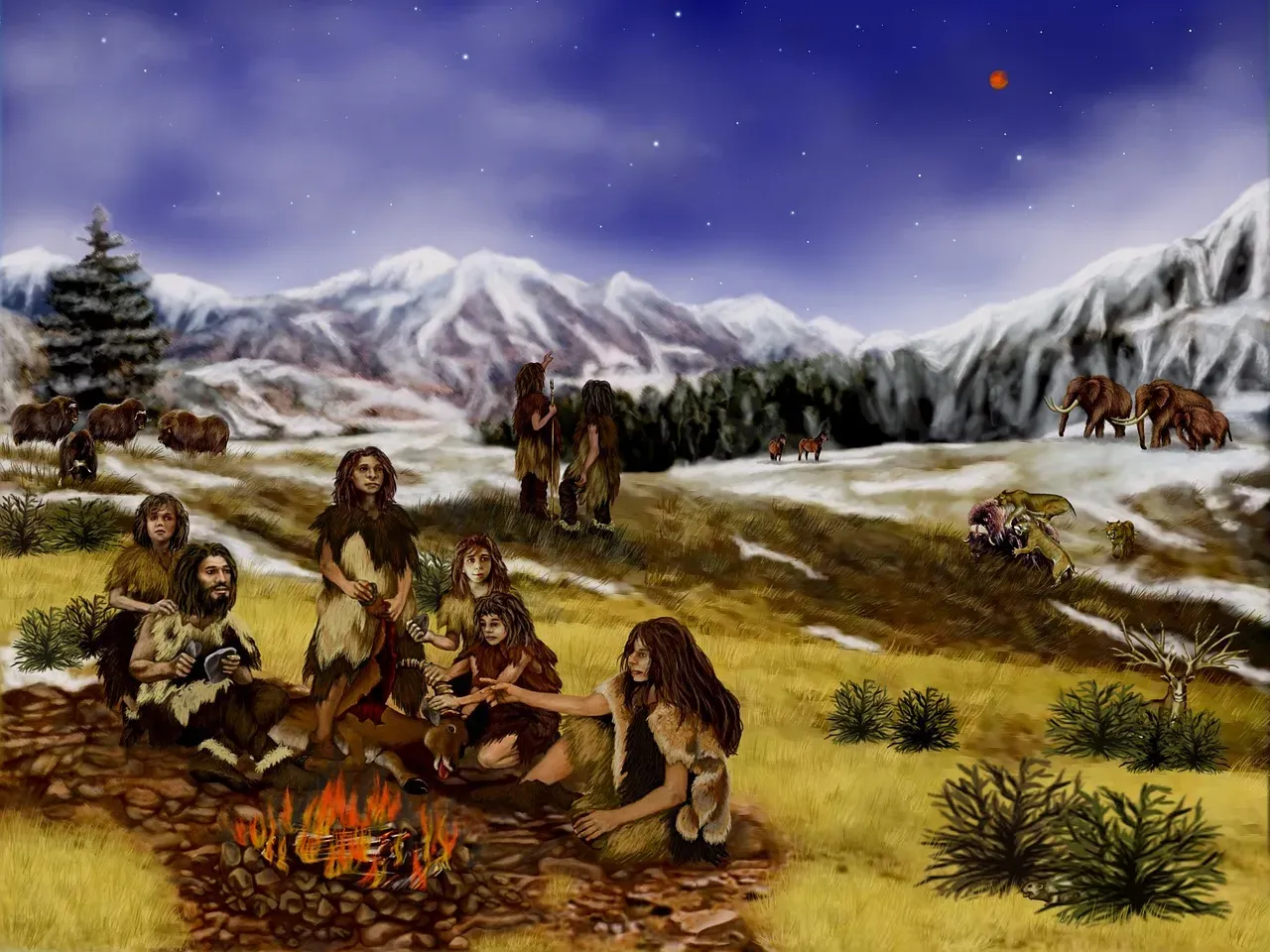
Surviving an Ice Age was not only about muscles and tools; it was also about the mental game. Long, dark winters, hunger, loss, and danger could easily crush a group’s morale. While we cannot read minds from fossils, the art, burials, and symbolic objects left behind strongly suggest rich inner worlds: stories explaining the landscape, rituals for the hunt, ideas about death and ancestors. These beliefs would have helped people cope with fear, grief, and uncertainty, offering a sense of meaning in an environment that could feel brutally indifferent.
Storytelling likely played a huge role in transmitting survival knowledge as well. Around a fire, elders could pass down which valley flooded unexpectedly, which plants made you sick, which animal behaviors signaled a coming shift in weather. Mixed into those lessons were probably myths, jokes, and dramatic retellings of hunts and narrow escapes. I find it oddly comforting that our ancestors may have used narratives and shared imagination the way we use podcasts and social media today – to feel less alone, to remember, and to keep going when the world outside felt overwhelming.
Conclusion: The Ice Age Mirror Held Up to Our Modern Fragility
When you strip away central heating, groceries, cars, and the endless hum of digital connection, you start to see just how raw and demanding the Ice Age world really was. Prehistoric humans survived not because they were superhuman, but because they leaned hard on observation, cooperation, ingenuity, and stubborn resilience. In many ways, they were tougher and more adaptable than we are, simply because they had to be. They read the land instead of screens, trusted their group instead of distant systems, and built lives on skills that could not suddenly go offline.
That does not mean we should romanticize the past – Ice Age life was dangerous, short, and unforgiving by our standards – but it does challenge the idea that modern technology is the only thing keeping humans alive. The core survival toolkit was always deeper: community, creativity, and the capacity to learn from a hostile world instead of giving up. When you think about your own life, with all its comforts and anxieties, it is worth asking which of those ancient strengths you still carry, and which you might want to rebuild. If the world ever turned colder again, which part of you would actually keep you warm?