If you only know woolly mammoths from movies and video games, you probably picture roaring shaggy beasts charging across endless snow, battling saber‑toothed cats and dragging cave people around by the fur. It is a wildly entertaining image, but it is also almost completely wrong. The real animal behind the pop‑culture myth was stranger, subtler, and far more interesting than the oversized ice‑age monster we keep recycling on screen.
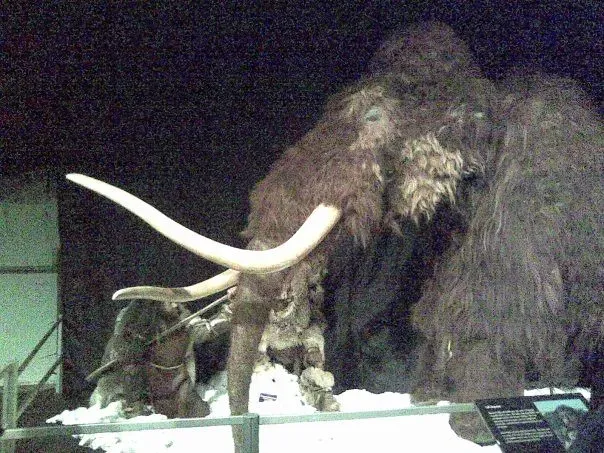
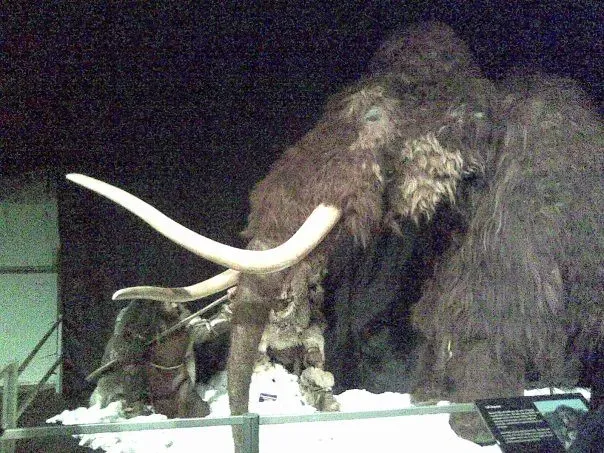
I still remember the first time I saw a preserved mammoth in a museum; it looked less like a movie monster and more like an oddly familiar, slightly battered elephant in a massive winter coat. That moment ruined half the mammoth scenes I’d grown up with, but it also made me obsessed with how much we get wrong. Once you start digging into the science, you realize the truth is more gripping than the myths we keep telling. Let’s pull some of the biggest ones apart.
Myth 1: Woolly Mammoths Were Just Giant, Hairy Elephants

This is probably the most persistent myth: that a woolly mammoth was essentially today’s elephant, copy‑pasted into the Ice Age and dipped in fur. In reality, mammoths were close relatives of modern elephants, but not simple clones. Their bodies were tailored to cold in ways that go well beyond a shaggy coat. They had smaller, more compact ears to reduce heat loss, a thick layer of fat under the skin, and a distinctive dome‑shaped skull that gave their silhouette a very different profile from the elephants you see on a safari calendar.
Even their fur was not just “more hair.” It came in layers, with long guard hairs over a dense, wool‑like undercoat, more like a musk ox than a modern elephant in a parka. Their tails were shorter, probably to avoid frostbite and reduce the risk of heat escaping. When you look at a good reconstruction based on skeletons, soft‑tissue finds, and frozen carcasses, you do recognize the elephant family resemblance. But you also see an animal that went down its own evolutionary path, customized for bitter, windy steppe rather than tropical savannas.
Myth 2: Woolly Mammoths Lived in a World of Endless Deep Snow and Glaciers
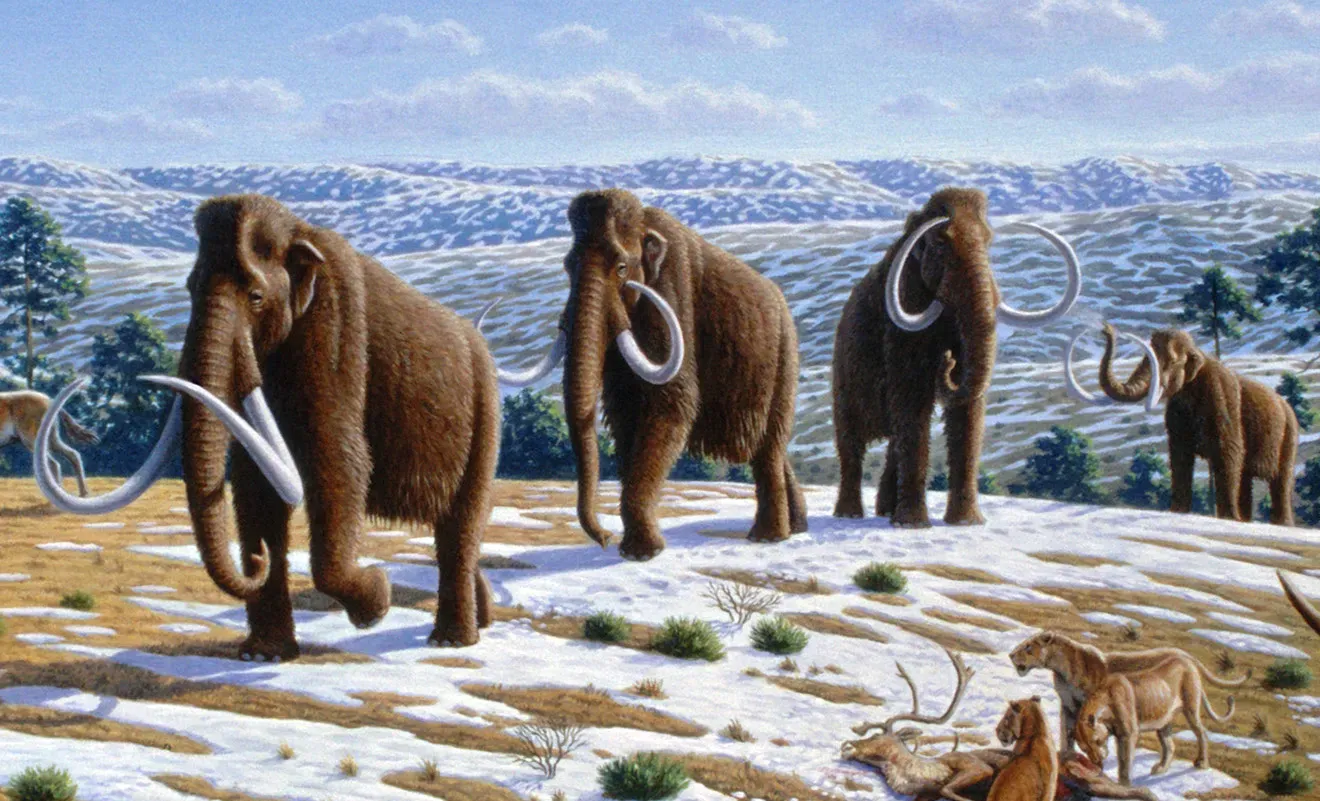
Pop culture almost always drops mammoths into blizzards, knee‑deep powder, and jagged ice cliffs. The reality of their world was much more about grass than glaciers. For most of their time on Earth, woolly mammoths roamed what scientists call the “mammoth steppe,” a vast, cold, but surprisingly productive grassland stretching across northern Eurasia and North America. Think chilly, treeless prairie with tough grasses, herbs, and shrubs rather than a frozen wasteland where nothing grows.
That grassy ecosystem was key, because mammoths were big, hungry herbivores that needed a lot of calories every day. They were more like giant, cold‑adapted bison or wild horses in their habitat use than the snowbound creatures Hollywood likes to show trudging across lifeless ice. Yes, they did deal with snow and harsh winters, but their success depended on open ground where they could dig through shallow snow to reach grass, not permanent blizzards and towering ice walls. When the climate warmed and those open grasslands shrank, the world that supported them started to disappear.
Myth 3: Humans Hunted Mammoths to Extinction All by Themselves
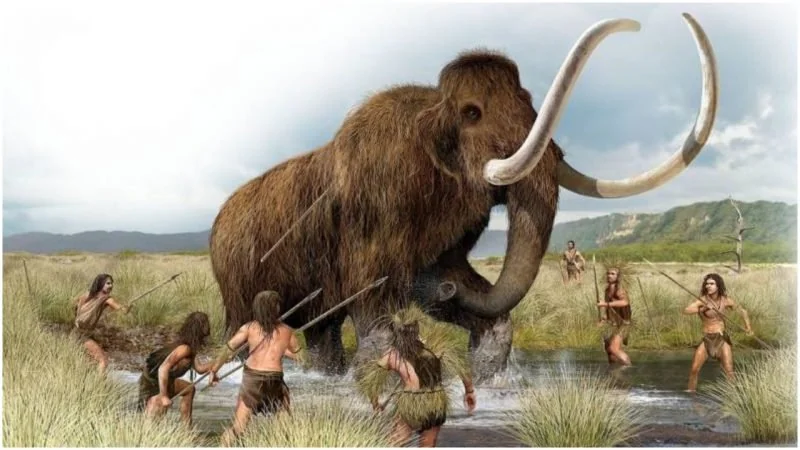
The idea that our species alone wiped out the mammoths in a wave of spears and selfishness is emotionally powerful, and it fits neatly into a guilt‑tinged story we tell about humans destroying everything they touch. There is good evidence that people hunted mammoths, used their bones and tusks, and sometimes left behind impressive kill sites. But scientists looking at climate records, ancient DNA, and radiocarbon dates see a far more tangled picture than a single, simple overhunting narrative.
As the last Ice Age ended, the climate warmed, sea levels rose, and that mammoth steppe habitat shifted and fragmented. In some regions, mammoths vanish before clear human hunting pressure appears. In others, humans and mammoths seem to overlap for long stretches. It looks less like a clean execution and more like a slow, region‑by‑region collapse where changing climate, loss of open grasslands, possible disease, and human hunting together pushed an already stressed species over the edge. Did humans play a role? Almost certainly. But the story is more complex, and honestly more sobering, than the cartoon of spear‑wielding bands exterminating endless herds overnight.
Myth 4: Woolly Mammoths Were Savage, Constantly Fighting Predators and Each Other
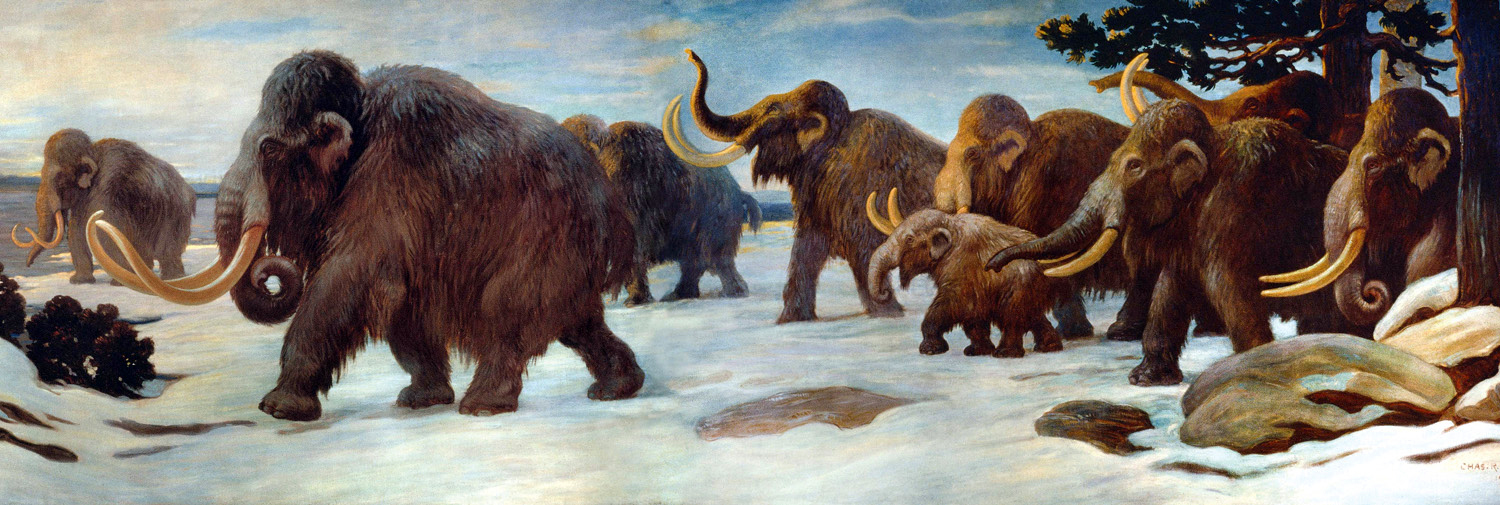
In movies, mammoths spend half their time locked in dramatic battles: charging at saber‑toothed cats, flinging wolves through the air, or dueling each other to the death with tusks clashing in slow motion. The fossil record tells a quieter, more familiar story that looks a lot closer to modern elephants. Mammoths were large herbivores that likely spent most of their day grazing, walking, and interacting with their herd, not battling every creature they met. Predators certainly targeted young, old, or weak individuals, but the constant high‑action combat we see on screen is a fantasy written for adrenaline, not accuracy.
Tusks did matter in conflicts, of course, and there are fossil skulls with signs of injury that may come from clashes with other mammoths. But if you look at how living elephants behave, most dominance contests are bluff, posture, and brief contact rather than bloody duels to the finish. There is no good reason to think mammoths were radically different. A herd of mammoths facing down a predator was probably intimidating simply by size and numbers, much like a group of elephants today, without needing to act like medieval knights in every encounter.
Myth 5: All Mammoths Were Absolutely Enormous
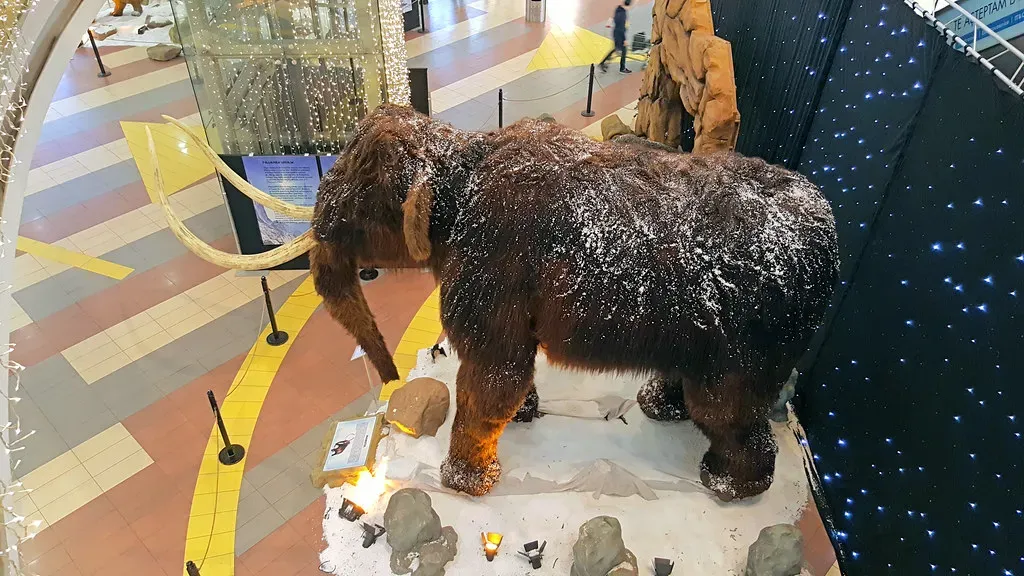
Another stubborn belief is that mammoths were universally gigantic, towering far above any modern elephant like something out of a kaiju film. In truth, woolly mammoths were impressive, but not absurdly oversized. On average, they were about the size of today’s larger elephant species, with some males being bigger and some females being smaller, just like in modern herds. They were not skyscrapers on legs. Their bulk came with being a large herbivore in a cold environment, where extra mass and fat helped them conserve heat.
What really throws people off are comparisons with entirely different mammoth species, like the steppe mammoth or the Columbian mammoth, some of which were larger than the classic woolly mammoth most people picture. Then there are the island dwarf mammoths, which shrank over generations on isolated islands and ended up closer in size to a large cow than a modern elephant. So the real mammoth story runs from big but relatable down to surprisingly small, not one single breed of giant monster trundling across glaciers.
Myth 6: Woolly Mammoths and Dinosaurs Lived Side by Side
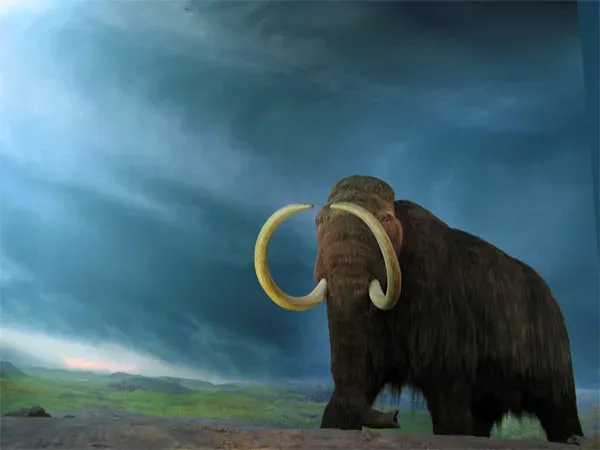
This myth refuses to die, partly because movies and cartoons love to lump all “prehistoric” creatures together in one big, chaotic time soup. You get mammoths stomping past T. rex while pterosaurs flap overhead, as if Earth’s history were a single long weekend instead of hundreds of millions of years. In reality, dinosaurs like Tyrannosaurus rex disappeared at the end of the Cretaceous period, while mammoths did not show up until far, far later in the Ice Age world of the Pleistocene. There is a bigger time gap between T. rex and mammoths than there is between mammoths and us.
To put it in human terms, the last small populations of woolly mammoths on remote islands were still around when some of the earliest human civilizations were building structures and making art. Meanwhile, the classic big dinosaurs had been gone for so long that entire families of mammals had evolved, diversified, and vanished in the gap. When you watch a movie that throws them on the screen together, you are basically watching a mashup that ignores most of Earth’s timeline, like showing ancient Romans live‑streaming on modern smartphones.
Myth 7: Frozen Mammoths Prove the Ice Age Was Instant and Catastrophic
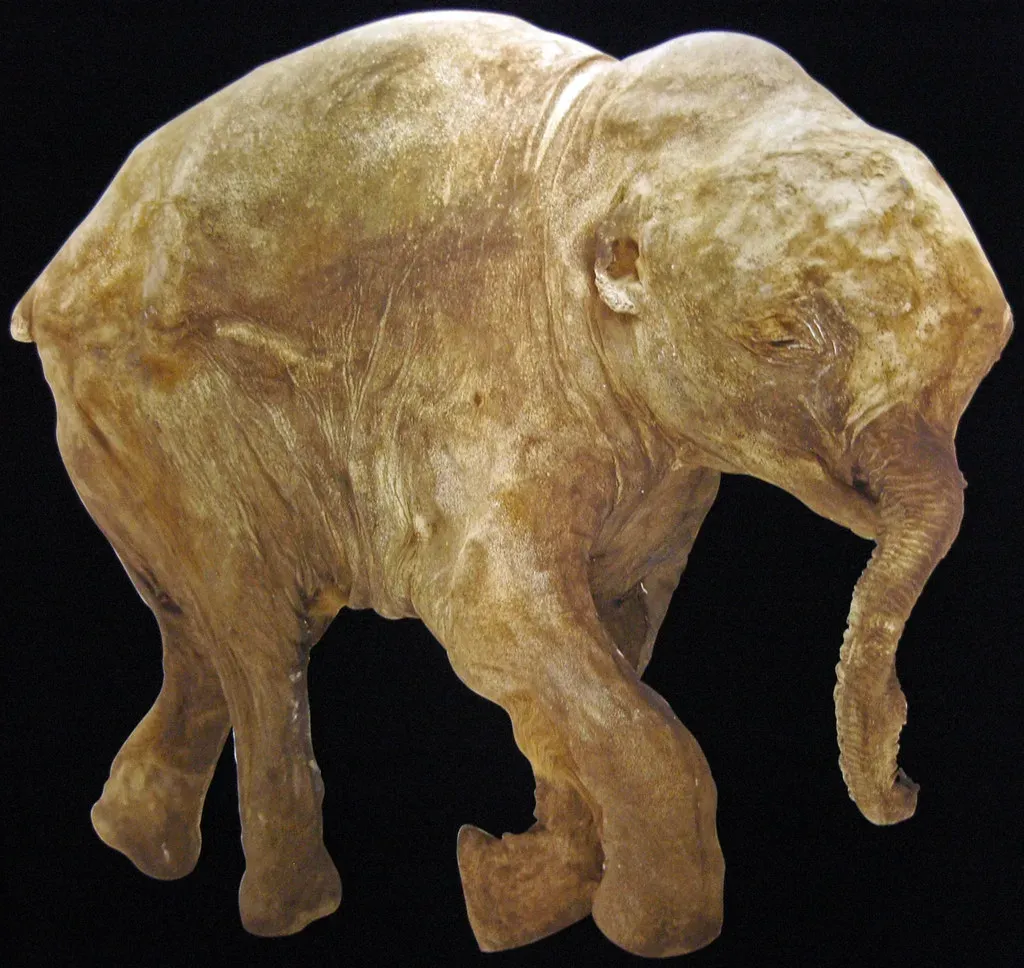
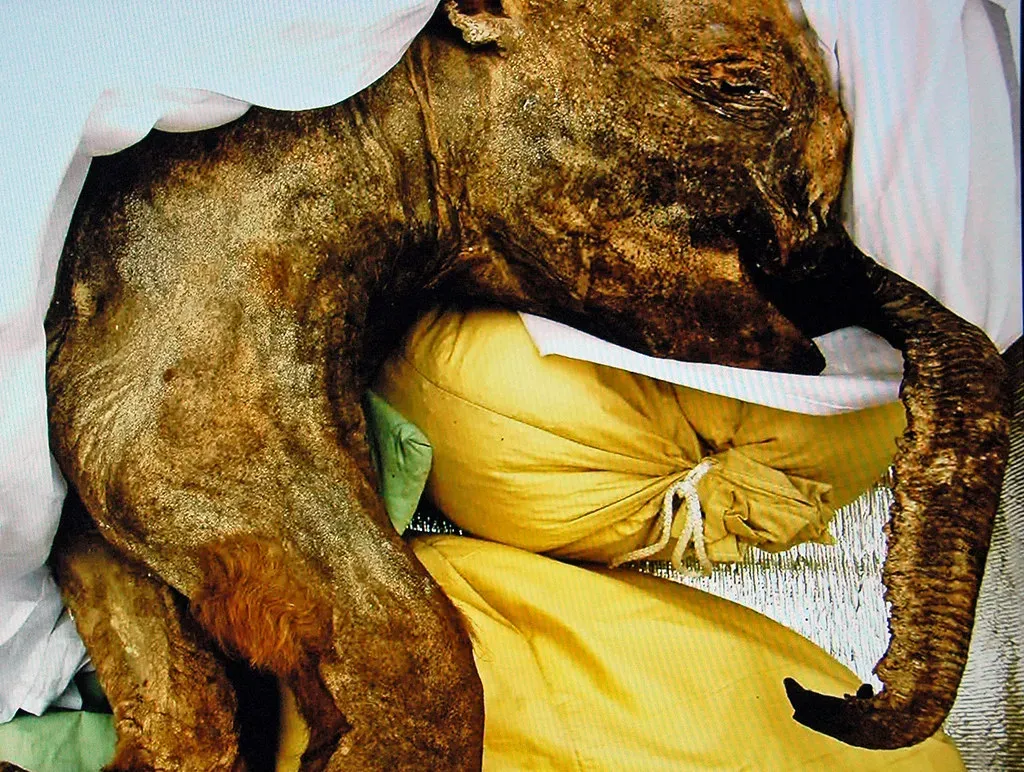
Stories about perfectly preserved mammoths pulled from Siberian permafrost often come packaged with the idea that they were flash‑frozen in some sudden global disaster. The reality is slower and less dramatic, though still fascinating. When mammoths or other animals died in the right conditions – cold, wet ground that later froze solid – their bodies could be preserved for thousands of years. Over time, frozen soil and ice simply locked them in, turning parts of Siberia and the Arctic into accidental deep‑freeze storage for ancient ecosystems.
These frozen finds are scientific gold mines because they preserve hair, skin, stomach contents, and even DNA. But they are not evidence of a single, instant Ice Age cataclysm that froze herds mid‑stride. Instead, they fit into a picture of changing climates, shifting permafrost, and a landscape that could sometimes trap and preserve the unlucky. The dramatic narratives about sudden, planet‑wide freeze events are mostly modern storytelling wrapped around what is, at its core, a slow geological and climatic process.
Myth 8: Scientists Are About to Bring Woolly Mammoths Back Any Day Now
The idea of resurrecting woolly mammoths is so irresistible that headlines love to suggest we are just a few years away from herds stomping across the Arctic again. The truth is more cautious and much more technical. Researchers can extract fragments of mammoth DNA from well‑preserved remains and compare them to elephant genomes. This allows them to identify genes linked to cold adaptation, such as those affecting hair, fat, and blood. Some teams are experimenting with editing elephant DNA to introduce mammoth‑like traits, a process that might eventually create animals that resemble mammoths in some ways.
But even if that works, what you get is not a resurrected woolly mammoth, but a genetically engineered elephant or elephant‑mammoth hybrid built in a lab, raised without mammoth mothers or mammoth culture. Then come the hard questions: where would these animals live, how would they affect modern ecosystems, and what responsibilities would humans have to them? As exciting as the science is, we are not on the verge of flipping a switch and restoring the Ice Age. The gap between what is technically possible in a lab and what makes ethical and ecological sense in the real world is still huge.
Myth 9: We Understand Everything Important About Mammoths Already
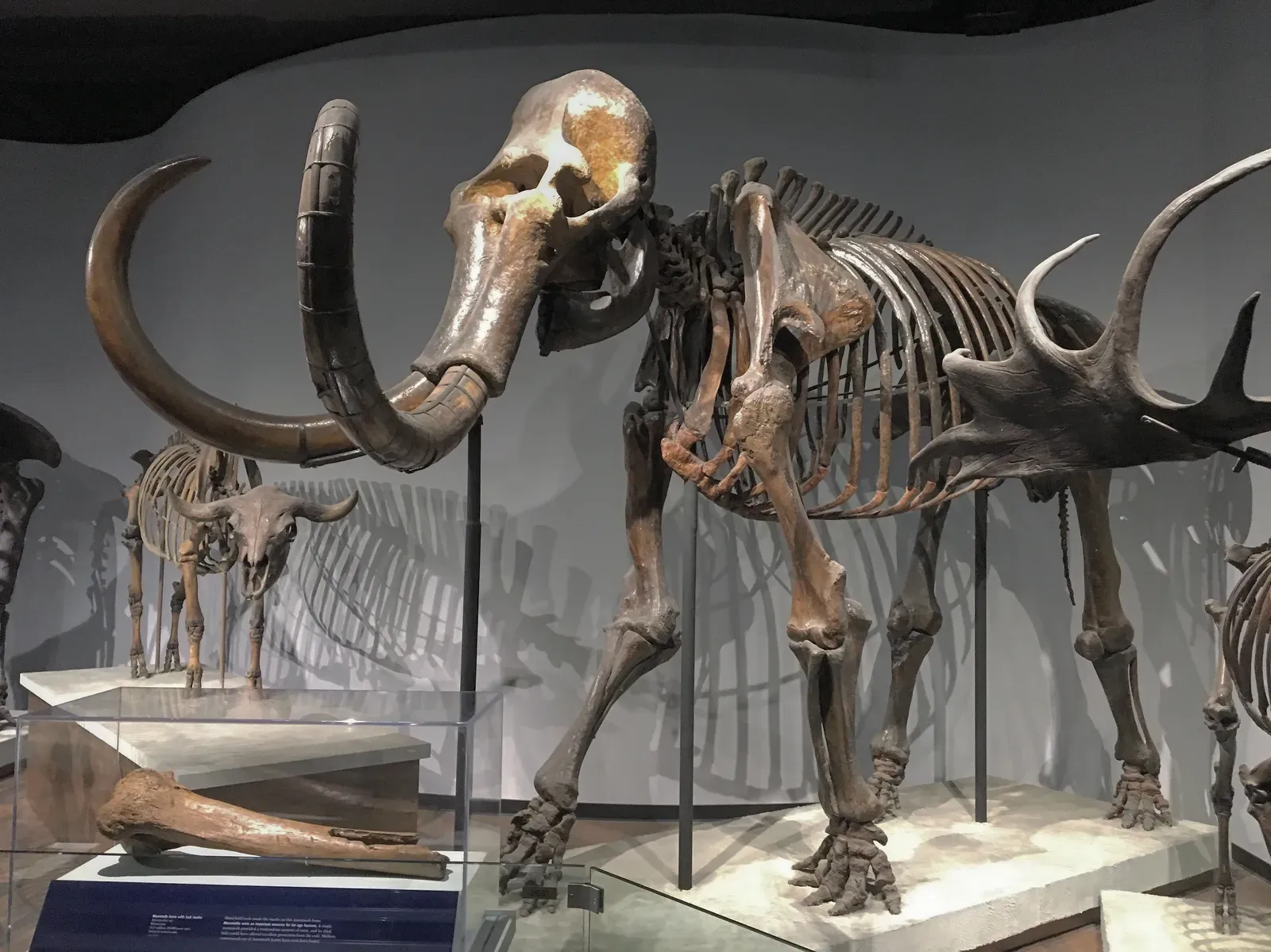
Because mammoths are so iconic, it is easy to assume that scientists have already squeezed them dry of mysteries. We have complete skeletons, frozen carcasses, and even genetic data, so what could really be left to learn? Quite a lot, actually. Researchers are still untangling the details of their social behavior, migration routes, and exactly how different populations responded to the shifting climate at the end of the Ice Age. Ancient DNA studies keep revealing new twists, like late‑surviving, isolated groups that hung on much longer than anyone suspected.
Even basic questions – how much they migrated, how flexible their diet really was, how their numbers rose and fell – are still being refined as new tools and better dating methods come online. Every new frozen specimen or well‑dated bone is like another puzzle piece dropped onto the table, forcing scientists to rearrange parts of the picture. The popular image of the mammoth is static, fixed in place by decades of movies and museum murals. The scientific picture, though, is very much alive and still shifting, which to me is far more exciting than pretending we already know it all.
Conclusion: Letting the Real Mammoth Step Out of the Spotlight
The myths we cling to about woolly mammoths say as much about us as they do about the animals themselves. We seem to prefer them as roaring giants, tragic victims of human cruelty, or convenient props in time‑scrambled dinosaur worlds. The truth is messier and more grounded: they were cold‑adapted elephants with complex lives, shaped by climate, landscape, and the slow grind of ecological change as much as by human hunters. That version of the story may not always fit neatly into a two‑hour movie, but it does a better job of honoring what actually happened on this planet.
Personally, I think we should retire the cartoon mammoth and make peace with the stranger, quieter, more nuanced creature science keeps revealing. Accepting that we did not single‑handedly exterminate them overnight does not erase our impact; it just forces us to see extinction as a tangled web of causes that we are still very much part of today. And being honest that “de‑extinction” will not truly bring them back might push us to protect the elephants we still have instead of chasing a nostalgic ghost. When you picture a mammoth now, will you see the movie monster, or the real animal that once walked through wind‑swept grass under a cold, bright sky?