
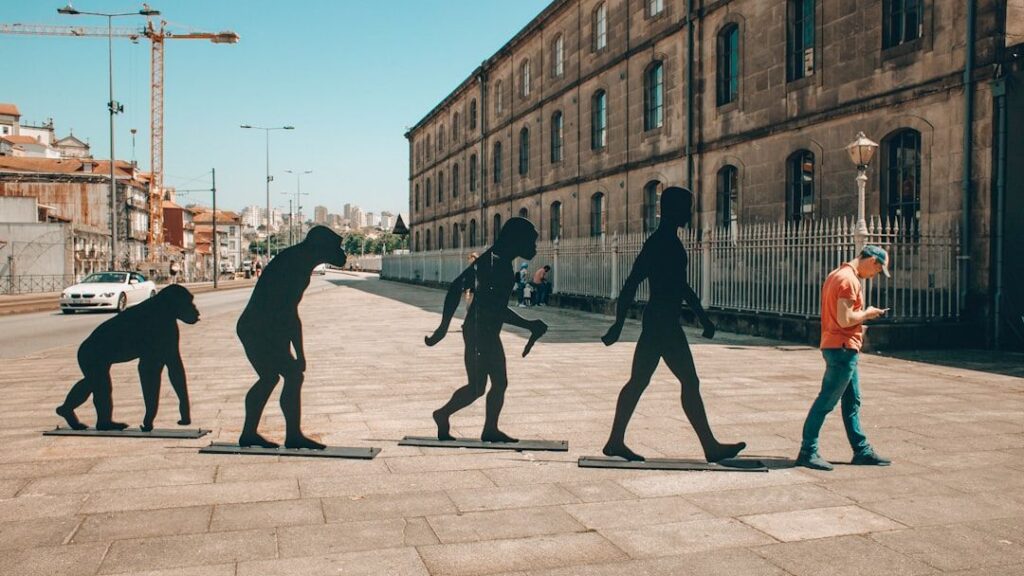
Imagine pressing a time-travel button that picks a random day from the entire history of our species. There’s an overwhelming chance you’d land not in a city, not on a farm, not in a classroom, but in a small band of people walking across open land, tools in hand, eyes scanning the horizon for animals, plants, shelter, and threats. For almost all of our existence, that was normal life. Everything we call “modern” is squeezed into a tiny sliver at the end of a very long story.
That idea can feel almost shocking, because our brains are wired to treat the present as default reality. Yet for roughly about ninety‑nine out of one hundred years of human history, we were hunter‑gatherers, living in mobile bands, reading the landscape the way we now read screens. If you want to understand what humans really are – what our bodies, brains, and emotions were shaped for – you have to look back at that deep past. Let’s walk through what daily life actually looked like for almost all humans who ever lived.
Tracking, Hunting, and Scavenging: Life as Persistent Predators
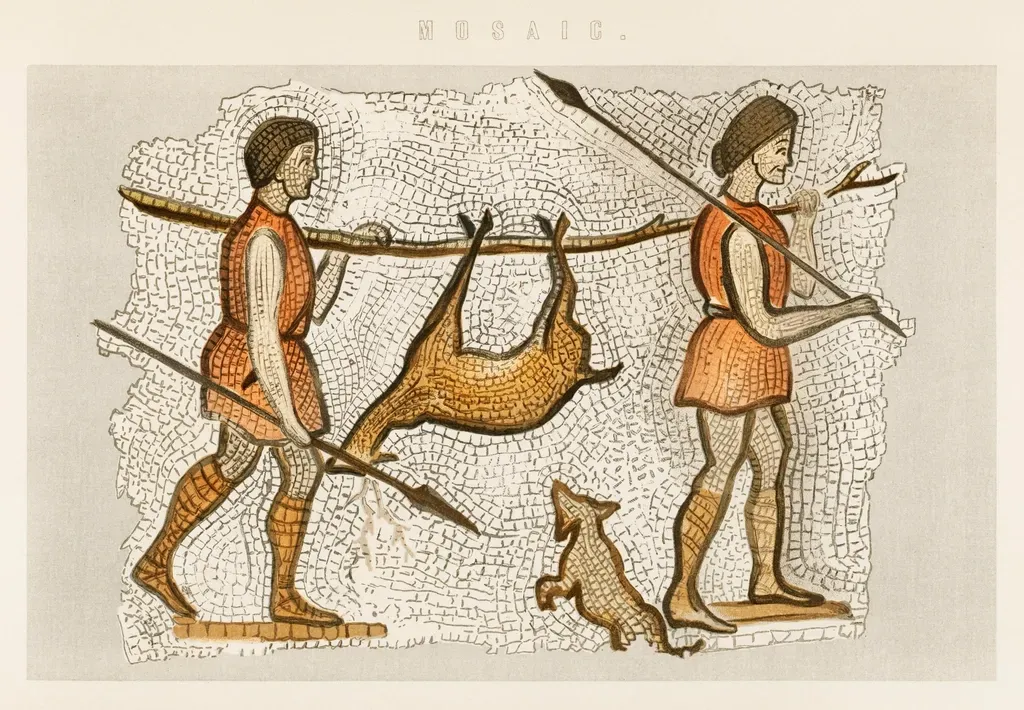
For most of our history, getting food meant moving, watching, and waiting. People tracked animals across vast distances, reading faint footprints, broken twigs, and scattered droppings with the kind of precision we now reserve for reading spreadsheets or code. Hunting was rarely a dramatic sprint; it was more often a slow chess match, combining patience, teamwork, and deep knowledge of how animals behave season by season.
One of the most striking things scientists have learned is that humans became “endurance hunters.” Instead of out‑sprinting prey, we out‑sweated them, jogging or fast‑walking under the sun until animals overheated and slowed. Our long legs, sweating skin, and steady breathing evolved for these long pursuits. Even when people scavenged from carcasses left by other predators, they still needed nerve, awareness, and coordination, because lions, hyenas, or other scavengers were never far away.
Gathering Plants and Small Critters: The Original Daily Grind
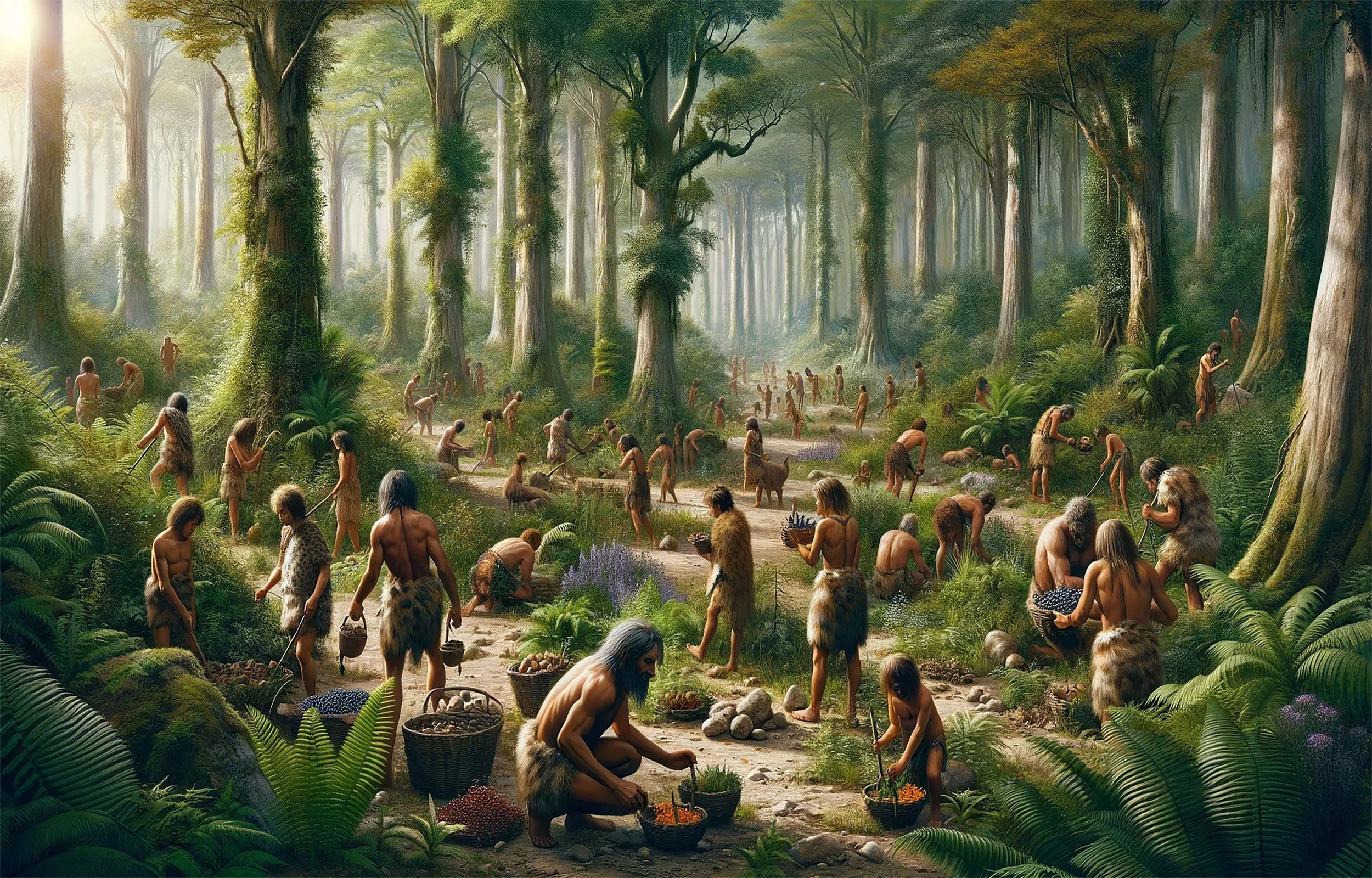
Hunting might sound more glamorous, but gathering plants, seeds, nuts, fruits, roots, and small animals was probably what filled most days. In many foraging societies that survived into recent times, plant foods and small game provided the majority of daily calories, especially for children and adults who weren’t out on risky hunts. That meant constant, low‑level searching: scanning bushes, digging for tubers, picking berries, knocking nuts from trees, or turning over rocks to find insects and grubs.
This work demanded serious knowledge, not mindless labor. People had to remember which plants were edible, poisonous, or medicinal, and how each changed over the year. They needed to know where rare foods appeared after rain, how to process tough roots, and when to leave a patch alone so it could regrow. In a way, the landscape itself was a living library, and everyone – from kids to elders – had to learn to “read” it well enough to stay alive.
Making and Maintaining Tools: Stone, Bone, Fire, and Fiber
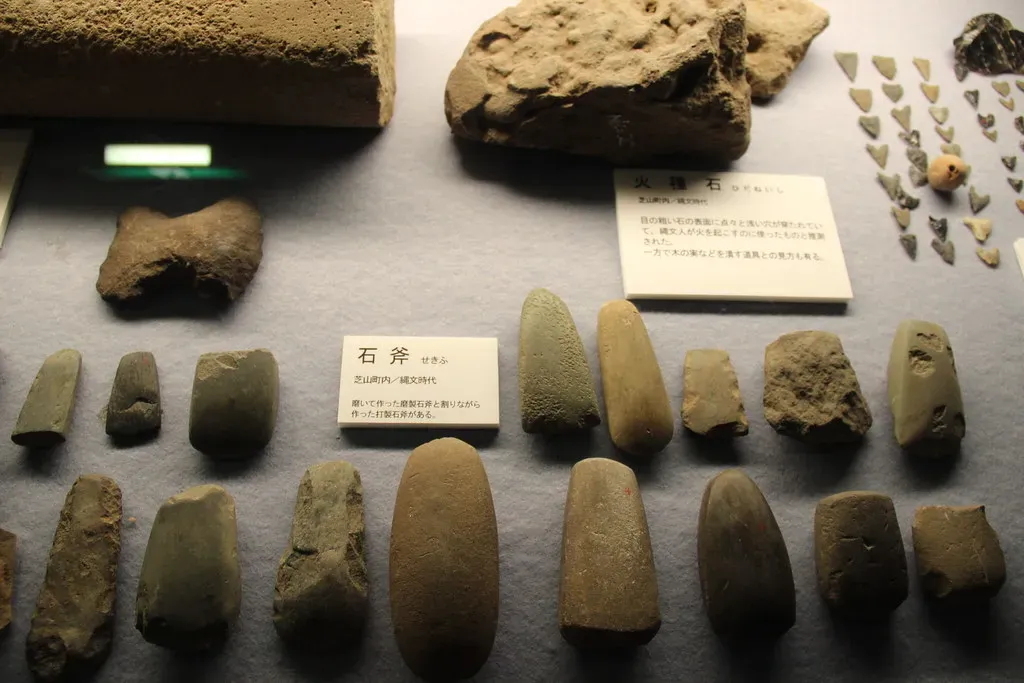
During ninety‑nine percent of our history, technology meant your hands, your tools, and your fire. People spent countless hours shaping stone into cutting edges, points, and scrapers, then reshaping and resharpening them when they dulled. They carved bone and antler into needles, barbed points, and fish hooks, using whatever raw materials the region offered. Toolmaking was not a hobby; it was survival engineering carried out around campfires and on the move.
Alongside stone and bone came quieter, easily overlooked technologies: fibers and fire. People twisted plant fibers into cords and ropes, wove containers and mats, and bound tools together with sinew or plant twine. Fire had to be tended, carried, or rekindled with skill, because losing it could be catastrophic. Cooking transformed tough foods into digestible meals, smoke preserved meat, and warmth opened colder habitats to human groups. If you time‑traveled back, you would smell smoke, see hands always busy with some kind of repair, and hear the constant chip‑chip of stone against stone.
Living in Small Bands: Cooperation, Conflict, and Care
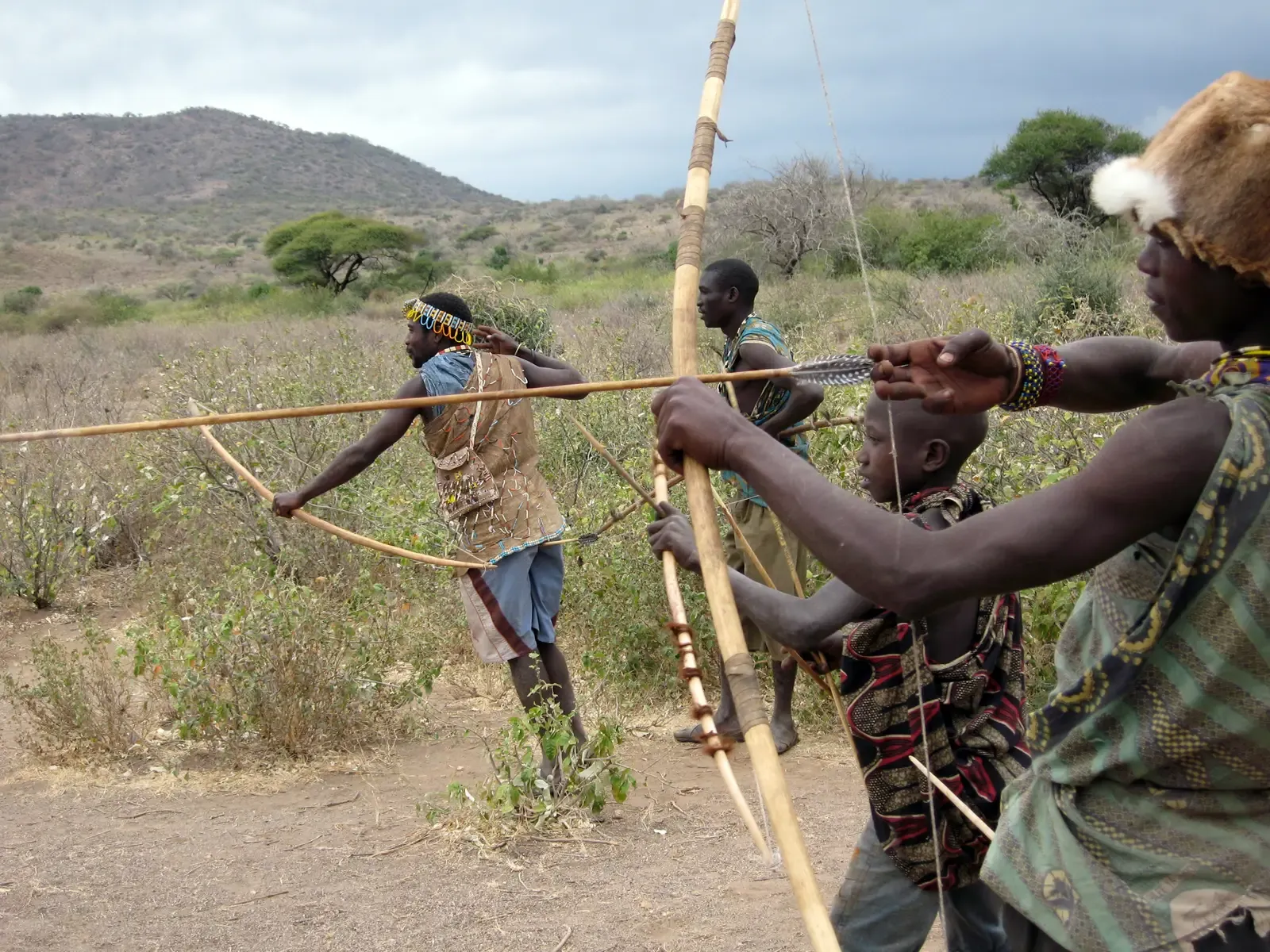
For almost the whole human story, people lived not in anonymous crowds but in small bands – often just a few dozen individuals – linked by kinship, marriage, and long‑term friendships. In groups that size, everyone knew everyone else’s strengths, flaws, and secrets. Cooperation was not optional; if you were selfish all the time, you risked being pushed out, and in a landscape full of predators, weather, and hunger, banishment could mean death.
At the same time, these bands weren’t utopias. There were arguments, rivalries, and probably some ugly conflicts, just as there are in any close‑knit community. But the basic pattern seems to have been intense sharing: of food, of childcare, of stories, of risks. People depended on each other not just for survival, but for identity. You didn’t exist as a lonely individual; you existed as someone’s sister, mother, hunting partner, or apprentice, woven tightly into a web of obligations and trust.
Parenting, Childhood, and Alloparents: It Took a Whole Camp
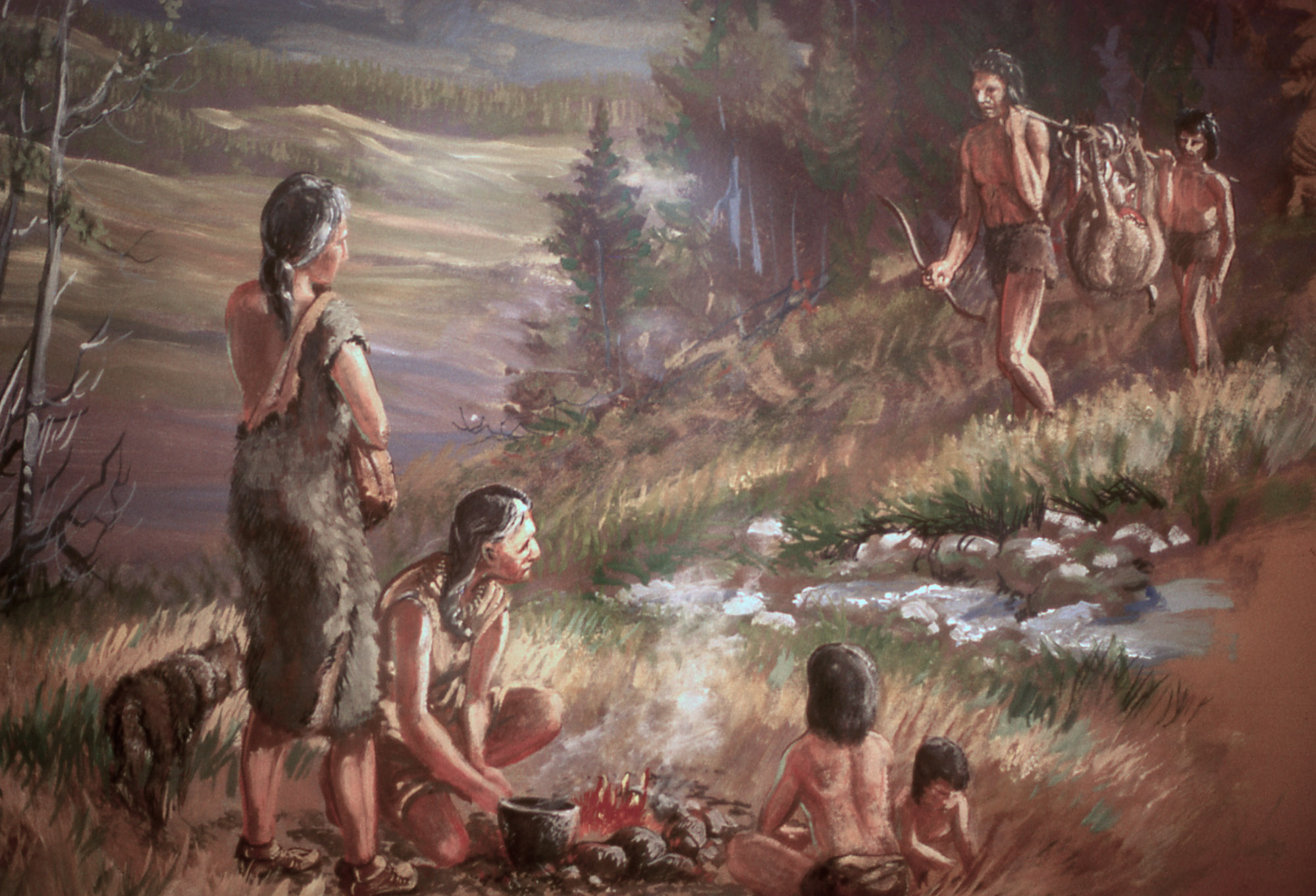
When we picture prehistory, we often imagine only adult hunters and gatherers, but most of human life, then as now, was about raising children. Human kids are unusually slow to grow up, staying dependent for many years. That long childhood came with a huge upside: it gave time for brains to develop, skills to be learned, and culture to be passed on. But the trade‑off was that a single mother could not realistically handle everything alone, especially while also getting food.
So child‑rearing became a group project. Grandparents, aunts, uncles, older siblings, and unrelated helpers often stepped in as “alloparents,” sharing the work of watching, feeding, and teaching children. Kids learned by copying adults, playing at tasks like digging, throwing, tracking, or weaving, long before they were strong enough to do full jobs. If you dropped into a camp in the deep past, you would see toddlers toddling between many adults, learning who they were by watching how everyone around them lived.
Storytelling, Ritual, and Art: Making Sense of a Dangerous World
Humans were not just eating, moving, and reproducing; we were constantly making sense of the world. Before writing, knowledge had to be stored in memories – so stories became our data banks. Around fires at night, people traded tales about successful hunts, terrifying storms, strange animals, and the mysterious behavior of other groups. Myths and legends folded practical lessons into gripping narratives, helping people remember what to do and what to avoid.
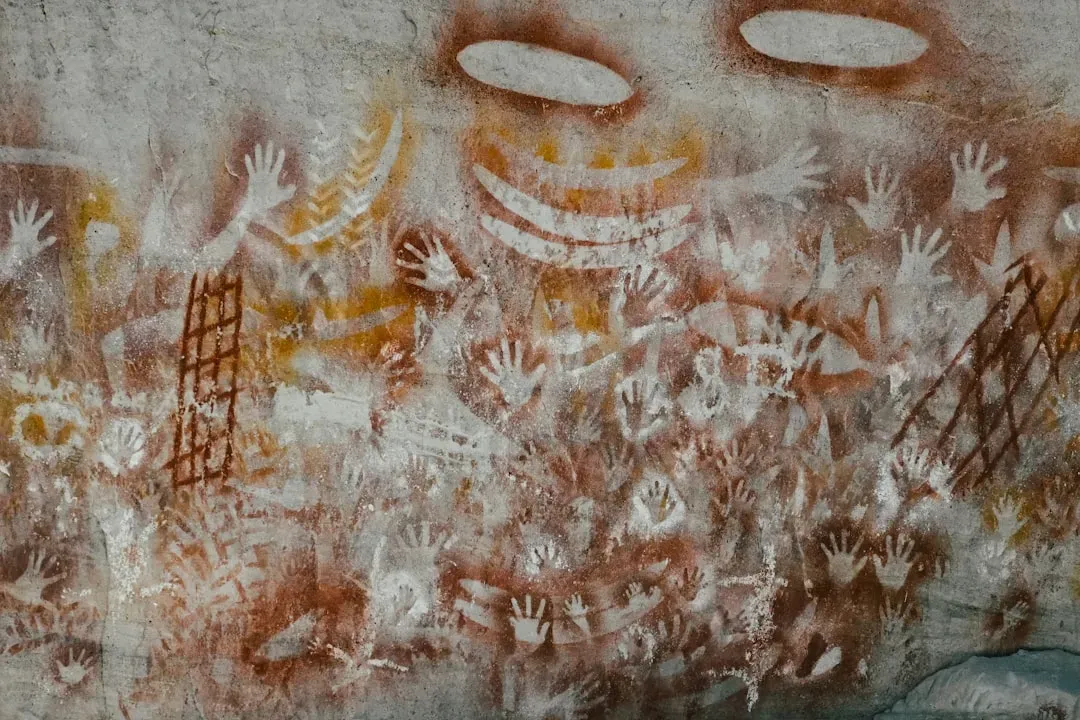
Rituals and early art deepened that meaning. People painted on rock walls, carved figurines, and decorated bodies with pigments, beads, and scars, tying personal identity to group tradition. Music and dance could sync heartbeats and emotions, turning scattered individuals into a coordinated group that felt like one body. Living in a world where illness, accidents, and predators were constant threats, humans used shared symbols and ceremonies to face fear together and make life feel not just survivable, but meaningful.
Moving with the Seasons: Mobility, Memory, and Landscape Intelligence
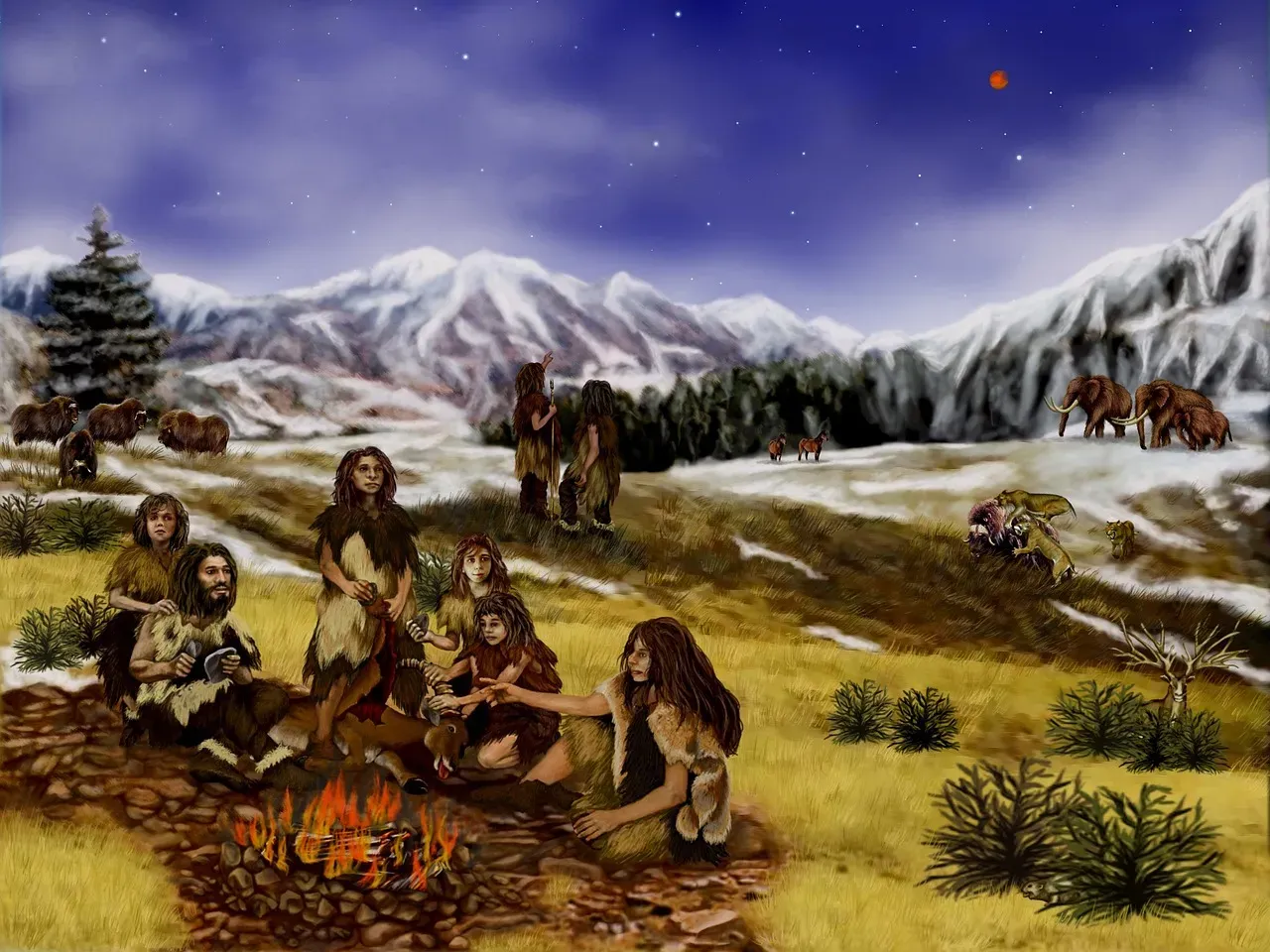
A huge part of human life for most of our history was movement. Rather than staying in one fixed place, many groups followed seasonal routes, returning to good fishing spots in one season, rich berry patches in another, and sheltering valleys during harsh times. Their “map” was stored in memory and stories, not on paper or screens. Elders and skilled navigators knew which landmarks to follow, where water might remain in a dry spell, and which regions belonged to which neighboring groups.
This mobility demanded a light footprint. You couldn’t own dozens of objects; you owned what you could carry. Camps were practical and often temporary, sending a quiet but powerful message: nothing was entirely permanent. The environment was not an abstract “resource” but a living partner that had to be read, respected, and, when possible, lightly managed through practices like small fires to shape vegetation. Compared to our settled, built‑up lives today, their relationship to land was more like a dialogue than a one‑time purchase.
Managing Risk: Sharing, Flexibility, and the Original Resilience
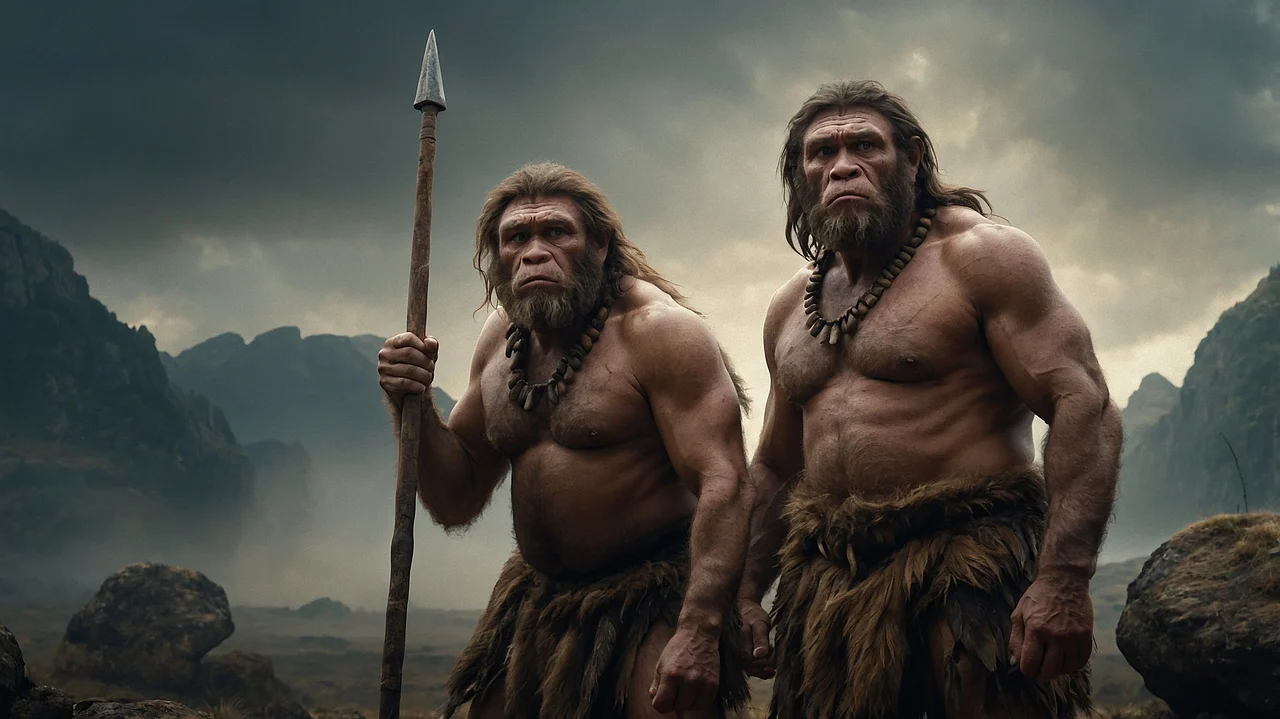
Life as a hunter‑gatherer came with constant uncertainty: herds moved, weather shifted suddenly, and a few bad weeks of illness or injury could be disastrous. In response, humans evolved not just physically, but socially and psychologically, to spread risk. Food sharing within and between bands helped smooth out the ups and downs – if your group had a bad hunt, you might rely on a neighboring camp this time, knowing you would repay the favor when your luck turned.
Flexibility was another survival tool. People mixed hunting, gathering, fishing, and sometimes early forms of plant and animal management, adjusting strategies as environments changed. They experimented – trying new foods, new tools, new alliances – because rigid habits could be deadly in shifting climates. When you look at our long history this way, modern humans are not an exception but a continuation of that adaptability, just playing with different tools and much higher stakes than our ancestors could have imagined.
What This Long Past Says About Our Short Present
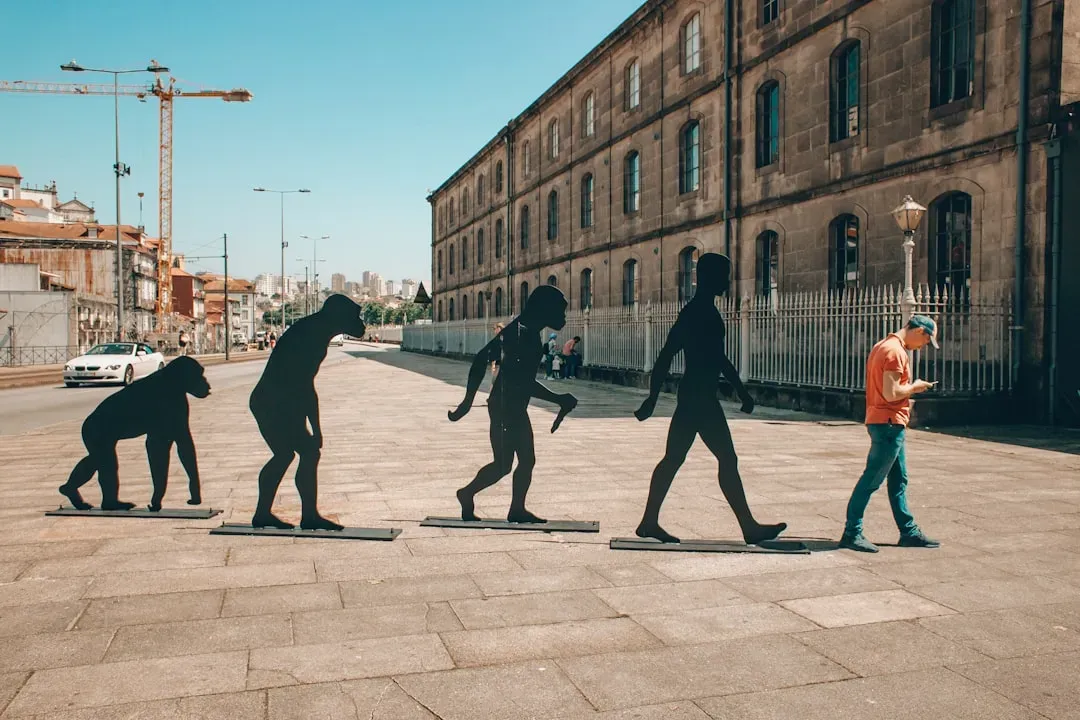
If you zoom out far enough, the last few thousand years of agriculture, cities, and industrial life look like the last tiny line on a very long timeline. Roughly about one out of every hundred years of our story has involved skyscrapers, cars, and smartphones; the rest has been walking, watching, sharing, making, and telling stories in small groups on open land. That doesn’t mean we should ditch modern life and run into the woods, but it does mean our bodies and minds were shaped for a very different daily reality than the one we now treat as normal.
My own opinion is that a lot of our modern struggles – chronic stress, loneliness, feeling trapped indoors and online – make more sense when you remember what humans were built for. We seem to thrive when we move more, depend on close‑knit groups, spend time outside, and do meaningful work with our hands, even if it is just a hobby. We can’t rewind ten thousand years, but we can borrow from that deep past: more walks, more shared meals, more storytelling, more community. If ninety‑nine percent of our history trained us to live that way, what small changes could you make now to live just a little more like the humans we have always been?