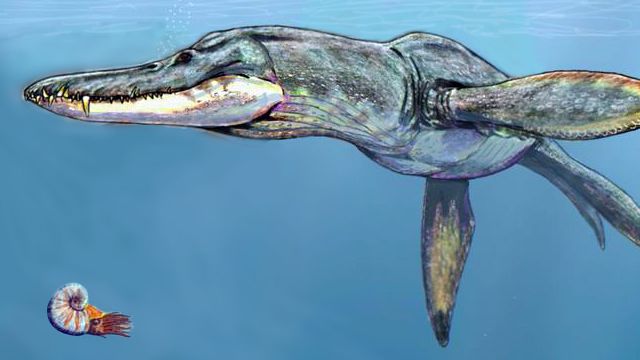
If you think great white sharks are scary, wait until you meet the reptiles that ruled the oceans while dinosaurs stomped around on land. These were not just bigger sharks with teeth; they were completely different beasts with bite forces, necks, and flippered bodies that turned the ancient seas into something closer to a horror movie than a coral reef. The wild part is that for a long time, a lot of these animals were either misunderstood or overshadowed by their land‑dwelling cousins like Tyrannosaurus and Triceratops.
Once you dive into the fossil record, though, it becomes obvious that sharks were more like background characters during much of the Mesozoic ocean drama. The real apex predators were marine reptiles – mosasaurs, plesiosaurs, pliosaurs, and their relatives – equipped with weapons and hunting strategies that make modern sharks look almost delicate. Let’s walk through nine of the most terrifying sea monsters from the dinosaur era and see why, next to them, even a great white starts to feel about as threatening as a goldfish in a hotel lobby fountain.
Mosasaurus: The Apex Lizard Whale
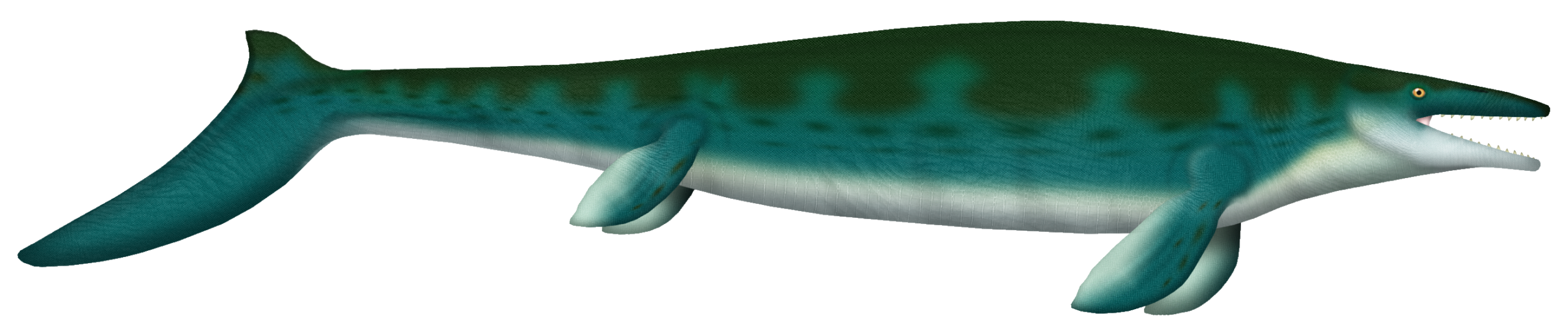
Mosasaurus is the heavyweight champion most people imagine when they hear “sea monster,” and honestly, that reputation is earned. This Late Cretaceous marine reptile could grow to the length of a city bus, with a long, muscular tail and a skull packed with large, conical teeth designed to grab slippery, struggling prey. Unlike sharks, which rely heavily on rapid lunges and slashing bites, Mosasaurus had a more crocodile‑meets‑orca vibe, using its powerful jaws to seize and thrash victims into submission.
What really tips Mosasaurus into nightmare territory is the evidence that it hunted other large marine reptiles, including smaller mosasaurs and possibly even long‑necked plesiosaurs. Its body was built for powerful undulating swimming, similar to modern monitor lizards but supercharged and streamlined for ocean life. Imagine a Komodo dragon scaled up, given flippers, and let loose in deep water – that is the energy Mosasaurus brings. Compared to that, sharks start to look less like final bosses and more like medium‑difficulty side quests.
Tylosaurus: The Torpedo With Teeth
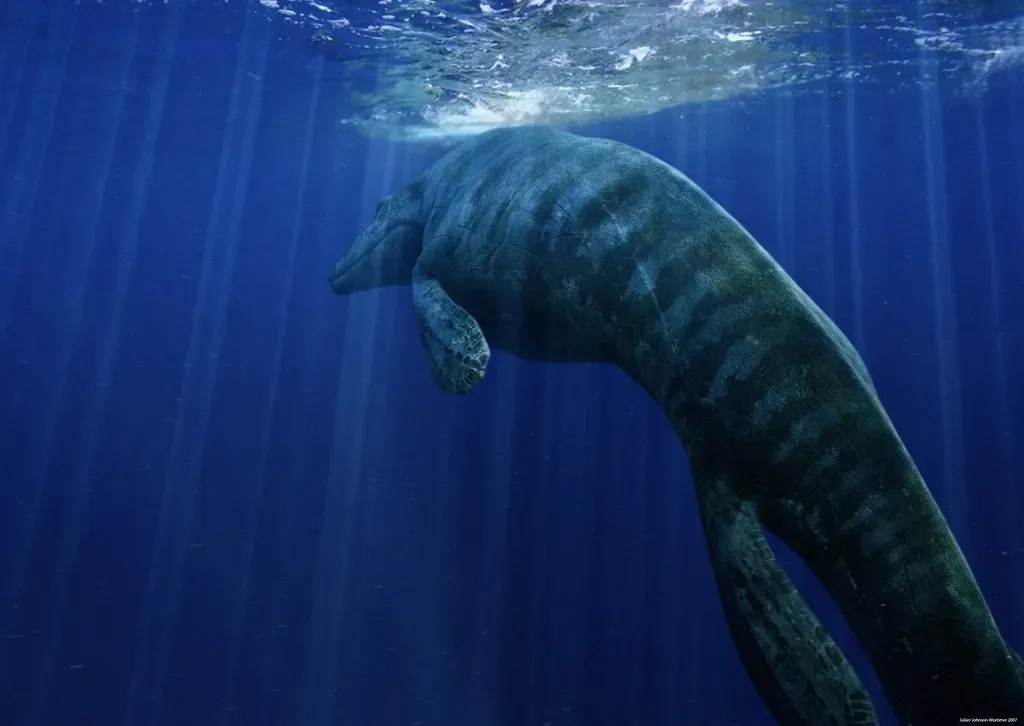
Tylosaurus was a close relative of Mosasaurus, but it took a slightly different design path: think slimmer, more torpedo‑shaped, and brutally fast. Its skull had a solid, reinforced snout, like a bony battering ram, which may have helped it slam into prey before biting down. This strategy sounds almost cartoonish, but when you picture a seven‑to‑ten‑meter reptile rocketing through the water and body‑checking you at high speed, it stops being funny very quickly.
Fossil stomach contents from Tylosaurus have revealed a menu that reads like a who’s‑who of Cretaceous marine life: fish, birds, smaller reptiles, maybe even other mosasaurs. That kind of diet tells you this animal was not picky – it was an opportunistic predator that dominated whichever part of the water column it cruised. Sharks can be bold, but they rarely climb the food chain high enough to regularly snack on other top predators. Tylosaurus did that, and did it so thoroughly that calling sharks “intimidating” in comparison starts to feel a bit generous.
Liopleurodon: The Controversial Giant With a Monster Bite
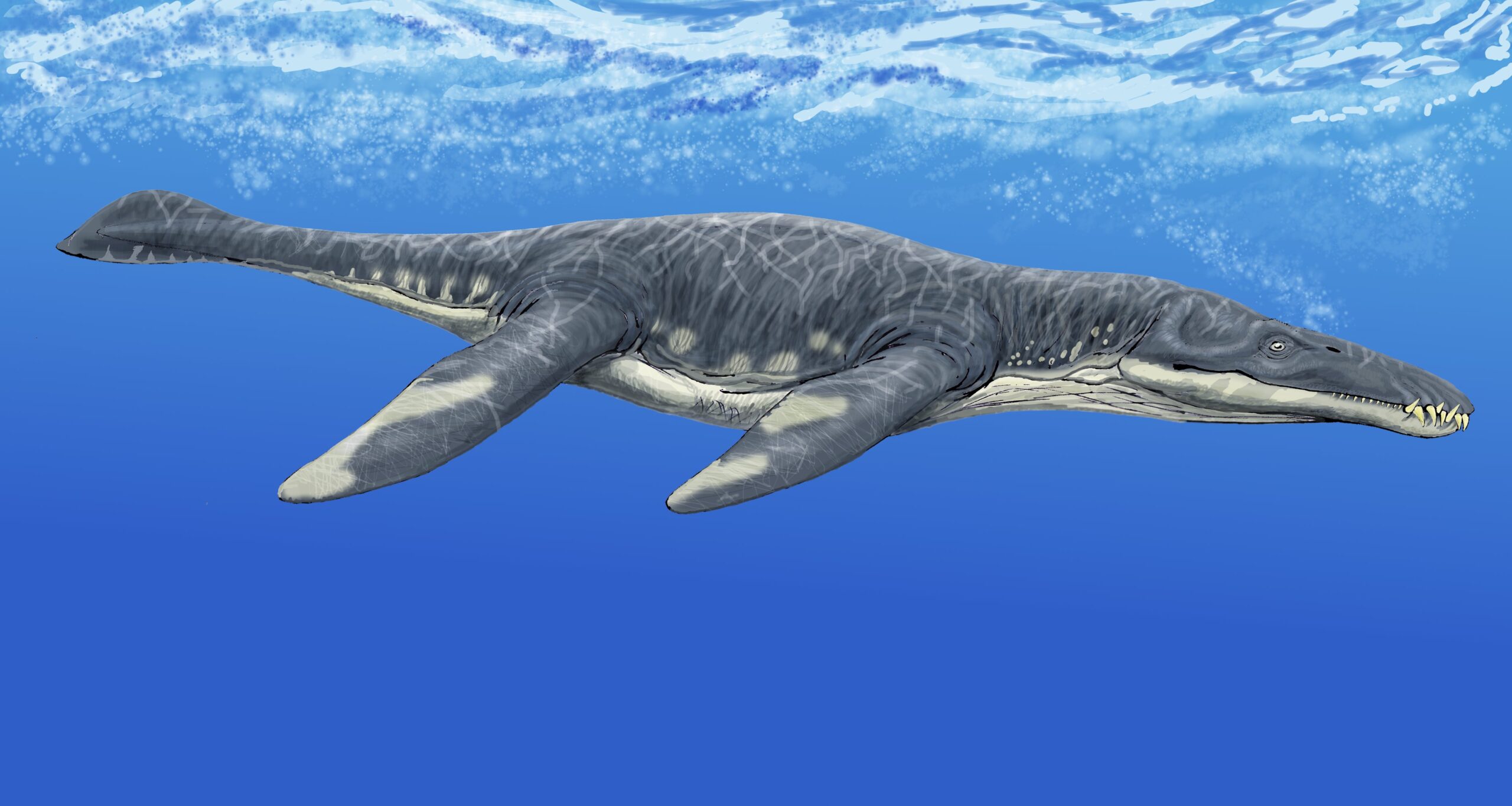
Liopleurodon has one of the most dramatic reputations of any marine reptile, thanks in part to older portrayals that turned it into an absolutely enormous titan. Modern research suggests it was still very big but probably not the absurd behemoth some documentaries once claimed. Even with more modest size estimates, though, Liopleurodon was a terrifying pliosaur with a massive head and jaws that were basically biological bear traps.
Its skull was proportionally huge compared to its body, filled with long, sharp teeth designed to grip and hold onto struggling prey. Picture a lethal combination of a crocodile’s mouth and a sea lion’s agility, but scaled up and powered by muscles anchored to a deep, robust skull. Sharks mostly slice and shake; Liopleurodon likely aimed to grab and overpower, using its short, strong neck and four powerful flippers to twist prey into helpless positions. You could drop a great white into its Jurassic neighborhood and it would instantly go from apex predator to “thing that gets out of the way.”
Kronosaurus: The Short‑Necked Bulldozer of the Seas
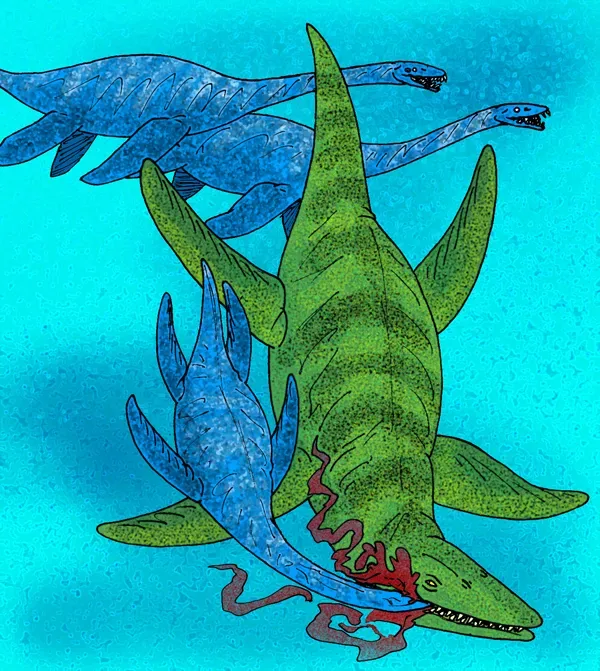
Kronosaurus is another pliosaur that looks like evolution asked for “the meanest possible version of a marine reptile” and then doubled down. With a short neck, huge head, and barrel‑shaped body driven by four enormous flippers, this animal was basically a living torpedo with a wrecking ball at the front. The jaws were broad and lined with conical teeth built to bite into large, bulky prey rather than just delicate fish.
What makes Kronosaurus stand out is how overbuilt everything seems – thick bones, heavy skull, and musculature that implies raw power more than delicate maneuvering. This was not a creature sneaking around like a stealthy shark; it was more like a battering ram hurtling through the water, overwhelming whatever crossed its path. Some fossils suggest it went after sizable marine reptiles, including long‑necked plesiosaurs, which is the prehistoric equivalent of a predator casually hunting other apex hunters for lunch. It is hard to see even the most fearsome modern shark as equally terrifying once you put them side by side on that food‑chain ladder.
Pliosaurus funkei (Predator X): The Ocean’s Sledgehammer
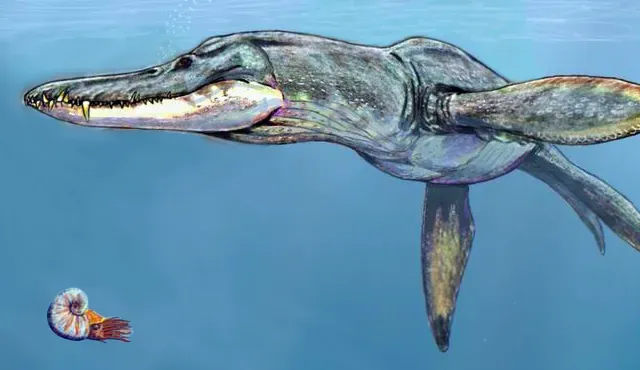
Pliosaurus funkei, often nicknamed “Predator X” when it was first described, is exactly the kind of animal you get when you push the pliosaur design toward maximum intimidation. Its head alone is thought to have rivaled that of some large theropod dinosaurs in size, and the estimated bite force would comfortably sit in the same terrifying league. Instead of a sleek, slender shark profile, you had a colossal skull at the end of a thick, powerful neck, which could wrench prey around with brutal efficiency.
This animal’s four flippers allowed for surprisingly agile movement despite its bulk, like a swimming tank that could still corner better than you would expect. Sharks generally rely on speed and surprise, but Pliosaurus funkei combined power, reach, and maneuverability in a package almost unfair to anything living near it. From a human perspective, facing a great white in open water is already beyond terrifying; facing Predator X would be like facing that shark plus a bulldozer plus a giant vice grip all at once. If there was ever a creature that earned the phrase “makes sharks look tiny and fragile,” this is it.
Elasmosaurus: The Neck That Defied Common Sense
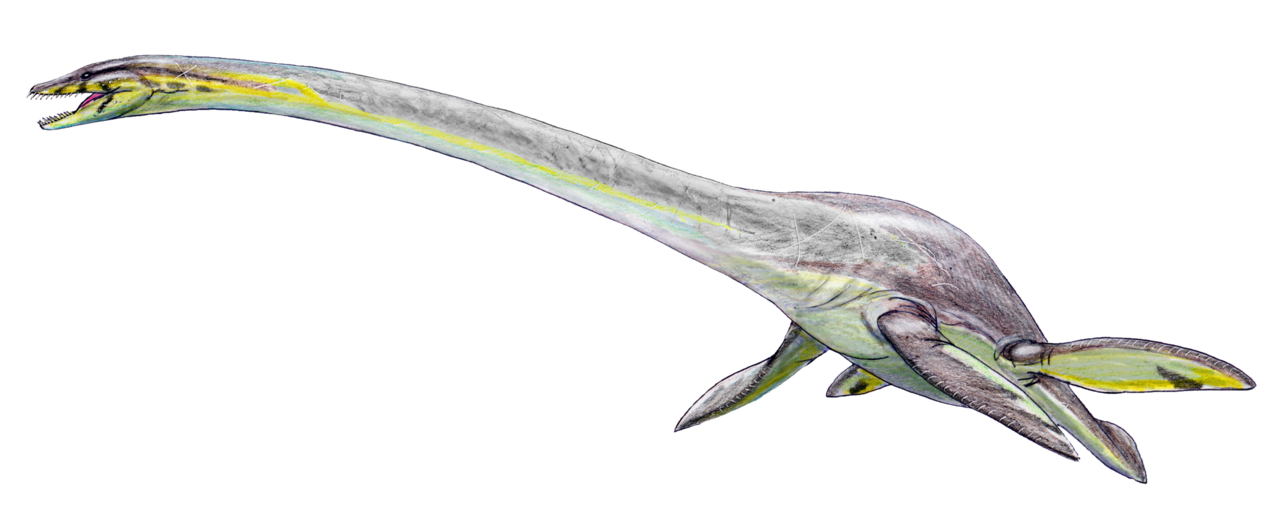
Elasmosaurus is one of those animals that makes you wonder what evolution was thinking, and yet it clearly worked. This long‑necked plesiosaur carried most of its length in a neck so extended it looked almost unreal, with a relatively small head perched at the end like a deadly periscope. Instead of relying on sheer jaw size, Elasmosaurus may have used that crazy reach to sneak up on schools of fish or smaller creatures while keeping the bulk of its body at a distance.
Even though it was not the thick‑jawed bruiser that some pliosaurs were, its overall body length easily rivaled or exceeded that of many modern sharks, and it moved with four flippers that could generate smooth, wing‑like strokes through the water. That made it both graceful and uncanny, like a swan crossed with a submarine and armed with teeth. Sharks look straightforward and almost minimalistic next to that design. Elasmosaurus shows that ancient sea monsters were not just “bigger sharks” but something stranger and, in many ways, more impressive.
Thalassomedon: The Deep Sea Stalker
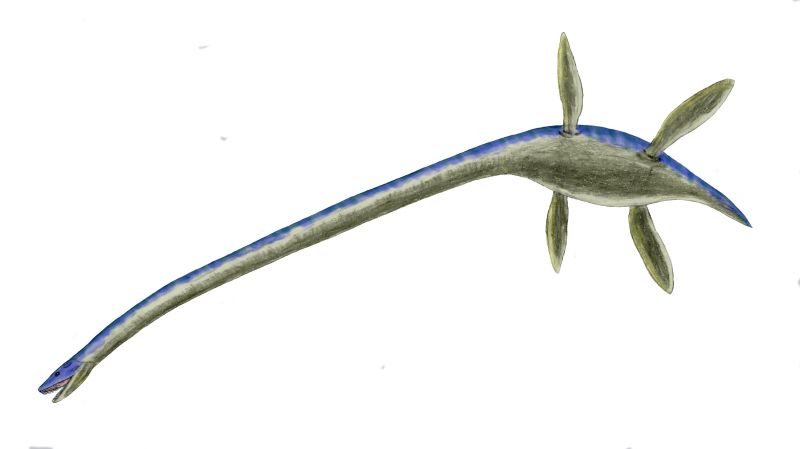
Thalassomedon, whose name translates to something like “lord of the seas,” was another long‑necked plesiosaur, but it had its own twist on the formula. Its neck was extremely long relative to its body, with numerous vertebrae strung together like the segments of an impossibly stretched spine. This gave it a huge radius of attack: it could potentially hover its main body in one place while snapping its head forward to snatch prey that thought it was safely out of reach.
Its body was built for more than just slow cruising, though. The large flippers hint at a capable, sustained swimmer that could cover serious distances in search of food. While sharks are often framed as the ultimate ocean stalkers, Thalassomedon suggests a stealthier, weirder type of ambush hunter lurking in the depths of prehistory. When you imagine this long‑necked shape disappearing into murky water, it suddenly makes the straightforward silhouette of a shark feel almost comforting by comparison.
Shonisaurus: The Giant Gentle‑Looking Leviathan
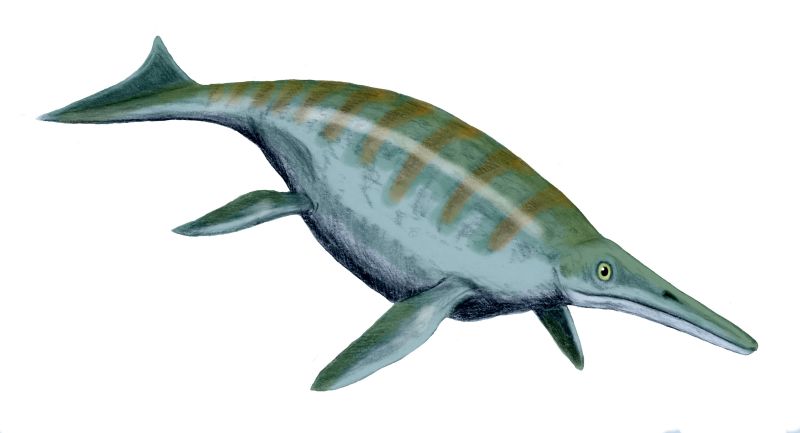
Shonisaurus was an ichthyosaur, part of a group of marine reptiles that looked a bit like someone crossed a dolphin with a swordfish and then kept inflating it. Some species of Shonisaurus reached astonishing lengths, rivaling or surpassing modern whales, with long, slender bodies built for efficient cruising through open oceans. At first glance, that might sound less terrifying than some toothy, skull‑heavy monster, but it is the scale that really changes how you see sharks.
Even if Shonisaurus was not a hyper‑aggressive apex predator in the same style as mosasaurs or pliosaurs, existing in a sea where animals that big were just part of the background is humbling. A great white is suddenly a mid‑sized visitor in a world of reptilian submarines. These giants show that the dinosaur era oceans were not only full of killers but also colossally large animals operating on a scale modern sharks simply do not reach. When your neighbors are leviathans, being a shark starts to feel like being a medium dog at a giant‑breed convention.
Mosasaurus hoffmanni and the End‑Cretaceous Ocean Finale
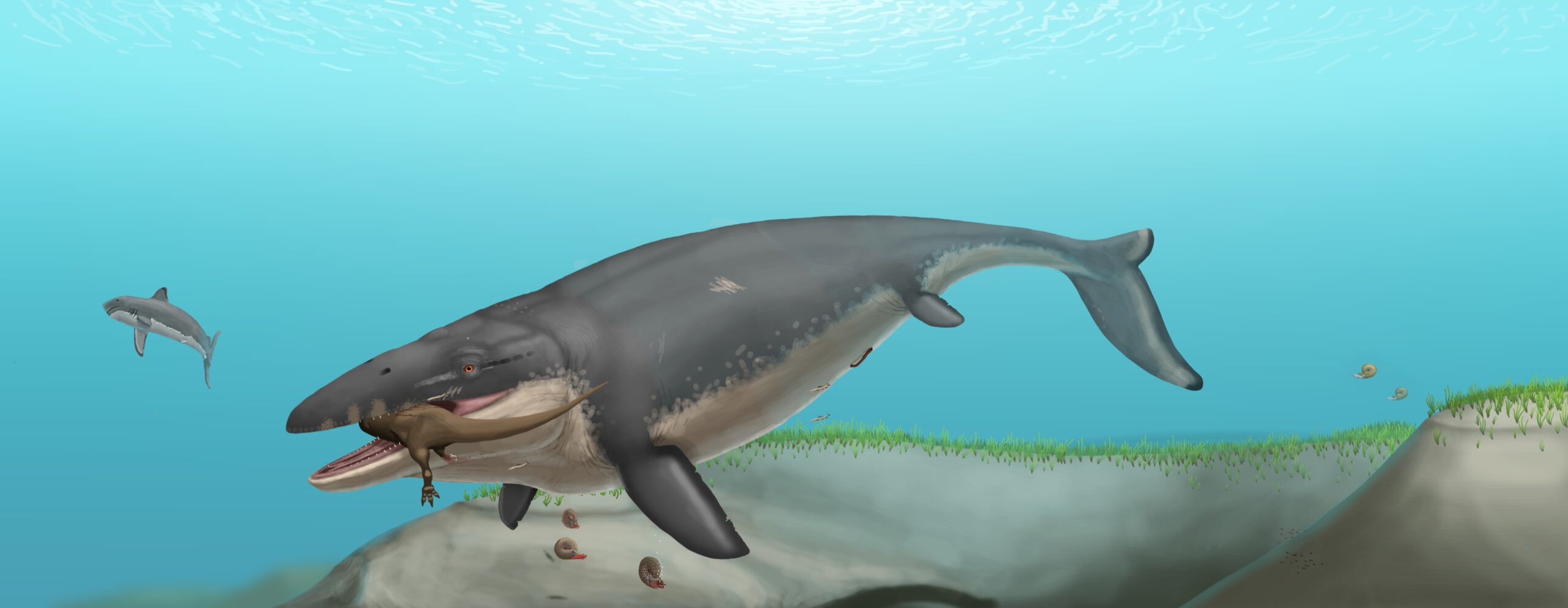
Among the known species of mosasaurs, Mosasaurus hoffmanni often takes the spotlight as one of the largest and most formidable. By the final stretch of the Cretaceous, this species embodied millions of years of refinement in marine predation – streamlined body, devastating jaws, and a size that could translate into a presence dominating entire coastal ecosystems. It lived at the same time as some of the last non‑avian dinosaurs on land, making it a key player in the grand finale of the Mesozoic oceans.
Imagining a shark sharing space with Mosasaurus hoffmanni is almost unfair; the shark would be outmatched in size, power, and probably social reputation among anything with a backbone. This species represents just how far marine reptiles pushed the idea of an ocean apex predator before the mass extinction event hit. When the asteroid impact closed the book on these giants, sharks eventually stepped into some of the vacant roles. But that step up only underlines the contrast: for a very long time, sharks were basically backup singers to marine reptiles like Mosasaurus hoffmanni, and it shows in every fossil jaw fragment and tooth.
Conclusion: Sharks Are Impressive, But the Past Was Brutal
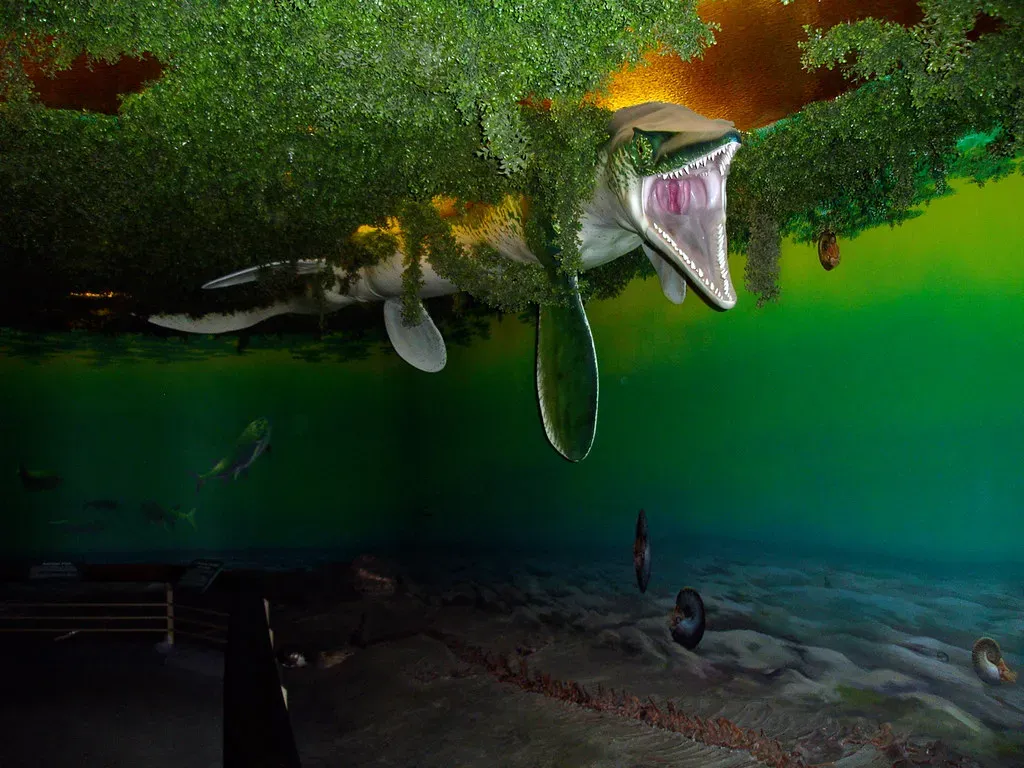
Looking back at these nine sea monsters, it becomes clear that our modern fear of sharks is only one chapter in a much older, much wilder story. Mosasaurs, pliosaurs, long‑necked plesiosaurs, and giant ichthyosaurs turned the oceans into arenas where size, power, and bizarre anatomy collided in ways we just do not see today. Sharks are efficient, elegant, and deadly, but next to a Kronosaurus skull or a Pliosaurus neck and bite, they start to look almost minimalist – dangerous, yes, but missing that over‑the‑top brutality that defined so many Mesozoic predators.
Personally, when I compare a great white to something like Predator X or Mosasaurus, it feels a bit like comparing a modern sports car to a roaring, experimental tank from a lost age: the car is sleek and scary fast, but the tank looks like it was built purely to overwhelm anything in its path. The opinion I keep coming back to is that sharks are survivors, not the ultimate standard of ocean terror. The real extremes belonged to the ancient reptiles that came before. So the next time someone calls sharks the scariest thing in the sea, you might quietly wonder: if they saw the fossil record, would they still say that with a straight face?