Try to imagine an animal so massive that standing next to it would feel like standing beside a moving apartment block. The biggest dinosaurs were not just large; they pushed the very limits of what a living body can be, stretching bones, muscles, and even the physics of weight and balance to extremes that are still hard to wrap our heads around. When you look at their fossil bones in a museum, it is almost impossible not to feel tiny, and honestly, a little humbled.
What makes these giants so fascinating is that we still do not know their exact sizes with certainty. Paleontologists are constantly revising estimates as new fossils are found and older ones re-examined, which means today’s “biggest ever” might be nudged aside tomorrow. In this article, we will walk through eight of the heaviest hitters we know about so far, looking at what we can say with some confidence, where things are still debated, and why some claims are much more solid than others. By the end, you might have your own strong opinions about which dinosaur really deserves the crown.
Argentinosaurus: The Titan of Patagonia
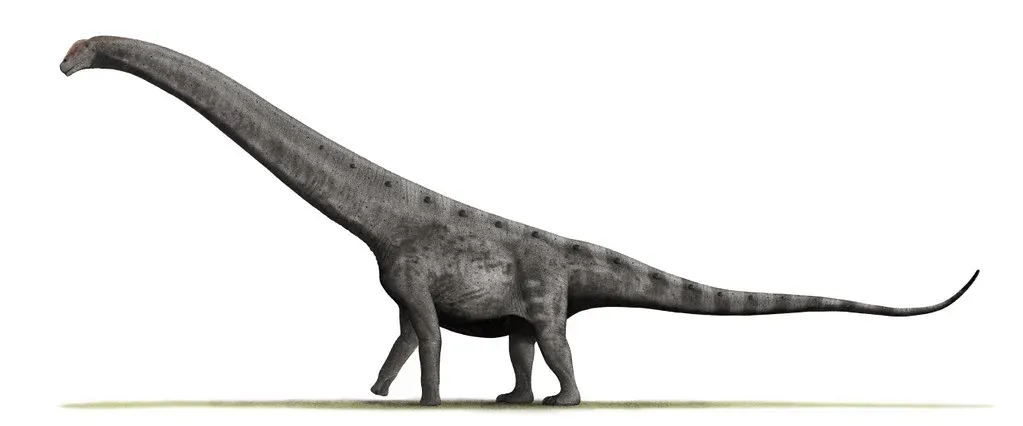
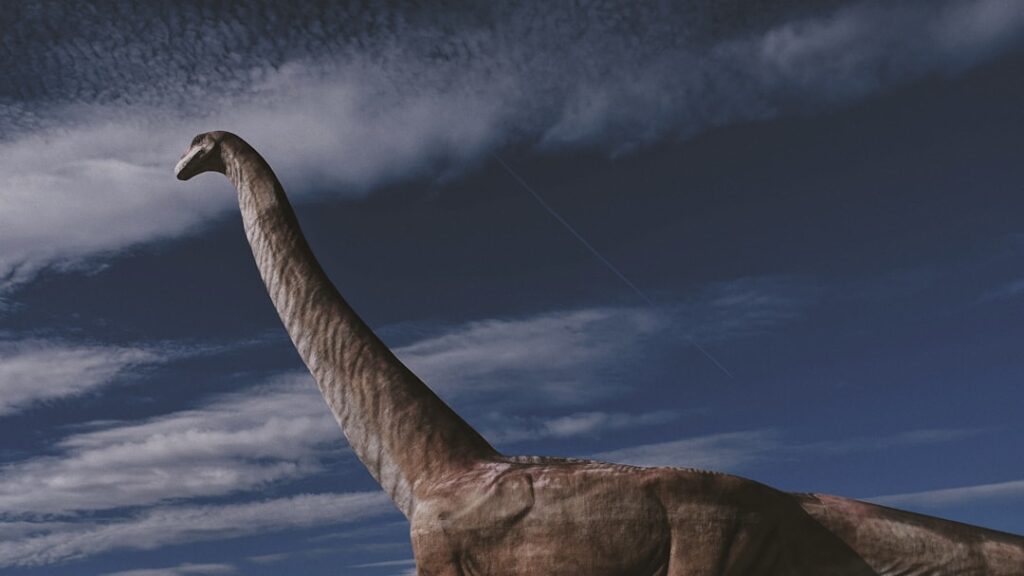
Argentinosaurus is often the first name that comes up when people argue about the largest dinosaur, and for good reason: this South American sauropod was enormous even by giant dinosaur standards. It lived roughly during the Late Cretaceous in what is now Argentina, wandering wide, flat floodplains that would have had plenty of vegetation to feed such a massive body. The frustrating twist is that we do not have a complete skeleton, so much of what we say about its size comes from scaling up from partial bones like vertebrae and limb fragments. Still, even those fragments are jaw-droppingly huge compared to other large sauropods.
Most cautious estimates place Argentinosaurus in the range of several dozen meters long, with a mass that could rival a small herd of elephants packed into one animal. That kind of size raises all sorts of questions: how did its heart pump blood up its long neck, how thick were its leg bones to bear the load, and how much food did it need to eat each day just to survive. Some scientists suggest its growth strategy might have been closer to a fast-growing farm animal than a slow-growing reptile, racing to giant size for protection. When you stand in front of a mounted reconstruction, it feels less like an animal and more like a landscape that happens to have a skeleton.
Patagotitan: The Contender Built From Better Bones
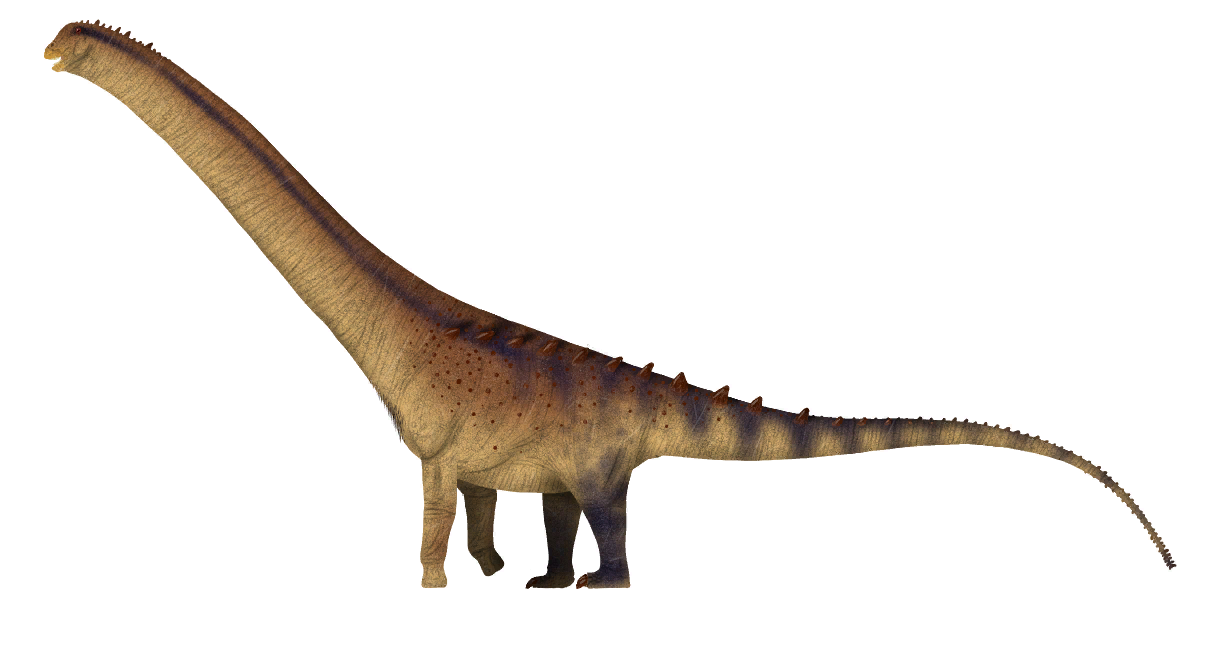
Patagotitan is one of the strongest contenders for the title of “largest reasonably known dinosaur” because, unlike many rivals, it is based on more complete and better-preserved fossils. Discovered in Patagonia and described in the twenty‑first century, this titanosaur quickly jumped into the scientific spotlight as a game‑changer. Several individuals have been found at the same site, which helps paleontologists cross-check bone sizes and avoid overestimating based on a single outlier. That alone makes its size claims feel more grounded than some of the more speculative giants.
Reconstructions suggest Patagotitan stretched to extraordinary lengths and weighed tens of tonnes, comfortably ranking among the top tier of dinosaur heavyweights. Its limb bones are extremely thick and column‑like, signaling an animal that was designed by evolution to carry absurd amounts of weight with surprising stability. When museums assemble life‑size models of Patagotitan, visitors often instinctively step back, as if giving way to a truck passing on a narrow road. In many ways, Patagotitan has become the “poster child” for how massive dinosaurs can be when we have enough fossil evidence to back the numbers up.
Dreadnoughtus: The Giant That Came With a Warning Label
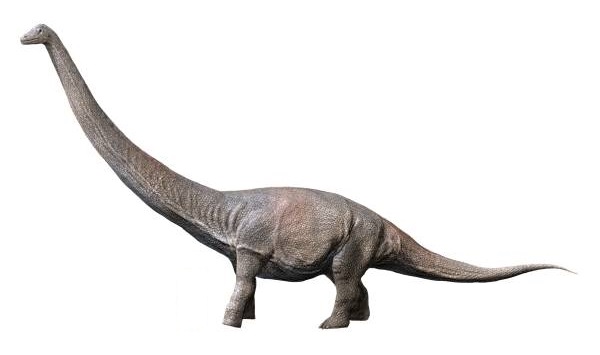
Dreadnoughtus burst onto the scene not just as a huge dinosaur, but as a statement: its name loosely expresses that it “feared nothing,” a nod to its presumed dominance in its ecosystem. This titanosaur from what is now Argentina is famous for being one of the most complete giant sauropods ever discovered, with much of the skeleton preserved. Early estimates of its mass were so extreme that many scientists later argued they were overinflated, prompting a wave of re‑analysis. That debate actually did something positive: it forced paleontologists to refine their models of how we estimate weight from bones in truly gigantic animals.
Even with more conservative estimates, Dreadnoughtus remains a genuine super‑giant, comfortably ranking among the heaviest terrestrial animals known. Its massive tail and bulky torso suggest a powerhouse, and its leg bones reveal just how much reinforcement evolution packed into each limb. To me, Dreadnoughtus is a good reminder that science is allowed to change its mind; we are better off with a slightly smaller, more realistic giant than an exaggerated one. This dinosaur shows how evidence‑based skepticism can sharpen, not dull, the awe we feel toward these creatures.
Supersaurus: The Classic Giant With a Super-Sized Neck
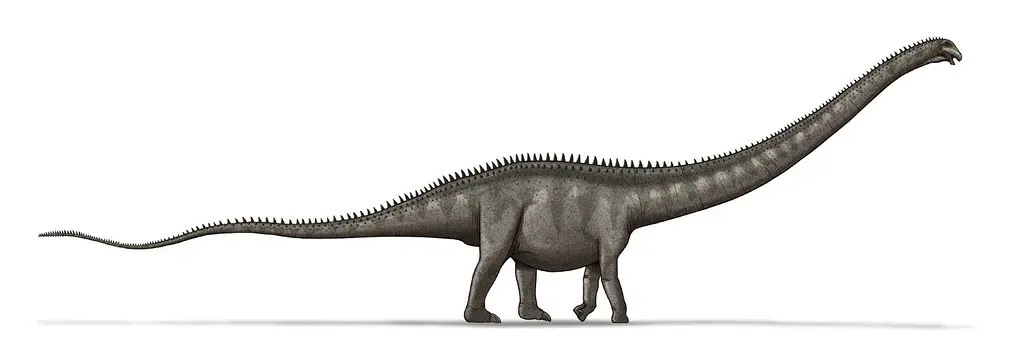
Supersaurus has been known for decades and has long hovered near the top of the “largest dinosaur” lists, especially when it comes to length. This North American sauropod belonged to the diplodocid family, famous for ultra‑long necks and tails that sometimes made them longer, if not heavier, than many titanosaurs. Fossils suggest that Supersaurus stretched out like a living suspension bridge, with a comparatively lighter build than the stocky South American giants. That body plan might have allowed it to browse over wide areas without moving its feet all that much.
While its exact mass remains debated, there is strong support for Supersaurus being among the longest animals ever to walk on land. Its vertebrae are remarkably elongated and lightly built, full of air spaces that reduced weight without sacrificing strength, a bit like the internal structure of a modern bird’s bones. This clever reinforcement system shows that being gigantic was not just about getting bigger, but also about getting smarter in how you build a body. When I first saw an illustration of Supersaurus, it looked more like a piece of architecture than a living thing, and that architectural elegance is part of its lasting appeal.
Diplodocus: The Surprisingly Graceful Giant
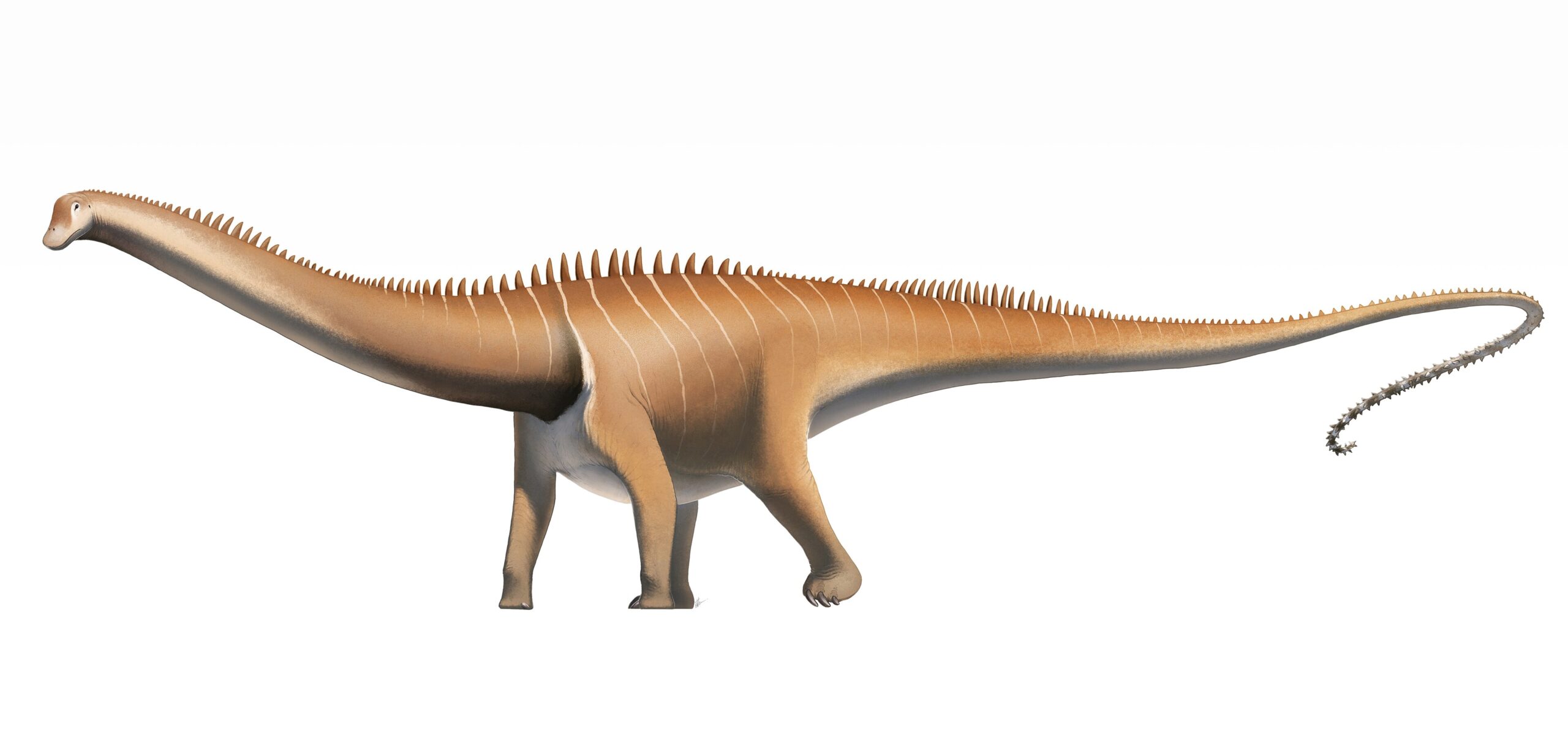
Diplodocus might not be the absolute biggest dinosaur on this list, but it earns its spot because it pushes the limits of length with a radically different body style. This Late Jurassic sauropod from North America is iconic, the kind of dinosaur many people grew up seeing in schoolbooks and museum halls. It had an extremely long neck and an even longer, whip‑like tail, with a relatively light body by giant dinosaur standards. Instead of being built like a living boulder, it was more like a flexible beam stretching across the landscape.
What makes Diplodocus so interesting is how it may have used that improbable tail, with some researchers suggesting it could crack like a whip for defense or communication. Its narrow, peg‑like teeth hint at a specialized feeding strategy, probably stripping soft plant material rather than crushing tougher vegetation. Compared to the barrel‑bodied titanosaurs, Diplodocus feels almost elegant, an example of how “big” does not always mean “bulky.” If Argentinosaurus is the skyscraper of the dinosaur world, Diplodocus is the long, slender suspension bridge swaying over a valley.
Futalognkosaurus: The Forgotten Mountain of a Dinosaur
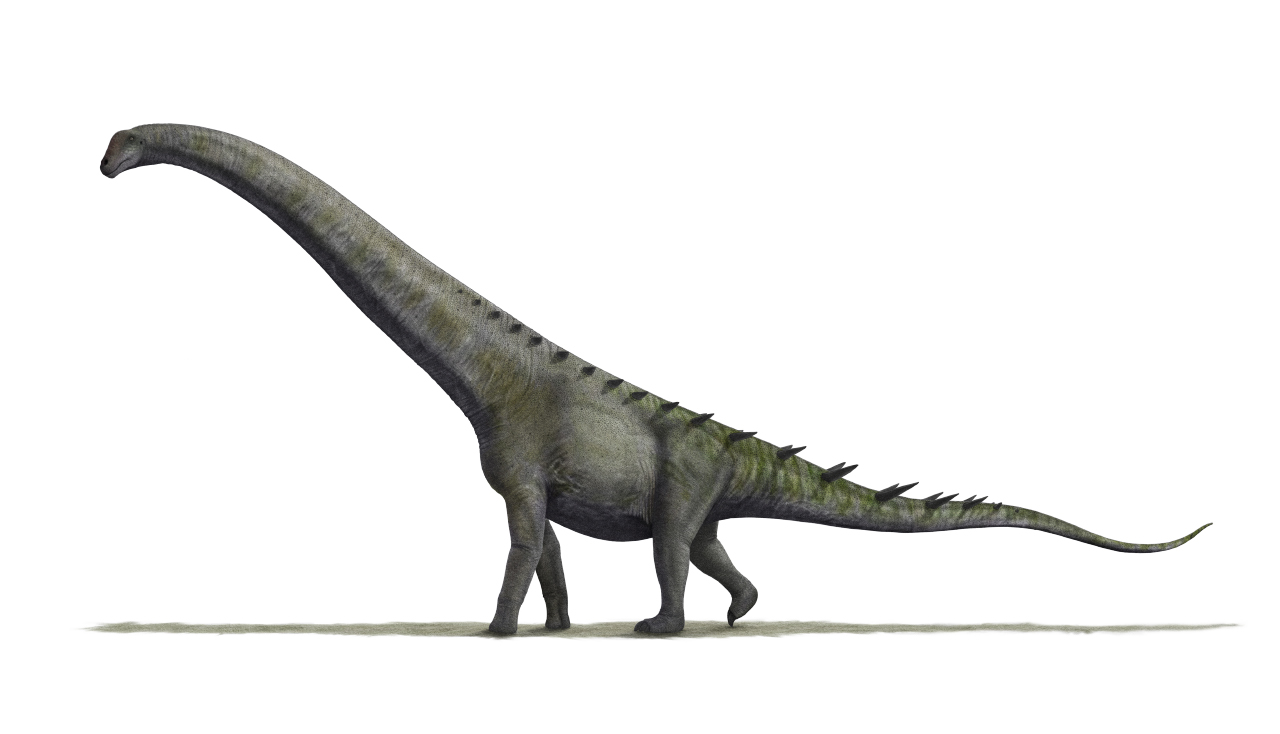
Futalognkosaurus is not a household name, but in terms of sheer size it absolutely deserves to be in the same conversation as Argentinosaurus and Patagotitan. Another titanosaur from Patagonia, it is known from relatively well‑preserved vertebrae and parts of the pelvis and limbs, giving scientists a solid framework for reconstruction. Its neck and back bones are massive, with intricate ridges and processes that would have anchored huge muscles and ligaments. This suggests an animal that was not just big, but also heavily muscled and structurally reinforced.
Because its fossils were not publicized as widely as some other giants, Futalognkosaurus sometimes feels like the underground favorite in size debates, the one enthusiasts bring up to show they have done their homework. It likely shared its environment with other large sauropods, turning that region of Cretaceous South America into a kind of real‑life “giant dinosaur convention.” Standing near a reconstruction, you get the sense of a living wall, a creature whose presence would have dominated any landscape it walked across. It is a good reminder that fame and scientific importance do not always line up, and that some of the most impressive giants are still relatively unknown to the general public.
Spinosaurus: The Aquatic Monster That Bent the Rules
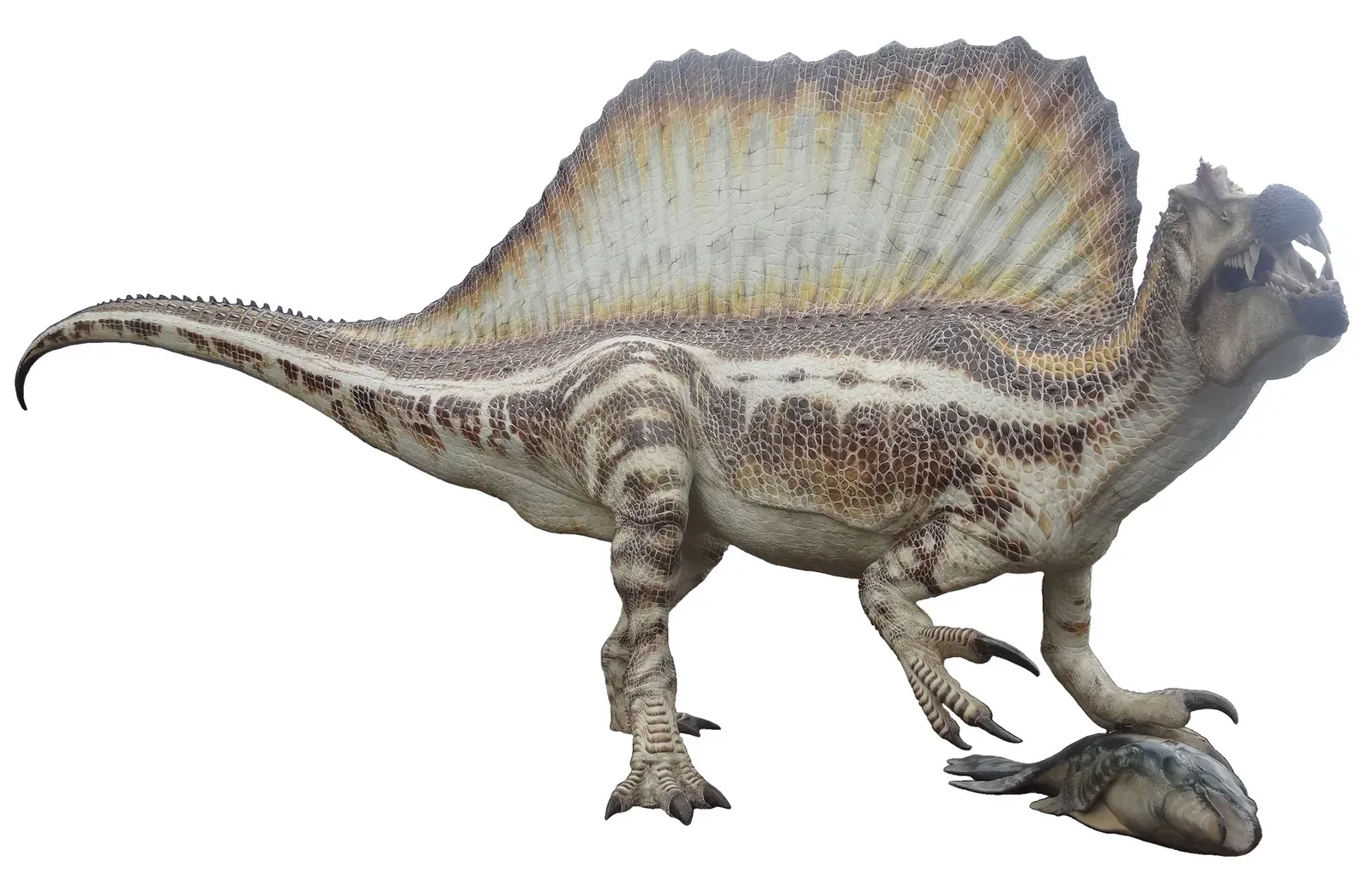
Spinosaurus earns a place on this list not because it was the heaviest dinosaur, but because it may have been one of the longest and certainly one of the strangest giant theropods. Known from North Africa, it has had one of the most controversial reconstruction histories in paleontology, with its posture, limb proportions, and lifestyle repeatedly reinterpreted. Recent research leans toward a semi‑aquatic way of life, with a crocodile‑like skull, dense bones, and a body adapted for hunting in water as much as on land. That already sets it apart from the more famous land‑based predators like Tyrannosaurus rex.
Estimates suggest Spinosaurus rivaled or exceeded other giant theropods in length, though its mass was probably lower than the most massive sauropods or even some other large meat‑eaters. Its tall sail, formed by elongated neural spines, makes it visually unforgettable and raises questions about display, thermoregulation, or other functions. In my view, Spinosaurus represents a different kind of bigness: not purely about brute weight, but about stretching ecological roles and body plans to the edge. It shows that evolution did not just build tank‑like herbivores, but also experimented with sleek, river‑haunting monsters the size of a bus.
Tyrannosaurus rex: The King of Giant Predators
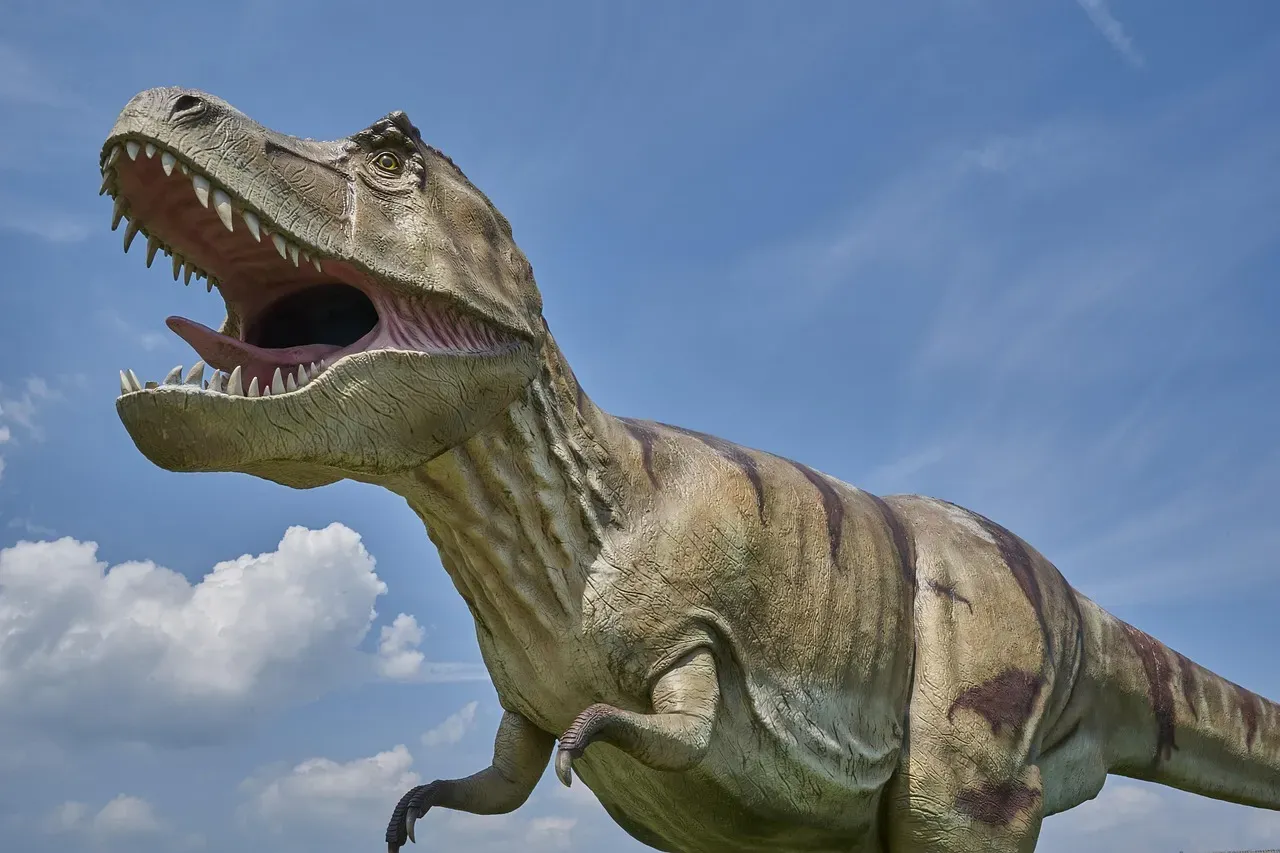
No list of the world’s biggest dinosaurs feels complete without Tyrannosaurus rex, even if some other theropods may have been slightly longer or bulkier in specific specimens. T. rex was a Late Cretaceous predator from North America, and it combined great size with a terrifying mix of power, agility, and an extremely strong bite. Its skull was massive and reinforced, its jaw muscles were proportionally enormous, and its teeth were thick, rooted spikes designed more like railroad stakes than knife blades. Unlike many sauropod giants, we actually have several well‑preserved skeletons, which gives us a better sense of variation and growth within the species.
While it was not anywhere near the size of the largest sauropods, T. rex was still a giant by any normal standard, easily towering over a person and weighing far more than a modern elephant. Its powerful hindlimbs and balanced tail suggest an animal capable of bursts of movement rather than a slow, lumbering beast. There is an emotional charge to T. rex that few other dinosaurs match; it feels less like a distant fossil and more like a living threat our brains are wired to fear. In a way, it embodies the idea that “biggest” is not always about the raw numbers, but about the impact a creature has on our imagination.
Conclusion: Which Giant Really Wears the Crown?
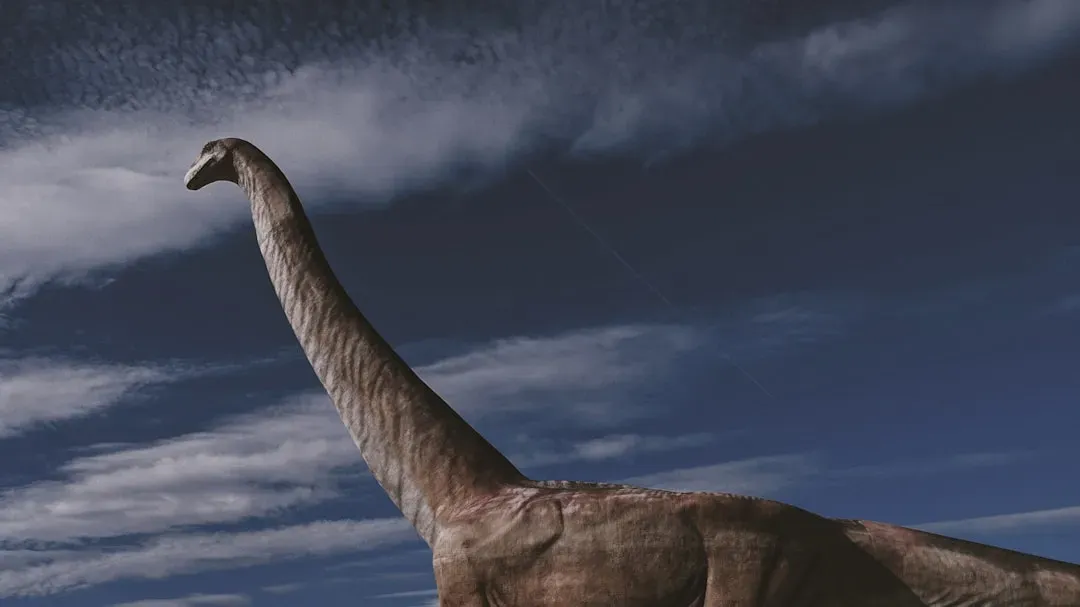
Looking at these eight behemoths side by side, it is tempting to try to crown a single champion, but that instinct can be misleading. The truth is that our fossil record is incomplete, our methods are evolving, and many size estimates still sit on a foundation of careful guesswork and comparison. My own opinion is that Patagotitan and Argentinosaurus feel like the most defensible candidates for the heaviest giants we currently know, while Supersaurus and Diplodocus win on sheer length and elegance of design. Spinosaurus and Tyrannosaurus rex, on the other hand, remind us that “big” can mean fearsome predators as much as slow‑moving herbivorous mountains.
If anything, the real lesson is that dinosaur gigantism was not a single story but a whole collection of strategies, from aquatic hunters to long‑necked, air‑filled tower‑backs. Each of these animals forced evolution to solve a different engineering puzzle: how to move, breathe, feed, and survive at sizes that stretch the limits of bone and muscle. Standing in a museum in front of their skeletons, you feel a mix of awe and disbelief that the same planet you walk on once hosted creatures this extreme. Maybe the better question is not which dinosaur was the biggest, but which one reshaped your sense of what life on Earth can be. Which of these giants would you have guessed wore the true crown before you knew the details?