Imagine waking up tomorrow and every screen on Earth is gone. No phones, no streaming, no games, no social media. At first it sounds terrifying, but for most of human history, that was just… normal life. And yet people still laughed, flirted, argued, showed off, got bored, and tried desperately to un‑bore themselves. Entertainment did not begin with Netflix; it began with people trying to make other people feel something.
When you zoom out across a few thousand years, a surprising pattern appears: most of what entertains us today is just a high‑tech remix of very old habits. Storytelling became cinema and TV, gossip became social media, dancing around a fire became festival culture, and competitive games grew into billion‑dollar sports industries. In a strange way, our ancestors would recognize more of our “fun” than we might expect. Let’s walk through how humans kept themselves entertained long before the glow of a single pixel existed.
Storytelling Around Fires: The Original Netflix
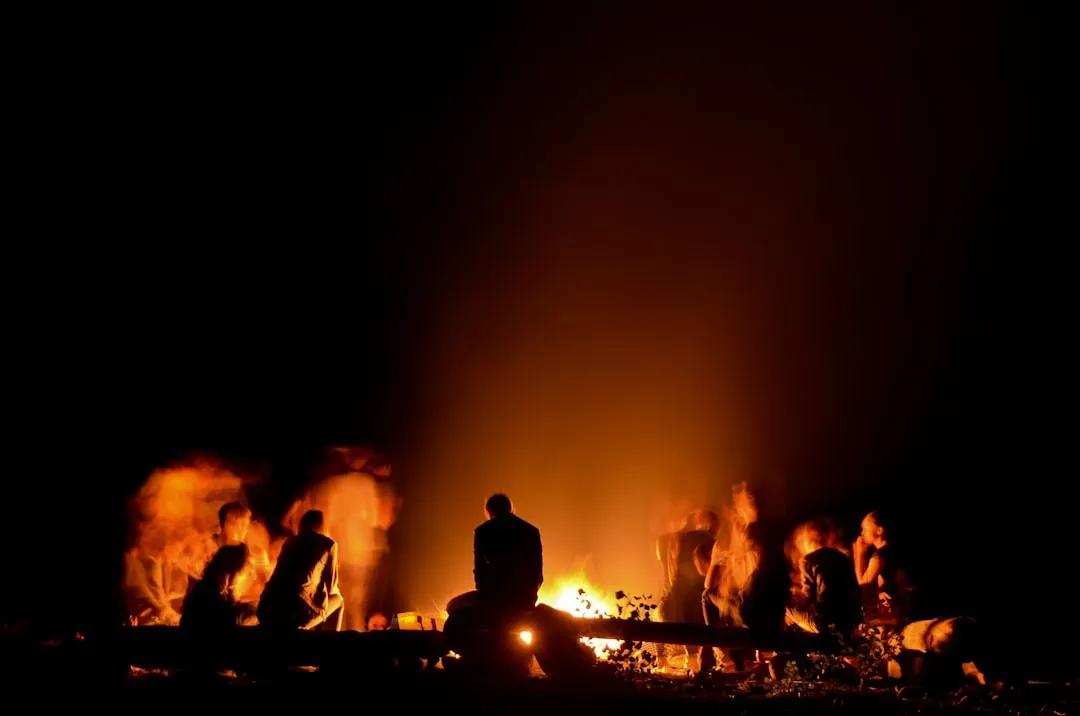
If you could time‑travel back twenty or thirty thousand years, one of the most familiar sights at night would be a circle of people around a fire, listening to someone talk. Stories were the original box set, just without the skip intro button. Hunters retold dramatic chases, elders recounted origin myths, and people embroidered real events into unforgettable legends that blurred fact and imagination. A good storyteller could keep a group hanging on every word for hours, using nothing but voice, gesture, and silence.
This was more than casual fun; storytelling helped people map their world. Myths taught where dangers lay, who could be trusted, and what the group valued. In oral cultures, memory was a superpower, and entertaining stories were sticky, which meant they survived. When we binge a series today, we’re doing a polished version of the same thing: surrendering our attention to a shared narrative, emotionally rehearsing danger, loss, love, and justice, but from the safety of a warm, well‑lit room instead of a smoky cave.
Music, Rhythm, and Dance: Entertainment You Feel in Your Bones
Long before anyone had a playlist, people had rhythm. Archaeologists have found flutes carved from bird bone and mammoth ivory that go back tens of thousands of years, which means someone took the time to experiment, to drill tiny holes, to test notes, and crucially, to perform for others. Drums, clapping, stomping, and chanting turned group gatherings into events you could feel in your chest. Rhythm coordinated movement, but it also coordinated emotions: speeding up to excite, slowing down to mourn.
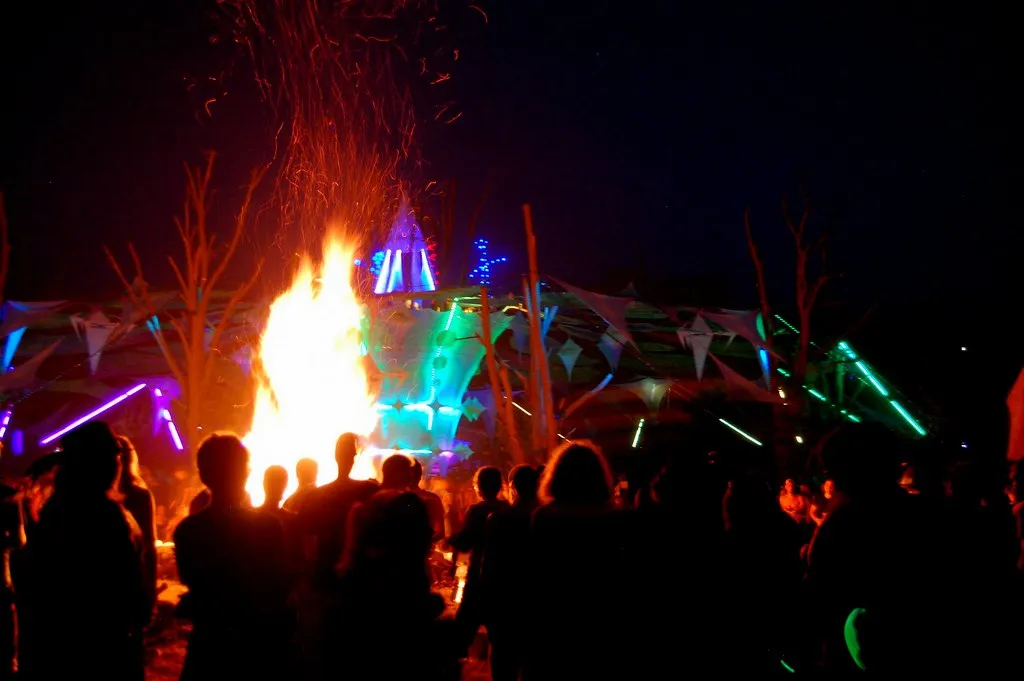
Dancing might be one of the most ancient and universal forms of entertainment we have. In many traditional societies, dance is not something you watch from a seat; it is something you do, together. Think of circle dances, line dances, wedding dances, war dances: they bond people, advertise physical skill, and release tension. Even now, a crowded concert or club is just a modern variation on a very old theme – bodies moving in sync to sound, with the nervous system flooded by the weirdly satisfying mix of exertion, rhythm, and belonging.
Games, Sports, and Competition: Play as Practice for Real Life
Humans have been inventing rules and then trying to break one another within them for a very long time. Ancient boards like senet in Egypt, the Royal Game of Ur in Mesopotamia, and early forms of what became chess and go show that sitting around a grid, thinking three moves ahead, has entertained people for millennia. These games turned boredom into strategy and social time into mental dueling, often with a healthy side of bragging rights.
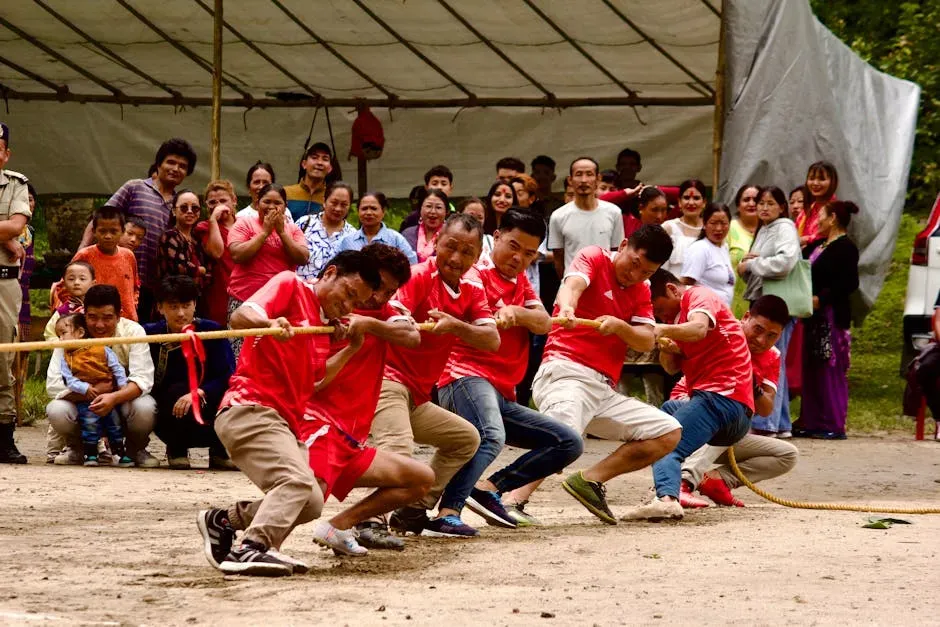
Physical games and sports did something similar for the body. From Mesoamerican ballgames played with heavy rubber balls to Greek athletic contests, people used competition as a public spectacle and private thrill. On the surface, it was entertainment; underneath, it trained useful skills like coordination, strength, and teamwork. When you watch modern sports with painted faces and emotional fans, you are seeing the same ancient desire play out: to pick a side, test limits, and live vicariously through someone else’s moment of triumph or failure.
Rituals, Festivals, and Shared Spectacle
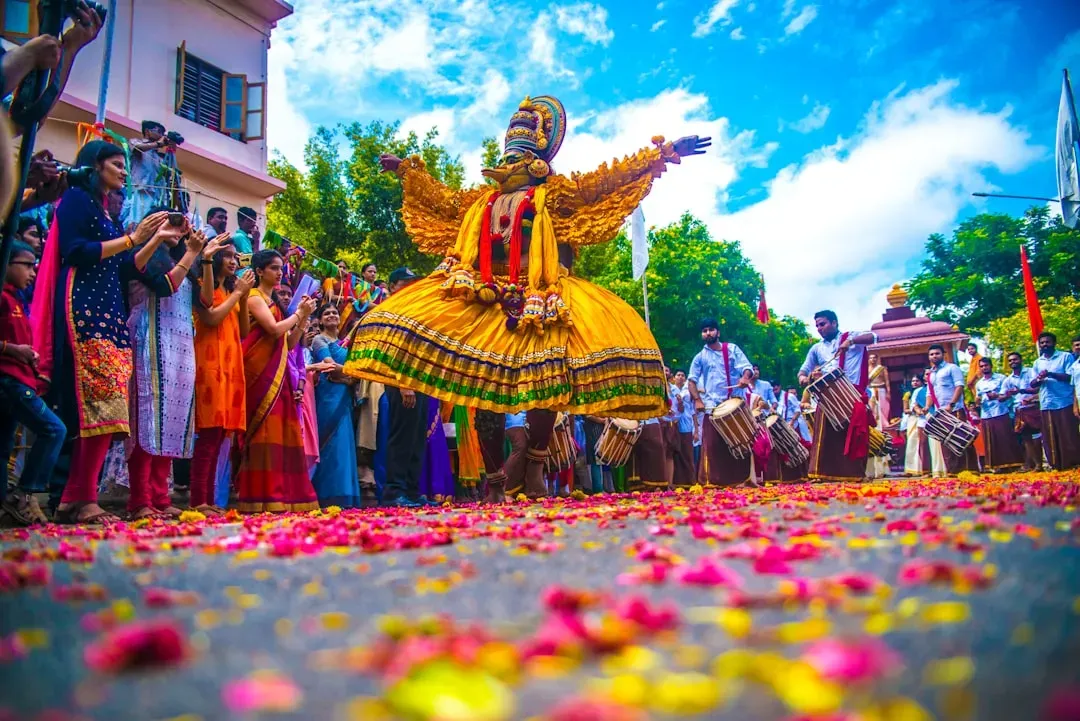
Not all entertainment was casual; some of it was sacred, scheduled, and spectacular. Religious rituals and seasonal festivals bundled meaning and fun into one package. Communities marked harvests, solstices, victories, and royal events with parades, masked performances, feasts, and elaborate ceremonies. The line between worship and entertainment was often thin. People sang, danced, wore costumes, watched processions, and enjoyed the rush of seeing their usually quiet towns transform into something bright and noisy.
These events were immersive experiences in a pre‑screen world. Imagine the sensory overload of a crowded ancient marketplace festival: incense in the air, drums and flutes blaring, colorful fabrics, street performers, food stalls, and drunk relatives arguing loudly. For people whose everyday life might be repetitive and physically demanding, these festivals were high points of the year – like the original music festivals or stadium shows, except everyone was both audience and participant, and the story being told was about the entire community’s place in the cosmos.
Art, Craft, and the Joy of Making Things by Hand

Entertainment, for a lot of people in the past, was actually making things. Cave paintings, carved figurines, intricate pottery, woven textiles, and jewelry were not just functional; they were deliberately beautiful. The act of decorating a pot or etching a pattern into bone could be soothing and absorbing in the same way that sketching or crafting can swallow hours today. The satisfaction lay both in the process and in the moment when someone else admired the result.
In many historical societies, evenings meant sitting together working on crafts: spinning thread, mending clothes, carving wood, braiding hair. Conversation wove through the work, but the work itself could be quietly entertaining, a way to enter a focused, almost meditative state. I sometimes think scrolling a feed is a poor substitute for what people used to get from their hands – feeling time pass in the tangible shape of a finished object instead of a blur of half‑remembered images.
Gossip, Humor, and Social Drama

If there is one constant across human history, it is that people love talking about other people. Gossip was an ancient form of entertainment and social regulation rolled into one. Around wells, in marketplaces, at communal ovens, and under shade trees, people traded stories about who did what to whom, who broke a norm, who flirted with the wrong person. It passed the time, but it also reinforced what was acceptable, because stories of misbehavior were endlessly interesting – and a little bit scary if you imagined yourself as the next topic.
Humor thrived in the same spaces. Jokes, teasing, and satire existed long before stand‑up sets and meme accounts. People mocked pompous leaders, exaggerated local quirks, and turned shared misfortunes into laughing material. In a world where life could be brutally hard, laughing together was its own survival tool. When I think of modern comment sections or group chats, they feel like digital echoes of those old gatherings: messy, emotional, sometimes cruel, often hilarious, and powered by the simple thrill of being “in” on the latest story.
Reading, Theater, and the Birth of Public Performance
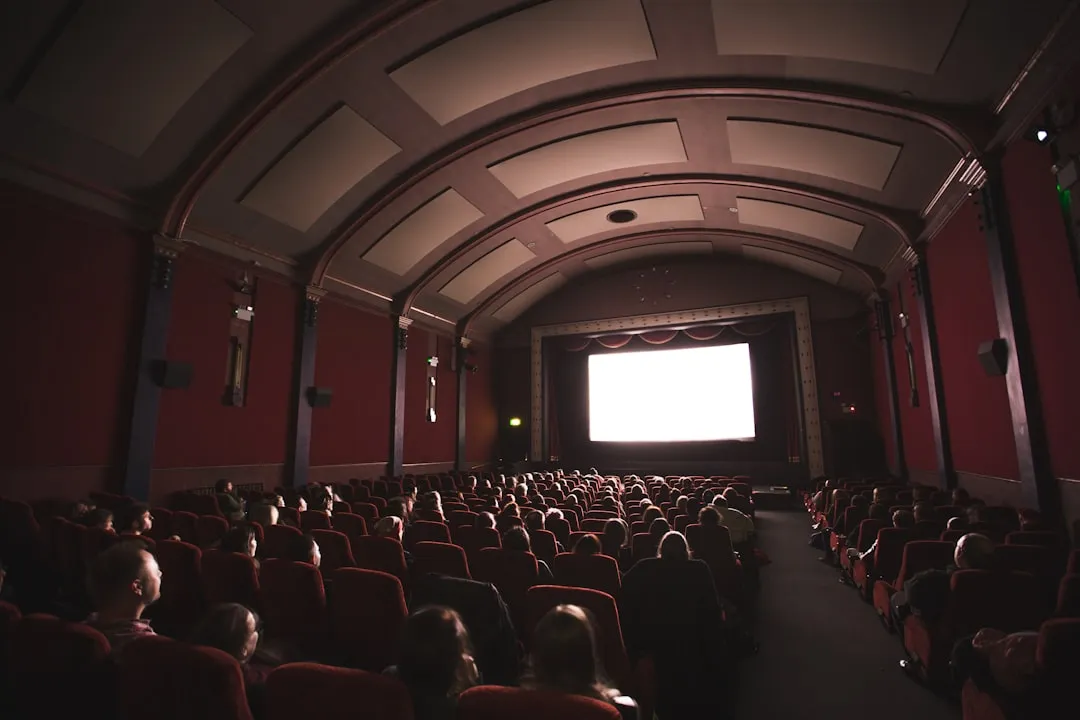
Once writing and books appeared, they opened an entirely new kind of entertainment: silent, solitary, and deeply immersive. In literate cultures, reading epics, poems, plays, and later novels became a major way to spend free time for those who had access. A scroll or a manuscript could transport a reader to wars, romances, or imagined lands without moving a muscle beyond turning pages. Public readings and recitations extended that world to those who could not read, turning literature into a shared experience.
Theater took things even further, turning storytelling into live spectacle. In ancient Greece, huge crowds watched tragedies and comedies in open‑air theaters; in many other cultures, puppetry, masked drama, and street plays did the same job. Audiences cried, laughed, shouted, and judged, not that differently from how we react at the movies or in front of reality TV. The big difference is that instead of pixels on a screen, there were fragile human bodies on a stage, vulnerable to weather, mistakes, and the raw energy of a crowd only a few meters away.
Nature, Exploration, and the Entertainment of Simply Being Alive
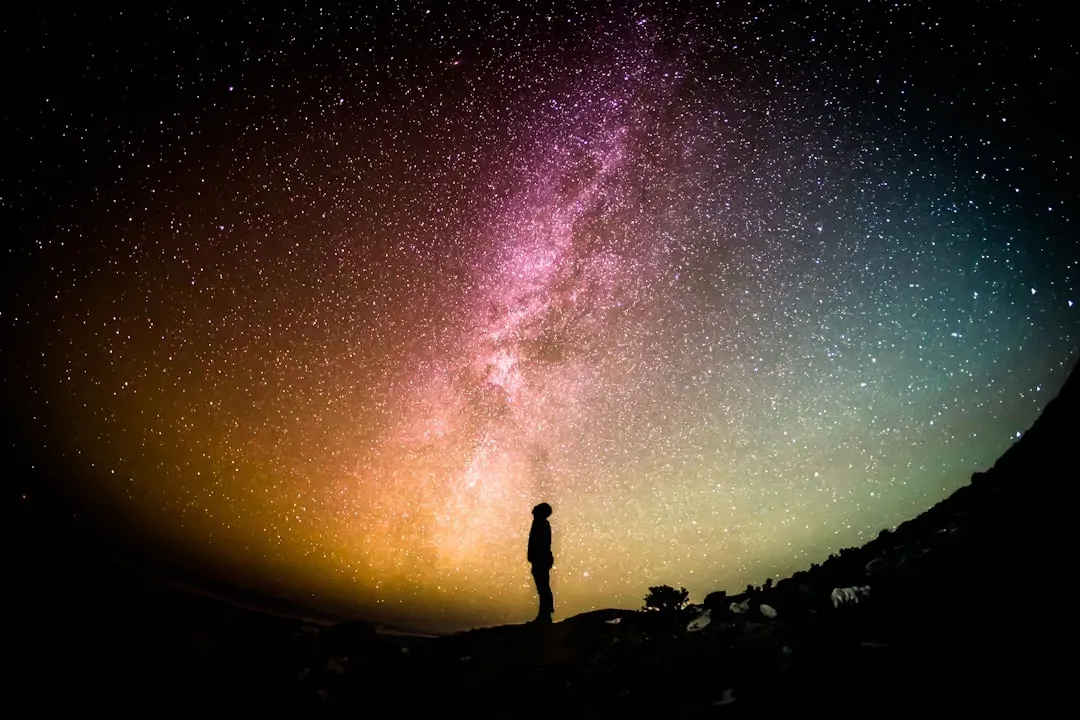
We tend to think of hiking, fishing, or wandering as hobbies, but for most of history, being out in nature was just part of everyday existence. Still, people clearly used the natural world for enjoyment as well as survival. Swimming in rivers, climbing trees, racing along paths, watching the stars, or just lying in the grass were free forms of entertainment available to almost everyone. The night sky in particular, without modern light pollution, was a jaw‑dropping show that inspired stories, calendars, and philosophical wonder.
Exploration can be entertaining in its own right, even when it is not strictly necessary. Children roaming further from home, adults traveling to nearby villages or markets, and traders venturing along longer routes all experienced that strange, addictive mix of anxiety and excitement that comes from novelty. Today we replicate that feeling with travel, open‑world games, and endless online rabbit holes. But the core reward – discovering something new and telling others about it later – has been delighting humans for a very long time.
Conclusion: What Ancient Fun Says About Us Now

When you strip away all the tech and look at how humans entertained themselves across thousands of years, a blunt truth emerges: we have always wanted the same things. We want stories that grip us, rhythms that move us, games that challenge us, festivals that sweep us up, hands‑on creation that calms us, gossip that connects us, and journeys that stretch our boundaries. Screens did not invent these desires; they just turbocharged and monetized them. In that sense, I think modern life is less a radical break from the past and more a noisy, sped‑up remix of very old instincts.
My honest opinion is that we quietly underestimate how good our ancestors were at being entertained without devices. They had fewer distractions but deeper ones, because they depended on one another rather than on machines. If anything, revisiting their ways of having fun is not nostalgia; it is a kind of blueprint. Go to a live play, tell a story by candlelight, dance without filming it, learn a craft that makes your hands ache in a satisfying way. You might discover that the most advanced entertainment technology we have ever invented is still a small group of humans, fully present with one another – no battery required. Would you actually miss your screen as much as you think if that was your nightly reality?