Imagine staring down a winter that might last eight months, with no supermarket, no central heating, and no guarantee that the animals you hunt will even be there tomorrow. For ancient humans living before farms and cities, that was normal life, not a survival show on television. Yet they managed not just to scrape by, but to spread across frozen tundras, icy mountains, and dim northern forests.
What fascinates me most is that they did this without the tools we usually think of as “civilization.” No grain silos, no permanent houses, no written calendars on the wall. Just sharp observation, collective memory, and a stubborn refusal to give up. When you look closely at the evidence from archaeology, genetics, and hunter–gatherer studies today, you start to see a pattern: survival in long winters was less about brute strength and more about knowledge, cooperation, and clever timing. Let’s dig into how they actually pulled it off.
Tracking Seasons Without Calendars: Reading the World Like a Clock

Long before printed calendars or weather apps, ancient humans treated the landscape itself as a living clock. They watched when certain birds migrated, when rivers started to freeze, when specific plants hardened or dropped their leaves, and when the stars shifted positions in the night sky. Those patterns, repeated over countless years, became an internal calendar that signaled when to prepare for cold months and when to move on. In a way, the world itself was their seasonal planner, and missing those cues could mean the difference between a stocked camp and winter starvation.
In colder regions, people seem to have timed big autumn hunts and large-scale food processing to line up with these natural signals. For example, when salmon runs peaked, or when herds of caribou or reindeer passed through a valley, it was a cue to hunt intensively and quickly preserve a surplus. I sometimes think of it like a flash sale at a store: you know it is coming roughly around the same time each year, you just have to be ready when it hits. Ancient groups memorized these cycles and passed that knowledge to children in stories, rituals, and shared tasks, turning what looks to us like guesswork into a surprisingly precise science of seasonal timing.
Storing Energy, Not Just Food: Fat, Bones, and Hidden Calories

When most of us think of food storage, we picture neatly stacked grains or sealed jars. Pre-farming humans in cold climates leaned heavily on something much simpler and often overlooked: fat. Animal fat and marrow are astonishingly energy-dense, and in winter, when plants were scarce or completely buried, that stored energy could keep a group alive for weeks. Hunters targeted animals at their fattest seasons, then rendered fat into a stable form, soaked dried meat in it, or saved rich marrow locked inside large bones for later. It wasn’t always pretty, but from a survival angle, it was brilliant.
There is archaeological evidence of broken bones in ancient camps that show patterns consistent with extracting every last drop of marrow, not just scavenging casually. You can almost picture the scene: people clustered around a fire, cracking femurs with stone tools, carefully scraping out the rich interior. That might sound grim to modern tastes, but when the world outside is a silent, snow-covered expanse, these hidden calories are life insurance. To me, this emphasizes a key winter-survival principle: they were not just eating what was obvious on the outside of an animal; they were experts in squeezing energy from every possible part, long before the idea of “zero waste” became trendy.
Drying, Smoking, and Freezing: Turning Short Feasts Into Long Winters

One of the biggest survival puzzles was how to turn a brief period of abundance into a steady winter supply. Without pottery in some eras or metal pots, ancient humans still managed advanced food-processing strategies. They sliced meat into thin strips to dry in cold wind or smoke, stacked fish where smoke could pass through, and used cold air itself as a natural freezer. To modern eyes, these techniques might look rustic, but chemically, drying and smoking food slows down the microbes that cause rot, buying weeks or months of safe storage.
In very cold environments, people likely used snow caves, pits, and shaded rock crevices as makeshift refrigerators or freezers, layering ice and snow above wrapped meat or fish. It interests me that winter, usually seen as the enemy, actually helped preserve food once they figured out how to work with it. Instead of fighting the cold, they harnessed it: the same temperature that could kill an unprepared person also protected precious stores from insects, bacteria, and scavengers. That kind of practical thinking is a recurring theme in human survival; constraints often turned into clever solutions.
Migrating With the Herds: Winter as a Moving Target
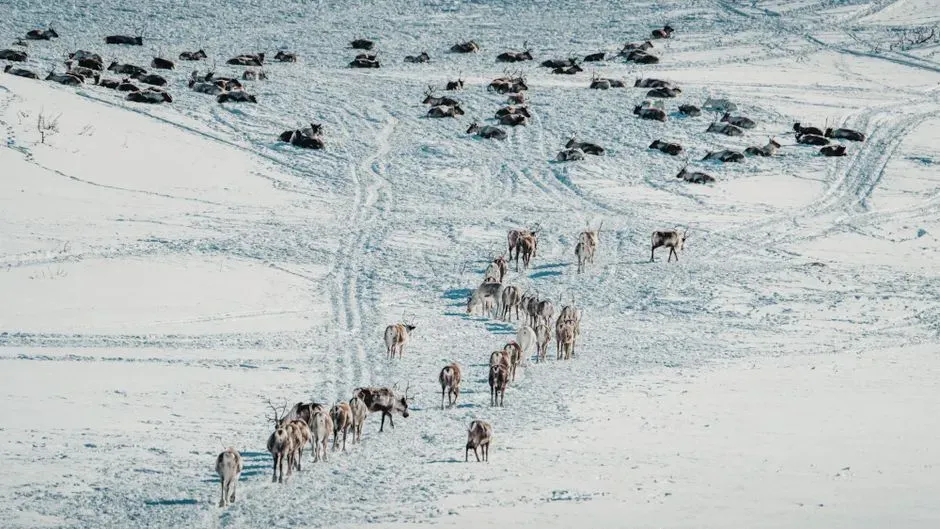
Not all winter survival meant hunkering down in one place. Many ancient groups treated the seasons like a moving puzzle and themselves as the flexible piece. They followed migrating herds, shifting between summer and winter ranges the way modern people move between cities and suburbs. Caribou, reindeer, bison, and other large herbivores often traveled long distances in search of exposed grazing land, and human bands essentially hitched their fate to those herds. By tracking patterns of movement over generations, they could predict where food would be when the snow made foraging impossible elsewhere.
This nomadic rhythm required light, portable shelters and a mental map that stretched over hundreds of kilometers. I always imagine it like a mental subway map, but made of valleys, river crossings, and mountain passes instead of colored lines. You had to know where game usually crossed a frozen river, where a stand of trees offered wind protection, where a cliff face shielded a campsite from storms. Winter, in that sense, was not just a season but an itinerary. Surviving meant accepting that the safest place was not always the most familiar one, and that staying put could be deadlier than walking into the cold.
Clothing and Shelter: Engineering Warmth With Stone Age Tech
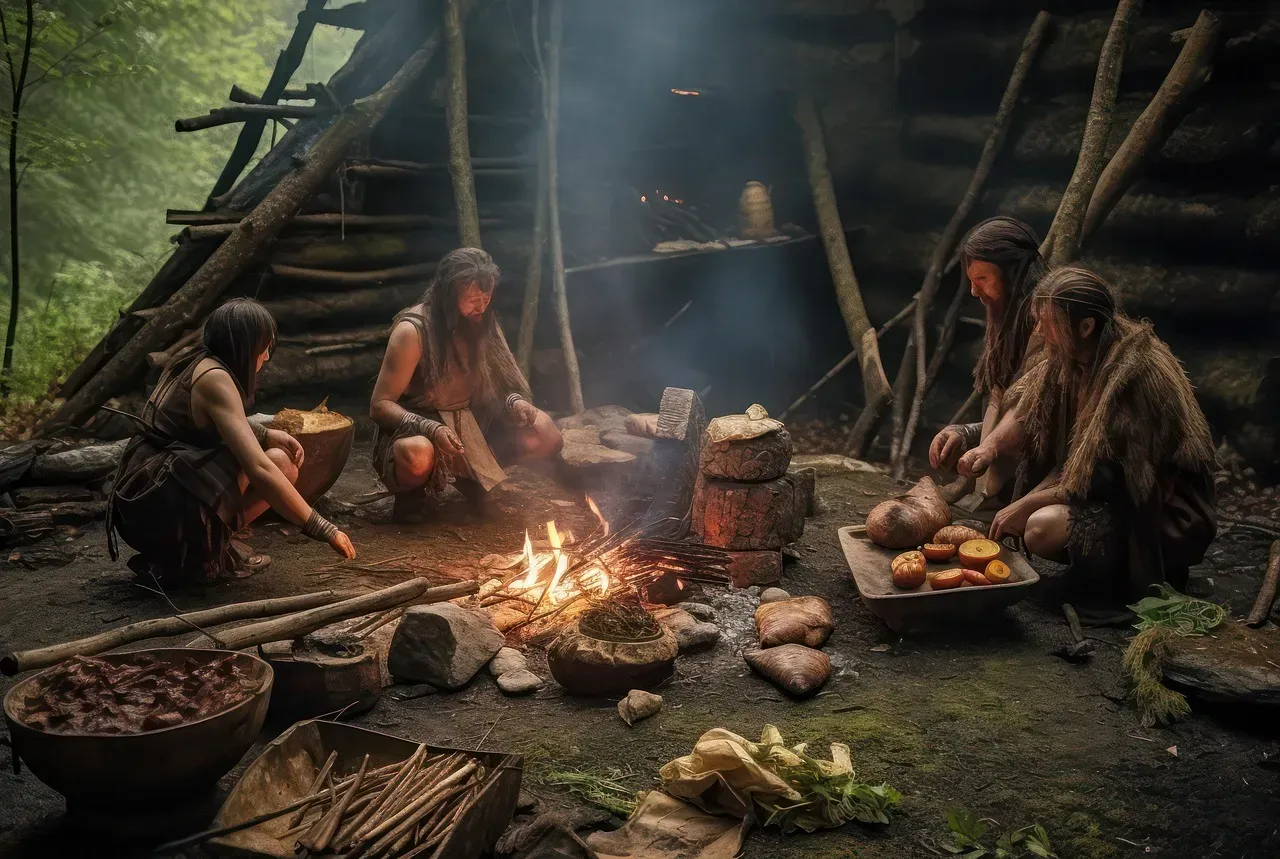
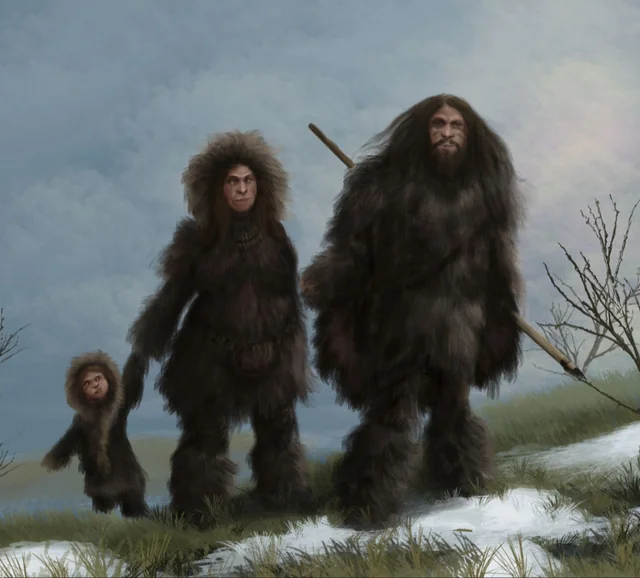
No one survives a long winter naked, and ancient humans were far from helpless when it came to clothing and shelter. Evidence from tools and preserved remains suggests that people used layered animal hides, fur turned inward for insulation, and tailored garments stitched with bone needles and sinew. These were not just rough wraps. In cold regions, clothing had to fit well enough to trap warm air, protect extremities, and allow movement for hunting or building. That takes careful design, especially when your “fabric” is a reindeer hide and your “sewing machine” is a sharpened bone.
Shelters were equally ingenious, varying from simple windbreaks of branches and hides to semi-subterranean houses dug partially into the ground, sometimes lined with stone and insulated with turf, snow, or additional hides. In snowy regions, snow itself became building material for walls that blocked fierce winds while trapping relatively warmer air inside. As someone who has shivered in a modern tent on a cold night, I find it humbling that people with no synthetic fabrics or metal stoves created microclimates where families could sleep, cook, and repair tools through months of darkness. Their understanding of how heat, air, and materials interact rivals basic principles you’d learn in an engineering course today.
Sharing, Storytelling, and Safety Nets: Why Community Was the Real Heater
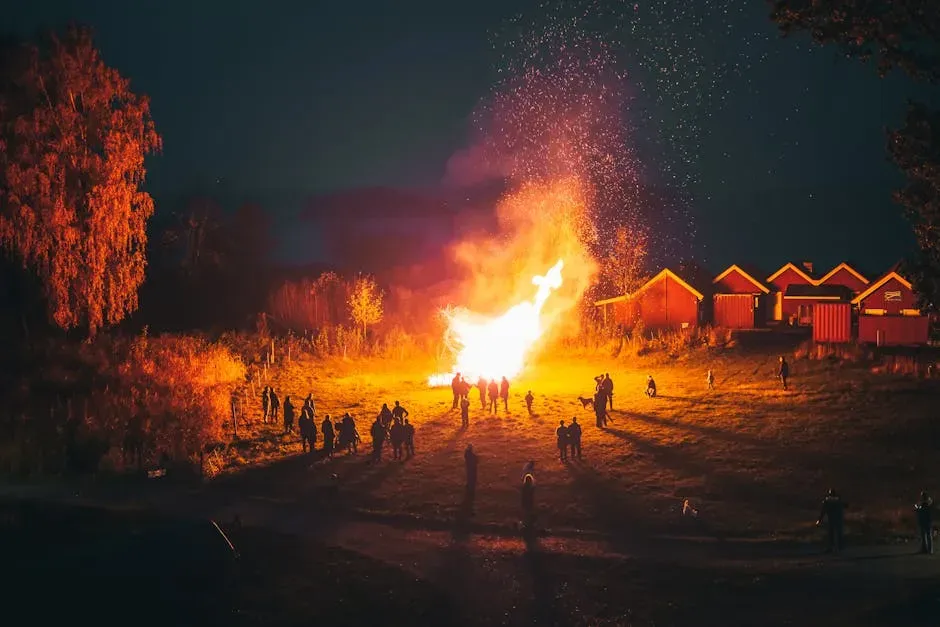
It is tempting to picture winter survival as a lonely hunter against the elements, but the reality was almost the opposite. Cooperation inside and between groups was one of the most powerful survival tools humans ever evolved. Food-sharing, particularly of large kills, created social safety nets: if one hunting party failed, others might succeed and bring back meat for everyone. Over time, this mutual aid reduced the risk that any single family would starve because of a streak of bad luck. Anthropologists studying modern hunter–gatherers often find that generosity is not just kindness; it is a practical insurance policy that pays out in hard times.
Winter also concentrated people physically around shared fires and shelters, which strengthened bonds and allowed stories, skills, and warnings to spread. Around those fires, children learned how to interpret tracks in snow, when to start worrying about shifting ice, how to treat frostbite, and which places were sacred or dangerous. In my view, this is the underrated side of winter: it forced people to slow down and talk. Those conversations, repeated for generations, became a hidden infrastructure of knowledge that no single person could have built alone. If warmth came from fur and fire, long-term survival came from relationships and remembered lessons.
Mindset, Rituals, and Meaning: Surviving Winter in the Head First
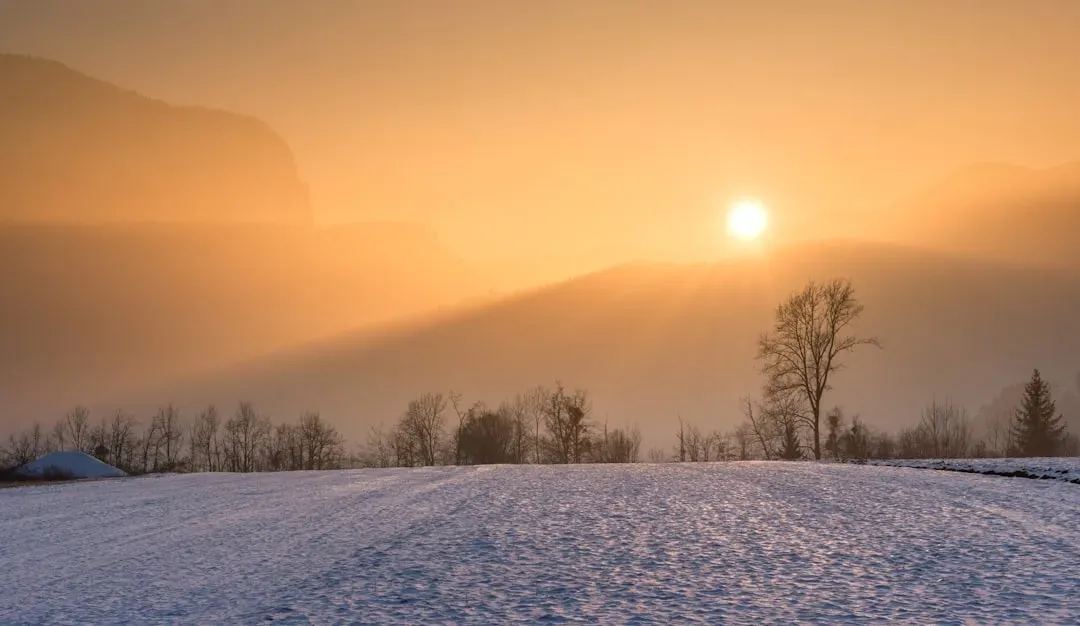
Even with food, clothing, and shelter, months of darkness and cold can grind people down. Ancient humans had to manage not just physical danger but the mental strain of isolation, hunger, and uncertainty. Rituals, gatherings, and shared beliefs likely played a big part in holding groups together and keeping despair at bay. Seasonal ceremonies around solstices, for example, may have marked the turning point of winter, reinforcing the idea that light and warmth would eventually return. When you cannot control the weather, you look for patterns and symbols you can hold onto.
I sometimes think this psychological layer is what truly separates humans from other animals facing the same winters. We tell stories that frame hardship as meaningful, we remember ancestors who got through worse years, and we invent explanations for why the sun seems to vanish and then slowly come back. Whether or not those explanations would satisfy a modern scientist is almost beside the point. What matters is that they made people feel less powerless. In a world of long nights and scarce food, hope and shared purpose are as real a survival tool as a well-made cloak or a sharp spear.
Conclusion: Winter as a Teacher, Not Just an Enemy
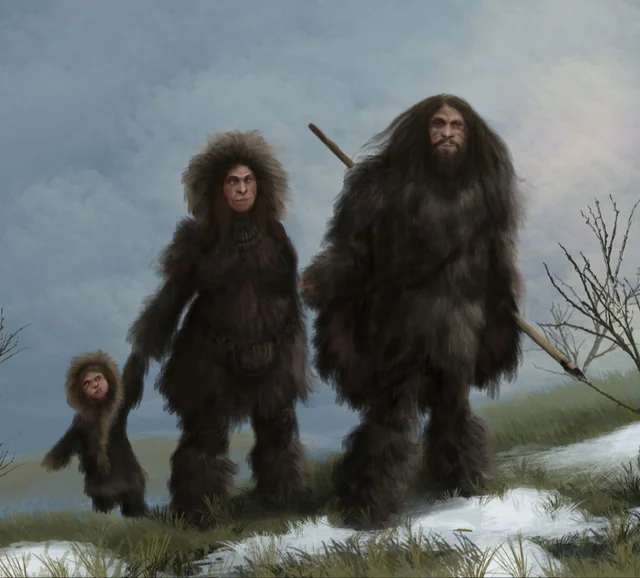
When you put all of this together, stop looking like a tragic obstacle and start looking like a demanding teacher. Ancient humans learned to read the land as a calendar, stash energy in unexpected places, build warmth from bone and hide, and weave social safety nets wide enough to catch the unlucky. They did it without permanent buildings or written records, guided mostly by observation, memory, and the quiet authority of elders who had seen many winters before. To me, that is the real miracle of our species, not skyscrapers or smartphones.
We often imagine progress as a straight line from fragility to comfort, but winter reminds us that our ancestors were never as fragile as we think. They were inventive, stubborn, and deeply communal, willing to cooperate and adapt instead of waiting for perfect conditions. If anything, their story raises an uncomfortable question for us: with all our technology, would we show the same grit and creativity if we had to face a truly hard winter together, without electricity or supply chains to save us?