
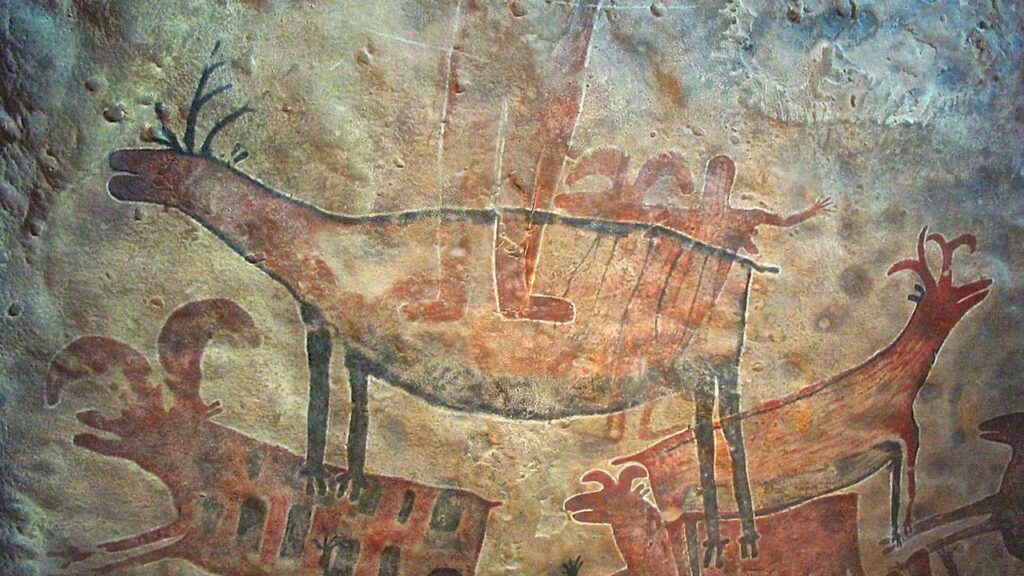
Imagine walking into a dark cave, the air cool and still, and suddenly a torch flame jumps to life. On the walls around you, bison and horses seem to stir, antlers quiver, hooves blur, and for a split second you could swear that the rock itself is breathing. That eerie, goosebump feeling is not just romantic imagination; more and more archaeologists think Paleolithic artists may have designed it that way on purpose, painting for firelight, not daylight. In other words, those people of roughly forty thousand years ago might have been choreographing a kind of cinema long before film was even a dream.
It is a wild idea, but not an empty one. From oddly placed legs and multiple outlines to strategic use of uneven rock, researchers are finding patterns that make a lot more sense if you picture paintings seen under a flickering flame. When I first read about this, it hit me that we might have been “missing the show” for over a century by lighting cave art with bright, steady lamps for photography and tourism. To really understand what these artists were doing, we may need to turn the lights down, let the shadows move, and see the walls the way they did: alive, unstable, and full of potential motion.
The Strange Power of Firelight on Rock Walls
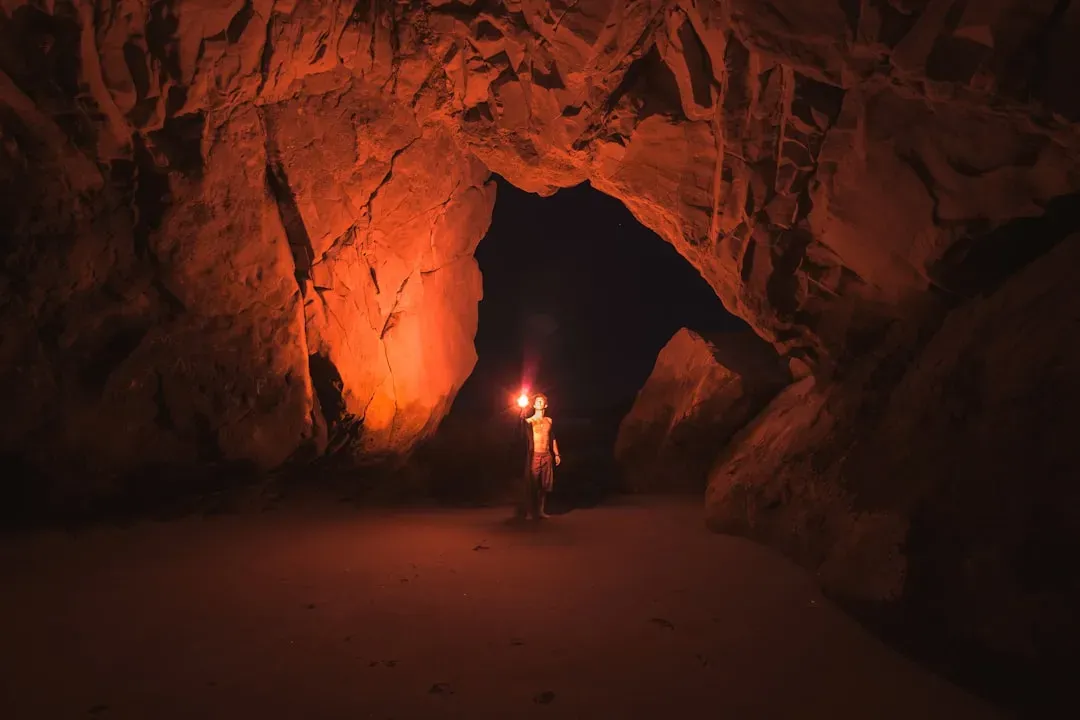
Anyone who has sat by a campfire knows that flames do weird things to your sense of space. Surfaces look like they are swelling and shrinking, shadows stretch and twist, and anything carved or painted on an uneven wall suddenly seems to wiggle. In a cave, this effect is even more intense, because the rock is close, the air is still, and there is no competing daylight to flatten the scene. Researchers experimenting with replicas of cave walls have found that when you shine a small, flickering light from below or the side, lines appear to shift and shapes can look like they are moving or breathing.
This is where those Paleolithic animal figures get interesting. Many of them are not painted on smooth, neutral backgrounds; they hug bulges, cracks, and bumps in the rock. Under a strong modern lamp the effect is mostly lost, but when you replace that with a flame, some of those bumps catch and release light like muscles contracting. Seen this way, the choice to paint here instead of on a flat patch looks a lot less random. It starts to feel like an early special effect, using physics and psychology, not pigments and perspective alone, to bring creatures to life.
Why Archaeologists Think the “Breathing Animal” Effect Was Intentional
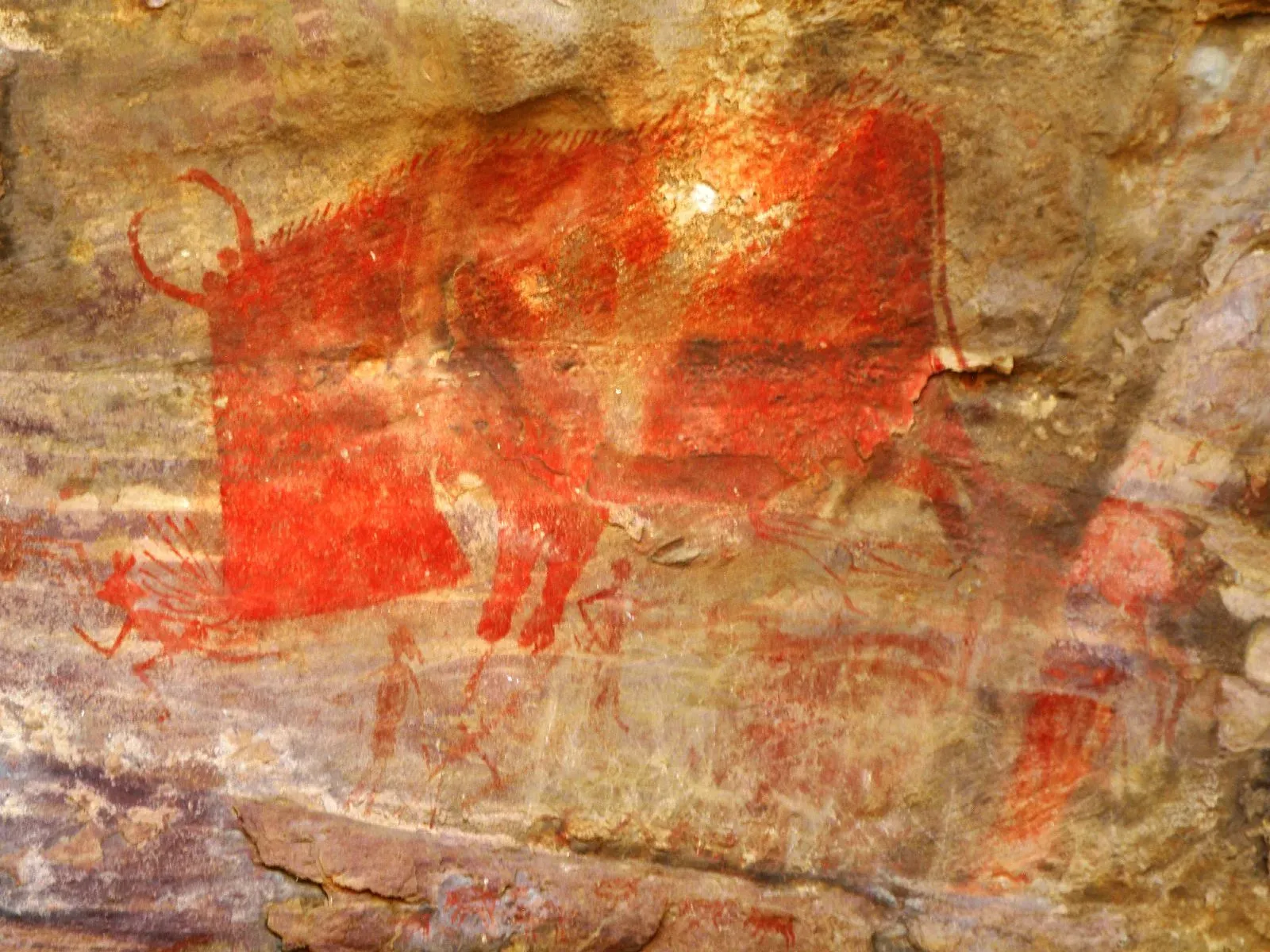
Archaeologists are famously cautious people, so the idea that cave artists did this deliberately is not just a poetic guess. One line of reasoning comes from repetition: similar tricks appear again and again in different caves and regions, from France and Spain to parts of Indonesia. Artists consistently align legs with natural ridges, horns with protrusions, or outlines with shadow-catching cracks, in ways that would be hardly visible in steady, bright light but very dramatic under fire. When a pattern shows up this often over thousands of years, coincidence starts to look unlikely.
Another clue lies in how deep many decorated caves run. Painters went far from entrances where daylight reached, into passages that would have been pitch black without torches or stone lamps. That effort makes most sense if darkness and its transformation by flame were part of the experience they wanted. The fact that some scenes appear in spots where the light from a handheld torch would naturally sway as people moved is also telling. If you picture a small audience walking, chanting, or dancing while the flame bobs, the animals on the walls would have seemed to ripple and twitch, turning the cave into a moving theater of stone and light.
Multiple Legs, Blurred Outlines, and the Puzzle of Prehistoric “Animation”
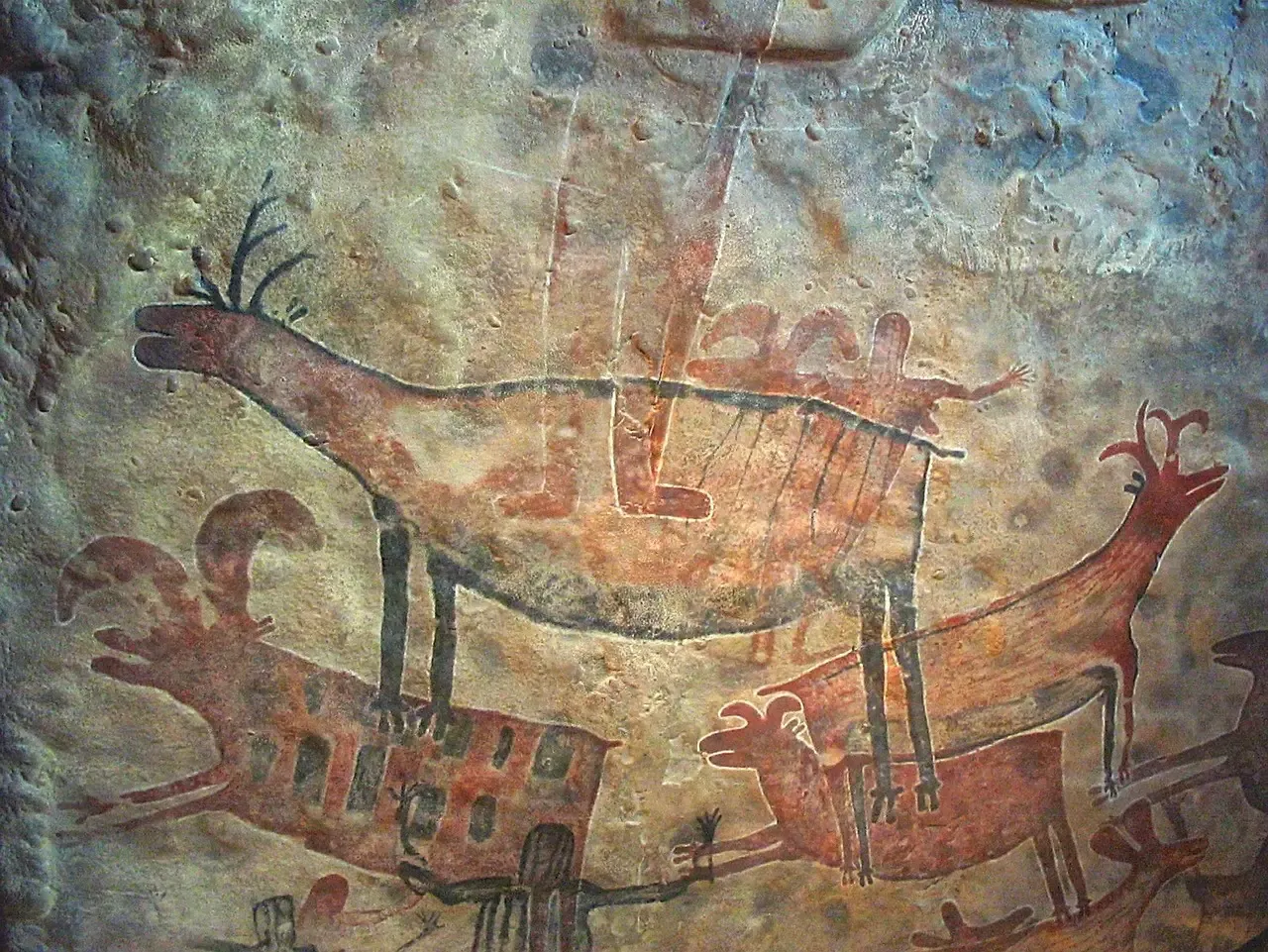
One of the most intriguing pieces of evidence for deliberate motion effects is the presence of multiple overlapping outlines: a bison with more than one set of legs, or a deer with several head positions sketched on top of each other. For a long time, these were written off as corrections or unfinished work. Now, some researchers are reconsidering them as a kind of proto-animation, where different positions of a limb or head could appear alternately as the firelight shifted, like frames of a simple hand-drawn cartoon. The eye, already primed to see movement, would connect the dots.
This might sound far-fetched until you compare it to early twentieth-century flipbooks or even to how action comics hint at motion with “ghosted” limbs. The human brain is eager to see continuity where it can, especially in dim light. Under flickering illumination, certain outlines may stand out while others sink into shadow, so that the same animal can look like it is moving through space. Is it as clean as modern animation? Of course not. But if you have ever watched your own shadow dance on a wall when you walk past a candle, you have experienced the same basic principle these artists were probably playing with.
Cave Spaces as Prehistoric Theaters and Ritual Stages
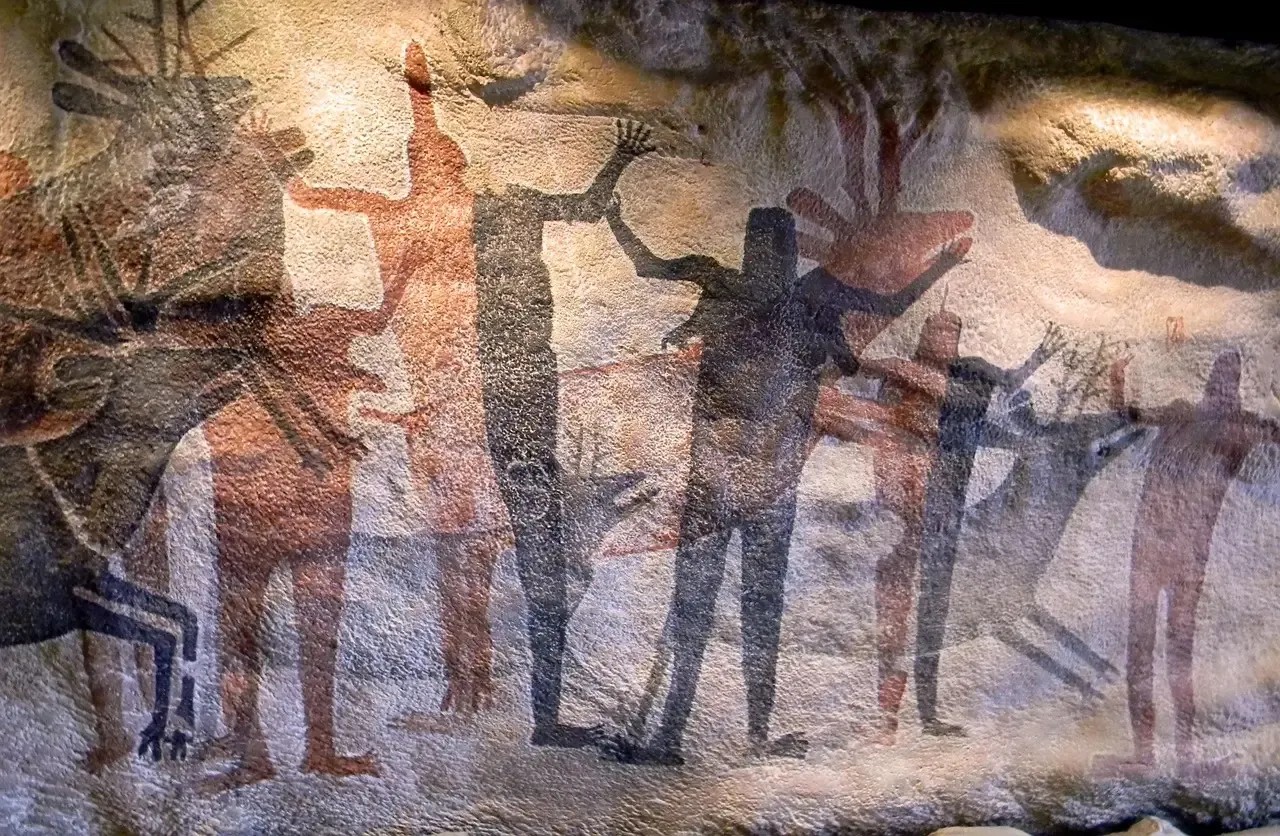
When you start imagining these images under shifting firelight, the caves themselves start to feel less like art galleries and more like small theaters or ritual stages. Some chambers with rich paintings have excellent acoustics, amplifying voices and drumming, which would have layered sound onto the spectacle of moving animals. Picture a narrow passage where only a few people can stand, a torch held up, chants echoing, and the painted herd around them seeming to surge. It is not hard to see how that could produce a powerful, maybe even overwhelming experience.
Many archaeologists now suspect that visiting these spaces was not casual sightseeing but part of structured events: initiations, seasonal rites, healing rituals, or story performances. In that context, firelight becomes more than a practical tool; it is a collaborator in the ceremony. Just as modern stage lighting is designed to guide emotion and focus attention, the shifting glow of Paleolithic lamps may have been used to reveal and conceal parts of the scene at specific moments. The cave wall becomes an active partner, with its curves and cracks shaped by both geology and creative intent into a kind of prehistoric multimedia installation.
Human Perception: How Our Brains Turn Flicker into Life
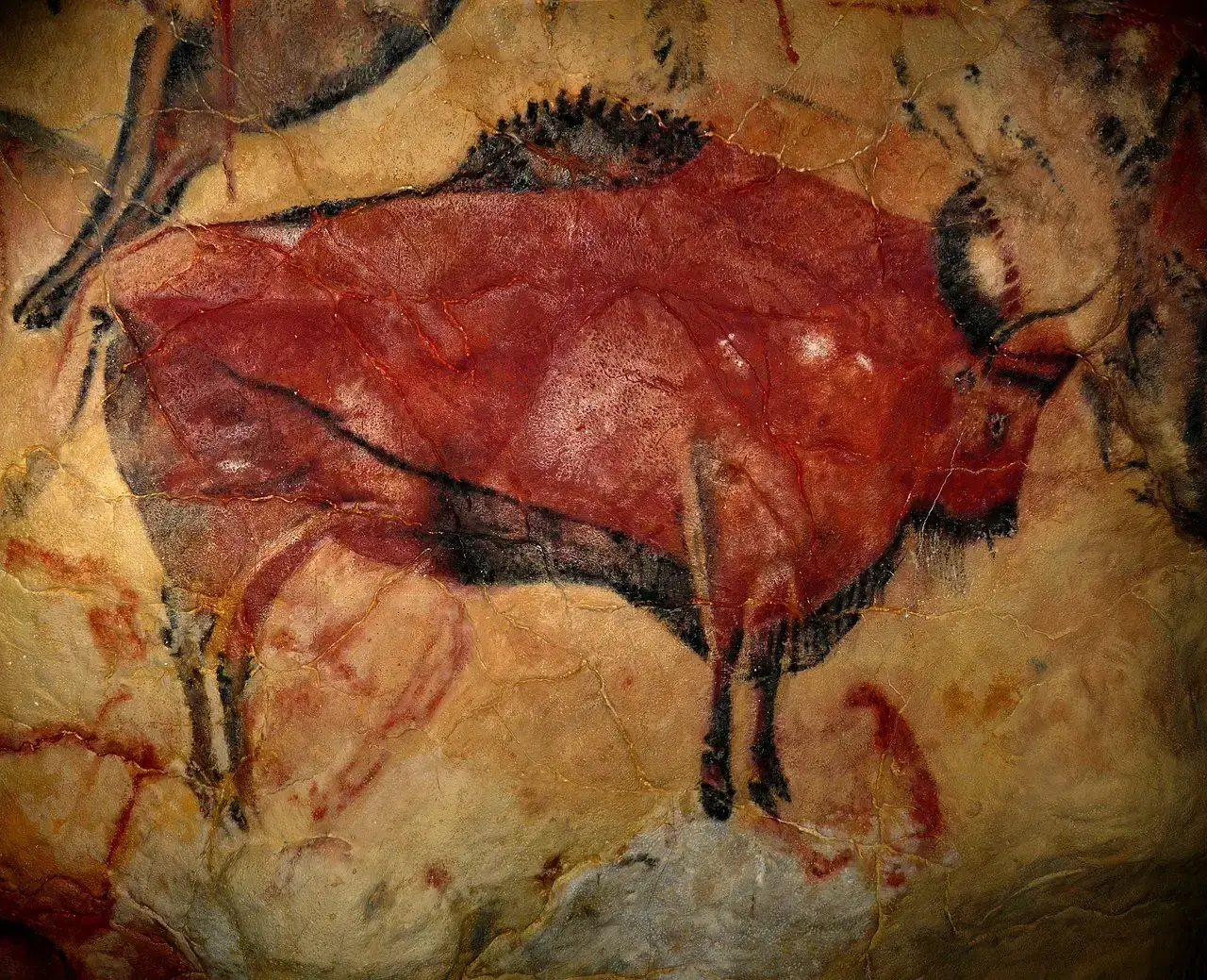
There is also a very simple, very human reason these effects work: our brains are wired to over-detect motion, especially in low light. From an evolutionary standpoint, seeing a moving animal where there is none is far less dangerous than missing a real predator. In dim, flickering conditions, our visual system fills in gaps, connects flashes, and exaggerates small changes. That means a faint shift in shadow across a painted flank can be registered as a twitch of muscle, or a flicker on repeated leg outlines can read as a step forward.
Modern experiments with strobe lights, campfires, and uneven surfaces show that people today still fall for these illusions easily. You do not need special training or belief; your brain does the hard work for you. Paleolithic artists, living their whole lives around fire and natural rock, would have known this at a gut level. They did not need neuroscience to notice that certain lines “came alive” at night. In a way, their art is a collaboration with the quirks of human perception, turning a simple flame into a low-tech animation engine long before anyone could articulate why it worked.
Evidence from Replicas, Experiments, and New Technologies
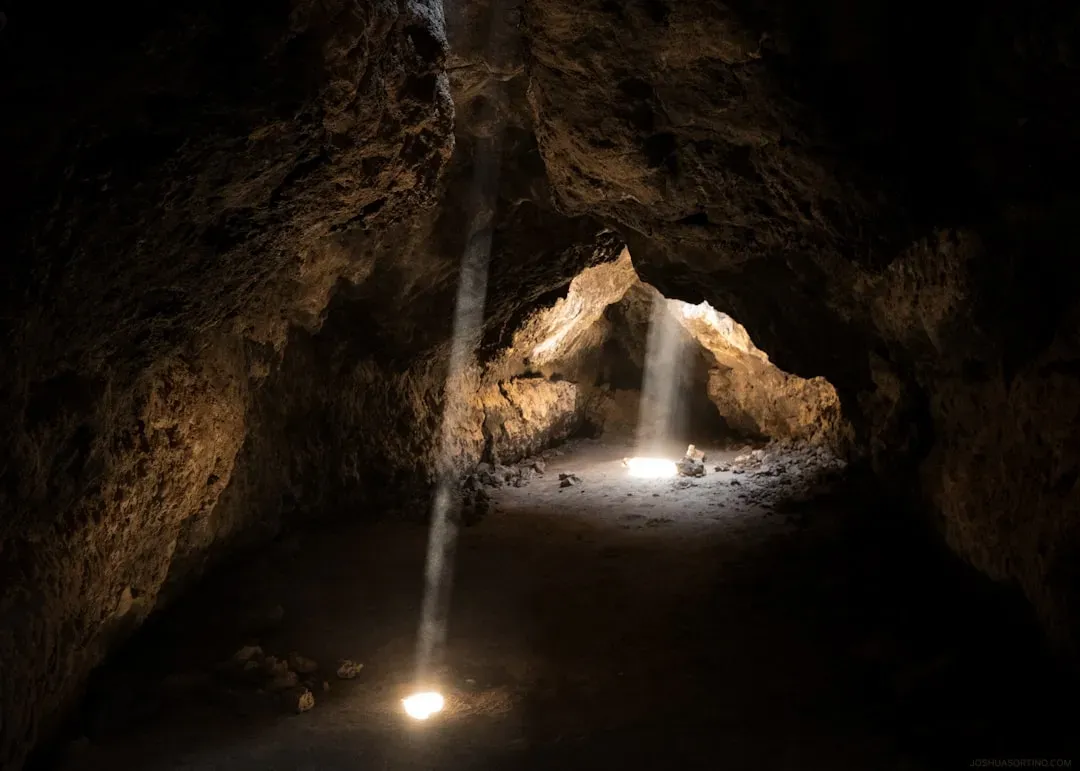
One of the reasons this firelight hypothesis is gaining traction now is that researchers are finally trying to see the art the way prehistoric people did. Instead of just photographing caves with bright electric lamps, teams are bringing in replicas of ancient lamps, burning animal fat or resin, and filming the walls as the light dances. In some cases, shapes that look static under modern lighting suddenly appear to undulate or shift, confirming that at least some compositions behave very differently under period-accurate conditions. It is like switching from a frozen screenshot to a low-frame-rate video.
Digital tools are also helping. Three-dimensional scans of cave walls allow scientists to simulate different light sources and directions on a computer, testing how outlines and relief interact under varying flicker patterns. When multiple independent teams find that specific placements and outlines produce consistent motion-like effects, it strengthens the argument that the original artists could have noticed and exploited the same thing. We are still far from proving intention in every case, but the more the evidence stacks up, the harder it is to treat these paintings as mere flat pictures instead of sophisticated experiments in light and space.
What This Changes About How We See “Primitive” Art
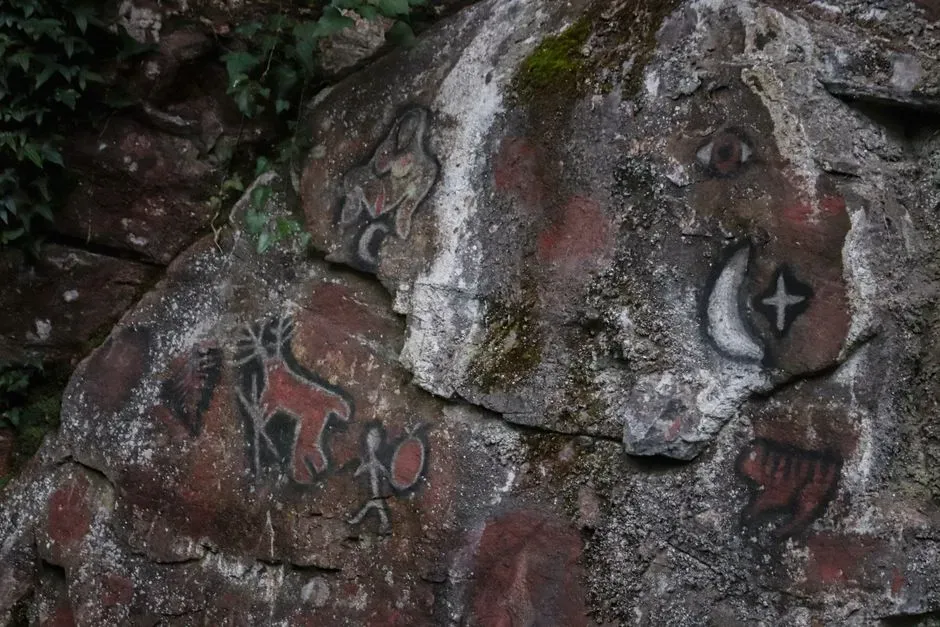
If you grew up seeing textbook photos of cave paintings, it is easy to think of them as beautiful but simple: static scenes of animals, frozen on stone. The firelight interpretation challenges that comfortingly tidy view. It suggests that people tens of thousands of years ago understood, at least intuitively, how to manipulate light, surface, and perception to create immersive experiences. That is not a minor tweak; it positions them as innovators in visual storytelling, not just talented copyists of the natural world. Calling them “primitive” starts to sound more like our own lack of imagination than an accurate description.
I find this shift oddly humbling. We like to imagine a straight upward line from the past to us: they were basic, we are complex. But if a Paleolithic artist could walk into a modern cinema or VR installation, they might be more at home than we expect. They were already playing with frame-like sequences, environmental sound, and controlled lighting, just with stone, flame, and pigment instead of pixels and projectors. Seeing their work as deliberate, perceptually savvy, and maybe even conceptually experimental restores a level of respect that our flat, flash-lit photographs have quietly eroded.
Why the Idea of “Breathing Walls” Resonates With Us Today
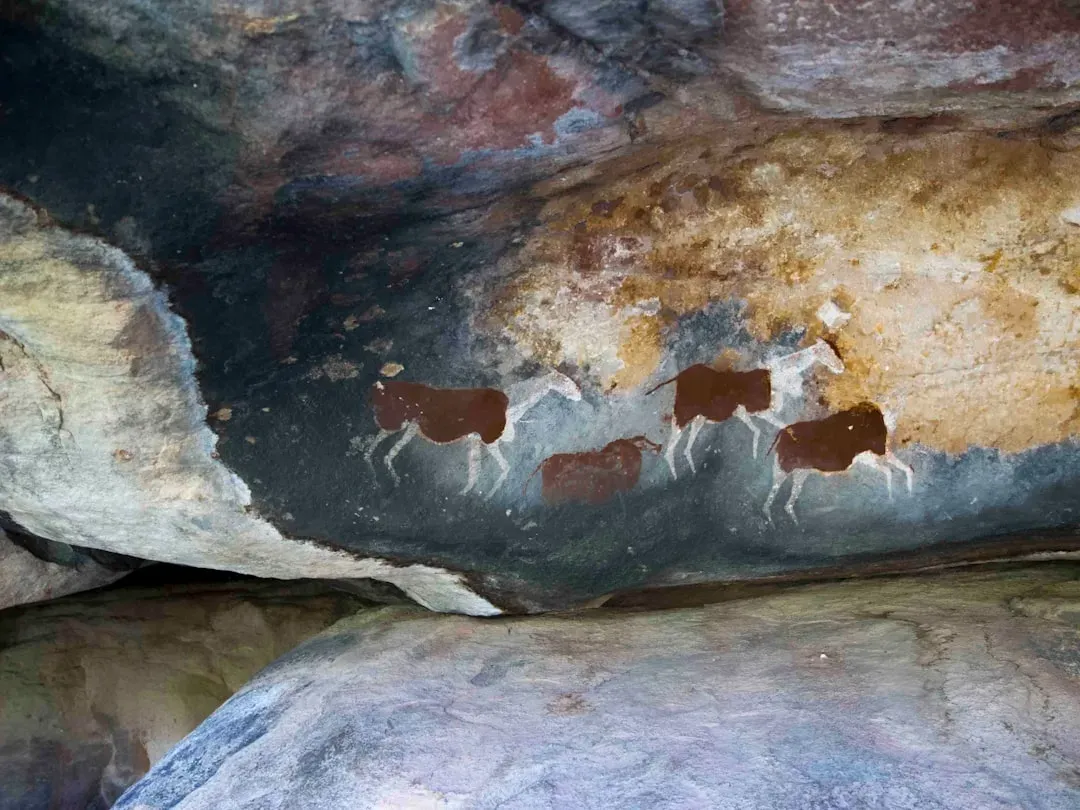
There is a reason this notion of animals breathing on cave walls feels so haunting in the age of digital everything. We are used to motion being tied to technology: screens, electricity, complex machines. The idea that a simple hand-held flame and a clever use of rock could make art seem to move feels both alien and deeply reassuring. It reminds us that the desire to blur the line between image and life is old, and that you do not need advanced gear to tap into that desire. A dark room, a wavering light, and a surface will do the trick, just as they did thousands of generations ago.
On a personal level, I think that is why cave art keeps gripping our imagination. It is not just about age or mystery; it is about contact. When you stand in front of those painted animals, knowing they were likely meant to be seen in motion, you are basically stepping into someone else’s carefully crafted visual experience. You are sharing a very old, very human impulse: to gather in the dark, tell stories with images, and feel for a moment that the world is fuller and stranger than what you see by day. For all our streaming platforms and VR headsets, that core feeling has not changed much at all.
Conclusion: Ancient Special Effects and Our Underestimated Ancestors
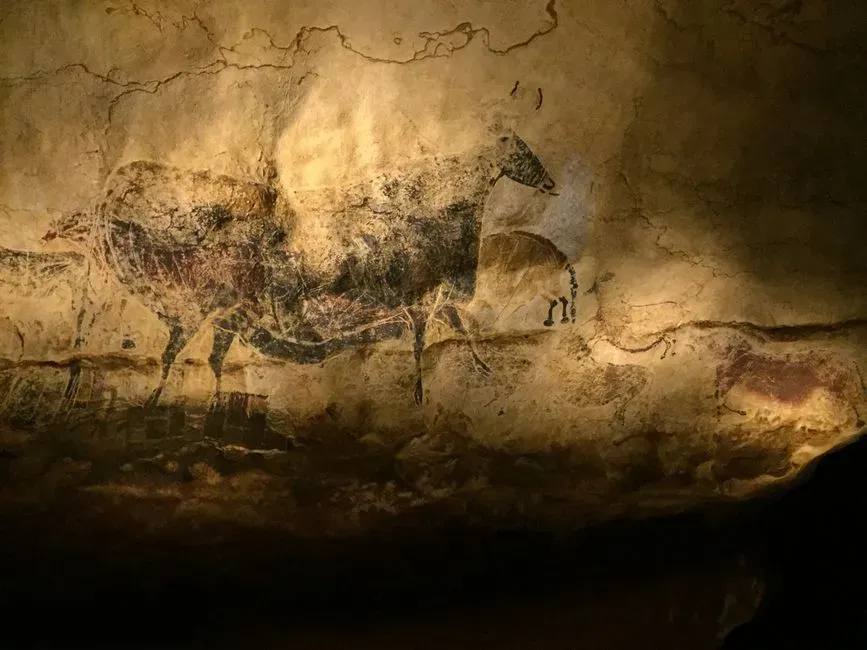
When you put all of this together, the most reasonable conclusion, in my view, is that many cave painters were not just making animal portraits; they were staging moving scenes in collaboration with firelight. Does that mean every extra leg or odd contour was a calculated “animation frame”? Probably not. But the recurring use of bulges, cracks, deep darkness, and overlapping outlines strongly suggests an intentional search for life on the wall, not a happy accident. To downplay that now would be to cling to an outdated, condescending picture of our ancestors that the evidence no longer supports.
Personally, I think we should lean into the bolder interpretation: that at least some Paleolithic artists were visual experimenters and special-effects designers, fully aware that their animals would seem to breathe when flames danced. That does not turn caves into cinemas in the modern sense, but it does put them in the same broad family of human attempts to make images move and matter. The next time you see a photo of a bison from Lascaux or a horse from Chauvet, it might be worth asking yourself: if this looks impressive even under flat lighting on a page, how much more powerful was it when the only light was a trembling, living fire?