
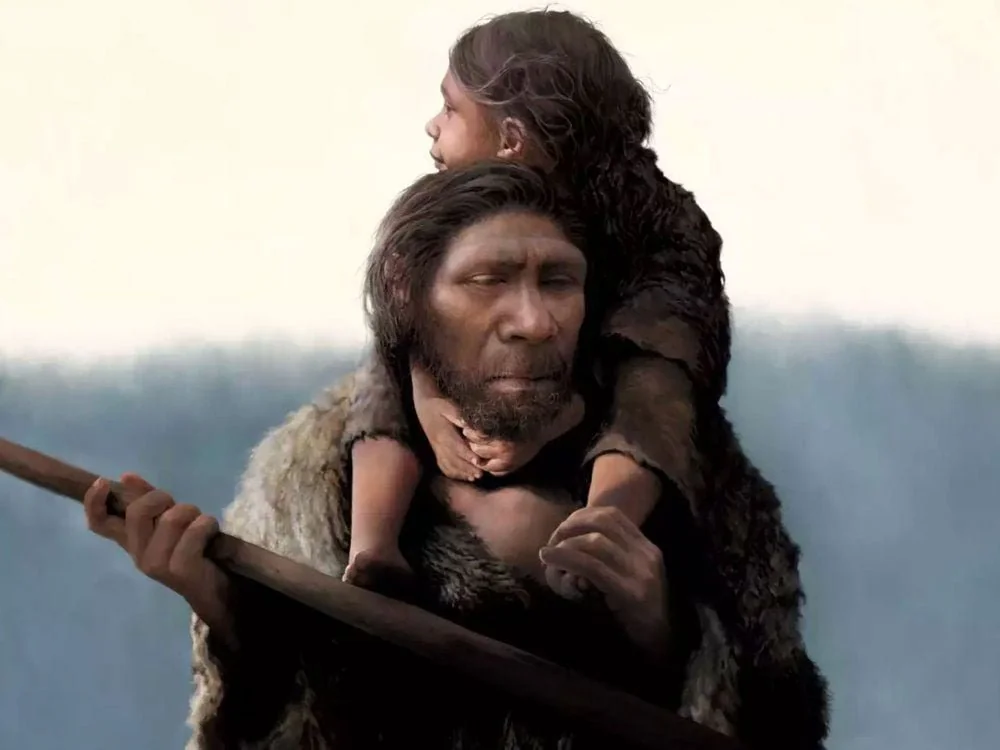
Imagine a freezing Ice Age evening: scarce food, dangerous predators, brutal terrain. In that kind of world, you would expect every action to be ruthlessly calculated for survival. Yet the bones Neanderthals left behind tell a quieter, stranger story: individuals so badly injured or disabled they could not have lived alone, who somehow survived for years. Someone fed them, sheltered them, and stuck around when there was nothing obvious to gain.
This is where prehistoric science gets unexpectedly emotional. Far from the tired stereotype of Neanderthals as violent brutes, the archaeological record reveals a species capable of long-term care, patience, and what looks very much like compassion. It is not a Hollywood fantasy; it is written in fractures that healed, joints that fused, and elders who lived beyond their prime. The big question is why this happened in an unforgiving world where helping those who could not easily hunt or move might actually be a burden. That tension is exactly what makes this topic so fascinating.
The Fossil Clues: Broken Bones That Tell a Different Story
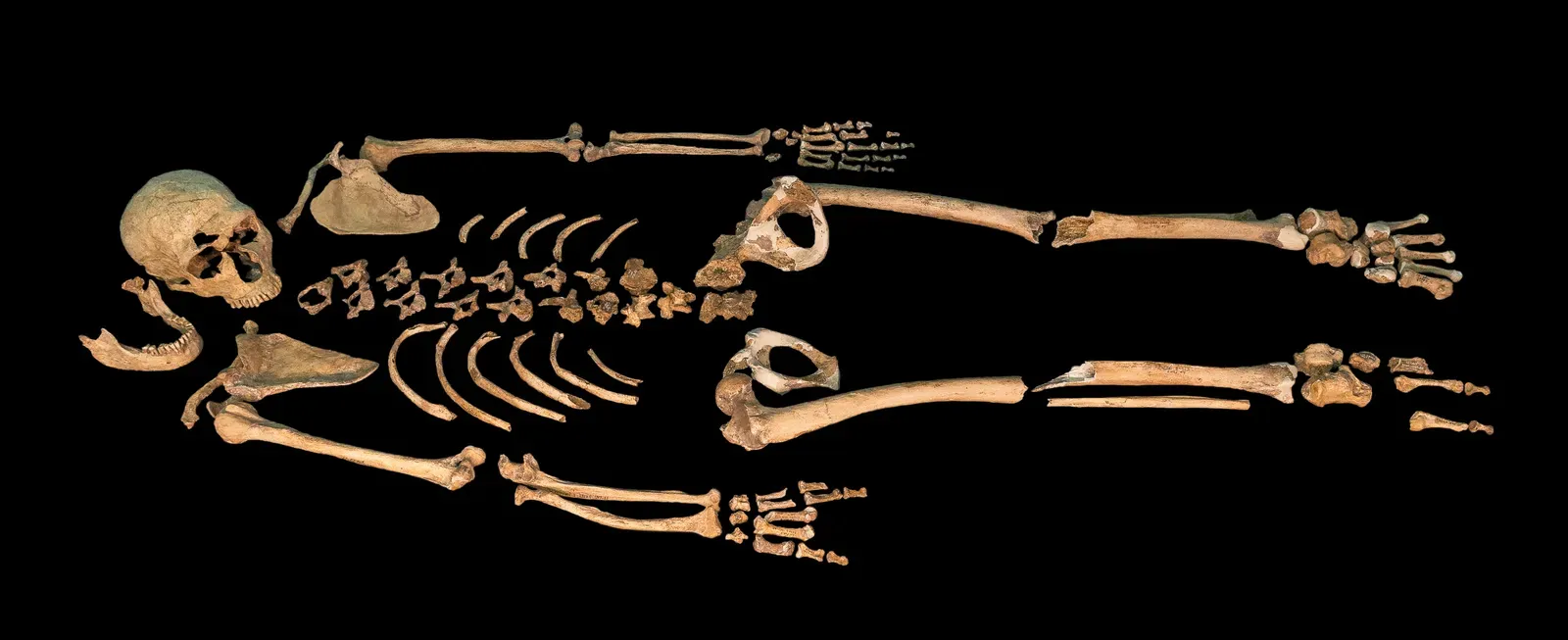
The most powerful evidence for Neanderthal caregiving is not a dramatic artifact or a grand cave painting; it is bones that should not have healed as well as they did. Anthropologists have found Neanderthal skeletons with crushed limbs, damaged spines, and severe joint disease that show clear signs of long-term healing. These injuries would have made hunting, gathering, or even walking nearly impossible for long stretches of time. Yet the individuals did not die immediately; they lived on, sometimes for years, long enough for their bodies to remodel broken tissue.
To survive like that in a harsh Ice Age environment, these people almost certainly needed help. Food had to be brought to them, shelters arranged so they were not exposed, fires maintained they could benefit from, and sometimes they probably had to be physically carried or supported. That is not the kind of thing you can fake in the fossil record; healing at this scale is a biological receipt for sustained care. It suggests that Neanderthal groups tolerated, and even supported, members who were temporarily or permanently less “useful” in a narrow survival sense, which already complicates any idea that they lived by strict, ruthless efficiency alone.
Caring for the Elderly in a Short, Dangerous Life
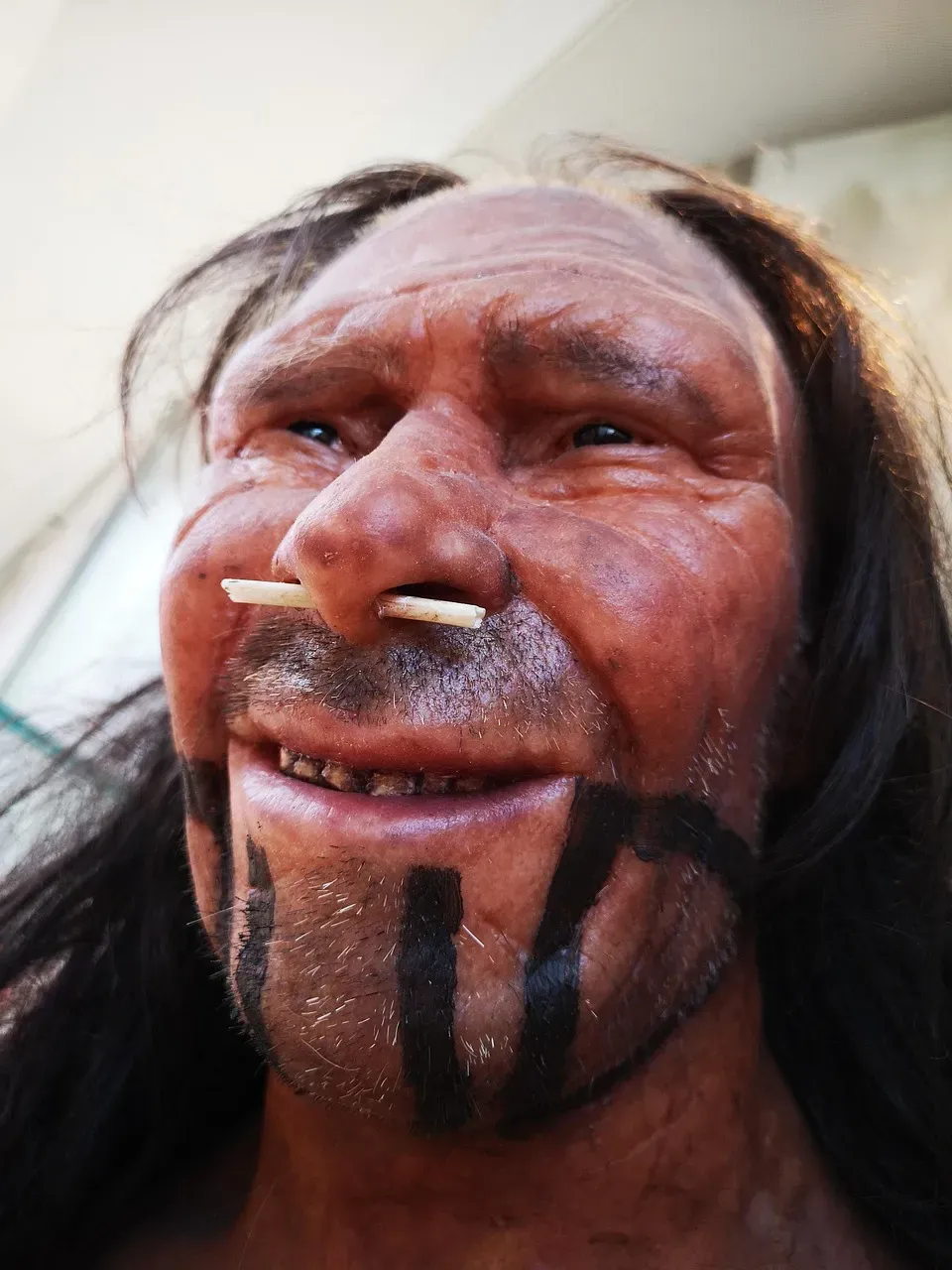
Neanderthal life was not gentle, and it certainly was not long by modern standards. Even so, some Neanderthal skeletons show wear-and-tear patterns you would expect to see in older adults: worn teeth, arthritic joints, and bones shaped by decades of physical strain. The presence of these older individuals is striking in itself. In a world of cold climates and dangerous hunts, reaching older age likely required more than personal toughness; it hints at social protection. At some point, strength and speed decline, yet these elders remained in the group long enough to leave their mark on the fossil record.
Taking care of older group members might not have produced an immediate payoff in calories or protection, but it may have offered something quieter and harder to measure: accumulated knowledge. Elders could have remembered where seasonal resources were found, how to knap certain stone tools, or how to read subtle signs in the weather and animal behavior. Even if we cannot prove every detail, it is reasonable to think that experience held value. Still, the fact that they were not simply abandoned at the first sign of frailty points toward a social logic that made room for more than brute survival. There was space, however limited, for loyalty and long-term bonds.
Was Neanderthal Compassion Truly “Costly” in Evolutionary Terms?
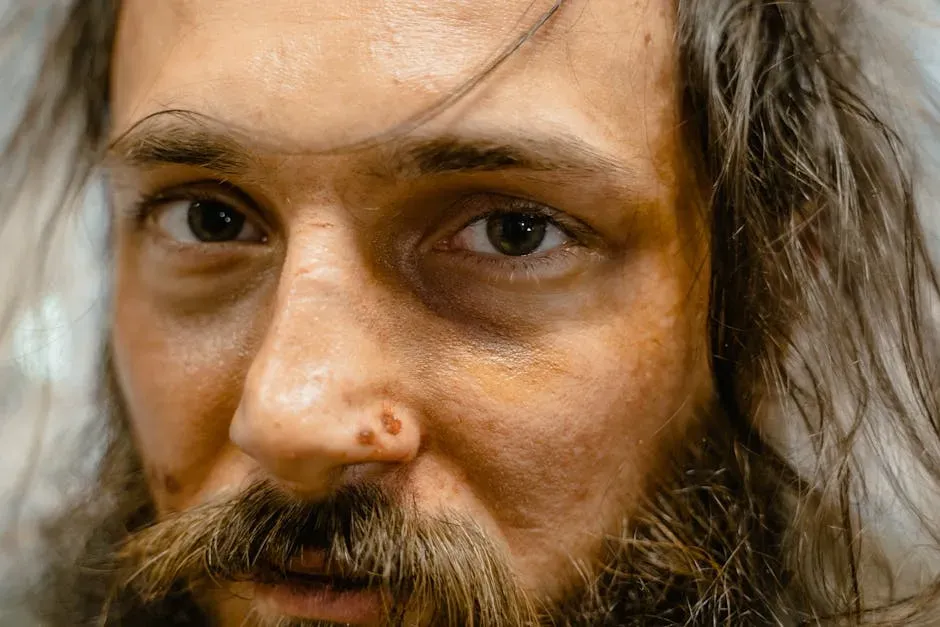
At first glance, caring for injured or elderly individuals in a small, vulnerable group looks like a terrible survival strategy. Every mouth that cannot hunt or gather requires others to share food, carry extra weight, and adapt their movements, which could increase risk for everyone. That is why scientists sometimes describe such behavior as seemingly lacking an obvious survival advantage. It is not that evolution magically rewards kindness; it is that any behavior must, in some way, avoid being a net disaster for the group over time. The puzzle with Neanderthals is that, on the surface, this level of care looks like it should have been too expensive.
However, evolutionary dynamics can be subtle. Helping an injured hunter recover might eventually restore a valuable group member. Supporting kin increases the chances that shared genes survive, even if the help is not repaid directly. A cohesive group that cares for its weakest links may be more stable under stress, less likely to fracture when things go wrong. In that sense, behaviors that feel compassionate to us could still fit within a broader survival framework, even if the advantage is indirect or delayed. The fascinating part is that the fossils show sustained care even when someone likely would never return to full strength, suggesting that Neanderthals sometimes went beyond what a strictly cold calculation would demand.
Emotion, Attachment, and the Seeds of Human-Like Empathy
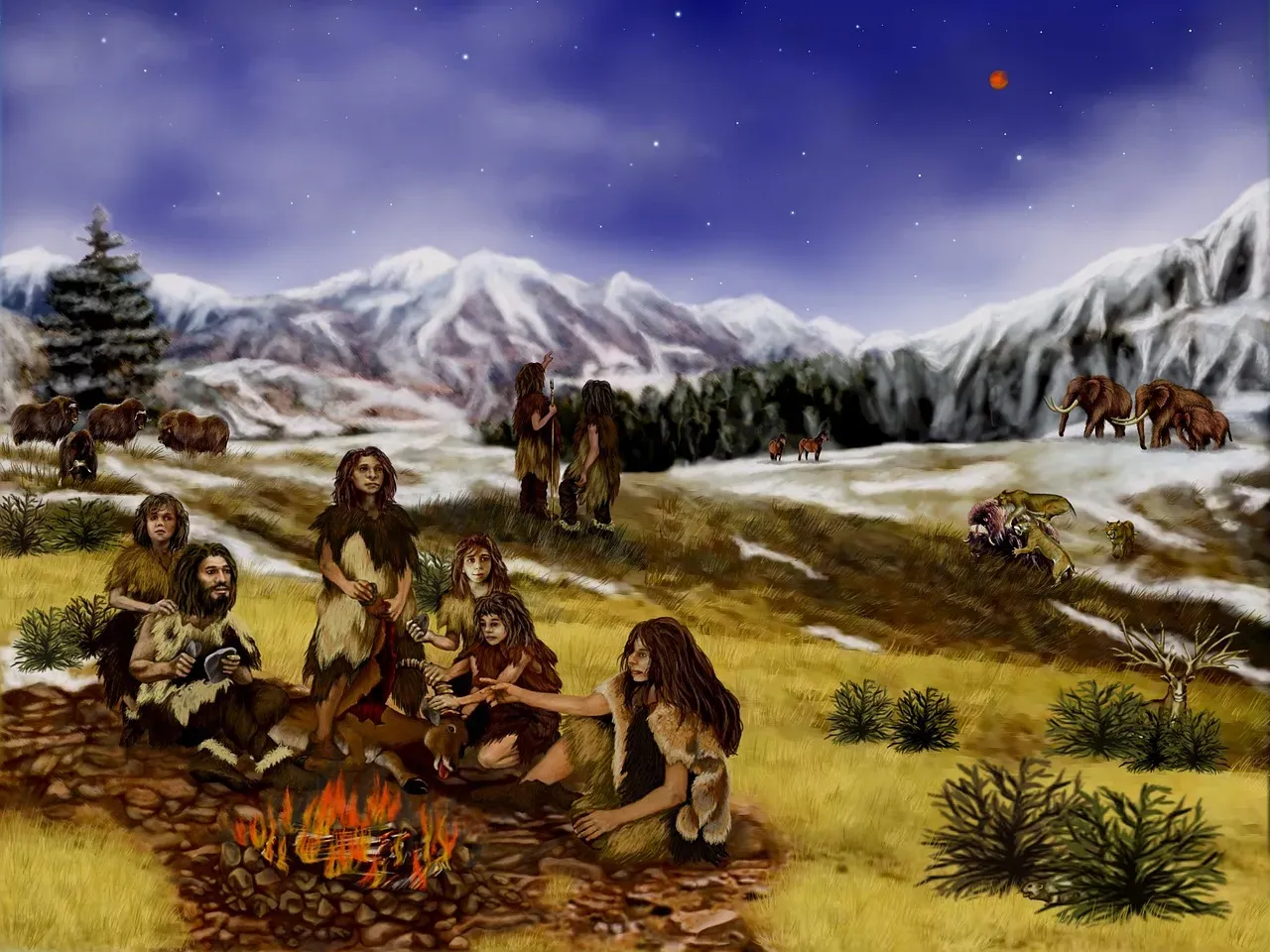
We cannot climb into a Neanderthal mind, but we can look at patterns of behavior and ask what kind of emotional life would make them likely. Repeated evidence of long-term care for injured individuals suggests these were not one-off acts of convenience. It looks more like a social norm: when one of “ours” is hurt, we do not leave them. That feeling of “ours” is the core of empathy and attachment. It is hard to imagine this level of support existing in a purely indifferent emotional landscape. More likely, Neanderthals felt bonds that made it emotionally painful to abandon a companion who had hunted beside them for years.
Modern humans often treat compassion as something special, almost uniquely ours, but the Neanderthal record quietly challenges that. If they comforted a wounded group member, shared food with someone who could no longer run, or tended fires so an elder did not freeze, those behaviors land squarely in what we would call care. The details of their inner feelings will always be partly out of reach, but the outcomes are visible in the bones. In my view, it is far more reasonable to see these actions as grounded in genuine attachment than in some rigid, mechanical instinct. That makes Neanderthals feel less like distant “others” and more like another version of us that the planet once tried out.
Rethinking the “Brutish” Neanderthal Stereotype
Popular culture has done Neanderthals no favors. For decades, they have been portrayed as clumsy, violent, and barely thinking, a foil against which modern humans shine as the clever, compassionate heroes. But the ongoing work of paleoanthropology steadily undercuts that caricature. Evidence of sophisticated stone tools, possible symbolic behavior, and complex hunting strategies is now paired with signs of social care and long-term support for vulnerable members. These threads woven together portray a species with depth, not a one-note caricature from an old cartoon.
This shift in understanding matters because the way we imagine Neanderthals often reflects how we think about ourselves. If we insist that compassion is uniquely modern and civilized, we risk ignoring how deeply rooted it might be in our shared evolutionary history. Seeing Neanderthals as capable of kindness, loyalty, and patience forces us to admit that humanity’s emotional palette is older and wider than we wanted to believe. Personally, I find that both humbling and strangely comforting: the urge to care might be less a cultural ornament and more a primal thread stitched into our species long before written history.
What Neanderthal Compassion Says About Us Today
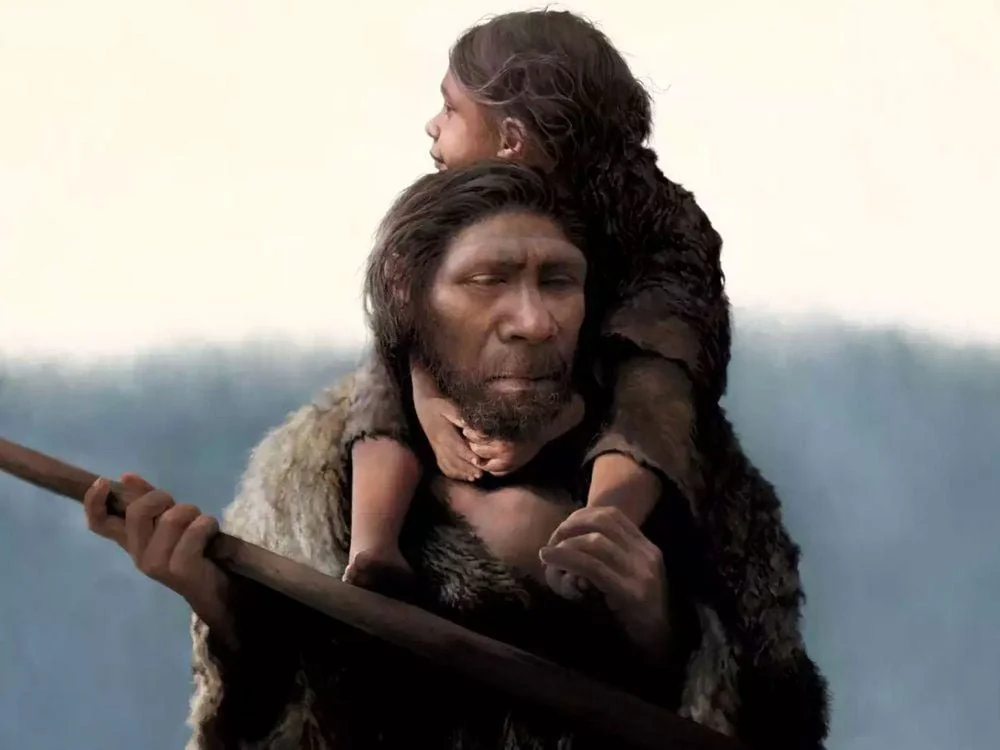
In a modern world obsessed with productivity, efficiency, and measurable outcomes, it is striking that some of our close evolutionary cousins invested time and energy in individuals who, on paper, offered little obvious return. Their choices, as preserved in bone and burial, quietly challenge our instinct to reduce everything to cost-benefit analysis. If a Neanderthal group could haul a disabled companion across rugged terrain or share limited food with an ailing elder, what does that say about our reluctance to support people who no longer fit our economic ideals of usefulness?
My own opinion is that Neanderthal caregiving is not a sentimental side note to prehistory; it is a pointed mirror held up to us. It suggests that compassion is not a luxury that appears only in comfort and abundance, but a stubborn, ancient behavior that emerges even when life is on a knife-edge. That does not mean every Neanderthal was kind or that their societies were gentle utopias, but it does mean the capacity to care in the absence of obvious reward is not uniquely modern. If anything, the real question is whether we, with all our technology and safety nets, are living up to the emotional standard that a band of Ice Age Neanderthals quietly set long ago. Did you expect that?