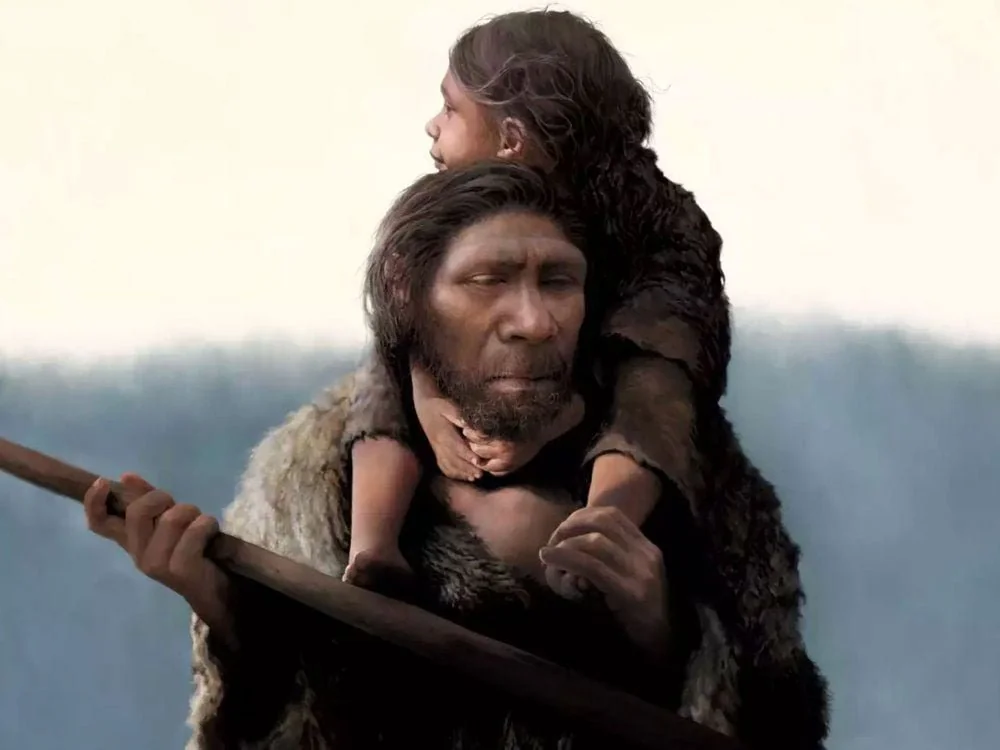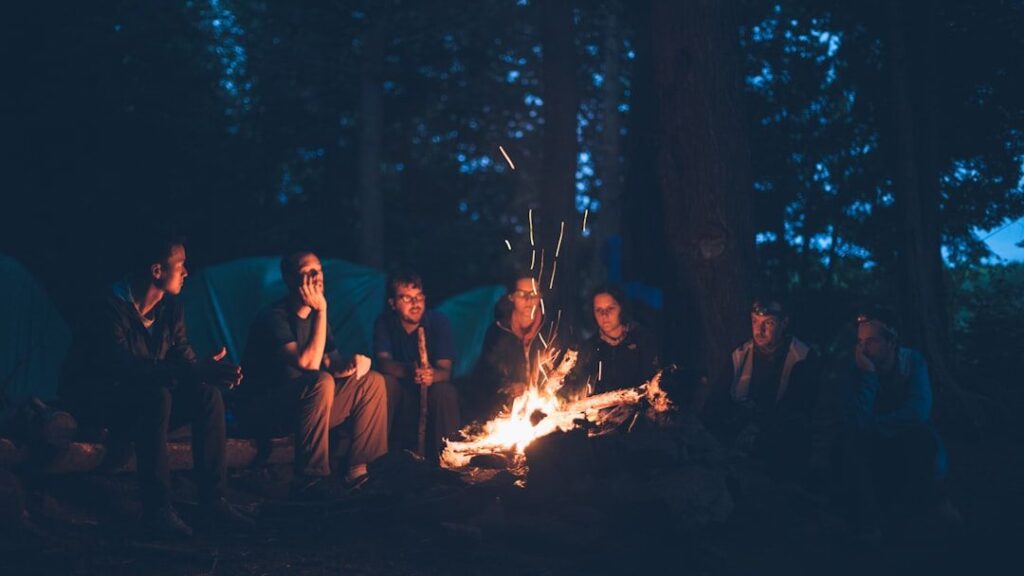
Picture this: a circle of people, the snap of burning wood, shadows moving on rock walls, and a voice carrying a story into the dark. No screens, no microphones, no written scripts – just breath, firelight, and listening. Long before there were cities, money, or even agriculture, there is solid evidence that humans were gathering at night around fires and talking, singing, and sharing tales.
Anthropologists increasingly see this simple scene not as a bit of prehistoric ambience, but as one of our earliest “technologies” for engineering trust. Firelight plus storytelling worked a bit like a social operating system: it shaped who we believed, who we helped, and who we followed. When you look at it that way, our Netflix nights and podcast binges start to feel like echoes of something far more ancient and powerful.
The Night Fire as Humanity’s First Social Tool
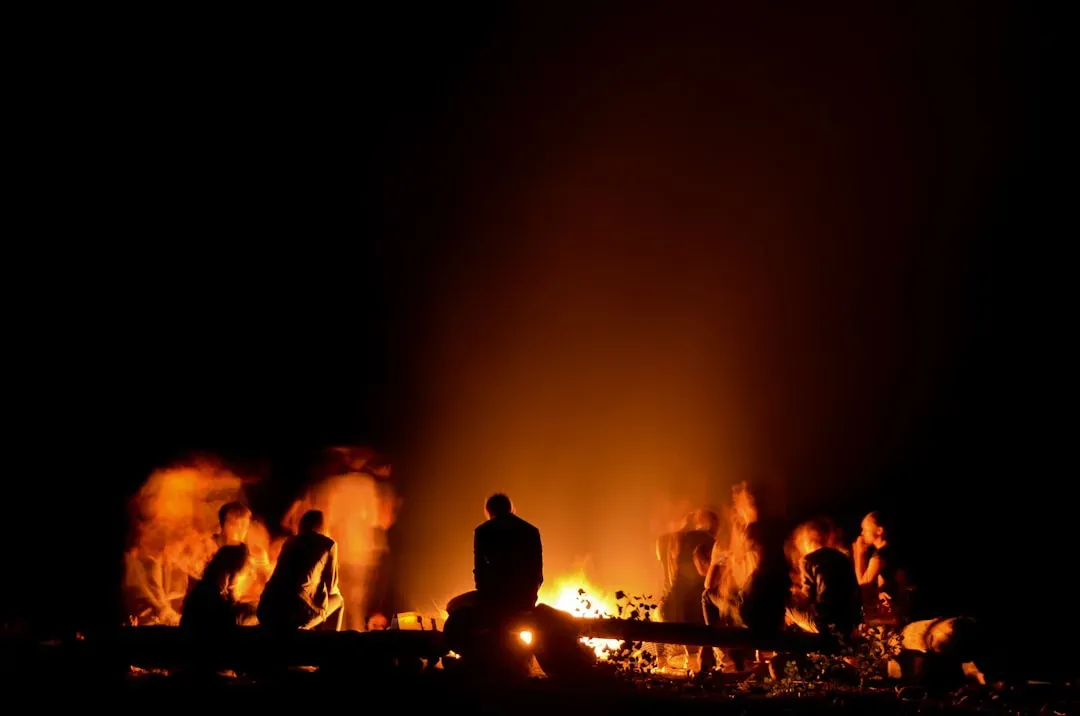
It sounds almost too poetic to be true, but the idea that campfire storytelling is a core human technology is grounded in real archaeological and anthropological work. Controlled use of fire appears in the human record hundreds of thousands of years ago, and there are strong indications that evening gatherings around flames became a repeating social pattern, not just a way to cook meat or stay warm. Once fire pushed back the darkness, it also created a new kind of time: hours where people were not hunting or foraging, but sitting, looking at one another, and talking.
Anthropologists who study contemporary hunter‑gatherer groups have found that daytime talk is often about practical matters – food, territory, conflicts – while nighttime firelight talk skews toward stories, myths, jokes, and shared memories. That shift matters. It suggests that the night fire was not just a random hangout, but a recurring ritual space where groups rehearsed shared values and identities. If you imagine early humans trying to survive in harsh environments, the need for reliable cooperation was life or death. Around the fire, storytelling became a low-cost, high-impact way to signal: “I am part of this ‘we’ – you can trust me.”
Why Firelight Changes How We Listen and Bond
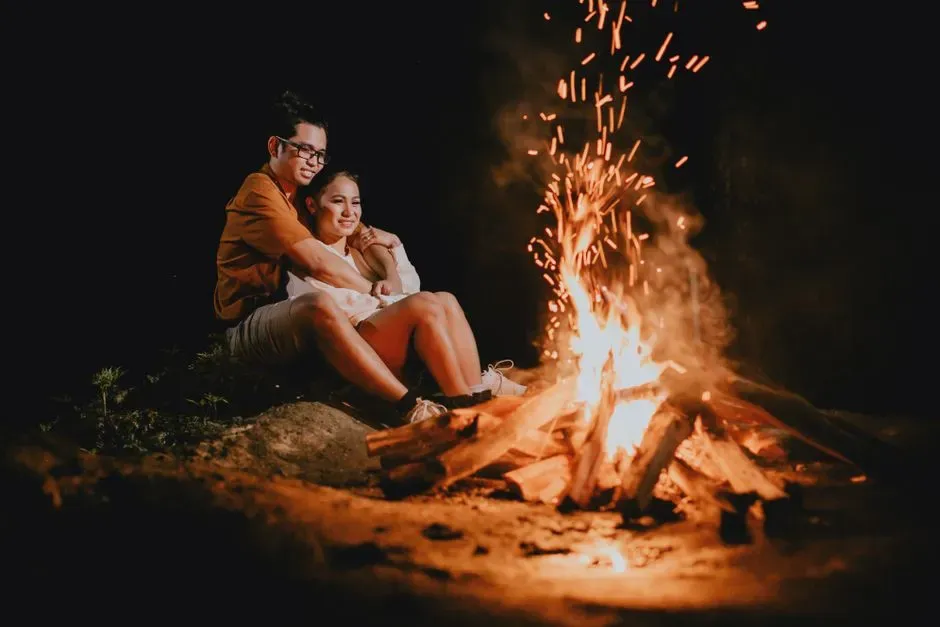
Anyone who has stared into a campfire knows it does something weird to your brain. The light is dim, flickering, and hypnotic. It quiets you down, pulls your gaze toward the center of the group, and muffles the rest of the world. From a psychological perspective, that environment is almost custom‑built to encourage intimacy and vulnerability. You see fewer distractions, you feel physically closer to others, and your nervous system starts to settle; all of that makes it easier to share, confess, and open up.
Some researchers have proposed that relaxed, rhythmic firelight settings encourage a kind of “social trance,” where heart rates slow and people synchronize their attention on a single storyteller. In modern experiments, people sitting around simulated fires with soft light and crackling sounds have been found to display lowered blood pressure and longer spans of quiet attention. That biobehavioral shift matters: when people are calm and fully tuned in, stories sink deeper, empathy ramps up, and small, sincere signals of trust – a laugh, a nod, a pause – get noticed and remembered.
Storytelling as an Ancient Trust‑Building Technology
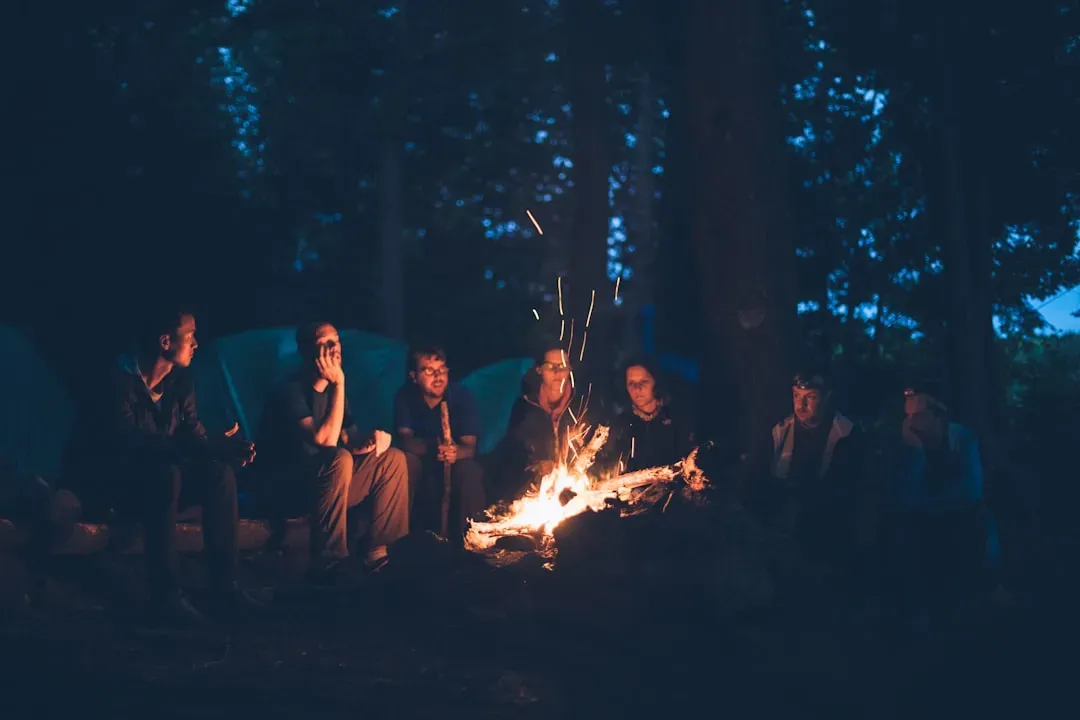
When anthropologists call storytelling a technology, they do not mean it in the sense of metal or microchips. They mean it as a repeatable human invention that solves a problem. Our problem, even in the Pleistocene, was coordinating large, fragile groups of clever, occasionally selfish primates. Stories allowed people to share lessons about danger, loyalty, betrayal, and generosity without everyone needing to learn those lessons the hard way. A cautionary tale about a greedy hunter is cheaper than watching the group starve because he hoarded meat.
Crucially, storytelling is not just about transferring information; it is about revealing character. How someone tells a story – whether they center themselves, how they describe others, what emotions they emphasize – exposes their values. Over many nights, a group can quietly track who tends to be fair, who admits mistakes, who exaggerates, and who consistently defends the group’s norms. In that sense, the campfire story is like an early, analog version of a reputation system. Before there were ratings, contracts, or digital profiles, people listened to your stories and decided: “Is this someone I want to sleep next to, hunt with, and trust with my back?”
From Hunter‑Gatherer Circles to Modern Group Chats

It is tempting to treat firelit storytelling as something “primitive” that we have grown beyond, but if you strip away the aesthetics, we are doing the same thing today with different tools. That group chat where friends share memes late at night, the after‑work drinks where coworkers trade war stories, the online fandom that spins shared narratives around a show – these are all fireside circles without the flames. The medium has changed, but the function feels eerily familiar: people use shared stories to test loyalty, signal belonging, and decide who they really trust.
What technology keeps adding is range and speed, not necessarily warmth. A story that once moved through twenty people over many nights can now reach millions in an hour, which is both amazing and destabilizing. What we lose, often, is the physical co-presence, the subtle cues of breathing and body language that make trust more grounded. I notice in my own life that I feel closer to someone after a single deep, late-night in‑person conversation than after months of shallow online exchanges. On some level, my brain still seems wired for the circle around the fire, not the endless scroll.
How Stories Shape Group Identity and Moral Codes
One of the biggest reasons anthropologists take fireside storytelling seriously is because it appears to be a key engine for creating shared identity. Origin stories, tales about ancestors, and dramatic accounts of past crises tell people who “we” are and what “we” do when things get hard. In small-scale societies, these stories often explain not just the world but also the rules: why you share meat in a certain way, why you marry out of your group or within it, why certain places are sacred or off-limits.
When these tales are told repeatedly in the same physical setting – the same clearing, the same cave, the same familiar patch of ground near the fire – they become emotionally sticky. The moral is not coming from a rule-book; it is emerging from the shared experience of listening together and feeling the same chills at the same moments. That shared emotional reaction becomes its own kind of evidence: if you and I both feel moved when we hear about an ancestor who sacrificed for the group, it reinforces the idea that sacrifice is what good people like us do. Over time, those shared reactions help transform fragile bands of individuals into tightly woven communities with their own codes of honor.
Trust, Gossip, and the Dark Side of the Fire
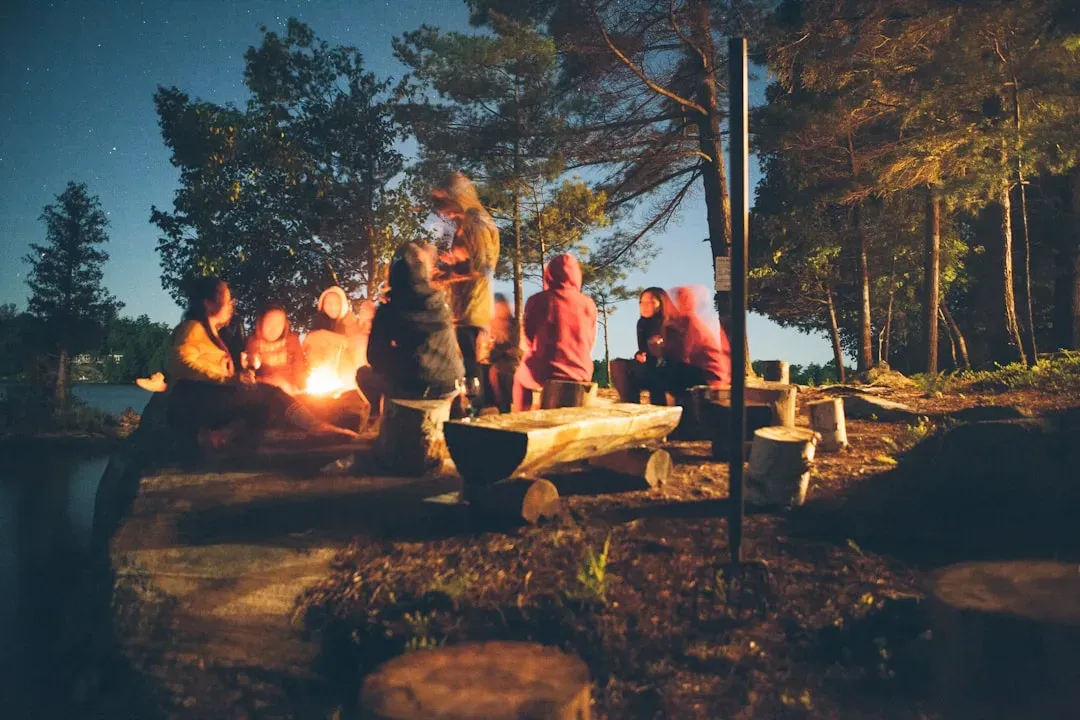
To be honest, the fire circle was never all noble myths and heartwarming lessons. Trust-building always has a shadow side. The same space that binds a group together can also be used to target outsiders, spread rumors, and police behavior in harsh or unfair ways. Gossip, in particular, seems to have been a powerful tool around the fire. Telling stories about who cheated, who lied, or who shirked their duties could protect the group, but it could also destroy reputations based on partial truths or personal grudges.
Anthropologists argue that gossip serves a critical evolutionary role: it gives people information about others’ reliability without each person having to experience betrayal directly. But as anyone who has attended a toxic staff retreat or family gathering knows, it can spiral. The line between “collective intelligence about trust” and “collective cruelty” is thin. In that sense, the campfire as technology is morally neutral; it amplifies whatever values the group already holds. If the group prizes fairness and second chances, the stories will reflect that. If it thrives on scapegoats, those same flames will light up witch-hunts.
What Sitting Around a Fire Can Still Teach Us Today
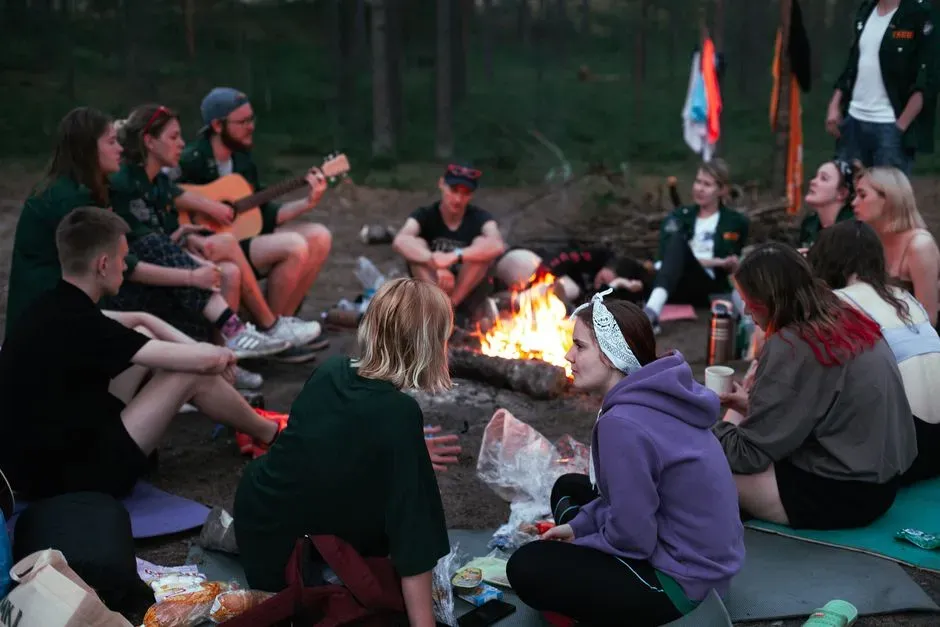
The idea that our oldest trust‑building technology is a circle of people in the dark telling stories is oddly comforting. It suggests that underneath all the complexities of modern life, our needs are still surprisingly simple: we want to be seen, heard, and believed by a small group of others. Even today, some of the most transformative experiences people describe – a late-night talk on a road trip, an honest conversation at a retreat, a shared vigil after a crisis – look a lot like updated versions of the ancestral fire circle.
I think that is why many of us instinctively crave small, intentional gatherings in a world of giant platforms and loud feeds. We may enjoy the spectacle of mass media, but we seem to build real trust in slow, local, fire-like settings: book clubs, game nights, outdoor camping trips, support groups, or even unplugged dinners where phones stay in another room. Those moments remind us that technology is at its best when it respects our old wiring instead of fighting it. When we lean into that – when we deliberately design spaces where stories can be shared in safety and depth – we are not being nostalgic. We are tapping into the oldest and maybe still the smartest social technology our species ever invented.
Conclusion: The Oldest Technology We Keep Trying to Reboot
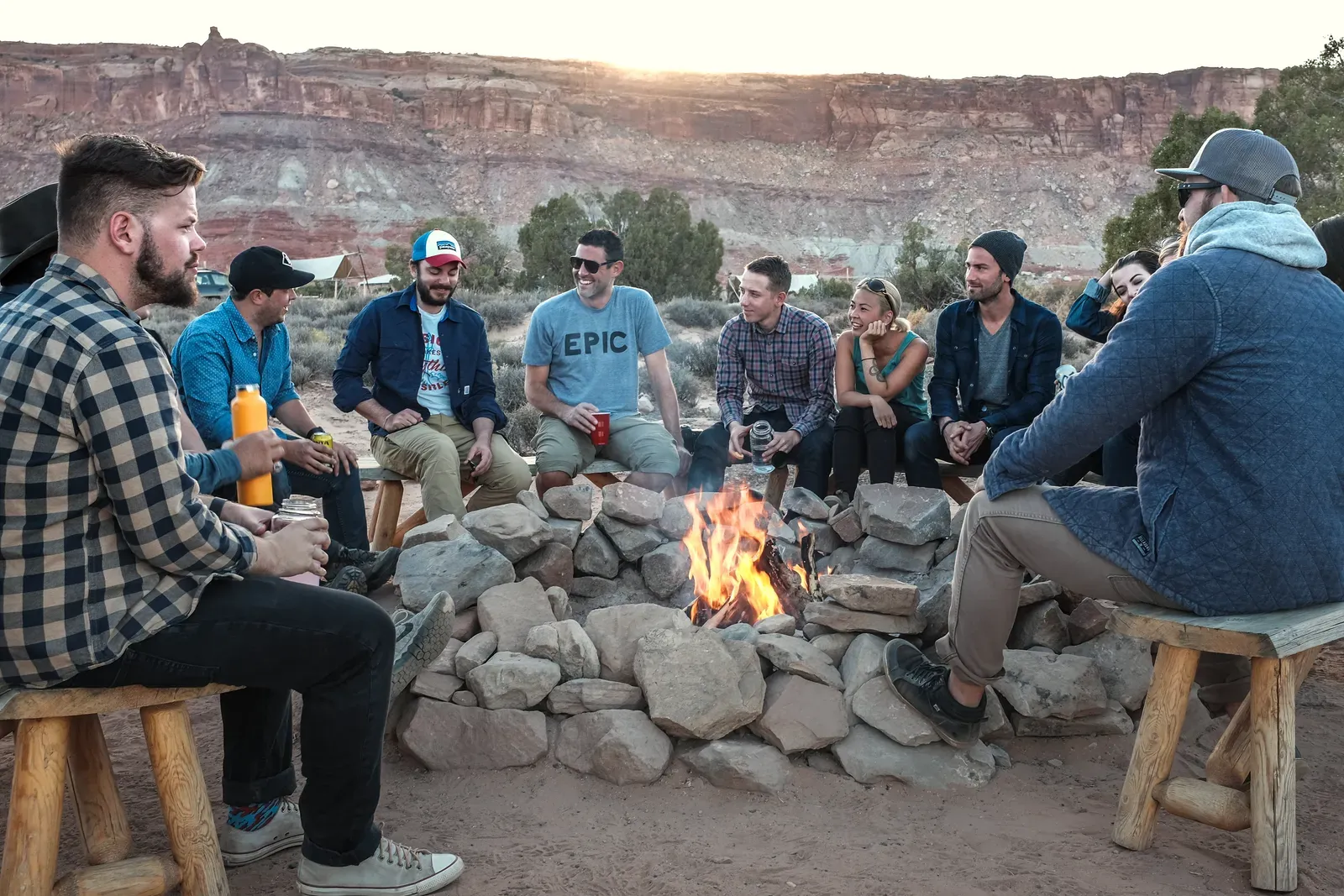
If you strip away the romance, the claim that fireside storytelling is our earliest trust‑building technology feels less like a metaphor and more like a diagnosis of who we are. Long before we built walls, empires, or networks, we built circles of light in the dark and used them to decide who was “us.” We layered those circles with narrative, memory, and emotion until trust went from being a gamble to being a shared story we told about one another.
In my view, every new communication platform is basically a clumsy attempt to recreate that feeling at scale – that sense of being held in a small pool of light with people who know you. Some tools get closer than others, but none quite match a handful of humans, a bit of darkness, and a story that makes everyone fall silent at the same time. Maybe the real mark of progress is not how far we can fling our voices, but how often we can still create those little campsites of trust in our daily lives. When you think about the future of connection, which matters more to you: a bigger audience, or a warmer fire?