Here’s the uncomfortable truth about the most beloved dinosaur movie ever made: Jurassic Park didn’t just stretch the science – it replaced it. The 1993 film consulted real palaeontologists, used state-of-the-art effects, and still managed to cement a version of prehistory that experts have spent three decades quietly, desperately trying to walk back. It got the wonder right. It got almost everything else wrong.
The damage isn’t just academic. Jurassic Park became the reference point – for toys, textbooks, Halloween costumes, and the mental image that snaps into place the moment someone says “dinosaur.” Some of these errors were understandable for 1993. Others were invented from scratch for dramatic effect. And a few are so fundamental that palaeontologists wince every time a new generation discovers the film. Here’s what the fossils actually say.
#14 – Dilophosaurus: The Venom, the Frill, and the Complete Fantasy
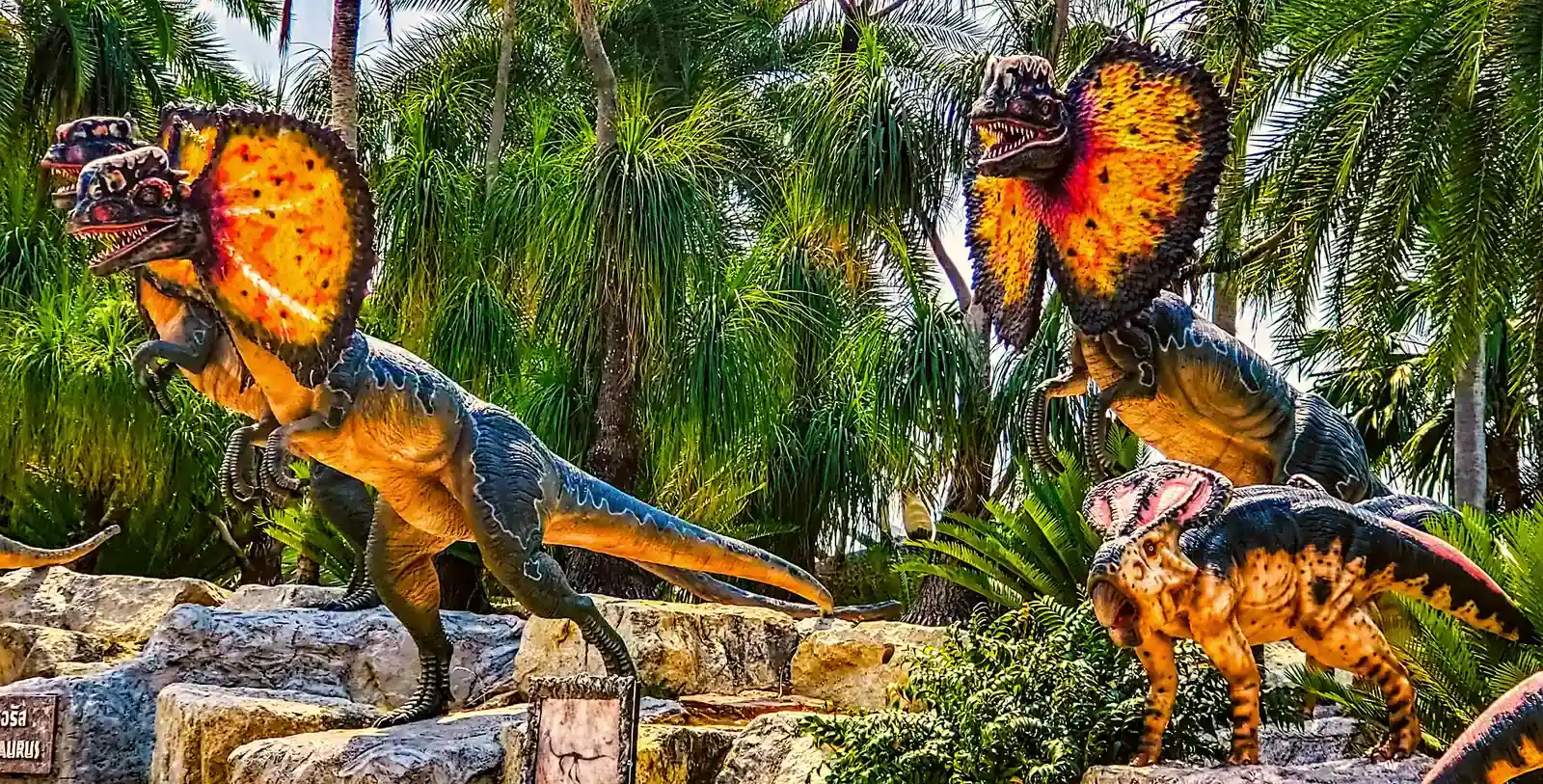
The film’s Dilophosaurus is one of cinema’s great horror reveals – a small, seemingly harmless creature that suddenly fans out a rattling neck frill and spits blinding venom into Dennis Nedry’s face. It’s terrifying. It’s also almost entirely invented. No fossil evidence supports venom glands, a neck frill, or any spitting mechanism in Dilophosaurus whatsoever. The frill was fabricated wholesale for dramatic effect, with zero anatomical basis.
What makes this especially frustrating for experts is how far the real animal strayed from the film’s version. Far from the small lizard-like dinosaur in the movies, the actual Dilophosaurus was the largest land animal of its time, reaching up to 20 feet in length. A 2020 study by Marsh and Rowe confirmed Dilophosaurus was actually large, powerfully built, and had no evidence of spitting venom or a neck frill. Palaeontologists still cite it as one of the most blatant fabrications in the franchise because it doesn’t bend the science – it ignores the animal entirely and builds something new.
Fast Facts: The Real Dilophosaurus
- Length: Up to 20–23 feet – roughly the size of a large SUV
- Weight: Estimated 650–1,000 lbs – not a dog-sized lurker
- Era: Early Jurassic, approximately 193 million years ago in what is now Arizona
- Signature feature: Two thin bony crests on the skull – used likely for display, not combat
- Movie fabrications: Neck frill, venom-spitting, and shrunken body size – all invented for the film
#13 – Velociraptor Was Basically a Feathered Turkey, Not a Six-Foot Nightmare
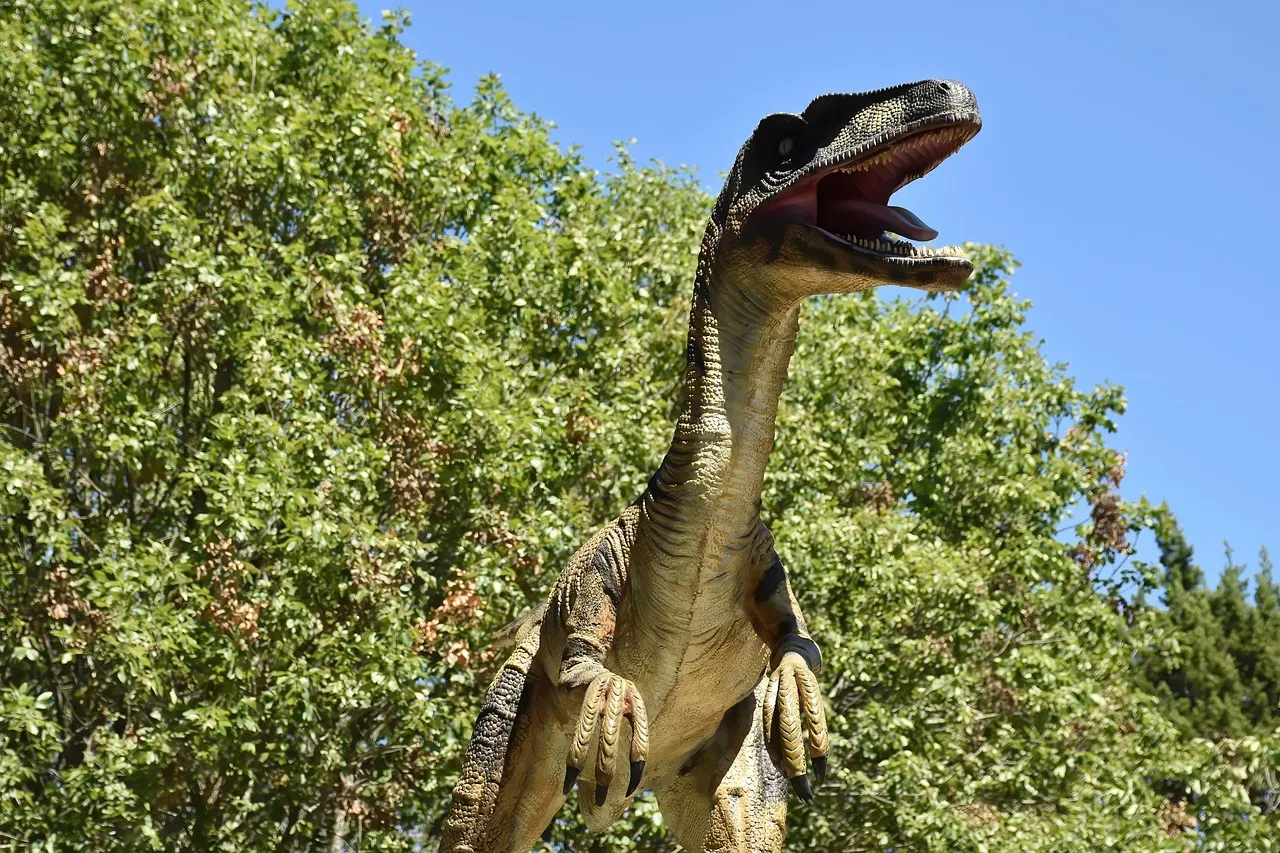
The kitchen scene is iconic precisely because the raptors feel terrifyingly plausible – intelligent, fast, human-sized hunters working in coordinated silence. The problem is that the Velociraptor in current studies stood about three feet tall, was about five feet long, and weighed about 30 pounds. It was closer in scale to a large turkey than to the creatures stalking those children through stainless steel corridors. The film’s designers actually based the animals on Deinonychus, a larger relative, then kept the Velociraptor name because it sounded better.
But the size issue is almost secondary to what came next. Scientists found evidence of six quill knobs – locations where feathers are anchored to bone – on the forearm of a Velociraptor fossil. “Finding quill knobs on Velociraptor means that it definitely had feathers. This is something we’d long suspected, but no one had been able to prove.” The franchise has largely ignored this ever since, keeping the scaly, reptilian look because audiences had already bonded with it. Palaeontologists have been making this correction in papers, documentaries, and interviews for more than twenty years. The scaly raptor endures anyway.
#12 – T. Rex Could See You Whether You Moved or Not
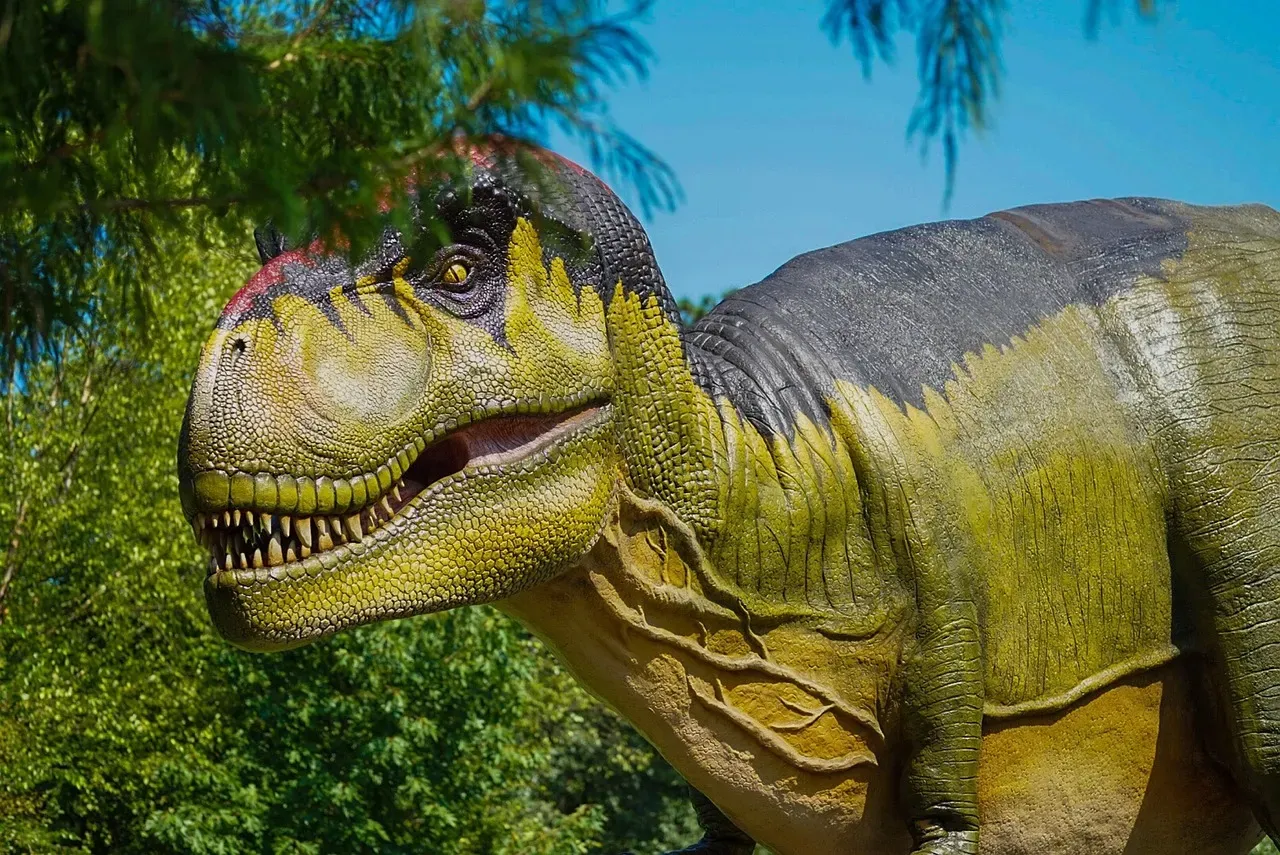
The rain-soaked scene where the characters stand completely still while T. rex sniffs inches from their faces is one of the tensest moments in 1990s cinema. It’s built entirely on the claim that T. rex vision was movement-based – freeze, and it can’t see you. In reality, Tyrannosaurus rex had some of the sharpest binocular vision of any land predator, with forward-facing eyes that provided depth perception comparable to modern hawks and eagles. It could identify stationary objects at significant distances without any movement cues at all.
Studies of the T. rex skull and braincase show the optic lobes were large and well-developed, supporting acute visual processing. The “movement only” idea came from older, largely discredited assumptions about reptile sensory systems that got absorbed into popular culture before the science moved on. The scene works because it feels logical – predators that hunt by movement make intuitive sense. But bone evidence contradicts it directly, and palaeontologists have been saying so since the film’s release. The myth persists because the scene is too good to abandon.
#11 – Nearly Every Dinosaur in the Film Should Have Had Feathers
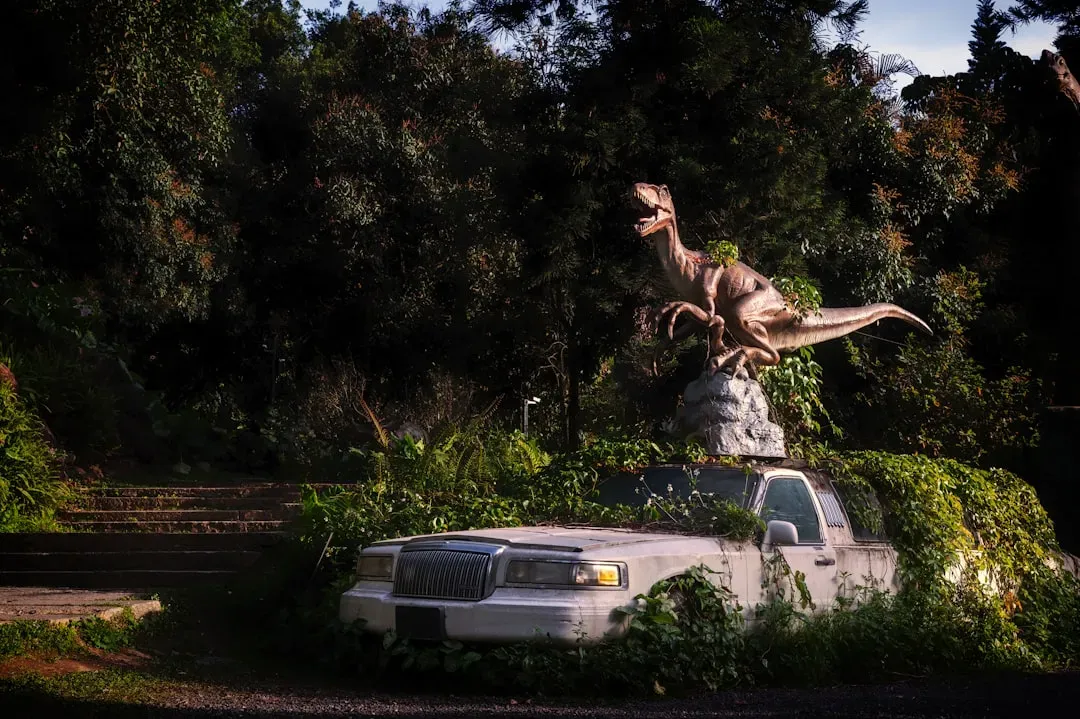
Every animal in Jurassic Park wears smooth, reptilian skin. In 1993, that was defensible – the feathered dinosaur fossil record was thinner, and the popular image of dinosaurs as overgrown lizards was still dominant. But the science shifted fast. It began in the late 1990s when Chinese palaeontologists found a stunning series of dinosaur fossils with distinct traces of feathers around their bodies. Some were just covered in a downy fluff, while others like Microraptor had fully-formed wings and were probably capable of true flight. These species were primitive members of the dromaeosaurids, a group of small, agile predators that Velociraptor also belongs to.
Feathers weren’t just for flight. Fossils show them serving insulation, camouflage, and display functions across dozens of species – some of which appear in Jurassic Park with not a single quill in sight. The film didn’t just reflect outdated science; it froze public perception at precisely the wrong moment, just before the field’s most significant visual revolution. Palaeontologists find this particularly maddening because the franchise had multiple sequels across decades that could have updated the look. Instead, the scaly aesthetic became a brand identity, and accuracy stayed on the cutting room floor.
At a Glance: What the Feather Fossil Record Actually Shows
- Feathered dinosaur fossils began emerging from China in the late 1990s – just after Jurassic Park locked in the scaly look
- Velociraptor’s own arm bones carry quill knob anchor points identical to those found in modern birds
- Feathers served insulation, camouflage, and display – not just flight
- Close Velociraptor relative Zhenyuanlong was discovered covered in layered wing feathers
- Every Jurassic Park sequel released after the fossil evidence arrived chose spectacle over science
#10 – Those Iconic Raptor Hands Were Anatomically Impossible
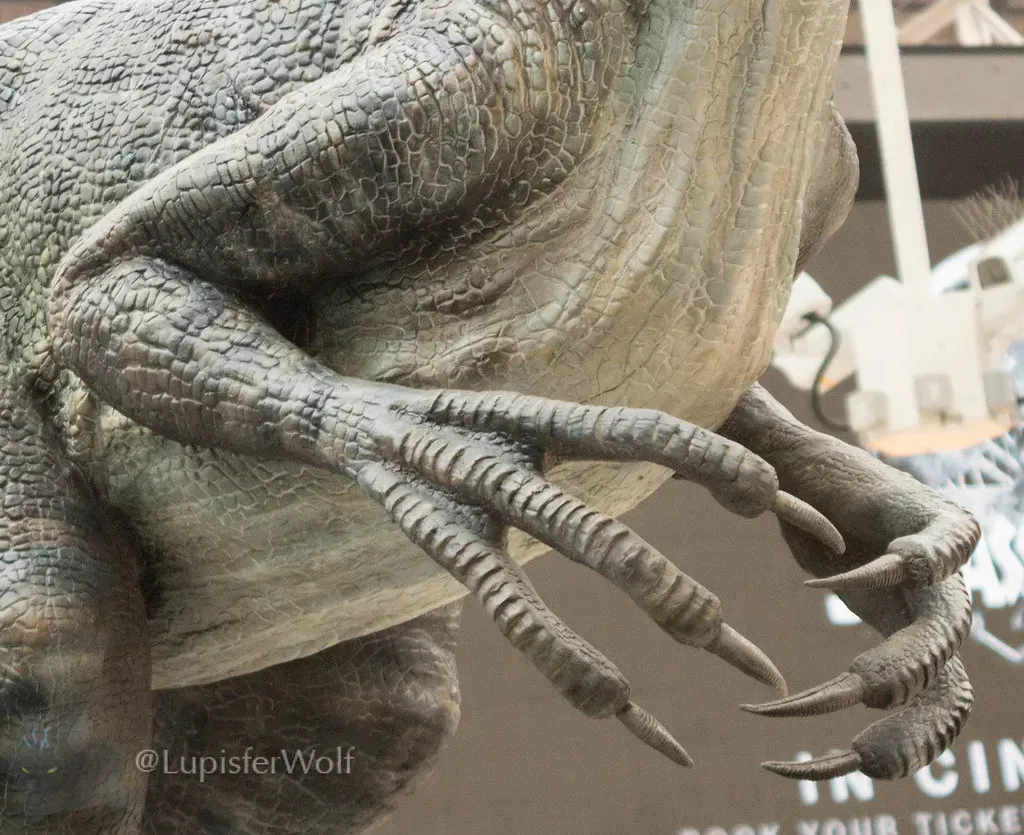
Watch any raptor scene closely and you’ll notice the hands – palms facing down, fingers forward, like someone hovering over a keyboard. It looks natural on screen. In actual theropod anatomy, it was physically impossible. The wrist bones of these animals were structured so the palms faced inward, toward each other, the way a bird holds its wings when folded. Rotating to a palms-down position would have required breaking bones. The franchise ran this error across every film without correction.
Anatomists flagged it early. The palms-inward posture was well understood before the original film was even released, but the design team went with what looked more dramatic and predatory on screen. The result is that every memorable raptor image – the kitchen scene, the tall grass sequence, the paddock scenes – features animals holding their arms in a configuration their skeletons simply didn’t allow. It’s the kind of detail that non-specialists rarely notice and specialists can never unsee. To a palaeontologist, it’s the equivalent of a human running with their elbows pointed straight up.
#9 – That Roar Never Existed Outside a Sound Studio
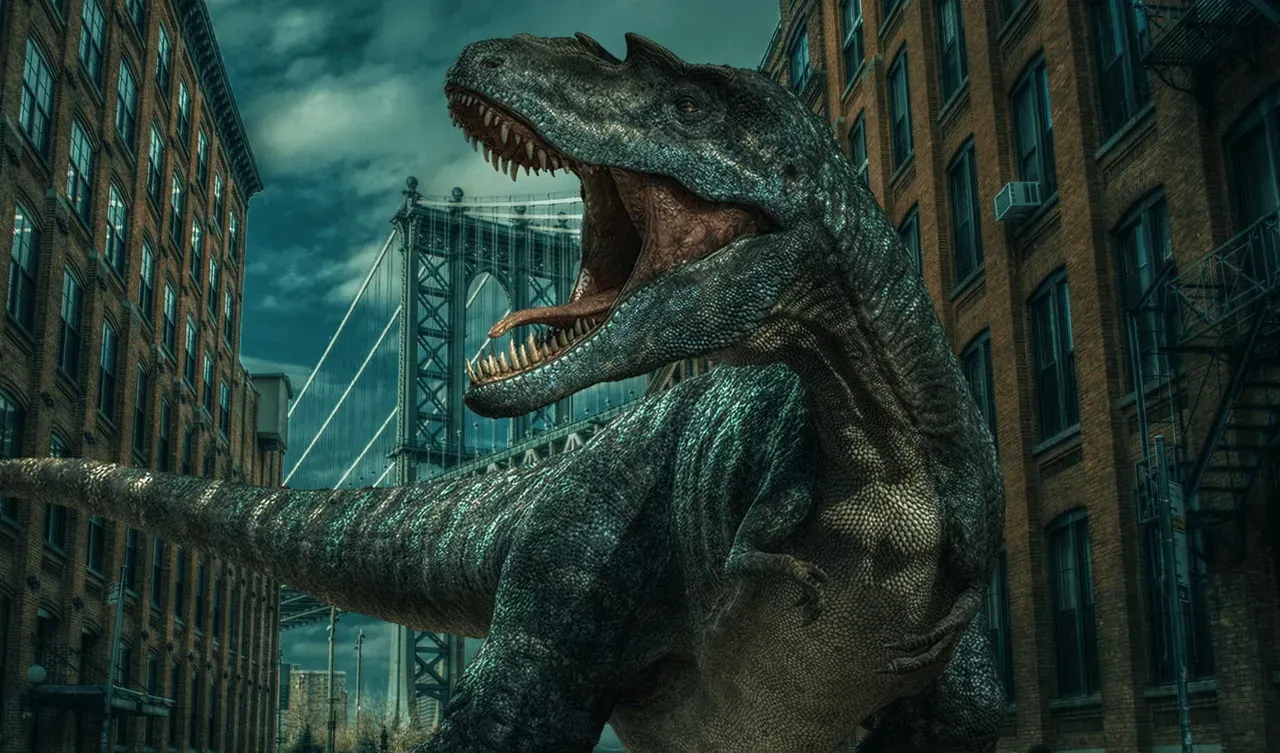
The T. rex roar is one of the most recognizable sounds in cinema history – deep, resonant, world-shaking. It was created by blending recordings from elephants, alligators, tigers, and other modern animals. It’s extraordinary audio design. It also has essentially no basis in what dinosaurs could actually produce. Dinosaurs are archosaurs, the same group that includes modern birds and crocodilians, and both of those lineages communicate through closed-mouth vocalizations, resonant booming, and higher-pitched calls rather than open-throated roars.
The anatomy backs this up. Birds – the living descendants of theropod dinosaurs – don’t roar. Crocodilians, the closest living relatives of dinosaurs outside birds, don’t roar. The structures required for mammal-style bellowing simply weren’t present in the theropod lineage. Researchers studying fossil evidence of related species suggest dinosaur communication was likely more varied and stranger than Hollywood imagined: low-frequency rumbles, hisses, closed-mouth honking, possibly infrasound. The film’s audio choices were understandable given what sound design required in 1993. But the iconic roar is, at its core, a mammal noise placed inside a reptile-bird hybrid that never would have made it.
#8 – The Amber DNA Premise Doesn’t Survive Basic Chemistry
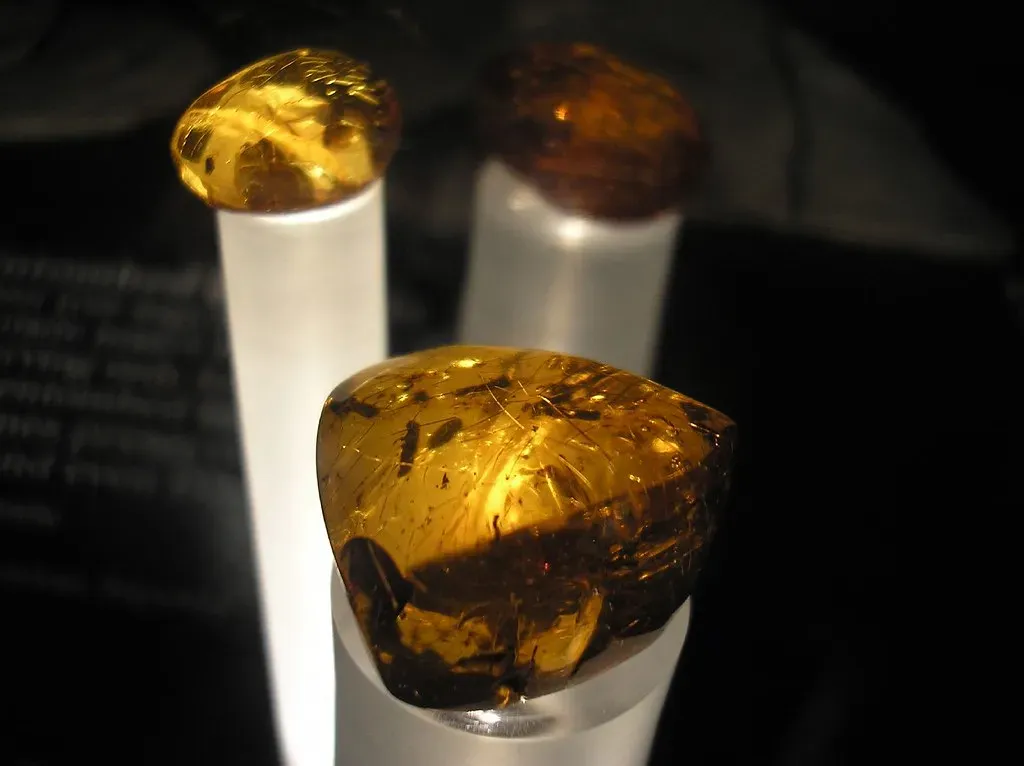
The entire plot of Jurassic Park rests on a single scientific idea: mosquitoes preserved in amber drank dinosaur blood, their bodies locked that blood in place, and millions of years later scientists extracted intact DNA from the sample. It’s elegant. It’s cinematic. And it falls apart almost immediately under scrutiny. Researchers calculated that DNA has a half-life of 521 years, meaning that after 521 years, half of the bonds between nucleotides in the backbone of a sample would have broken; after another 521 years, half of the remaining bonds would have gone. The oldest authenticated DNA sequence ever recovered is between 1.65 and 1.1 million years old – and extrapolation models on DNA degradation suggest that this is close to the temporal limit of DNA survival. Amber doesn’t stop that process; it just slows physical decay, not chemical breakdown.
Researchers have actually tested the premise. A new analysis confirmed the widely held suspicion that DNA from dinosaurs and ancient insects trapped in amber cannot be recovered to make a “Jurassic Park”-style theme park. Even if fragments survived, contamination from bacteria, fungi, and the scientists themselves makes clean extraction essentially impossible at those timescales. Palaeontologists tend to describe the amber premise the way a structural engineer might describe a movie skyscraper – it looks plausible on screen, but nothing holding it up would actually hold. The film knew this was speculative. What it didn’t anticipate was how many viewers would walk out genuinely believing the technology was almost real.
The film is a science fiction masterpiece, but it created a public understanding of paleontology that we’ve spent decades trying to correct.
Jack Horner, palaeontologist and Jurassic Park scientific consultant
Worth Knowing: Why Amber DNA Is Science Fiction
- DNA’s half-life is approximately 521 years under ideal conditions
- The oldest recovered DNA ever sequenced is roughly 2 million years old – from frozen permafrost, not amber
- Dinosaurs went extinct approximately 66 million years ago – roughly 33 times beyond the DNA survival ceiling
- Amber preserves physical structure, not molecular chemistry – the DNA clock keeps ticking inside it
- Real attempts to extract insect DNA from amber have consistently failed
#7 – Brachiosaurus Couldn’t Chew, and Probably Didn’t Rear Up Either
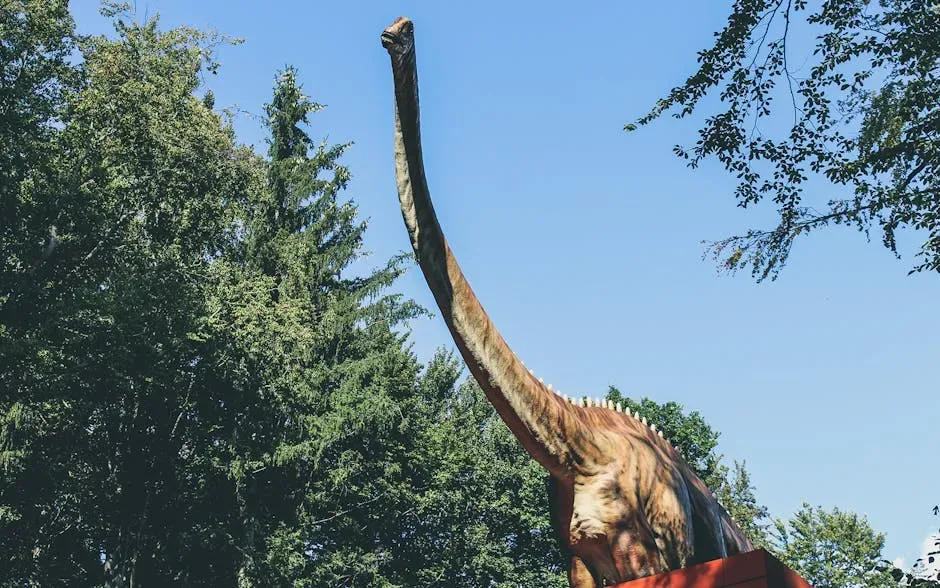
The first full dinosaur reveal in Jurassic Park is still breathtaking – a massive Brachiosaurus rearing up on its hind legs to strip leaves from a treetop while Alan Grant stares in disbelief. It’s one of cinema’s great moments of wonder. It’s also biomechanically suspect on two separate counts. Sauropods like Brachiosaurus had simple, peg-like teeth that were built for stripping vegetation, not chewing it. The side-to-side jaw motion the film depicts – that calm, bovine chew – wasn’t mechanically possible with that tooth and jaw structure.
The rearing posture is more complicated but similarly questionable. An animal of Brachiosaurus’s mass rearing onto its hind legs would face severe cardiovascular stress – the heart would need to pump blood to a head suddenly positioned even higher above the body. Trackway evidence and vertebral studies suggest sauropods browsed at lower angles, sweeping their long necks horizontally rather than arcing them dramatically skyward. The film chose the more spectacular image over the biomechanically plausible one, which is understandable – but it’s given generations of viewers a fundamentally wrong picture of how these animals actually fed.
#6 – Raptor Pack Tactics Were Basically Military Fiction
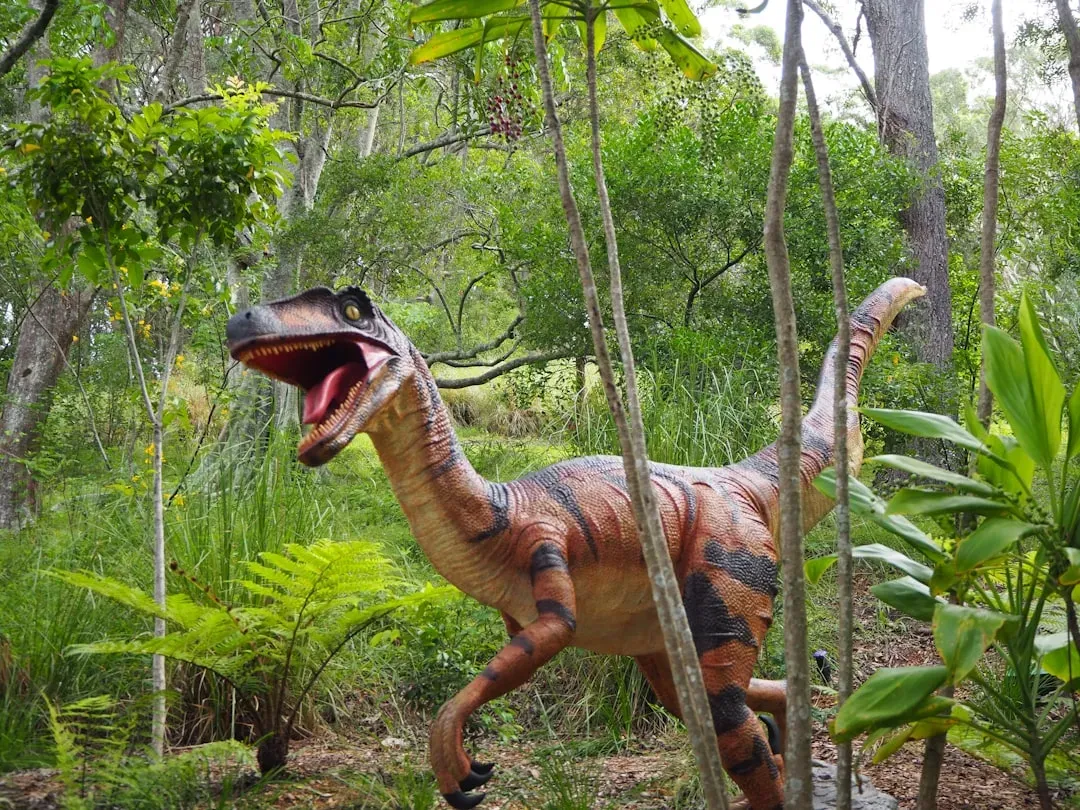
In the film, the raptors don’t just hunt – they strategize. They test fence integrity, coordinate flanking movements, and anticipate human responses with near-tactical intelligence. It’s what makes them the film’s most persistent threat. The fossil evidence for this level of coordinated behavior in Velociraptor or its relatives is, charitably described, thin. While some theropods may have hunted in loose groups – bone bed evidence suggests this for a few species – the military-grade flanking maneuvers depicted in the film go far beyond anything the data supports.
Real group hunting, where it existed, was almost certainly messier, more opportunistic, and less deliberate than the film portrays. Palaeontologists who study predator behavior point out that the raptors in Jurassic Park behave less like animals and more like screenwriters’ constructions of what a smart predator would do if it had watched enough war films. The intelligence is real in the sense that theropods were likely cognitively advanced relative to other reptiles. The coordinated, almost telepathic teamwork is a story device that served the thriller plot beautifully and the fossil record not at all.
#5 – T. Rex Couldn’t Actually Chase a Car
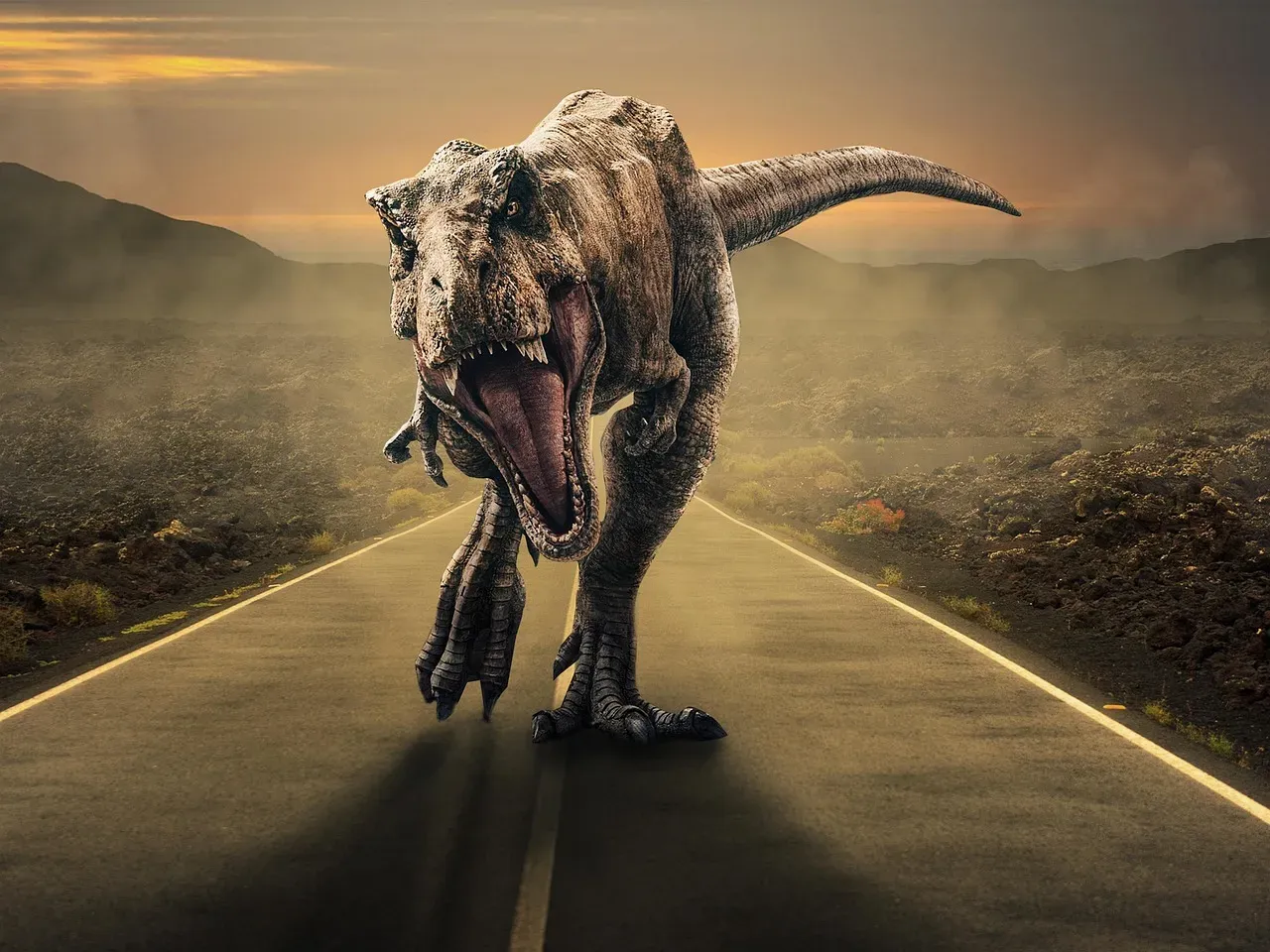
The jeep chase scene works because it feels viscerally possible – the animal is right there, keeping pace, close enough to reach through the window. Biomechanical models paint a very different picture. Current estimates for an adult T. rex’s top speed fall within 12 to 25 miles per hour. The current consensus suggests that an adult T. rex was not capable of a true, sustained run. Instead, its fastest pace was likely a brisk, powerful walk or a slow jog. At that size and mass, the legs would have needed to absorb enormous forces at higher speeds, and the evidence suggests the animal avoided that stress rather than pushing through it.
More significantly, T. rex was probably not built for sustained pursuit or sharp directional changes. The immense body mass of an adult T. rex, estimated between 5 to 7 tons, presented a significant challenge to high running speeds – its sheer weight meant bones would be under extreme stress during rapid locomotion, risking breakage at higher speeds. The most current thinking describes T. rex as more of an ambush-capable opportunist than a high-speed pursuit predator – terrifying enough without needing to outrun a vehicle. The film’s version is more frightening, which is exactly why it persists. But the animal chasing that jeep is, in biomechanical terms, doing things its skeleton would have made extremely costly.
Quick Compare: Movie T. Rex vs. Fossil Evidence
- Film speed: Keeps pace with a jeep at 30–40+ mph
- Science consensus: Top speed roughly 12–25 mph; possibly closer to a fast walk than a run
- Film gait: Full sprint, airborne phase, sharp turns
- Science consensus: Likely a “power trot” – at least one foot on the ground at all times due to bone stress
- Film behavior: Active pursuit predator
- Science consensus: Probable ambush-capable opportunist constrained by its own mass
#4 – Those Teeth Should Have Been Behind Lips
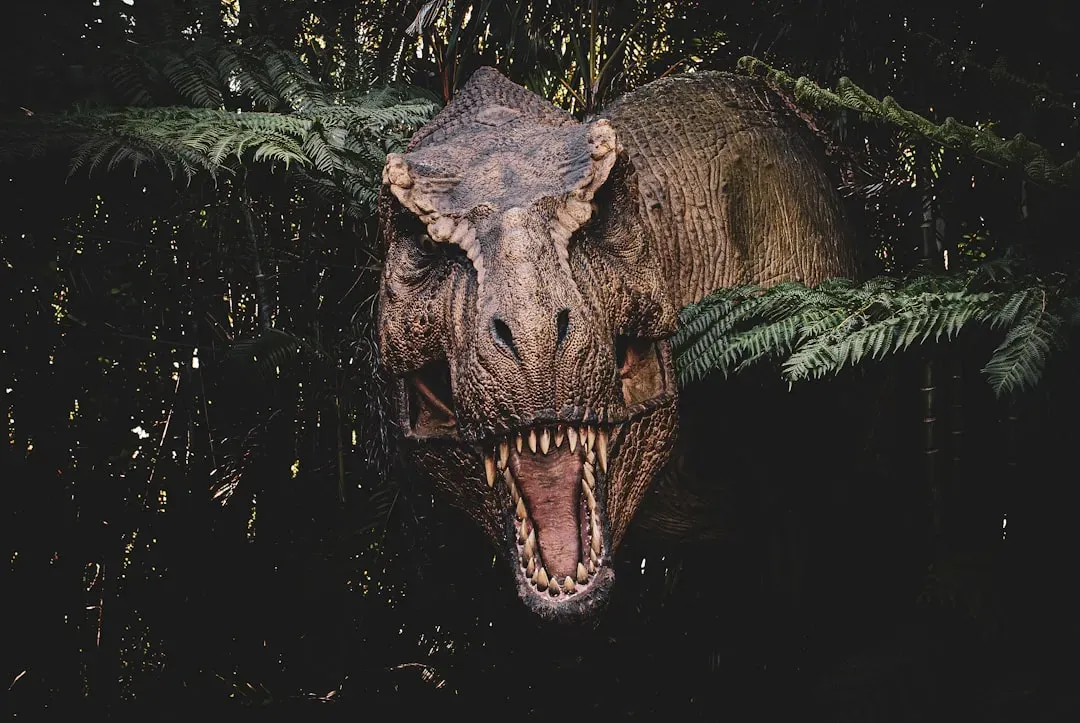
Every theropod in Jurassic Park wears its teeth on permanent display – always visible, always glistening, always ready. It looks menacing. It also contradicts what jaw structure and dental wear patterns tell us about real dinosaurs. The current scientific consensus is that most theropods, like modern lizards and tuatara, had lips – soft tissue that covered and protected the teeth when the mouth was closed. Exposed enamel dries out, gets damaged, and becomes vulnerable to bacteria. Lips solve all of those problems at once.
The evidence for this comes from multiple directions: the structure of the jaw bones, the way teeth are anchored, and comparison with living relatives all point toward lip-covered teeth as the default condition. Palaeontologists have been making this argument with increasing confidence for years, and it changes the appearance of these animals significantly. A T. rex with lips looks less immediately terrifying than the film’s version – more crocodilian in structure, less perpetually-snarling. That’s probably exactly why the franchise never adopted the correction. A lipped T. rex doesn’t sell merchandise the same way. The science, as usual, got left outside the gate.
#3 – Dinosaur Tails Were Stiff Counterweights, Not Weapons
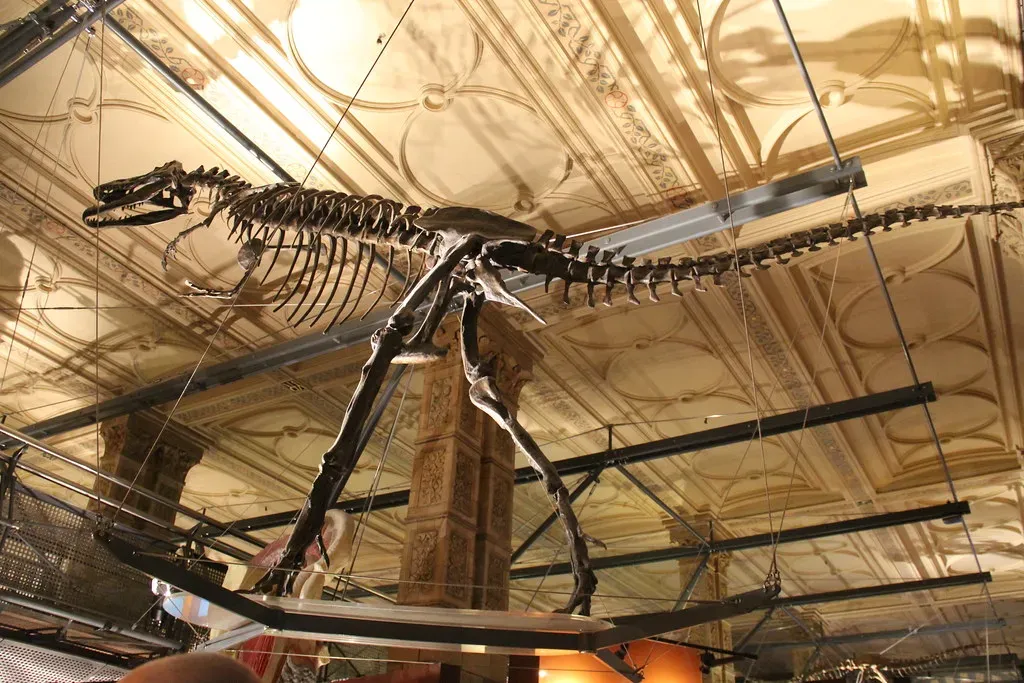
On screen, theropod tails whip around freely – swinging for balance, slamming into obstacles, flexing with each stride. Real theropod tails were far more constrained. Interlocking tendons and tightly articulated vertebrae made the tail relatively rigid along most of its length, functioning as a fixed counterbalance to the animal’s front-heavy body rather than a flexible, independent structure. Think of it less like a cat’s tail and more like a stiff boom extending from a crane – stable, load-bearing, and not designed for independent movement.
This matters more than it might seem because the tail is central to how theropods moved. The rigid counterweight system allowed efficient bipedal locomotion without constant muscular effort to maintain balance. Allowing the tail to swing freely would have destabilized that system entirely. The film’s flexible, expressive tails look dynamic on screen and add to the sense of animal aliveness – but they represent a fundamental misunderstanding of theropod locomotion that palaeontologists consider one of the production’s more avoidable anatomical mistakes, given that the information was available before filming began.
#2 – The Timeline Is a Mess – Most of These Animals Never Shared a World
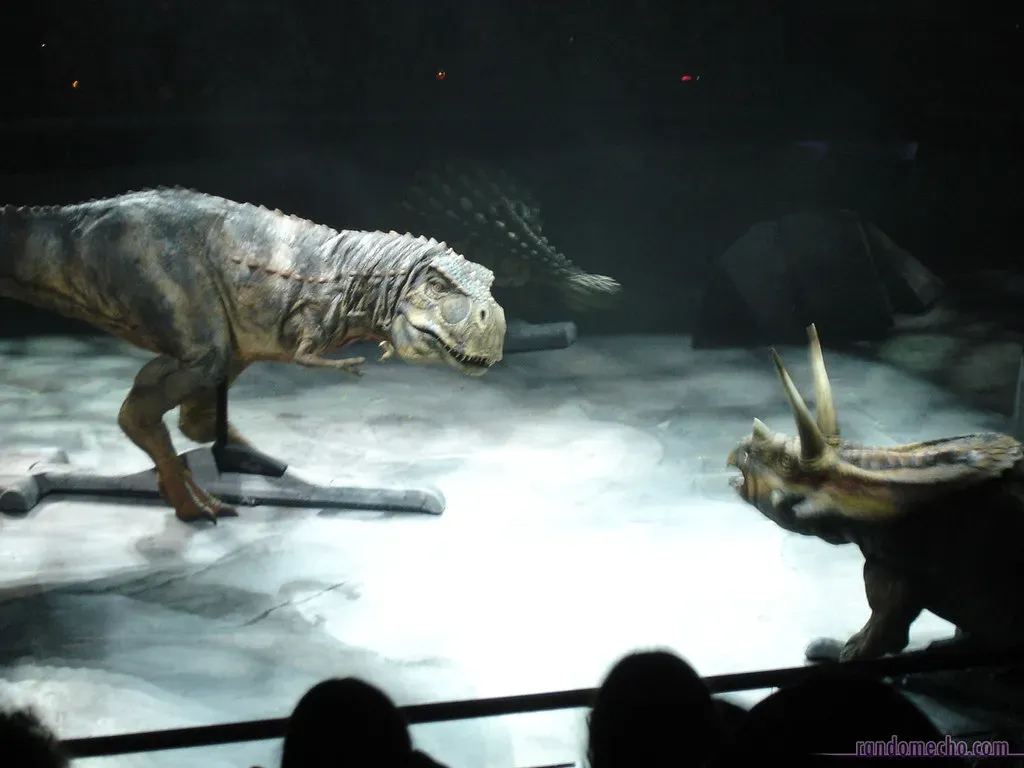
The title promises Jurassic dinosaurs. The film delivers a mixed roster that spans two entirely separate geological periods. Velociraptor and Tyrannosaurus rex were Cretaceous animals, living roughly 75 to 66 million years ago. True Jurassic-period dinosaurs – the ones the park’s name implies – lived between 201 and 145 million years ago. The temporal gap between a Jurassic sauropod and a Cretaceous raptor is larger than the gap between the raptors and us. These animals didn’t coexist. They’re from completely different chapters of Earth’s history.
Palaeontologists understand why “Jurassic Park” sounds better than “Mostly Cretaceous Park With Some Jurassic Guests.” But the blending creates something subtler and more damaging than just a wrong name – it reinforces the idea that all dinosaurs occupied a single era, a sort of timeless prehistoric world rather than 165 million years of continuous evolutionary change. The real story of dinosaur evolution, with species rising and vanishing across deep time, is arguably more astonishing than anything the film imagined. Compressing it into one park erases that scale entirely and leaves audiences with a profoundly flattened understanding of prehistoric time.
At a Glance: The Real Timeline Gap
- Jurassic Period: 201–145 million years ago – Brachiosaurus, Stegosaurus, Diplodocus
- Cretaceous Period: 145–66 million years ago – T. rex, Velociraptor, Triceratops
- Gap between them: Up to 80 million years – larger than the gap between raptors and modern humans
- Animals sharing a screen: Species separated by tens of millions of years of evolution
- What the name erases: 165 million years of continuous dinosaur evolution compressed into one theme park
#1 – Jurassic Park Froze the Public’s Dinosaur Image at the Wrong Moment in History
Every individual error on this list is frustrating. This one is the legacy. Jurassic Park arrived at almost the exact moment the field of palaeontology was about to undergo its most dramatic visual revolution – feathered dinosaurs, revised postures, new behavioral models, a complete rethinking of what these animals looked like in life. The film became the definitive popular reference just before all of that landed, and then it held that position through sequels, merchandise, theme parks, and cultural ubiquity while the science moved on without it. The aesthetic was locked in. The corrections never caught up.
Three decades later, surveys of public perception consistently show that most people still picture dinosaurs the way Jurassic Park drew them – scaly, roaring, perpetually snarling, held together by Hollywood physics and 1993 fossil knowledge. Palaeontologists have written papers, given interviews, produced documentaries, and built careers partly around correcting this single film’s influence. Some have argued, not entirely in jest, that Jurassic Park set public dinosaur literacy back a generation. The film is a masterpiece of cinema. It is also, in the view of the people who study these animals for a living, the single most consequential miseducation in the history of their field – and the sequels had every opportunity to fix it, and chose spectacle every time.
The Verdict
Jurassic Park earned its place as one of the greatest blockbusters ever made, and nothing on this list changes that. But greatness and accuracy are different things, and this film confused a lot of people about which one it was delivering. The errors weren’t all innocent – some were invented outright, some ignored available science, and some were corrected in the real world and ignored in the sequels anyway. The animals in that park are, in several fundamental ways, fictional creatures wearing dinosaur names.
What’s genuinely worth sitting with is this: the real dinosaurs – feathered, precisely calibrated by evolution, stranger and more varied than any film has captured – are more interesting than the Jurassic Park versions. The real Velociraptor was a lapdog-sized predator covered in feathers. A wilder fact than any scaly movie monster. Palaeontology has spent thirty years trying to give the public that version. Jurassic Park keeps winning. Maybe the fourth decade is different.