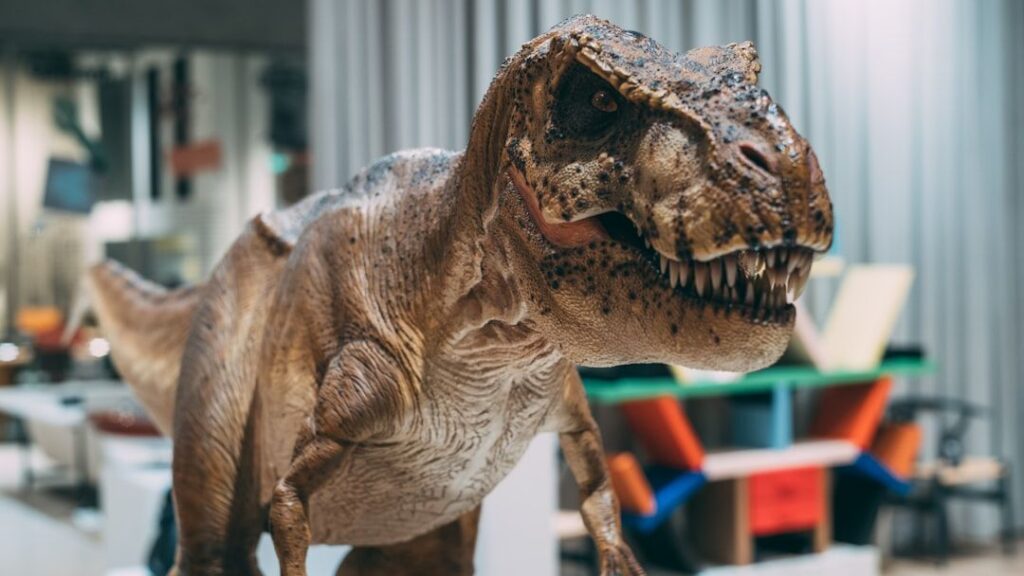
The T. rex most people carry in their heads is a thundering, scaly monster – fast, stupid, and basically a giant mouth bolted to two useless arms. That version makes for great movies. It just doesn’t survive contact with the actual fossil record. Palaeontologists have spent decades quietly accumulating evidence that dismantles nearly every assumption the public holds about this animal, and the gap between what scientists know and what most people believe has grown almost embarrassing.
Some of what’s coming will feel like a minor correction. Some of it will make you question whether the “King of the Dinosaurs” label was ever really earned – or whether it was just good branding. Either way, by the time you hit number one, the animal you thought you knew will look almost unrecognizable.
#9 – T. rex Took Nearly Forty Years to Reach Full Size
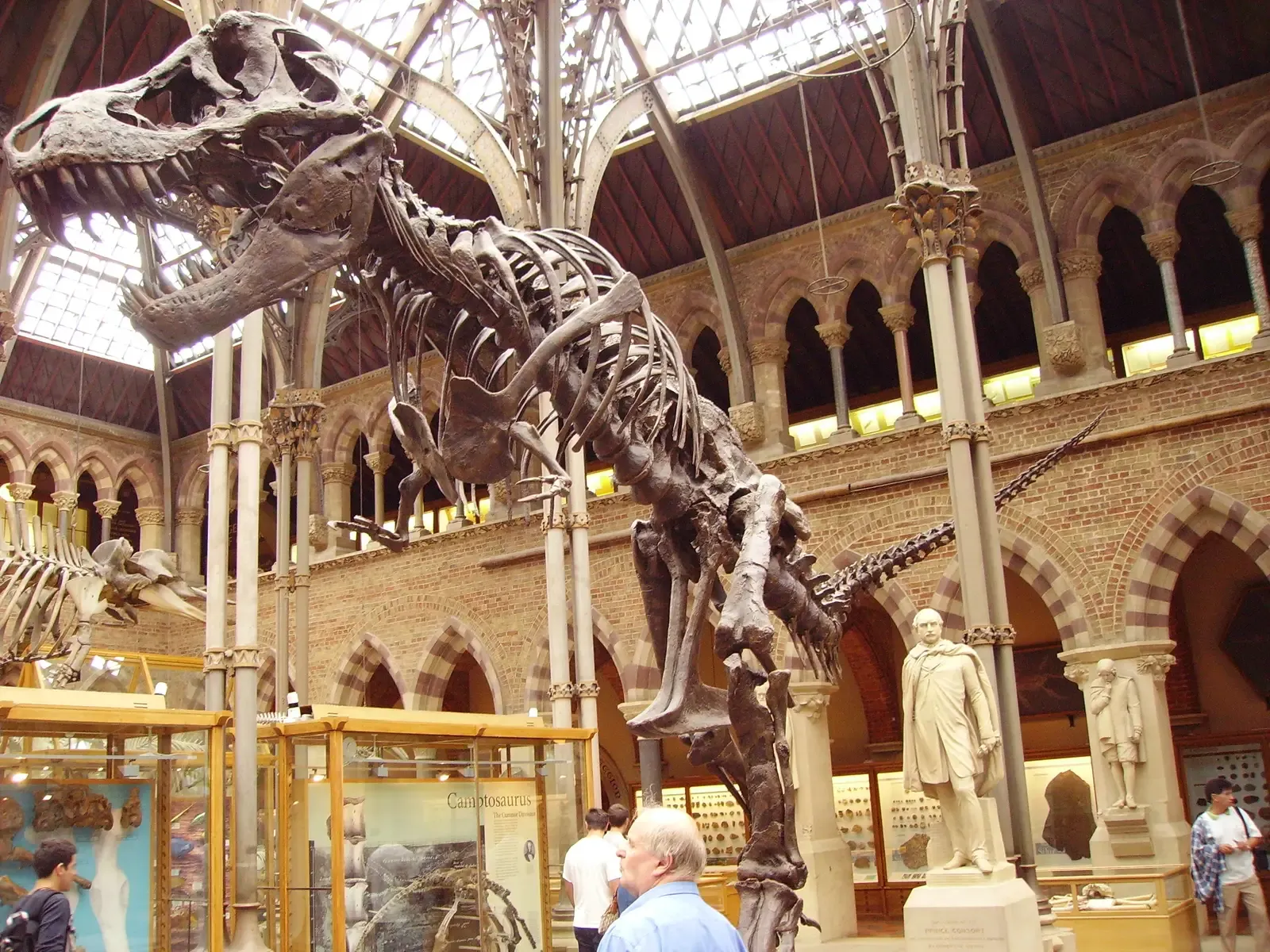
The popular image of a tyrannosaur is an explosion of growth – a creature that ballooned from hatchling to eight-ton predator in a geological blink. That image came from early growth models built on limited specimens, and it stuck around far longer than it deserved to. Growth-ring analysis, the same technique used to age trees, applied across multiple T. rex bones now tells a much slower story. Skeletal maturity came closer to forty years, not the rapid teenage sprint researchers once assumed.
That revised timeline has ripple effects across everything palaeontologists model about this species. A longer growth curve means individuals were spending decades as mid-sized, vulnerable animals before becoming apex predators – competing for food, dodging injury, and surviving in ways the “born dominant” narrative completely erased. Many individuals likely lived well into their forties. That’s not a monster. That’s a life.
Fast Facts
- Earlier estimates put T. rex at full size by around age 25; a 2026 study published in PeerJ extended that to roughly 40 years.
- Researchers studied 17 tyrannosaur specimens ranging from early juveniles to massive adults to build the most complete growth timeline ever assembled.
- A cross-section of T. rex leg bone typically captures only the final 10 to 20 years of the animal’s life, making earlier estimates systematically too short.
- Growth rate during the juvenile phase was broadly comparable to that of a modern African elephant.
- The extended sub-adult phase likely allowed T. rex to occupy different ecological niches as it grew, rather than racing straight to apex status.
#8 – Nanotyrannus Was Never a Baby T. rex
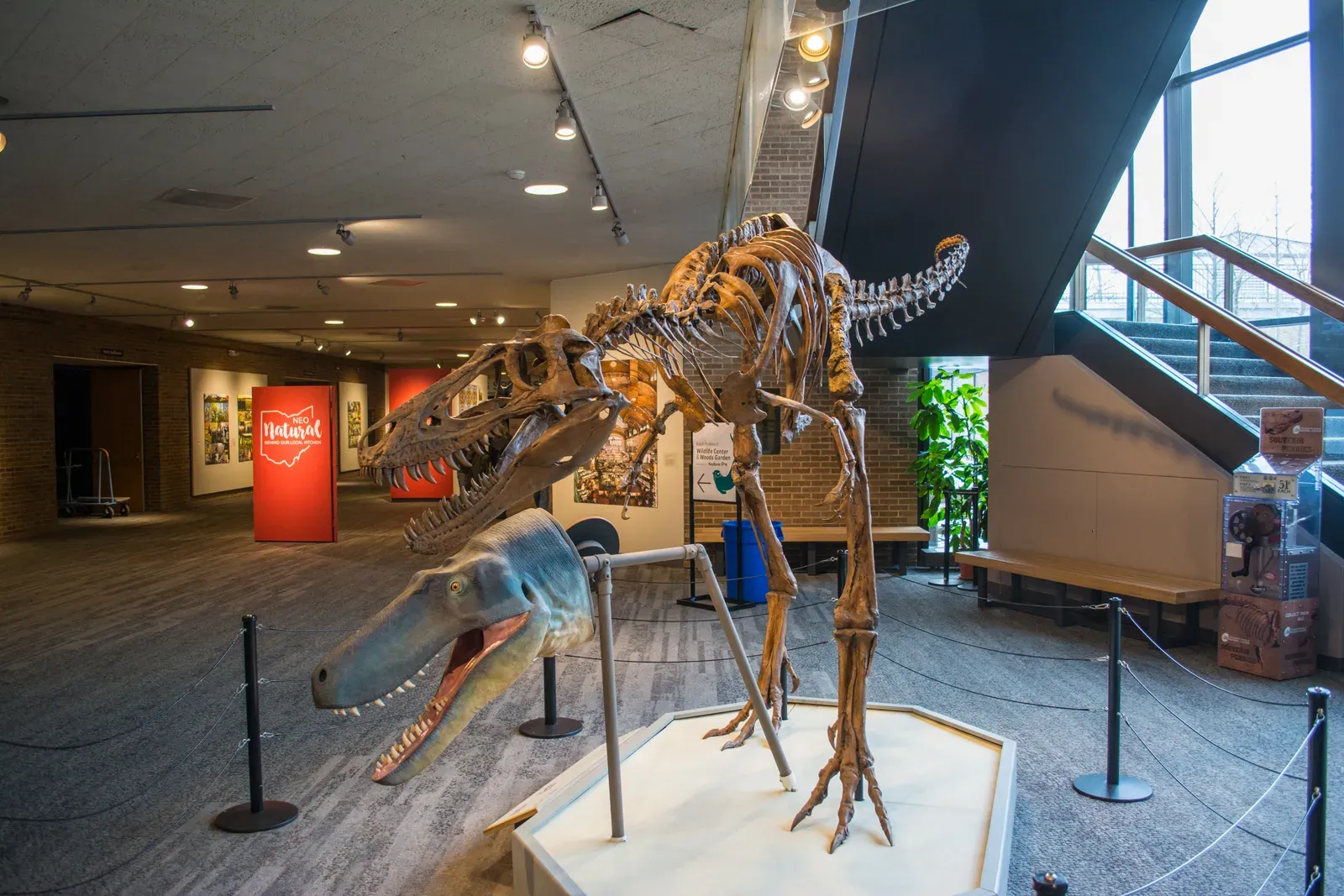
For years, smaller tyrannosaur skeletons were filed away as juvenile T. rex and largely ignored. Why study the teenager when you have the adult? That assumption turned out to be one of the costliest oversimplifications in recent palaeontology. Fresh examination of growth patterns – including remarkable material from the Dueling Dinosaurs site – confirms that Nanotyrannus was a fully mature, reproductively active animal. It wasn’t a phase. It was a separate species living alongside the giant in the same ecosystem.
Adult Nanotyrannus individuals reached roughly half the length of a large T. rex, but their bone histology shows full maturity. These weren’t teenagers; they were adults occupying a different ecological niche entirely – likely hunting smaller prey, moving differently, and competing in ways we’re only beginning to understand. The discovery doesn’t just add a species to the list. It forces a complete rethink of tyrannosaur diversity in the latest Cretaceous, and it raises an uncomfortable question: how many other “juveniles” in museum drawers are actually something else?
“This fossil doesn’t just settle the debate. It flips decades of T. rex research on its head.”
Lindsay Zanno, NC State University & North Carolina Museum of Natural Sciences, co-author of the 2025 Nature study
#7 – Those “Useless” Arms Could Generate Roughly 400 Pounds of Force
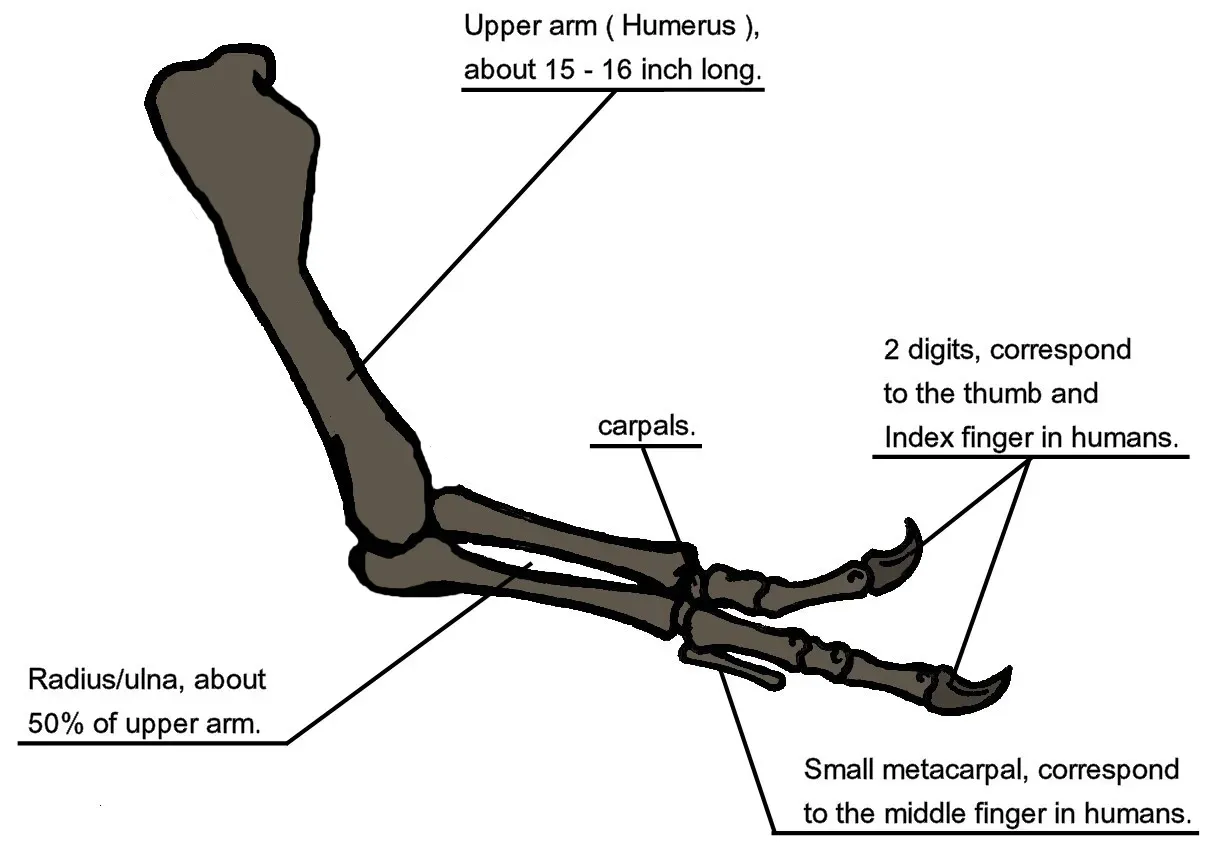
The arms are the punchline. They’ve been the punchline for decades – too short to reach the mouth, too small to matter, the evolutionary equivalent of a joke. Biomechanical studies have quietly been making that joke harder to tell. The forelimbs were densely muscled, anchored to a robust shoulder girdle, and capable of generating enough force to lift several hundred pounds per arm. That’s not vestigial. That’s a tool.
What they were used for is still debated, but the leading hypotheses aren’t funny at all. Pinning struggling prey against the body while the jaws delivered the killing bite. Pushing off the ground when rising from a prone position – no trivial task for an eight-ton animal. The reduced size may actually reflect a deliberate evolutionary trade-off: shrink the arms, redirect the resources to the skull, and build the most powerful bite force of any land animal that ever lived. The arms weren’t a mistake. They were a sacrifice.
#6 – T. rex May Have Had the Sharpest Sense of Smell of Any Known Dinosaur
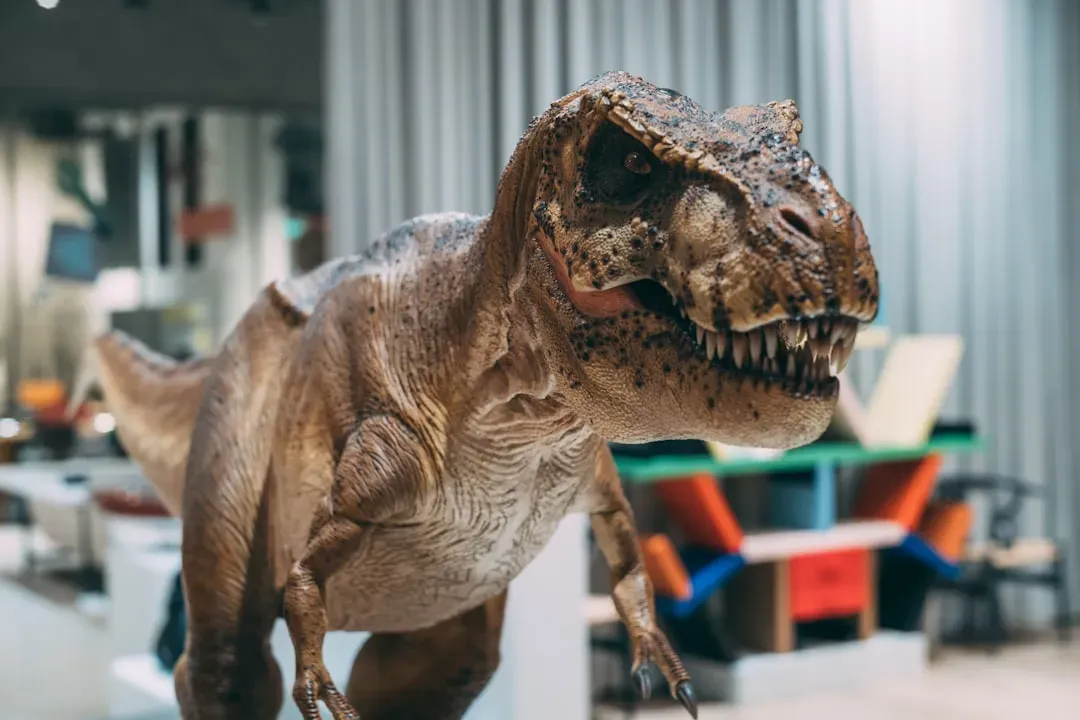
When researchers compared olfactory bulb size relative to total brain size across dinosaur species, T. rex didn’t just rank well – it ranked at the top. Those enlarged olfactory structures gave it a scent-detection capability that likely rivaled or exceeded modern wolves and vultures. In practical terms, that means a T. rex could have detected a carcass – or a living animal bleeding from a wound – from miles away under the right conditions.
This detail reshapes how we think about T. rex hunting behavior. A predator with that kind of nose doesn’t need to stumble onto prey by chance. It can cruise a territory systematically, reading the air for chemical signals invisible to everything else. The popular image is a visual predator that charges what it sees. The evidence suggests an animal that knew what was nearby long before it came into view – which makes it considerably more unsettling than the movies ever managed.
At a Glance: T. rex’s Sensory Toolkit
- Smell: Olfactory bulbs were disproportionately large even for its body size; researchers estimate 620-645 olfactory receptor genes – comparable to a domestic cat.
- Vision: Forward-facing eyes produced depth perception exceeding most modern birds of prey.
- Territory: Large olfactory bulbs in modern animals correlate with patrolling wide ranges and locating food at night – both likely T. rex behaviors.
- Brain allocation: An estimated large share of T. rex brain volume was devoted to olfactory processing.
- Scent beyond hunting: Smell likely also served communication, territory marking, and finding mates.
#5 – Its Depth Perception Rivaled Modern Hawks
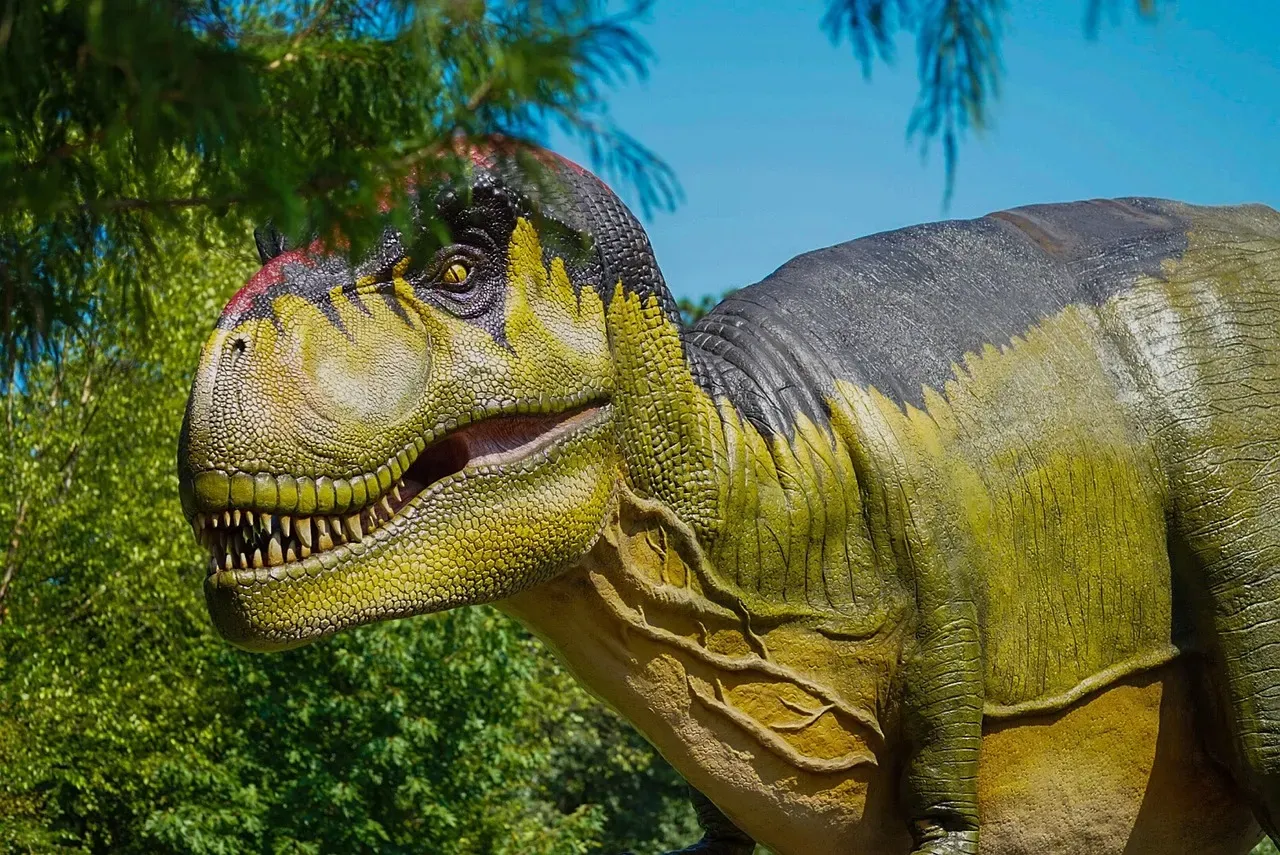
Forward-facing eyes are a predator’s signature, and T. rex’s eye socket orientation created enough visual field overlap to produce depth perception estimates that exceed those of most contemporary birds of prey. For an animal taking down large, horned, actively resisting prey like Triceratops, that kind of spatial precision wasn’t a luxury – it was the difference between a successful strike and a horn through the skull.
What makes this particularly striking is how the skull architecture tied everything together. The same wide, reinforced skull that enabled binocular vision also absorbed the stress of that record-breaking bite force. The design wasn’t accidental. T. rex evolved a head that was simultaneously a precision targeting system and the most destructive weapon in Cretaceous North America – and those two things were built from the same bones.
#4 – T. rex Hunted Live Prey and Scavenged, and Saw No Contradiction in That
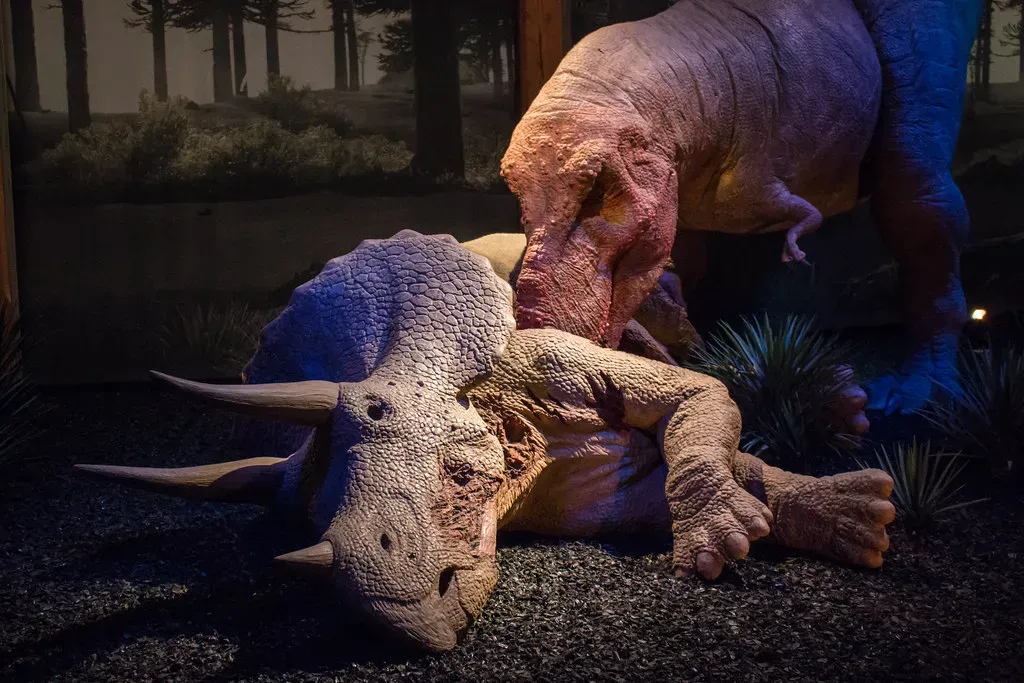
The predator-versus-scavenger debate consumed palaeontology for years in a way that, in hindsight, seems almost philosophically strange. The question was framed as an identity issue – what kind of animal was it, really? But bite marks on bones tell a more pragmatic story. T. rex teeth left marks on living prey and on carcasses that had already been dead for some time. It did both. Routinely. Without apparent preference.
That flexibility was almost certainly a survival advantage. Large prey is patchy and dangerous. A successful hunt can leave an animal injured. A fresh carcass, located by that extraordinary sense of smell from several miles away, costs almost nothing to exploit. Modern apex predators – lions, tigers, even great white sharks – scavenge opportunistically without anyone suggesting they aren’t “real” predators. T. rex was simply doing what successful large carnivores do: eating whatever was available and worth the effort.
#3 – Its Bite Force Was Stronger Than Any Other Known Land Animal, Living or Extinct
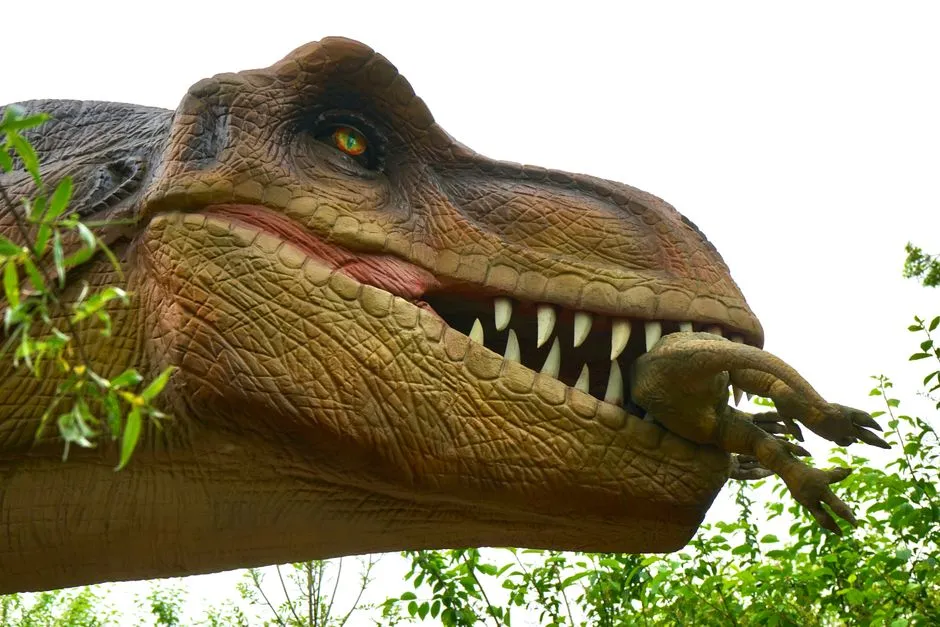
The numbers are almost difficult to contextualize. Posterior bite force estimates for T. rex range from 35,000 to over 57,000 newtons – enough to crush bone completely, enough to deform metal in modern testing scenarios. No terrestrial predator in the current fossil record comes close. The closest living contenders, saltwater crocodiles and large sharks, don’t operate on land and don’t reach these figures anyway.
The evolutionary logic behind that force is as striking as the number itself. T. rex didn’t just kill prey with its bite – it consumed the skeleton afterward. Bone fragments found in fossilized T. rex feces confirm it was pulverizing entire skeletons to access the marrow inside, extracting calories other predators couldn’t reach. That bite force wasn’t just a weapon. It was a metabolic strategy that let T. rex get more out of a kill than anything else in its ecosystem. The jaw was a key that unlocked resources everyone else had to leave behind.
Quick Compare: Bite Force Across the Animal Kingdom
- T. rex: 35,000 – 57,000 newtons (strongest of any known land animal)
- Saltwater crocodile: ~16,000 newtons (strongest bite of any living animal)
- Alligator: ~13,000 newtons
- Lion: ~1,800 newtons
- Human: fewer than 1,000 newtons
“The more we learn about T. rex, the more we realize it was exquisitely adapted – not just powerful, but precise.”
Thomas Holtz, University of Maryland vertebrate palaeontologist
#2 – Hatchlings Were Turkey-Sized and Almost Certainly Covered in Feathers
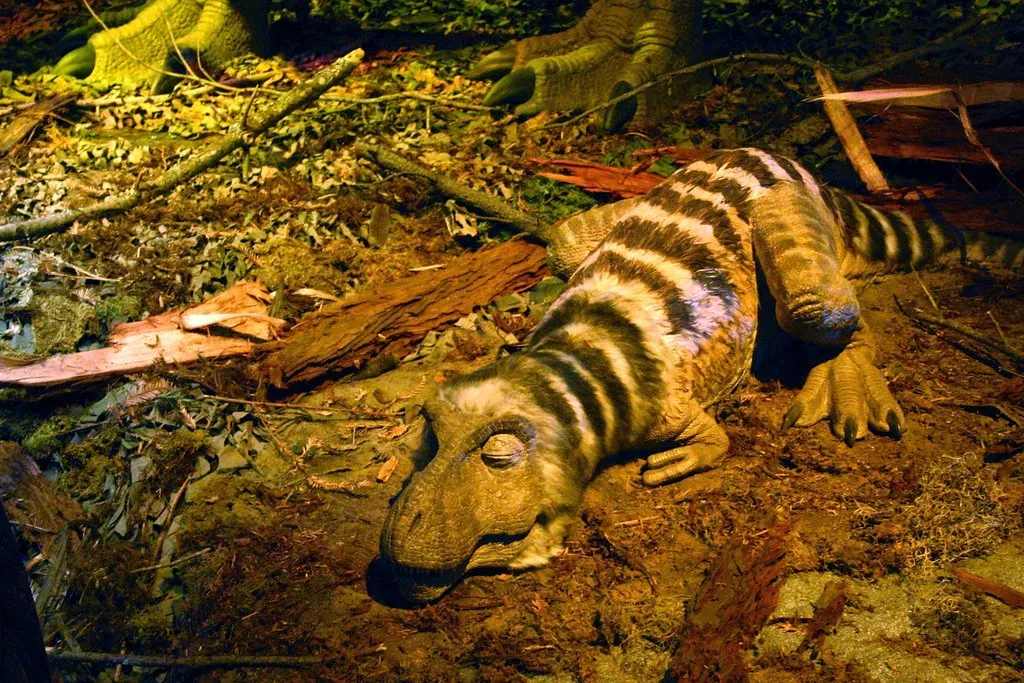
Picture a newly hatched T. rex. What you’re probably imagining – a miniature scaly predator, a tiny version of the adult – is almost certainly wrong. The smallest known T. rex specimens weighed just a few kilograms at hatching, closer in size to a large turkey than to anything that inspired nightmare fuel. Related tyrannosauroids preserve direct physical evidence of filamentous, feather-like structures, and most researchers believe early-stage T. rex carried similar insulation or display features.
Adults are a different story. Skin impressions recovered from large T. rex specimens show scales, not feathers – suggesting the animal shed its fluffy covering as it grew, or retained feathers only on parts of the body that haven’t preserved well. The image of a fully feathered adult T. rex remains controversial, but the fuzzy hatchling is considerably less so. An eight-ton apex predator that started life as a feathered, turkey-sized chick spending decades becoming what it eventually became – that’s a stranger, richer, more interesting animal than anything Spielberg put on screen.
#1 – T. rex Was Not the Largest Carnivorous Dinosaur That Ever Lived
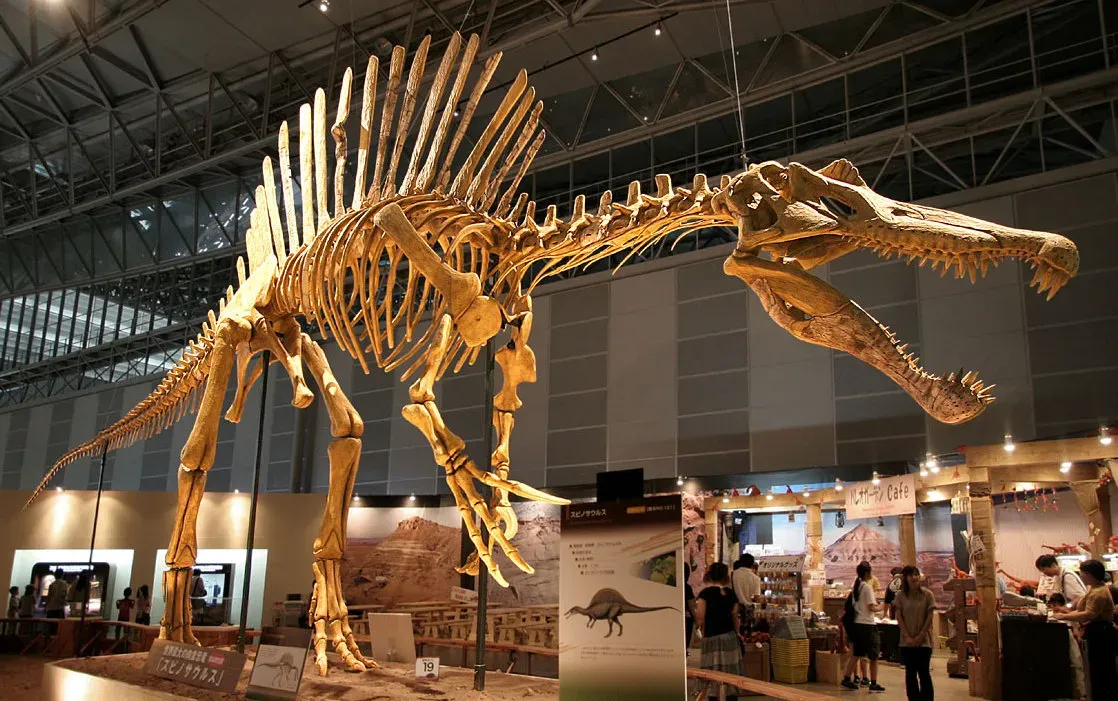
This one tends to land hard. The name means “Tyrant Lizard King,” the franchise calls it the apex of all predators, and the cultural mythology is airtight. But Spinosaurus exceeded T. rex in length – significantly – and may have surpassed it in mass. Giganotosaurus, a South American theropod, also outmeasured a typical T. rex by a meaningful margin. Neither of these animals is a fringe discovery. Both are well-documented, well-studied, and have been known to science for decades.
T. rex earned its reputation, but it earned it on specific terms: unmatched bite force, superior sensory acuity, and a brain sophisticated enough to use both effectively. Its dominance was real – but it was regional and ecological, not a universal championship across all of geological time. Other giant theropods lived on other continents in earlier periods, doing what apex predators do, without ever sharing a continent with the animal that got all the movies. The “King” title isn’t wrong exactly. It’s just smaller than advertised.
Worth Knowing: The Size Hierarchy of Giant Theropods
- Spinosaurus aegyptiacus: Estimated 46–59 ft (14–18 m) long – the longest carnivorous dinosaur known; semi-aquatic hunter of North Africa.
- Giganotosaurus carolinii: Estimated 40–43 ft (12–13 m); South American apex predator from roughly 30 million years before T. rex.
- Tyrannosaurus rex: Estimated 39–42 ft (12–13 m); unmatched bite force and sensory sophistication among all known theropods.
- Key distinction: None of these giants shared a continent or time period – they never competed directly.
- T. rex’s real edge: Bite mechanics, olfaction, and binocular vision combined in one animal – a toolkit no other giant theropod is confirmed to have matched.
The honest version of T. rex is slower-growing, longer-lived, more sensorially sophisticated, and more ecologically flexible than anything pop culture built. It started life as a feathered chick and spent forty years becoming an animal capable of crushing bone to powder. It shared its world with a separate tyrannosaur species that science mistook for its own children for decades. Its arms were functional. Its nose was exceptional. And it wasn’t even the biggest.
If anything, the real animal is more impressive than the myth – because the myth was just about size and teeth, and the reality is about an extraordinarily well-engineered predator that dominated its corner of the Cretaceous through a combination of senses, power, and adaptability that took palaeontologists a century to fully appreciate. The pop-culture T. rex is a monster. The real one was something more interesting: it was very, very good at being alive.