
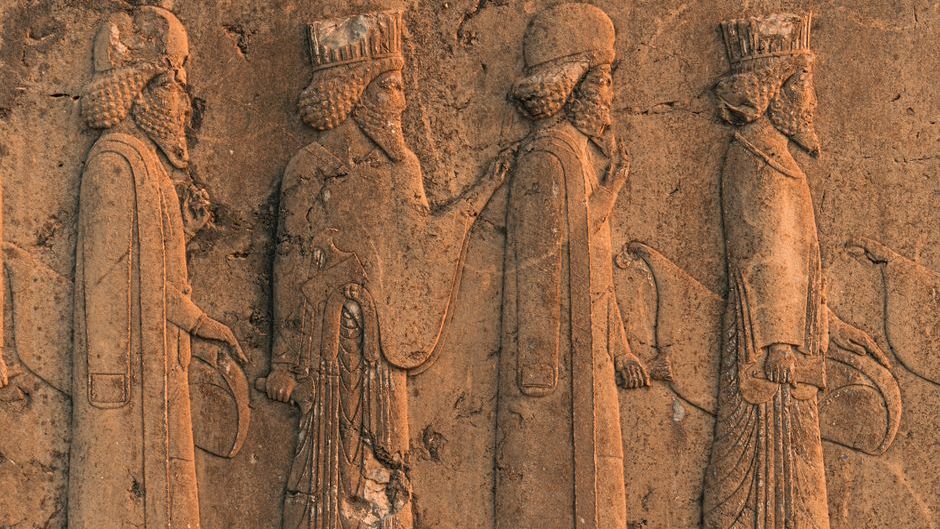
Every time a new ancient tablet is pulled from the ground in Iraq, there’s this electric moment where past and present collide. With the Sumerians, that feeling is even stronger, because you have one of the earliest writing systems on Earth quietly whispering its version of where humans came from. At the same time, modern geneticists are running whole-genome analyses, mapping ancient DNA, and reconstructing population histories with high-powered software. You’d think these two worlds have nothing in common: myth-obsessed priests on one side, lab-coated researchers on the other. But when you step back and compare the big picture of what Sumerian texts say about human origins with what genetics is uncovering, the overlap is honestly more than most people are ready to admit.
I do not mean that clay tablets predicted DNA, chromosomes, or CRISPR. They did not. What I’m saying is that the Sumerians encoded a surprisingly sophisticated intuition about humans as a blended, engineered, and distributed species, and modern genetics keeps stumbling into patterns that feel strangely familiar. When you strip away the gold-plated mythology and read the texts as what they partly are – early attempts to reverse‑engineer existence – you start seeing recurring ideas: hybridization, sudden leaps in capability, population bottlenecks, and shared ancestry across regions. It is not proof of anything mystical, but it is enough to make you raise an eyebrow and wonder whether we have been underestimating how observant (and how metaphorically precise) these ancient writers actually were.
The Sumerian Story Of “Engineered” Humans And The Genetic Leap
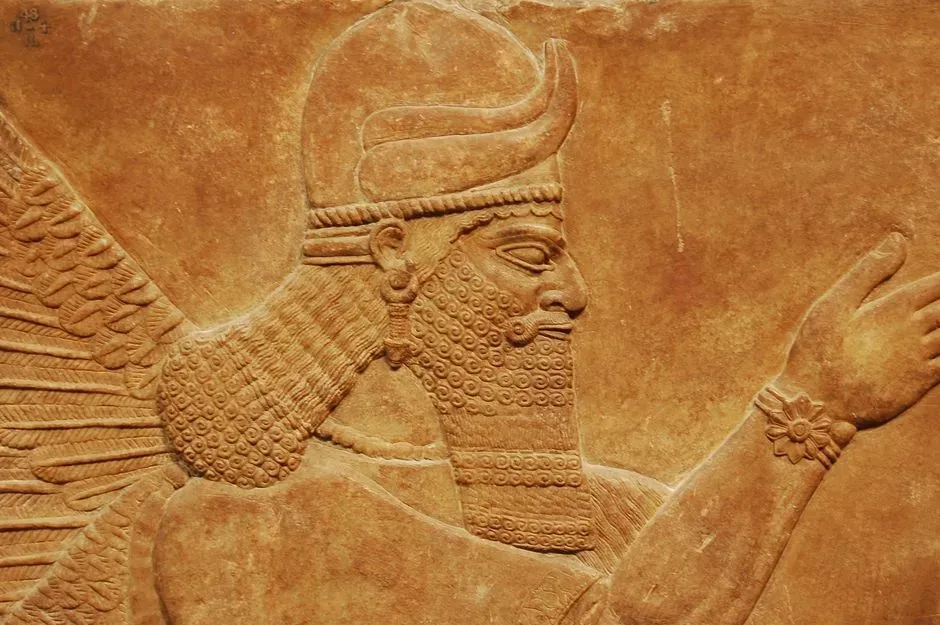
One of the most striking themes in Sumerian and later Mesopotamian tradition is the idea that humans were deliberately fashioned, or even tinkered with, to serve as workers for higher beings. In several texts, humans are described as being made from a mixture of divine essence and earthly material, as if life required a special recipe rather than a slow, random drift. When you read that alongside the modern concept of a relatively sudden cognitive leap in Homo sapiens – faster language, complex culture, symbolic thinking – it is hard not to notice that both stories are reacting to the same puzzle: why did humans, out of all animals, suddenly become so different? Genetics, especially studies on brain-related genes and regulatory changes, keeps documenting that relatively small tweaks can trigger massive shifts in capability.
Now, obviously, no serious geneticist is saying “gods spliced us together in a Mesopotamian lab.” But genetic research does support the idea of punctuated changes, where subtle alterations in certain genes or gene networks coincide with sharp jumps in behavior and cognition. Ancient authors, lacking microscopes, framed this in the only language they had: craftsman gods, divine councils, sacred mixtures. I remember the first time I read some of these human-creation passages; they felt uncannily like a mythologized version of “targeted modification,” even though I knew that was my modern brain projecting. Still, the fact that both traditions – mythic and scientific – are preoccupied with the notion that humanity did not just slowly ooze into existence, but reached a qualitative threshold, is a parallel that is very hard to ignore.
Clay Tablets Speak Of Mixed Origins; Genomes Tell A Similar Story
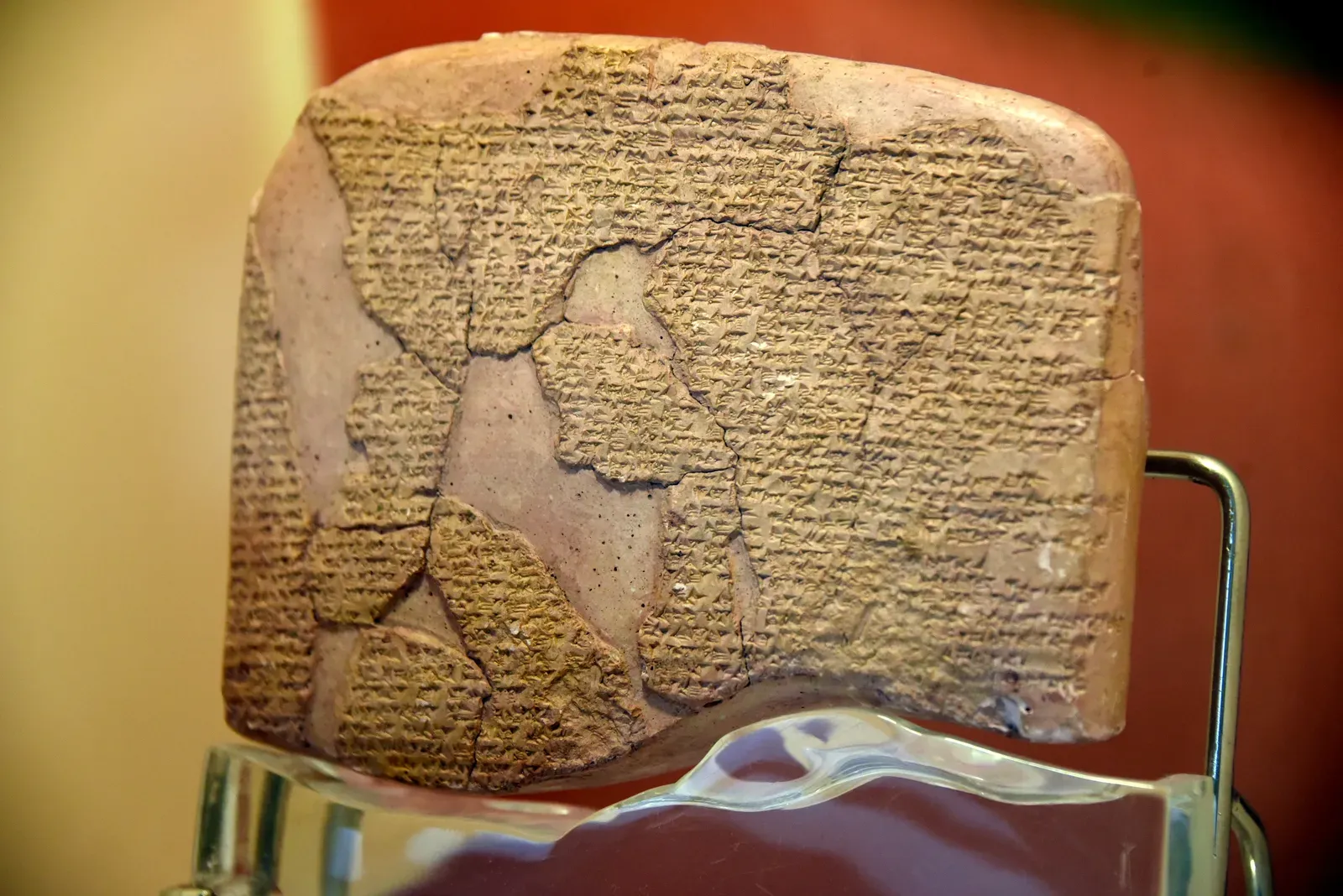
Another recurring Sumerian motif is that humans are not pure beings; they are mixtures. In the texts, this shows up as combinations of divine and terrestrial elements, or as unions between gods and mortals, producing special lineages. Underneath the supernatural language is a simple, powerful idea: humans come from blending. Modern population genetics, looking at DNA from around the world, ends up saying something conceptually similar but in more precise language: human populations are mosaics formed through repeated waves of mixing, migration, and interbreeding. Instead of “god plus clay,” you see hunter‑gatherer plus farmer, local lineage plus incoming group, and so on, layered over thousands of years.
When researchers map ancestry components in different regions of the Middle East, they consistently find evidence of intertwined lineages and shared roots, with ancient Mesopotamia sitting at a crossroads. That is exactly how Sumerian stories frame their own world: not as an isolated pocket, but as a hub where humans of different origins are drawn together under the watch of divine powers. Of course, scribes were not plotting haplogroup frequencies; they were watching trade caravans and migrants show up with new languages, looks, and customs, then encoding that reality as tales of mixed bloodlines. The irony is that modern genetic analyses, centuries later, have to admit those ancient observers were basically right about one core point: there is no such thing as a “pure” human lineage, only layered mixtures.
Flood Myths, Bottlenecks, And The Genetic Memory Of Near-Extinction
The Sumerian version of the great flood is famous: a catastrophic deluge that nearly wipes out humanity, with a small group surviving to restart civilization. On the surface, it is an epic drama about divine anger and fragile human fate. But zoom out, and you see a pattern that resonates oddly well with what geneticists call population bottlenecks – moments when the human population shrinks dramatically and then rebounds, leaving a trace in our DNA. Studies of genetic diversity in our species suggest several past bottlenecks, both ancient and more recent, where only a relatively small number of individuals contributed disproportionately to future generations. It is not hard to see why cultures would preserve extreme survival stories in their deepest myths.
To be clear, no one can prove that a particular Mesopotamian flood story cleanly maps onto any single genetic bottleneck. That would be overselling it. But it is fully reasonable to think that repeated regional disasters – massive floods, droughts, or outbreaks – could echo forward as oral memories, eventually being cast into written myths about the near‑end of humankind. Genetics and Sumerian literature are both attuned to the same basic reality: our species came close to the edge more than once. Personally, I find it powerful that ancient people encoded that vulnerability in stories of one family in a boat, while modern scientists see the same vulnerability as a statistical thinning of genetic variation. Different languages, same underlying fear: we almost did not make it.
Divine Councils, “Projects,” And The Modern Idea Of Collaborative Evolution
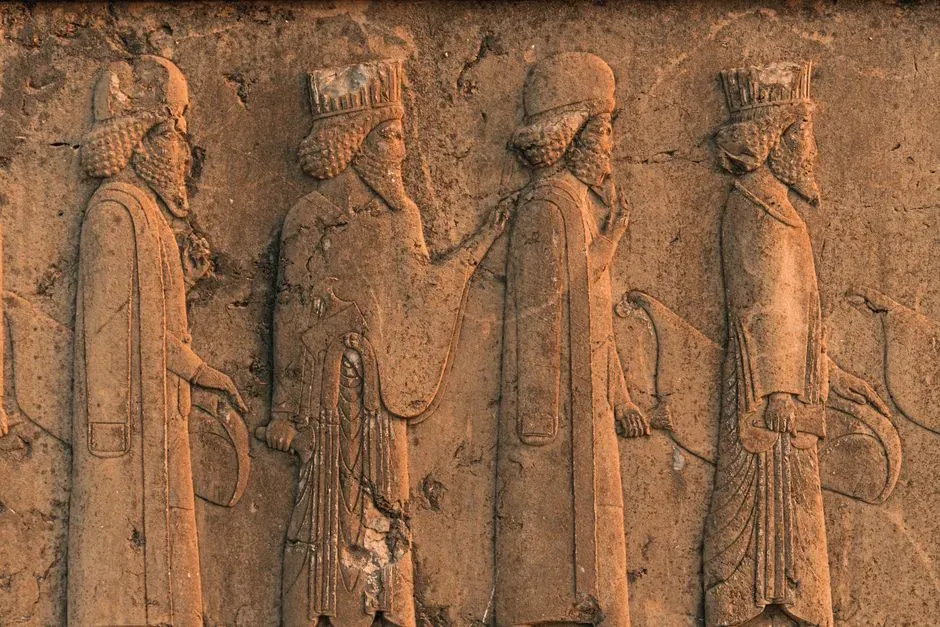
In many Sumerian texts, there is this fascinating image of a divine council debating what to do with humans – whether to create them, modify them, or even wipe them out when they get too noisy or troublesome. On one level, it is pure drama. On another, it is a metaphor for complex, multi‑factor decision‑making in the shaping of life. Modern evolutionary biology, especially when combined with genetics, talks about selection pressures, environmental shocks, cultural practices, and random mutations all interacting at once. There is no single “designer,” but there is a constant negotiation between forces, a kind of invisible council of constraints and opportunities that shapes what traits survive.
When you view it that way, the divine council becomes a poetic stand‑in for the tangled web of influences that guide human evolution: climate shifts acting like stern gods, pathogens as hostile deities, cultural innovations as rebellious younger gods. Scientists break this down into models and math, not myths and personalities, but both are trying to explain why humans look and behave the way they do. Reading these texts, I sometimes feel like the scribes were doing early systems thinking with the tools they had. And the overlap here is not about details; it is about the shared intuition that our origins are not the product of a single, straight line, but of constant negotiation among many competing forces.
The Sumerian Sense Of Shared Humanity And Genetic Relatedness
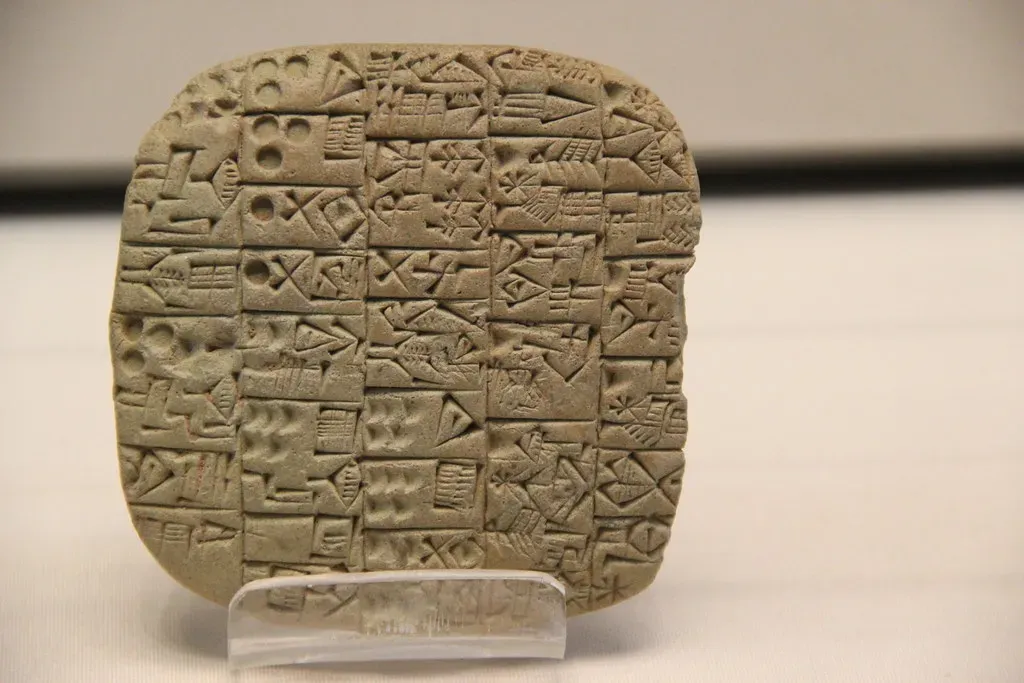
For a culture that could have easily glorified only its own people, Sumerian literature contains an undercurrent that all humans fall under the same broad project. There are chosen cities and favored groups, sure, but humankind as a whole is treated as one category with a shared origin story. That view quietly anticipates a core finding of modern genetics: whether you are in Basra, Boston, or Buenos Aires, you are remarkably similar at the DNA level to everyone else on Earth. The differences that people obsess over – skin tone, eye shape, hair texture – are tiny tweaks on top of a vast ocean of shared genetic code.
Genetic studies have repeatedly shown that human variation is mostly distributed within populations, not cleanly between them. In other words, the old idea of sharply separated races just does not hold up biologically. The Sumerians obviously did not have allele frequency charts, but their insistence that humans stem from a common act of creation is closer to modern biology than some later ideologies that tried to claim rigid, natural hierarchies. I think that is an uncomfortable truth for those who like to portray ancient myths as purely primitive: in this one crucial respect, they landed on a more scientifically compatible view of human unity than many later thinkers who should have known better.
Myths As Compressed Data: How Ancient Narratives Anticipate Genetic Themes
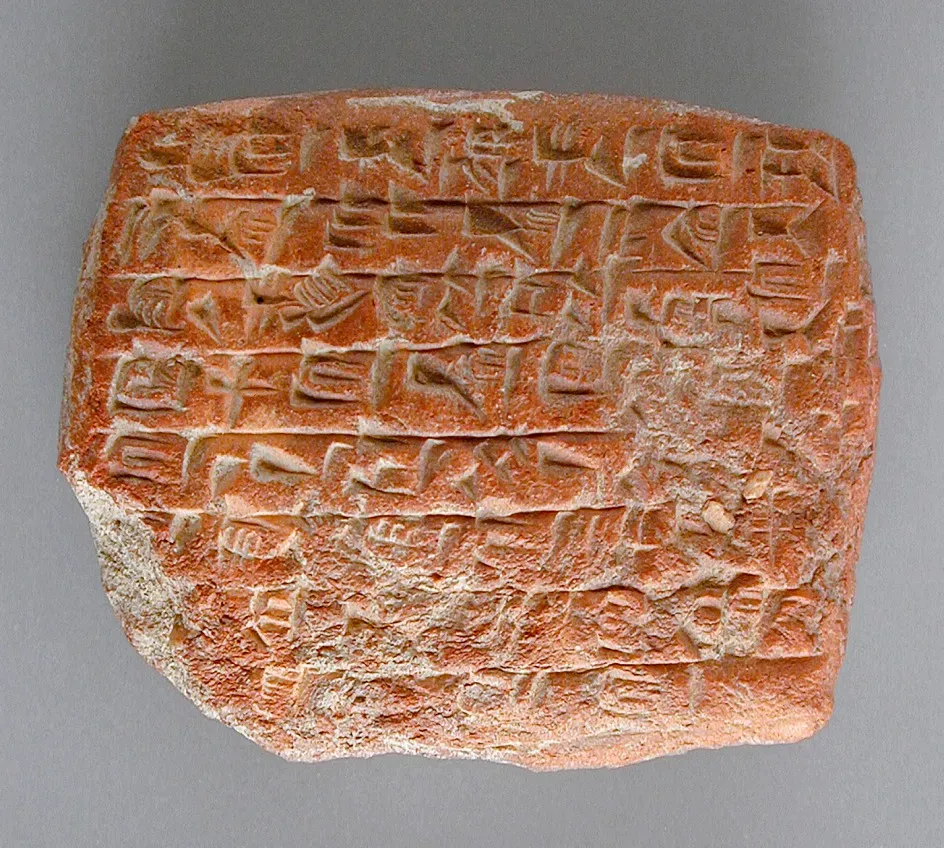
Myths often get dismissed as pretty lies, but another way to look at them is as compressed data about how a culture understood reality. A Sumerian priest, watching crops fail, rivers flood, people migrate, and strange new faces appear in the marketplace, had to build a mental model of why the world looked that way. The easiest way to share that model with others was through stories about divine plans, cosmic experiments, and dramatic resets of humanity. Modern genetics is doing something similar on a different layer: taking in massive datasets about variation, ancestry, and mutation, then compressing them into narratives about where we came from and how we changed.
When you compare the two, specific overlaps start to feel less like spooky coincidence and more like convergent problem‑solving. Both the clay tablets and the genome charts are struggling with questions like: Why are we here? Why are we so similar, yet slightly different? Why do we seem to carry scars from past catastrophes? It makes sense that certain motifs – mixed origins, narrow survivals, sudden leaps – would appear again and again, just in different clothing. Personally, I think one of the biggest mistakes academia sometimes makes is treating myth and science as rivals, when in reality they are more like two languages describing the same mountain range from different sides.
Why The Overlap Is Ignored – And Why It Matters
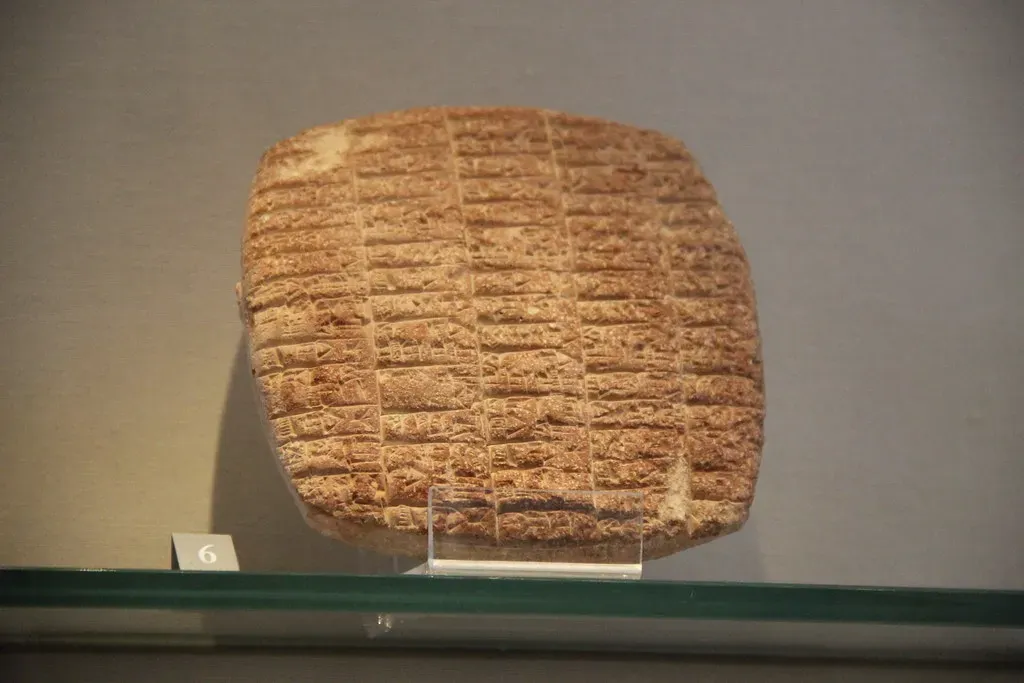
So why do many academics downplay these overlaps? Part of it is a justified fear of pseudoscience. There is a long history of people cherry‑picking myths to prop up wild claims about aliens, secret technologies, or lost super‑civilizations. Serious scholars understandably recoil from anything that smells like that, and in the process, some also shy away from acknowledging real, nuanced parallels between ancient narratives and modern findings. Another part is disciplinary silos: geneticists are often buried in datasets, while Assyriologists and historians are buried in tablets. They do not have a lot of structured opportunities – or incentives – to sit together and ask, in good faith, where their stories accidentally rhyme.
I think that is a missed opportunity. Recognizing overlap does not mean pretending the Sumerians somehow knew about DNA strands or population structure statistics. It means giving them credit for building symbolic frameworks that captured, in mythic form, some of the same patterns that science would later describe quantitatively. That matters because it restores a bit of humility to our modern narrative: we are not the first humans to notice that our species feels engineered, mixed, fragile, and yet oddly unified. The clay tablets just tell that story with gods and sacred clay, while we tell it with base pairs and Bayesian models. The deeper question is whether we’re willing to learn from both, instead of pretending only one way of seeing the world has anything intelligent to say.
Conclusion: Ancient Stories, Modern Genes, And The Danger Of Arrogance
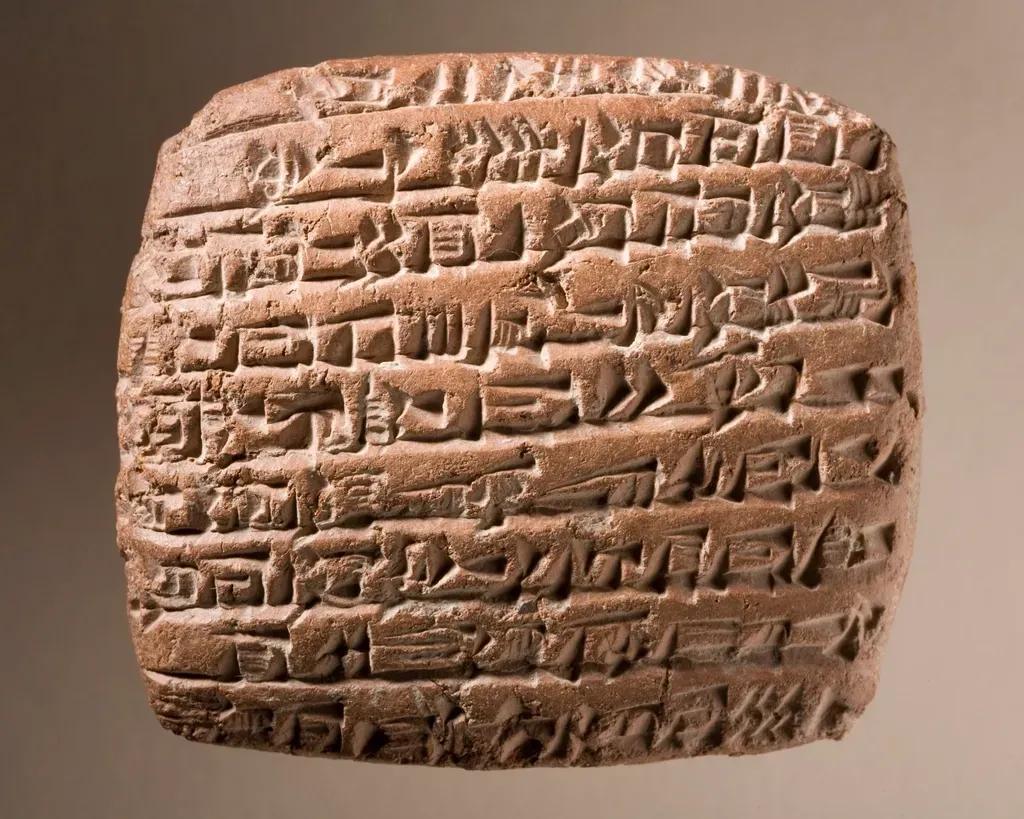
If you strip this down to its bones, Sumerian creation texts and modern genetic research are staring at the same mystery from different centuries. One side talks about divine craftspeople shaping a hybrid species, floods that almost erase us, and a noisy humanity that keeps surprising its makers. The other side talks about selective sweeps, admixture, bottlenecks, and a globally shared gene pool. No, the tablets did not “predict” genomics, and the genomes do not “prove” the myths. But the overlap in themes is real enough that brushing it off as random coincidence feels more like defensiveness than clear thinking.
My own opinion is that we have been a little too quick to congratulate ourselves on finally understanding human origins, and a little too eager to sneer at the old stories that got there first in metaphorical form. A more honest stance is to admit that those Sumerian scribes noticed patterns in our existence that stand up surprisingly well under modern scrutiny: that we are mixed, that we nearly vanished, that our development feels abrupt in ways that beg for explanation, and that we are all part of one fragile, ongoing experiment. Maybe the real lesson is simple and a bit humbling: long before we had gene sequencers, humans were already wrestling with truths about ourselves that we are still trying to fully articulate today. And that raises a quiet, unsettling question – what patterns are we dimly sensing now that future generations will say we only half understood?