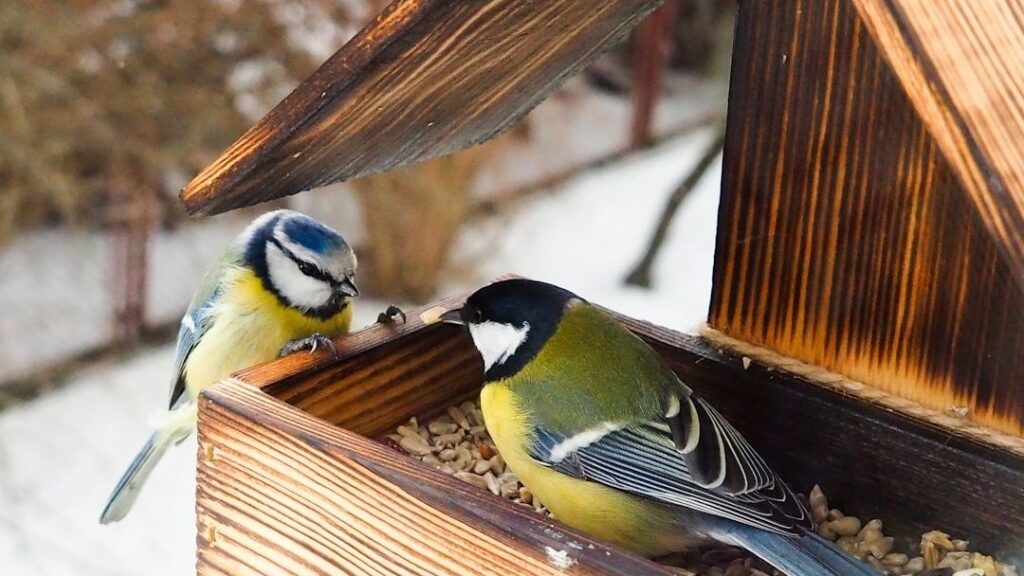
There’s a good chance you’ve heard the sentence that gets tossed around in documentaries and memes alike: birds are dinosaurs. It sounds like a fun sci‑fi tagline, but the wild part is that it’s not poetic or metaphorical at all. In the same way that you and your grandparents are all still humans, birds and creatures like Velociraptor sit inside the same dinosaur family tree. The dinosaurs we usually picture died out, but one slender branch of that tree kept going, sprouted feathers, learned to fly, and is now raiding your backyard bird feeder.
Once you see the evidence, it’s honestly hard to unsee it. The bones, the lungs, the eggs, even the way a chicken walks across a farmyard all whisper the same story: the age of dinosaurs never truly ended. It just got smaller, fluffier, and moved into the trees. Let’s dig into six specific, scientific ways that modern birds are not just distant descendants of dinosaurs, but living, breathing dinosaurs walking, flapping, and screaming over our heads right now.
1. The Dinosaur Family Tree Puts Birds Inside, Not Next To, Dinosaurs
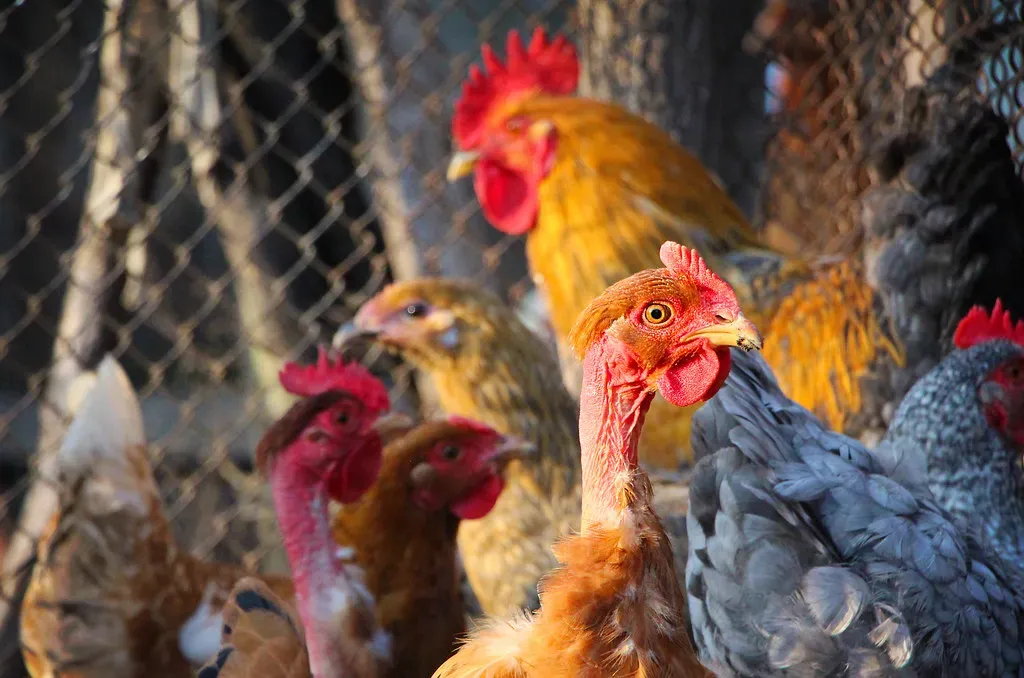
Here’s the first mind‑bender: when paleontologists draw up the dinosaur family tree, they do not place birds in a separate box labeled “modern animals.” They literally draw birds as one branch inside the group of theropod dinosaurs, right alongside famous names like Tyrannosaurus and Velociraptor. In modern classification, a dinosaur is basically defined as any animal that falls within the group that includes those classic species and their living descendants. That means the moment you accept the standard scientific definition of “dinosaur,” sparrows and pigeons automatically qualify.
Think of it a bit like last names in a big, sprawling family. If all your ancestors going back hundreds of years shared the same family name, and you still carry that name today, you do not stop being part of that family just because you’ve changed careers or moved cities. Birds might look and act wildly different from a six‑ton predator, but genetically and anatomically, they are just the branch of theropod dinosaurs that happened to survive the mass extinction and keep evolving. So when a paleontologist calls a crow a dinosaur, they’re not being quirky; they’re being precise.
2. Bird Skeletons Are Basically Miniature Theropod Dinosaurs
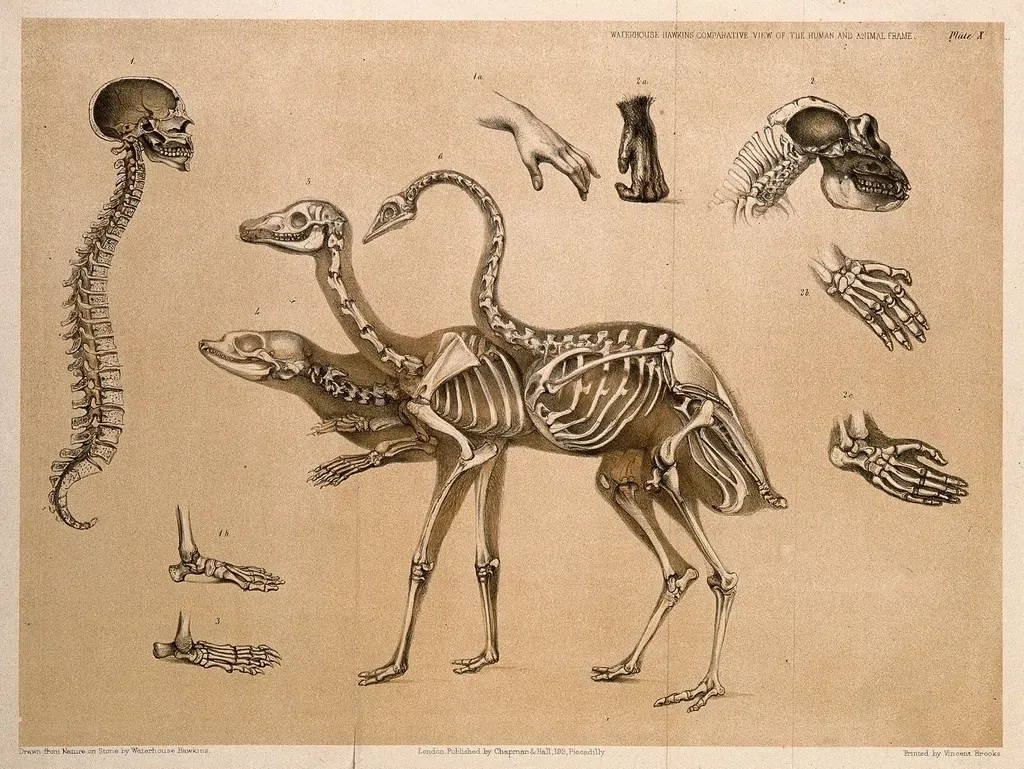
If you could strip away feathers and skin and set a bird skeleton next to the skeleton of a small theropod dinosaur, you’d get an almost spooky sense of déjà vu. Both have an S‑shaped neck, a lightweight but rigid backbone, long hind limbs with three main toes, and a pelvis that looks like a weird, twisted question mark. The wishbone (the furcula), which many people only think about when snapping it at holiday dinners, is actually a classic theropod feature that we also see in fossils of creatures like Velociraptor. This is not a vague resemblance; it’s detailed, bone‑for‑bone continuity.
Even the bird’s oddly fused bones scream dinosaur heritage. The stiff tail stub called the pygostyle in birds is a shortened, fused version of the long, bony tails found in non‑avian dinosaurs, and the fused bones in the hands mirror the way hand bones in theropods gradually streamlined into a three‑fingered structure. I still remember the first time I saw a museum display overlaying a bird skeleton on a theropod outline; it felt less like looking at two different animals and more like watching an evolutionary time‑lapse. The more closely you look, the harder it is to draw a clean line where “dinosaur” supposedly stops and “bird” begins.
3. Feathers Did Not Start With Birds – Dinosaurs Had Them First
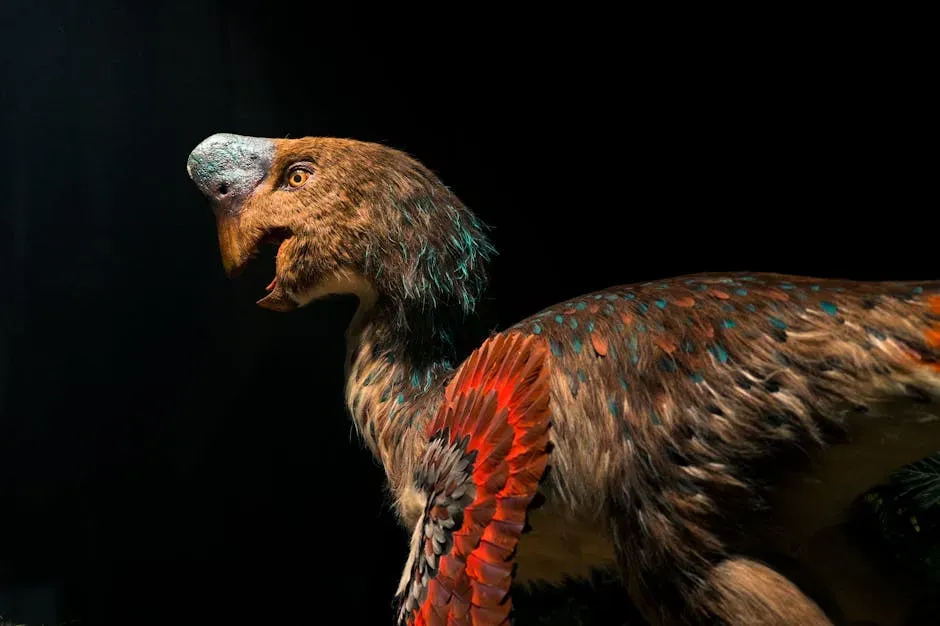
Many people still imagine dinosaurs as giant, scaly lizards, but fossils have been quietly rewriting that mental picture for decades. Paleontologists have uncovered a whole parade of non‑avian dinosaurs with preserved feathers or feather‑like structures, especially in deposits in northeastern China where fine volcanic ash captured astonishing detail. Some small theropods show simple filamentous fuzz, others have complex, branching feathers on their arms and tails, clearly used for display or insulation long before true flight evolved. In other words, feathers are a dinosaur invention that birds simply inherited and upgraded.
Once you realize that, a crow stops looking like an oddball miracle and starts looking like the logical endpoint of a long dinosaur style experiment in insulation, display, and eventually aerodynamics. Today’s birds still grow feathers in the same basic patterns we see mapped onto fossilized dinosaur skin impressions. The colors, shapes, and purposes have exploded into thousands of variations, from the shimmering tail of a peacock to the downy coat of an owl chick, but at their core, these are modified dinosaur feathers. When a blue jay preens, you are literally watching a dinosaur maintain one of its signature inventions.
4. Bird Lungs, Hearts, and Metabolism Are Pure High‑Performance Dinosaur Tech
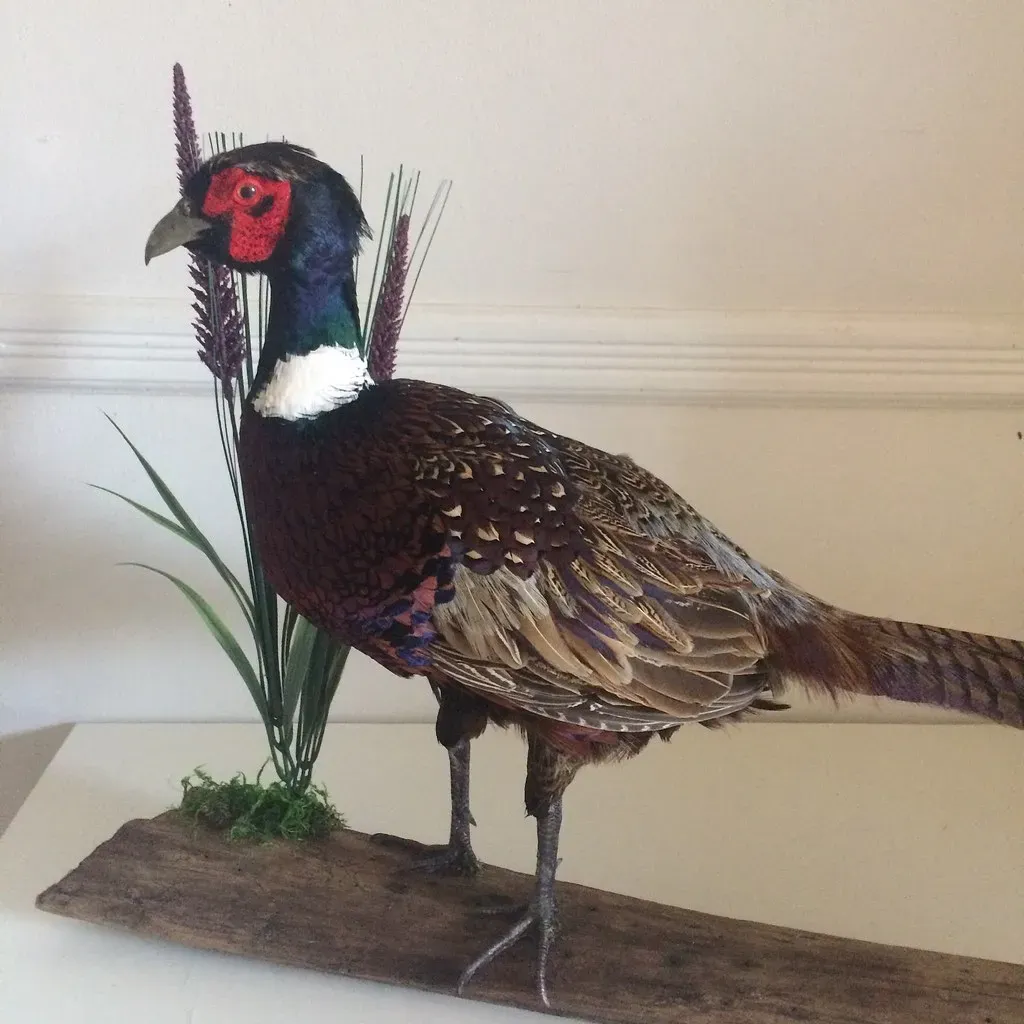
Birds are metabolic overachievers, running on what is basically a sports‑car version of a dinosaur engine. Their lungs operate with a one‑way airflow system supported by air sacs that extend through much of the body, including into some bones. This setup allows fresh air to pass through the lungs continuously, instead of moving in and out like human lungs. Fossil evidence from theropod dinosaurs shows similar patterns of hollow bones and spaces that match the layout of these air sacs, strongly suggesting that advanced dinosaur respiratory systems were already in place long before birds took wing.
Pair that with a four‑chambered heart and a high metabolic rate that keeps body temperature stable, and you get an animal that can sustain demanding activities like flapping flight or long‑distance migration. This kind of physiology fits much better with an active, warm‑blooded dinosaur than a sluggish, cold‑blooded reptile stereotype. When a hummingbird hovers at a flower, heart racing and wings an invisible blur, it’s not just cute; it’s a small window into what high‑energy dinosaur life might have felt like. The hardware under those feathers is evolutionary dinosaur tech tuned to an even higher setting.
5. Eggs, Nests, and Parenting: Birds Follow Ancient Dinosaur Playbooks
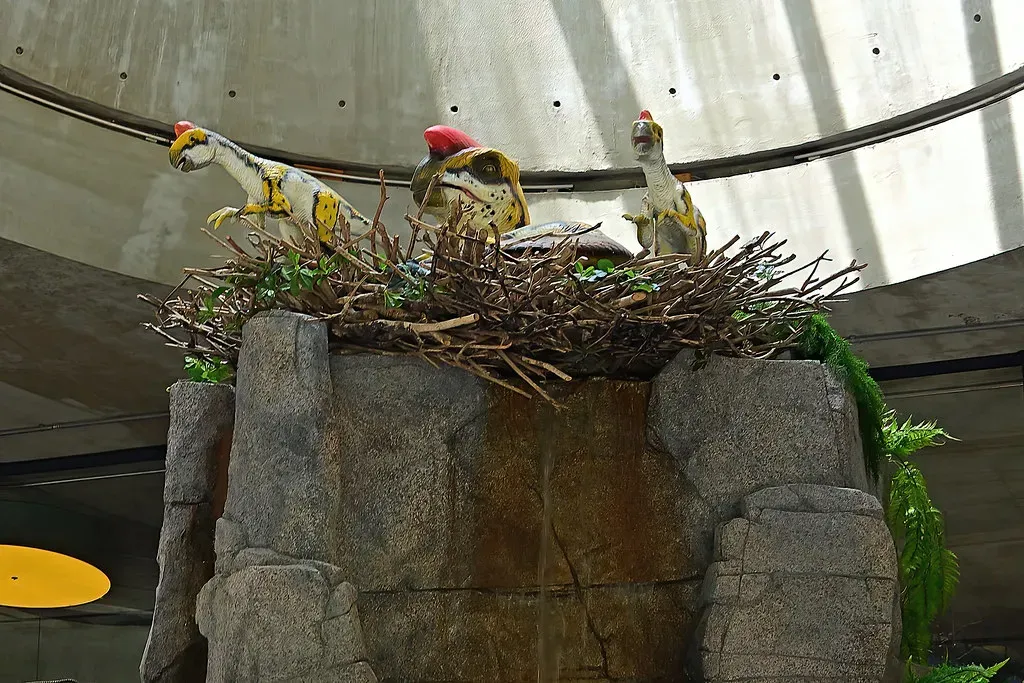
Birds are famous for their nests and fiercely devoted parenting, but those behaviors did not appear out of nowhere in the modern world. Fossil nests from theropod dinosaurs show carefully arranged eggs, often ringed in patterns that look remarkably similar to how some modern ground‑nesting birds lay their clutches. Some fossils even preserve adults crouched over nests, arms spread in a posture that looks exactly like a brooding bird trying to shield its eggs or chicks. These scenes, frozen in stone, suggest that attentive incubation and nest guarding are very old dinosaur traditions.
Modern birds simply expand on this blueprint with elaborate courtship displays, complex nest architecture, and extended care for chicks well after they hatch. From penguins that cradle eggs on their feet to tiny songbirds that feed nestlings dozens of times a day, the common thread is intense parental investment. This level of care makes more sense when you realize it has deep roots in a dinosaur strategy where fewer eggs were laid, but each one got serious attention. Every time you watch a robin bringing worms back to its nest, you are watching a living dinosaur reenact a parenting strategy that helped its ancestors survive mass extinction and everything that followed.
6. Behavior, Brains, and Smarts: Birds Think More Like Dinosaurs Than Reptiles
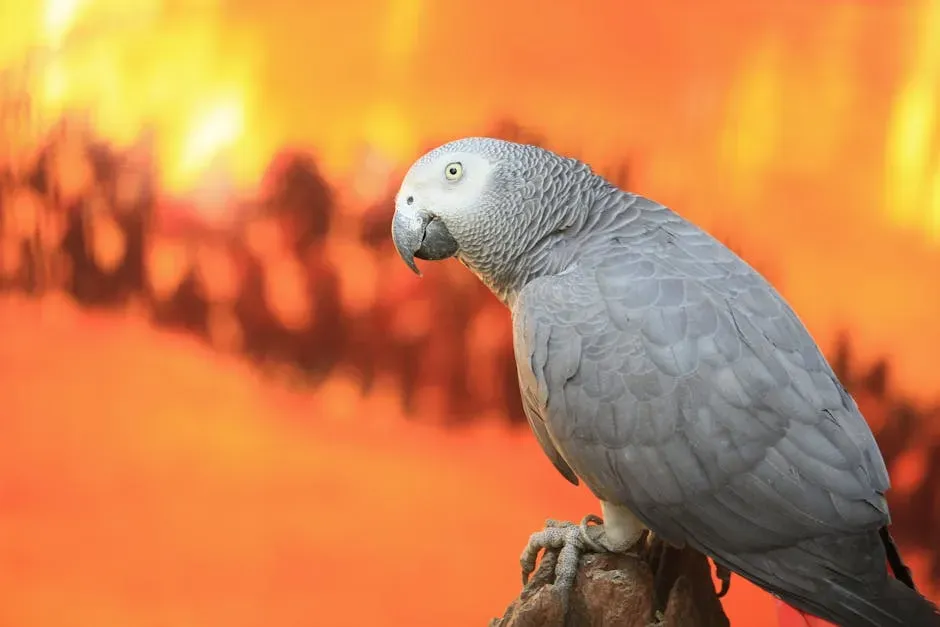
Birds are not only physical dinosaurs; mentally, they often feel far closer to what we now imagine intelligent, active dinosaurs would have been like. Many birds have relatively large brains for their body size and show impressive problem‑solving skills, tool use, complex communication, and even a sense of self in some experiments. Crows can remember human faces, parrots can learn meaningful associations with words, and certain species can plan for future needs. When scientists compare brain structure, they find that bird brains, though compact, are densely packed and share key organizational patterns with what we infer for theropod dinosaurs from fossil skulls.
On top of that, their behavior is restless, social, and curious in a way that lines up with modern reconstructions of dinosaur life. Flocking birds resemble herding dinosaur groups; coordinated hunting in species like hawks echoes what some researchers propose for pack‑hunting theropods; complex songs and displays bring to mind dinosaur courtship rituals that likely involved color, sound, and motion. I have watched gulls in a parking lot work out how to open food containers with a kind of stubborn cleverness that feels more like dealing with mischievous primates than “simple” animals. If we ever could watch small theropod dinosaurs go about their day, there is a good chance they would feel uncannily bird‑like, not the other way around.
Conclusion: Accept It – The Dinosaurs Won, and They’re At Your Bird Feeder
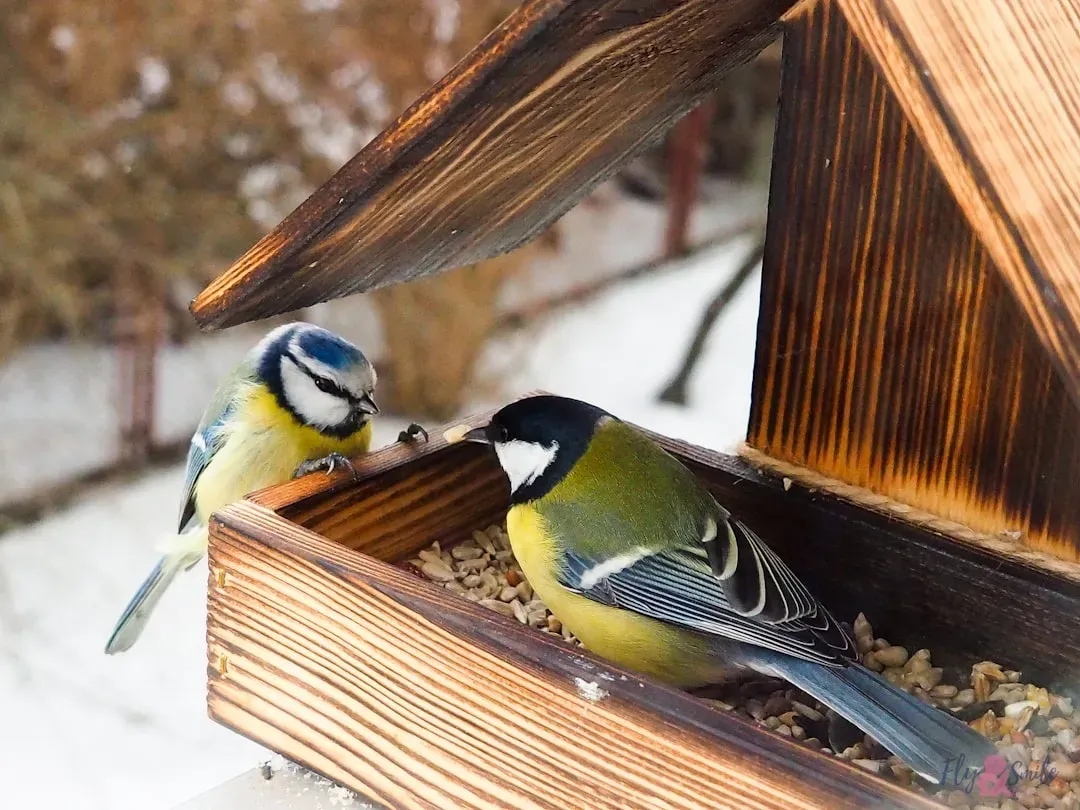
Once you stack all the evidence together, the old line that “birds descended from dinosaurs” actually undersells the truth. Bones, feathers, lungs, eggs, parenting, and even behavior all point to one straightforward conclusion: birds are not just echoes of a lost age; they are the living continuation of the dinosaur story. The big, showy branches of that family tree were pruned away by a catastrophe, but one agile, feathered branch bent without breaking and exploded into the thousands of species we see today, from city pigeons to wandering albatrosses. In a quiet, almost sneaky way, the dinosaurs did not lose; they adapted, shrank, and took to the air.
Personally, I find that both humbling and slightly hilarious. We stand in museum halls gawking at skeletons of long‑dead giants while actual dinosaurs bicker over crumbs outside the window. Calling birds anything other than dinosaurs starts to feel like a refusal to follow the evidence where it clearly leads. The next time a goose hisses at you, or a raven eyes you with suspicious intelligence, it might be worth remembering that you are not just dealing with a random modern animal. You are negotiating with a survivor of an ancient, world‑dominating dynasty – a dinosaur that never left. Did you expect that when you saw your first sparrow this morning?