Every once in a while, someone digs in the wrong place, reads a forgotten document, or looks at an old object with fresh eyes – and the story we tell about the past simply collapses. That neat timeline you learned in school? It turns out to be more like a rough draft scribbled in pencil. When the right discovery lands, entire empires appear out of nowhere, lost worlds resurface, and long‑trusted myths shrivel under the spotlight of new evidence.
I still remember the first time I realized is not fixed. I was reading about a shipwreck that proved ancient sailors had crossed seas no one thought they could, and it honestly felt like someone had cracked open a secret door behind the textbook. That feeling never really went away. In this article, we’ll walk through twelve discoveries that did exactly that: they forced historians, scientists, and the rest of us to admit, sometimes grudgingly, that the past was stranger, richer, and far more surprising than we’d been told.
The Rosetta Stone and the Rebirth of Ancient Egypt
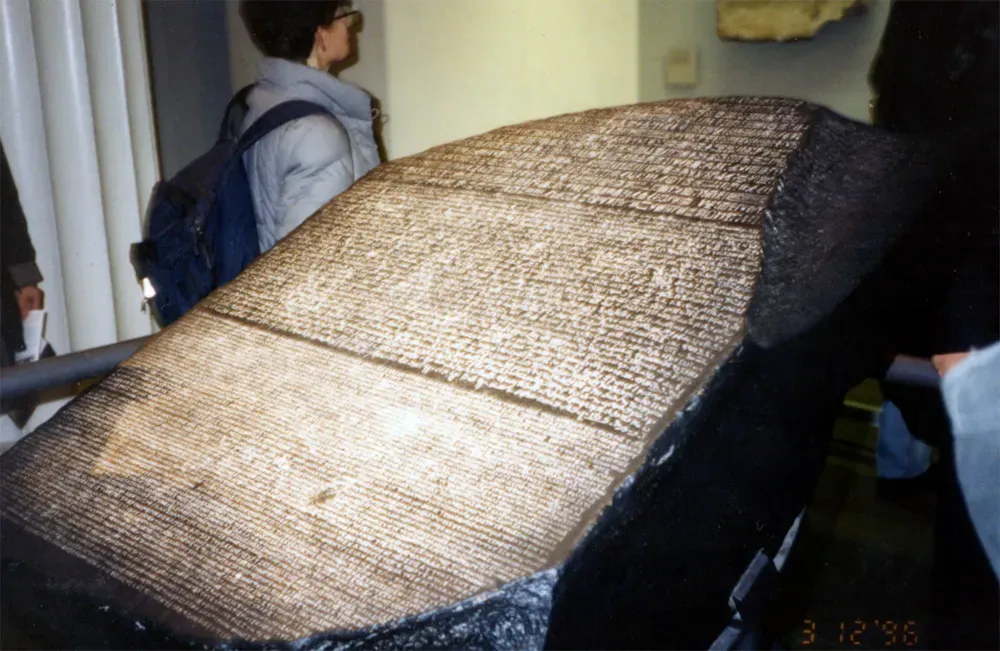
Imagine staring at thousands of beautiful symbols for centuries and having no idea what any of them meant. That was the state of Egyptian hieroglyphs before the Rosetta Stone surfaced in the late eighteenth century. It was just a reused slab of rock, dug out of a wall by French soldiers in Egypt, yet it carried the same text in three scripts, including ancient Greek, which scholars could already read. Suddenly, hieroglyphs were no longer mysterious decorations; they were a code waiting to be cracked.
Once linguists used the stone to decipher hieroglyphs, the entire civilization started speaking again. Names of pharaohs, religious rituals, tax records, love poems, even petty office complaints began to make sense. The dusty “land of pyramids” turned into a detailed, human world with arguments, reforms, propaganda, and everyday drama. This discovery didn’t just decode a script; it rewrote how we see one of the most iconic cultures on Earth, shifting Egypt from exotic backdrop to a complex, fully voiced society.
Göbekli Tepe and the Question of When Civilization Began
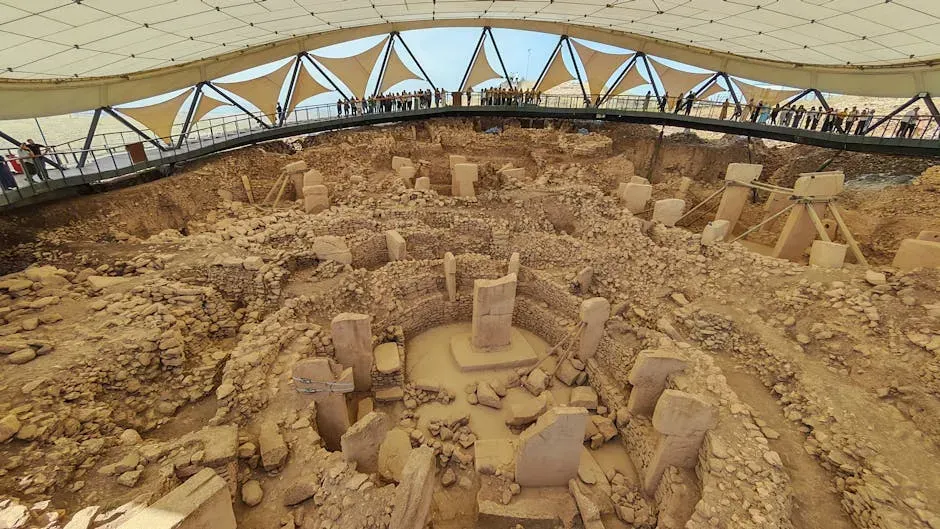
For generations, the story seemed simple: first came farming, then villages, then religion and big temples. Then archaeologists started uncovering Göbekli Tepe in southeastern Turkey, and that neat sequence fell apart. Here was a vast ceremonial complex with massive carved stone pillars, built by hunter‑gatherers around eleven thousand years ago – millennia before the pyramids and long before traditional cities.
This discovery flipped the script on what we thought caused civilization to emerge. It suggested that organized religion and large communal projects may have come before settled agriculture, not after. People may have gathered for rituals first and then figured out it was easier to stick around and grow food nearby. In other words, faith, shared myth, and community might have built farming, not the other way around. That’s a much messier, more human story – and frankly, a more believable one.
The Dead Sea Scrolls and the Early Roots of Judaism and Christianity
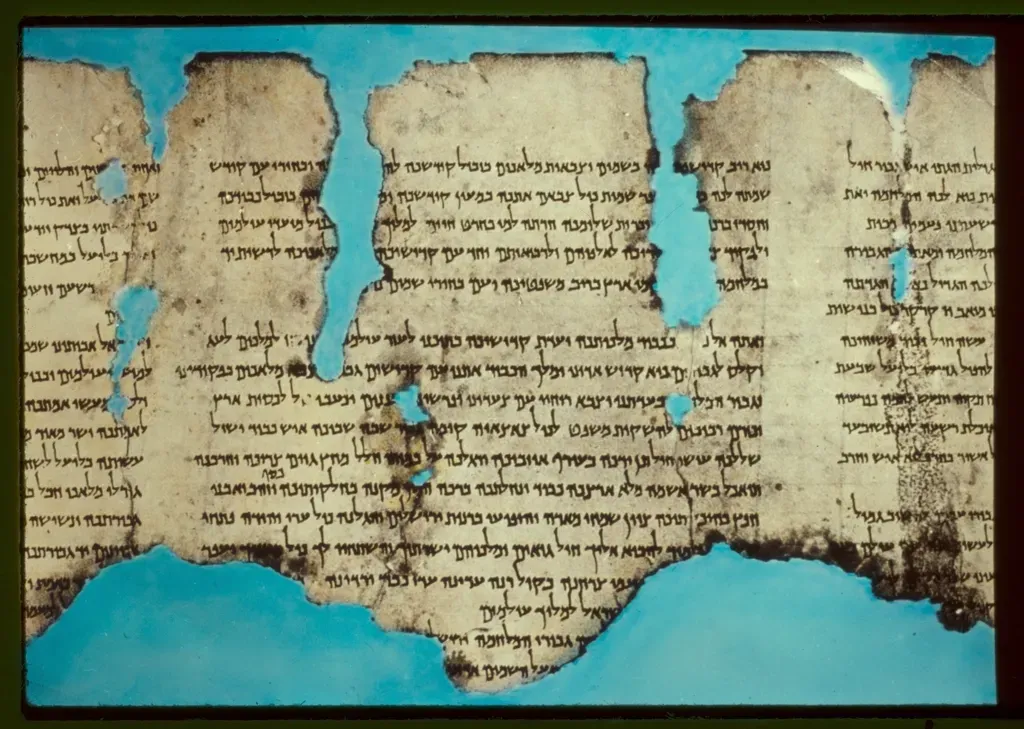
When a group of scrolls turned up in desert caves near the Dead Sea in the mid‑twentieth century, at first it sounded like the beginning of a legend: a shepherd boy throwing stones, a clink of pottery, hidden treasures in the cliffs. But the real shock came when scholars realized how old and how varied these texts were – Biblical manuscripts and other writings from around two thousand years ago, some older than any versions we had before. It was like suddenly getting access to a very rough draft of religious history.
The scrolls revealed that ancient Judaism was not a single unified belief system but a landscape of different sects, debates, and interpretations. They showed texts that would later become central to Judaism and Christianity evolving over time, with edits, variations, and competing ideas. For anyone raised on the idea of fixed, unchanging scripture, this evidence was disruptive. It made the early history of these faiths look less like a straight, polished road and more like a network of dusty, intersecting footpaths.
Lucy and the Redrawing of the Human Family Tree
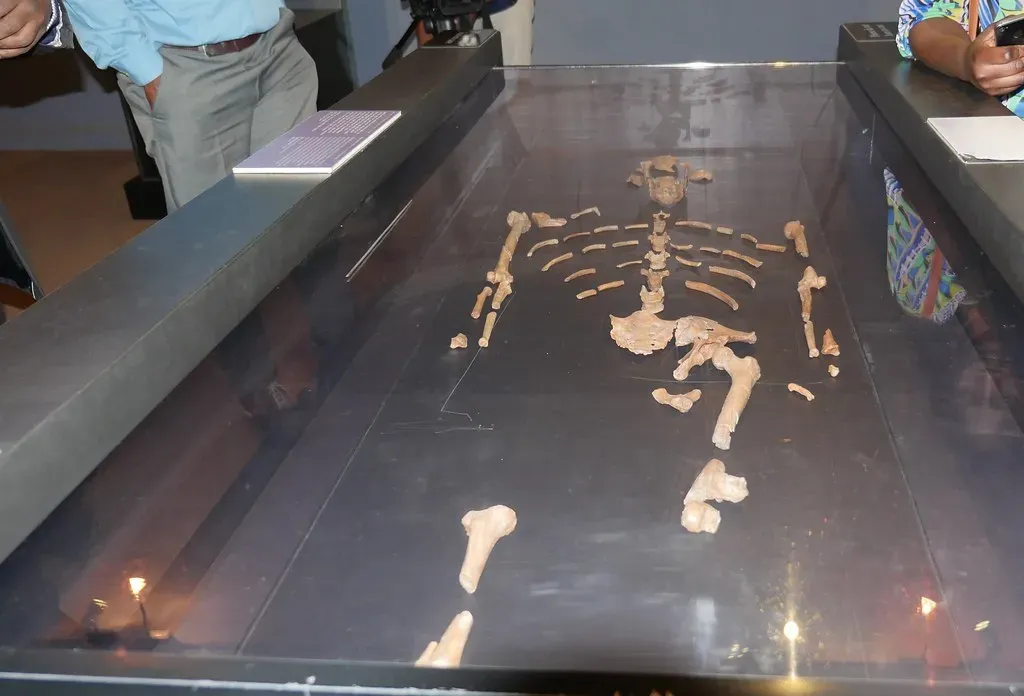
In the 1970s, a team of researchers working in Ethiopia uncovered the partial skeleton of a small, ancient hominin. They nicknamed her Lucy, and she quickly became one of the most famous fossils in the world. The reason was not just her age, around three and a half million years, but what her bones were clearly telling us: she walked upright. Here was a creature with a small brain and ape‑like features, yet with hips and legs adapted for bipedal walking.
Lucy forced scientists to rewrite the order of events in human evolution. The old story assumed that big brains came first and upright walking followed, as if intelligence dragged the body along. Lucy flipped that assumption. It looked like our ancestors stood up and walked on two legs long before their brains expanded. That one fossil helped shift the focus from a simple ladder‑style evolution to a branching family tree filled with different hominin species experimenting with movement, habitats, and survival strategies.
Troy: From “Mythical City” to Real Archaeological Site
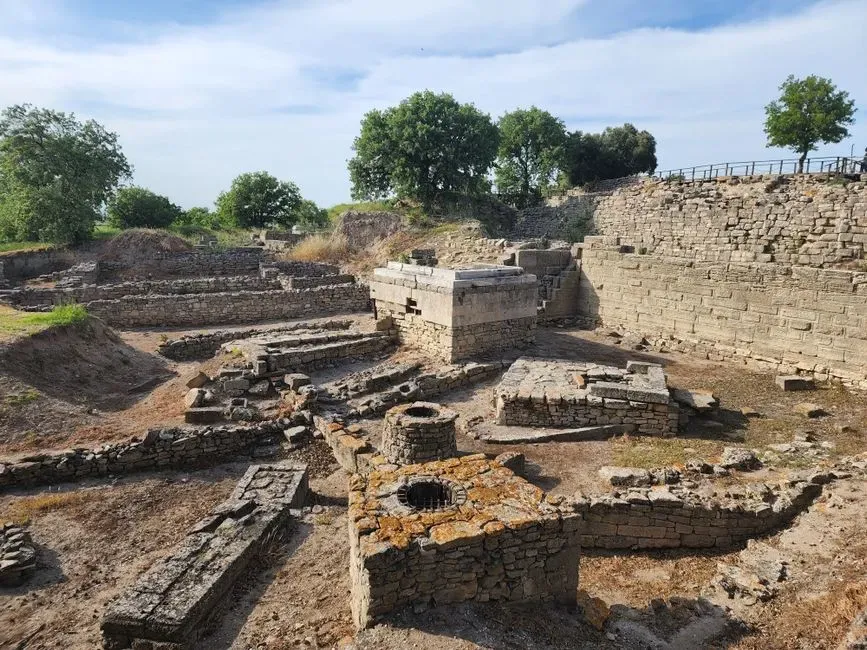
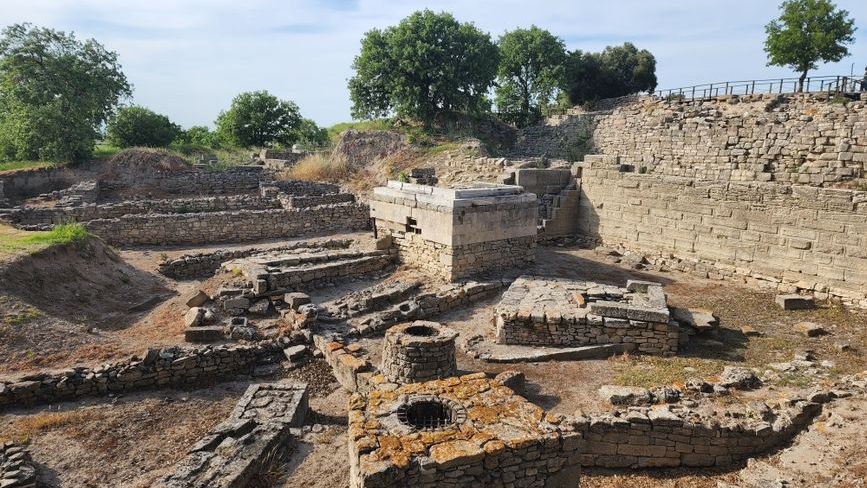
For a long time, many scholars put the Trojan War in the same mental box as dragons and sea monsters: good story, not literal history. Then, in the late nineteenth century, excavations in what is now Turkey uncovered the ruins of a city that matched many of the geographical details long associated with Troy. Under layer after layer of debris, archaeologists found evidence of a city destroyed and rebuilt multiple times, with signs of intense conflict and fire in some layers.
This did not prove every detail of epic poetry, but it smashed the neat divide between myth and reality. Instead of dismissing old stories outright, historians had to take more seriously the idea that legendary tales might be built on real events, distorted and dramatized across centuries. The discovery of Troy’s ruins nudged scholars toward a more humble stance: sometimes the bards were preserving memories that archaeology would only catch up with much later.
King Tut’s Tomb and the Shock of an Intact Royal Burial
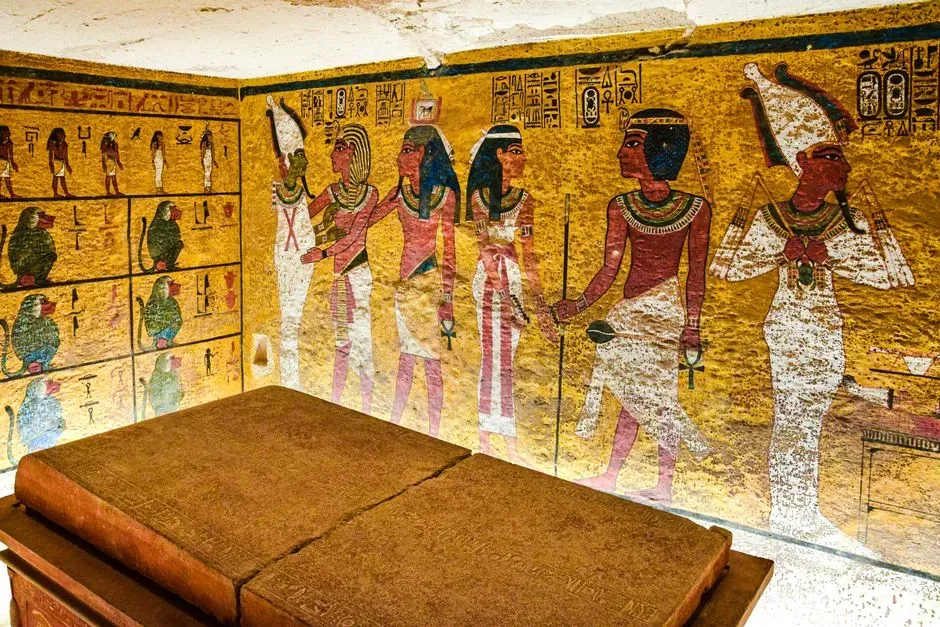
By the early twentieth century, many people assumed the Valley of the Kings in Egypt had given up all its secrets. Then Howard Carter’s team broke through a sealed doorway in 1922 and stepped into the nearly intact tomb of the young pharaoh Tutankhamun. The sheer abundance of objects – golden shrines, chariots, jewelry, daily tools – was overwhelming. It was as if time had locked away a full snapshot of royal life in the late Bronze Age.
This single burial changed how we visualize ancient Egypt. Instead of relying on scraps, looted objects, and secondhand accounts, historians suddenly had a complete royal context to study. The discovery revealed the wealth, craftsmanship, and ritual care that surrounded even a relatively minor pharaoh. It also challenged earlier assumptions about decline and chaos in that era, showing an Egypt still capable of extraordinary artistic and religious investment, even as political troubles simmered.
DNA and the New Science of Ancient Migrations
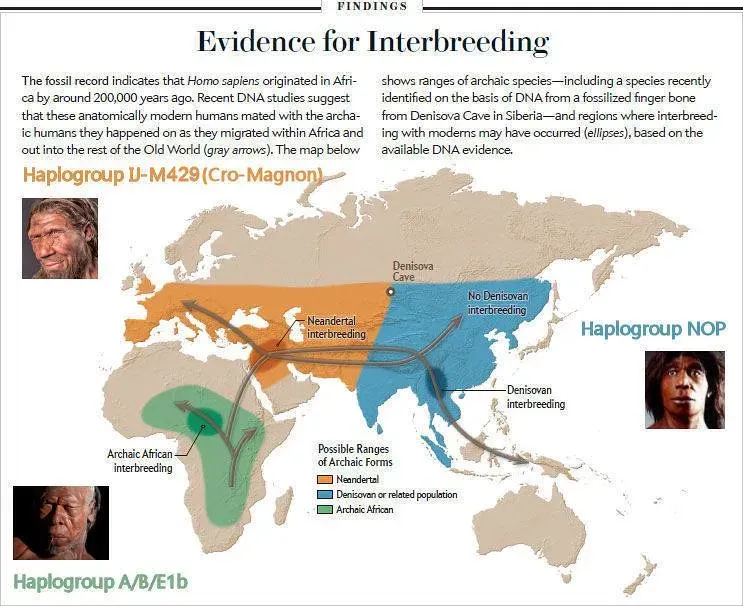
For most of modern history, scholars tried to track human migrations with pottery styles, tool shapes, and language families. Then ancient DNA analysis arrived and promptly made everyone realize how many of those patterns were just guesses wearing fancy clothes. By extracting genetic material from old bones and teeth, scientists began to map who moved where, who mixed with whom, and how populations changed over thousands of years.
The results have been both thrilling and uncomfortable. Long‑held narratives of pure, isolated peoples have collapsed in favor of a story where movement, mixing, and replacement are the norm. Groups that saw themselves as timeless and rooted often turn out to be the product of repeated waves of newcomers. It turns out the human past is less like a set of separate boxes and more like a constantly swirling river, with currents crossing and re‑crossing in ways no simple map can capture.
Çatalhöyük and the Hidden Complexity of Early Urban Life
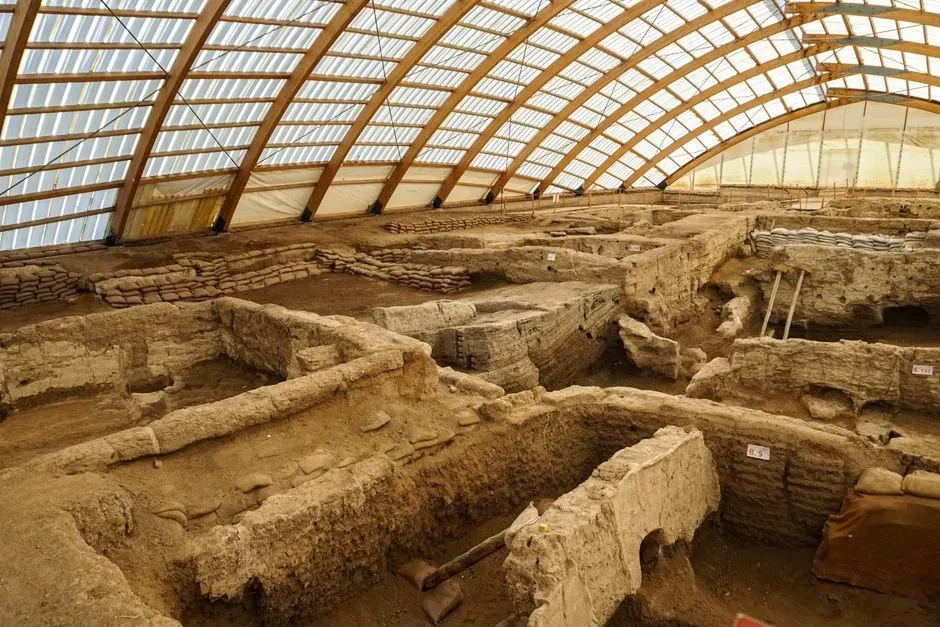
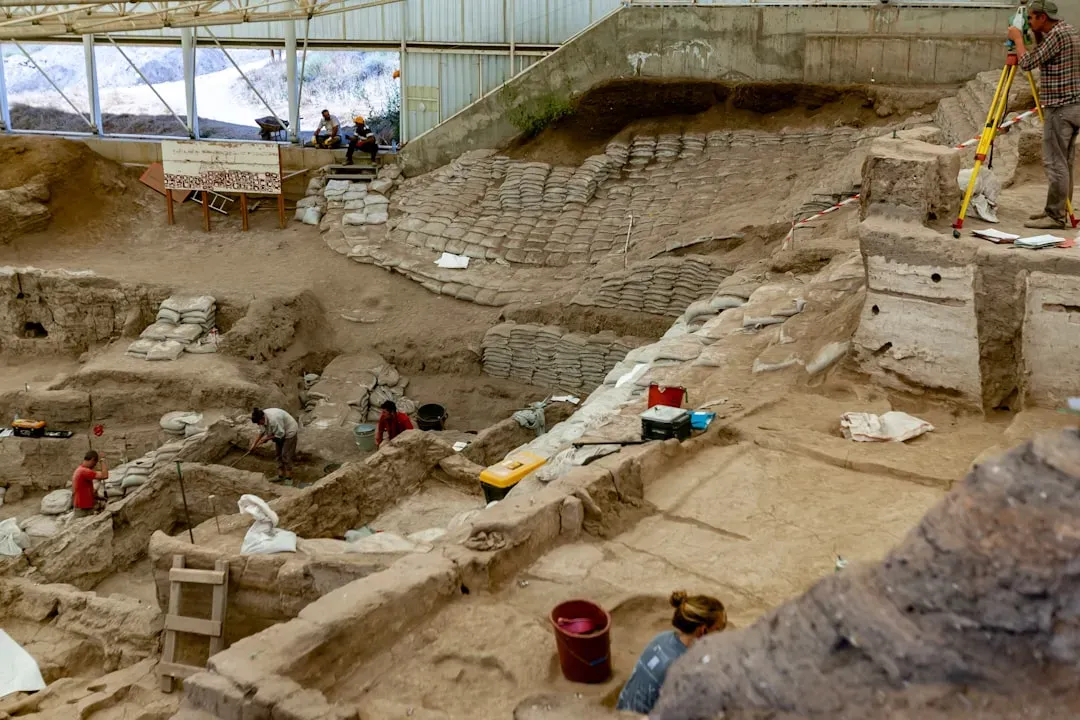
When archaeologists started seriously excavating Çatalhöyük in modern‑day Turkey, they did not fully expect what they found. This Neolithic settlement, dating back around nine thousand years, had densely packed houses with no streets in the modern sense. People seem to have entered homes through the roof, shared walls, and lived in a kind of labyrinthine rooftop world. It looked like a city, but not any city we would immediately recognize.
What here was not just the size, but the social structure implied by the ruins. There was little obvious monumental architecture or grand palaces. Instead, power, ritual, and daily life seem to have been more widely distributed. It suggested that early complex societies did not automatically revolve around kings and temples towering over passive populations. The first urban experiments might have been more communal, negotiated, and fluid than the later, more rigid models we often project backwards.
The Antikythera Mechanism and Ancient High Tech
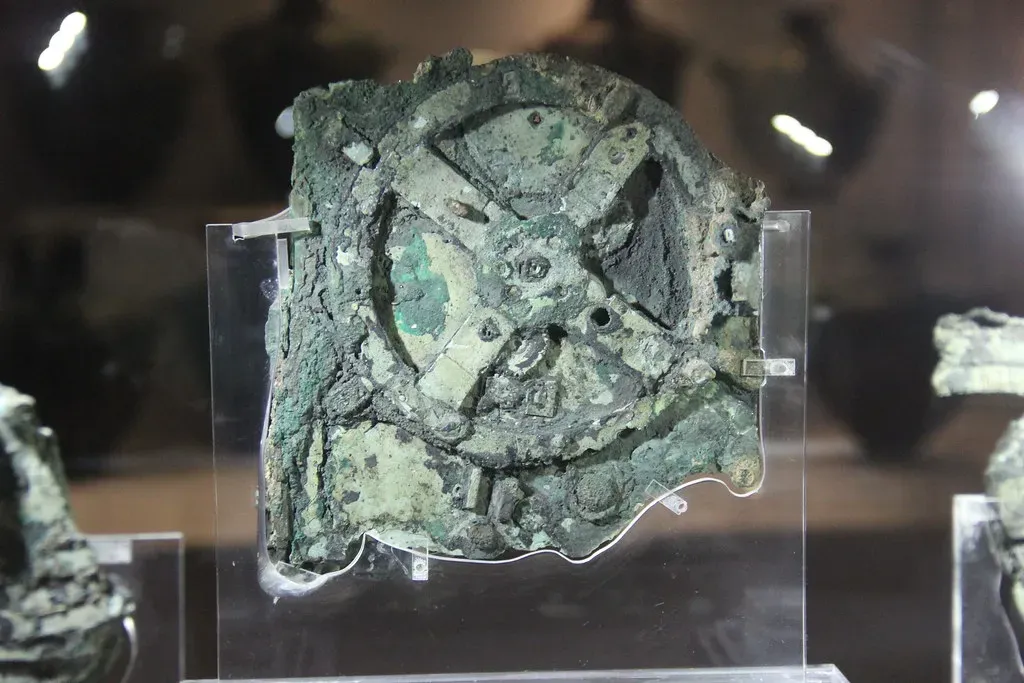
When divers recovered a corroded lump of bronze from a shipwreck off the Greek island of Antikythera in the early twentieth century, no one guessed it would eventually be compared to a mechanical computer. Only after decades of study and modern imaging did researchers realize it was a sophisticated gear‑driven device capable of modeling celestial movements and predicting eclipses. It came from around two millennia ago, yet its complexity stunned modern engineers.
The Antikythera mechanism shattered the lazy assumption that ancient technology was always crude and simple. It showed that at least some craftspeople and thinkers in the classical world were capable of extremely advanced mechanical design, the kind many people thought did not appear until the Renaissance or later. It also raised unsettling questions: if such a device survived only as a fragment from a single wreck, what else might have been lost entirely? Our timeline of “firsts” suddenly looked fragile and possibly wrong.
Clovis First Falls: Early Americans and a Deeper Past
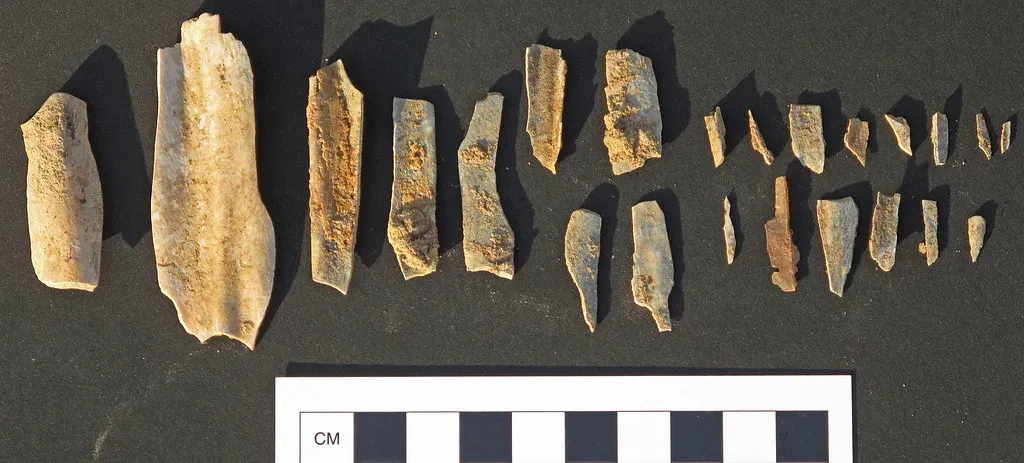
For much of the twentieth century, a simple story dominated: the first people in the Americas were the Clovis culture, arriving via a land bridge from Siberia roughly thirteen thousand years ago. Then sites started popping up that were older than that, with tools and remains that clearly did not fit the Clovis pattern. Places in both North and South America began quietly and then loudly undermining the neat Clovis‑first model.
Eventually, the weight of evidence broke the old consensus. It now seems likely that people reached the Americas earlier and by more varied routes than previously allowed, possibly including coastal paths using boats. This is not just a technical argument about dates. It reshapes how we think about human adaptability, seafaring skills, and the timelines of culture in the Western Hemisphere. The idea that one single group “discovered” the continent first now looks overly simplistic at best.
Pompeii and the Frozen Moment of Everyday Life
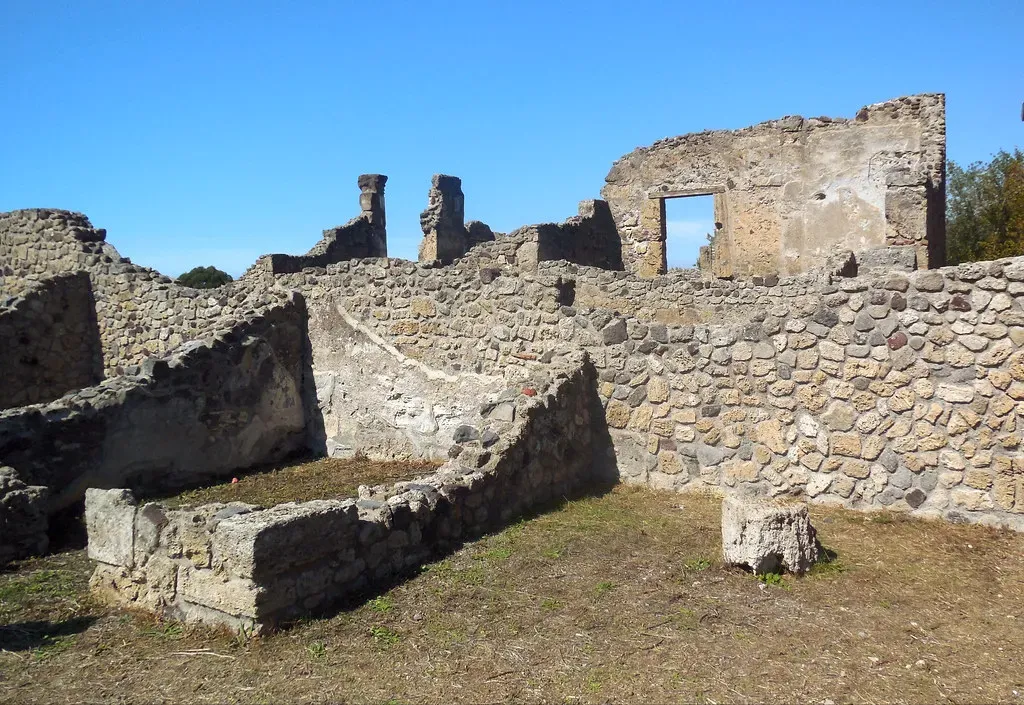
When Mount Vesuvius erupted in the first century, it buried the Roman city of Pompeii in ash and debris, preserving an eerie cross‑section of daily life. The rediscovery and excavation of Pompeii centuries later gave historians something they almost never get: a time capsule of an entire city caught mid‑day. Streets, graffiti, houses, food, even the positions of people at the moment of disaster were locked in place.
Pompeii fundamentally changed how we understand the Roman world, not through emperors and generals, but through taverns, bedrooms, kitchens, and workshops. It showed a society full of jokes, vulgar scribbles, household shrines, and messy economic transactions. Instead of relying only on high literature and official inscriptions, historians could finally see the lived reality of ordinary Romans, with all their contradictions. It pushed history away from marble statues and toward something much more familiar and unsettlingly modern.
Piltdown Man and the Power of Scientific Self‑Correction
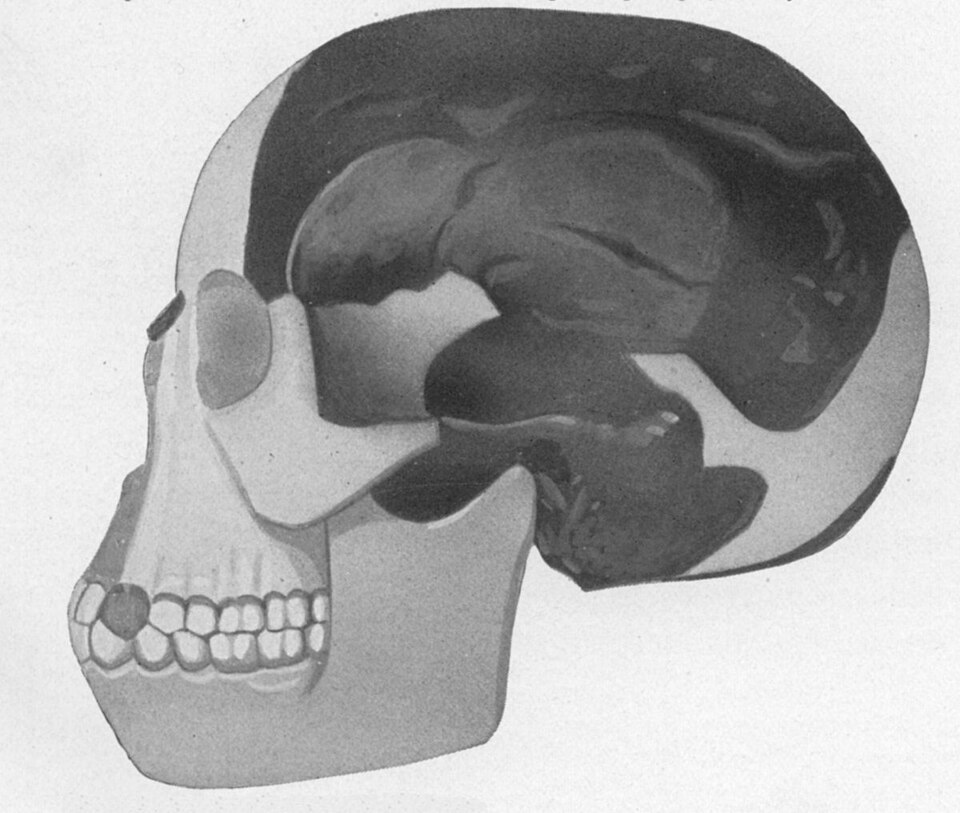
Not every discovery that rewrites history does so by adding truth; sometimes the big twist is in exposing a lie. In the early twentieth century, a set of fossils discovered in England, dubbed Piltdown Man, was hailed as the missing link between apes and humans. For decades it shaped evolutionary theories, in part because it conveniently placed a crucial evolutionary step on English soil. Then, in the mid‑twentieth century, tests revealed the ugly reality: the fossils were a deliberate forgery, a mix of human and orangutan bones artificially aged.
While embarrassing, the debunking of Piltdown Man ultimately strengthened the scientific study of human origins. It forced stricter standards, better dating techniques, and a more skeptical attitude toward findings that fit national or personal pride a little too well. In a way, this scandal twice: first by misleading researchers, then by reminding everyone that evidence must always be tested, not simply welcomed because it tells a flattering story.
Conclusion: History as a Living Argument
Looking across these discoveries, one pattern keeps jumping out: the past does not sit quietly on a shelf, fully known and settled. It behaves more like a live debate, where each new artifact, skull, inscription, or data set can walk in and upend the conversation. Personally, I think we cling to neat historical stories because they make us feel safer, as if the ground under us is solid. Yet the discoveries that matter most are the ones that shake that ground and force us to admit how much we did not know.
If anything, these moments of shock are a reminder that humility is not optional when we talk about history. Our current favorite theories might look as naive to future generations as some older models look to us now. That is not a failure; it is the whole point of learning. The real question is whether we are willing to let new evidence change our minds, even when it tramples on comforting myths and national pride. When the next discovery rewrites the past – and it will – are we ready to let the story change, or are we still secretly hoping history will finally stop arguing back?