Every so often, the past throws us a curveball. An object turns up where it should not be, a city appears where no one expected it, or a burial challenges everything we thought we knew about power, religion, or technology. These finds do more than fill museum cases; they force historians, archaeologists, and the rest of us to admit a slightly uncomfortable truth: the story we tell about humanity is still very rough draft.
When you zoom out, many of the most shocking discoveries share a similar pattern. They reveal that ancient people were more connected, more innovative, and more complex than most of us were taught in school. Some sites hint at forgotten maritime networks, others at surprisingly sophisticated science or architecture, and some at belief systems that feel eerily modern. Let’s walk through ten discoveries that did exactly that – and see why they still keep experts arguing late into the night.
Göbekli Tepe: Monumental Temples Before Cities
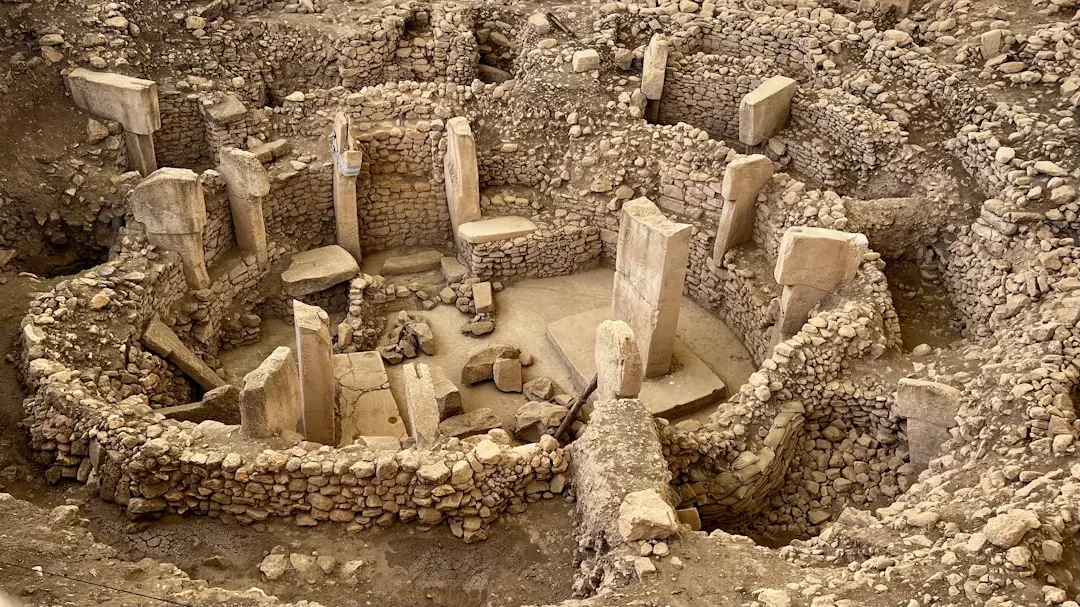
Imagine farmers and towns coming first and big temples arriving later as a sort of cultural luxury. For a long time, that was the neat timeline in the textbooks: first agriculture, then villages, then cities, then complex religion played out in stone. Göbekli Tepe, in southeastern Turkey, shredded that script. Dating back to around twelve thousand years ago, this hilltop site is packed with massive carved stone pillars arranged in circular enclosures, some of them taller than a person and decorated with animals and abstract symbols.
The shock is not only how old the site is, but who built it. The people who raised those pillars were still hunter‑gatherers, not settled farmers with granaries and formal states. That suggests that large‑scale ritual projects may have come before permanent villages, and might even have motivated people to stay put and organize food production more systematically. Instead of religion being a by‑product of civilization, Göbekli Tepe hints that shared beliefs and communal building projects could have been one of the sparks that ignited it.
Çatalhöyük: A City Without Streets or Kings
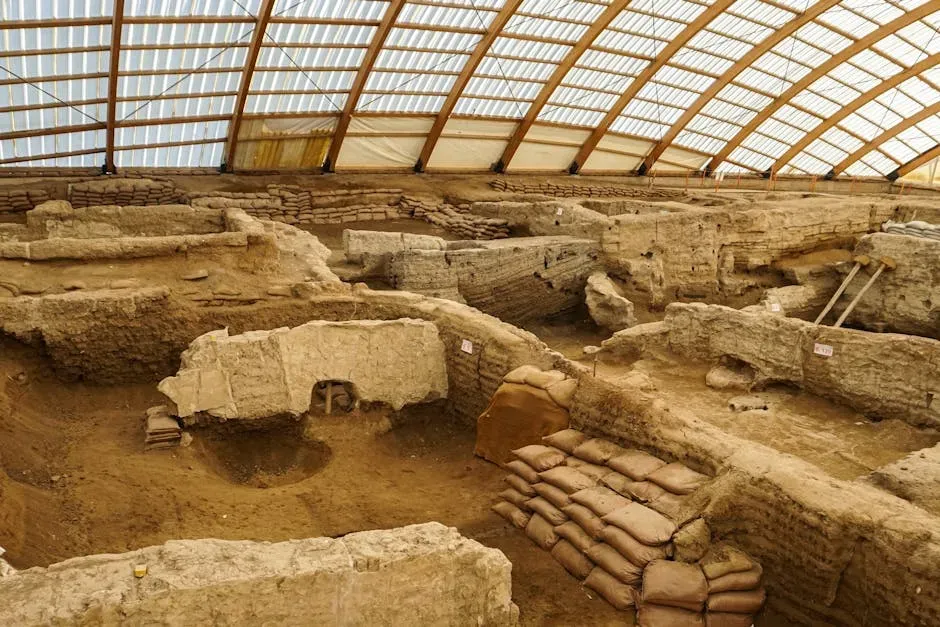
On the flat plains of central Türkiye lies Çatalhöyük, often described as one of the earliest known large settlements, dating back roughly nine thousand years. At first glance it looks like a jumble of mudbrick rectangles, but step back and a radical pattern emerges: there are no streets. People moved across the tops of the houses and climbed down through roof openings; the rooftops functioned as public space and pathways. The dead were buried under house floors, tying family, memory, and home together in a very literal way.
Even more disruptive is what archaeologists did not find: clear signs of palaces, temples, or a wealthy elite controlling everything. Art and decorative objects appear widely across the site, not concentrated in a single district. While it was not some perfect utopia, Çatalhöyük challenges the idea that early urban life must have been rigidly hierarchical from the start. It offers a tantalizing picture of a dense, complex community that managed social life without obvious kings, monumental government buildings, or the kind of top‑down control we tend to project backward onto the distant past.
Skara Brae: Sophisticated Stone Age Life at the Edge of Europe
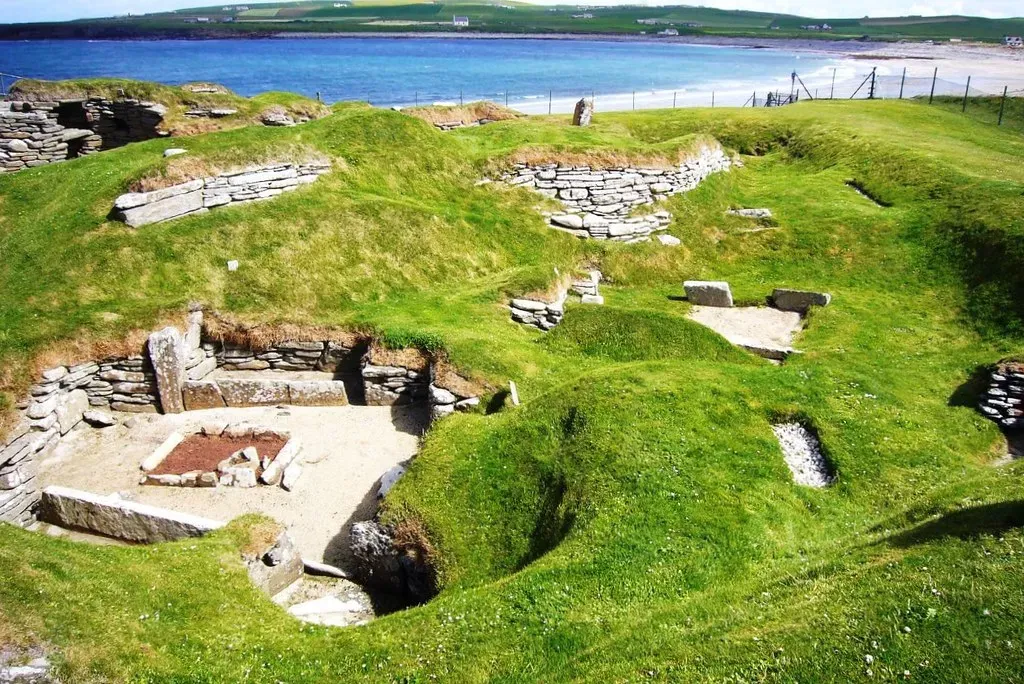
When storms ripped away part of a cliff in the Orkney Islands in the nineteenth century, they exposed something that should not have survived: a remarkably intact Neolithic village now known as Skara Brae. The stone houses, connected by covered passageways, still preserve built‑in beds, shelves, stone “dressers,” and even drainage systems. You can almost imagine someone hanging up a coat and stepping out moments before the sand closed in. It is domestic life frozen in time, not just broken tools in the dirt.
Skara Brae forces a rethink of what so‑called “Stone Age” life looked like in northern Europe. Rather than crude huts and constant struggle for survival, these people had well‑planned homes, shared designs, and enough stability to invest in comfort and craftsmanship. The village also slots into a wider ritual landscape of standing stones and burial mounds in Orkney, hinting at a sophisticated society at what many might lazily call the fringe of the ancient world. It reminds us that “advanced” culture was not limited to warm river valleys and famous empires.
Nabta Playa: Desert Stone Circles and Early Astronomy
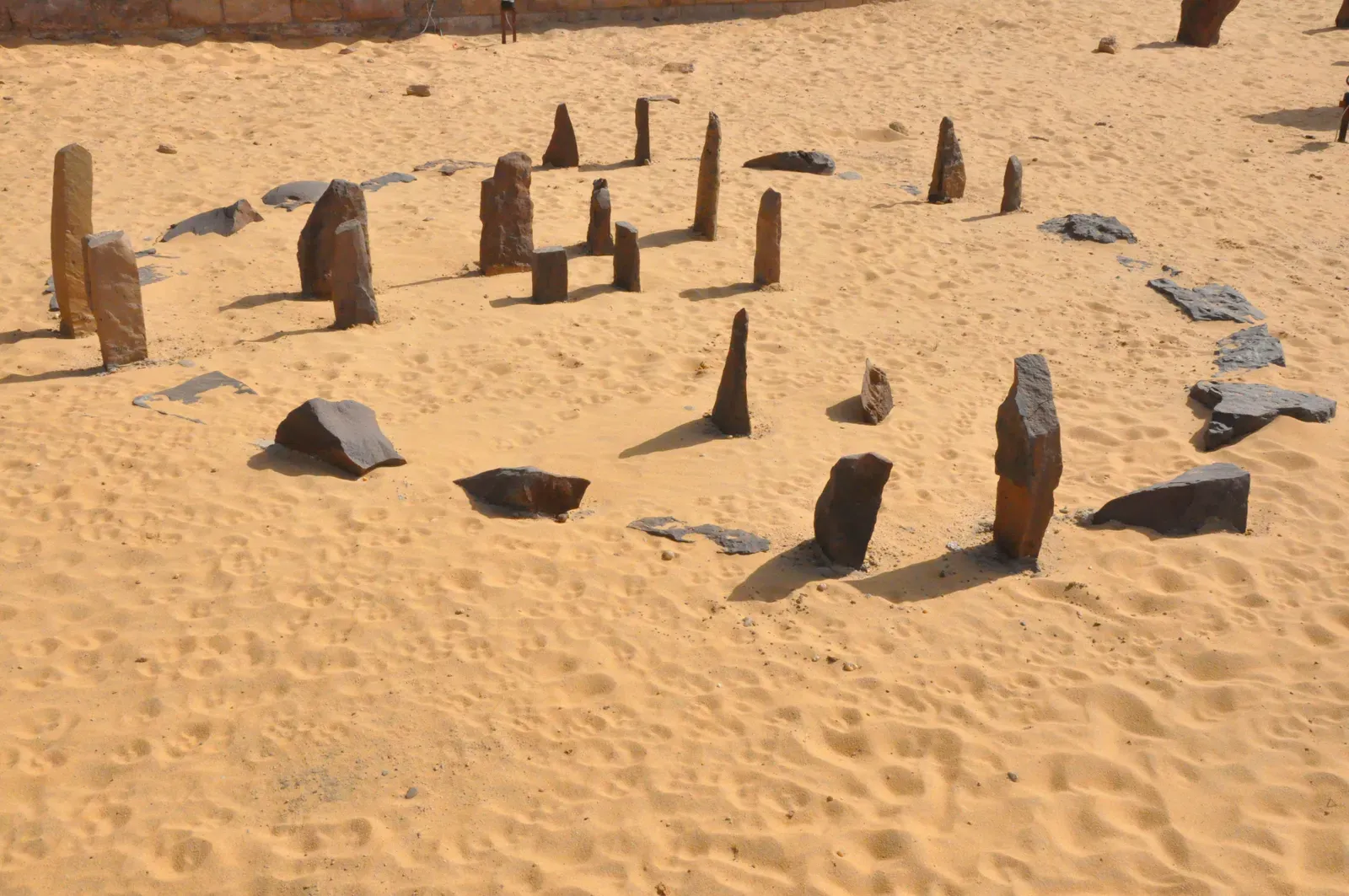
Deep in what is now the Sahara, at a site called Nabta Playa in southern Egypt, scattered stones and megaliths mark the bed of an ancient seasonal lake. At first glance, you might think it is just another cluster of prehistoric rocks, but closer study revealed alignments related to the summer solstice and possibly certain stars. Long before the famous pyramids rose along the Nile, pastoral communities here were tracking the sky with enough precision to build stone markers that mapped out celestial events.
The age of Nabta Playa, stretching back many thousands of years, complicates the story that systematic sky‑watching and proto‑astronomy mainly blossomed in later Mesopotamian cities. Instead, it suggests that mobile herders in harsh environments had very practical reasons to develop precise calendars tied to the heavens – knowing when rains might return, for example, could be a matter of survival. It is a humbling reminder that serious scientific thinking can emerge not just in bustling capitals but in camps and oases, wherever humans have to solve hard problems with limited tools.
Sanxingdui: A Forgotten Bronze Age Civilization in China
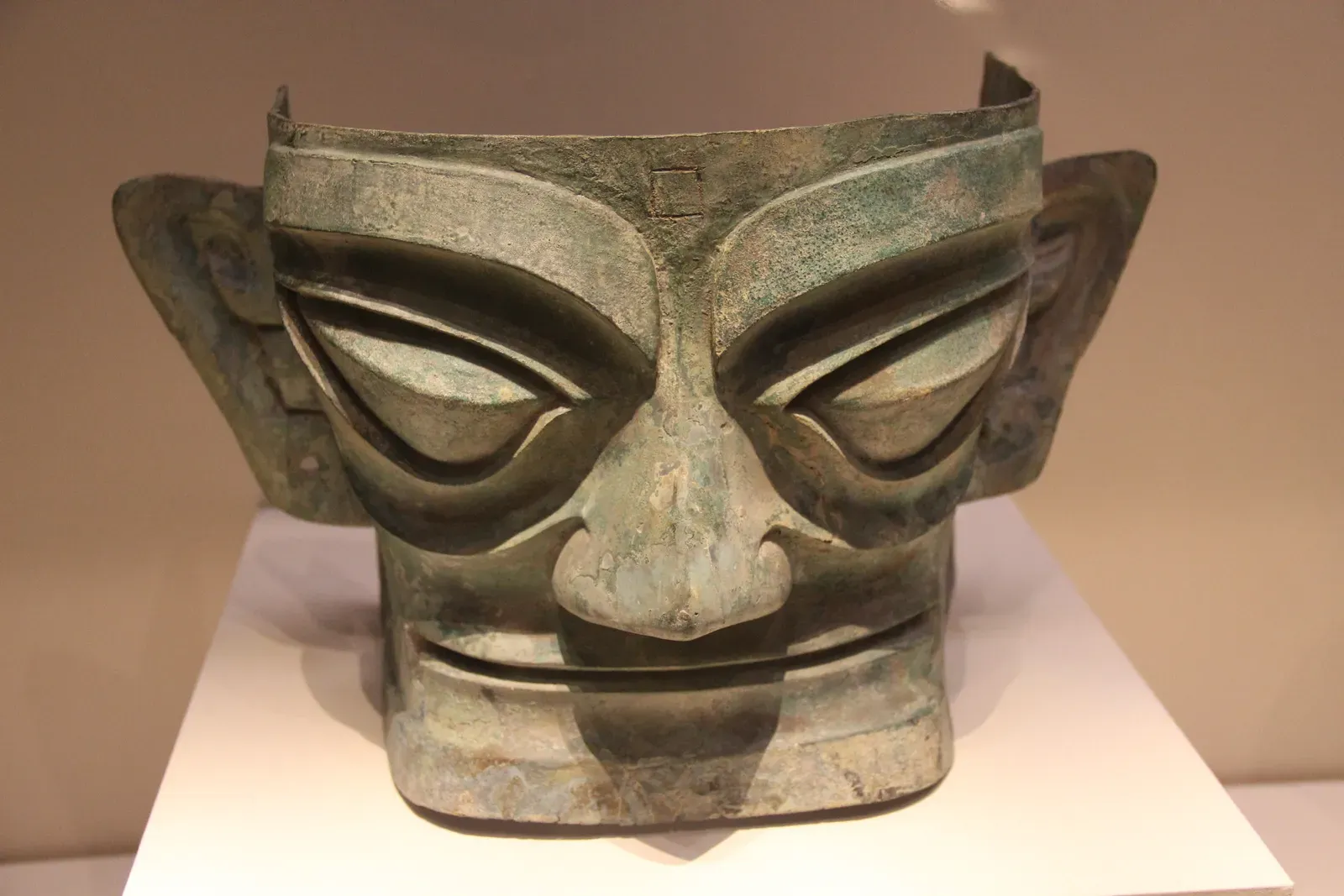
In southwest China’s Sichuan region, a chance discovery of jade and bronze artifacts in the twentieth century gradually exploded into one of the most startling archaeological revelations of modern times: the Sanxingdui site. Deep pits yielded enormous bronze masks with exaggerated eyes, fantastical trees, finely worked jades, and intricate gold objects unlike anything tied to the better‑known dynasties of the Yellow River valley. For many scholars raised on a neat, linear narrative of early China radiating out from a single core, this was a genuine jolt.
Sanxingdui suggests that during the Bronze Age, power and creativity were far more regionally diverse than older textbooks implied. Here was a complex, urbanized culture with its own artistic language and ritual practices that apparently flourished in relative independence and then vanished from the written record. It complicates any simple idea of one “cradle” of Chinese civilization, replacing it with a mosaic of interacting centers. In a way, it is like discovering that a favorite novel has always had a lost parallel storyline running in the background.
Gobekli-Style Ritual at Karahan Tepe and Beyond
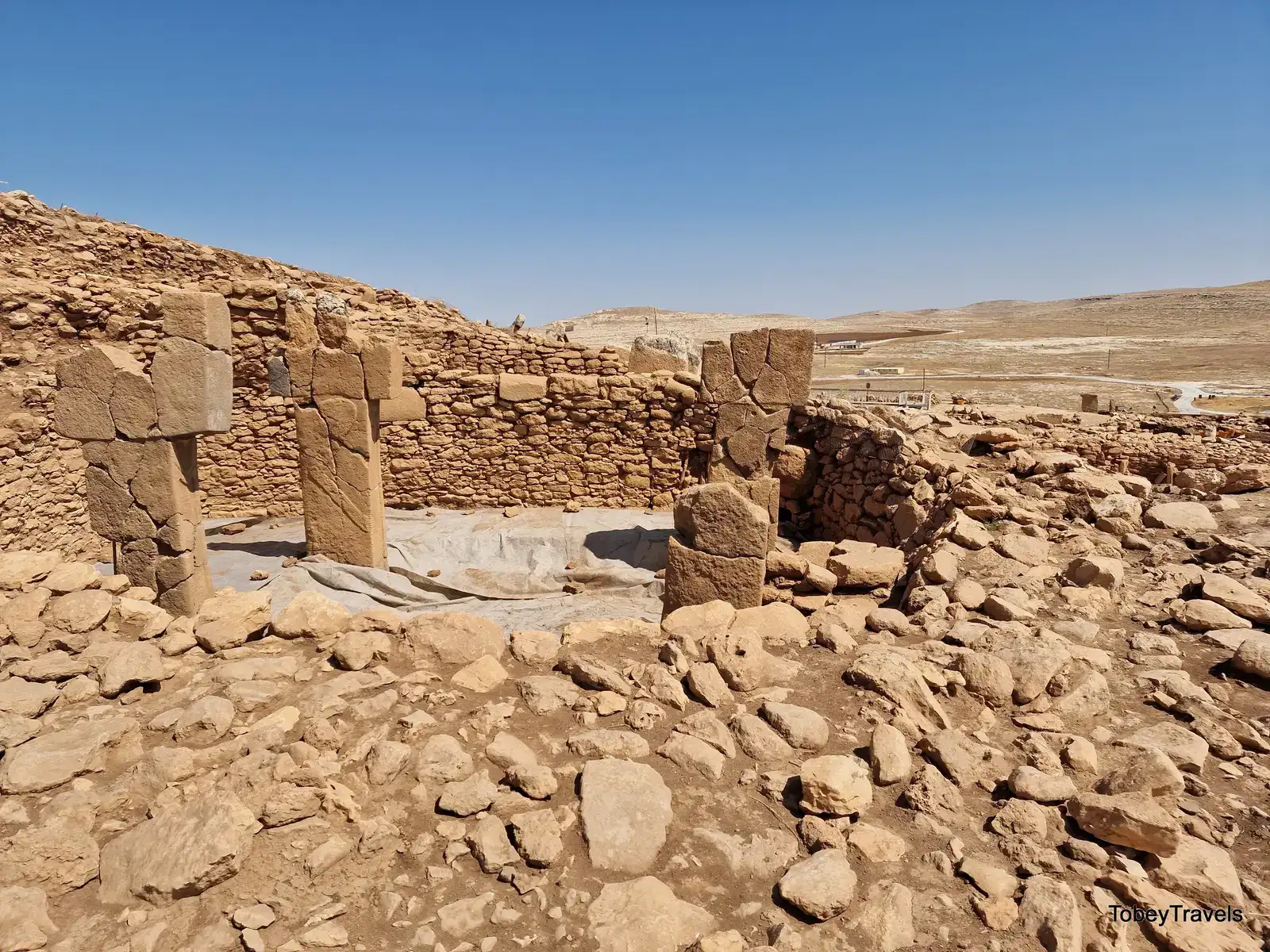
For years, Göbekli Tepe looked like a singular anomaly: ancient, massive, and unique. Then surveys and excavations at sites such as Karahan Tepe and other nearby hilltops began to reveal similar stone pillars and carved enclosures dating to the same broad period. Suddenly Göbekli Tepe was not a one‑off genius stroke but part of a whole ritual tradition spanning a larger region. This shift might sound subtle, but it dramatically changes the picture of how widespread and coordinated these early monumental projects were.
Finding multiple related sites means that the social and religious ideas behind them were shared, transmitted, and elaborated upon across communities. Instead of a lonely island of innovation, we are looking at a network of groups who invested generations of labor into non‑utilitarian architecture long before pottery or metal tools were common. That timeline knocks down the lazy assumption that “primitive” people only build big things once they are safely settled farmers with lots of spare time. Clearly, meaning and monumentality mattered enough to reshape entire landscapes even in very early prehistory.
The Uluburun Shipwreck: Proof of a Bronze Age Global Economy
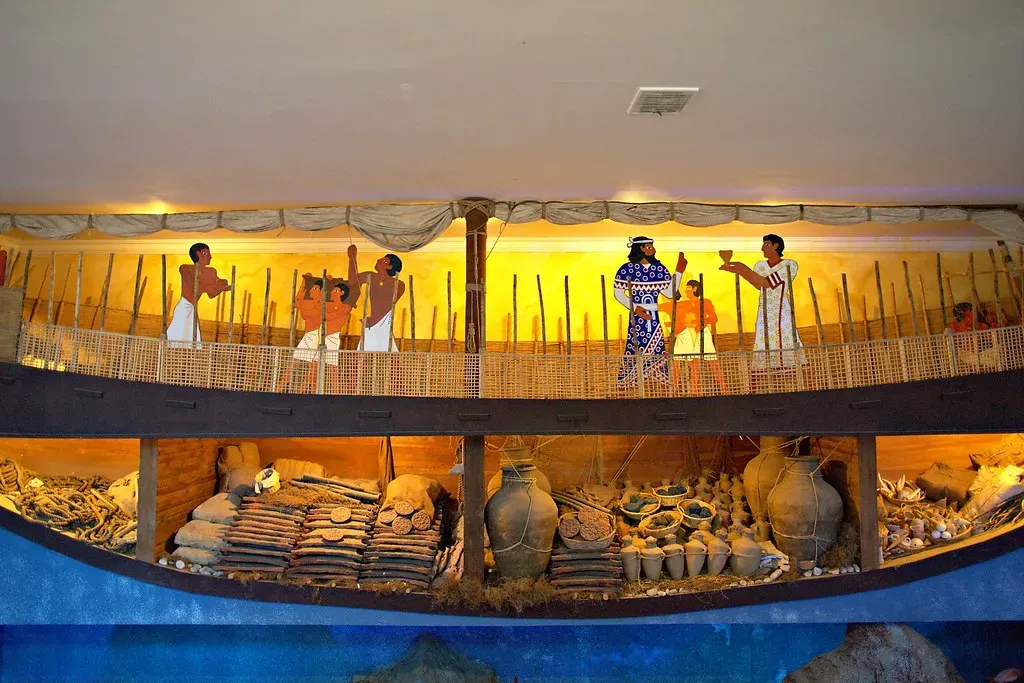
Off the coast of modern‑day Türkiye, near Uluburun, divers in the late twentieth century discovered the remains of a Late Bronze Age ship that sank more than three thousand years ago. What made it revolutionary was not just the ship itself, but what it was carrying: raw copper ingots, tin, luxury goods like glass, ivory, jewelry, and exotic materials from multiple regions stretching from the eastern Mediterranean to farther afield. The cargo list reads like the shopping cart of a well‑connected international trader rather than a simple coastal merchant.
The Uluburun wreck brought into sharp focus how deeply interconnected Bronze Age societies already were. Scholars might have talked in broad terms about trade between Egypt, the Levant, and the Aegean, but here was a literal time capsule of that system: a floating warehouse of diplomatic gifts, commodities, and prestige objects. It nudged historians to think more in terms of a fragile globalized network, where crises in one region could ripple outward and where elite tastes were fed by long‑distance supply chains. In other words, economic interdependence and vulnerability are not just modern problems with container ships and stock markets; they have very ancient roots.
Norse Settlements in North America: Rewriting the Edges of Exploration
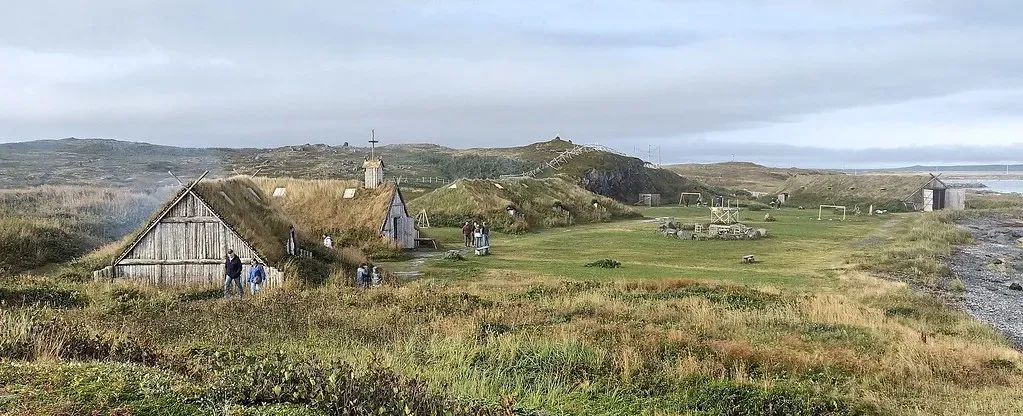
For generations, schoolbooks in many countries treated the European “discovery” of the Americas as something that happened abruptly at the end of the fifteenth century. Excavations at sites like L’Anse aux Meadows in Newfoundland, however, confirmed that Norse seafarers from Greenland reached and briefly settled parts of North America centuries earlier. The evidence includes characteristic building remains, iron nails and rivets from ship repair, and artifacts that match the toolkit of Norse communities in the North Atlantic.
This does not mean the Norse had massive colonies or reshaped the continent, but it does force a more nuanced and frankly more interesting story of contact. Instead of a single, sudden breakthrough voyage, there were earlier exploratory pushes, short‑lived base camps, and interactions – however limited – with new landscapes and possibly new peoples. It also reminds us that ocean crossings and intercontinental journeys are not the exclusive domain of one culture or one era. Human curiosity and the willingness to push past the visible horizon seem almost hard‑wired, and the Norse in North America are a sharp early example.
The Antikythera Mechanism: Ancient Engineering That Feels Sci‑Fi
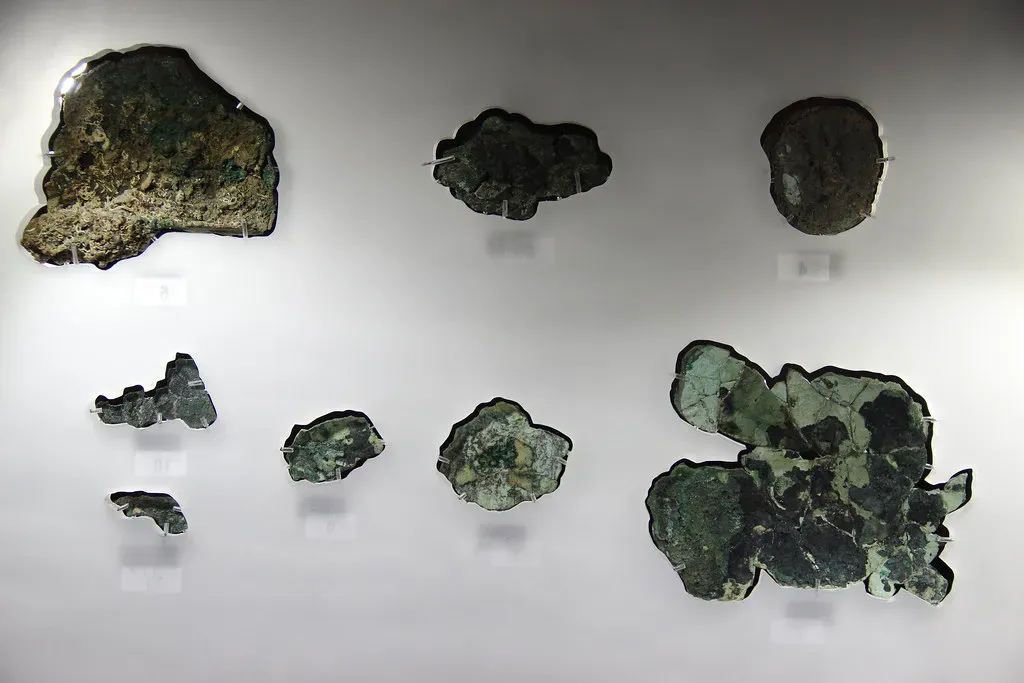
When sponge divers off a Greek island hauled up fragments of a corroded bronze object in the early twentieth century, no one guessed that it would become one of the most debated artifacts in classical archaeology. Slowly, with decades of painstaking work and modern imaging, researchers realized the Antikythera Mechanism was a complex gear‑driven device capable of modeling the motions of celestial bodies and predicting eclipses. In plain terms, it is an ancient analog computer built more than two thousand years ago.
The sheer mechanical sophistication of the mechanism rattled comfortable assumptions about the technological ceiling of the ancient Mediterranean. It suggests workshops where artisans and thinkers combined astronomical knowledge, precision metalworking, and mathematical modeling at a level that many thought did not exist until much later. Even more tantalizing is the implication that this was not necessarily a lone miracle; devices this intricate usually emerge from a culture with a broader tradition of experimentation. If anything, the Antikythera Mechanism makes you wonder what else once existed and simply decayed away without a trace.
Denisovan DNA and the Ghosts in Our Genes
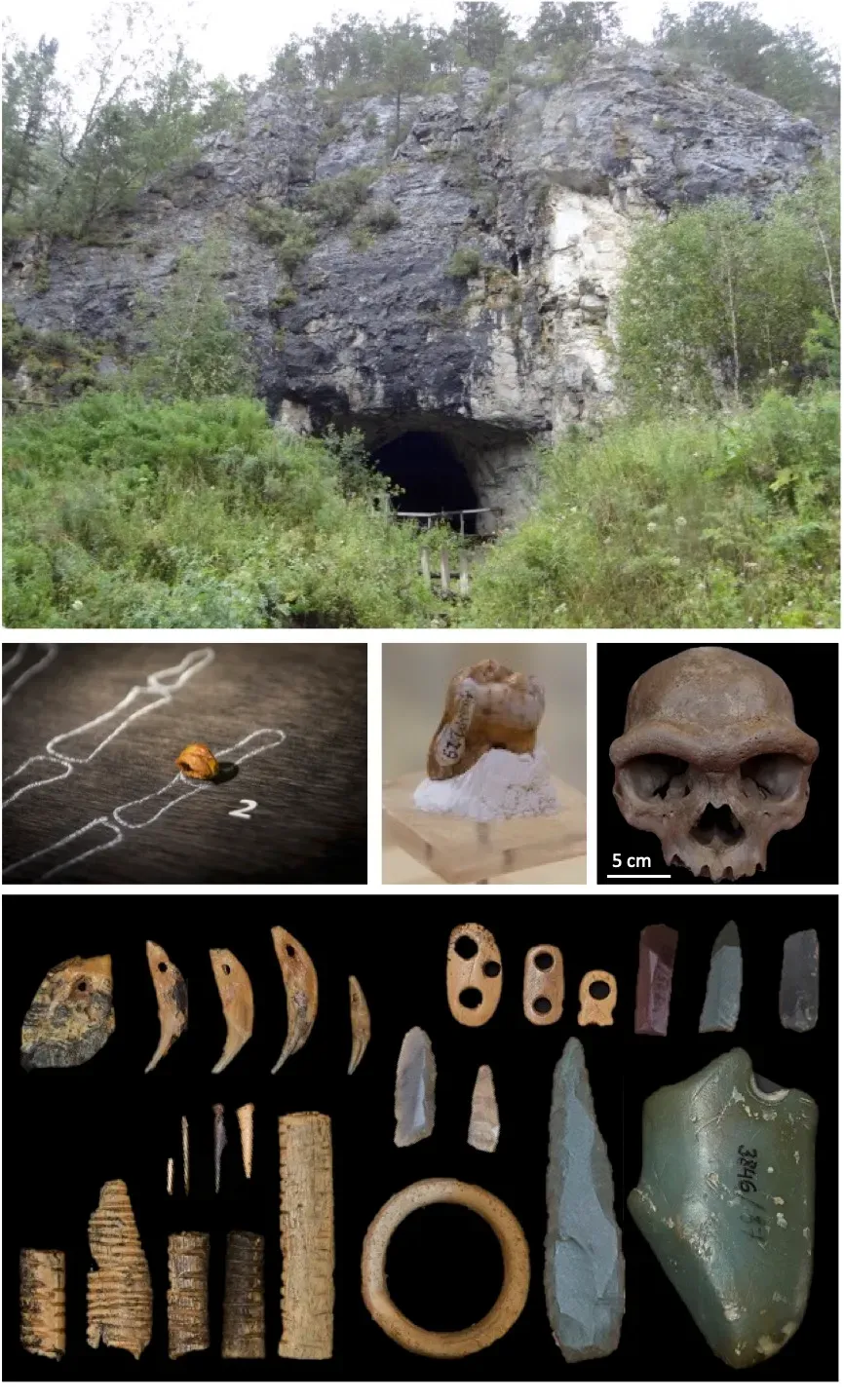
Not all archaeology involves bricks, bones, or broken pots. In the early twenty‑first century, geneticists analyzing a finger bone and teeth from a Siberian cave identified a previously unknown branch of the human family tree now called the Denisovans. Even more surprising, traces of Denisovan DNA turned up in the genomes of living people, especially in some populations in Asia and Oceania. That means our species did not just encounter this group; our ancestors interbred with them, leaving a biological echo that survives today.
This discovery has forced historians and anthropologists to embrace a much more entangled picture of human evolution. Instead of a clean line of modern humans simply replacing earlier hominins like Neanderthals, we are looking at a braided river of different groups, sometimes separated, sometimes merging. It also underscores how much prehistory may be invisible in the ground yet recoverable in our cells. Personally, I find this one of the most quietly profound shifts: it tells us that the story of “us” was never about a single, pure lineage, but about messy, creative mixing across time and space.
Conclusion: When the Past Refuses to Behave

If there is a thread running through these discoveries – from hunter‑gatherer temples and lost Bronze Age seafaring to ghost relatives in our DNA – it is that the past refuses to behave the way tidy timelines say it should. Every time archaeologists turn up something like Göbekli Tepe’s T‑shaped pillars or the gears of the Antikythera Mechanism, they are not just adding a puzzle piece; they are forcing everyone to redraw the outline on the box. That can be uncomfortable, especially for people who like clean cause‑and‑effect stories where agriculture leads to cities, which lead to states, which lead steadily and predictably to us.
In my view, that discomfort is healthy. It keeps history honest and reminds us that human beings have always been smarter, stranger, and more inventive than the stereotypes allow. These finds argue against lazy assumptions about “primitive” ancestors and linear progress, and in favor of a past filled with experiments, dead ends, brilliant leaps, and forgotten traditions. The real takeaway is not that we know less than we thought, but that reality is richer and more surprising than the simplified version we grow up with. So the next time someone claims we have history all figured out, it is worth asking: what buried city, broken machine, or tiny bone is still waiting to prove us wrong?