Picture the ocean as a time machine. Long before modern sharks were slicing through the waves, the seas were ruled by a parade of bizarre, terrifying, and surprisingly sophisticated predators that would make today’s great white look almost ordinary. These were the experimental years of evolution, when nature was trying out armored fish, buzz‑saw jaws, and eel‑shaped monsters with crocodile faces.
What makes these ancient sea lords so fascinating is that many of them do not fit neatly into what we imagine when we think “prehistoric ocean.” Some were gentle giants, some were ambush hunters, and some looked like biological mashups from a sci‑fi concept artist. By the time modern sharks truly took over, they were stepping into a stage already stained with hundreds of millions of years of drama, extinction, and innovation. Let’s dive into ten of the most stole the spotlight.
Dunkleosteus: The Armored Chainsaw of the Devonian
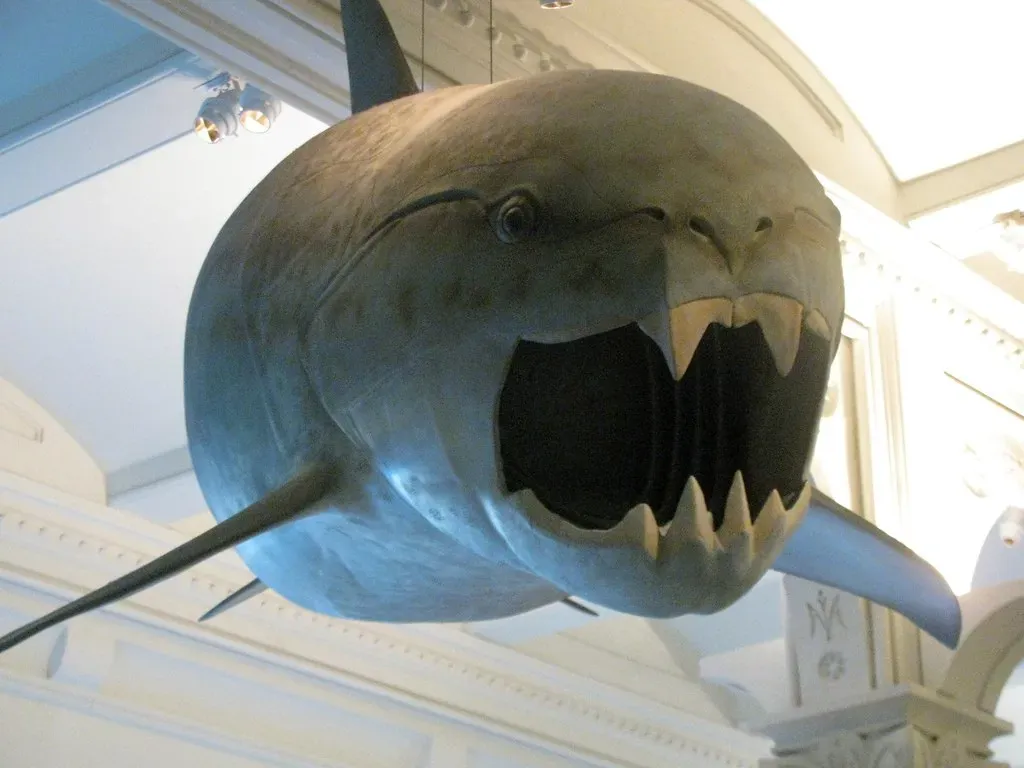
Dunkleosteus is the one prehistoric sea creature that could probably stare down a modern great white and win. Living around the late Devonian period, this armored fish was wrapped in thick bony plates like a living tank, with a head that looked less like a fish and more like a medieval weapon. Instead of teeth, it had sharp bony plates that formed a terrifying beak, capable of shearing through flesh, armor, and probably anything unlucky enough to cross its path.
What really sets Dunkleosteus apart is the power of its bite. Biomechanical studies suggest it delivered one of the strongest bites of any fish that ever lived, with jaws that snapped shut like an industrial press. Imagine a creature roughly the size of a bus lunging from the murky depths, armored from nose to neck, and slamming its jaw plates together in a split second. If modern sharks are the sleek, efficient sports cars of the ocean, Dunkleosteus was the roaring, armored truck built to smash through anything in its way.
Helicoprion: The Buzz‑Saw Jaw Nightmare
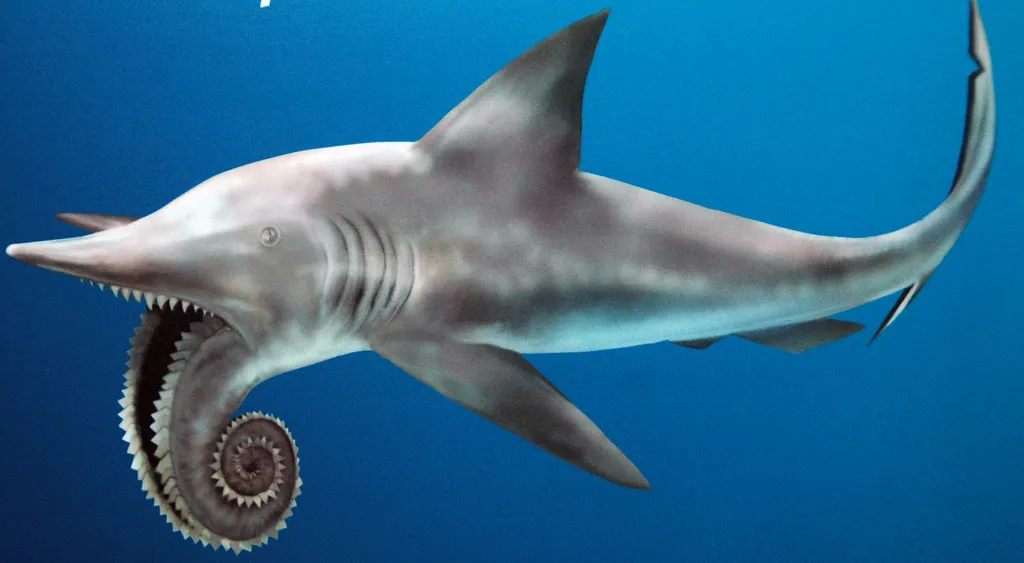
At first glance, Helicoprion looks like an art mistake that someone forgot to delete. Fossils revealed a whorl of teeth shaped like a circular saw, coiled up inside the lower jaw of this ancient fish. For years, scientists argued over where that bizarre spiral even went: on the snout, on the tail, hanging under the chin like some deranged ornament. The current consensus places it curled inside the lower jaw, ready to slice prey in a continuous conveyor belt of teeth.
Helicoprion lived in the Permian seas and probably hunted soft‑bodied animals like squid, using its tooth whorl to grip and shred rather than crush hard shells. The idea that an animal evolved what is essentially a built‑in buzz saw for a jaw is both disturbing and fascinating. Compared to this, modern shark teeth feel almost conservative: sharp, yes, but at least they are arranged in rows, not wound up like a circular saw blade waiting to spool out your nightmares.
Megalodon’s Ancestors: Otodus obliquus and the Early Giant Sharks
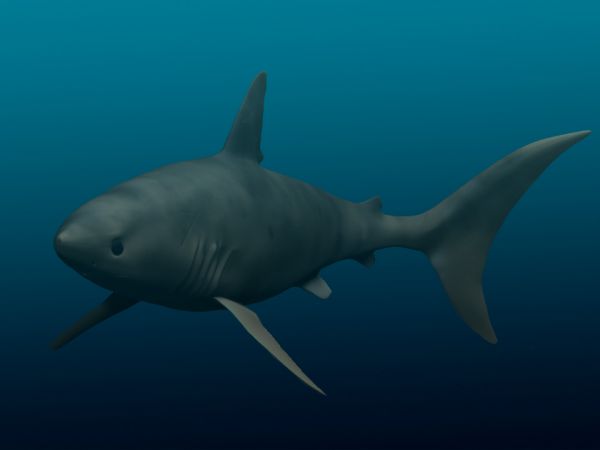
Before the famous megalodon arose, there were already giant shark‑like predators prowling ancient seas. One of the earliest heavy hitters was Otodus obliquus, an early shark relative that lived during the Paleocene and Eocene, long before modern shark lineages fully took over. Its teeth were large, triangular, and formidable, hinting at a predator that could tackle sizable prey, possibly including early marine mammals and large fish. It was not yet the monster megalodon, but it set the evolutionary stage.
What makes these early giant sharks so impressive is that they evolved at a time when many ocean ecosystems were still recovering from mass extinctions. While modern sharks are fine‑tuned products of long, stable evolution, creatures like Otodus were pioneers in a shifting, recovering world. In a way, they were the rough drafts of large predatory sharks, showing how evolution was already experimenting with the “super predator” design long before the sleek, familiar shark silhouettes we know today took over the show.
Mosasaurus: The “Sea Lizard” That Hunted Like a Torpedo
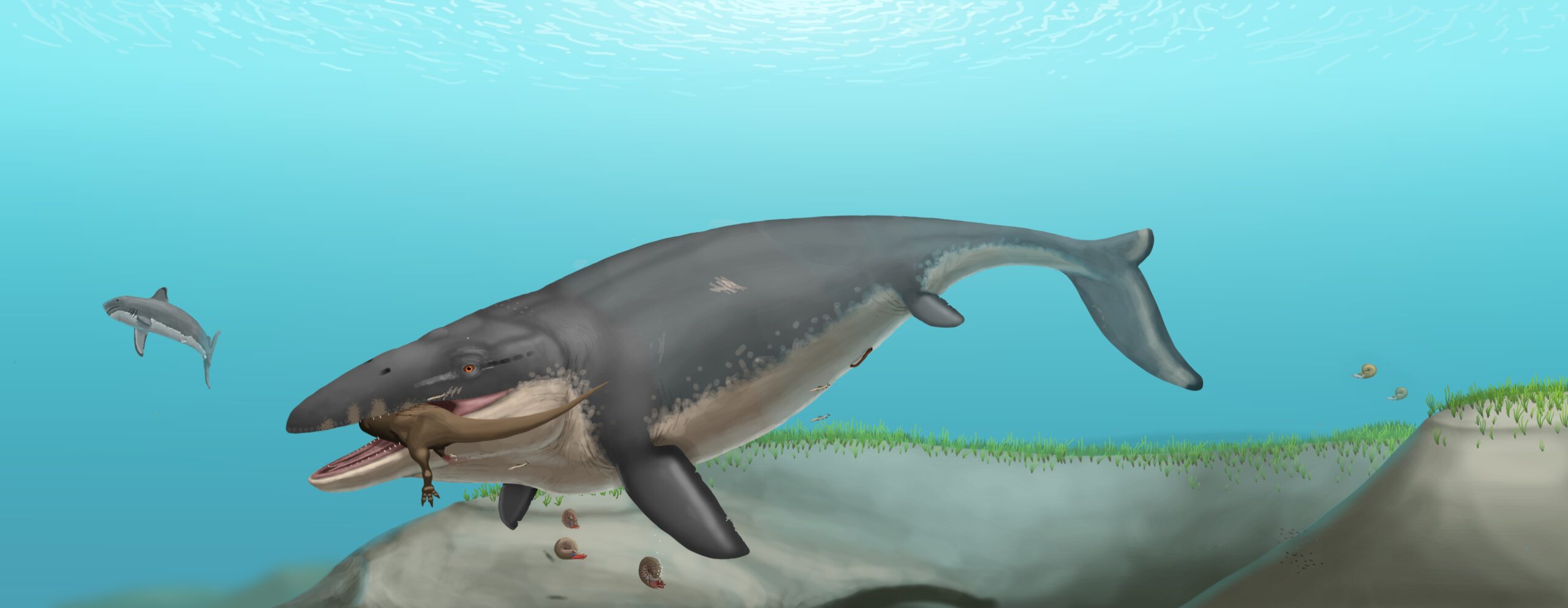
If you have ever seen a massive reptile lunging from the water in a movie, chances are it was inspired by mosasaurs. Mosasaurus itself was one of the largest and most famous of these marine reptiles from the Late Cretaceous. Despite sometimes being confused with dinosaurs, mosasaurs were actually closer to monitor lizards and snakes, turned fully aquatic and supercharged for ocean life. They had long, muscular bodies, paddle‑like limbs, and powerful tails that drove them through the water like biological torpedoes.
Mosasaurus likely fed on anything it could overpower: fish, other marine reptiles, and possibly even sharks of its time. Its double‑hinged jaws and flexible skull would have helped it gulp down large prey, a bit like a snake in the sea. Imagine sharing the ocean with a reptile the length of a bus, armed with conical teeth and the attitude of a crocodile with no chill at all. Modern sharks are scary, sure, but mosasaurs were like the chaotic older cousins that terrorized the oceans before the sharks really got organized.
Liopleurodon and the Pliosaur Terrors
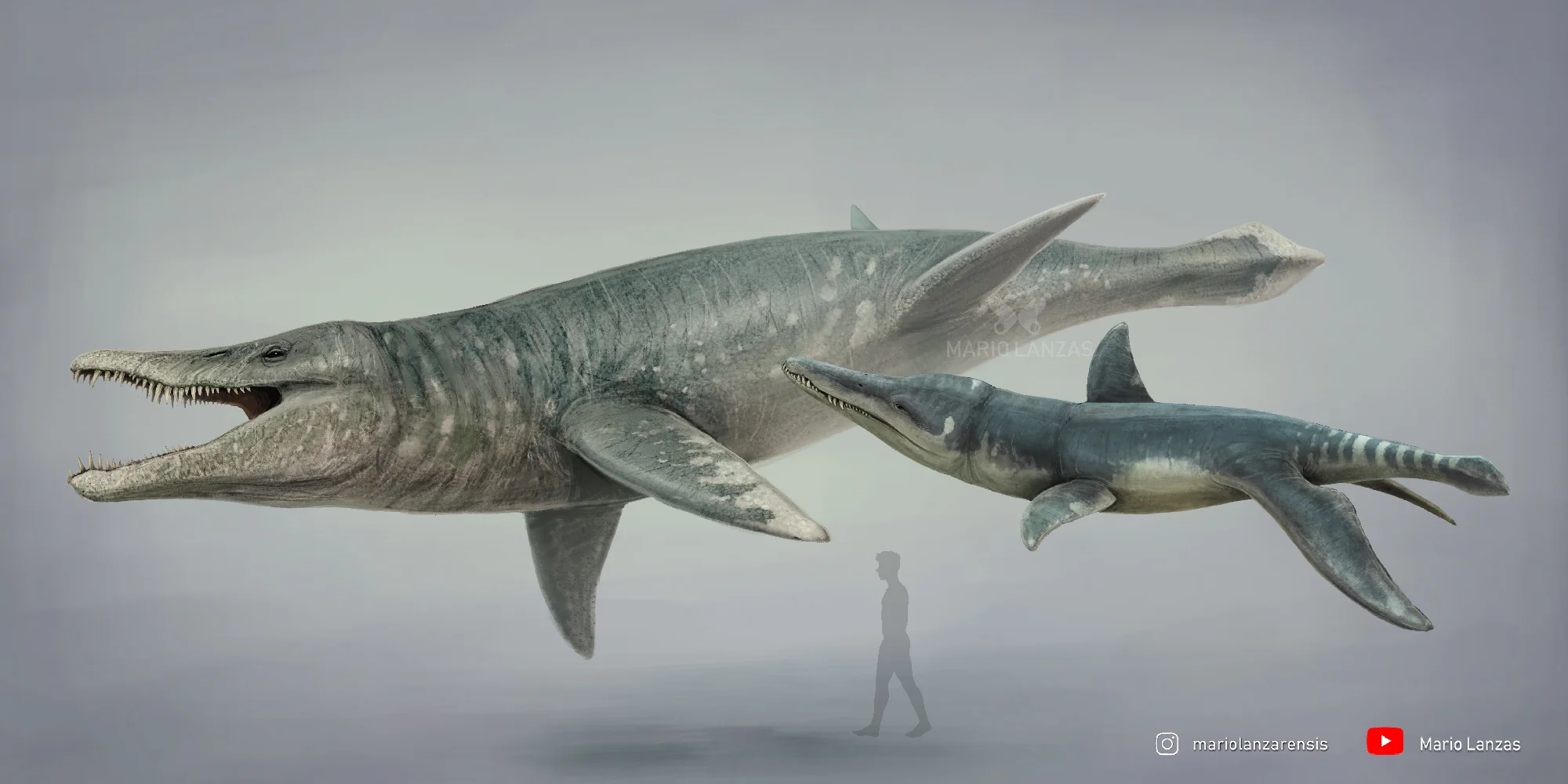
Before mosasaurs dominated the Late Cretaceous, the earlier seas of the Jurassic had their own apex reptiles: pliosaurs. Liopleurodon is one of the most iconic, known for its massive skull, powerful jaws, and relatively short, robust body paired with four strong flippers. While some early size estimates were wildly exaggerated, it was still a huge predator, likely several meters long and built for ambush attacks. It combined the bulk of a crocodile with the four‑flippered agility of a sea turtle on a power trip.
Pliosaurs like Liopleurodon probably hunted large fish, marine reptiles, and anything else unlucky enough to wander into their strike zone. Their skulls were packed with long, conical teeth, perfect for grabbing and holding thrashing prey. When you picture the ocean at that time, you do not see graceful schooling fish and chill reef scenes; you see lurking shadows, sudden lunges, and jaws snapping shut like bear traps. Compared to these monsters, modern sharks start to look almost polite.
Ammonites: Spiral‑Shelled Masters of Survival
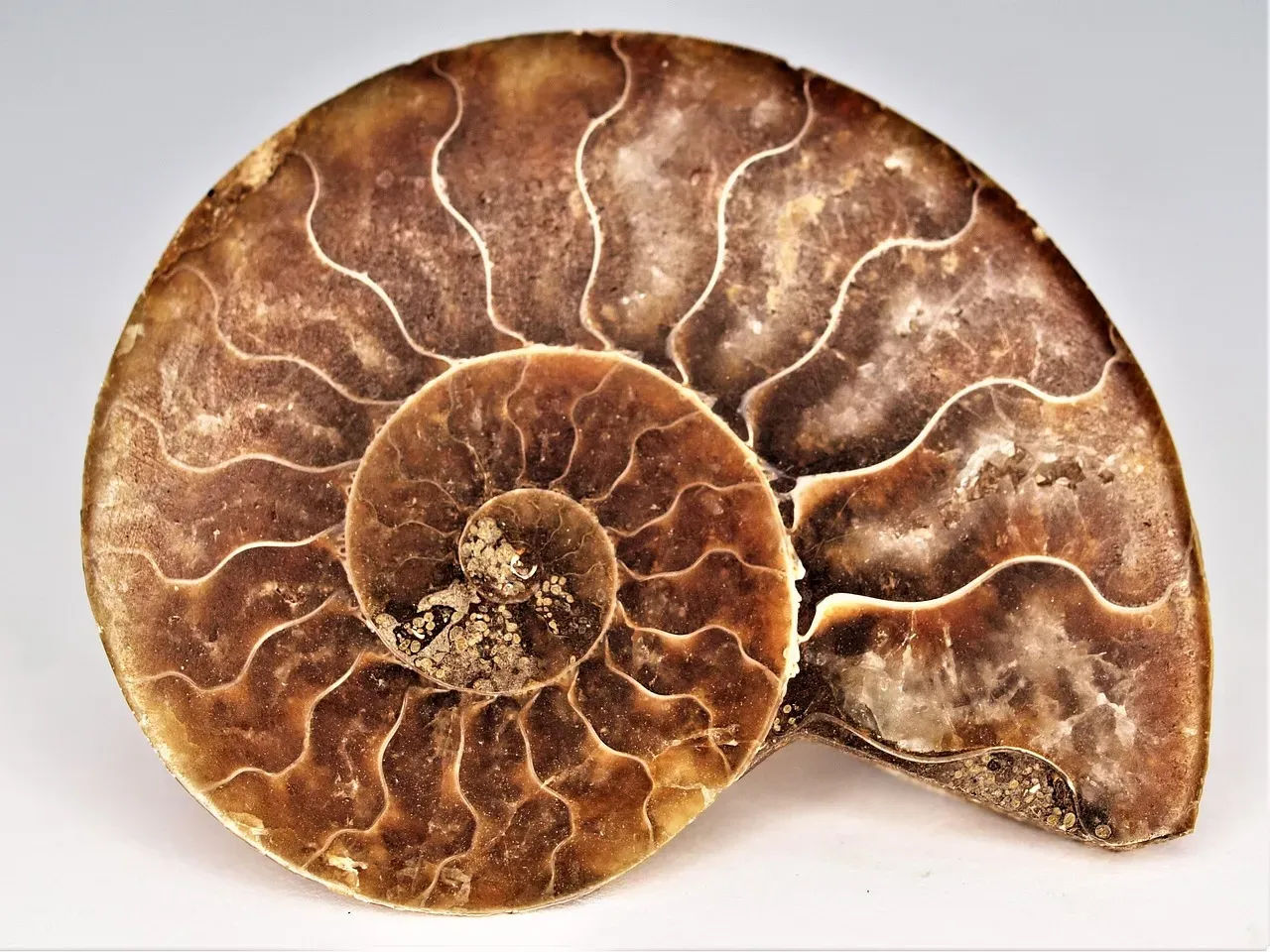
Not every ancient sea ruler was a toothy reptile or armored fish. Ammonites, the spiral‑shelled relatives of modern squids and octopuses, dominated the oceans for hundreds of millions of years. Their coiled shells came in all sizes and patterns, from small coin‑sized forms to shells large enough to rival a person in diameter. Inside those beautiful spirals lived soft‑bodied predators with tentacles, beaks, and surprisingly complex lifestyles.
Ammonites were not hunters on the scale of sharks or reptiles, but they ruled in a different way: through abundance, adaptability, and longevity. They survived multiple mass extinctions before finally disappearing at the end of the Cretaceous alongside the non‑avian dinosaurs. In their heyday, they were anything but background creatures; they were crucial players in marine food webs, both as predators of smaller animals and prey for larger ones. If you think of the ocean as a city, ammonites were the bustling crowds that kept everything moving, while the big predators were the occasional dramatic headlines.
Leedsichthys: The Gentle Giant Filter Feeder
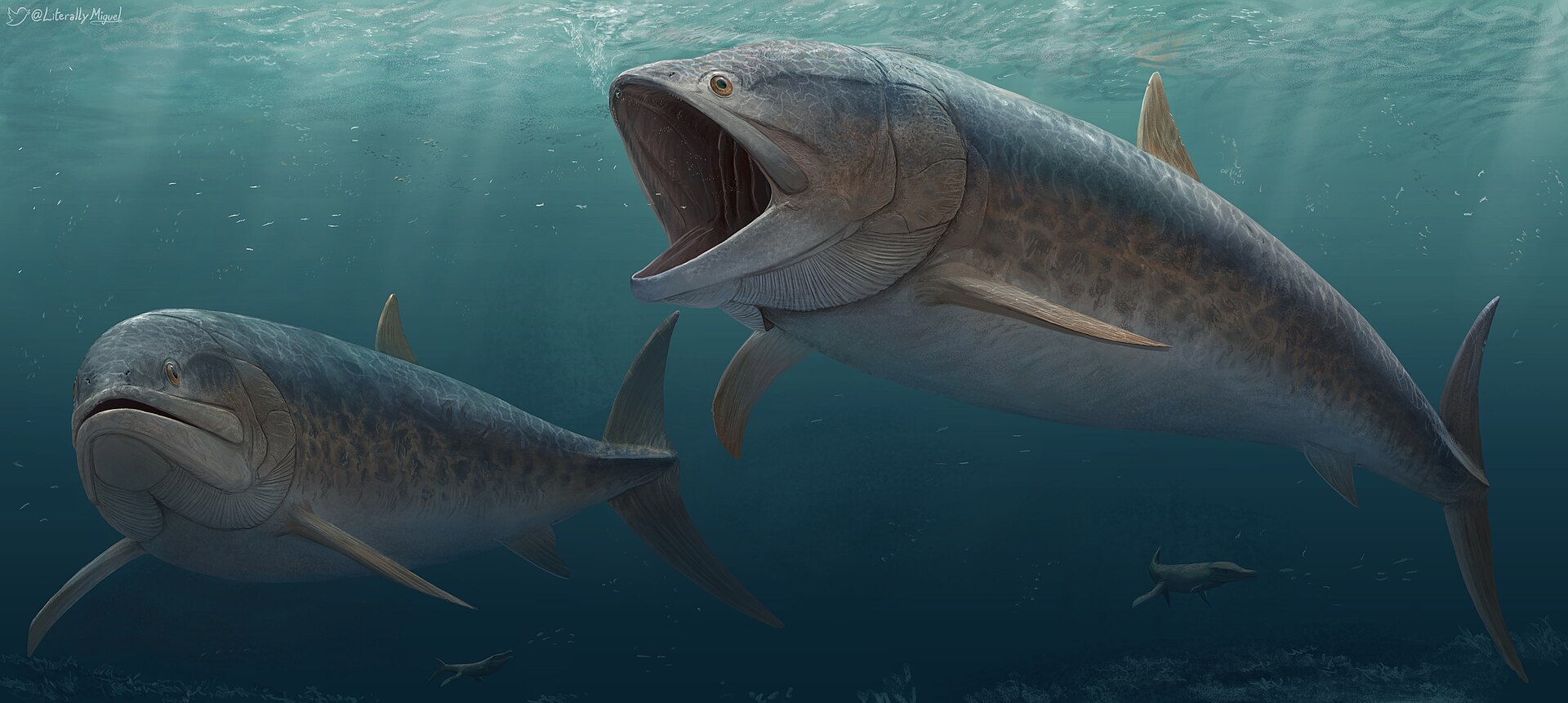
Power is not always about teeth and speed; sometimes it is about sheer size. Leedsichthys was a colossal bony fish from the Jurassic period, believed to have reached lengths comparable to or even exceeding modern whale sharks. Instead of terrorizing the seas with a ferocious bite, it cruised through the water filtering tiny organisms from the water, possibly plankton and small invertebrates. This gentle giant turned the entire ocean into a buffet line, swallowing up clouds of tiny life to fuel its enormous body.
What makes Leedsichthys so remarkable is how early in vertebrate history this kind of giant filter‑feeding lifestyle evolved. Today, we associate that niche with baleen whales or whale sharks, but animals like Leedsichthys were playing that game long before. In a world of fierce marine reptiles and sharp‑toothed fish, it thrived simply by being huge and efficient, drifting through the water like a slow‑moving freight train that nothing dared to mess with. It proves that ruling the seas is not always about being the scariest; sometimes, it is about being too big and too chill to challenge.
Orthocones: The Torpedo‑Shaped Cephalopod Stalkers
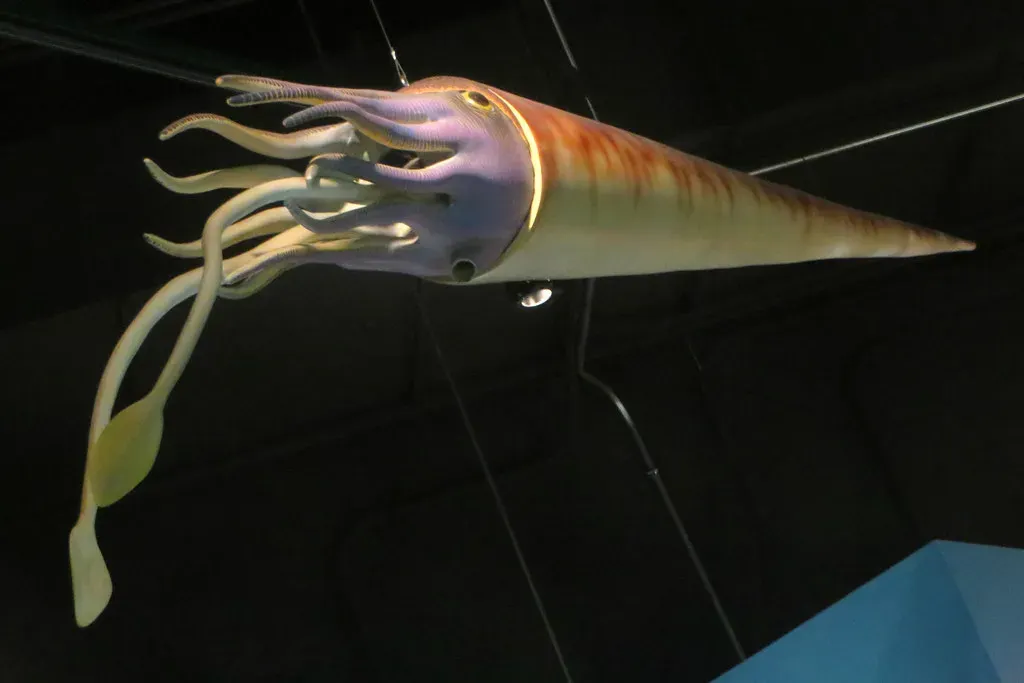
Long before squid and octopuses perfected their flexible, shell‑less designs, there were straight‑shelled cephalopods often called orthocones. These animals carried long, cone‑shaped shells, like rigid torpedoes, with a soft‑bodied head and tentacles emerging from the wide end. Some species are believed to have grown several meters long, making them serious mid‑ to top‑level predators in Paleozoic seas. Imagine a floating spear with a cluster of grasping arms at one end, slowly prowling the ancient ocean.
Orthocones likely used jet propulsion, squirting water out to move through the sea, while their shells provided buoyancy control. In many early marine ecosystems, they were among the main predators of trilobites, smaller cephalopods, and various crustaceans and fish. While modern sharks feel fast and dynamic, orthocones represent a very different kind of menace: a slow, looming presence drifting through the dim light, tentacles ready to snatch anything within reach. They were like the ghostly snipers of the ancient seas, patient and always lurking just out of sight.
Thalassomedon and the Long‑Necked Plesiosaurs
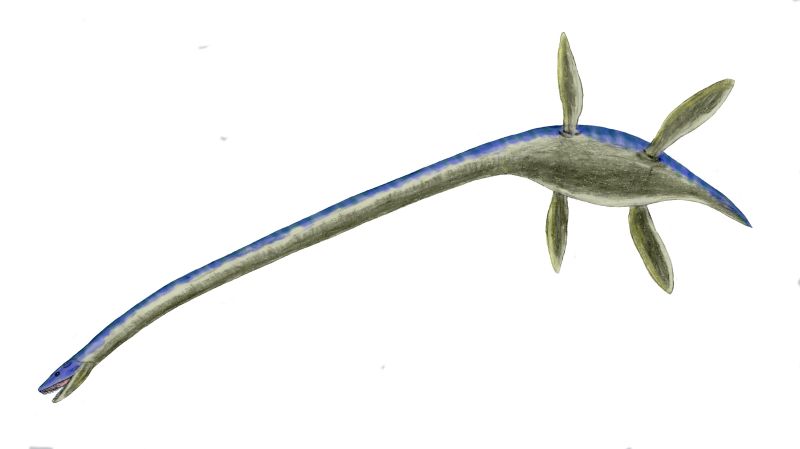
Thalassomedon was a classic long‑necked plesiosaur, swimming the Cretaceous seas with a small head, an extremely long neck, and a broad, barrel‑shaped body powered by four strong flippers. If you have ever seen illustrations of “Loch Ness‑style” creatures, you have basically seen a plesiosaur silhouette, and Thalassomedon is a prime example. Its name translates roughly to “sea lord,” and it certainly looked the part, gliding beneath the waves like a myth brought to life.
Unlike the short‑necked, power‑jawed pliosaurs, long‑necked plesiosaurs probably hunted smaller, more agile prey such as fish and squid, using their necks to make quick, darting strikes. Instead of barreling straight into a school of fish, they could approach from odd angles, keeping their bulky bodies at a distance while only their slender heads invaded the chaos. Compared to sharks, which are all about streamlined efficiency, creatures like Thalassomedon feel almost over‑designed, as if evolution decided to sketch something weird just to see if it worked. Apparently, it did, because plesiosaurs thrived for tens of millions of years.
Stethacanthus: The Shark with an Anvil on Its Back
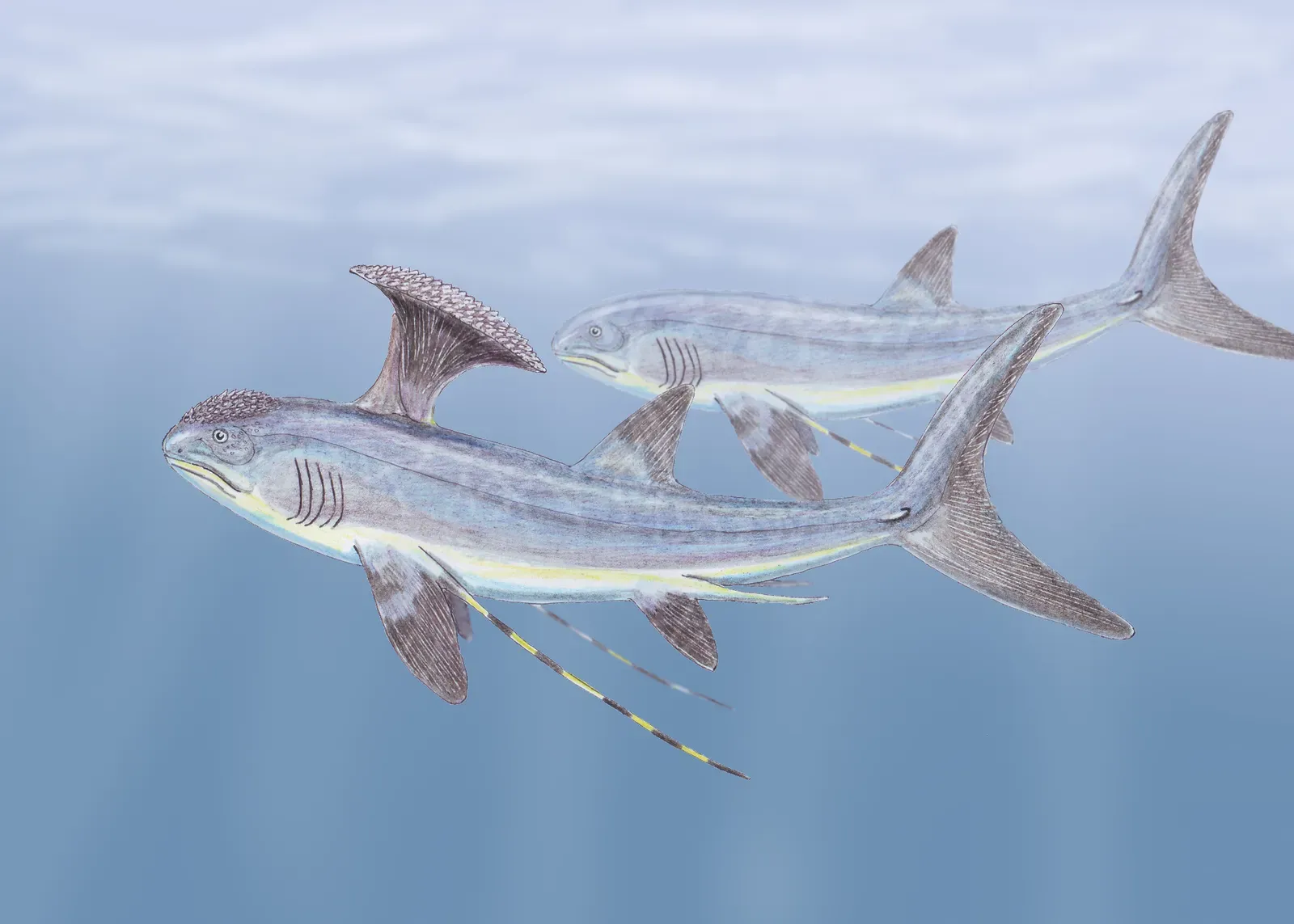
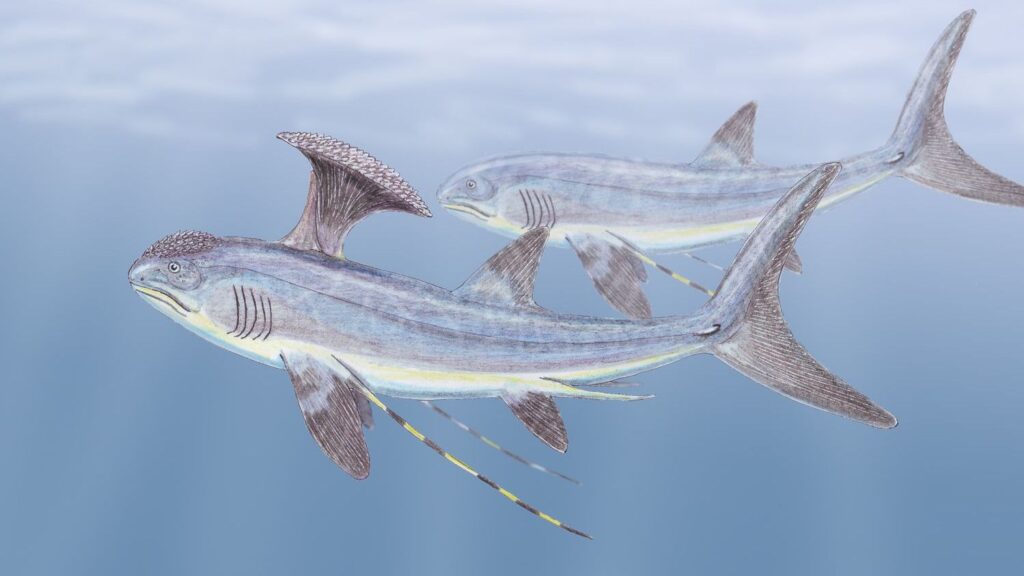
While this list focuses on , some early shark relatives were so strange that they deserve a special mention. Stethacanthus was a small, ancient shark‑like fish from the late Devonian and early Carboniferous, famous for the bizarre structure on the back of adult males. Instead of a typical dorsal fin, it had a flat, rectangular pad covered in tooth‑like scales, giving it a look that people often compare to an anvil or a tiny ironing board. It is one of those fossils that makes you do a double take.
Scientists still debate the exact function of this odd fin, but it may have been used in mating displays, species recognition, or even to make the animal look larger and more threatening when viewed from above. The head also carried matching patches of specialized scales, as if the whole design was meant to be seen and interpreted by other members of its species. While Stethacanthus was not a top predator like some of the other creatures on this list, it represents a crucial point: before modern sharks settled into their familiar body plans, early shark relatives experimented wildly. In that sense, sharks did not just inherit the seas; they emerged from a long, chaotic workshop of evolutionary prototypes.
Conclusion: Before Sharks Ruled, the Seas Were Even Stranger
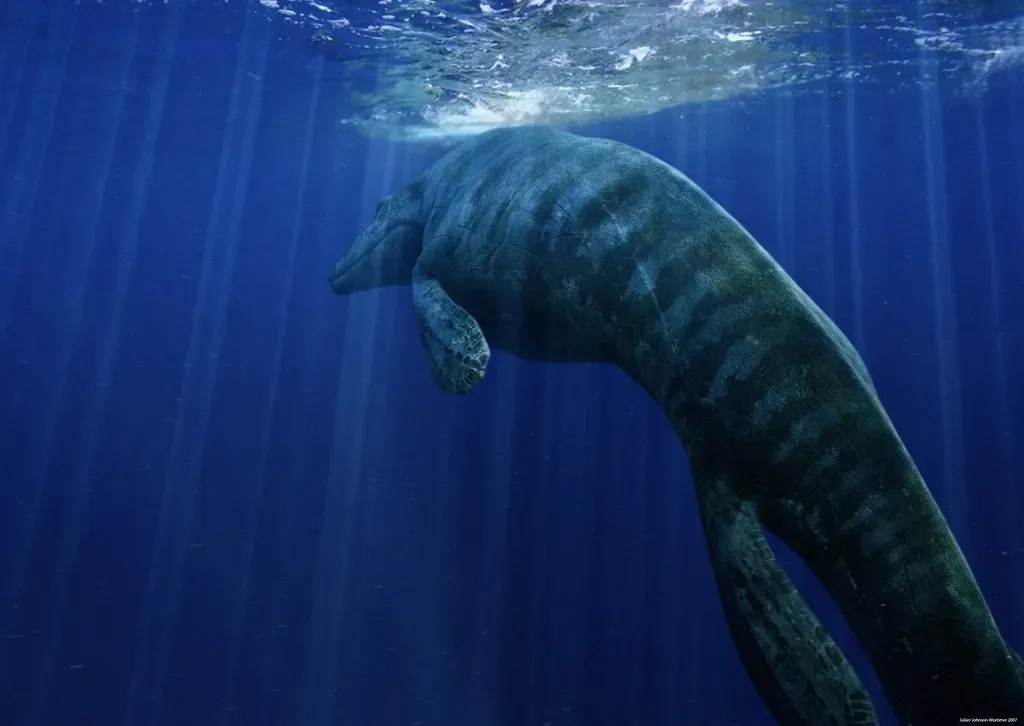
Looking back at these ten ancient sea creatures, it is hard not to feel that modern oceans, for all their beauty, are missing some of their wildest characters. Before modern sharks took center stage, the seas were ruled by armored juggernauts, spiral‑toothed oddities, reptilian torpedoes, and shell‑bearing hunters that blurred the line between alien and animal. To me, that makes sharks less like the ultimate endpoint and more like the latest chapter in a long, unruly saga of oceanic power. They are successful, yes, but they are walking into a role that has been rewritten again and again for hundreds of millions of years.
If anything, these ancient rulers are a reminder that nature is bolder and more experimental than we usually give it credit for. The creatures we consider “normal” today only look that way because the strangest ones are buried in rock, reduced to puzzle pieces in museum drawers. Next time you see a shark documentary, it is worth remembering that long before those sleek predators arrived, oceans echoed with the snaps, lunges, and slow cruising shadows of animals that would make even a great white look tame. Which of these ancient sea monsters surprised you the most, and which one would you least want to meet in a midnight swim?