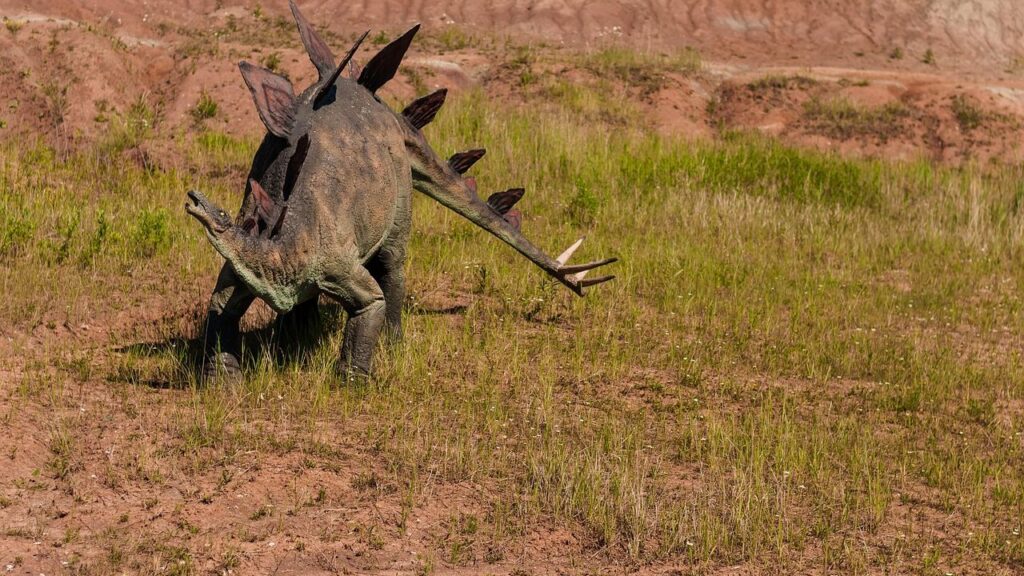
Stegosaurus looks so familiar that it almost feels like a childhood friend: big, slow, plant‑eating, with that iconic row of plates and a spiky tail. But underneath that familiar silhouette is an animal that scientists are still struggling to fully decode. The more researchers dig into its bones, its muscles, and even microscopic details of its armor, the weirder and more interesting this dinosaur becomes.
When I first learned how much about Stegosaurus is still up for debate, it honestly shocked me. This is not some obscure fossil found once in a remote cliff; this is a dinosaur that stars in museums and movies across the world. Yet paleontologists are still arguing about how it used its tail, what color it might have been, how its brain handled such a strange body, and even how its plates were arranged. Let’s dive into ten of the most fascinating facts that keep experts on their toes.
1. The Brain Was Tiny… But The Dinosaur Was Not “Stupid”
One of the most repeated claims about Stegosaurus is that it had a brain the size of a walnut, which sounds like an insult more than a fact. In reality, its brain was small for its body, but not ridiculously so compared with other big plant‑eating dinosaurs. Stegosaurus belongs to a world where body size exploded, but brain size did not keep pace in the same way, a pattern that is actually pretty common in large herbivores, even today. A huge body does not automatically require a huge brain to manage basic tasks like walking, feeding, and social interactions.
Paleontologists now view Stegosaurus less as a lumbering idiot and more as a specialized, low‑intelligence animal that did exactly what evolution needed it to do: survive and reproduce. Wild animals do not need to solve math problems or write poetry; they just need to navigate food, danger, and mating. In that sense, Stegosaurus was probably as smart as it needed to be, in the same way a cow or a rhino is perfectly equipped for its life, even if it would not pass a standardized test. The “dumb dinosaur” meme says more about human ego than about Stegosaurus itself.
2. The Famous “Second Brain” Story Has Been Debunked
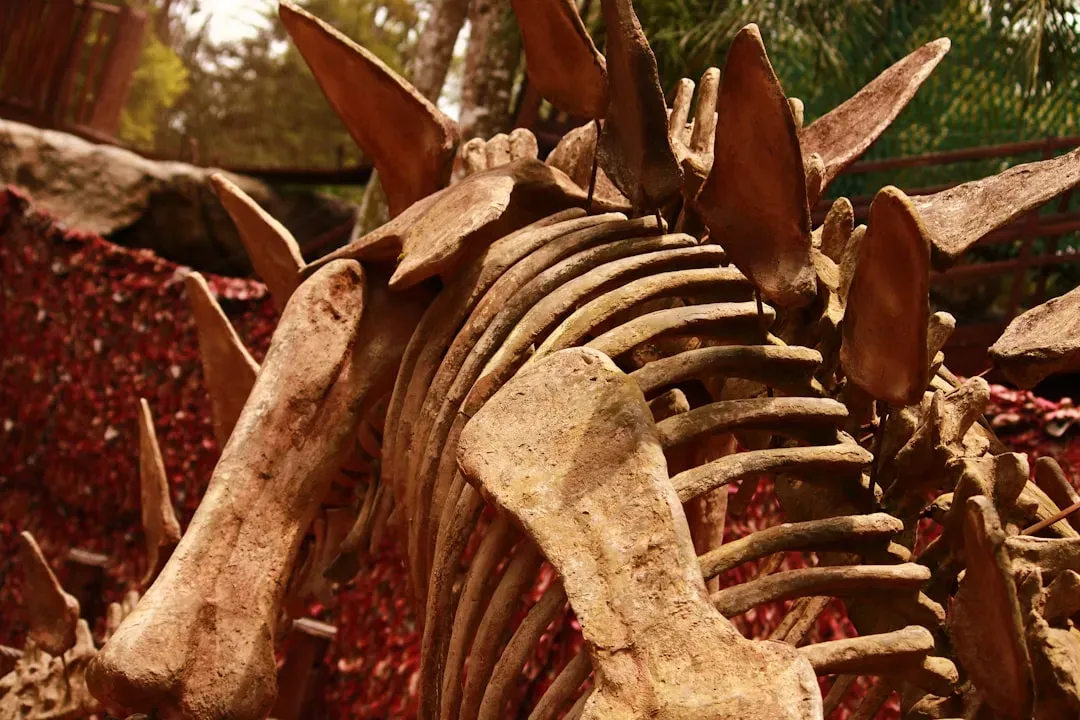
For years, museum labels and dinosaur books claimed Stegosaurus had a “second brain” in its hips, supposedly to help control its massive back end. This myth came from a large cavity in the pelvic region where the spinal cord widens into a structure called the lumbosacral enlargement. Early researchers saw that space and, without better context, imagined a backup brain. It sounded dramatic and stuck in the public imagination, but it turns out that same expanded region appears in many animals, including modern birds.
Today, paleontologists interpret this cavity as a nerve hub and possibly a site for a glycogen storage body, not a thinking center. It is more like a powerful junction box than an extra control room. To me, this is a good reminder of how science really works: clever ideas get proposed, tested, and sometimes thrown out when new evidence shows they do not hold up. The “second brain” made a great story, but the reality is subtler and actually more interesting, because it connects Stegosaurus to the broader evolutionary story of how spinal cords and nerves are organized across different animals.
3. Its Plates Were Likely Vascular Billboards, Not Armor
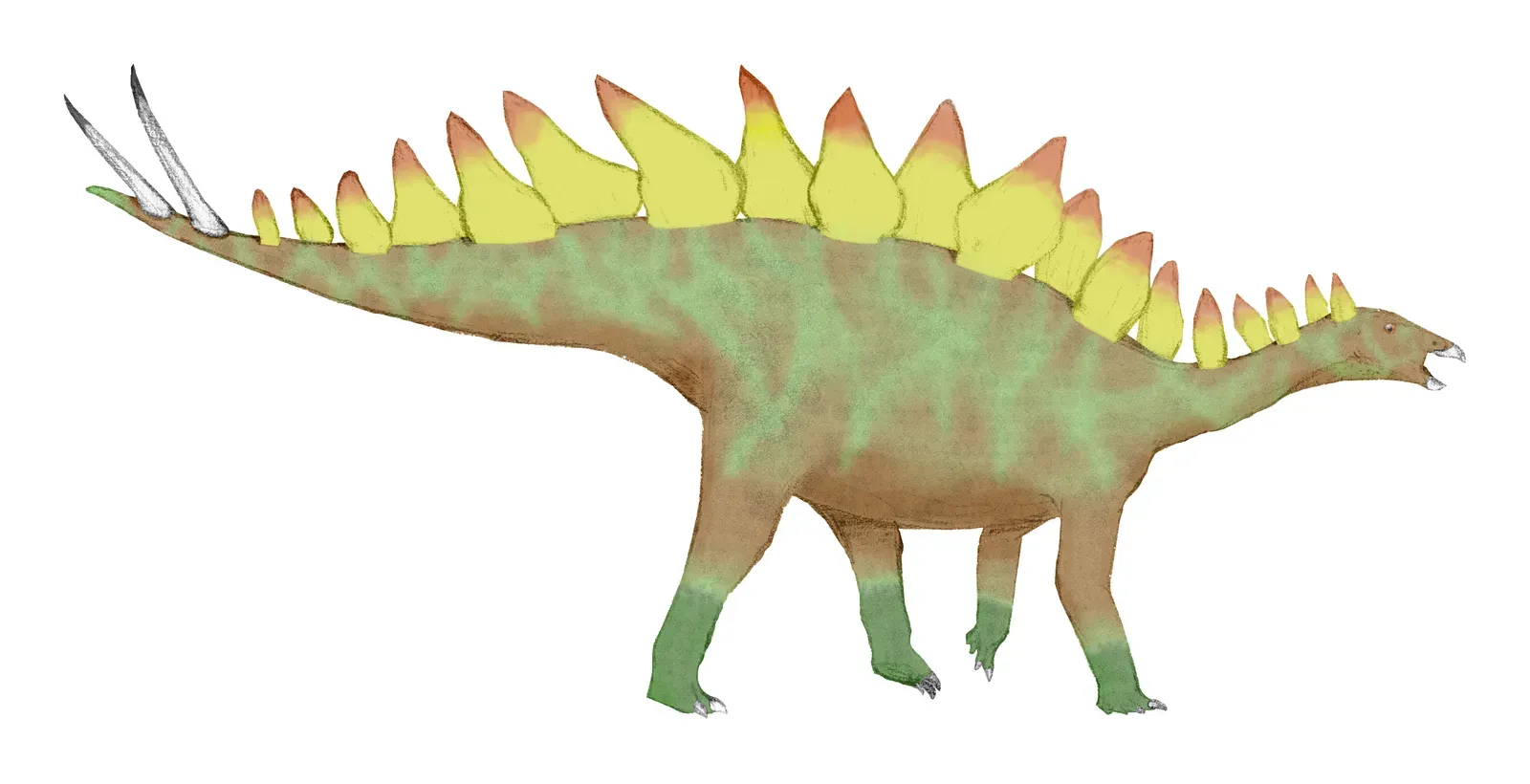
Those tall, kite‑shaped plates along Stegosaurus’s back look like natural shields, so early artists often portrayed them as defensive armor. But when scientists studied the internal structure of the plates, they found a dense network of blood vessel channels. That suggests the plates were more like living billboards filled with blood than like solid stone shields. They would have been pretty lousy at absorbing a bite from a large predator’s jaws, but very good at catching the eye of other Stegosaurus or a lurking hunter.
The leading ideas now emphasize display and maybe thermoregulation rather than pure defense. The plates could have flushed with blood to change their color intensity, like a giant mood light running down the spine, signaling dominance, courtship readiness, or warning. They also added height and visual drama to an otherwise low‑slung animal, turning a squat plant‑eater into something that looked much bigger and more intimidating. When you picture a Stegosaurus now, it is worth imagining those plates alive with color and temperature shifts, not just dull slabs of rock.
4. The Tail Spikes Were Serious Weapons, Not Decorative Spines
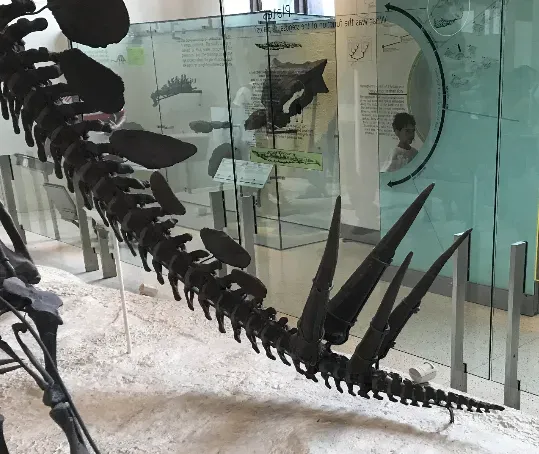
Stegosaurus’s tail spikes have a fan nickname: the “thagomizer,” a joking term that actual paleontologists ended up using because it was so memorable. For a while, some people assumed these spikes might have been mainly for display, since they look so theatrical. But evidence has steadily piled up that they were deadly serious weapons. Some fossil tail spikes show damage and healing that look like they came from stressful use, and there are even large carnivorous dinosaur bones with puncture wounds that line up suspiciously well with Stegosaurus spikes.
Biomechanical studies suggest the tail was flexible and muscular enough to be swung with surprising power. Imagine a living sledgehammer ending in long sharpened stakes, and you start to appreciate why a predator might think twice before attacking. Personally, I love that an animal often dismissed as slow and harmless had this brutal, last‑resort defense system. It undercuts the lazy stereotype that big plant‑eaters were just passive background animals, instead painting Stegosaurus as something that could fight back with frightening efficiency when it had no choice.
5. Its Posture Was Not As Awkward As Old Reconstructions Show
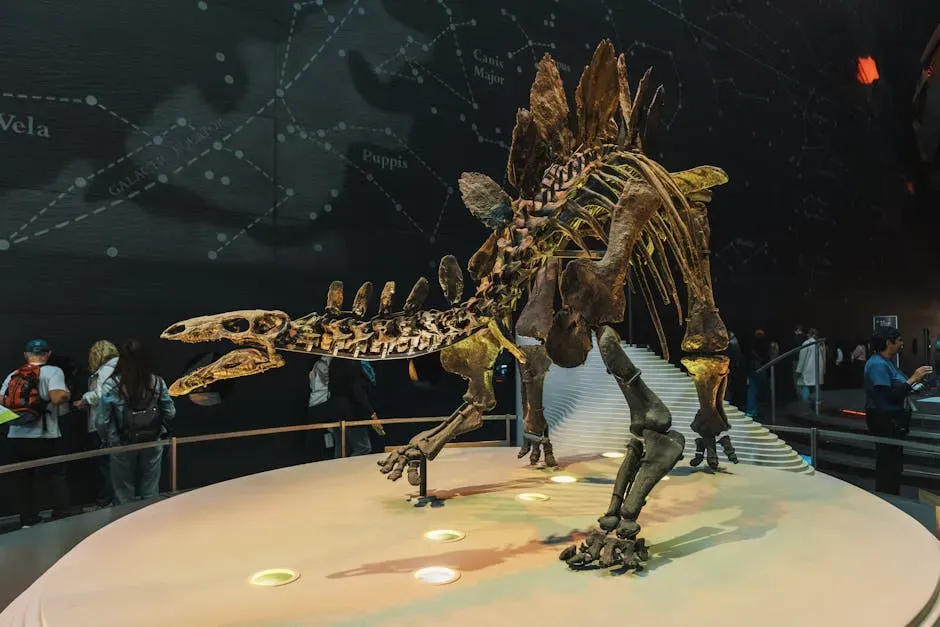
If you grew up with older dinosaur books, you probably saw Stegosaurus dragging its tail in the dirt, standing like a sagging coffee table. Those reconstructions came from a time when scientists had not fully worked out how dinosaur skeletons articulated, and many animals were drawn with drooping tails and weird, sprawling legs. Newer research on limb joints, muscle attachment sites, and overall body mechanics has completely changed that picture. Stegosaurus’s tail would have been held off the ground, and its legs were more upright than the old “swamp sloth” look suggested.
Modern reconstructions show an animal with a gentle arch to its back, a tail raised for balance, and a stance that looks surprisingly dynamic. It still was not built for sprinting, but it was not a clumsy mess either. Studies of its limb bones point to a walking style that was stable and energy‑efficient, tuned for steady grazing rather than dramatic chases. I think this shift matters because it reminds us how much our mental image of a creature can lag behind the science; the dinosaur you imagine from a childhood picture book may be decades out of date.
6. Stegosaurus Had A Weird Mix Of Strong Forelimbs And Short Steps
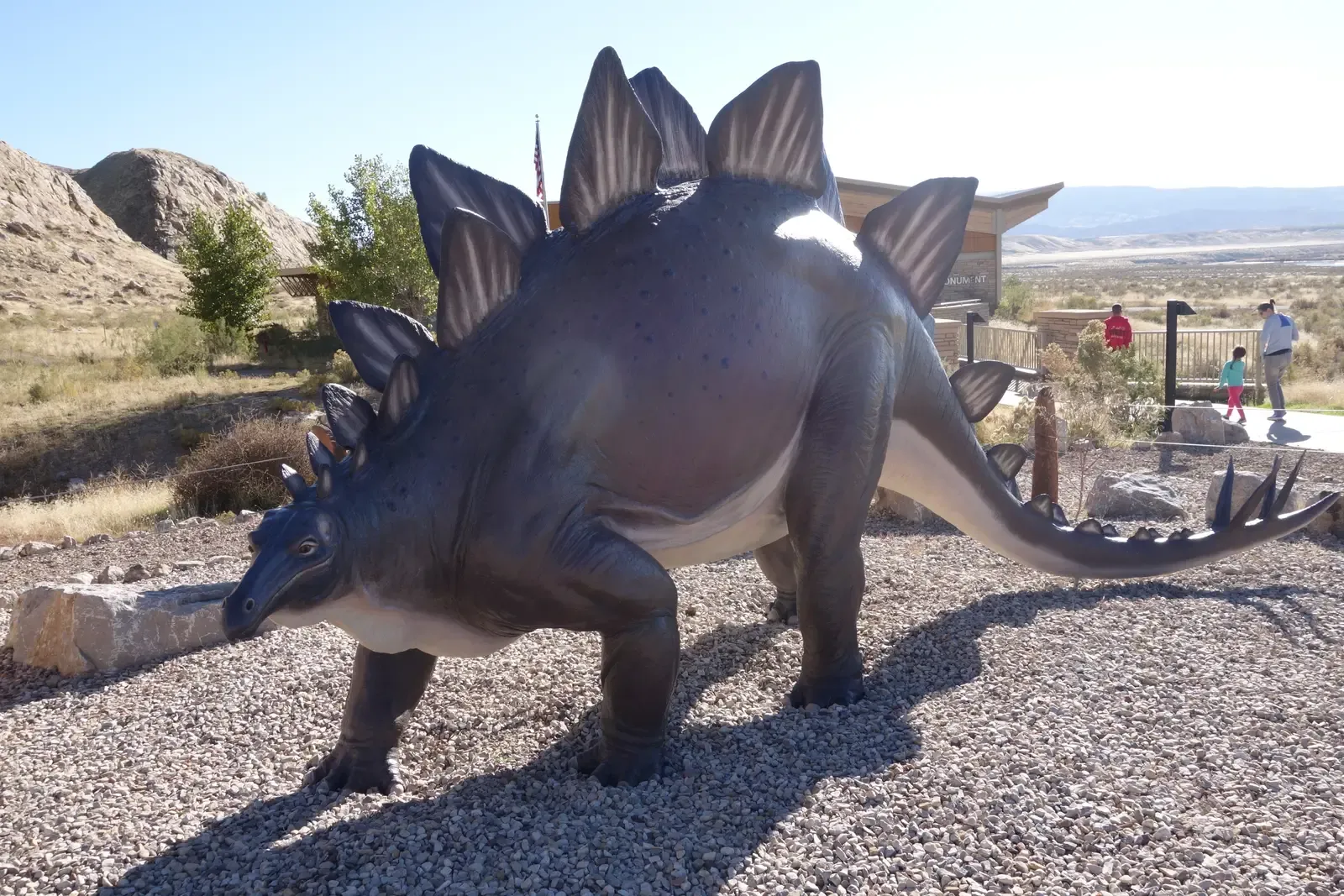
At first glance, Stegosaurus looks front‑heavy, with big shoulders and a smaller head hanging low. Its front legs were shorter than its back legs, which gave it that sloped profile, but they were also sturdier than many people realize. Studies of the limb bones show reinforced joints and robust muscle attachment points, especially around the shoulders. That suggests the front part of the body was built to support a lot of weight and maybe to push through dense, shrubby vegetation, almost like a living bulldozer.
The proportions of its legs and feet imply a fairly short stride, which fits with a lifestyle built around slow, steady foraging. It probably browsed relatively close to the ground or up into low bushes rather than reaching high like a giraffe. To me, this combination of strong forelimbs and short steps gives Stegosaurus a kind of stubborn, purposeful feel, like the friend who never moves fast but always gets where they are going. It is not flashy, but it is reliable, and in evolutionary terms that sort of reliability can mean millions of years of success.
7. The Plates’ Exact Arrangement Was A Scientific Puzzle
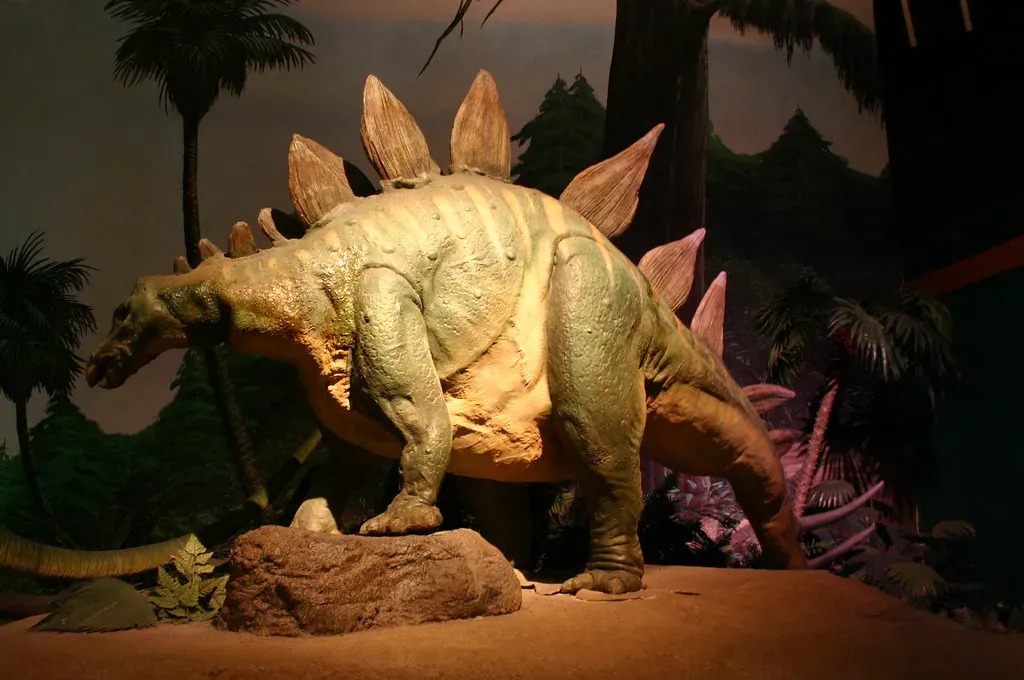
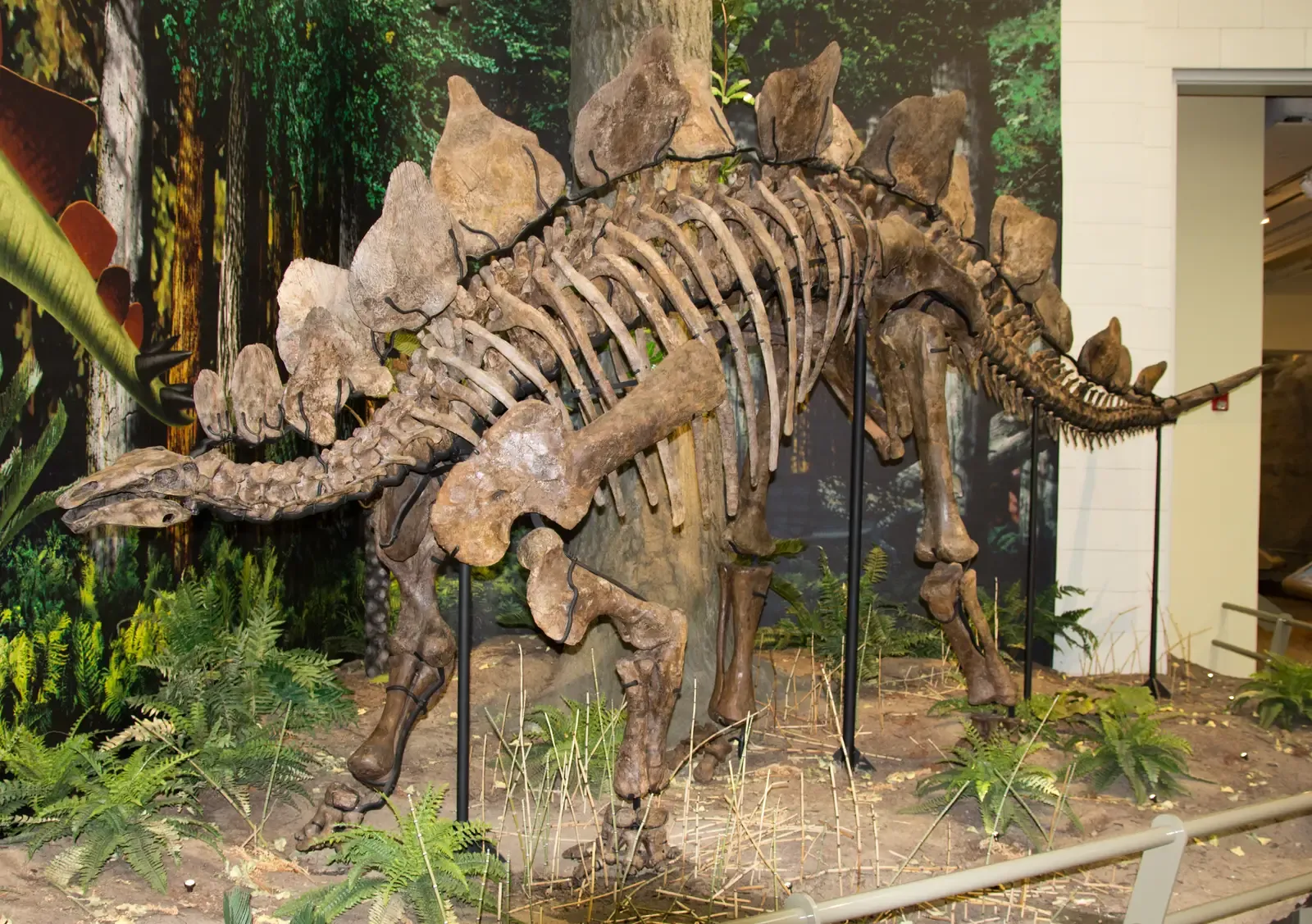
It is easy to assume we have always known how Stegosaurus’s plates were arranged, but that was actually a long, messy debate. Early mounts tried them in neat paired rows, like matching fence posts down the back. Later, more careful fossil discoveries showed that the plates varied in size and shape along the body and did not line up perfectly as mirror images. The now‑familiar staggered, alternating pattern only came into focus when better skeletons were found with plates closer to their original positions.
Even today, details about the exact angle and overlap of certain plates can spark discussion among specialists. The fact that such an iconic dinosaur still had basic body layout questions unresolved until relatively recently is wild to me. It shows how incomplete most fossil finds are and how much educated reconstruction is involved in turning scattered bones into a lifelike animal. When you stand under a mounted Stegosaurus in a museum, you are looking at a careful blend of data and informed interpretation, not a simple connect‑the‑dots puzzle.
8. Its Skin And Possible Colors Are More Complex Than Once Thought
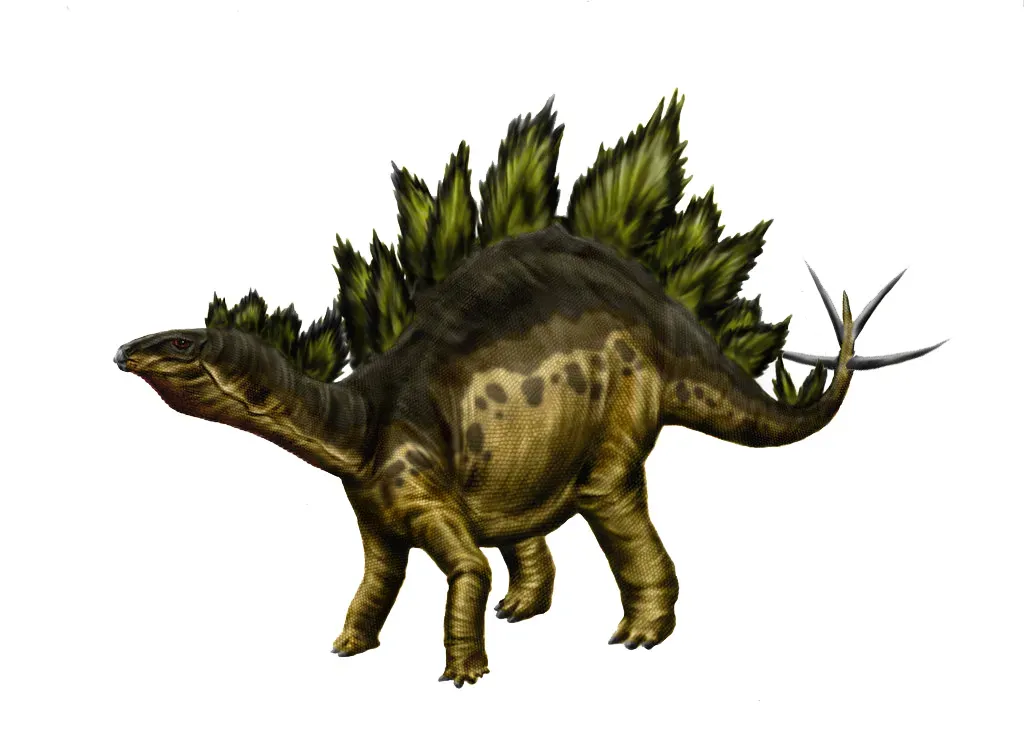
For a long time, artists painted Stegosaurus in dull gray or brown tones, as if the default dinosaur setting was “mud.” This was mostly a placeholder driven by caution rather than evidence; fossils rarely preserve skin details, and color is even harder to pin down. However, impressions of stegosaur skin from related species show a pattern of small, non‑overlapping scales, with some areas bearing larger, more pronounced scales like low bumps. That gives us a slightly richer picture of the texture and variety on its body surface.
When it comes to color, we still cannot point to a precise pattern for Stegosaurus, but insights from other dinosaurs have changed the tone of the conversation. Pigment structures in some fossilized feathers and skin from unrelated species reveal stripes, speckles, and contrasting dark and light zones. It would be odd if a highly visible animal with massive display plates was somehow the only one stuck in permanent beige. My own hunch is that Stegosaurus had more dramatic coloration than early art suggested, maybe with darker plates and a lighter body or bold patterning to stand out in a crowd of its own kind.
9. It Lived Alongside Serious Predators – And Held Its Own
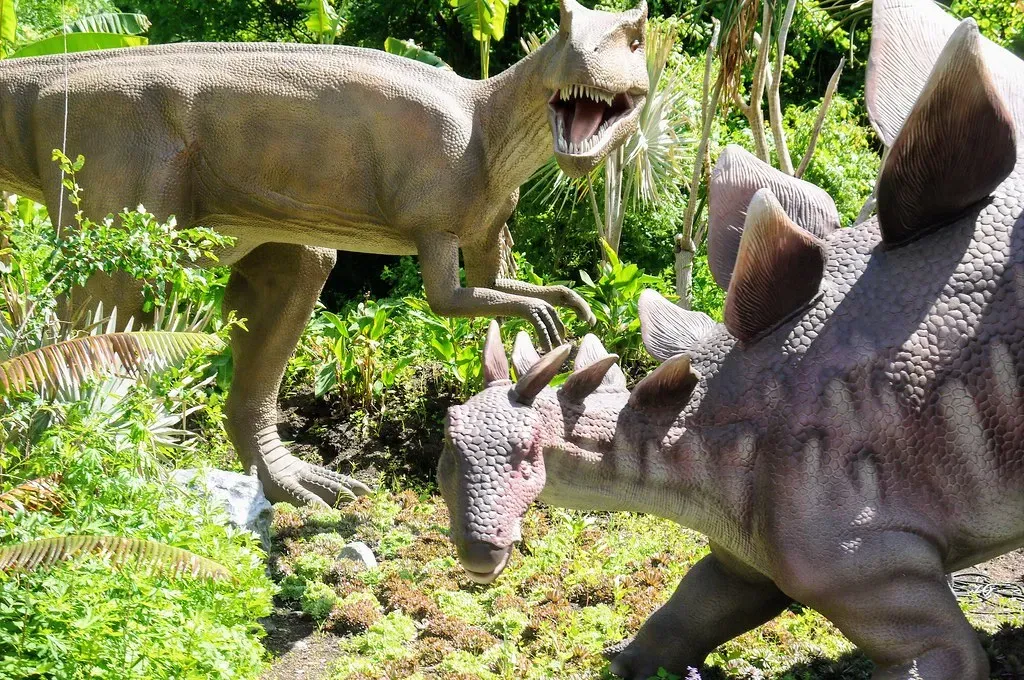
Stegosaurus did not live in a peaceful, empty landscape. It shared its Late Jurassic North American environment with large predators like Allosaurus and other meat‑eating dinosaurs that were built to tackle big prey. Fossil sites show a rich mix of herbivores and carnivores, from long‑necked sauropods to fleet‑footed smaller theropods. In that neighborhood, a vulnerable, clueless creature would not have lasted long. Stegosaurus had to be good enough at avoiding or surviving attacks for its lineage to persist.
Its combination of body armor‑like plates for visual intimidation, heavy body mass, and that wicked tail weapon seems to have been a viable strategy. A predator sizing up a potential meal would have had easier options than something that could swing spikes into its ribs or legs. To me, this dynamic makes Stegosaurus feel less like a background extra and more like an important piece of the ecosystem, shaping predator behavior simply by being dangerous to tackle. It also pushes back against the stereotype that predators are always the stars of the show; sometimes the plant‑eater writes the script.
10. Stegosaurus Is Just One Member Of A Surprisingly Diverse Family
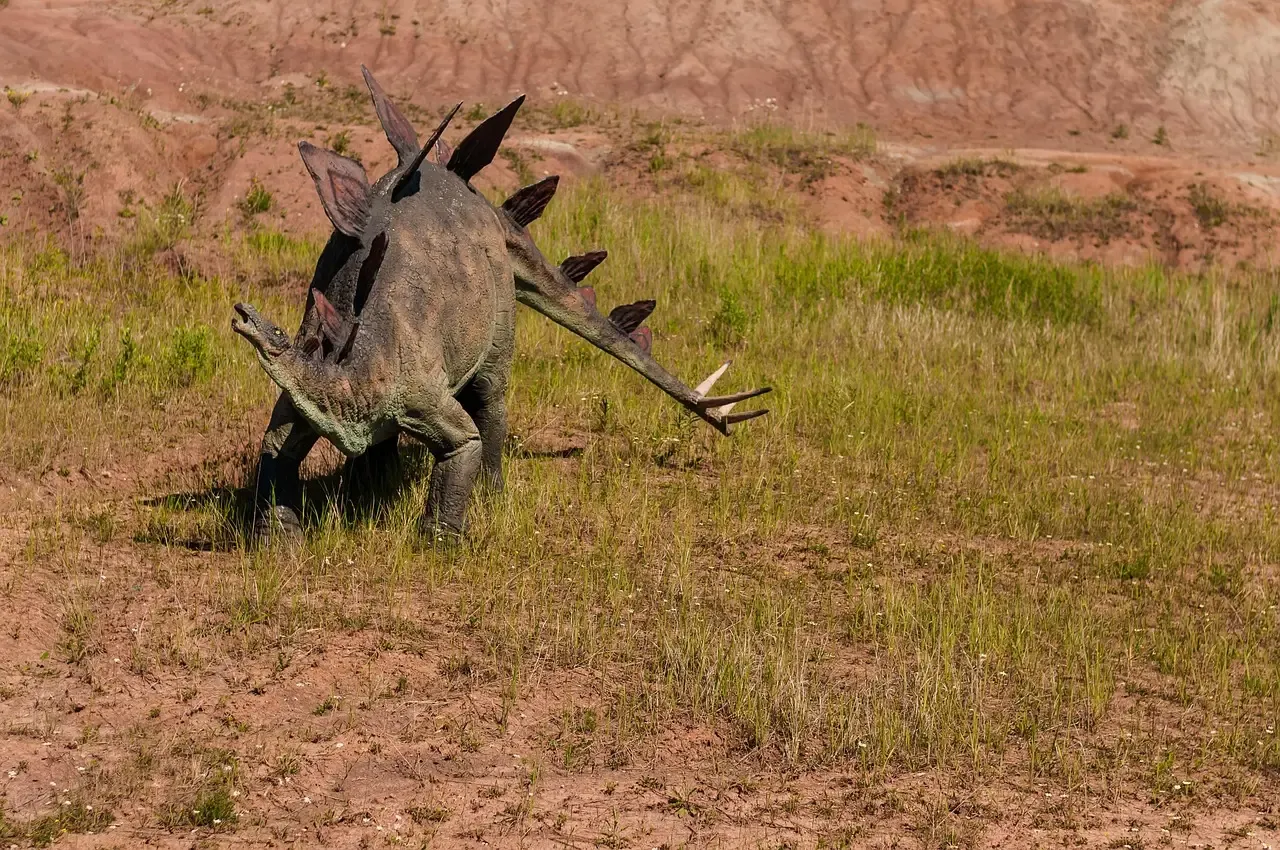
Many people treat Stegosaurus as if it were the only dinosaur of its kind, when it is actually part of a whole group called stegosaurs. Fossils from Europe, Africa, and Asia reveal relatives with different plate shapes, spike arrangements, and body proportions. Some had extra spikes on their shoulders, others had different numbers and sizes of plates, and the overall body plan shows multiple evolutionary experiments on the same basic theme. Stegosaurus itself is just the most famous North American branch of a broader family tree.
This diversity helps paleontologists test ideas about what plates and spikes were really for, because they can compare features across species living in different environments. It also hints that our picture is still incomplete: new stegosaurs continue to be described, and each one tweaks the story a little. Personally, I find it humbling that even with all our technology and labs, we are still discovering relatives of a dinosaur every schoolkid can name. It is like realizing your favorite celebrity is actually part of a huge, complicated family you have barely met yet.
Conclusion: A Familiar Dinosaur That Still Feels Strange
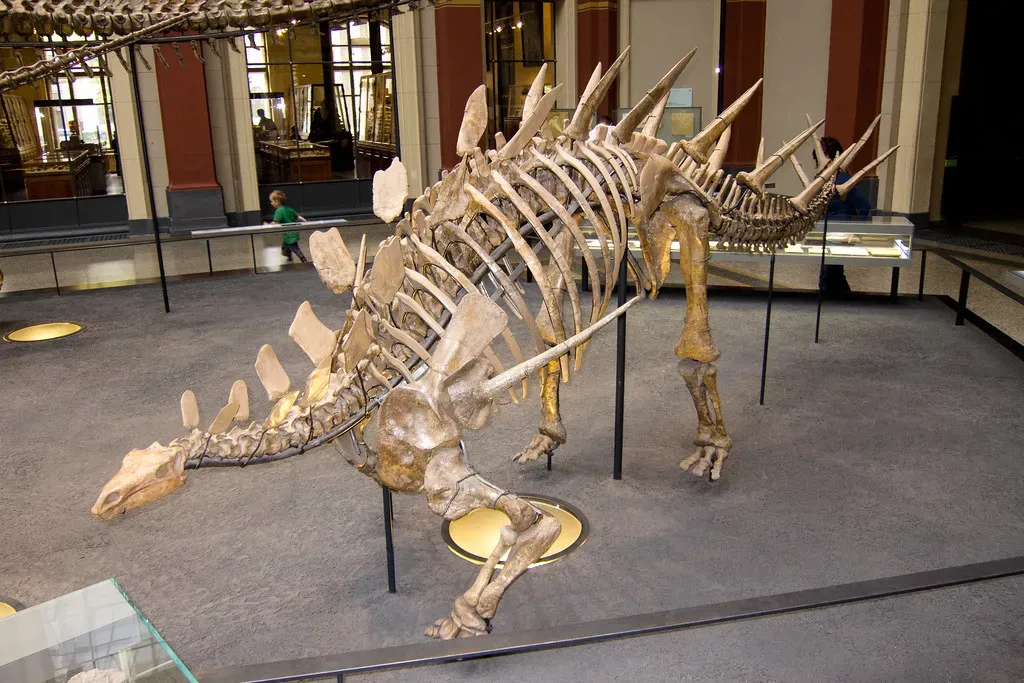
The more you look at Stegosaurus, the less it fits into the neat, flat image printed on old lunch boxes. It was not a brainless tank, not a clumsy swamp‑dweller, and not just a walking bundle of plates and spikes. It was a carefully tuned animal built to live in a dangerous, competitive world: slow but sturdy, visually dramatic, and armed with a tail that could turn a hungry predator into a cautionary tale. The fact that paleontologists are still arguing over details of its posture, coloration, and behavior says less about confusion and more about how much depth is hidden in those bones.
My own opinion is that Stegosaurus is one of the best reminders that “famous” does not mean “fully understood.” We put it on T‑shirts and toy shelves, yet we are still revising almost every aspect of its life story as new fossils and new techniques come online. That tension between familiarity and mystery is exactly what makes it so compelling. Next time you see that row of plates and those tail spikes, maybe you will feel a little of that unsettled curiosity too. In a world that often pretends everything is already known, how refreshing is it that a dinosaur this iconic can still surprise us?