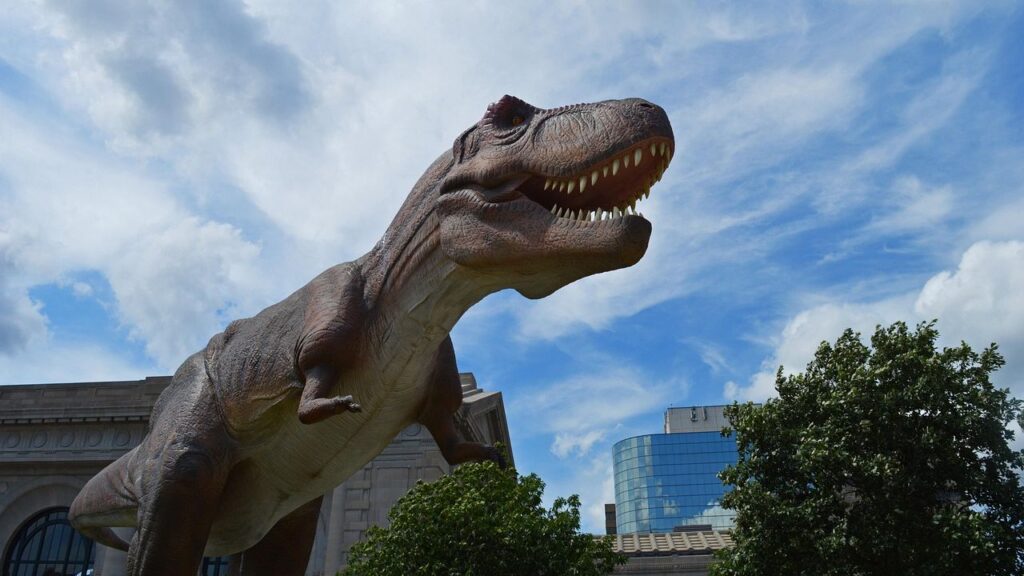
Imagine waking up tomorrow and, instead of birds chirping, hearing the distant calls of herds of sauropods moving across a floodplain, or the low rumble of a T. rex echoing from a forest edge. It sounds like pure science fiction, but buried inside that fantasy is a serious scientific question: if the infamous asteroid had missed Earth about sixty‑six million years ago, would dinosaurs still be here today? Or were they already living on borrowed time?
This is where the story gets fascinating. The more scientists dig into ancient rocks, climate records, and fossil bones, the clearer it becomes that the meteor was not the only thing going on. Our planet was in the middle of wild volcanic eruptions, shifting continents, and climate swings that would challenge even the toughest creatures. So yes, the impact was catastrophic, but the real puzzle is whether dinosaurs could have ridden out everything else. Let’s walk through what we actually know, what is still up for debate, and where a bit of informed imagination can take us.
The World Dinosaurs Actually Lived In (Not the One in Movies)
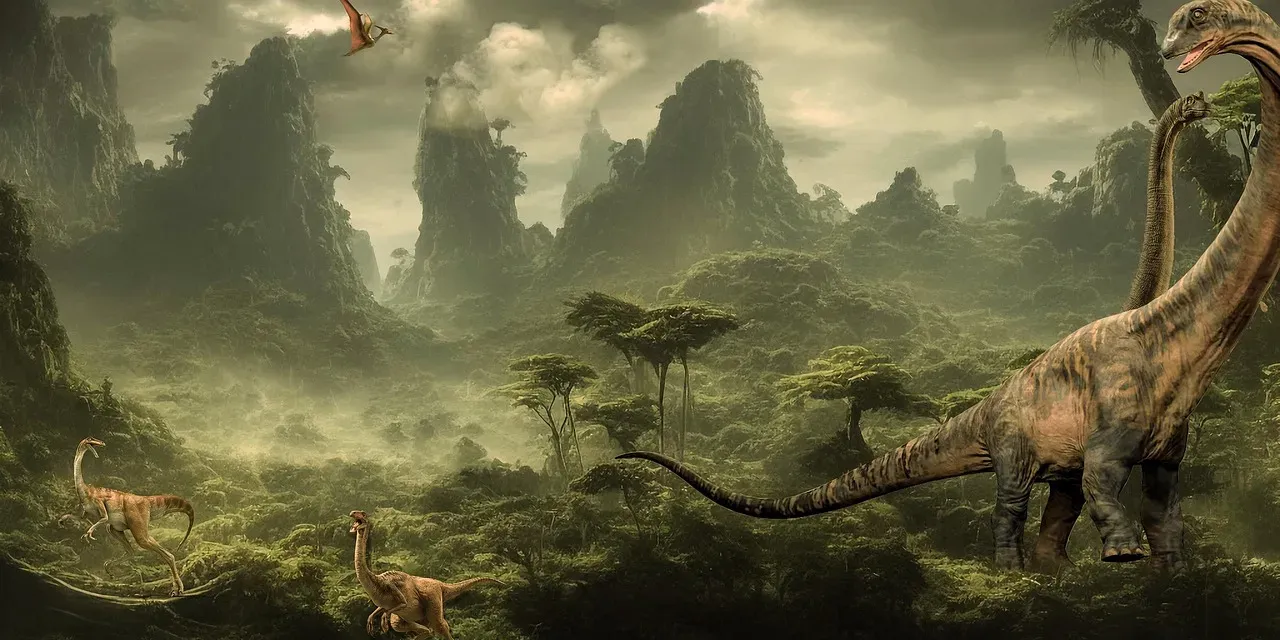
When people picture dinosaur Earth, they often imagine a stable, steamy jungle planet that barely changed for millions of years. In reality, the late Cretaceous was dynamic and stressful. Sea levels were high, there were vast inland seas in places like what is now North America, and climates ranged from warm polar regions to intense seasonal monsoons. Some areas were lush and swampy, others more open and dry, and different dinosaur groups carved out very specific niches within that patchwork.
That matters, because survival is always about how flexible you are when the rules change. Many dinosaurs were huge specialists: titanic plant‑eaters with narrow dietary needs, or apex predators tuned to hunting specific prey in certain habitats. They flourished while the environment was within a certain range, but the fossil record suggests ecosystems were already shifting before the impact. Think of it like a game of musical chairs that had already started to speed up; the asteroid just slammed the stop button.
Were Dinosaurs Already in Trouble Before the Impact?
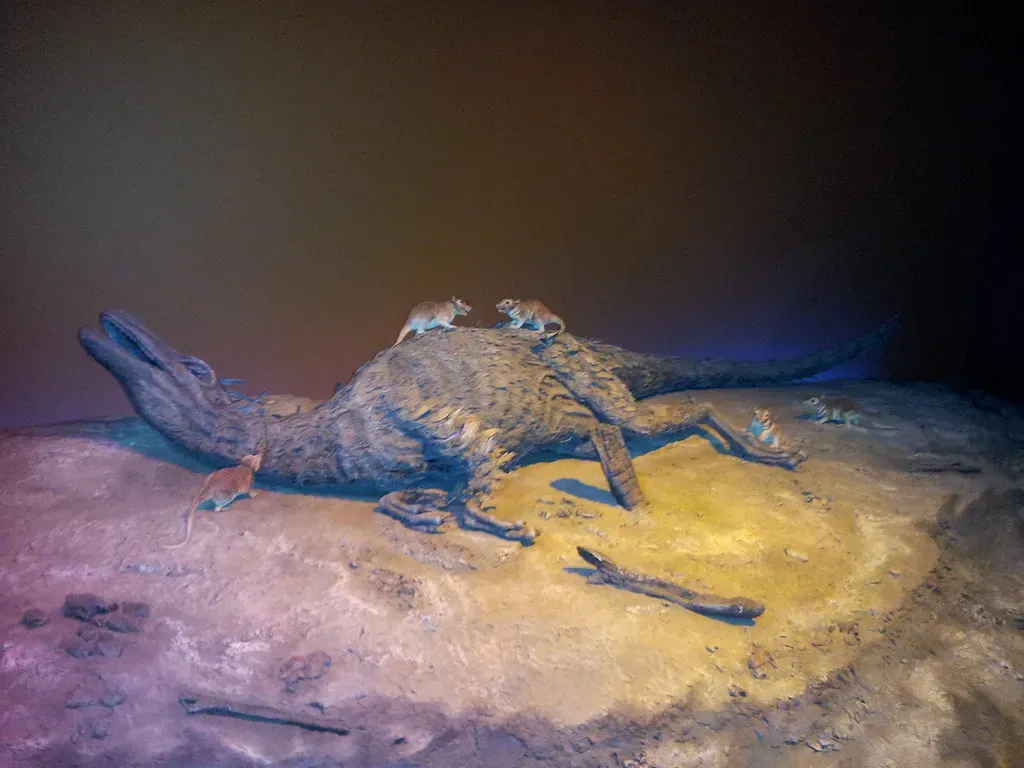
One of the most uncomfortable findings for dinosaur fans is that some lineages show signs of decline in diversity before the meteor hit. In a few groups of large herbivores and big carnivores, there appear to be fewer species in the last several million years of the Cretaceous compared to earlier times. That does not mean dinosaurs were about to vanish, but it does hint that some of the big, charismatic groups were losing their grip as environmental pressures built up.
At the same time, other lineages seemed stable or even still evolving and diversifying, especially smaller and more adaptable species, including the early bird relatives. So the picture is messy: it was not a simple boom‑then‑sudden‑bust. If the asteroid had missed, many specialists might still have faded out over time, while generalists could have continued to radiate into new forms. In that alternate timeline, you probably would not see the exact same late Cretaceous cast millions of years later, but you might see descendant lineages filling some surprisingly similar roles.
The Double Punch: Volcanoes, Climate Change, and a Planet on Edge
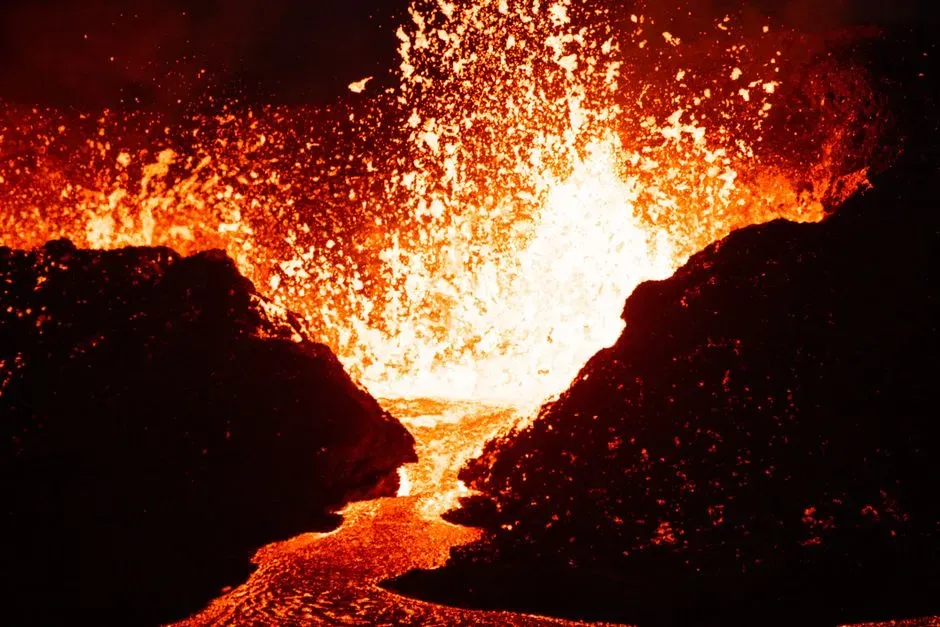
Even without a space rock slamming into the Yucatán, Earth was dealing with major internal drama. Massive volcanic eruptions, especially in what is now India, were pumping huge amounts of gases into the atmosphere over long periods. These eruptions likely drove waves of warming, changes in rainfall, and shifts in ocean chemistry. For large animals that needed enormous amounts of food and water just to survive, these swings could have been brutal.
That said, life on Earth has survived big volcanic episodes many times. Dinosaurs themselves had already ridden out earlier environmental shocks and mass extinctions at smaller scales. So it is reasonable to think that, without the sudden global winter caused by the impact’s dust cloud, many dinosaur groups could have adapted to gradual climate change. The most vulnerable would likely have been the extreme specialists with tight temperature or food requirements, while more flexible, smaller‑bodied dinosaurs could have tracked shifting habitats or changed diets as conditions slowly evolved.
The Bird Clue: How One Dinosaur Line Actually Did Survive
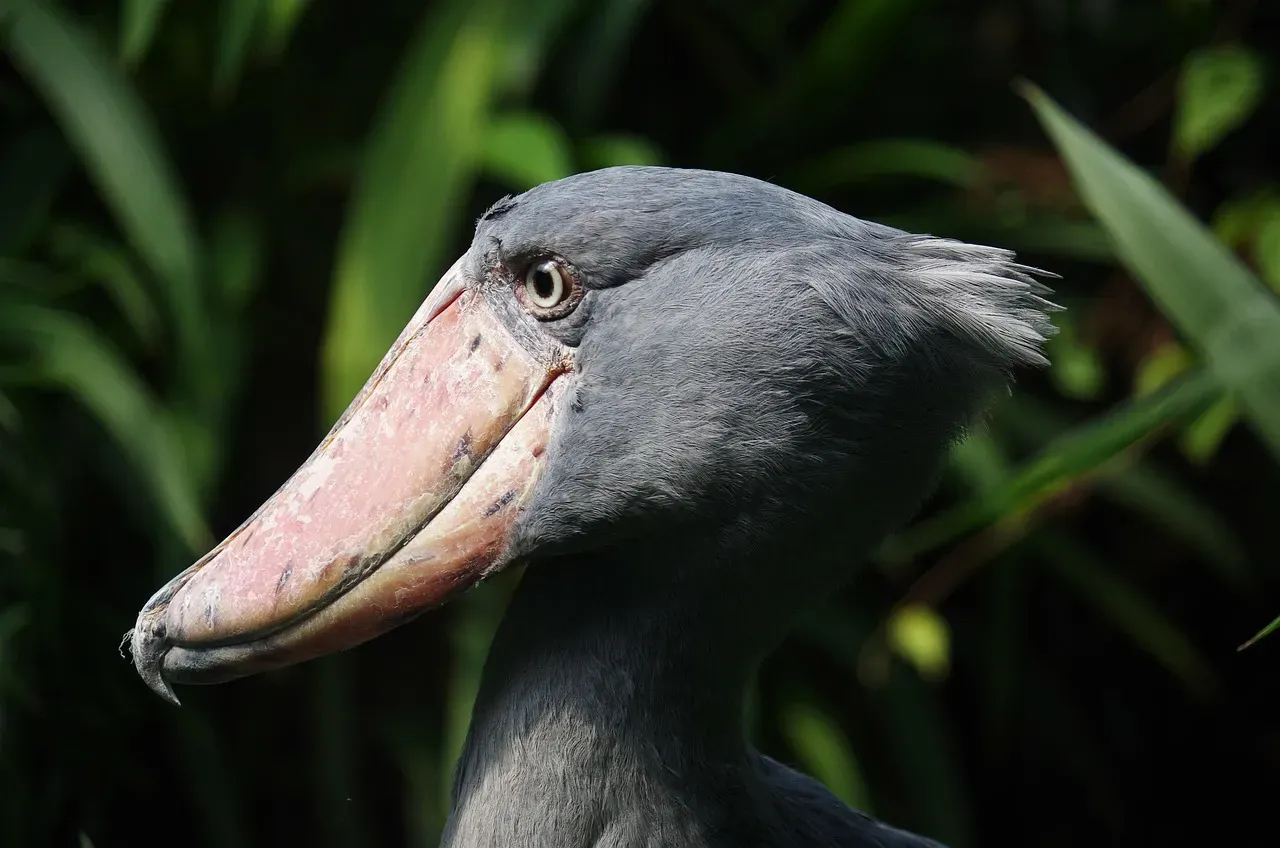
The clearest hint we have about whether dinosaurs could adapt comes from the only dinosaurs that undeniably made it through: the lineage we now call birds. These were not just slightly different animals; they were already doing some clever things before the impact, like having high metabolisms, relatively small bodies, diverse diets, and, critically, the ability to fly. That combination of traits gave them options when everything went wrong. They could move, switch foods, exploit new niches, and reproduce relatively quickly.
If you imagine a world where the asteroid misses, birds almost certainly still explode in diversity over time. Flight, fast life cycles, and behavioral flexibility are evolutionary cheat codes. What is much more uncertain is whether large non‑flying dinosaurs, the classic giants, could have evolved similar levels of adaptability in time. It is possible that, over millions of years, more lineages would trend toward smaller size, faster reproduction, and more generalist lifestyles, blurring the line between traditional “dinosaurs” and early birds even further.
Mammals vs. Dinosaurs: Would We Ever Have Gotten a Chance?
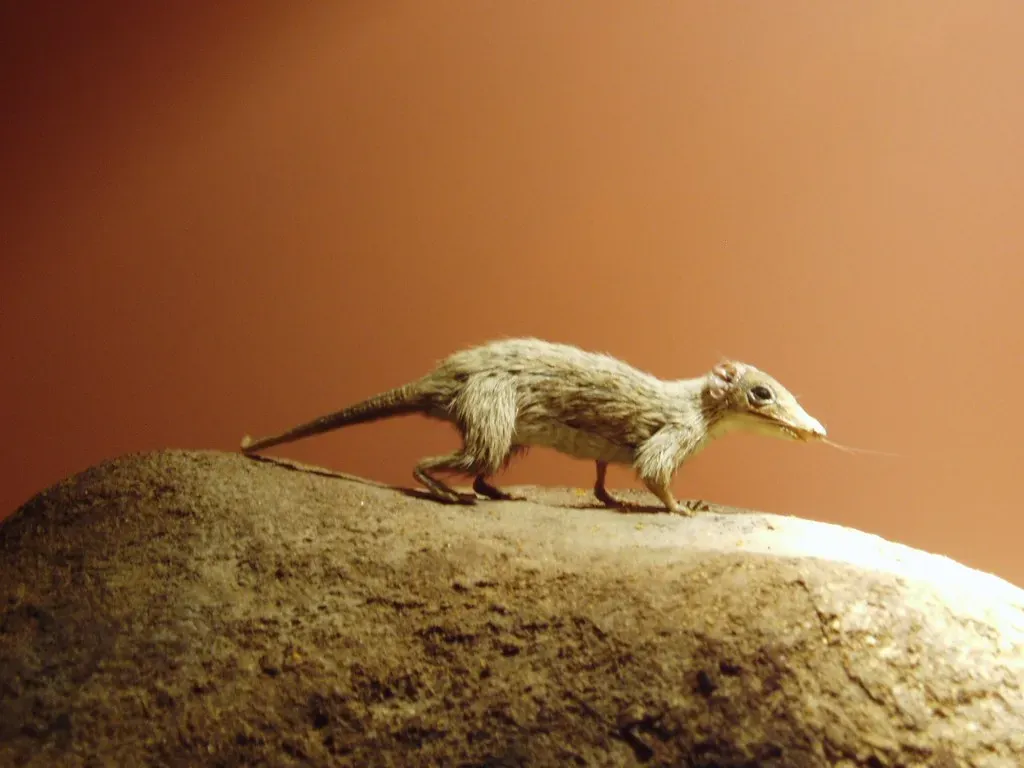
One of the biggest reasons this question feels personal is because our own story is tangled up in that extinction. Before the impact, mammals were mostly small, nocturnal, and overshadowed by dinosaurs in most major ecosystems. They were successful in their own way, but they were not running the show. When the giant reptiles were suddenly removed from the top of the food web, mammals rushed into the newly empty roles, eventually giving rise to everything from whales to primates to humans.
If dinosaurs had not been wiped out in that instant, mammals would not have had the same explosive opportunity. Could they still have slowly become larger and more diverse under a dinosaur‑dominated sky? Possibly, but big, fast‑growing, and often aggressive dinosaurs would have been tough competitors. In that alternate timeline, mammals might have remained mostly small and specialized, sharing the world as side characters instead of rising to headline status. The uncomfortable but honest answer is that, with thriving dinosaurs, humans as we know them are very unlikely to appear.
What a Dinosaur‑Ruled Modern World Might Actually Look Like
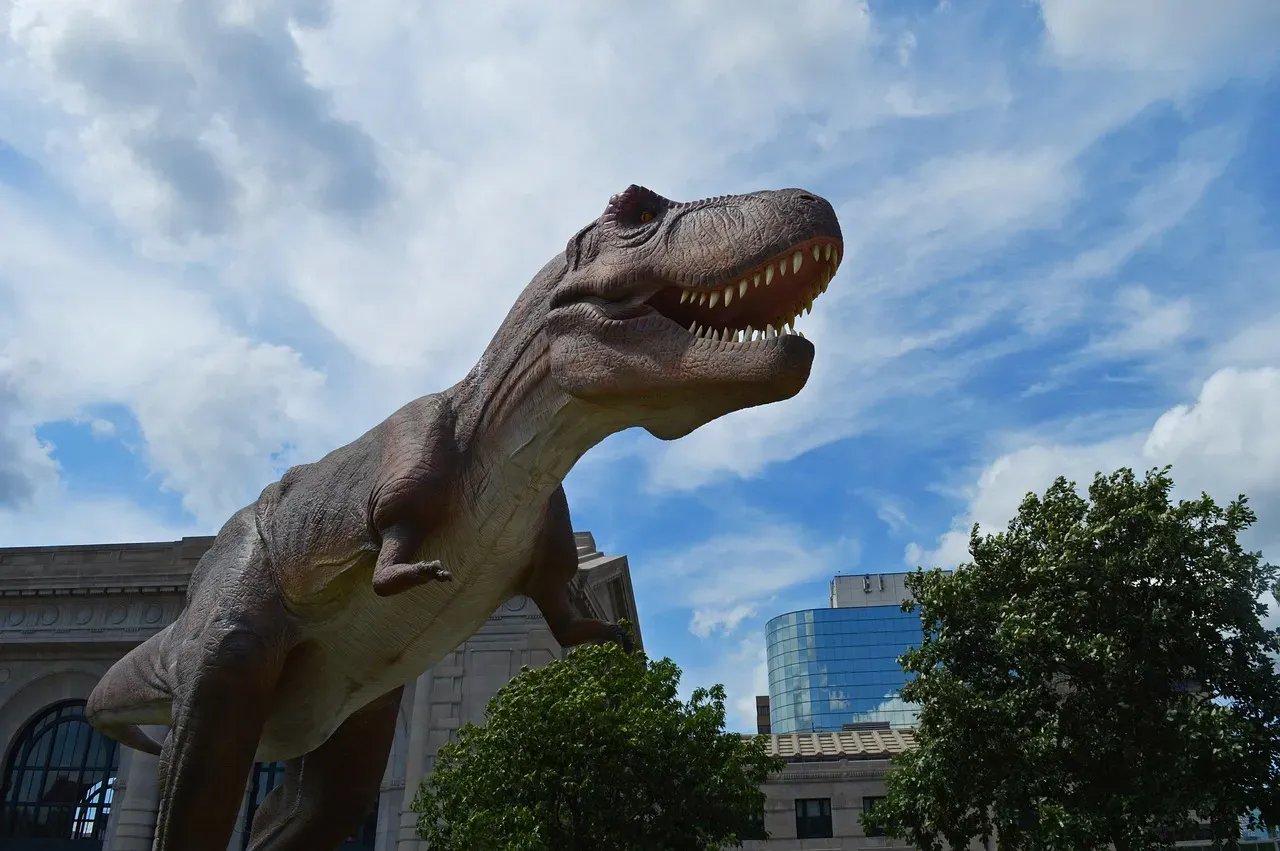
It is tempting to imagine a modern city with sauropods wandering the outskirts and T. rex lurking in national parks, but evolution does not stand still. Over sixty‑six million years, dinosaurs would have changed dramatically, just as mammals did in our real timeline. Some lineages might have become even more bird‑like, with advanced social behaviors, complex calls, maybe even primitive tool use in some highly intelligent forms. Others could have adapted to cold climates, open grasslands, or even semi‑aquatic lifestyles in newly forming oceans.
Technological civilization built by dinosaurs is an intriguing but extremely speculative leap. Intelligence has evolved a few times in complex ways, but not every successful group heads down that road. What is more grounded is imagining a patchwork world where different dinosaur lineages dominate forests, plains, coasts, and skies, while mammals and other groups live in the margins or in unique specialized niches. Think of modern ecosystems, but with the roles of elephants, big cats, and large herbivores all recast with very different, scaly actors.
So, From what we know today, the most reasonable answer is that many of them probably could have, especially the smaller, more adaptable species and the bird lineages already on the rise. Some of the giant, iconic forms might have struggled against ongoing climate and environmental changes, gradually fading out rather than being snuffed in a single cosmic instant. Evolution is ruthless but not predictable, and there is room in the data for more than one plausible path, though almost none of them include a world where dinosaurs thrive and humans still end up here in their current form.
My own view is that a meteor‑free Earth would almost certainly still be a dinosaur planet, just not the late Cretaceous one we know from documentaries and museum halls. It would be full of leaner, more adaptable descendants, with birds as the undeniable success story and mammals permanently stuck in the supporting cast. In a way, our very existence is built on that one catastrophic bad day for the dinosaurs. Next time you see a pigeon or a hawk, it is worth asking yourself: in a slightly different universe, would that animal’s cousins still be ruling the world instead of us, and would we be the tiny, overlooked creatures hiding in the shadows?