
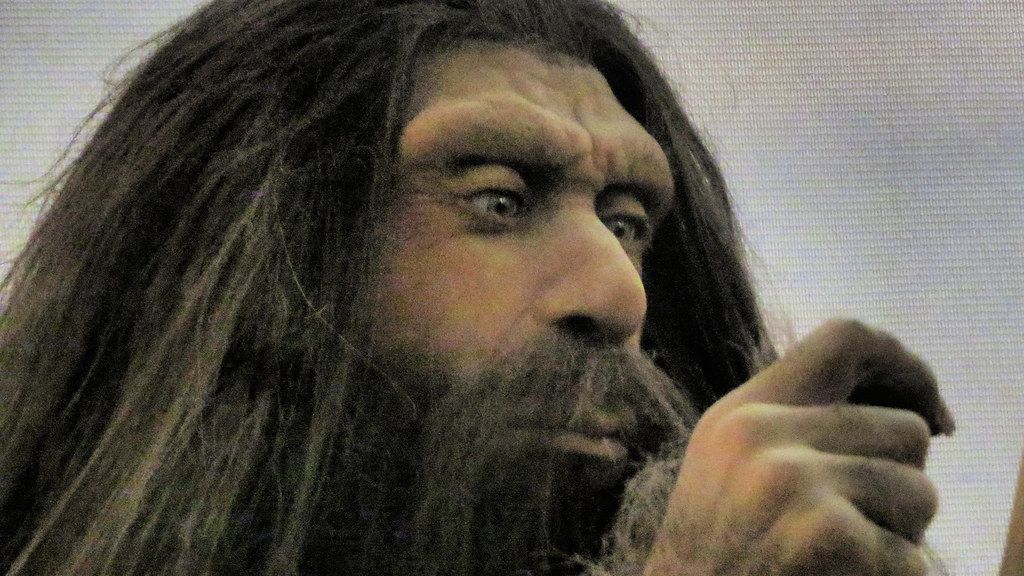
When most people hear the word Neanderthal, they picture a clumsy cave brute dragging a club, grunting at shadows, and barely scraping by. That image is so deeply baked into pop culture that it can be genuinely shocking to discover how wrong it probably is. The more scientists dig into bones, DNA, and ancient artifacts, the more Neanderthals start to look less like primitive side characters in our story and more like a different kind of human who was surprisingly sophisticated.
I still remember the first time I saw a Neanderthal facial reconstruction that looked like a normal person who might sit next to you on the subway if you gave them a haircut and modern clothes. It instantly broke that cartoon cave-man stereotype. From there, reading about their tools, technology, social lives, and even their genes felt like opening a door into a lost branch of humanity. Once you see how much evidence has quietly stacked up, it becomes pretty hard to keep thinking of Neanderthals as dumb.
The Big-Brain Myth: Why Size Alone Never Told the Full Story
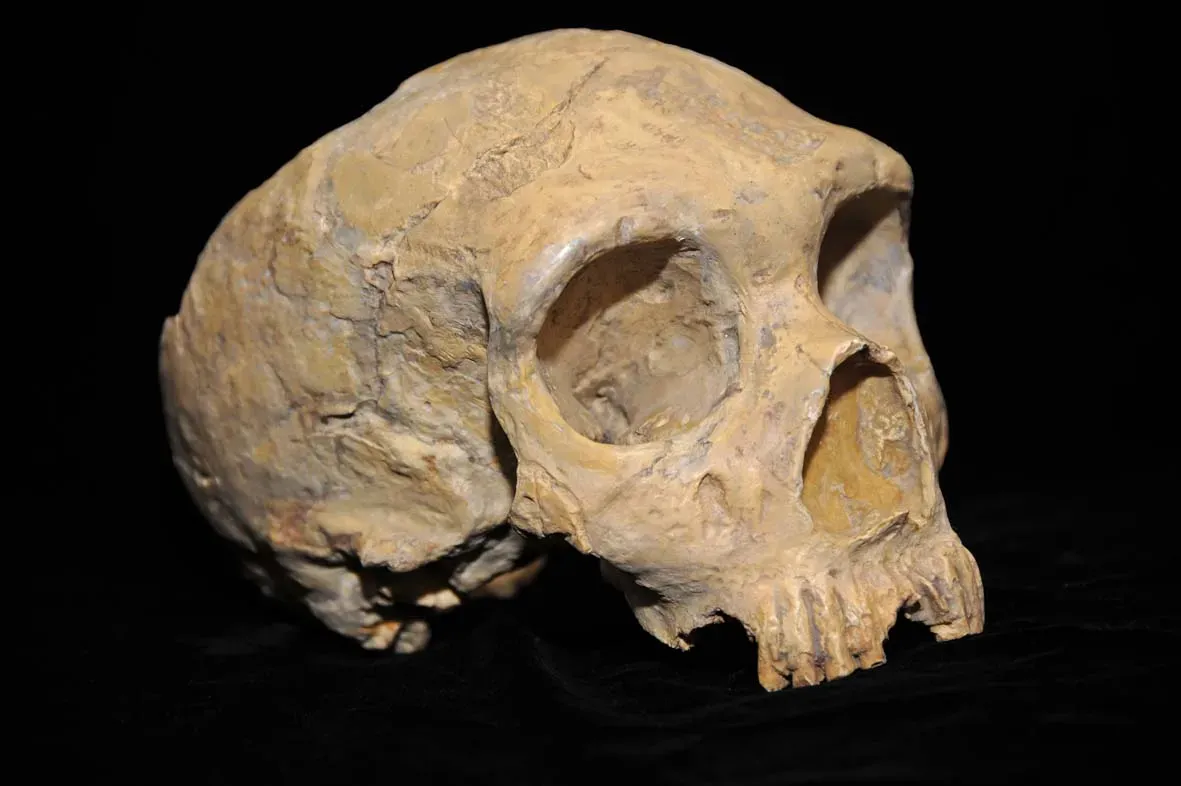
Here’s the first surprising twist: Neanderthals often had brain volumes that were at least as large as, and sometimes slightly larger than, those of modern humans. That alone doesn’t prove they were “smarter,” but it completely undercuts the lazy idea that they were simply less evolved or mentally limited. Their braincases were shaped a bit differently, with more volume toward the back, which likely reflects slightly different wiring and specialization, not some kind of inferiority.
Scientists think Neanderthals invested a lot of neural real estate into vision, body control, and processing sensory information in harsh, changeable environments. Imagine trying to read weather, terrain, and animal behavior well enough to survive winter after winter without any of the systems we rely on today. Their brains were tuned for that reality. If anything, their world demanded a constant, high-stakes kind of intelligence that most of us never have to tap into.
Masters Of Cold-World Survival, Not Just Cave-Dwelling Brutes

One of the clearest signs of Neanderthal smarts is that they survived for hundreds of thousands of years in environments that would break most modern people in a week. They lived through ice age cycles, brutal winters, shifting animal migrations, and dangerous predators, and they did it without agriculture, cities, or global trade networks. That means they had to understand landscapes deeply, track game animals over large distances, and know seasonal patterns the way a pilot knows their instruments.
They also handled injuries and chronic stress in ways that suggest knowledge and care, not just luck. Many Neanderthal skeletons show healed fractures and serious trauma that would have required others to help with food, protection, and time to recover. That kind of long-term mutual support is not something you see in a mindless brute. It looks a lot more like a tough, resilient community that knew how to adapt, cooperate, and keep its members alive under constant pressure.
Stone Tools, Fire, And Subtle Tech Most People Never Hear About
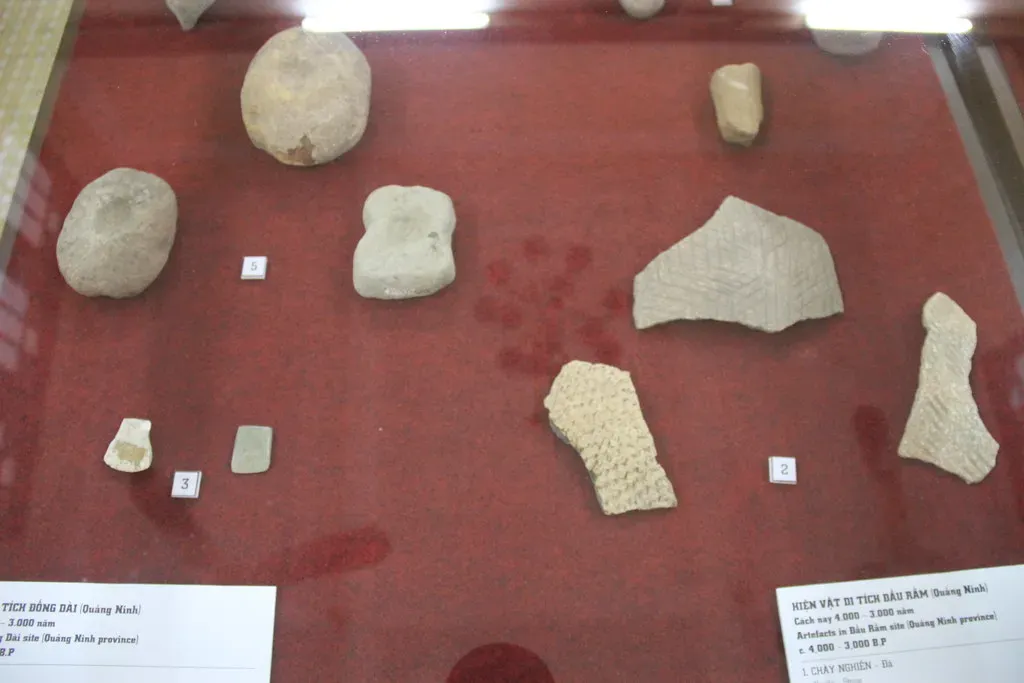
Neanderthals are often dismissed as just being good with rocks, but their stone tools were not random chunks; they were carefully shaped technologies. They mastered complex techniques to produce sharp, standardized flakes and points from specific raw materials, often transported over long distances. That kind of planning, precision, and resource selection suggests a mental toolkit that could juggle abstract steps and future needs, not just immediate impulses.
On top of that, there is evidence that Neanderthals used fire deliberately, worked with plant materials, and sometimes created composite tools by attaching stone tips to wooden shafts, sometimes with natural glues or bindings. Once you start thinking in terms of recipes for tools and workflows instead of single objects, their world looks far more inventive. They were not just hitting rocks together; they were following sequences of actions that had to be learned, remembered, and passed down, which is a big part of what we call culture.
Symbolic Minds: Art, Ornaments, And The Spark Of Abstract Thought
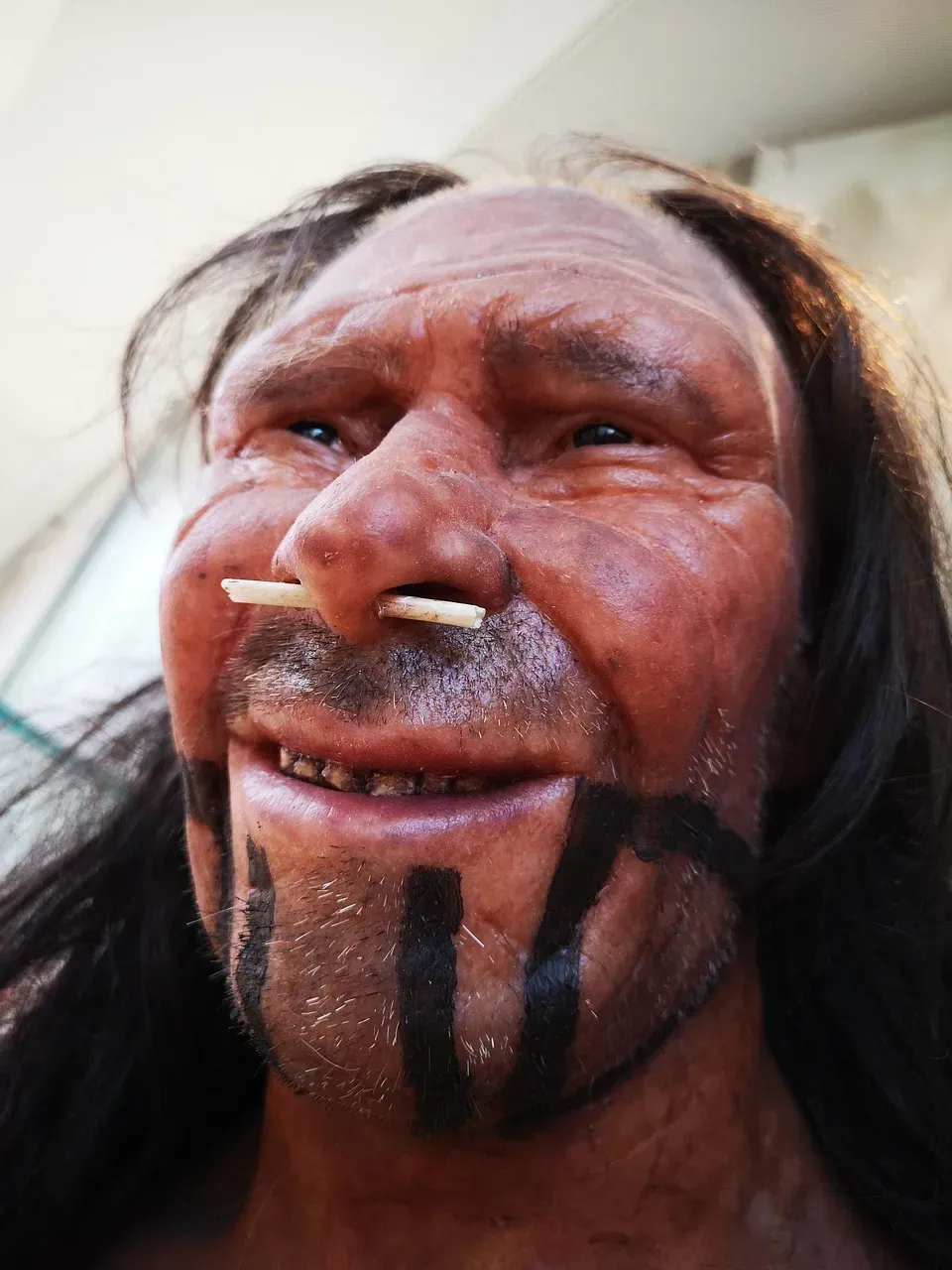
For a long time, the supposed smoking gun of human superiority was symbolic behavior: art, ornaments, and rituals. Yet evidence keeps emerging that Neanderthals were at least flirting with this territory. Archaeologists have found pigments like ochre in Neanderthal contexts, perforated shells that look like pendants, and arrangements of bones or structures deep in caves that do not obviously serve a purely practical purpose. None of it turns them into Renaissance painters, but it strongly hints at minds that could handle symbolism and meaning.
The key point is not whether every single controversial find counts as “art,” but that Neanderthals were not restricted to only here-and-now survival tasks. They seem to have cared about marking bodies, places, or events in ways that went beyond food and shelter. Even a small amount of symbolic behavior means they were capable of abstract thinking and shared ideas. That already pushes them far beyond the pop-culture image of the animal-like caveman stumbling in the dark.
Social Brains, Shared Care, And The Emotional Life Of Neanderthals
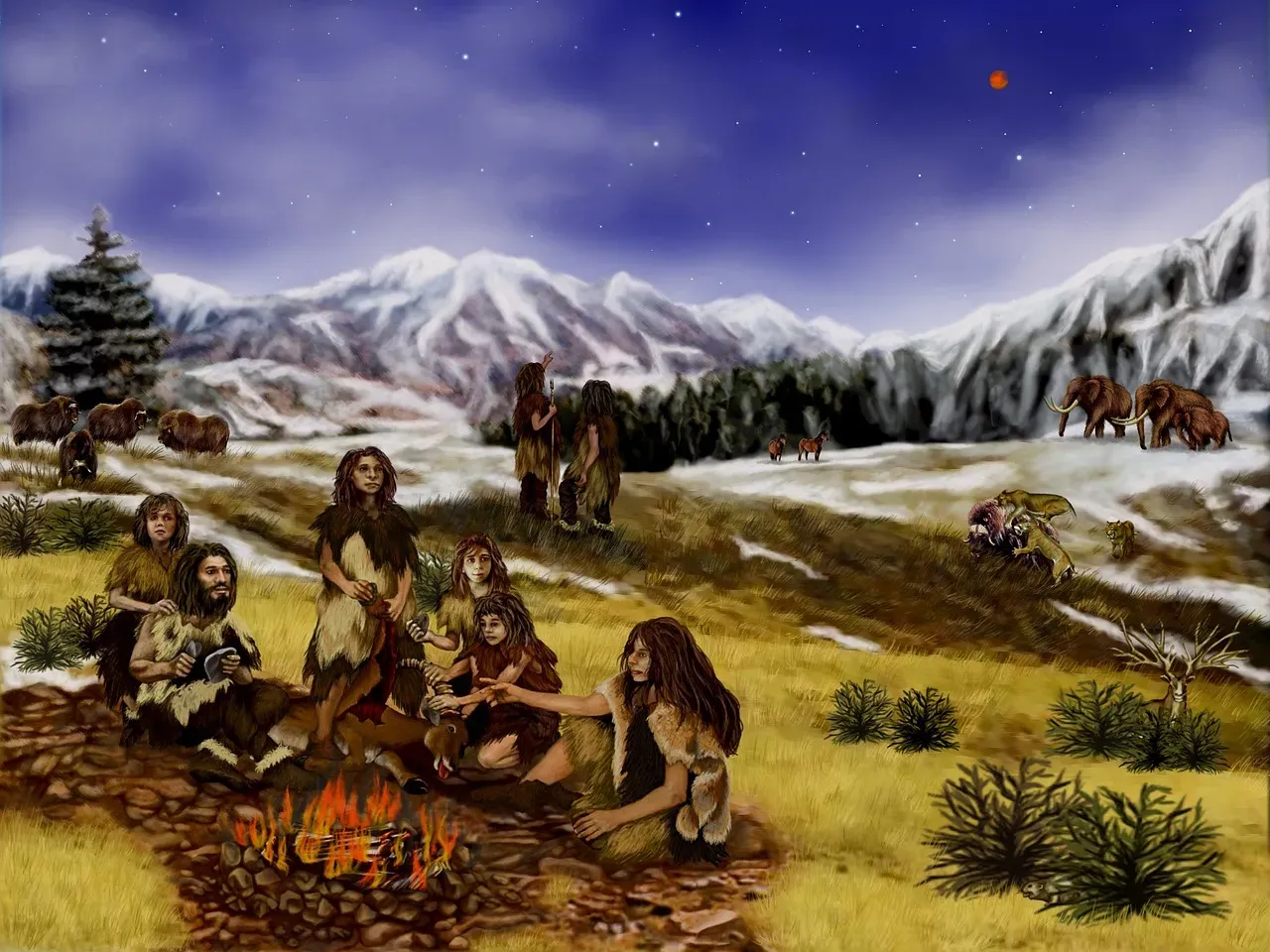
Intelligence is not only about tools and puzzles; it is also about relationships. Neanderthal skeletons that show long-term disability, like serious injuries or degenerative conditions, hint that some individuals were supported for years by others. Keeping someone alive who cannot hunt or move well demands empathy, planning, and social memory: you have to care enough to help and be organized enough to make it work. That alone tells a very different story from the idea of a brutal, every-person-for-themselves lifestyle.
It is easy to underestimate how cognitively complex it is to coordinate group hunts, share food, raise children, and maintain alliances in small, mobile bands. Think about the emotional reading skills needed to avoid constant conflict in a tiny group where one bad argument can endanger the whole camp. Neanderthals likely had language of some kind, rich social bonds, and a sense of identity bound to their groups. Their intelligence would have been woven just as much into conversations and caregiving as into spears and shelters.
Our DNA Still Carries Their Legacy – And Our Assumptions Need Updating
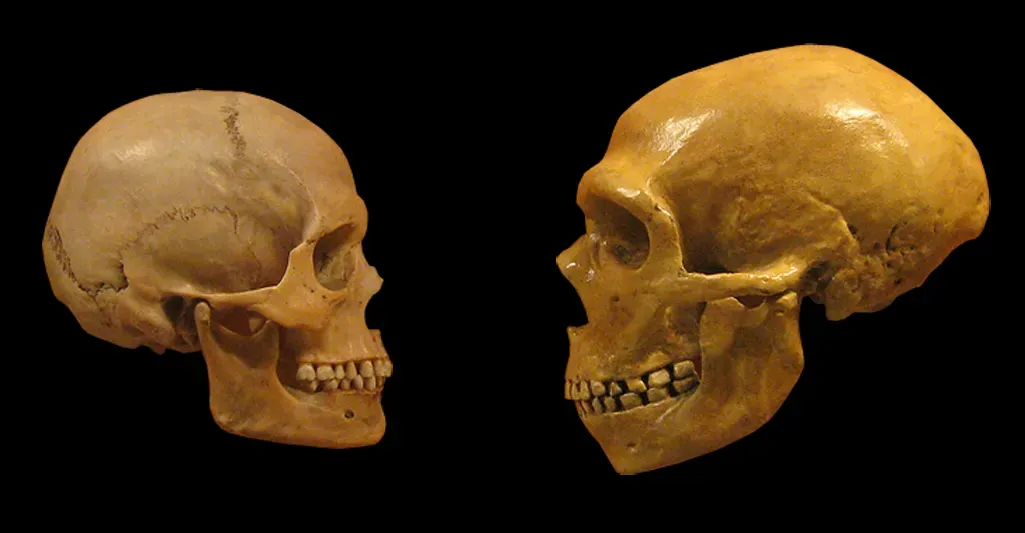
One of the most powerful hints that Neanderthals were not some failed evolutionary dead-end is that they did not fully disappear; they live on in us. Many people today outside of Africa carry a noticeable amount of Neanderthal DNA that influences traits like immunity, skin and hair biology, and even how our bodies respond to certain environments. Natural selection does not preserve useless baggage for tens of thousands of years, so those genetic contributions likely mattered in real, adaptive ways.
Realizing that our line and theirs mixed, more than once, forces a rethink of the whole story. Rather than neat ladders of progress where “primitive” forms vanish as superior ones appear, human evolution looks more like a tangled network of related groups sharing genes and ideas. Neanderthals were one of those branches, not side characters. Seeing them as close cousins with their own brand of intelligence is more accurate than writing them off as cave caricatures, and it also makes our shared human story more complicated – and honestly, far more interesting.
Conclusion: Neanderthals Were Different Smart, Not Dumb
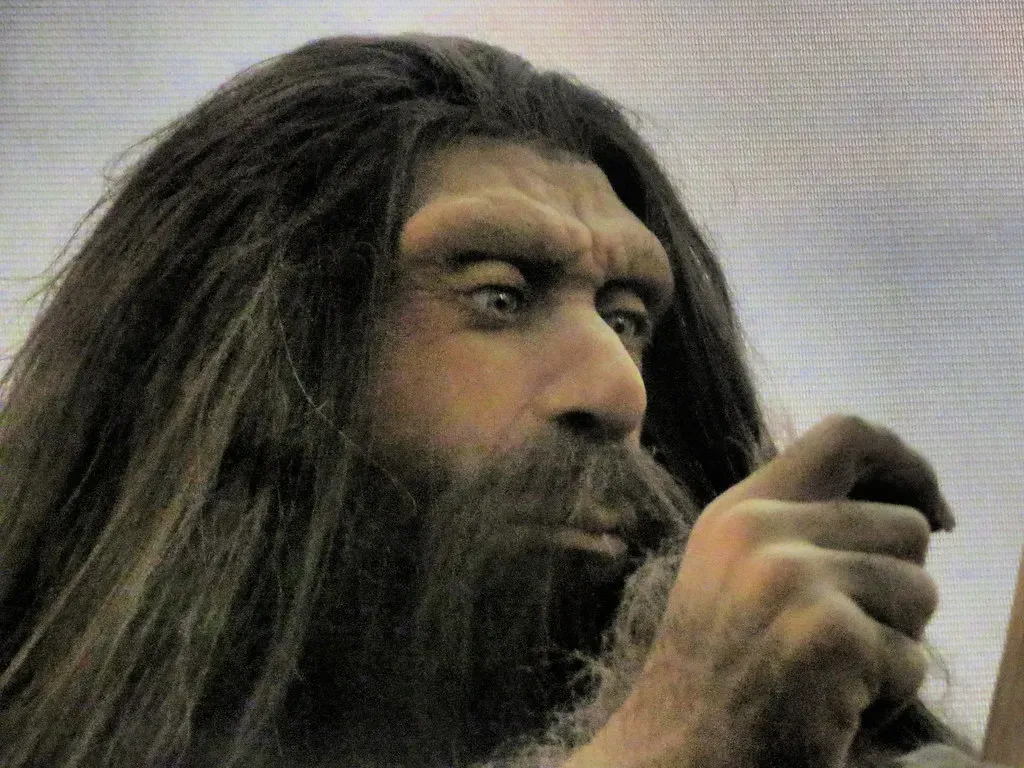
Putting all of this together, the most honest takeaway is not that Neanderthals were secretly super-geniuses, but that they were a different kind of smart than we usually give them credit for. Their intelligence was tuned to icy landscapes, close-knit bands, and hands-on problem-solving, not smartphones and spreadsheets. When we judge them with modern city brains as the standard, we miss the sheer complexity of surviving their world and the creativity they brought to it. In that sense, our old stereotype says more about our arrogance than about their actual abilities.
To me, the most striking part is that once you strip away the cartoon image, Neanderthals feel less like “others” and more like alternative versions of us who happened to lose the evolutionary lottery. They had big, capable brains, rich social lives, subtle technologies, and at least a spark of symbolic thought. Calling them stupid is not just unfair; it is probably wrong. Maybe the real challenge now is this: if another human species walked the Earth again, would we be smart enough not to underestimate them the way we did Neanderthals?