
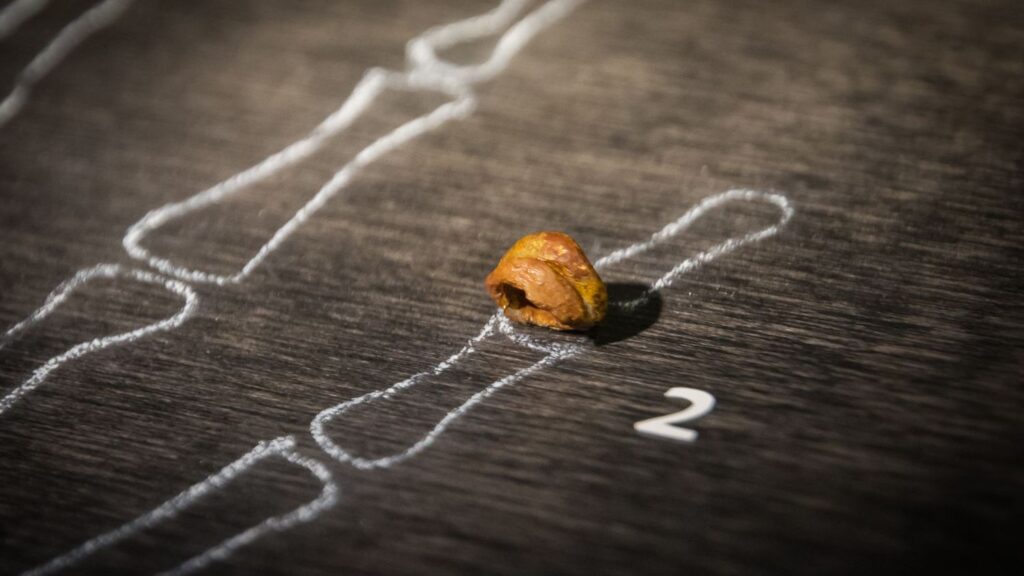
Imagine rewriting a whole chapter of human evolution because of a single, child‑sized finger bone. That’s exactly what happened in 2010, when researchers analyzing a tiny fossil from a Siberian cave realized they were looking at a human relative no one even knew existed. No jaw, no skull, no full skeleton. Just a fragment from the hand of a girl who lived tens of thousands of years ago.
From that sliver of bone came one of the most surprising revelations in modern anthropology: the Denisovans, a mysterious branch of the human family tree that left almost no fossil record, but a powerful genetic legacy inside many people alive today. The story of this species reads like a scientific thriller – part cold-case investigation, part DNA detective work, and part humbling reminder that we still barely understand our own origins.
The Tiny Finger That Shook Human Evolution
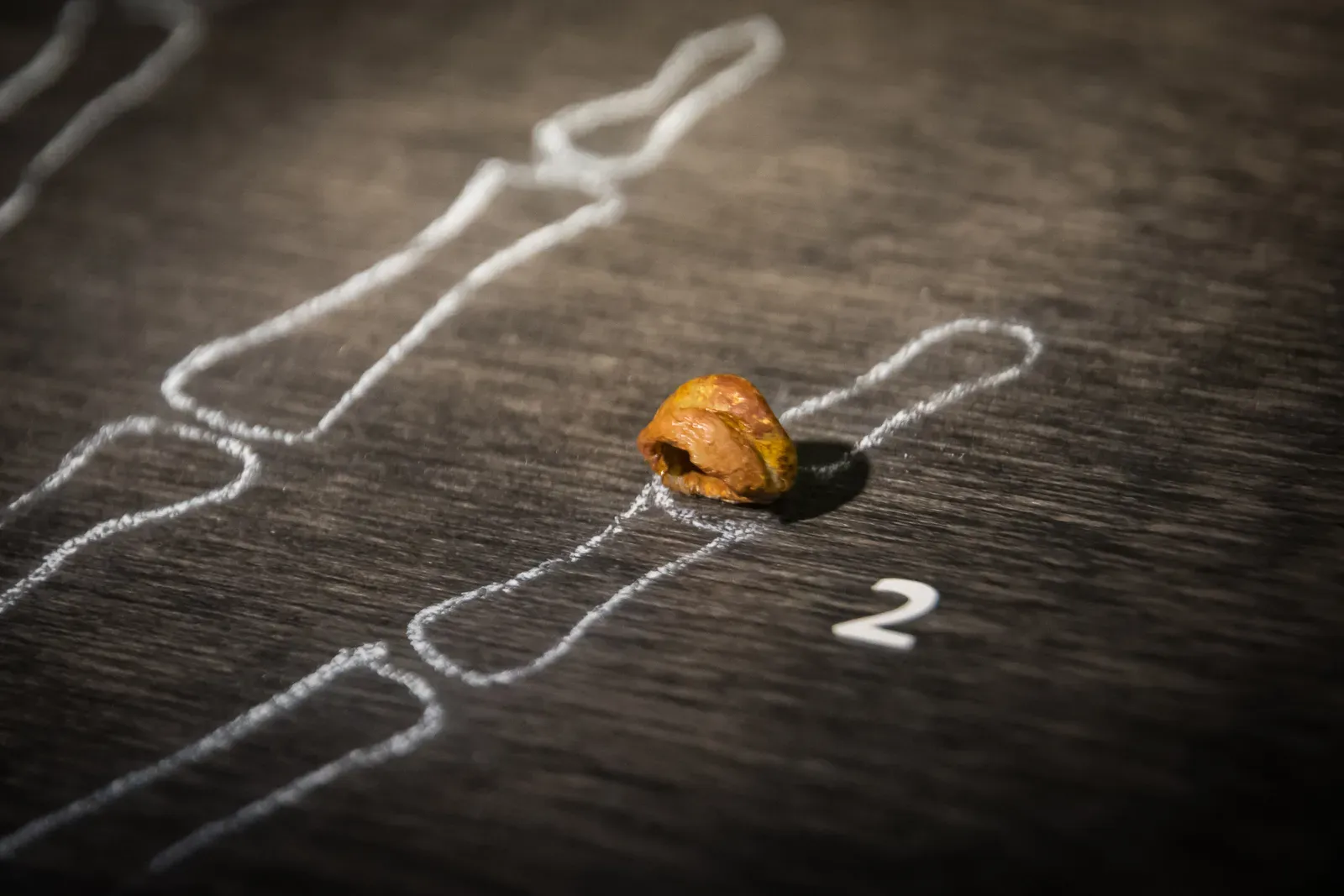
The story begins in Denisova Cave, a cold, remote site in the Altai Mountains of Siberia that had already produced Neanderthal remains. Archaeologists sifting through bones and debris found a small finger bone from a child, likely a girl, who lived more than forty thousand years ago. At first glance, the fragment looked unremarkable, just another small fossil among thousands recovered from the cave’s deep, layered sediments.
What changed everything wasn’t the bone’s shape but its DNA. When researchers extracted and sequenced the genetic material, they realized it did not match either modern humans or Neanderthals. It belonged to a distinct population, close relatives of Neanderthals but genetically different enough to count as a separate group. From that moment, the Denisovans stepped into the spotlight – without a face, without a complete skeleton, but with a unique genetic identity that forced scientists to redraw the human family tree.
Who Were the Mysterious Denisovans, Really?
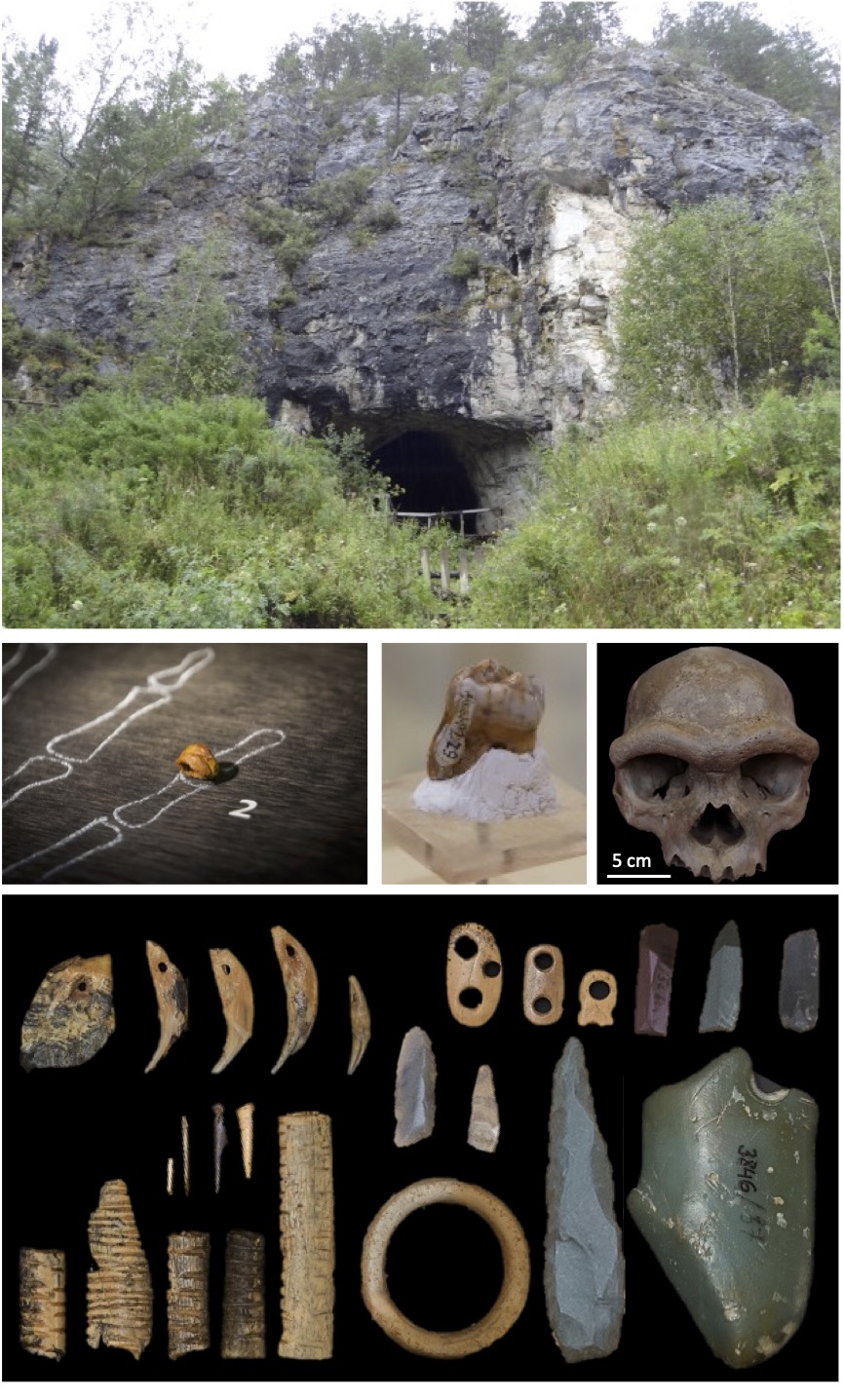
Here’s the strange part: we know more about Denisovan DNA than we do about their bodies. Apart from a few teeth and bone fragments, their fossil record is almost non-existent. Yet, through genetics, we know they were a sister group to Neanderthals, splitting from a common ancestor hundreds of thousands of years ago. They were not some minor side branch; they were a major lineage that coexisted with Neanderthals and modern humans for a long stretch of time.
The limited fossils we have suggest they were robust, with large teeth that dwarf those of modern humans. Still, we don’t have a complete skull, so we can’t say exactly what a Denisovan would have looked like if you passed them on an ancient street. It’s a bit like knowing a band only from their recordings but having no idea what they looked like on stage. We can place them on the evolutionary chart, estimate when they lived, and guess where they moved, but the full picture of their daily lives remains frustratingly blurry.
How We Reconstructed a Species Almost Entirely from DNA
The Denisovan story marks a turning point in how we study human origins. Traditionally, anthropology relied on bones, tools, and the occasional preserved footprint. With Denisovans, genetics took the lead. Scientists managed to sequence their entire genome from that tiny finger bone, something that would have seemed like science fiction not long ago. By lining up Denisovan DNA with that of Neanderthals and modern humans, researchers could estimate how closely related we all are and when our lineages diverged.
Genomic analysis even allowed scientists to outline features Denisovans might have had, like aspects of their facial structure or vocal tract, by comparing their genes with known human traits. It’s weak tea compared to having an actual skull, but it’s still incredibly powerful. We are essentially reverse‑engineering a vanished population from their genetic code alone. As someone who’s always loved puzzles, I find this deeply satisfying: it’s like rebuilding a lost sculpture from scattered blueprints instead of the stone itself.
The Hidden Denisovan Legacy in Modern Humans
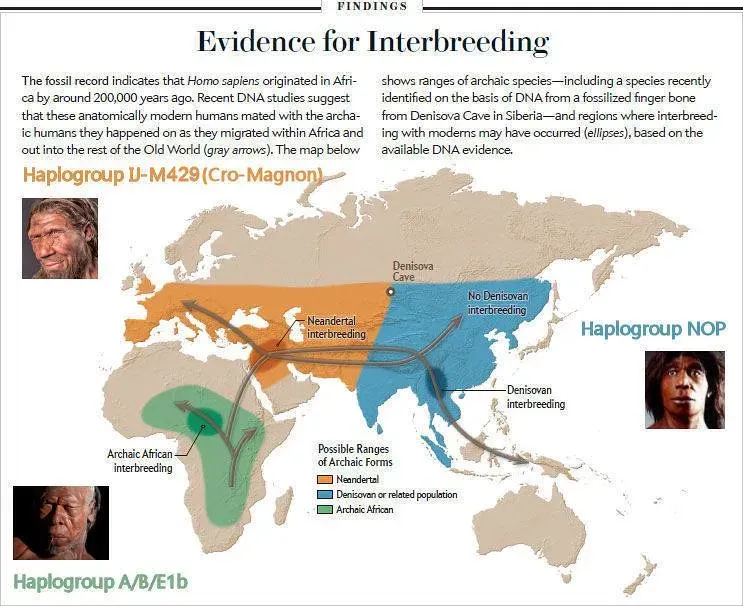
Here’s where the story gets personal: if you trace your ancestry to parts of Asia, Oceania, or the Americas, there’s a decent chance you carry small fragments of Denisovan DNA. Studies of modern genomes have found that some Indigenous populations in Papua New Guinea, Australia, and nearby regions carry a noticeable amount of Denisovan ancestry. Certain East and Southeast Asian populations also show traces, although in different patterns. This means our ancestors did not just meet Denisovans; they had children with them, and those children’s descendants are still here.
Even more striking, some of those Denisovan genes appear to have been useful. For example, one gene variant linked to high‑altitude adaptation in Tibetan populations seems to have come from Denisovans. That suggests interbreeding was not just a quirky historical footnote; it had real consequences for survival in challenging environments. I think this flips the old, simplistic model of human evolution on its head. It’s not a clean ladder from primitive to advanced, but a tangled network of groups sharing genes, skills, and landscapes.
What Denisovans Reveal About Our Messy Human Family Tree
Before the Denisovan discovery, many people imagined human evolution as a fairly straightforward story: archaic humans on one side, modern humans on the other, with a few brief encounters along the way. Denisovans smashed that illusion. They show that multiple human groups – modern humans, Neanderthals, Denisovans, and probably others we still haven’t detected – overlapped in both time and space. They likely traded genes, technologies, and maybe even cultural ideas in ways we’re only beginning to piece together.
To me, the Denisovan chapter is a humbling reminder that our species is not the inevitable, singular endpoint of evolution. We are one surviving branch from a dense thicket of related lineages. If you picture human evolution as a family reunion, it’s not a neat family portrait; it’s a chaotic room full of cousins you never knew you had, some of whom quietly slipped away while others left their fingerprints on your DNA. The fact that we managed to uncover one of those cousins from a single finger bone makes you wonder how many more are still completely invisible to us.
The Future of Denisovan Research and Why It Changes How We See Ourselves
Right now, Denisovans sit at that tantalizing crossroads of science: we know just enough to be sure they mattered, but not nearly enough to satisfy our curiosity. New discoveries keep trickling in – fragments from other caves, genetic hints from modern populations, and improved techniques for reading ancient DNA from sediments alone. It’s entirely possible that in the coming years, we’ll finally uncover a more complete Denisovan skeleton, or identify distinct tools and cultural artifacts we can confidently link to them. The field feels poised for another big reveal.
My honest opinion is that Denisovans have already changed more about our self‑image than many people realize. They show that being human has never been a clean category; it has always been shared, overlapping, and hybrid. I find that strangely comforting. Rather than seeing ourselves as a spotless, isolated species, we can embrace a more complex origin story, one that admits we are the result of encounters, mixing, and chance. The idea that a little girl’s finger bone from a cold Siberian cave could rewrite that story is both unsettling and beautiful. It raises a simple, unsettling question: if this much was hidden in the dirt until recently, what else about us is still waiting to be found?