
If you could rewind time to a random day one hundred thousand years ago, the world would feel eerily familiar and completely alien at the same time. There would be sunrises and thunderstorms, family groups huddled around fires, and children learning how to survive. But here’s the twist: they wouldn’t all be us. For most of our history, Homo sapiens was just one player in a crowded cast of human species, coexisting, competing, and sometimes even mixing with them.
That reality is both humbling and a bit unsettling. We like to think of ourselves as the inevitable main characters, but the fossil record tells a much messier story, full of dead ends, surprises, and cousins that vanished while we carried on. Once you see how many “almost humans” and “other humans” walked the Earth with our ancestors, it becomes impossible to look at your own face in the mirror without asking a wild question: why us, and why not them?
Neanderthals: The Close Cousins We Absorbed, Not Erased
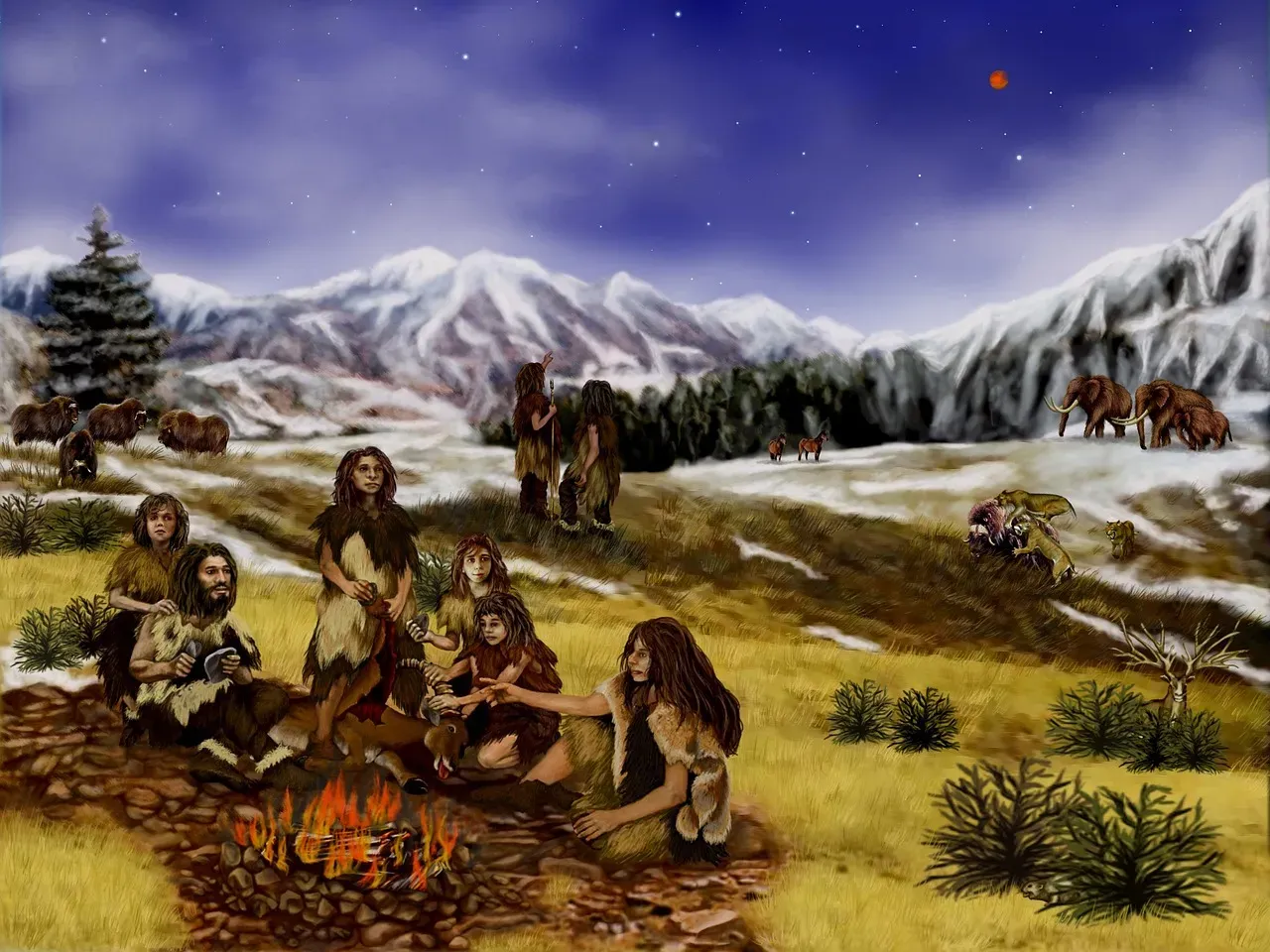
Neanderthals are probably the most famous of our extinct relatives, and they’ve had a serious image rehab in the last few decades. For a long time, they were painted as brutish cavemen, but newer evidence shows they had big brains, made tools, used fire skillfully, and almost certainly had complex social lives. They lived across Europe and parts of western Asia for hundreds of thousands of years, surviving ice ages that would push modern city dwellers to the limit.
What makes Neanderthals especially gripping is that they didn’t just disappear in some clean evolutionary handoff. Genetic studies show that people of European, Middle Eastern, and some Asian ancestries still carry a small but real percentage of Neanderthal DNA. That means our ancestors did not simply “replace” them; they met, lived near them, and had children with them. Every time someone today learns they have a bit of Neanderthal ancestry, it’s a reminder that extinction can be blurry – sometimes a species partly lives on inside another.
Denisovans: A Ghost Lineage Written in Our DNA
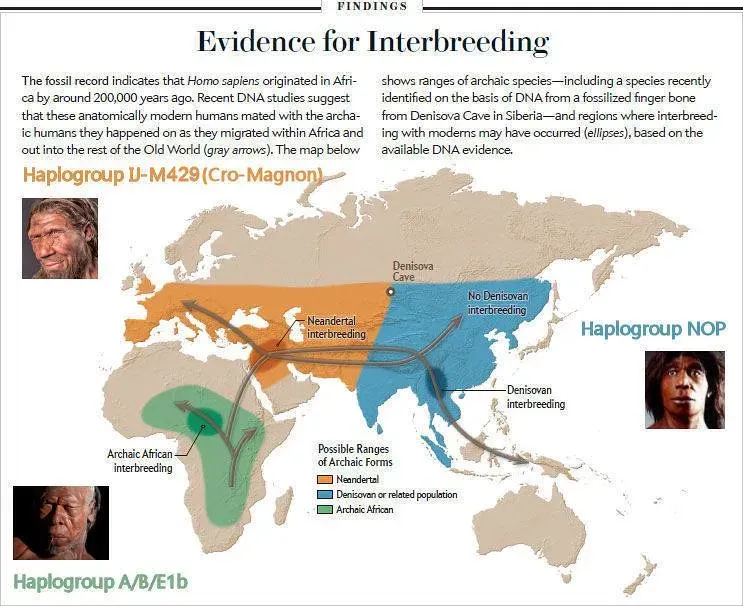
While Neanderthals left behind many bones and sites, Denisovans are like a rumor that genetics turned into a revelation. They were first identified from a fragment of finger bone and a few teeth found in a Siberian cave, yet those scraps completely reshaped our family tree. When scientists sequenced their DNA, they discovered that this was not just a variant of Neanderthals but a distinct branch of humans that had interacted with our own ancestors. In a way, they emerged from the data before they emerged from the dirt.
Even more intriguing is where Denisovan DNA shows up today. Many people in Melanesia, parts of Oceania, and some Asian populations carry Denisovan genetic contributions, including variants that seem to help with high-altitude adaptation on the Tibetan Plateau. That means this little-known group left a biological legacy that still helps humans survive in extreme conditions. It feels almost like discovering a secret collaborator in our evolutionary story – one we never knew existed but whose fingerprints we still carry in our cells.
Homo floresiensis: The “Hobbits” Who Challenged Our Assumptions
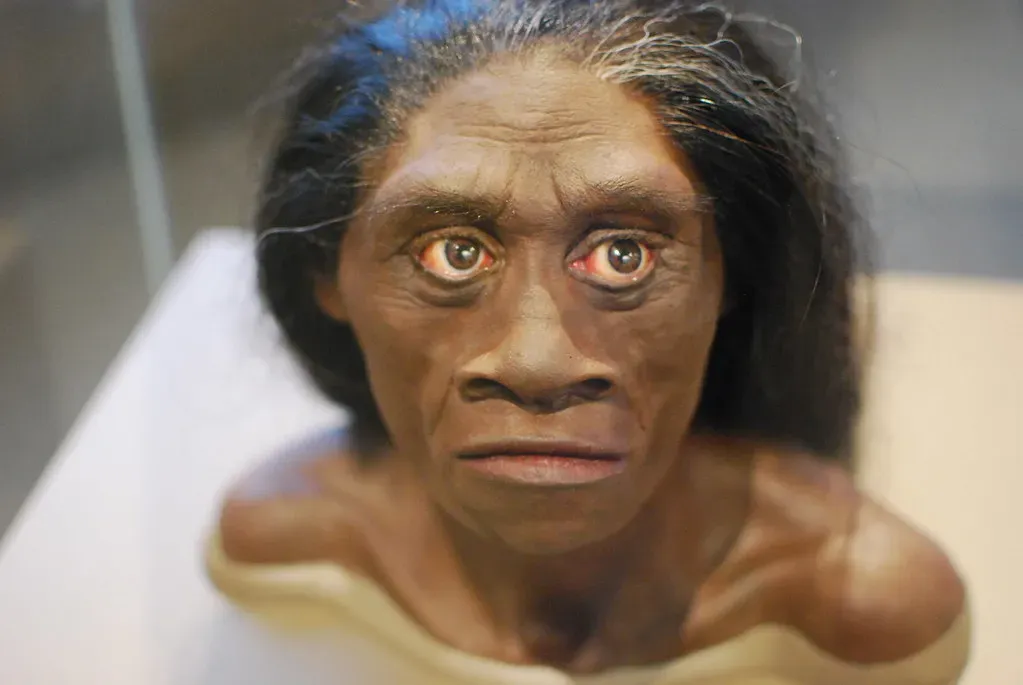
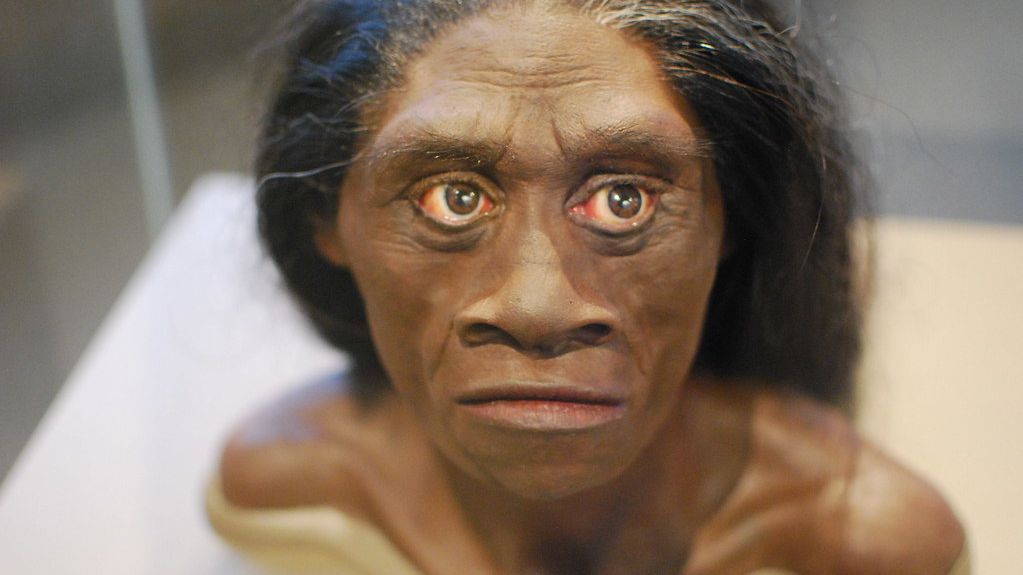
On the Indonesian island of Flores, researchers unearthed small-bodied humans with tiny brains, later named Homo floresiensis. They stood about as tall as a modern child, and their discovery blindsided the scientific community. According to old assumptions, such a small brain should have meant very limited abilities, yet they were making tools and surviving alongside giant lizards and other challenging island fauna. Suddenly, the neat equation of “bigger brain equals better human” started to look naive.
What really turns heads is how recently they seem to have lived – possibly into the last fifty thousand years or so, overlapping with modern humans in the broader region. Their existence raises questions about just how many isolated human experiments nature might have run on islands and remote pockets of the world. The idea that tiny, resilient humans were sharing the planet with our ancestors, separated by seas but not by time, makes the past feel more like a fantasy novel than a dry timeline, only this story is carved into real bones.
Homo naledi: A Small-Brained Human With Big Mysteries
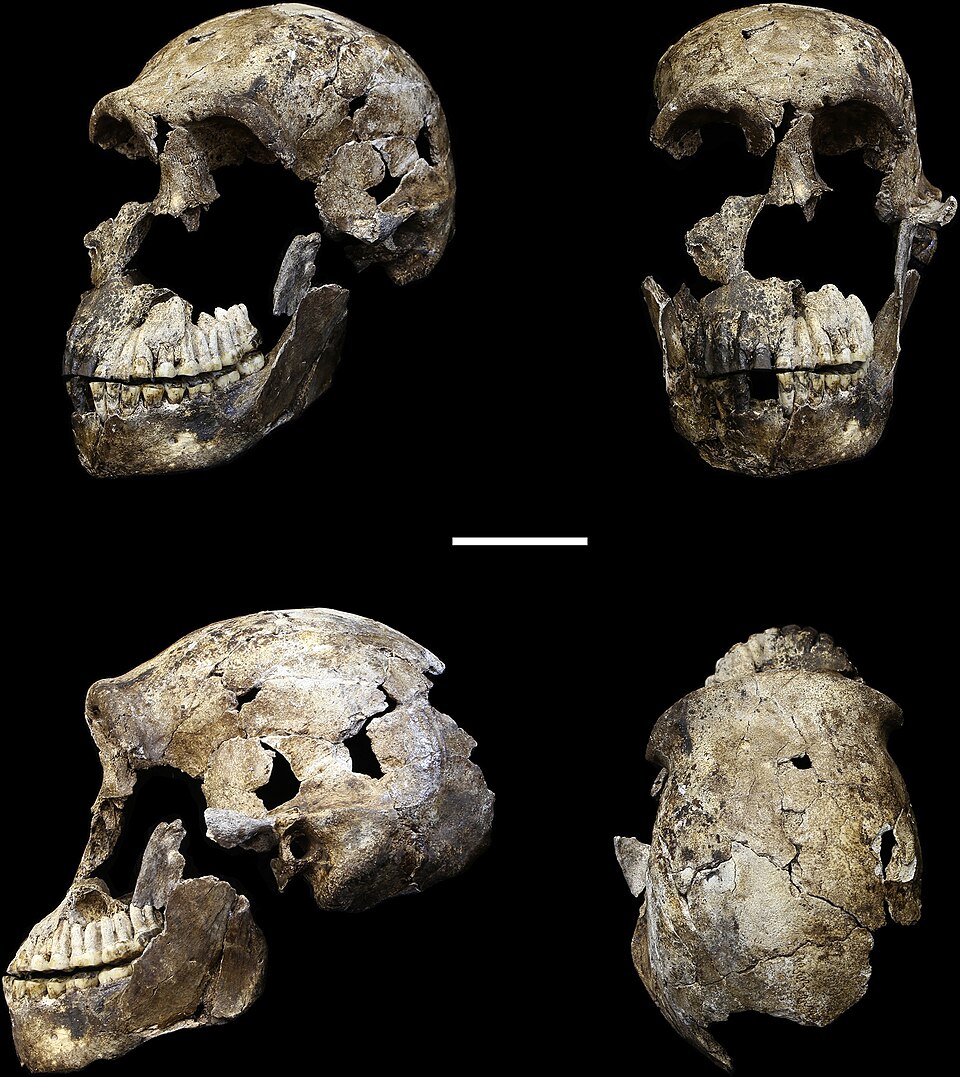
Homo naledi burst into public awareness from a cave system in South Africa, where explorers found an astonishing number of bones deep underground in hard-to-reach chambers. This species had a strange mix of traits: hands and feet somewhat like ours, but a small brain and a body that looked part modern, part ancient. The sheer number of individuals found together raised a controversial possibility – that they might have been deliberately placing their dead in those caves, something many once thought required a big, modern human brain.
To make things even more provocative, some dating estimates suggest that Homo naledi might have lived surprisingly recently, perhaps overlapping with our own species on the African landscape. If that holds up, it means small-brained humans were potentially performing complex, meaningful behaviors right alongside Homo sapiens. That would blow up the old idea that “modern behavior” is tied neatly to our brain size or to a sharp line between us and them. Personally, I find Homo naledi infuriating and inspiring at the same time – they are a reminder of how much we still do not understand about what it takes to be human.
Other Possible Humans: Red Deer Cave People, Hobbits’ Cousins, and More
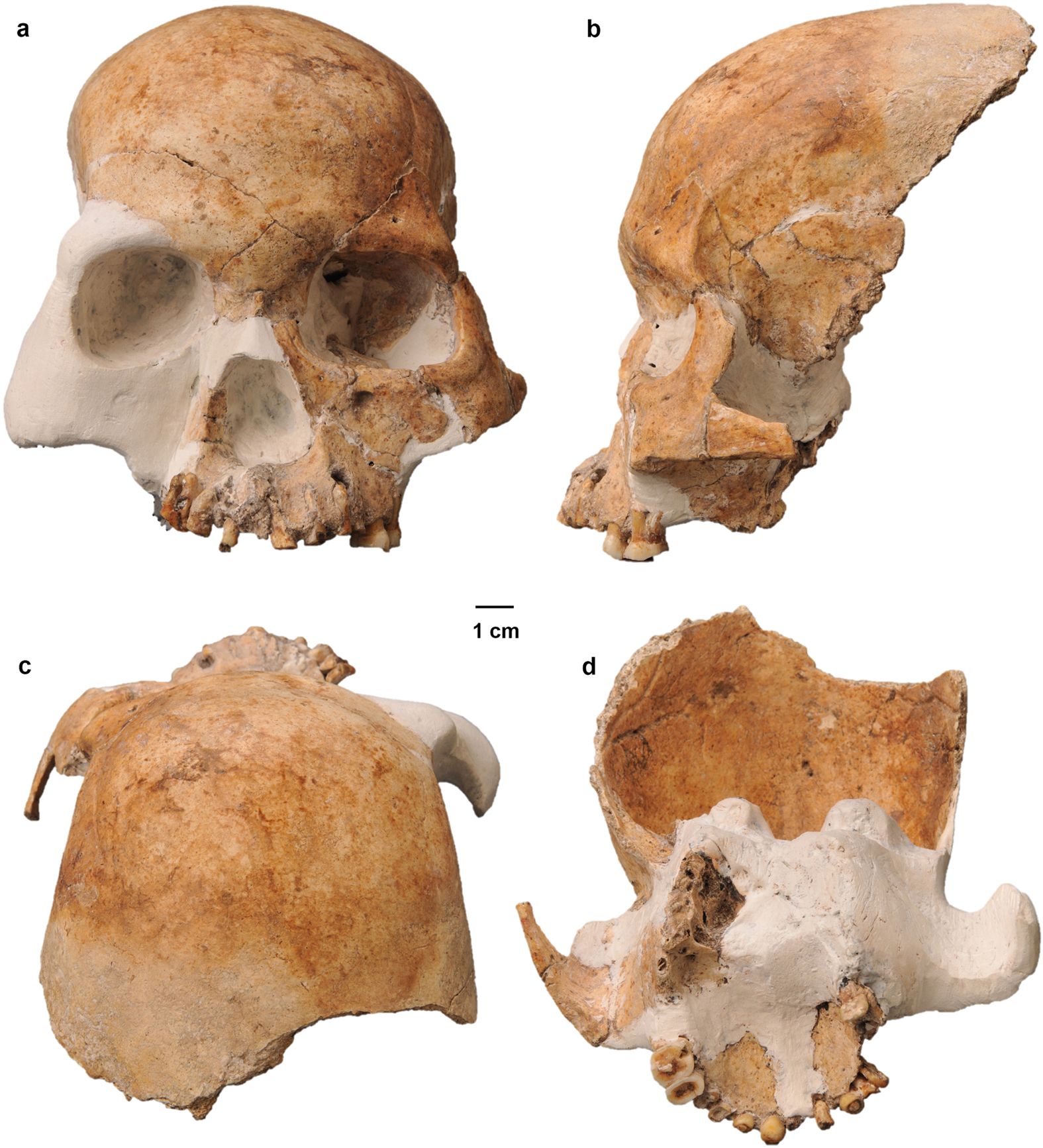
Beyond the better-known species, there are fragmentary, debated finds that hint at even more lost humans. In China, fossils known as the “Red Deer Cave people” and other unusual skulls and bones seem to show combinations of ancient and modern features that do not quite fit our textbook categories. Some researchers argue they might represent distinct human groups that survived late into the Pleistocene, perhaps overlapping with early Homo sapiens in Asia. Others are more cautious, suggesting they might be regional variants of early modern humans or mixtures of different populations.
The same pattern appears in other places: a jaw in Tibet, puzzling remains in the Philippines, more surprises on Indonesian islands. Every new discovery seems to whisper that our family tree was not a clean ladder but more like a tangled thicket. From a distance, that might feel frustratingly messy, but up close it is exactly what you would expect from evolution playing out over millions of years in changing environments. It suggests that our ancestors did not walk onto an empty stage; they were stepping into a crowded world full of other human actors, some of whom we still can barely name.
Why We Survived When Others Vanished
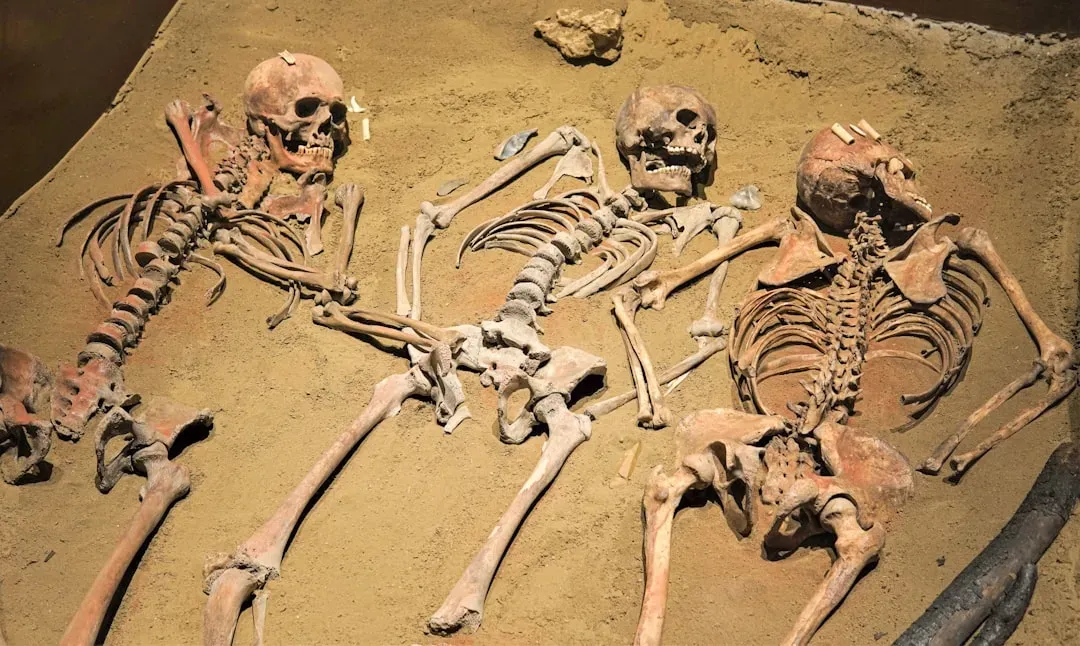
All of this leads to the uncomfortable question hanging over the story: why are we the only human species left standing? Maybe Homo sapiens had a combination of advantages – more flexible social networks, better long-distance trading, faster cultural innovation, or simply a knack for adapting quickly to new climates and resources. Some evidence hints at direct competition, where our arrival in a region is followed not too long after by the decline of other human groups. That pattern makes it hard to believe our success was purely gentle coexistence.
At the same time, extinction is rarely about a single villain or a single cause. Climate swings, shrinking habitats, and small, isolated populations would have made species like Neanderthals and others especially vulnerable to any added pressure, including competition and occasional conflict with us. My own view is that our great “victory” is a mixed story: impressive in terms of survival and creativity, but also a bit tragic, because it ended in a world where all the other kinds of humans are gone. When you realize that many of us carry genes from these lost species, it becomes harder to draw a clean moral line between “us” and “them” – they are literally part of who we are.
Conclusion: Living in a World That Used to Be Full of Humans
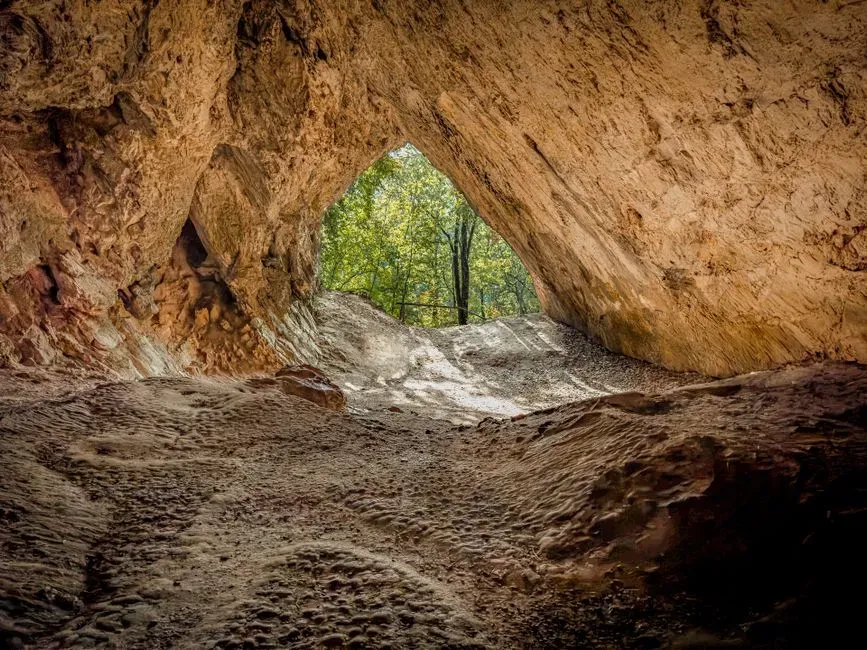
Once you absorb the idea that our ancestors shared the planet with Neanderthals, Denisovans, hobbit-like islanders, and other mysterious humans, the modern world starts to feel oddly lonely. We have gotten used to thinking of ourselves as the only humans, but for most of our existence that simply was not true. I think this matters, not just as a cool bit of trivia, but because it shakes our belief that we were destined to rule, that our path was the only possible outcome. Evolution does not write guarantees; it writes experiments, and most of those experiments end.
In my opinion, recognizing our lost cousins should make us a little less arrogant and a lot more curious. Their stories remind us that intelligence comes in many shapes, that culture can thrive in small bodies and small brains, and that survival is both an achievement and an accident. We are the last human species left, at least as far as we know, and that puts a strange weight on our shoulders: we carry not just our own future, but the echo of all the human lives that came before. Next time you look up at the night sky, maybe ask yourself a quiet question: in a world that once held many kinds of humans, what kind of humans are we choosing to be?